


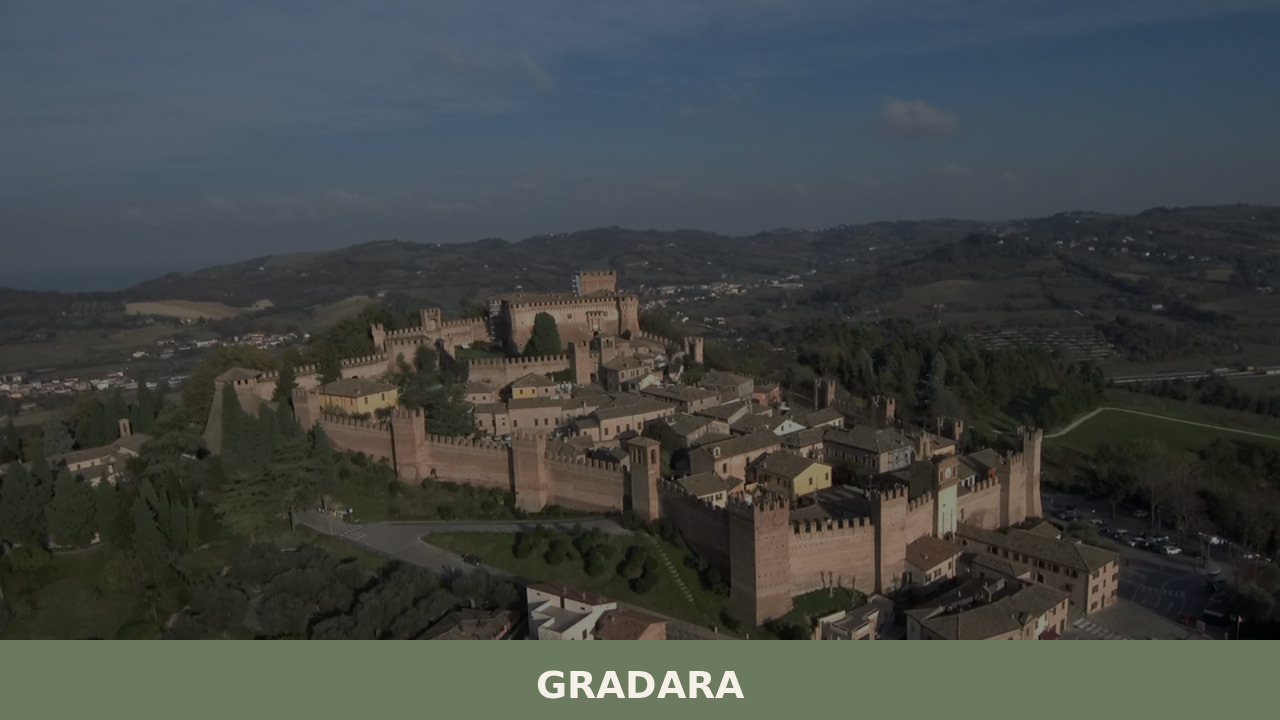

What to See in Gradara: discover Malatesta Castle and 4 other must-see attractions. Plan your trip to this Marche village of 4,889 inhabitants.
Discover Gradara
At an altitude of 142 meters above sea level, in the heart of the province of Pesaro and Urbino, stands Gradara, a village that, with its 4,889 inhabitants, retains the appearance of an ancient fortification. Its strategic position, a few kilometers from the Adriatic coast, has shaped its history, making it a fundamental control point.
Those wondering what to see in Gradara will immediately discover the imposing Malatesta Castle and its surrounding walls, elements that define the profile of the village and recount centuries of its history.
Visiting Gradara means immersing oneself in a historical context where every stone narrates a part of the past.
History and Origins of Gradara
The origins of Gradara are rooted in a medieval era, when its elevated and dominant position made it ideal for the construction of a defensive stronghold.
The first documents attesting to the existence of a fortified settlement date back to the 12th century, although archaeological excavations have revealed traces of occupation of the site since Roman times. The geographical conformation of the place, an isolated hill, favored the development of a defensive system that over time would transform into one of the most remarkable fortified complexes in the Marche region.
The name “Gradara” probably derives from the Latin “gradus,” which indicates an elevated position or a step, referring to its hilly conformation.
Gradara’s period of greatest splendor and architectural development is inextricably linked to the Malatesta family, who gained control of it in the 13th century.
It was under their lordship that the Fortress (Rocca) and the surrounding walls took on their current form, being constantly expanded and reinforced to withstand sieges. Among the Malatesta, figures such as Galeotto Malatesta, who consolidated the family’s power, and his successors stand out.
This period is also linked to the famous story of Paolo and Francesca, narrated by Dante Alighieri in the Divine Comedy, an episode which, though shrouded in legend, gives Gradara Castle an aura of romance and tragedy that still fascinates visitors today.
The fortress became a symbol of Malatesta power in the region, contended multiple times with rival families.
After the fall of the Malatesta in the 15th century, Gradara passed under the dominion of other powerful families, including the Sforza and the Della Rovere, who continued to modify and embellish its interiors and defensive structures.
In 1463, the village was the scene of an important siege by the Papal troops led by Federico da Montefeltro, an event that testifies to its strategic relevance. In subsequent centuries, with the advent of firearms and the loss of its military function, the Fortress of Gradara experienced a period of decline, being used also as a noble residence and, later, as a simple dwelling.
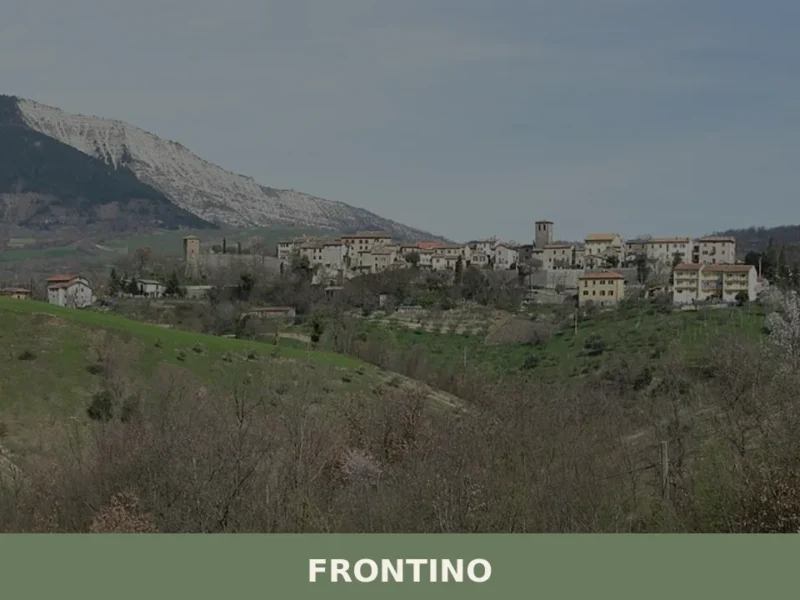
Only in the 20th century, thanks to important restoration interventions commissioned by Umberto Zanvettori, was the complex recovered and restored to its ancient splendor, becoming the monument we can admire today and a point of reference for cultural tourism in the Marche region, in a context similar to what can be found by visiting Frontino, another historically rich village in the same region.
What to see in Gradara: main attractions
For those wondering about what to see in Gradara, the answer inevitably begins with its imposing Castle, but the village offers much more, with a path that winds through ancient walls and historic streets.
Every corner of the village holds details that deserve attention, from military architecture to small churches, and the panoramas that open onto the surrounding countryside. The visit requires time to appreciate the richness of its historical and cultural heritage.
Gradara Castle
Gradara Castle is undoubtedly the main attraction and the most recognizable symbol of the village.
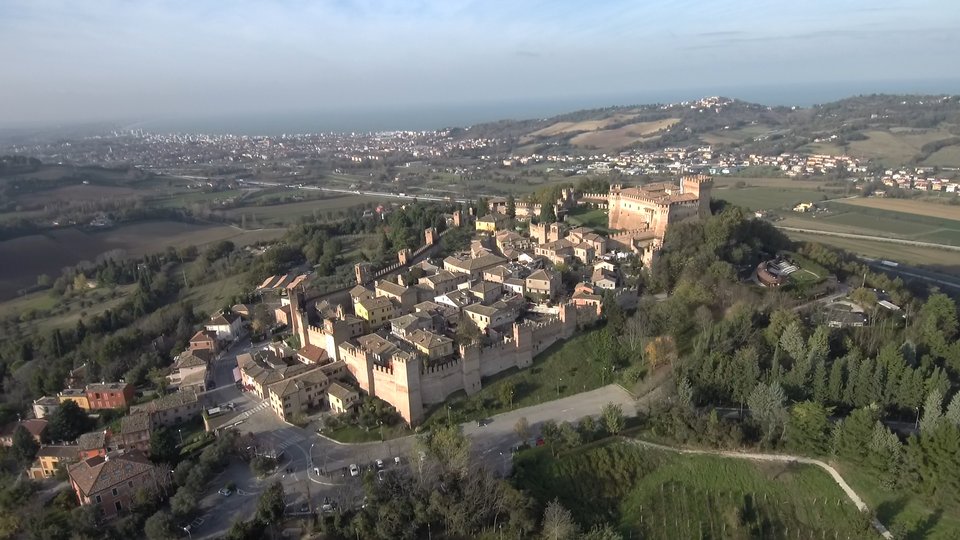
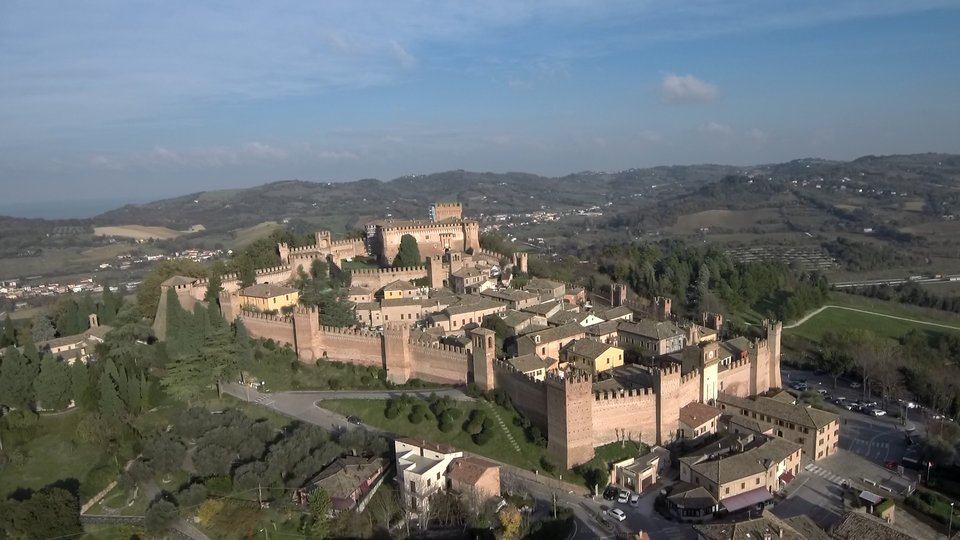
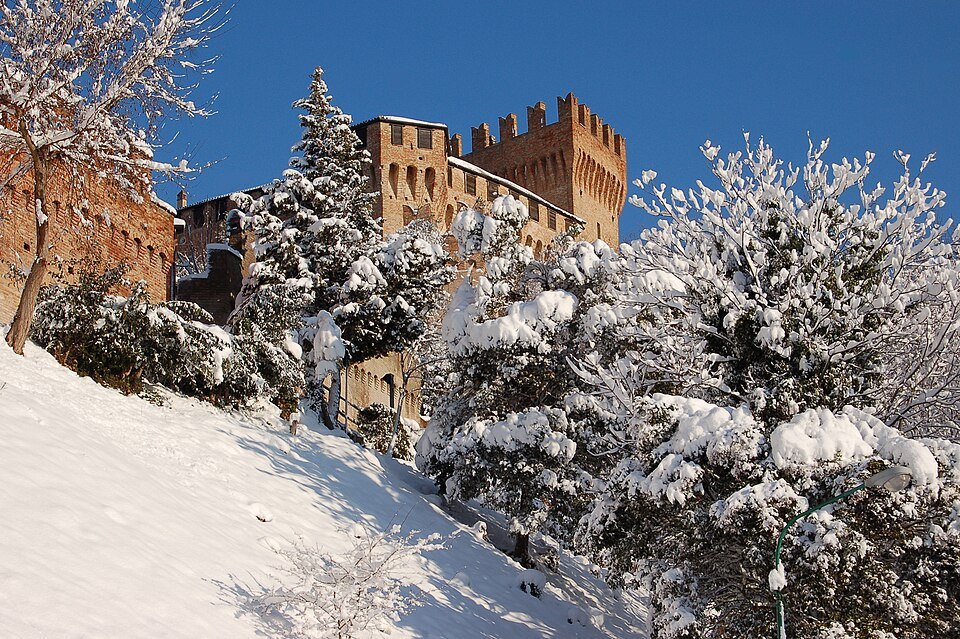
This majestic medieval fortress, with its imposing bulk and crenellated towers, dominates the surrounding landscape from the top of a hill.
Its construction began in the 12th century, but its current appearance is the result of expansions and modifications carried out mainly by the Malatesta family between the 13th and 14th centuries. The Rocca (Fortress) is famous for having been the setting for the tragic love story between Paolo and Francesca, as recounted by Dante Alighieri, an episode that has made the castle a place of great literary charm.
Inside, visitors can explore frescoed halls, patrol walkways, and rooms that evoke the courtly and military life of the era.
The visiting experience at Gradara Castle allows one to explore the various rooms, each with its own history and peculiarities. Among the most significant are the Hall of Paolo and Francesca, where it is imagined the reading of the book that united them took place, the Council Hall, with an original 15th-century wooden ceiling, and the Sibyl’s Chamber, which houses a 15th-century fresco.
The internal collections include period furnishings, frescoes, and objects that bear witness to daily life and the successive dominations.
Climbing the towers offers an exceptional panoramic view of the village below and the Marche countryside all the way to the Adriatic Sea, allowing one to fully understand the strategic function of the fortress. The castle is an excellent example of medieval military architecture, with its internal courtyards, drawbridges, and solid local stone walls.
Castle Walls
Gradara’s castle wall system represents one of the best-preserved examples in Italy of a double-circuit medieval fortification.
The outer walls, approximately 800 meters long, surround the entire village and are punctuated by towers and access gates, including the Clock Gate (Porta dell’Orologio), which serves as the main entrance to the historic center.
These imposing defensive structures were built and reinforced over the centuries, primarily under the Malatesta lordship, to protect the castle and the settlement from enemy attacks. Their function was to create an impassable barrier, with patrol walkways that allowed soldiers to patrol and defend the area.
One of the most evocative experiences for those visiting Gradara is the opportunity to walk along a section of the walls’ patrol walkways, which offer a unique perspective on the village and the surrounding landscape.
From these heights, one can admire the tiled roofs of the houses, the narrow and winding alleys, and the Rocca (Fortress) majestically rising in the center.
The path is well-preserved and allows visitors to appreciate the military engineering of the era, with loopholes and Ghibelline merlons that characterize the entire structure. A walk along the walls is an excellent way to understand the urban layout of the village and its integration with the defensive system, offering memorable photographic views and a sense of historical continuity.
The robustness of the stone and the care taken in its restoration make this experience accessible and informative for all visitors.
Historic Village
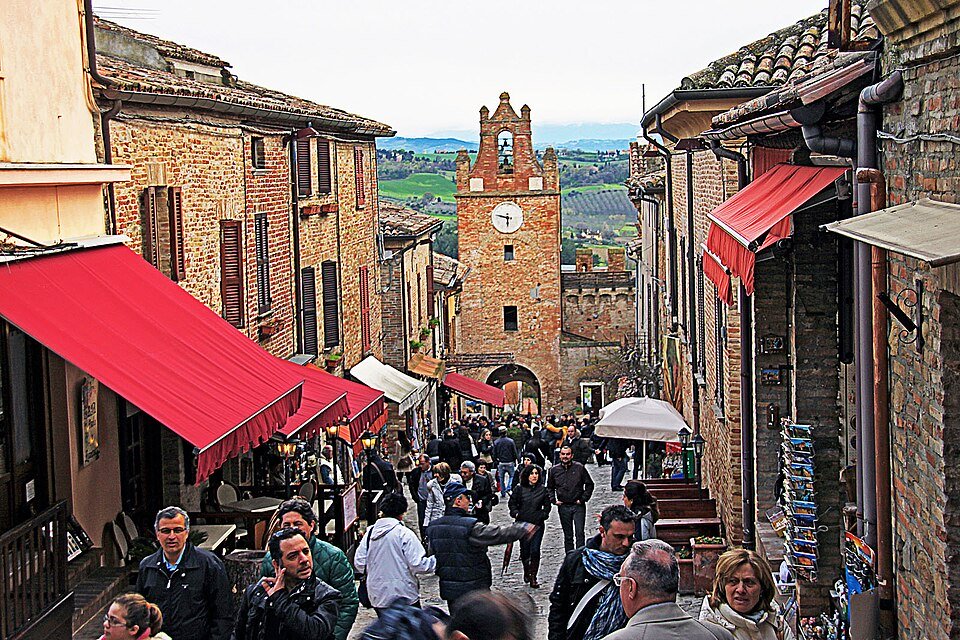
Gradara’s historic village, enclosed within its medieval walls, is a labyrinth of cobblestone streets, small squares, and stone houses that retain an authentic charm. Once past the Clock Gate (Porta dell’Orologio), visitors immediately find themselves immersed in a historical atmosphere, where time seems to flow at a different pace.
The main streets lead to the central square and then to the Castle, but it is by exploring the secondary alleys that one discovers characteristic corners, small artisan shops, and unexpected views.
The architecture of the houses reflects medieval and Renaissance styles, with stone portals and decorated windows that add a touch of rustic elegance.
This pulsating heart of the village is the ideal place for a relaxing stroll, discovering the testimonies of the past.
Walking through the historic village allows one to admire the harmony between the buildings and the surrounding environment, with local stone blending with the green hills. Among the streets, there are also small restaurants and cafes, where it’s possible to take a break and sample local specialties, contributing to the visiting experience. The urban fabric has remained largely intact, offering a faithful image of what it must have looked like a
The attention to detail, from the paving to the flower boxes adorning the windows, makes the atmosphere welcoming and charming. The village is also the starting point for accessing various attractions, and its compact structure facilitates exploration on foot, making it a pleasant place for anyone who wants to understand what to see in Gradara beyond the castle.
Church of Saint John the Baptist
Located within the ancient village, a few steps from the Castle, the Church of Saint John the Baptist is a religious building of considerable historical and artistic interest.
Its origins date back to the 13th century, but it has undergone various modifications and restorations over the centuries, while still retaining a medieval imprint. The facade is simple, made of stone, with a small bell-gable rising above the roof.
The single-nave interior houses works of art that deserve attention, testaments to local devotion and art. Its central location makes it easily accessible during a visit to the village, offering a moment of reflection and artistic appreciation.
Among the most significant works housed inside the church is a valuable 14th-century wooden Crucifix, of the Rimini school, which stands out for its expressiveness and sculptural detail.
This artifact represents an important example of medieval sacred art present in the region.
The church also houses an altarpiece depicting Saint John the Baptist and other canvases from later periods. Despite its modest size, the building is a landmark for the local community and a place where centuries of faith and tradition can be perceived. A visit to the Church of Saint John the Baptist completes Gradara’s historical-cultural itinerary, offering a glimpse into the religious life of the village through the centuries and enriching the overall picture of its main attractions.
Historical Museum and Caves
The Historical Museum and the Caves of Gradara offer a different perspective on the history and legends of the village, complementing a visit to the Castle.
The museum, located in the heart of the historic center, is dedicated to recreating medieval life and presenting tools and objects related to the fortress’s past.
Inside, archaeological finds, weapons, period costumes, and, in some sections, torture instruments are displayed, testifying to lesser-known aspects of life in medieval castles. The exhibition is designed to provide a historical and educational context, making the visit interesting for all ages and offering an in-depth look at the daily and military aspects of Gradara’s past.
The Caves of Gradara, accessible from the museum, represent a fascinating underground route.
These are tunnels and chambers carved into the rock, whose original function is debated, but which probably served as shelters, storage areas, or escape routes in case of a siege. Exploring the caves adds an element of mystery and adventure to the visit, allowing one to imagine the hidden life and defensive strategies of the village.
The cool temperature and evocative atmosphere of the galleries make the experience unique.
The Historical Museum and the Caves offer an opportunity to deepen one’s knowledge of Gradara and its events, providing details and curiosities that enrich the understanding of the village’s historical context and complete the experience for those who come to discover its local beauties.
Typical Cuisine and Products of Gradara
Gradara’s gastronomic tradition is part of the broader context of Marche cuisine, characterized by a strong connection to the territory and the seasonality of its products. The village’s location, nestled among the hills and a short distance from the sea, has influenced the development of a cuisine that combines robust inland flavors with marine delicacies.
Local recipes are the fruit of a rural history, where ingenuity and necessity led to the creation of nutritious and tasty dishes, often based on simple yet high-quality ingredients. Homemade pasta, locally raised meats, and fresh vegetables are the fundamental elements of this culinary tradition, passed down from generation to generation.
Among the typical dishes that can be savored in Gradara and its surrounding area, fresh pasta preparations stand out.
Vincisgrassi is a rich and complex lasagna, featuring an elaborate ragù made with mixed meats, chicken giblets, mushrooms, and truffle, often enhanced with spices and a generous béchamel sauce.
Other first courses include Passatelli in brodo, a pasta made from eggs, breadcrumbs, and Parmesan cheese, traditionally served in a meat broth. Among the main courses, Coniglio in porchetta (rabbit “porchetta-style”) is an inland classic, stuffed with aromatic herbs, wild fennel, and pancetta, then roasted.
Although Gradara is not directly on the sea, its proximity to the coast also brings dishes like Brodetto, a rich and flavorful fish soup typical of the Adriatic, which can be found in local restaurants.
Regarding typical products, it’s important to note that no specific certified products for the Gradara area with DOP, IGP, PAT, DOC, or DOCG designations are registered in the database.
However, the Marche region is renowned for the production of high-quality extra virgin olive oil, obtained from local cultivars, and for its wines.
The hilly area around Gradara, shared with villages like Monteciccardo, contributes to the cultivation of vines that give rise to esteemed labels, including Bianchello del Metauro and Sangiovese dei Colli Pesaresi. Local cured meats and cheeses, even without specific certifications for the village, are also an expression of an artisanal tradition that values local raw ingredients, such as fresh or aged pecorino cheeses and pork charcuterie.
Festivals, Events, and Traditions of Gradara
Gradara’s traditions are deeply rooted in its history and cultural identity, with events that evoke the past and celebrations that honor the patron saint.
The village’s patron saint is Terenzio di Pesaro (Terentius of Pesaro), whose feast day is celebrated on January 24th. Although the main celebration takes place in Pesaro, Gradara also participates in this observance, often with solemn masses and festive moments involving the local community, keeping the devotion alive.
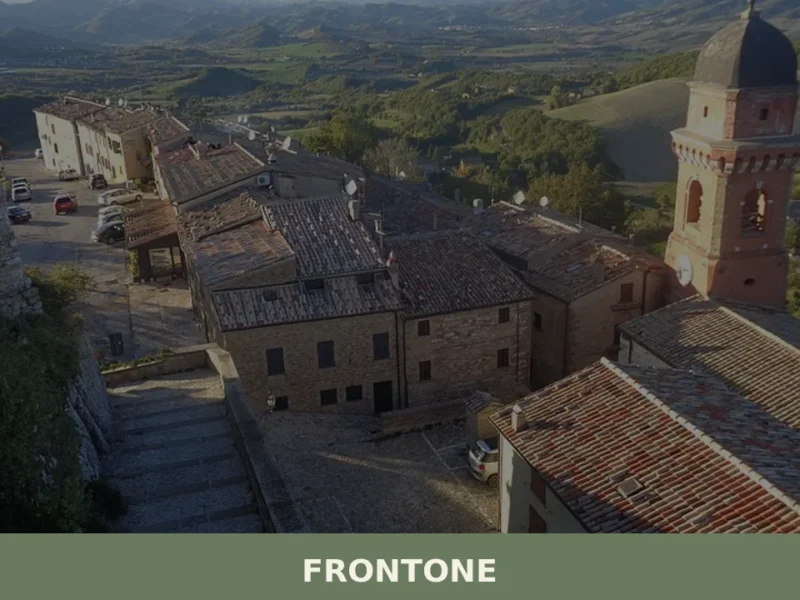
These occasions are important for preserving the sense of belonging and the historical memory of the town, an aspect also found in villages like Frontone, with its local celebrations.
In addition to religious festivities, Gradara is famous for its historical re-enactments that attract visitors from all over Italy.
The most significant event is “Assedio al Castello” (Siege of the Castle), generally held in summer, re-enacting the 1463 siege with hundreds of costumed participants, fire shows, duels, and medieval markets.
This event transforms the village into an open-air stage, offering an immersive historical experience.
Another notable event is “Gradara d’Amare” (Gradara to Love), which takes place around Valentine’s Day, celebrating the story of Paolo and Francesca with romantic-themed events, light installations, and concerts. These festivals not only enliven the village but also help to pass down its rich historical and legendary heritage, offering visitors a unique opportunity to experience the medieval atmosphere.
When to Visit Gradara and How to Get There
The best time to visit Gradara depends on the traveler’s preferences, but spring (April-May) and autumn (September-October) offer a mild climate, ideal for strolling through the village and along the walls, enjoying pleasant temperatures and fewer tourists compared to the summer months.
During these periods, the surrounding countryside is painted with vibrant colors, making the landscape particularly evocative.
Summer (June-August) is the ideal time for those who wish to participate in events and historical reenactments, such as the Siege of the Castle, although one should expect a greater number of visitors and higher temperatures. Winter offers a more intimate and tranquil atmosphere, with the village taking on a special charm, but some attractions might have reduced opening hours.
To reach Gradara, a car is the most convenient means.
The village is easily accessible via the A14 Bologna-Taranto motorway, with the recommended exit at Cattolica, from which Gradara is about 5 kilometers away. From there, follow the road signs for Gradara. For those who prefer the train, the nearest railway station is Cattolica-San Giovanni in Marignano, located along the Bologna-Ancona line.
From the station, it is possible to take a local bus or a taxi to reach the village.
The nearest airport is Federico Fellini International Airport in Rimini (RMI), about 20 kilometers away, while Bologna (BLQ) and Ancona (AOI) airports are valid options for those arriving from further afield, with subsequent connections by train or rental car. For updated information on public transport, it is advisable to consult the official website of the Municipality of Gradara or the transport company portals.
| Starting Point | Distance | Estimated Time |
|---|---|---|
| Rimini | about 20 km | about 30 minutes |
| Bologna | about 140 km | about 1 hour and 30 minutes |
| Ancona | about 90 km | about 1 hour |
Where to Stay in Gradara
For those wishing to extend their stay and fully enjoy the atmosphere of Gradara, the village and its immediate surroundings offer various accommodation solutions. While specific property names cannot be mentioned without verifiable data, it is possible to find accommodation types that perfectly integrate with the historical and natural context of the area.
Among the most common options are small hotels, often converted from renovated historic buildings, offering authentic hospitality and a stay experience steeped in the past.
Many of these are located within the walls, allowing visitors to experience the village even in the evening hours, when the influx of tourists decreases and the atmosphere becomes more evocative.
In the hills surrounding Gradara, the choice expands with agriturismos and bed & breakfasts offering a stay in contact with nature and the rural Marche tradition.
These establishments, often family-run, offer comfortable rooms and the chance to taste typical local products, in a quiet and relaxing environment. Some of them also feature swimming pools and green spaces, ideal for families or those seeking a relaxing holiday. Opting for accommodation in the village or its immediate vicinity allows you to calmly explore all the attractions and savor the true essence of Gradara, an experience that can be enriched by extending your trip to nearby Ancona, the regional capital with its historic port.
Photo Gallery of Gradara
Frequently asked questions about Gradara
What is the best time to visit Gradara?
The best time to visit Gradara is spring (April–June) and early autumn (September–October), when temperatures are mild and the countryside is at its most scenic. Summer brings larger crowds, particularly in July and August, given the village's proximity to the Adriatic Riviera. The medieval reenactment event 'Gradara Assediata', typically held in autumn, offers a unique immersive experience and is a strong reason to plan a visit in that season. Weekday visits are recommended year-round to avoid weekend congestion at the Castle.
What are the historical origins of Gradara?
Gradara's documented history dates to the 12th century, when a fortified settlement was established on its isolated hill. Archaeological evidence points to Roman-era occupation of the site. The name is believed to derive from the Latin 'gradus', referencing its elevated position. The village rose to prominence under the Malatesta family from the 13th century, who shaped the Rocca and walls into their current form. It later passed to the Sforza and Della Rovere families before major 20th-century restorations returned it to its medieval appearance.
What to see in Gradara? Main monuments and landmarks
The top attraction is Gradara Castle (Rocca), open to visitors with a paid admission ticket; it houses frescoed halls, period furnishings, and the legendary rooms of Paolo and Francesca. The double-circuit medieval walls (approximately 800 metres long) include a walkable patrol path and the Clock Gate (Porta dell'Orologio). The Church of Saint John the Baptist, dating to the 13th century, houses a notable 14th-century wooden Crucifix of the Rimini school. The compact historic village itself, with its cobblestone streets and stone architecture, is fully explorable on foot.
Where to take the best photos in Gradara?
The most rewarding photographic spots in Gradara are the patrol walkways along the medieval walls, which frame rooftops, alleys, and the Rocca against the Marche countryside. The Castle towers offer panoramic views stretching toward the Adriatic Sea. The Clock Gate (Porta dell'Orologio) is a classic foreground element for shots of the village entrance. Early morning light before tourist crowds arrive provides the cleanest shots of the streets and the fortress facade.
Are there museums, churches or historic buildings to visit in Gradara?
Gradara Castle functions as the main museum site, with interior rooms displaying period furniture, frescoes, and artifacts across multiple halls including the Council Hall with its original 15th-century wooden ceiling and the Sibyl's Chamber with a 15th-century fresco. The Church of Saint John the Baptist is a 13th-century religious building housing a significant 14th-century Crucifix of the Rimini school. Both are located within the walled historic center and are easily reachable on foot from the main entrance gate.
What can you do in Gradara? Activities and experiences
Visitors can walk the medieval wall circuit, explore the Castle's interior rooms, and stroll the historic cobblestone streets. The village hosts 'Gradara Assediata', a large-scale medieval reenactment event that transforms the entire fortified center into a living history experience. Being just a few kilometres from the Adriatic coast, Gradara can be combined with a beach day along the Riviera Romagnola. Local artisan shops within the walls offer browsing opportunities, and small restaurants provide stops for regional food and wine tastings.
Who is Gradara suitable for? Families, couples, hikers, solo travelers?
Gradara suits a wide range of visitors. Couples are drawn by the romantic legend of Paolo and Francesca and the atmospheric medieval setting. Families with older children will appreciate the Castle's interactive historical rooms and the wall walkways. History and architecture enthusiasts find genuine depth in the Malatesta-era fortifications. Solo travelers and cultural tourists benefit from the compact, walkable village layout. The proximity to the Adriatic coast also makes it an ideal day trip for beach holidaymakers staying along the Riviera Romagnola or in Pesaro.
What to eat in Gradara? Local products and specialties
Gradara sits within the Pesaro e Urbino province, an area known for several quality food products. Visitors can expect to find dishes featuring local crescia (a flatbread typical of the Marche region), fresh pasta, and truffle-based preparations sourced from the inland Marche hills. The area also falls within the production zone for Olive Ascolane and regional cured meats. Restaurants within the village walls typically offer menus anchored to Marche cuisine, making lunch or dinner inside the historic center a natural extension of the cultural visit.
📷 Photo Gallery — Gradara
Nearby Villages near Gradara
In Marche More villages to discover
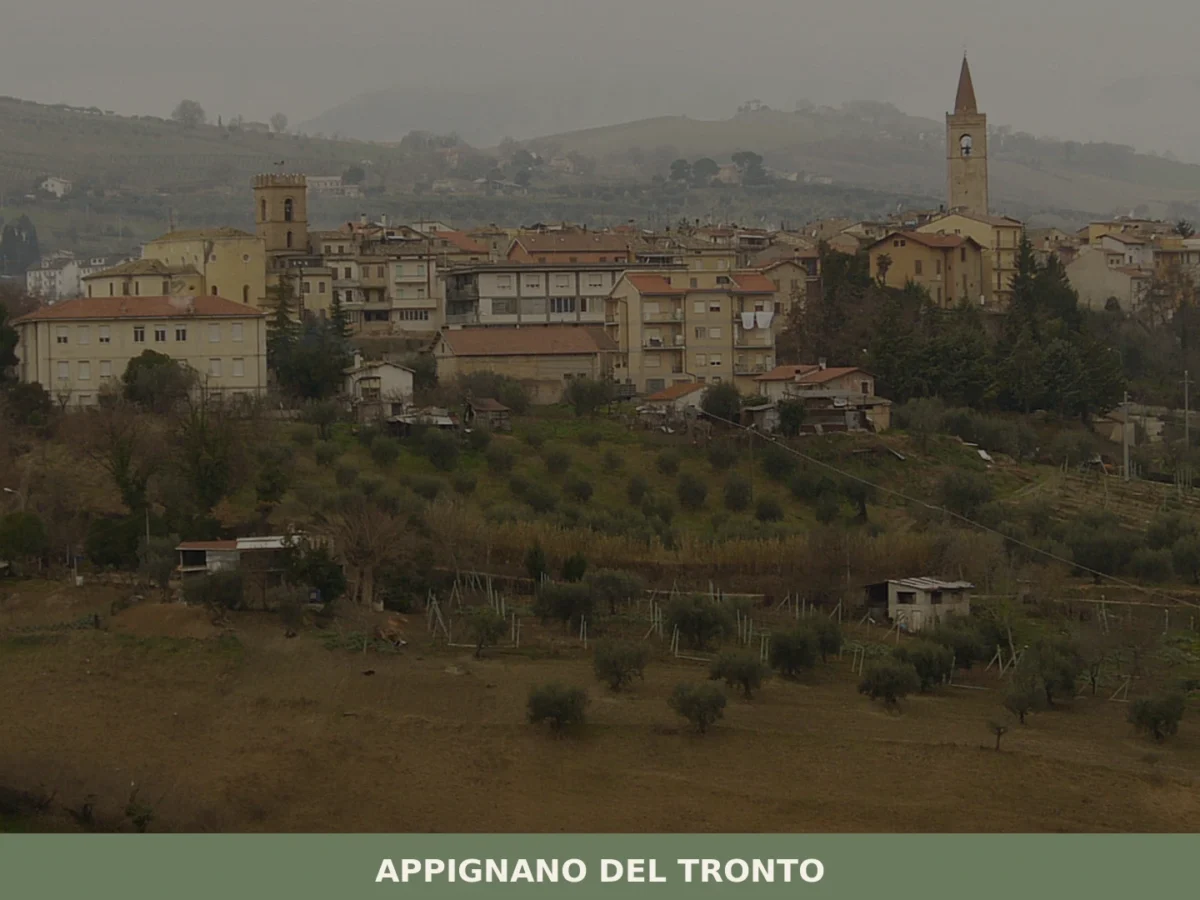
Appignano del Tronto
 Plains
What to see in Appignano del Tronto, Italy: 9 km from Ascoli Piceno, discover top attractions, local food, and travel tips for this Marche village. Explore now.
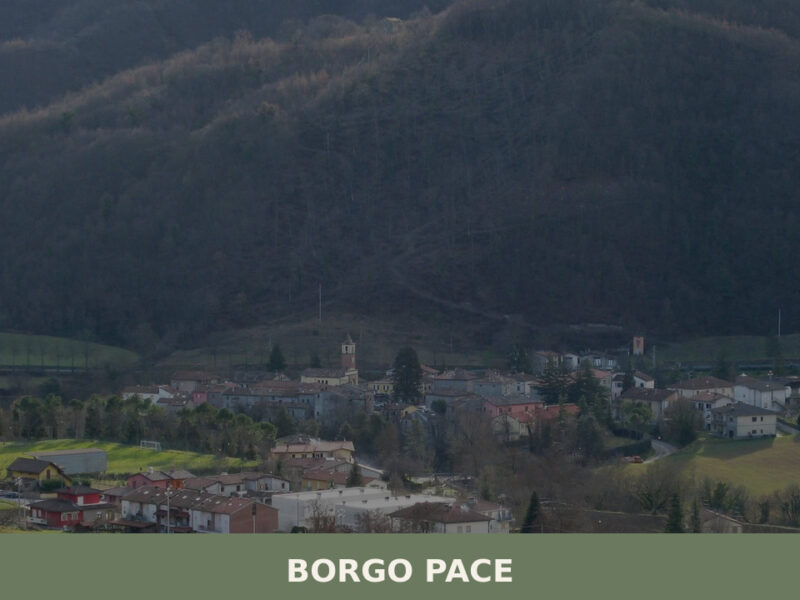
Borgo Pace
 Hills
Hills
Two rivers converge here — the Meta and the Auro — and their meeting point gives this settlement its ancient rhythm. In the early morning, mist lifts off the water and clings to stone walls darkened by centuries of wood smoke. Borgo Pace sits at the edge of the Apennine watershed in the province of […]
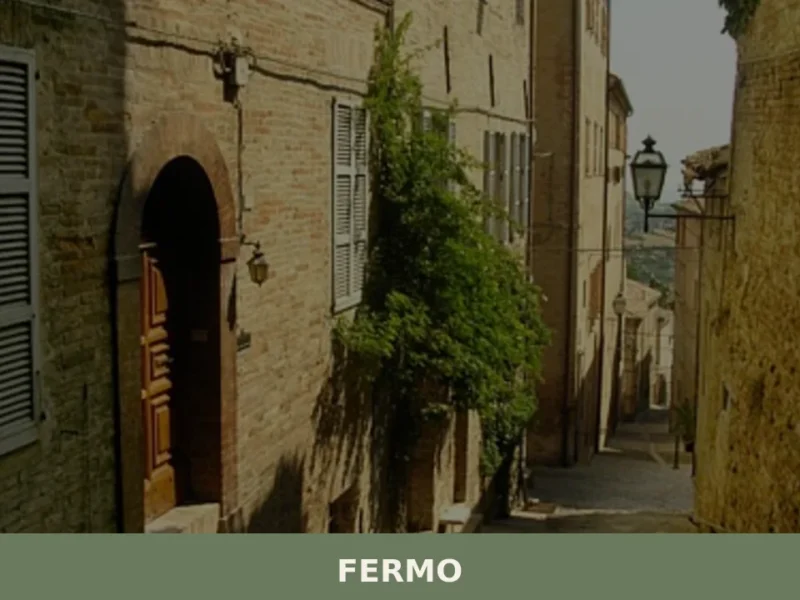
Fermo
 Sea
Sea
Fermo is a hilltop city in the Marche region where Roman cisterns, a medieval cathedral and nearly three thousand years of continuous habitation coexist on a single ridge six kilometres from the Adria
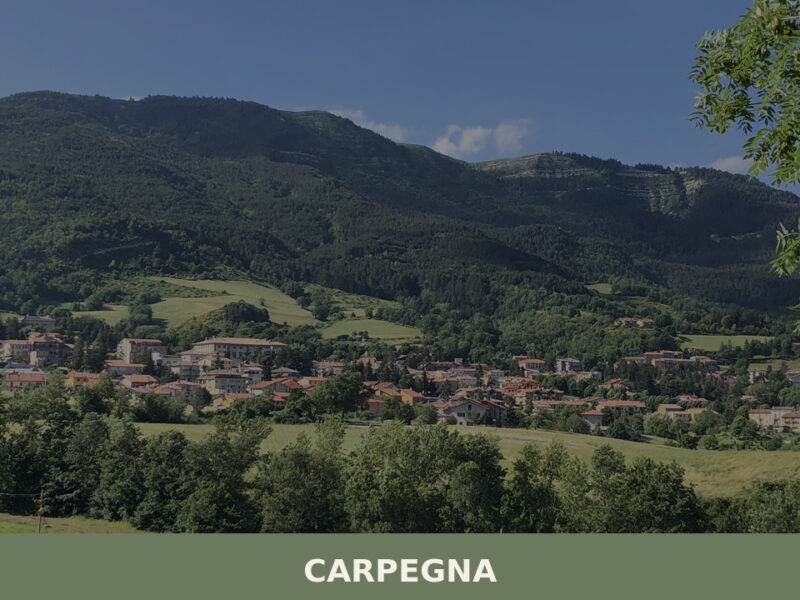
Carpegna
 Mountain
Morning mist lifts off Monte Carpegna in slow, deliberate layers, revealing stone walls the colour of raw honey and a bell tower that has marked the hours here for centuries. The village sits at the foot of its namesake peak in the province of Pesaro e Urbino, home to just 1,672 residents who move through […]
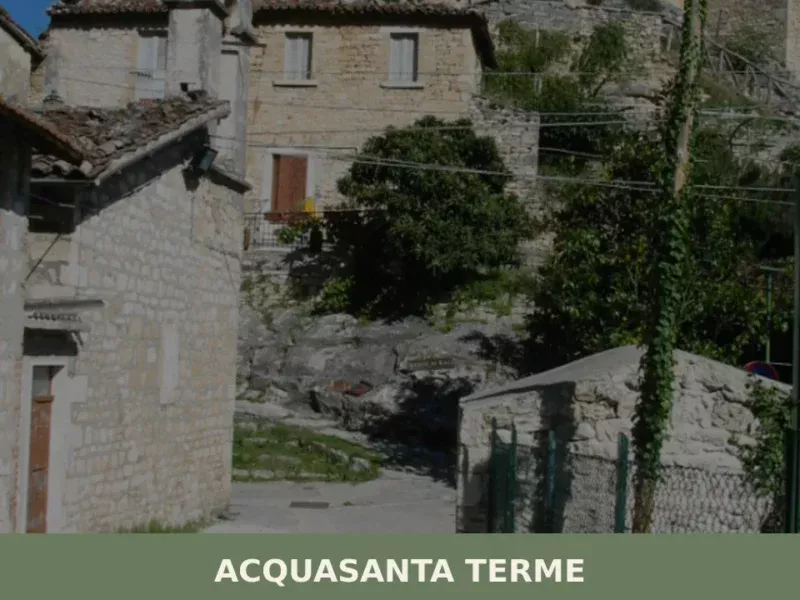
Acquasanta Terme
Mountain
Discover what to see in Acquasanta Terme: Roman thermal baths, Tronto gorge, medieval hamlets and Apennine landscapes in Marche's Ascoli Piceno province.
Monteciccardo
Hills
Monteciccardo first appears in a document from 1233 under the name Mons Sicardi, referring to a Lombard lord of whom no other trace survives. Standing at 384 metres above sea level, with its 1,643 inhabitants spread between the historic centre and scattered hamlets, the village commands a stretch of the Pesaro hills sloping down towards […]
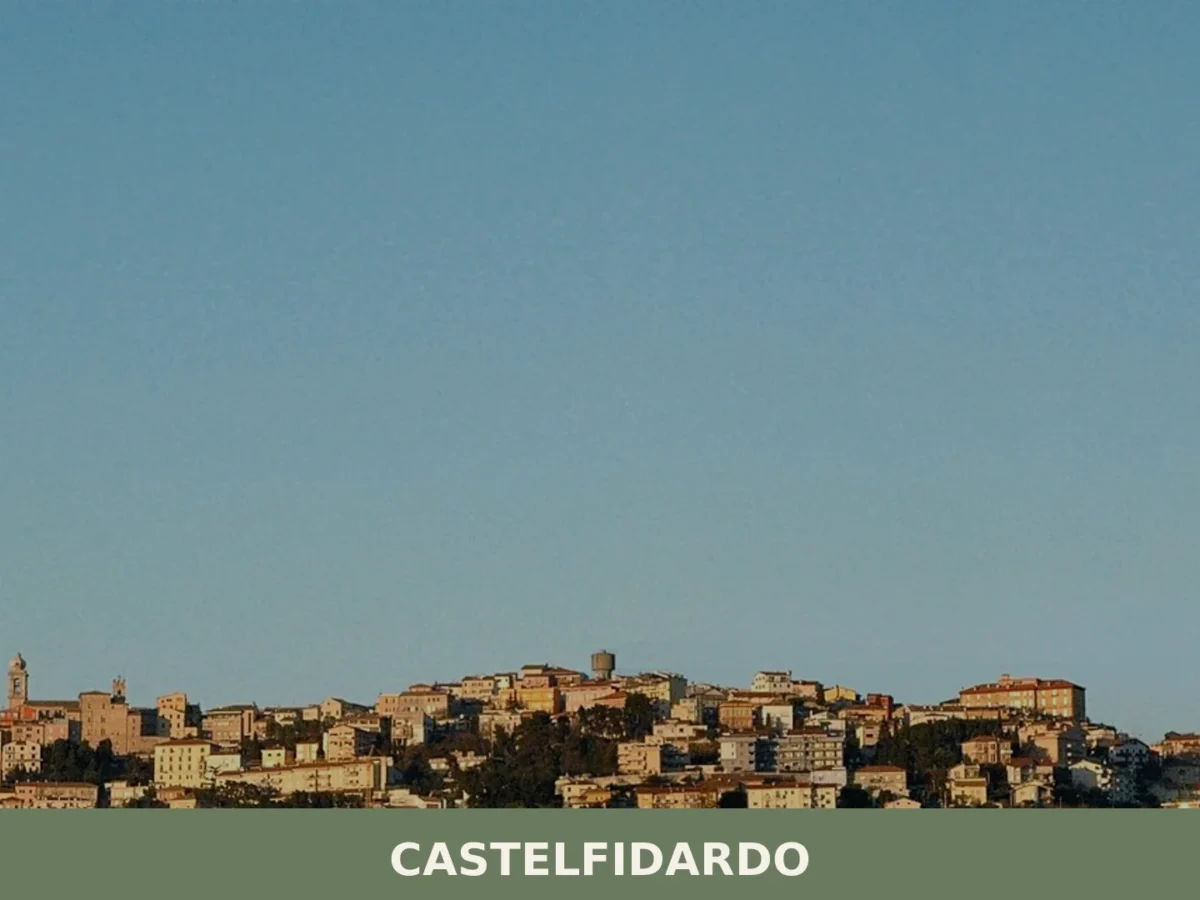
Castelfidardo
Hills
Castelfidardo is a hill town of around 18,400 inhabitants in the province of Ancona, Marche, known for the decisive Risorgimento battle of 1860 and for its centuries-old tradition of accordion manufac
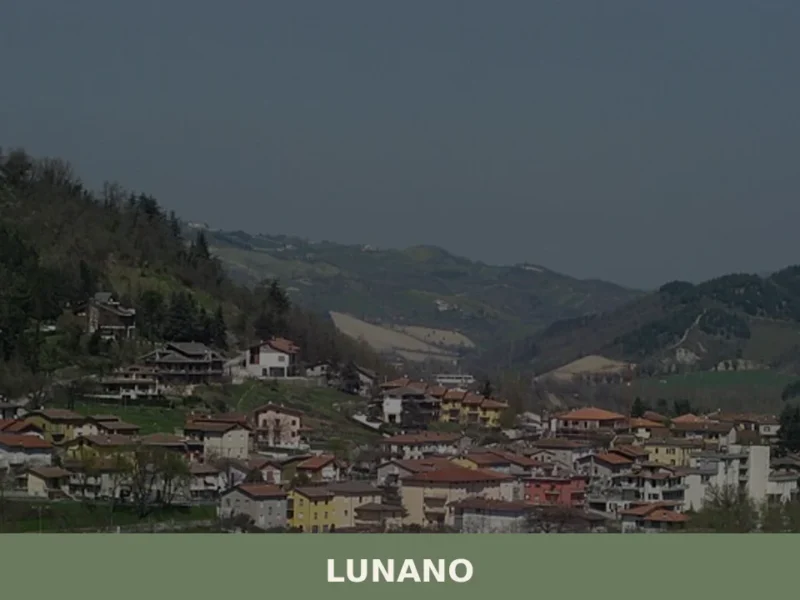
Lunano
Hills
what to see in lunano, Italy: Discover its 297-meter altitude, ancient castle, and unique Chestnut Festival. Explore this Montefeltro village.
Amandola
Hills
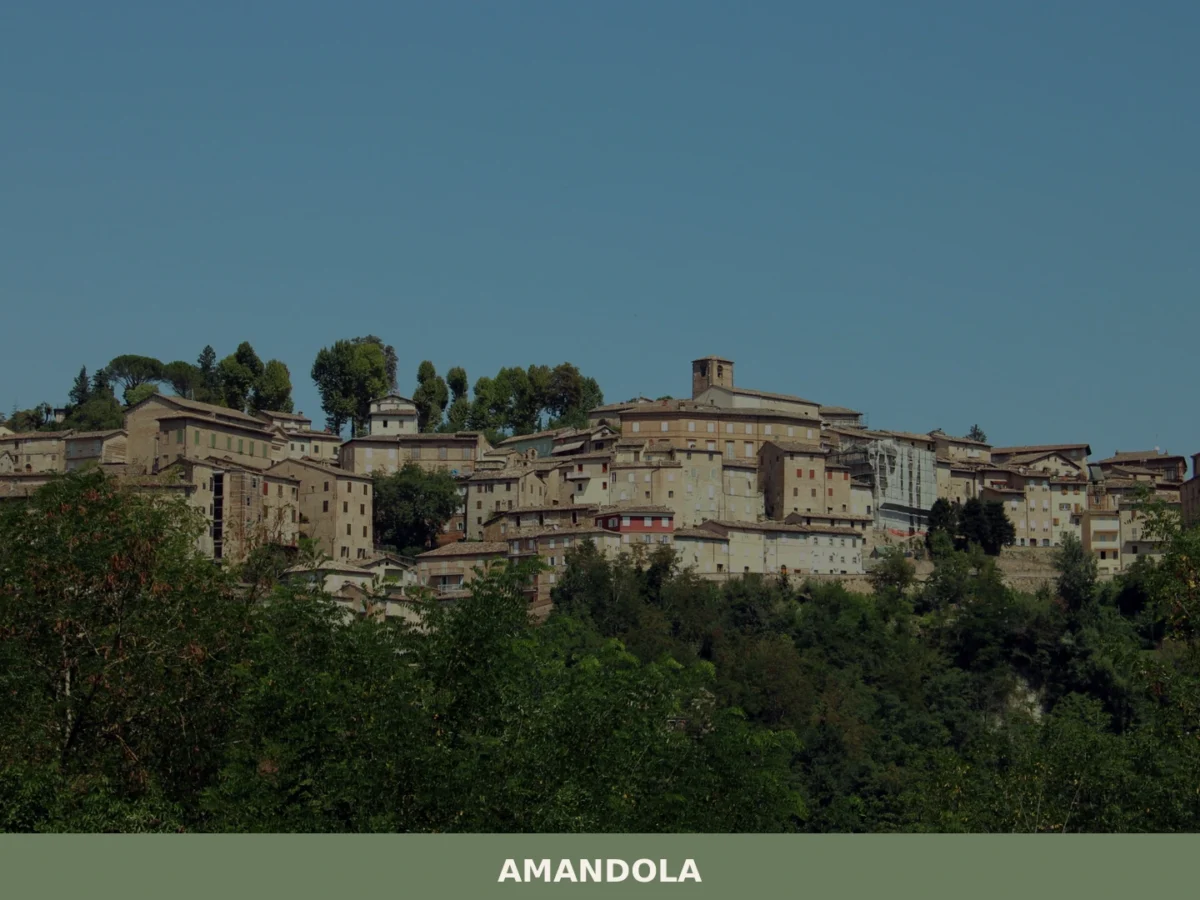
What to see in Amandola: 5 attractions in this Marche village, from the historic centre to the Sibillini Mountains. Discover the complete guide and plan your visit.
Appignano
Plains
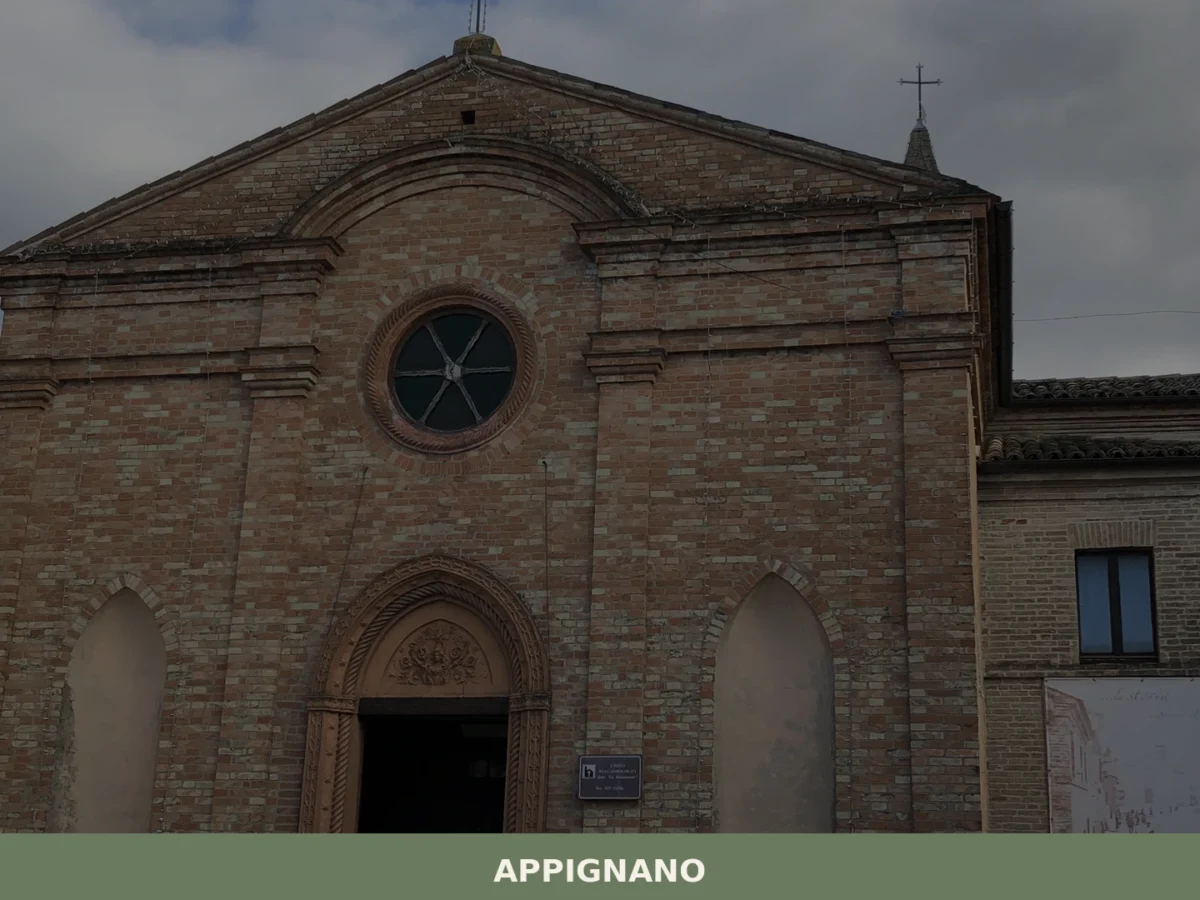
What to see in Appignano, Marche, Italy: discover the church of San Giovanni, local food traditions, and a village 35 km from Ancona. Explore the full guide.






🏡 Know Gradara better than we do?
If you’re a local or have been there, your knowledge matters: add what’s missing or fix a detail on this page.