


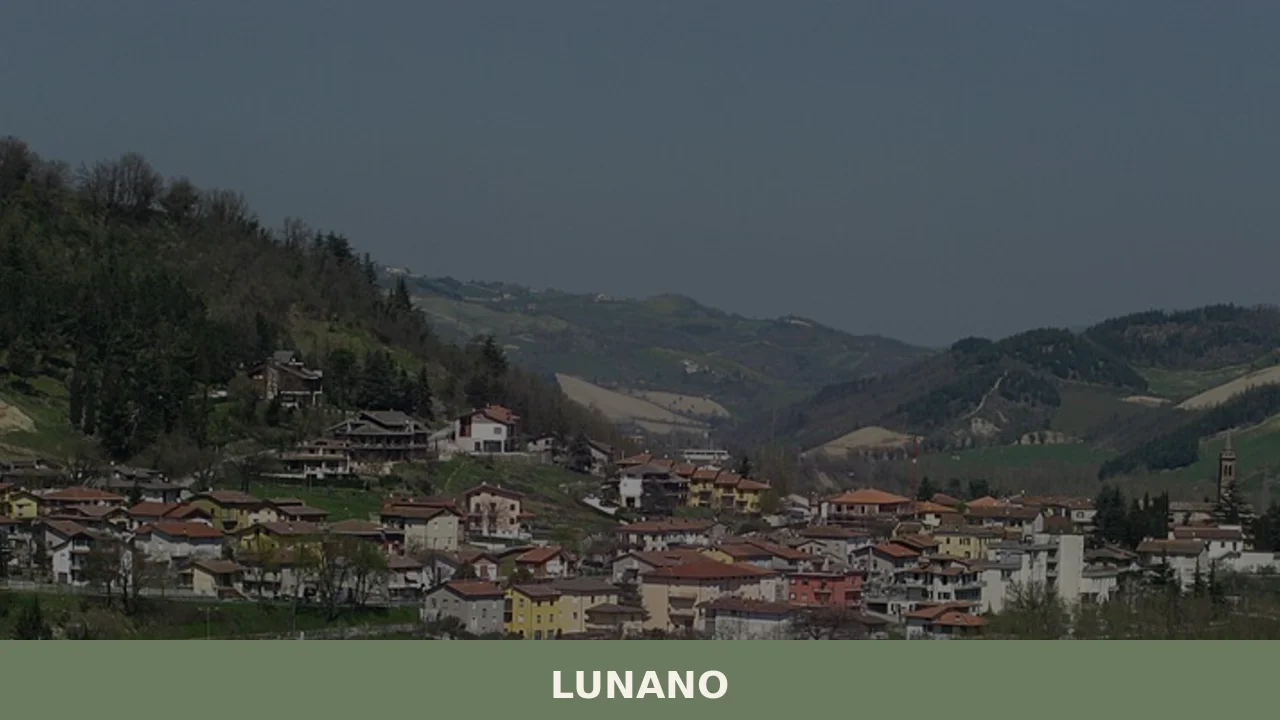

what to see in lunano, Italy: Discover its 297-meter altitude, ancient castle, and unique Chestnut Festival. Explore this Montefeltro village.
Discover Lunano
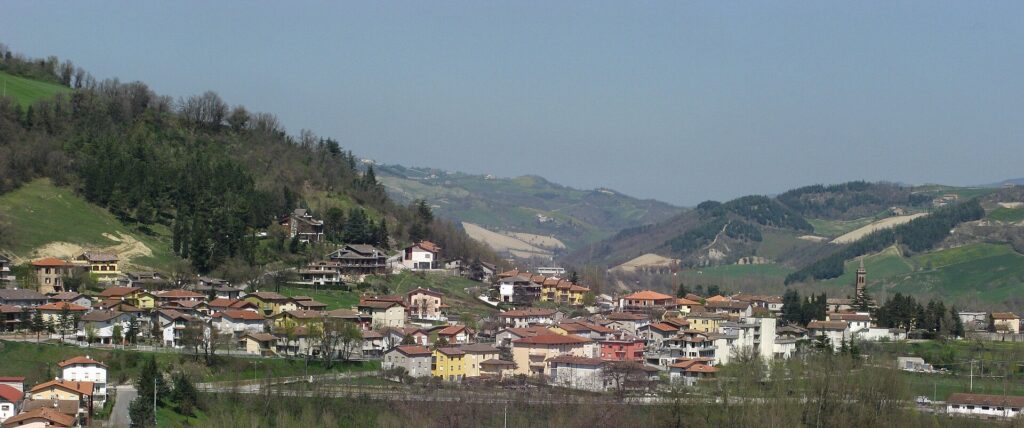
The gentle slopes of the Foglia River Valley define the landscape around Lunano, a small comune in Italy’s Marche region. Resting at an altitude of 297 m (974 ft) above sea level, the village offers clear views across the surrounding Montefeltro area. Its history stretches back centuries, with structures still standing that predate the 13th century, providing a tangible link to its ancient past.
For those asking what to see in Lunano, this village of 1,426 inhabitants presents a compelling answer, blending historical sites with natural beauty.
Visitors to Lunano find its ancient castle, dating from before the 13th century, a focal point of interest, alongside the Franciscan Convent of Monte Illuminato. The village provides an authentic experience of the Italian countryside, inviting exploration of its cultural legacy and local traditions.
History of Lunano
Lunano’s origins are deeply rooted in the historical fabric of the Montefeltro region, an area characterized by its mountainous terrain and strategic importance. The village’s most prominent historical landmark, the Castle of Lunano, stands as a testament to its ancient past, with its construction dating to a period before the 13th century. This early defensive structure signifies Lunano’s long-standing presence within the province of Pesaro e Urbino, positioning it as a consistent feature in the Marche region’s historical landscape, often associated with the broader history of the Auditore area.
The spiritual heritage of Lunano is equally significant, centered around the Franciscan Convent of Monte Illuminato, located just outside the town.
This convent is associated with a reported visit by Saint Francis himself in 1213, an event that would have profound implications for the local community and its religious life. Such historical connections underscore the village’s role not merely as a defensive outpost but also as a place touched by influential religious movements that shaped medieval Italy.
Throughout the centuries, Lunano has maintained its identity as a small but resilient comune within central Italy, adapting to the changing political and social currents of the Marche. Its continued existence, with a population of 1,426 residents, reflects an enduring community life that has preserved many aspects of its traditional character. The village, situated in the Foglia River Valley, illustrates the typical development of settlements in the Collina (hill) category, where natural geography played a crucial role in shaping its evolution and sustained its local traditions.
What to see in Lunano, Marche: top attractions
Castle of Lunano
The Castle of Lunano crowns a prominent hill overlooking the entire village, its ancient stones providing a strategic vantage point over the Foglia River Valley.
This formidable structure dates back to a period before the 13th century, marking it as one of the oldest verifiable landmarks in the area. Visitors can observe its defensive architecture, which speaks to centuries of local history and the strategic importance of this Montefeltro outpost. The castle offers panoramic views that extend across the surrounding countryside, making the climb to its location well worth the effort for those exploring what to see in Lunano.
Franciscan Convent of Monte Illuminato
Just beyond Lunano’s town center stands the Franciscan Convent of Monte Illuminato, a site imbued with historical and spiritual significance. The convent is strongly associated with a reported visit by Saint Francis of Assisi in the year 1213, an event that has shaped its identity for over eight centuries. Its architecture reflects the simple yet profound spiritual traditions of the Franciscan order, inviting contemplation. Access to the convent typically involves a short walk from the village, leading to a peaceful retreat that offers a different perspective on Lunano’s heritage.
Foglia River Valley
The Foglia River Valley, a defining geographical feature of the Montefeltro region, offers a natural spectacle that surrounds Lunano.
The river, which flows through this valley, has shaped the landscape over millennia, creating fertile areas and scenic vistas. Exploring the valley provides opportunities to appreciate the natural environment that has sustained the local community for centuries, a key aspect of understanding what to see in Lunano beyond its historical structures. The valley’s trails and viewpoints are particularly accessible during the milder seasons, offering pleasant conditions for outdoor activities.
Historic Centre of Lunano
The historic core of Lunano itself, built on a hill at 297 m (974 ft) above sea level, presents a compact and authentic Italian village experience. Its narrow streets and traditional buildings reflect the architectural styles common to the Marche region, offering a glimpse into daily life in a small comune. As visitors wander through the village, they can appreciate the careful preservation of its heritage, evident in the details of its older structures. The center serves as a focal point for community life and provides services for both residents and those discovering Lunano.
The Montefeltro Region
Lunano serves as an excellent base for exploring the wider Montefeltro region, a mountainous area known for its rich history and dramatic landscapes.
This historical territory, spanning parts of the Marche, Tuscany, and Emilia-Romagna, is characterized by its numerous castles, fortified towns, and unspoiled nature. From Lunano, visitors can embark on day trips to discover other notable villages and historical sites within this broader geographical context. Understanding the Montefeltro’s significance enriches the experience of discovering what to see in Lunano and its immediate surroundings.
Local food and typical products of Lunano
The culinary traditions of Lunano are intrinsically linked to the broader gastronomic heritage of the Montefeltro area within the Marche region. This mountainous territory, characterized by its agricultural bounty, has long favored hearty dishes prepared with locally sourced ingredients. While specific unique dishes exclusive to Lunano are not detailed in historical records, the village shares in the rich peasant cooking that defines much of central Italy, emphasizing seasonal produce and time-honored techniques passed down through generations, often found in villages like Fratte Rosa, known for its traditional pottery and local food.
A significant highlight of Lunano’s local produce is the humble chestnut, celebrated annually in a dedicated festival.
These versatile nuts are a staple of autumn cuisine, often roasted, boiled, or incorporated into various sweet and savory preparations. While no specific certified products are attributed solely to Lunano in the provided sources, the region overall is known for its traditional cured meats, cheeses, and olive oils. Visitors might find local producers offering these regional specialties, reflecting the agricultural character of the Pesaro e Urbino province.
The village’s connection to chestnuts is particularly strong, culminating in the annual Chestnut Festival. This event highlights the importance of this product to the local economy and culture, offering a direct experience of regional flavors. Beyond this, local markets, if present, would typically offer fresh produce, artisanal goods, and regional foodstuffs that reflect the seasonal rhythms of the Marche countryside.
Festivals, events and traditions of Lunano
Lunano maintains a rich calendar of traditional events, deeply rooted in its cultural and religious history.
The village honors its patron saints, SS. Cosma e Damiano, with an annual feast day celebrated on September 26. This religious observance typically involves solemn processions, community gatherings, and often includes musical performances or local festivities, bringing residents together in shared tradition and reverence. Such events offer a unique insight into the spiritual life and communal bonds of the Marche region.
Beyond its patron saint’s day, Lunano is particularly renowned for its annual Chestnut Festival, a celebrated event that takes place on the third Sunday in October. This sagra, a traditional local food festival, draws visitors from across the Montefeltro area and beyond, all eager to sample various chestnut-based delicacies and enjoy the autumnal atmosphere. The festival is a significant cultural highlight, showcasing local products and fostering a lively communal spirit that reflects the agricultural heritage of the Foglia River Valley.
When to visit Lunano, Italy and how to get there
The best time to visit Lunano and the wider Marche region largely depends on individual preferences, though spring (April to June) and autumn (September to October) are generally recommended.
During these periods, the climate is mild and pleasant, ideal for exploring the village’s historic sites and the natural beauty of the Foglia River Valley. Autumn, in particular, offers the added appeal of the Chestnut Festival in October, providing a cultural highlight. Summer months (July and August) can be warm, but also present opportunities to enjoy outdoor activities, while winter brings a quiet charm to the Montefeltro landscape.
Lunano, Marche, Italy, is accessible primarily by car, offering the most flexibility for exploring the surrounding Montefeltro area. The village is situated inland, away from major coastal railway lines. For those arriving by car, the nearest major motorway is the A14 (Autostrada Adriatica). The closest exit would typically be Pesaro, from which Lunano is approximately 50 km (31 mi) inland via provincial roads. The nearest major train station is Pesaro, connecting to the national rail network. From Pesaro station, a local bus service or taxi would be required to reach Lunano.
The closest international airports serving the Marche region are Ancona Falconara Airport (AOI) and Rimini Federico Fellini Airport (RMI). Ancona is approximately 90 km (56 mi) south of Lunano, while Rimini is roughly 65 km (40 mi) to the north.
Both airports offer car rental services, which are highly recommended for convenient travel in this rural area. For international visitors, it is advisable to carry some Euros cash, as smaller shops and establishments in villages like Lunano may have limited card payment options, and English may not be widely spoken outside of tourist information points in larger towns. For more detailed local information, visitors can consult the official municipality website of Lunano. Exploring nearby towns such as Acqualagna, famous for its truffles, makes for an enjoyable day trip from nearest major city like Pesaro or Urbino.
Frequently asked questions about Lunano
What is the best time to visit Lunano?
The best time to visit Lunano is during spring (April-May) or autumn (September-October) for a mild climate, ideal for exploring the rolling hills and enjoying the vibrant natural landscapes. These seasons offer pleasant temperatures for walks and discovering the village's historical charm. For those interested in local traditions, mark September 26th for the patron saint festival of Saints Cosmas and Damian, a unique opportunity to experience community life. Summer (July-August) can also be appealing for local events, though temperatures are higher, making it suitable for those who prefer warmer weather.
What to see in Lunano? Main monuments and landmarks
In Lunano, visitors can explore a blend of historical and natural attractions. Begin with the Parish Church of Saints Cosmas and Damian, the main place of worship, offering insights into local devotion through its architecture and sacred artworks. Discover the evocative Remains of Lunano Castle, with its perimeter walls hinting at its strategic past overlooking the Foglia valley. Don't miss the ancient Church of San Pietro in Vincoli, dating back to 1290. Stroll through Town Hall Square to admire the Municipal Palace, the civic heart of the community. Finally, appreciate the serene landscape defined by the Foglia River, perfect for gentle walks.
What are the main natural or scenic attractions of Lunano?
Lunano, nestled in the Marche hills, offers charming natural landscapes primarily shaped by the Foglia River. Its banks and surrounding areas provide tranquil natural views, ideal for leisurely strolls and appreciating the interaction between human settlement and the river environment. The gentle hills surrounding the village are perfect for enjoying the rural Marche scenery, especially during spring blooms or autumn foliage. While there are no specific national parks, the entire area offers a serene, picturesque backdrop for outdoor relaxation, reflecting the village's core theme of 'collina' (hill).
Where to take the best photos in Lunano?
For memorable photos in Lunano, focus on locations that capture its historical essence and natural beauty. The Remains of Lunano Castle offer panoramic views of the Foglia valley and the surrounding hills, especially at sunrise or sunset. The Town Hall Square, with its Municipal Palace, provides a classic shot of the village's civic heart and daily life. Don't overlook the serene banks of the Foglia River, where you can photograph the tranquil river environment and the lush, hilly landscape that defines Lunano's setting, particularly during the vibrant colors of spring and autumn.
Are there museums, churches or historic buildings to visit in Lunano?
Yes, Lunano offers several significant historical and religious buildings to visit. You can explore the Parish Church of Saints Cosmas and Damian, the main church, to admire its architecture and sacred art. Discover the evocative Remains of Lunano Castle, which provide a glimpse into the village's medieval past and strategic importance. The Church of San Pietro in Vincoli, one of the oldest religious structures in the area, is also worth seeing. The Municipal Palace in Town Hall Square is a notable civil building reflecting the area's history. For specific visiting hours or access information, it is advisable to inquire locally upon arrival.
What can you do in Lunano? Activities and experiences
In Lunano, you can immerse yourself in its tranquil rural life and explore its historical layers. Activities include wandering through its streets to discover religious and civil architectures like the Parish Church and the castle remains. Enjoy leisurely walks along the Foglia River to appreciate the natural landscape and the surrounding hills. Engage with local culture by sampling the traditional cuisine, including Vincisgrassi and Casciotta d'Urbino DOP, in local trattorias. If visiting on September 26th, experience the lively atmosphere of the patron saint festival of Saints Cosmas and Damian, a true community celebration.
Who is Lunano suitable for? Families, couples, hikers, solo travelers?
Lunano is ideal for travelers seeking an authentic experience of rural Marche life, away from mass tourism. It appeals to history enthusiasts interested in ancient settlements and medieval traces, as well as those who appreciate local cuisine and DOP/IGP products. Couples and solo travelers looking for tranquility, scenic walks in the hills and along the Foglia River, and a glimpse into traditional Italian village life will find it particularly charming. While not offering specific child-focused attractions, families can enjoy the peaceful environment, outdoor explorations, and the cultural immersion it offers.
What to eat in Lunano? Local products and specialties
Lunano's cuisine is a celebration of Marche's peasant tradition, rich in local flavors. You must try Vincisgrassi, a robust local version of lasagna, and homemade pasta dishes like tagliatelle and strozzapreti, often served with rich meat or mushroom sauces. The area is renowned for its local products, including Casciotta d'Urbino DOP, a delicious soft cheese made from cow's and sheep's milk, and Ciauscolo IGP, a unique spreadable salami. Given its proximity to Acqualagna, truffles (both white and black) are a prized ingredient. Pair these specialties with excellent local Marche wines for a complete culinary experience, available in local trattorias.
📷 Photo Gallery — Lunano
Nearby Villages near Lunano
In Marche More villages to discover
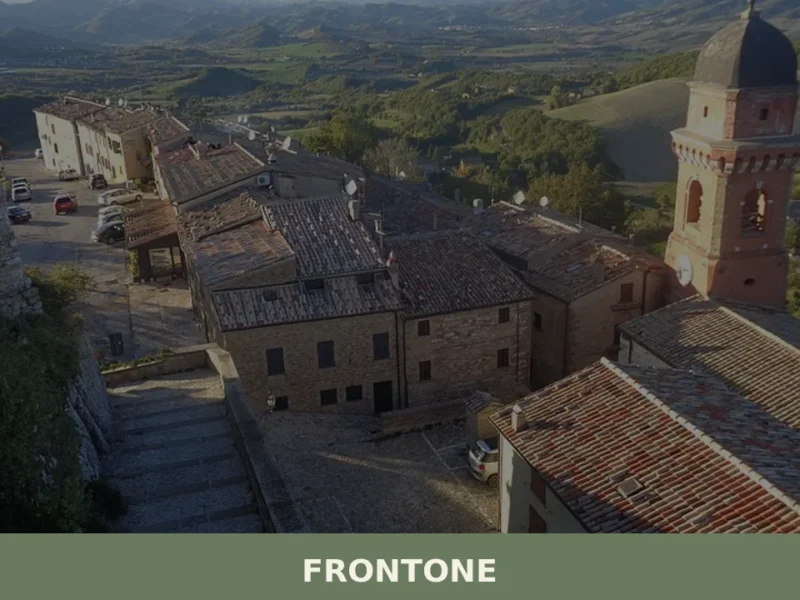
Frontone
 Hills
Hills
Frontone Castle, whose original structure dates between the 11th and 12th centuries, overlooks the village of the same name, a municipality of 1,218 inhabitants in the province of Pesaro and Urbino. Situated at 412 meters above sea level, Frontone extends along the slopes of Mount Catria, offering a view of the surrounding hilly landscape. Its […]
Isola del Piano
Hills
Discover Isola del Piano, a charming village in Marche, Italy. Explore its rich history, organic traditions, stunning landscapes, and authentic Italian culture.
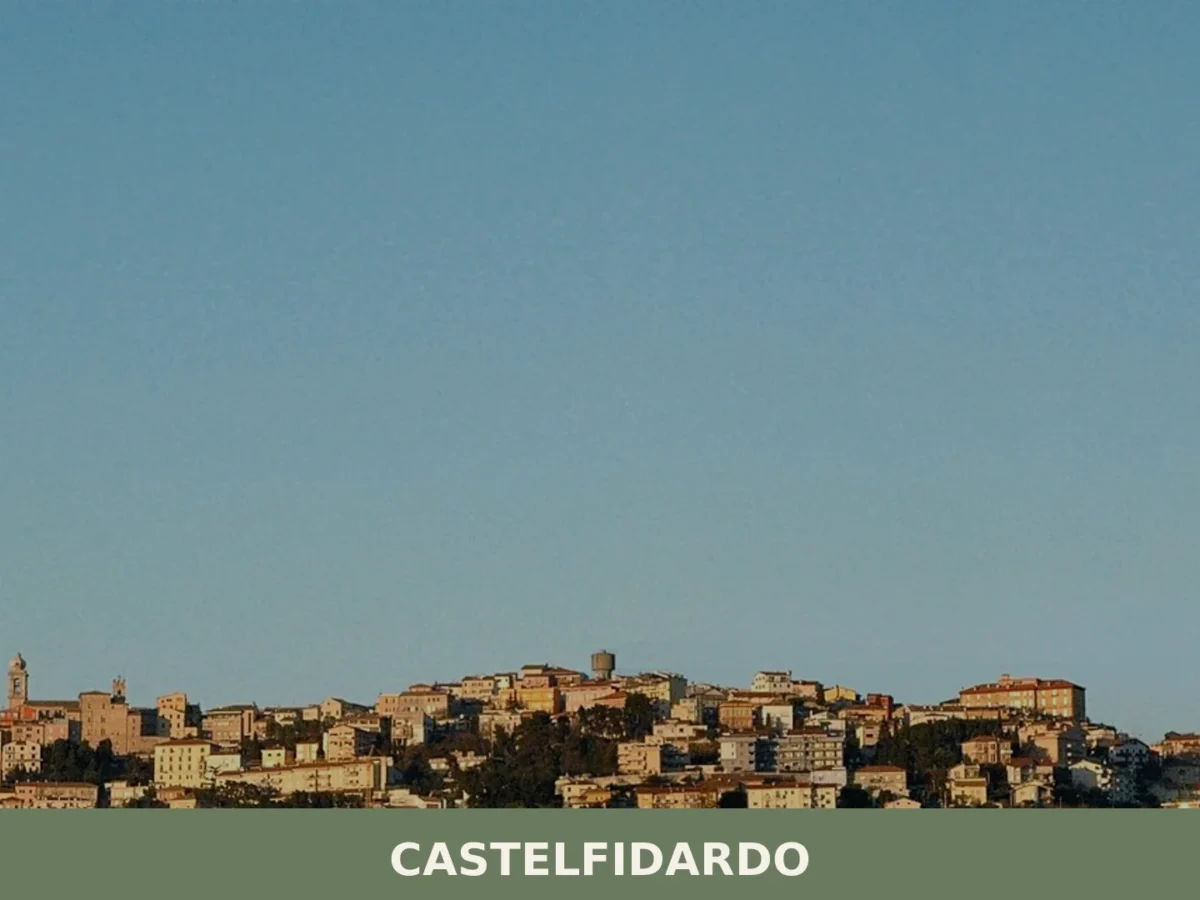
Castelfidardo
Hills
Castelfidardo is a hill town of around 18,400 inhabitants in the province of Ancona, Marche, known for the decisive Risorgimento battle of 1860 and for its centuries-old tradition of accordion manufac
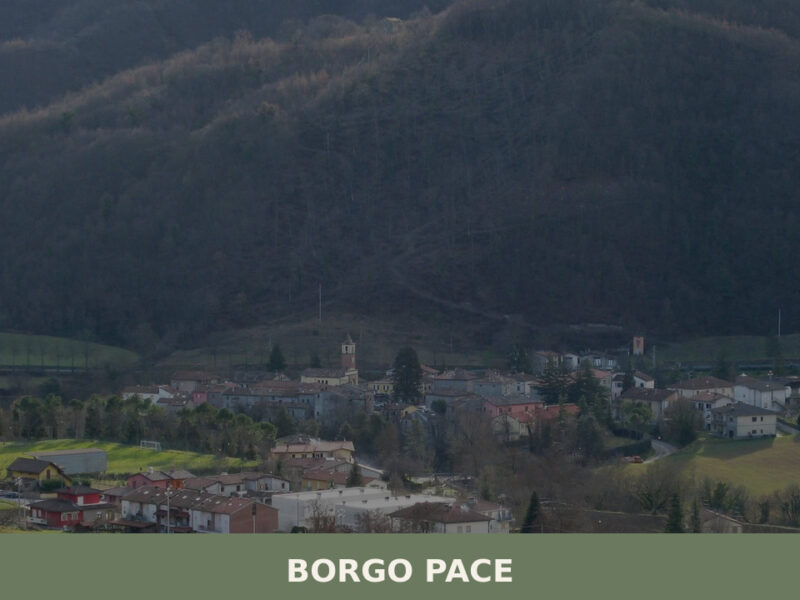
Borgo Pace
Hills
Two rivers converge here — the Meta and the Auro — and their meeting point gives this settlement its ancient rhythm. In the early morning, mist lifts off the water and clings to stone walls darkened by centuries of wood smoke. Borgo Pace sits at the edge of the Apennine watershed in the province of […]
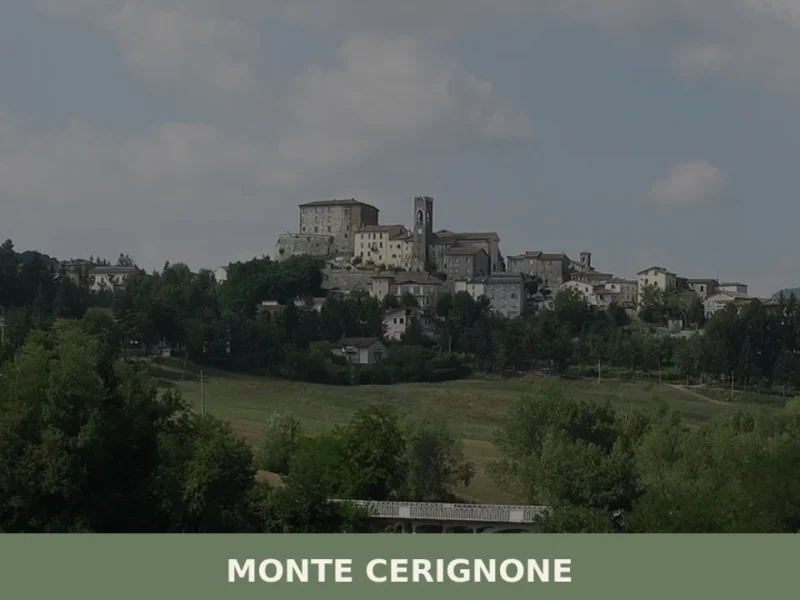
Monte Cerignone
Hills
What to see in Monte Cerignone: discover 5 must-see attractions, from Malatesta Fortress to St. Blaise Church. Plan your trip to this Marche village.
Vallefoglia
Hills
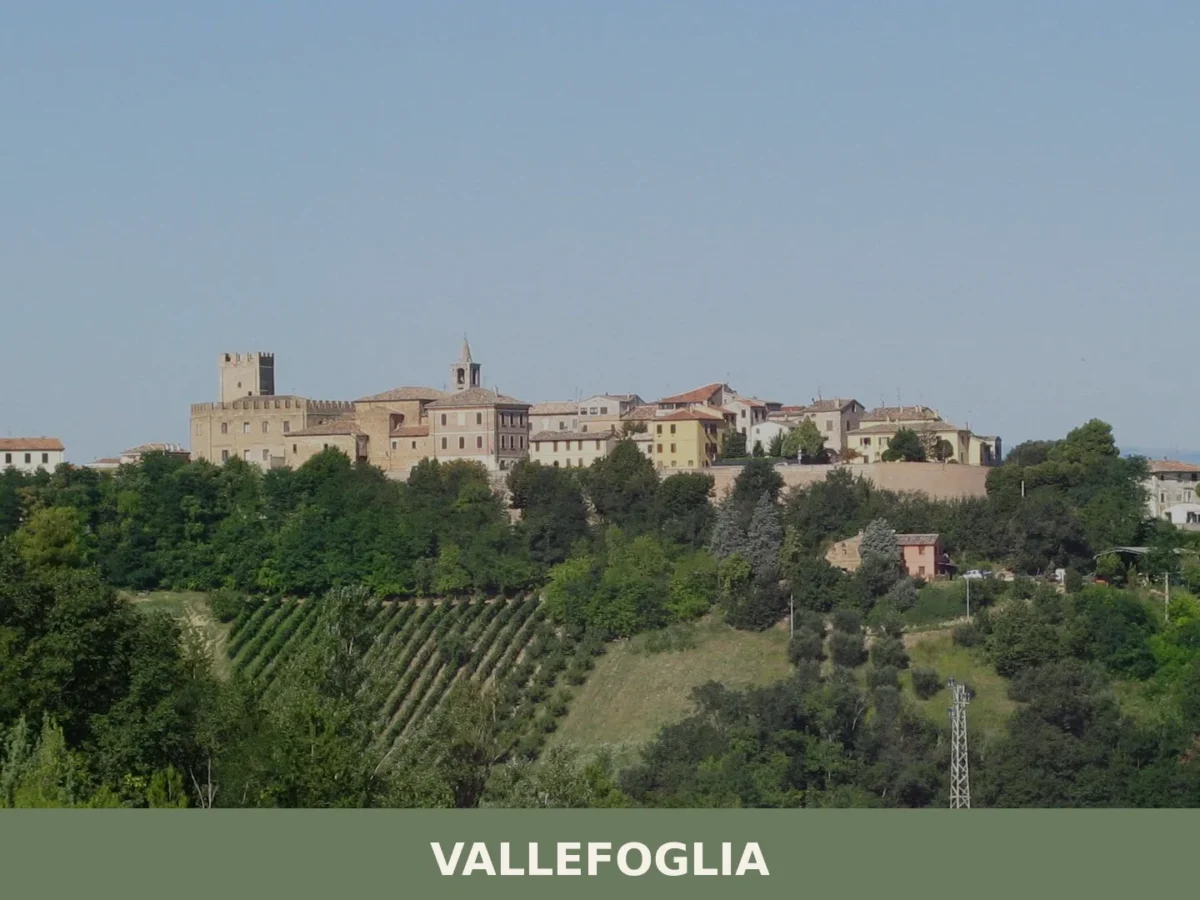
Vallefoglia is a hillside municipality of about 15,000 inhabitants in the province of Pesaro e Urbino, born in 2014 from the merger of Colbordolo and Sant'Angelo in Lizzola, and named after the river
Petritoli
Hills
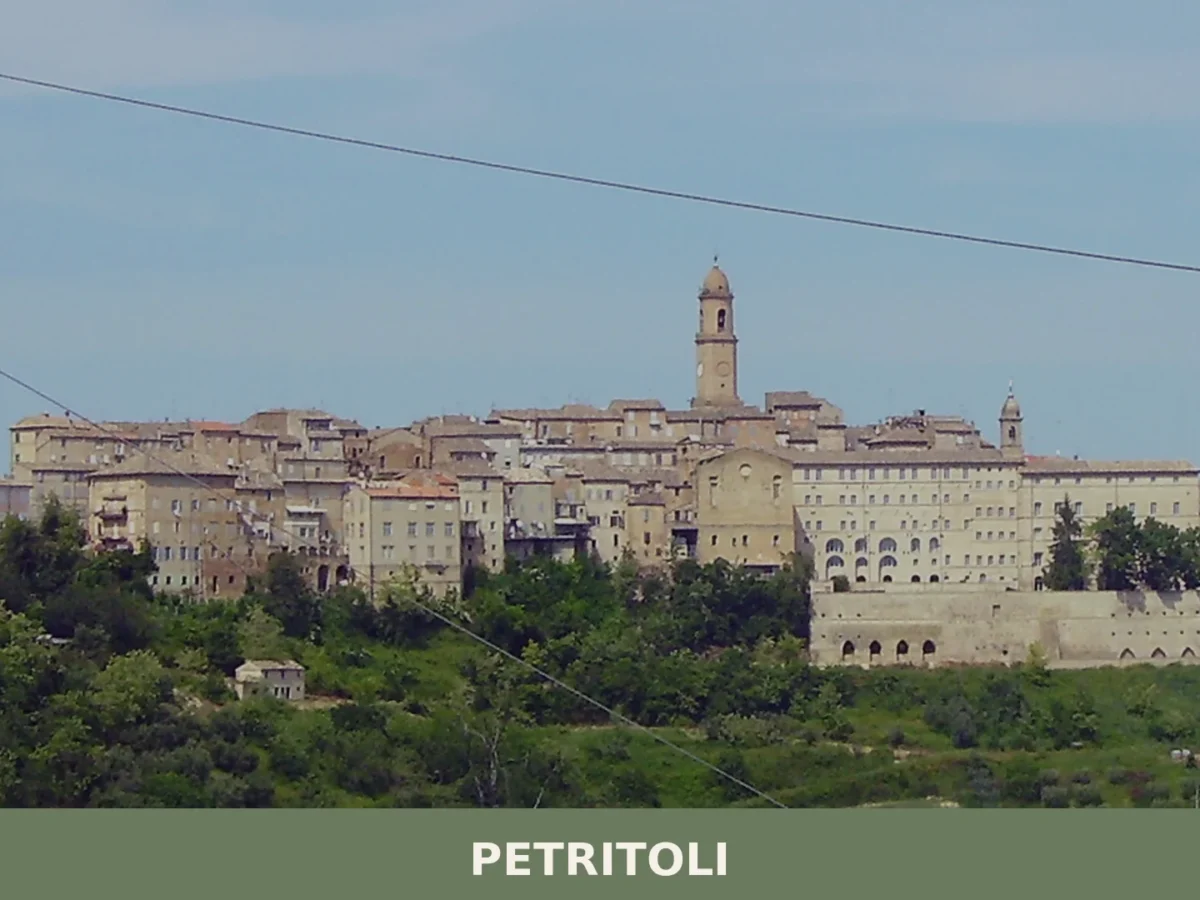
Petritoli is a hill town of around 2,100 inhabitants in the province of Fermo, Marche, set at 335 metres above sea level across seven hills on the left bank of the river Aso.

Camerata Picena
 Mountain
Discover Camerata Picena, a charming hilltop village in Ancona province with medieval churches, scenic views, and authentic Marche countryside.
Appignano
 Plains
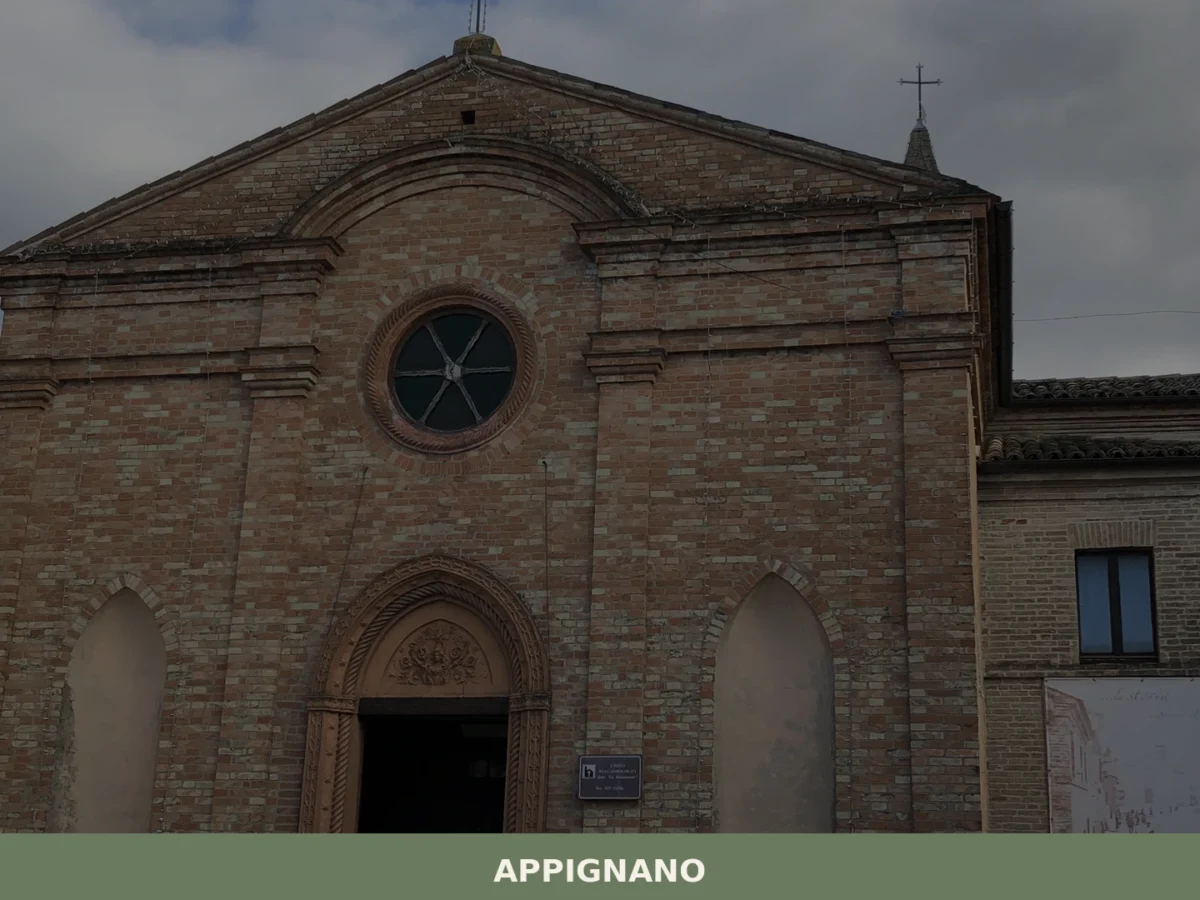
What to see in Appignano, Marche, Italy: discover the church of San Giovanni, local food traditions, and a village 35 km from Ancona. Explore the full guide.
Mercatello sul Metauro
Hills
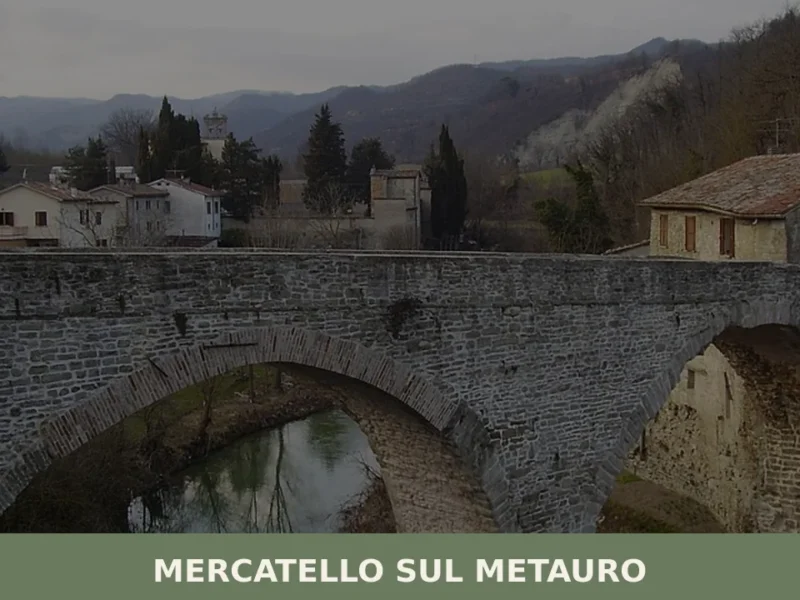
Mercatello sul Metauro has a current population of 1,326 and sits at an elevation of 429 metres in the middle Metauro valley, in the province of Pesaro and Urbino. The village owes its identity to one specific figure: Saint Veronica Giuliani, a Capuchin mystic born here in 1660, beatified in 1804 and canonised in 1839. […]






🏡 Know Lunano better than we do?
If you’re a local or have been there, your knowledge matters: add what’s missing or fix a detail on this page.