


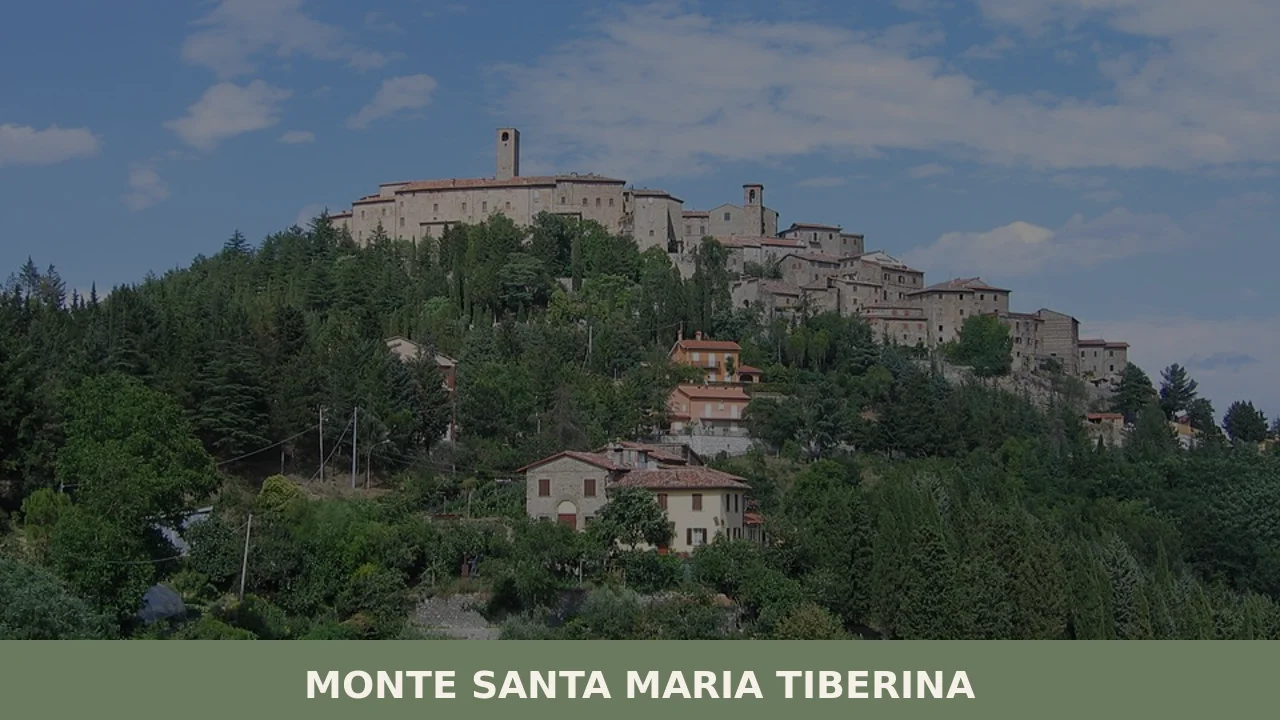
Monte Santa Maria Tiberina
A quiet hush often settles over the stone lanes of Monte Santa Maria Tiberina as the morning sun climbs, painting the ancient walls with a warm ochre glow. From its vantage point at 688 metres above sea level, the village awakens slowly, the distant murmur of the Tiber River a faint counterpoint to the rustle […]
Discover Monte Santa Maria Tiberina
A quiet hush often settles over the stone lanes of Monte Santa Maria Tiberina as the morning sun climbs, painting the ancient walls with a warm ochre glow. From its vantage point at 688 metres above sea level, the village awakens slowly, the distant murmur of the Tiber River a faint counterpoint to the rustle of leaves in the surrounding hills. This is a place where history is etched into every cobblestone and archway, home to just 1,085 inhabitants, offering a tangible connection to Umbria’s enduring past. To walk here is to trace centuries of life in Monte Santa Maria Tiberina, a village that commands both the landscape and the imagination.
History of Monte Santa Maria Tiberina
The origins of Monte Santa Maria Tiberina are deeply rooted in the strategic necessity of its position. Perched high above the Upper Tiber Valley, the site was naturally defensible, making it an ideal location for a medieval stronghold. The village likely developed around a fortified castle, serving as a watchtower and a point of control over the vital trade routes that once traversed this part of Umbria. Its name, “Santa Maria,” suggests an early religious foundation, while “Tiberina” explicitly links it to the great river flowing below.
Throughout the medieval period, Monte Santa Maria Tiberina was often a contested territory, caught between the ambitions of powerful city-states like Perugia and Città di Castello. For centuries, it maintained a unique status as a virtually independent marquisate, ruled by the Bourbon del Monte family. This autonomy allowed the village to develop a distinct character, reflected in its architecture and enduring feudal layout, a testament to a long and complex history of self-governance in a frequently turbulent region.
What to see in Monte Santa Maria Tiberina: 5 must-visit attractions
The Rocca dei Marchesi
Dominating the highest point of the village, the Rocca dei Marchesi stands as a testament to Monte Santa Maria Tiberina’s defensive past. This imposing fortress, once the seat of the ruling Bourbon del Monte family, offers commanding views across the Umbrian countryside and the Tiber Valley. Its robust stone walls and towers speak of centuries of vigilance, a silent guardian over the village and its inhabitants.
Chiesa di Santa Maria Assunta
The main parish church, dedicated to Santa Maria Assunta, is a focal point of village life and history. While its exterior presents a modest, ancient façade, the interior often reveals layers of artistic and architectural evolution. Visitors can observe a blend of styles, from Romanesque foundations to later embellishments, housing local devotional art that reflects the spiritual heritage of the community.
Piazza del Municipio
At the heart of Monte Santa Maria Tiberina lies the Piazza del Municipio, the village’s main square. Surrounded by medieval buildings, including the town hall, this open space has served as the social and civic hub for centuries. It is a place where daily life unfolds, offering a glimpse into the unhurried rhythm of a traditional Umbrian community, framed by timeless architecture.
Panoramic Walkways and Views
Given its elevated position, Monte Santa Maria Tiberina offers numerous points along its perimeter for breathtaking panoramic views. Stroll along the ancient walls or through the narrow alleys that open onto the surrounding landscape. From these vantage points, one can appreciate the vastness of the Tiber Valley, the patchwork of fields, and the rolling hills that define the “green heart of Italy.”
The Medieval Gates and Walls
Accessing Monte Santa Maria Tiberina through one of its surviving medieval gates is an experience in itself. These ancient entrances, remnants of the village’s fortified past, still guide visitors into the historical core. Traces of the original defensive walls can be observed, providing a tangible connection to the village’s strategic importance in bygone eras and its rich architectural heritage.
Local food and typical products
The culinary traditions of Monte Santa Maria Tiberina, like much of Umbria, are deeply connected to the land. The region is celebrated for its robust flavours and high-quality ingredients. Expect dishes that feature wild game, such as wild boar (cinghiale) often slow-cooked with herbs and served with polenta or homemade pasta. Truffles, both black and white, are a prized local delicacy, appearing in everything from pasta dishes to omelettes and sauces.
Olive oil, pressed from ancient groves, forms the foundation of many local recipes, alongside cured meats like prosciutto and salami, often made from local pigs. Pecorino cheese from sheep grazing in the nearby pastures is also a staple. Visitors can seek out small, family-run trattorias or agriturismi that pride themselves on serving traditional Umbrian fare, often paired with local wines, including the robust reds from the Tiber Valley area.
Best time to visit Monte Santa Maria Tiberina
The ideal time to explore Monte Santa Maria Tiberina largely depends on personal preference for climate and activity. Spring (April to June) brings mild temperatures, lush green landscapes, and a profusion of wildflowers, making it perfect for leisurely walks and outdoor exploration without the intense summer heat. Autumn (September to October) offers equally pleasant weather, vibrant fall foliage, and the opportunity to experience local harvest festivals, particularly those celebrating grapes and olives.
Summer (July and August) can be warm, with temperatures often exceeding 30°C, but the village’s altitude provides some relief, especially in the evenings. This season is ideal for those who enjoy long daylight hours and a lively atmosphere, though it can be busier with visitors. Winters (November to March) are cooler and quieter, offering a more serene experience of the ancient village, sometimes dusted with snow, which lends a particular charm to the stone architecture.
How to get to Monte Santa Maria Tiberina
Monte Santa Maria Tiberina is located in the province of Perugia, Umbria. The most convenient way to reach the village is often by car, as public transport options can be limited. From major Italian cities, take the A1 Autostrada del Sole and exit at Valdichiana if coming from the north, or Orte if coming from the south. From there, follow signs towards Perugia and then local roads leading to Monte Santa Maria Tiberina. The village is approximately 40 kilometres northwest of Perugia.
The nearest airport is Perugia San Francesco d’Assisi Airport (PEG), which offers connections to some European cities and is about an hour’s drive away. For train travellers, the closest major railway stations are in Perugia or Città di Castello. From these towns, it is advisable to rent a car or arrange for a taxi service to complete the journey to the village, as direct bus routes are infrequent.
More villages to discover in Umbria
Umbria, often called the “green heart of Italy,” is a region rich with medieval hill towns, each with its own distinct character and history. Beyond the ancient stones of Monte Santa Maria Tiberina, the landscape unfolds into a tapestry of similar fortified settlements, offering endless opportunities for exploration. These villages share a common thread of rich heritage, often perched dramatically on hilltops, preserving a way of life that feels far removed from the modern world.
Venturing further into the region, one might discover the rugged beauty of Cerreto di Spoleto, another Umbrian gem nestled amidst the mountains. Like Monte Santa Maria Tiberina, Cerreto di Spoleto offers a glimpse into Umbria’s enduring past, with its ancient churches, castles, and a deep connection to the natural landscape. Exploring these interconnected histories provides a comprehensive understanding of Umbria’s unique cultural and geographical identity.
In Umbria More villages to discover
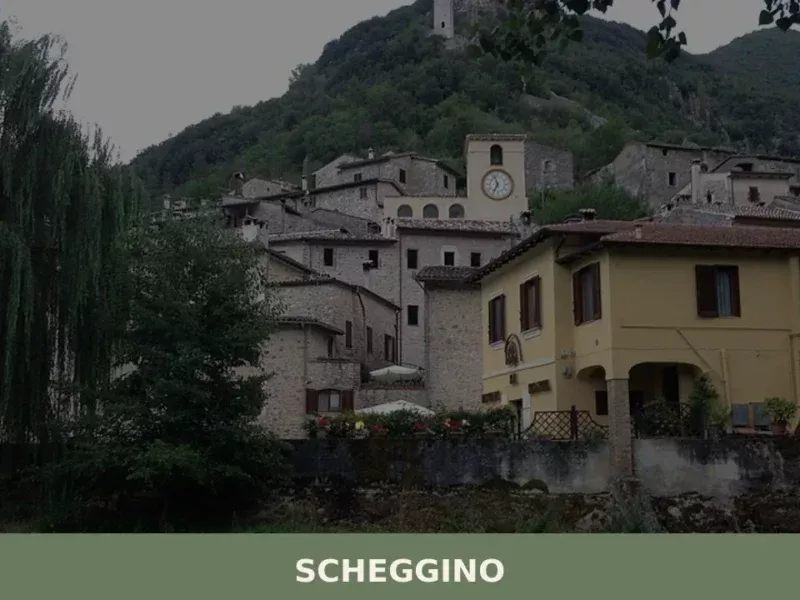
Scheggino
Situated at an altitude of 282 meters above sea level, Scheggino is a compact village in the Umbrian Apennines, home to 446 inhabitants in the province of Perugia. Its development has been shaped by its proximity to the Nera River, a constant presence that influenced both its economy and defensive structures over centuries. Understanding what […]
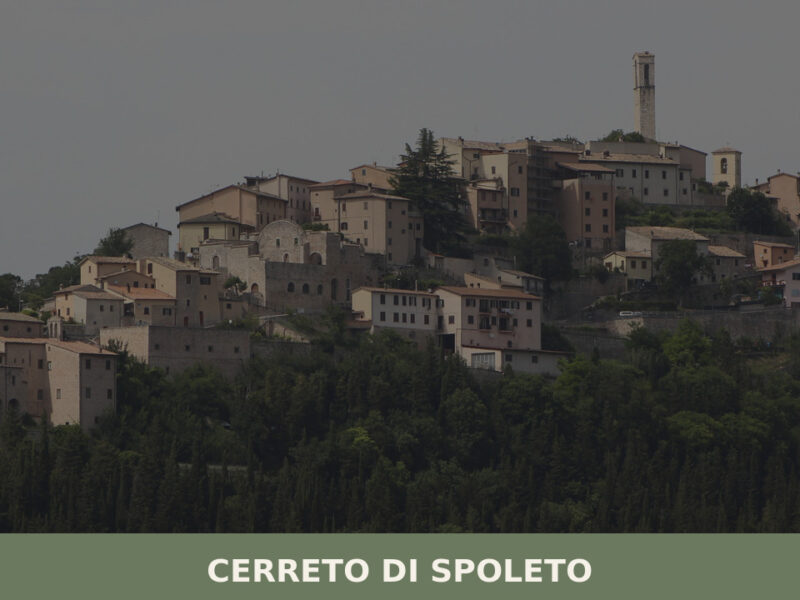
Cerreto di Spoleto
A ridge-top village of 975 inhabitants in the Valnerina, Cerreto di Spoleto holds medieval streets, scattered hamlets, and a centuries-old tradition of itinerant herbalists.
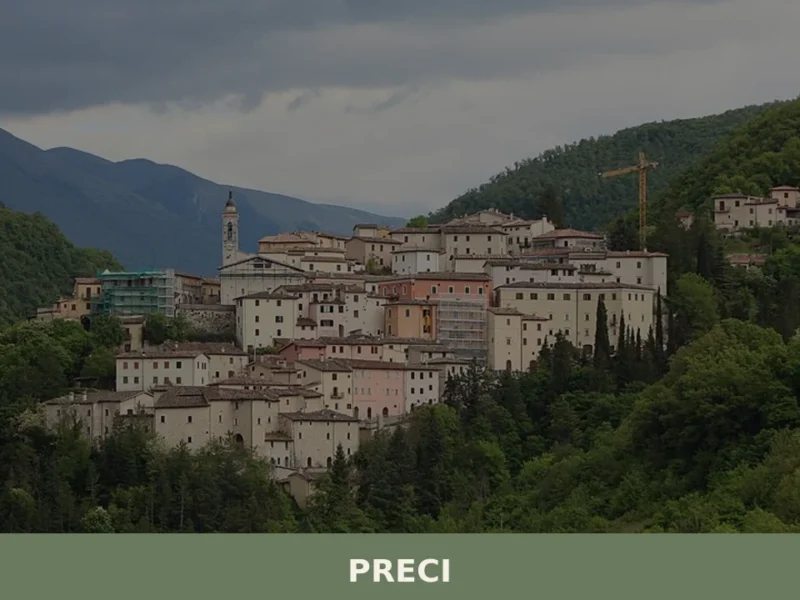
Preci
With a recorded population of 681 inhabitants, Preci stands at an elevation of 596 metres above sea level in the heart of Umbria, a region often referred to as Italy’s ‘green heart’. This small village, historically shaped by its monastic tradition and a renowned surgical school (see English Wikipedia), offers a distinct window into a […]




📝 Incorrect information or updates?
Help us keep the Monte Santa Maria Tiberina page accurate and up to date.