


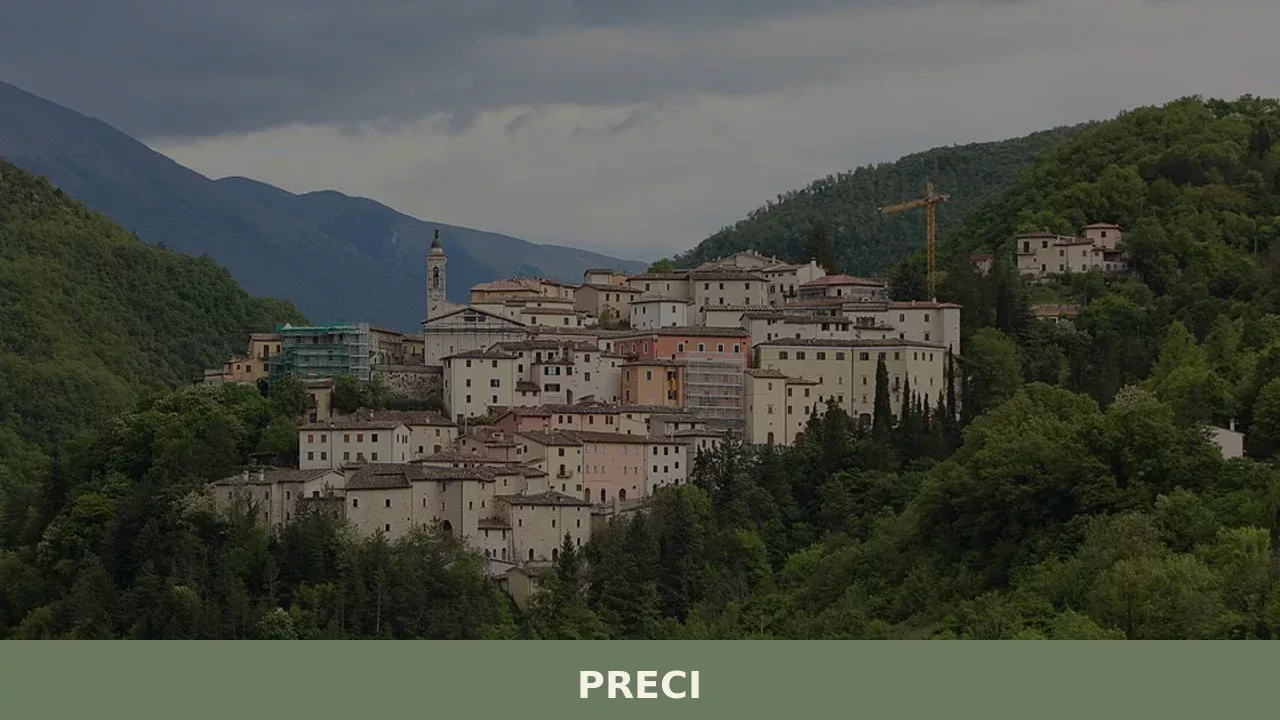
Preci
 Hills
Hills
With a recorded population of 681 inhabitants, Preci stands at an elevation of 596 metres above sea level in the heart of Umbria, a region often referred to as Italy’s ‘green heart’. This small village, historically shaped by its monastic tradition and a renowned surgical school (see English Wikipedia), offers a distinct window into a […]
Discover Preci
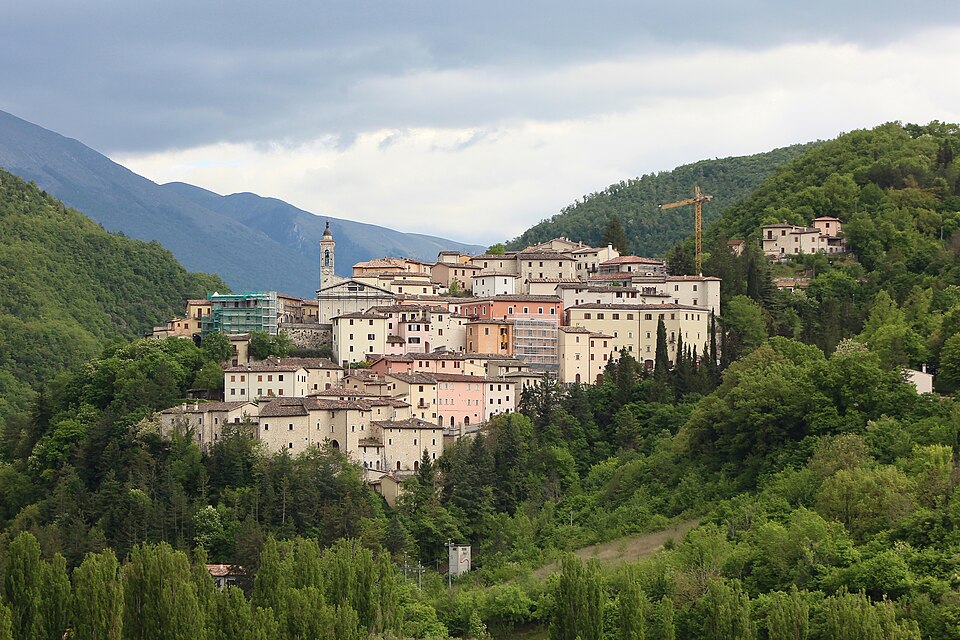
With a recorded population of 681 inhabitants, Preci stands at an elevation of 596 metres above sea level in the heart of Umbria, a region often referred to as Italy’s ‘green heart’. This small village, historically shaped by its monastic tradition and a renowned surgical school (see English Wikipedia), offers a distinct window into a past where community life intertwined with the rhythms of the Sibilline Mountains. For those exploring the central Apennines, understanding what to see in Preci involves appreciating its layered history, preserved architecture, and the natural landscape that defines its character.
History of Preci
The origins of Preci are deeply rooted in the medieval period, with its strategic position in the Valnerina valley contributing to its historical significance. The village’s name itself is believed to derive from the Latin ‘praeces,’ meaning prayers, a testament to the profound influence of monastic life in the area. The most prominent historical institution is the Abbey of Sant’Eutizio, one of the oldest Benedictine monasteries in Italy, established as early as the 5th century. This abbey served as a spiritual and cultural beacon, attracting scholars and pilgrims. Further information on the municipality can be found on the Comune di Preci website.
Beyond its religious heritage, Preci gained an unusual renown for its ‘Scuola Chirurgica,’ or surgical school, which flourished between the 15th and 18th centuries. The ‘chirurghi di Preci’ were celebrated across Europe for their skill, particularly in ophthalmology and lithotomy, often operating without formal university training but through a strong tradition of practical apprenticeship. This unique medical legacy underscores Preci’s role as a centre of knowledge and innovation in an otherwise remote mountainous region.
What to see in Preci: 5 must-visit attractions
For visitors seeking to understand what to see in Preci, the village offers a series of points that reveal its historical depth and natural beauty.
The Abbey of Sant’Eutizio
Located just outside the main village, this ancient Benedictine monastery is a cornerstone of Preci’s identity. Its Romanesque architecture, cloister, and the serene atmosphere reflect centuries of monastic devotion. The abbey complex, with its various chapels and crypts, provides insight into early Christian and medieval religious practices in Umbria.
The Historic Village Core
Wandering through Preci’s narrow, cobbled streets reveals its medieval urban fabric. Stone houses, often built directly into the hillside, maintain their original character. The architectural details, from arched doorways to small courtyards, speak to a past where defence and community were paramount in mountain life.
Piazza del Comune
The main square, Piazza del Comune, serves as the heart of Preci’s civic life. Flanked by the communal palace and other historical buildings, it offers a central point for observation. This space, while modest in size, is where local events converge and where the daily rhythm of the village can be quietly observed.
Remains of the Medieval Walls
Evidence of Preci’s defensive past can be seen in the surviving sections of its medieval walls and what remains of its watchtowers. These structures, built to protect the community from external threats, offer a tangible connection to the village’s strategic importance and the necessity of fortification in the Apennine landscape.
Panoramic Viewpoints
Given its elevation of 596 metres above sea level, Preci provides several natural vantage points overlooking the Valnerina valley and the surrounding Sibilline Mountains. These spots offer expansive views of the undulating Umbrian countryside, revealing the dramatic topography that has shaped both the village and its inhabitants.
Local food and typical products
Umbrian cuisine, and that of the Valnerina in particular, is characterised by its robust, earthy flavours, deeply tied to the land. Preci, like its neighbours, prides itself on products derived from the surrounding forests and mountains. Truffles, both black and white, are a prized ingredient, often grated over pasta dishes or incorporated into local cheeses. Cured meats, such as various types of prosciutto and salumi, reflect a long tradition of pig farming and preservation techniques.
The proximity to the Sibilline Mountains means that lentils, particularly the renowned Castelluccio lentils, feature prominently in local dishes. Wild game, such as wild boar, is also common on menus, prepared in rich stews or with homemade pasta. Olive oil, a staple of Umbrian gastronomy, is produced from local groves, providing a distinct flavour to many dishes. For more on regional cuisine, consult the Umbria Tourism official website. Visitors should seek out a local trattoria or agriturismo to experience these authentic flavours.
Best time to visit Preci
The optimal time to visit Preci largely depends on the desired experience. Spring (April-May) offers mild temperatures, lush green landscapes, and the blooming of wildflowers, ideal for hiking and exploring the natural surroundings. Autumn (September-October) brings cooler weather, vibrant foliage, and the harvest season, often accompanied by local food festivals celebrating truffles, chestnuts, and new wine.
Summer (June-August) can be warm, but Preci’s elevation provides some respite from the heat of the plains, making it suitable for outdoor activities in the early mornings or late afternoons. Winter (November-March) sees colder temperatures and the possibility of snow, transforming the landscape into a tranquil, often solitary, environment. This season appeals to those seeking quiet contemplation and fewer visitors.
How to get to Preci
Reaching Preci typically involves a combination of road and rail travel. The nearest major motorway is the A1 Autostrada del Sole, from which one can connect to regional roads leading into Umbria. From the A1, exit at Orte for those coming from the south, or Valdichiana for those from the north, then follow signs towards Spoleto and the Valnerina.
The closest train stations are in Spoleto or Foligno, both offering connections to major Italian cities. From these stations, onward travel to Preci requires a local bus service or a pre-arranged taxi. The nearest airport is Perugia San Francesco d’Assisi Airport (PEG), approximately 75 kilometres away, offering limited domestic and international flights. Rome’s Fiumicino Airport (FCO) is a larger alternative, about 180 kilometres distant. A car is highly recommended for exploring Preci and the surrounding Valnerina region due to limited public transport options.
More villages to discover in Umbria
Preci is one of many captivating villages that dot the Umbrian landscape, each offering a unique perspective on the region’s history and culture. The Valnerina, in particular, is rich in fortified settlements and ancient abbeys, reflecting centuries of interaction between human communities and a rugged natural environment. Exploring these smaller centres provides a deeper understanding of Umbria beyond its more famous cities.
For those wishing to delve further into Umbria’s fortified past, a visit to Monte Santa Maria Tiberina offers a glimpse into a village that once commanded its own small principality. Alternatively, the village of Cerreto di Spoleto, located further south in the Valnerina, provides another example of a community shaped by its medieval origins and the surrounding mountain terrain. Each destination contributes to a comprehensive narrative of Umbrian heritage.
Frequently asked questions about Preci
What is the best time to visit Preci?
Spring (April-May) is ideal for hiking and enjoying blooming wildflowers with mild temperatures. Autumn (September-October) offers vibrant foliage, cooler weather, and local harvest festivals celebrating truffles, chestnuts, and new wine, making it perfect for food enthusiasts. Summer (June-August) provides a pleasant escape from the heat due to Preci's elevation, suitable for outdoor exploration in the mornings or evenings. Winter (November-March) is for those seeking tranquility and snowy landscapes.
What to see in Preci? Main monuments and landmarks
In Preci, key attractions include the ancient Abbey of Sant'Eutizio, a significant Benedictine monastery with Romanesque architecture just outside the village. Explore the Historic Village Core with its narrow, cobbled streets and medieval stone houses. The Piazza del Comune serves as the village's central hub. Discover the Remains of the Medieval Walls, offering insights into Preci's defensive past. Finally, numerous Panoramic Viewpoints provide breathtaking vistas over the Valnerina valley and the majestic Sibilline Mountains.
What are the main natural or scenic attractions of Preci?
Preci, nestled in the central Apennines, offers stunning natural beauty. Its elevation of 596 metres provides numerous Panoramic Viewpoints overlooking the picturesque Valnerina valley and the dramatic Sibilline Mountains. The surrounding Umbrian countryside, often called Italy's 'green heart,' is characterized by lush hills and pristine landscapes, ideal for appreciating the region's natural environment.
Where to take the best photos in Preci?
For memorable photos in Preci, head to the Panoramic Viewpoints overlooking the Valnerina valley and the Sibilline Mountains for expansive landscape shots. The Historic Village Core, with its charming narrow, cobbled streets and ancient stone houses, provides excellent opportunities for atmospheric architectural photography. Don't miss capturing the serene Romanesque architecture of the Abbey of Sant'Eutizio, especially its cloister, for historical and artistic compositions.
Are there museums, churches or historic buildings to visit in Preci?
Yes, Preci offers several historic sites. The most prominent is the Abbey of Sant'Eutizio, an ancient Benedictine monastery featuring Romanesque architecture, a serene cloister, and various chapels and crypts. Within the village, explore the Historic Village Core, characterized by its medieval stone houses and charming streets. The Piazza del Comune is home to the communal palace and other historical buildings, while the Remains of the Medieval Walls provide a tangible link to Preci's defensive past.
What can you do in Preci? Activities and experiences
In Preci, visitors can immerse themselves in the region's history and natural beauty. Explore the historic village core and the Abbey of Sant'Eutizio. Enjoy hiking and appreciating the natural surroundings, especially in spring and autumn, taking advantage of the panoramic views over the Valnerina valley and Sibilline Mountains. Indulge in authentic Umbrian cuisine by sampling local specialties like truffles, cured meats, and Castelluccio lentils at a local trattoria or agriturismo, particularly during autumn food festivals.
Who is Preci suitable for? Families, couples, hikers, solo travelers?
Preci is an ideal destination for history enthusiasts, particularly those interested in monastic traditions and unique medical legacies. Its natural setting appeals to hikers and nature lovers seeking tranquil landscapes and panoramic views of the Sibilline Mountains. Foodies will appreciate the authentic Umbrian cuisine and local festivals, especially in autumn. It's also perfect for couples and solo travelers looking for a quiet, authentic Italian village experience away from crowds, offering a deep dive into Umbria's rich cultural and natural heritage.
What to eat in Preci? Local products and specialties
Preci's cuisine is deeply rooted in the Valnerina's rich agricultural traditions. Visitors must try local truffles, both black and white, often used in pasta dishes or with cheeses. Indulge in various cured meats like prosciutto and salumi, reflecting ancient preservation techniques. Castelluccio lentils are a prominent local staple, often featured in hearty dishes. Wild game, such as wild boar, is also common, prepared in rich stews or with homemade pasta, all complemented by excellent local olive oil.
📷 Photo Gallery — Preci
Nearby Villages near Preci
In Umbria More villages to discover
Bettona
Hills
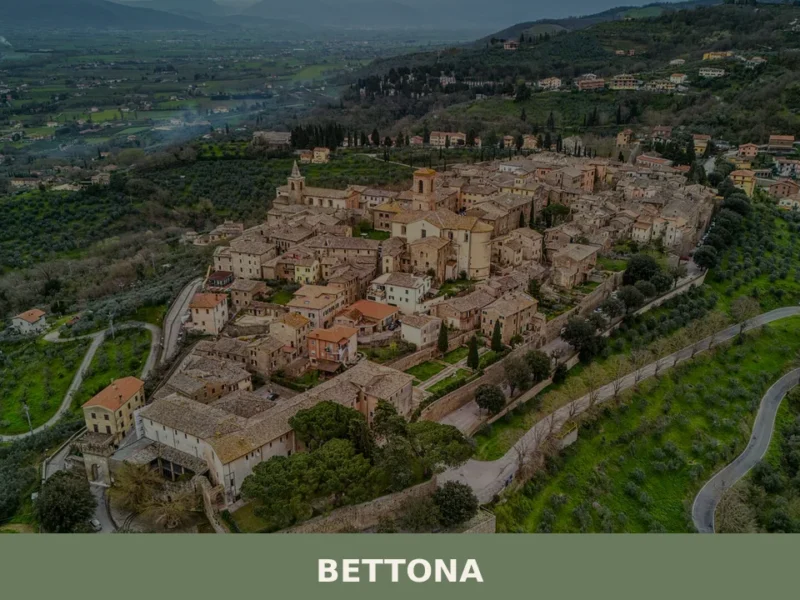
What to see in Bettona, Umbria, Italy: Etruscan walls, Perugino paintings and a Pinacoteca at 353 m altitude. Discover top attractions and how to get there.
Perugia
Hills
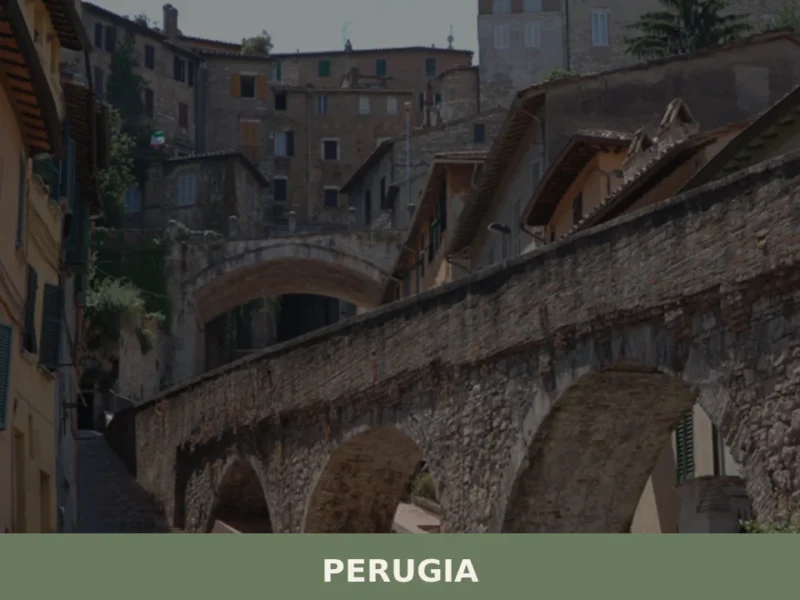
What to see in Perugia: discover 5 main attractions, from Fontana Maggiore to Rocca Paolina. Plan your trip and visit the heart of Umbria.
Paciano
Hills
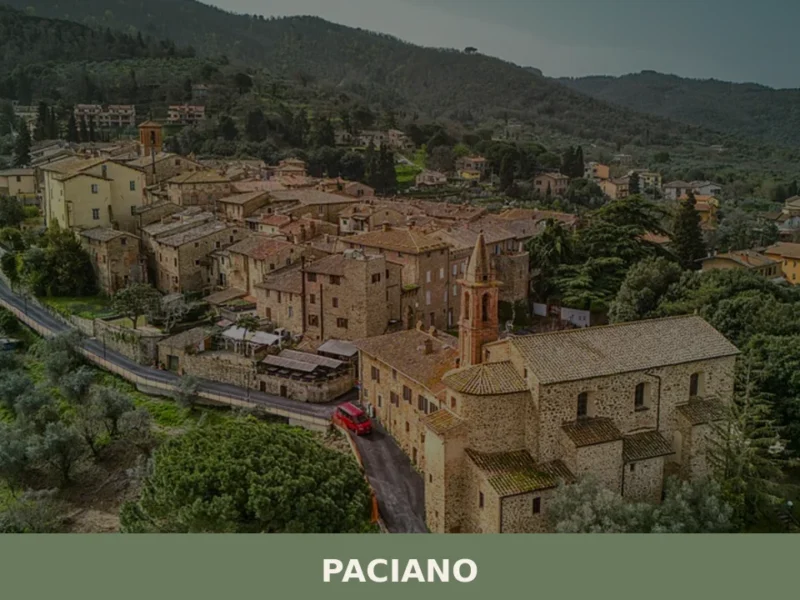
As the early morning mist begins to lift from the rolling hills, a faint scent of woodsmoke and damp earth hangs in the air. The first rays of sunlight strike the ancient stone of Paciano, illuminating a quiet street where a lone figure sweeps the flagstones outside a modest doorway. Here, life unfolds with a […]
Bastia Umbra
Hills
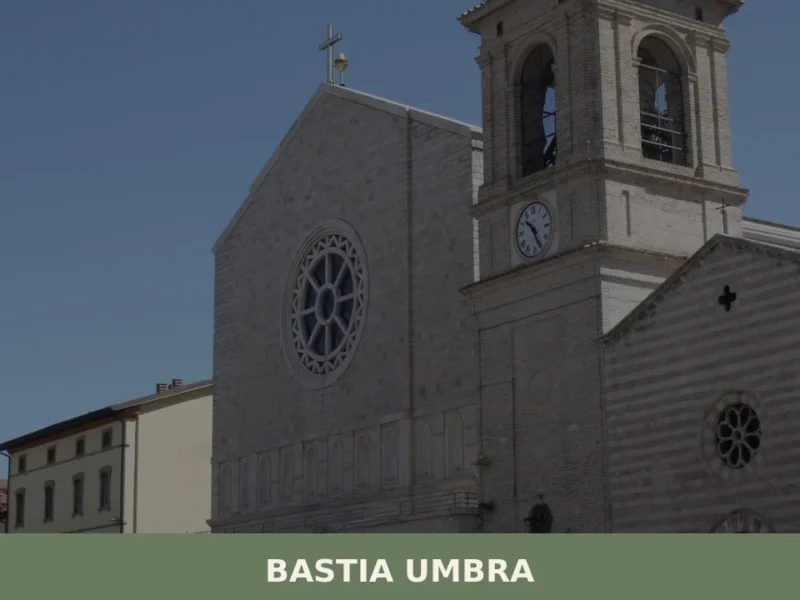
What to see in Bastia Umbra, Italy: 5 top attractions, local food, and how to get there. Explore a plains town 13 km from Perugia with 21,965 inhabitants.
Campello sul Clitunno
Hills
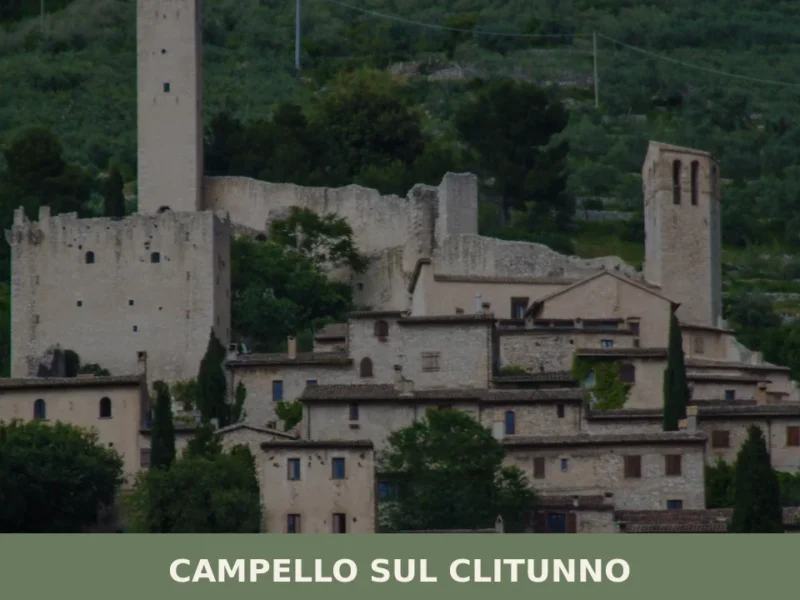
What to see in Campello sul Clitunno, Umbria, Italy: a UNESCO temple, medieval castle, and springs producing 1,500 l/s. Discover the complete travel guide.
Cerreto di Spoleto
Hills
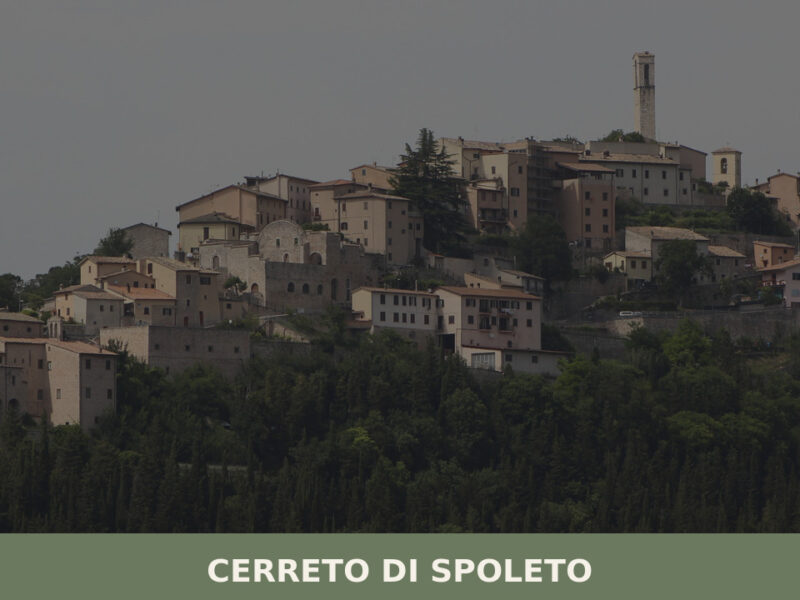
A ridge-top village of 975 inhabitants in the Valnerina, Cerreto di Spoleto holds medieval streets, scattered hamlets, and a centuries-old tradition of itinerant herbalists.
Castiglione del Lago
Hills
 Lake
Lake
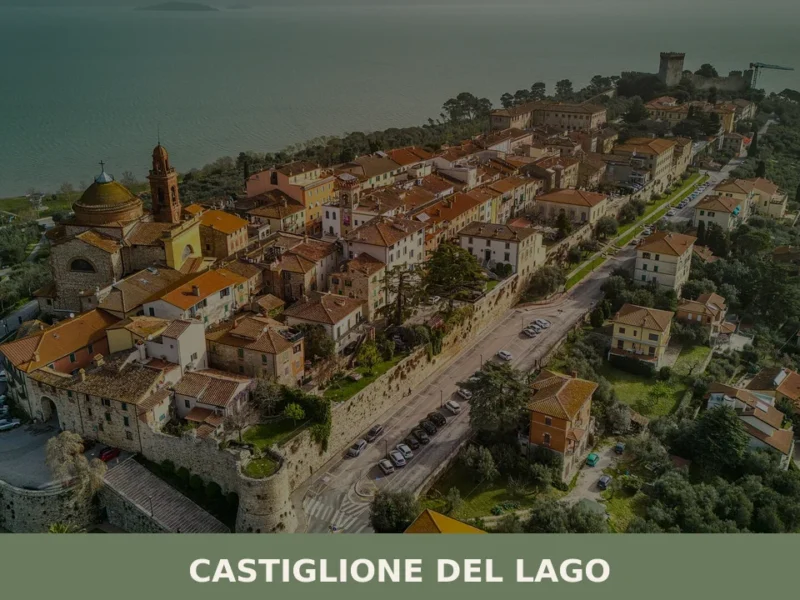
What to see in Castiglione del Lago, Umbria, Italy: explore a fortress, a frescoed palace, and Lake Trasimeno from 304 m altitude. Discover top things to do.

Orvieto
Hills
Orvieto stands on a dramatic tufa mesa above the Paglia Valley, home to a great Gothic cathedral and over 3,000 years of layered history. A essential destination in southern Umbria.
Cannara
 Plains
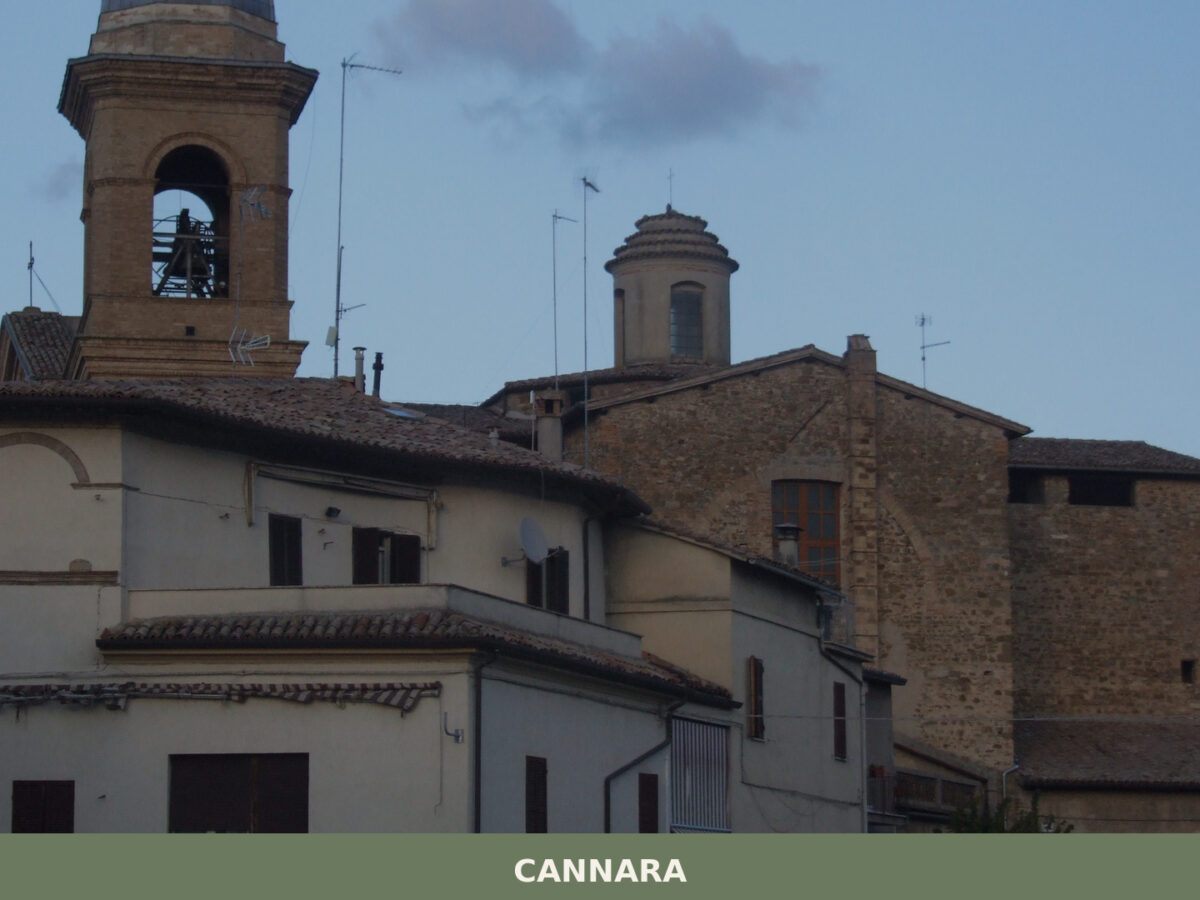
What to see in Cannara, Umbria, Italy: Roman ruins, medieval churches, and the Festa della Cipolla. Population 4,341. Discover top attractions and how to get there.
Monteleone di Spoleto
 Mountain
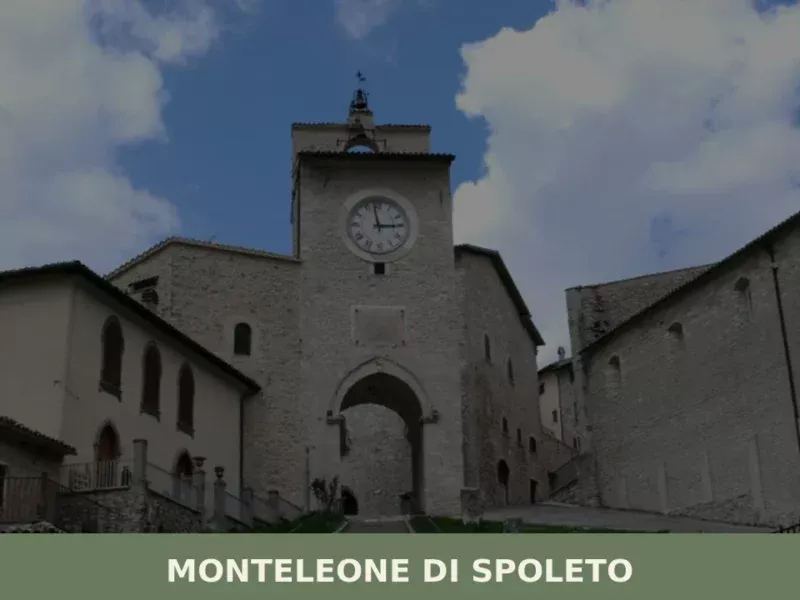
Monteleone di Spoleto: discover the history and art of this Umbrian village. Visit the museum and the Church of San Francesco. Plan your visit now!

🏡 Know Preci better than we do?
If you’re a local or have been there, your knowledge matters: add what’s missing or fix a detail on this page.