


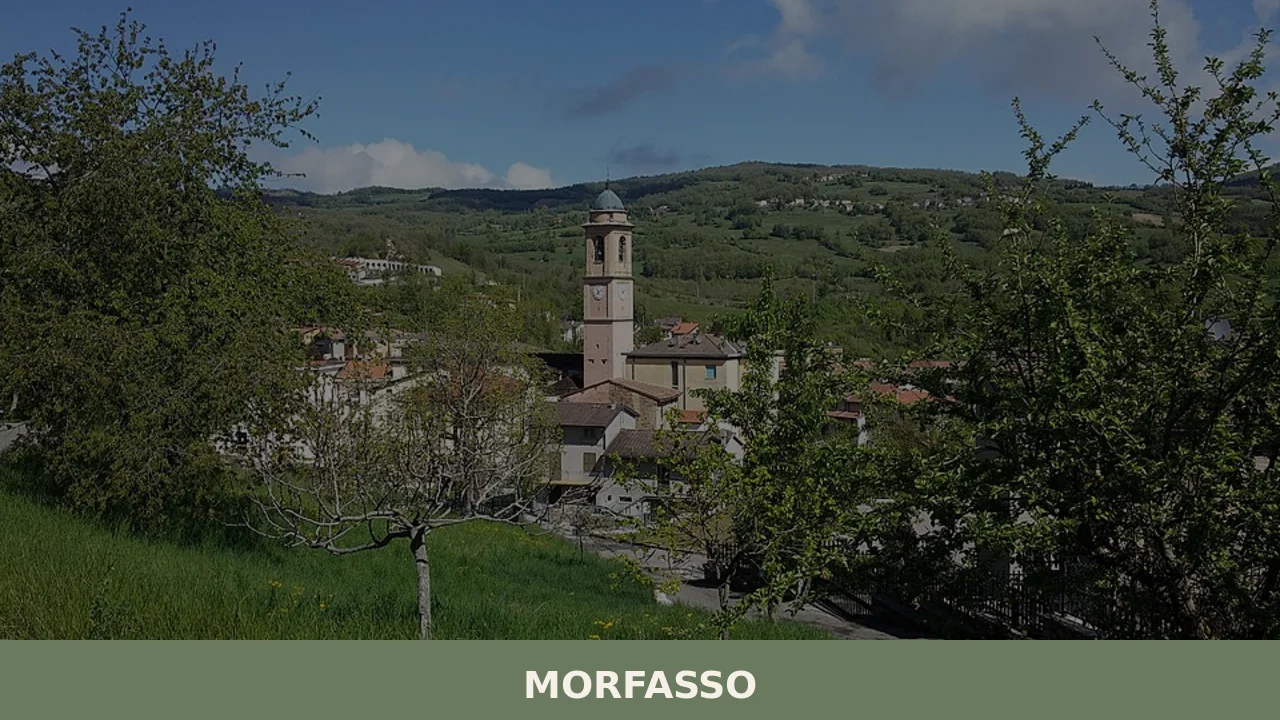
Morfasso
Morning mist settles into the valley below like poured milk, and from 631 metres above sea level, the stone houses of Morfasso emerge into sharp Apennine light. A church bell marks seven o’clock to an audience of 884 residents spread across a constellation of hamlets. This is Morfasso, a municipality in the province of Piacenza […]
Discover Morfasso
Morning mist settles into the valley below like poured milk, and from 631 metres above sea level, the stone houses of Morfasso emerge into sharp Apennine light. A church bell marks seven o’clock to an audience of 884 residents spread across a constellation of hamlets. This is Morfasso, a municipality in the province of Piacenza where the foothills of Emilia-Romagna’s Apennines begin to assert themselves — where the flat Po Plain is a memory and the ridgelines ahead promise Liguria. The air carries woodsmoke and the faint mineral scent of limestone.
History of Morfasso
The name Morfasso likely derives from a pre-Roman or early medieval toponym, though its precise etymology remains debated among local historians. Some scholars connect it to a personal name of Lombard origin, reflecting the waves of settlement that reshaped the Apennine valleys after the fall of Rome. The territory was inhabited long before written records began — archaeological traces suggest human presence in these highlands dating to the Bronze Age, consistent with findings across the upper Val d’Arda, the valley system that defines this part of the province of Piacenza.
During the medieval period, Morfasso and its surrounding hamlets fell under the influence of successive feudal families who controlled the Apennine passes between Emilia and the Ligurian coast. The territory was contested precisely because of its strategic elevation — ridgelines here served as natural borders and trade corridors. Parish churches from the Romanesque period still stand in several frazioni, their rough-cut sandstone walls testament to centuries of continuous worship and community life. By the later Middle Ages, the area was integrated into the broader political structures of the Duchy of Parma and Piacenza, though its mountain isolation preserved a degree of cultural autonomy that persists to this day.
The 19th and 20th centuries brought the demographic patterns common to Italy’s Apennine communities: gradual depopulation as agricultural economies contracted and younger generations moved toward the industrial centres of the Po Plain. Morfasso’s current population of 884 reflects this long decline, yet the village retains an institutional completeness — municipality offices, a parish, commercial life — that distinguishes it from truly abandoned highland settlements.
What to see in Morfasso: 5 must-visit attractions
1. Monte Moria and the rocky outcrops of the Alta Val d’Arda
The landscape above Morfasso is defined by ophiolitic rock formations — dark, heavy stones of oceanic origin thrust upward by tectonic forces millions of years ago. Monte Moria, accessible on foot from the village, offers a vantage over the entire upper valley. The terrain is stark, almost lunar in places, with sparse vegetation clinging to mineral-rich soil that supports rare botanical species adapted to serpentine geology.
2. Pieve di Morfasso (Parish Church)
The parish church in the village centre preserves architectural elements spanning several centuries, from Romanesque stonework to later Baroque additions. Its interior holds modest but genuine devotional art — wooden carvings, painted altarpieces — that documents the religious life of a highland community. The bell tower, visible from the surrounding trails, serves as the principal landmark for orientation in the area.
3. The hamlet of Sperongia
Among Morfasso’s scattered frazioni, Sperongia retains a particularly intact arrangement of traditional stone buildings clustered along a single narrow lane. The architecture is functional, built to withstand heavy snowfall and channel rainwater. Walking through it in the late afternoon, when the sun hits the western-facing walls, reveals the varied colours embedded in the local sandstone — ochre, grey, rust.
4. Sentiero del Tidone–Trebbia ridge trails
A network of marked hiking paths radiates from Morfasso into the surrounding ridgelines, connecting the Val d’Arda with neighbouring valleys. These trails follow ancient routes once used by shepherds and traders. In spring, the slopes are dense with wildflowers; in autumn, chestnut and beech forests shift through amber and bronze. The trails are moderately demanding, suited to walkers with basic fitness.
5. The geological sites of the Piacenza Apennines
The area around Morfasso is recognised for its geological significance, particularly its ophiolite exposures — fragments of ancient ocean floor. These formations attract geologists and naturalists who come to study the mineral composition and the specialised flora that colonises this unusual substrate. Interpretive panels along several paths explain the science in accessible terms, making this a landscape that rewards curiosity.
Local food and typical products of Morfasso
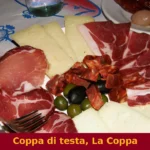
The cuisine of Morfasso belongs firmly to the mountain tradition of the Emilia-Romagna Apennines — hearty, seasonal, built around preserved meats, foraged ingredients, and handmade pasta. Pisarei e fasö, small bread-dough dumplings served with a slow-cooked bean and tomato sauce, is the defining first course of the Piacenza hills. Tortelli con la coda, a distinctive local pasta shape filled with ricotta and greens, appears on tables during feast days. The area also produces coppa piacentina DOP and pancetta piacentina DOP, cured meats with protected designation that reflect centuries of refined pork-curing technique in this province.
Wild mushrooms — particularly porcini — are gathered in autumn from the beech and chestnut forests surrounding the village, and chestnuts themselves remain an important seasonal ingredient, ground into flour for cakes and flatbreads. Local trattorias, often family-run operations with limited seating, serve these dishes in unpretentious settings where the wine is typically a Gutturnio from the Colli Piacentini DOC, a red blend of Barbera and Croatina grapes grown on the lower slopes of this same province. Eating in Morfasso is not a performative experience; it is a direct encounter with the agricultural calendar of this highland territory.
Best time to visit Morfasso
Late spring — May through mid-June — brings the clearest conditions and the most vivid landscapes, when wildflowers cover the ophiolite meadows and the trails are dry enough for comfortable walking. Summer temperatures are notably cooler than the sweltering Po Plain below, making Morfasso a practical retreat during July and August, though accommodation options are limited and should be arranged in advance. Autumn, from late September through October, is the season for mushroom foraging and chestnut harvesting, and the forests surrounding the village put on a prolonged display of colour that draws photographers and hikers alike.
Winters at 631 metres are genuinely cold, with snow possible from November through March. The village quiets considerably, and some services reduce their hours. Local festivals and sagre — food-centred community events — tend to cluster in the warmer months, with events celebrating mushrooms, chestnuts, and cured meats drawing visitors from across the province of Piacenza. Checking with the municipality of Morfasso for current event schedules is advisable before planning a visit.
How to get to Morfasso
Morfasso is reached most practically by car. From Piacenza, the drive south along provincial roads through the Val d’Arda takes approximately one hour, covering around 55 kilometres of progressively narrowing and climbing road. From Parma, the distance is roughly 80 kilometres via the SP28 and connecting provincial routes. The nearest motorway access is the A1 (Autostrada del Sole), with exits at Fiorenzuola d’Arda or Fidenza, from which mountain roads lead south into the Apennines.
The nearest railway station with regular service is Fiorenzuola d’Arda, on the Milan–Bologna line, approximately 40 kilometres north. From there, local bus connections exist but run infrequently, particularly outside school-term schedules — a rental car is strongly recommended. The closest airports are Parma (Giuseppe Verdi Airport, roughly 90 km) and Milan Linate (approximately 150 km). Bologna’s Guglielmo Marconi Airport, a larger international hub, lies about 170 kilometres to the southeast. Roads in winter may require snow chains or winter tyres; conditions should be checked before departure between November and March.
More villages to discover in Emilia-Romagna
Morfasso sits within a network of small Apennine municipalities that share geological character, culinary traditions, and the particular atmosphere of communities shaped by elevation and relative isolation. Travelling west along the mountain ridgelines, the territory transitions into the valleys of the Trebbia and Aveto rivers, where similar dynamics of depopulation and quiet resilience play out in villages that few outsiders ever reach. This is a landscape that rewards slow, deliberate exploration — each valley has its own microclimate, its own dialect inflections, its own variations on the Piacenza Apennine kitchen.
Among these neighbouring communities, Cerignale stands out as one of the smallest municipalities in Italy, tucked into the upper Val Trebbia with a population that barely reaches double digits. Visiting Cerignale after Morfasso offers a striking contrast in scale — the same mountain architecture, the same chestnut forests, but a community reduced to its most elemental form. Together, these villages of the Piacenza Apennines compose a portrait of rural Italy that is neither romanticised nor defeated, but simply continuing, season by season, in the manner it has for centuries.
In Emilia-Romagna More villages to discover
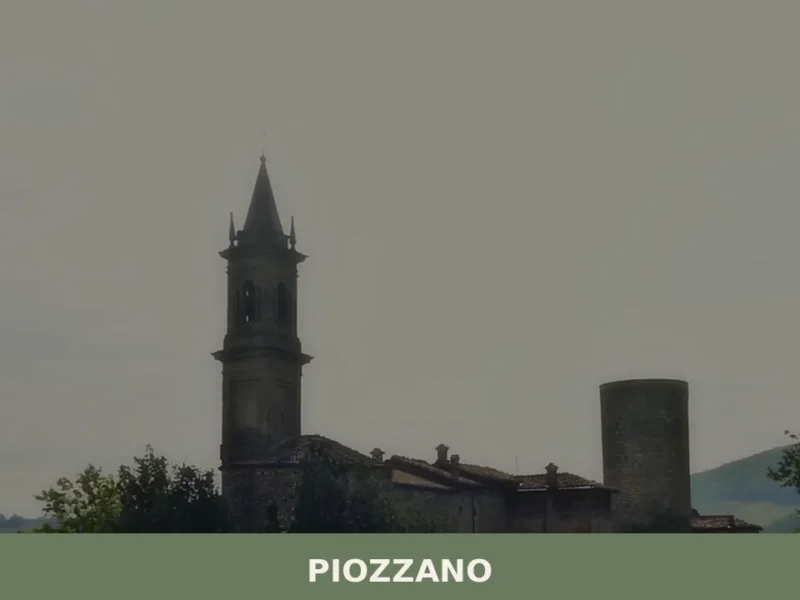
Piozzano
Piozzano, a village in Emilia-Romagna with 645 inhabitants, is situated at an elevation of 222 meters above sea level within the province of Piacenza. This location places it amidst the agricultural landscape of the Piacentine hills, where the transition from the Po Valley to the Apennine foothills is evident. For those considering what to see […]
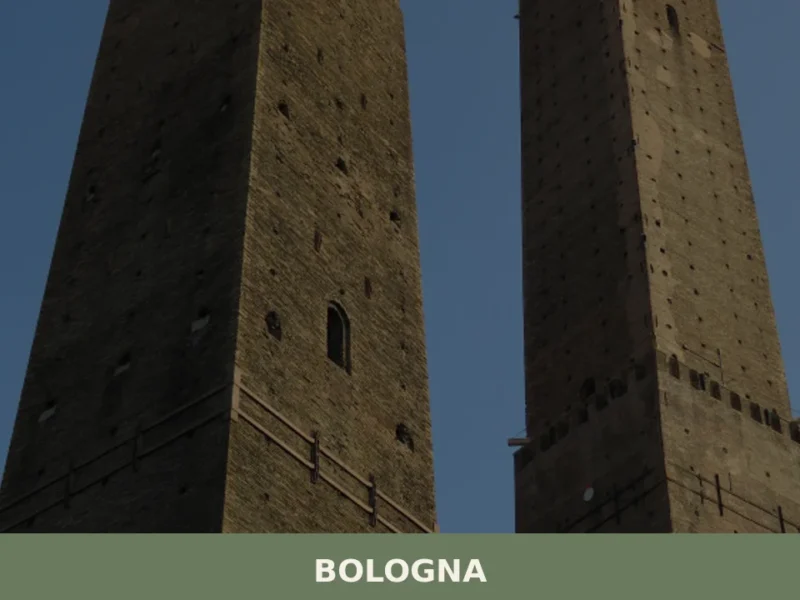
Bologna
What to see in Bologna: 388,000 inhabitants, UNESCO porticoes and the Two Towers. Plan your visit with our guide to tortellini, Mortadella IGP and top museums.
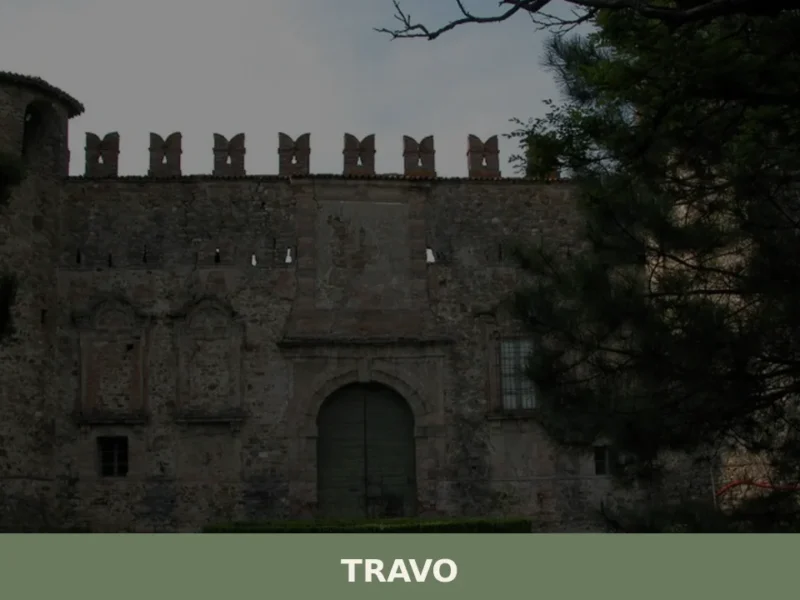
Travo
At 171 metres above sea level, in the lower Val Trebbia, Travo is one of those centres in the province of Piacenza where the historical layers of the past surface in visible, tangible ways: from pre-Roman foundations to the medieval domains of the Malaspina and Landi families, with traces of the Matildine Middle Ages in […]
📝 Incorrect information or updates?
Help us keep the Morfasso page accurate and up to date.