


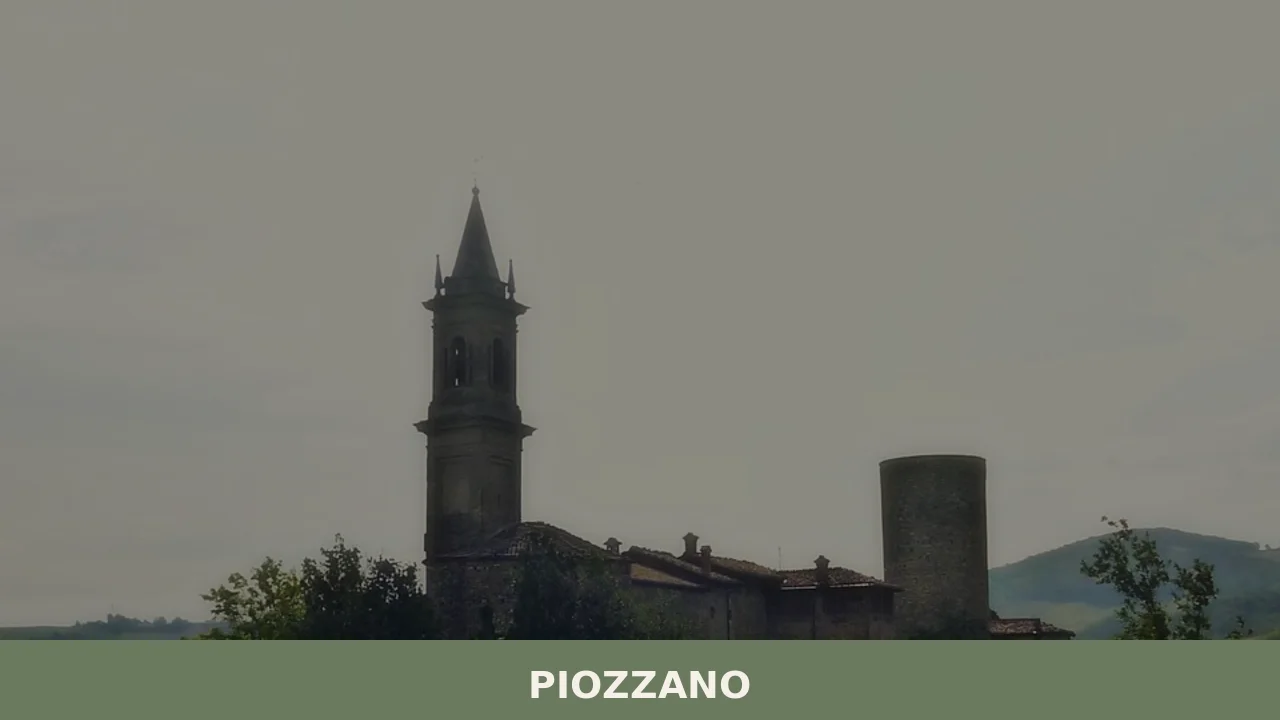
Piozzano
 Hills
Hills
What to see in Piozzano, Italy: Explore this village of 578 inhabitants, 222 m a.s.l., near Piacenza. Discover its history and local specialties.
Discover Piozzano
Piozzano, a village situated within the Piacenza hills, rises to an altitude of 222 m (728 ft) above sea level. Its modest population of 578 inhabitants ensures a quiet atmosphere, where the rhythm of daily life unfolds against a backdrop of undulating landscapes characteristic of the Emilia-Romagna region.
The village serves as a focal point for the surrounding agricultural territories, providing services and a community hub for local residents.
For those wondering what to see in Piozzano, this guide offers a comprehensive overview of its highlights. Visitors to Piozzano, with its population of 578, can explore the historical core and experience the local traditions centered around its patron saint, San Salvatore. The village provides a starting point for exploring the wider Piacenza province and its numerous attractions.
History of Piozzano
Piozzano officially holds the status of a comune (municipality) within the Province of Piacenza, a designation that has structured its administrative and social identity for centuries. Its geographical position, approximately 150 km (93 mi) northwest of Bologna and 20 km (12 mi) southwest of Piacenza, has historically placed it within the wider sphere of influence of these larger urban centers. The village, known as Piusàn in Piacentino dialect, reflects a deep-rooted linguistic heritage specific to this part of Emilia-Romagna.
The historical development of Piozzano is intrinsically tied to its location in the Piacenza hills, a region that has seen various dominations and cultural shifts over time.
While specific founding dates for the current settlement are not detailed in historical records, the existence of a comune implies a long-standing community structure. Its borders with neighboring municipalities like Agazzano, Alta Val Tidone, and Bobbio suggest a historical landscape of interconnected rural communities, similar to those found around Carpaneto Piacentino, shaped by agricultural practices and local governance. Understanding the historical context helps frame what to see in Piozzano today, as many elements of its past are still visible in its layout and traditions.
Throughout its history, Piozzano has maintained its character as a smaller rural center, a common trajectory for many villages in the Emilia-Romagna region. The continuity of its local identity is partly expressed through its patron saint, San Salvatore, whose feast day is celebrated on the first Sunday after Easter. This religious observance underscores a thread of tradition connecting the present inhabitants with past generations, reflecting the enduring cultural fabric of the region and its enduring community bonds.
What to see in Piozzano, Emilia-Romagna: top attractions
The Historic Core of Piozzano
The layout of Piozzano’s historic core reveals a compact arrangement of buildings, typical of many hill villages in the Piacenza province.
Walking through its narrow streets, visitors encounter structures that reflect centuries of local architectural styles, often built with local stone. The village, home to 578 inhabitants, maintains a quiet atmosphere that allows for appreciation of its preserved elements and the slower pace of life. Exploring this central area provides insight into the village’s evolution and daily life, offering a tangible connection to its past.
Parish Church of San Salvatore
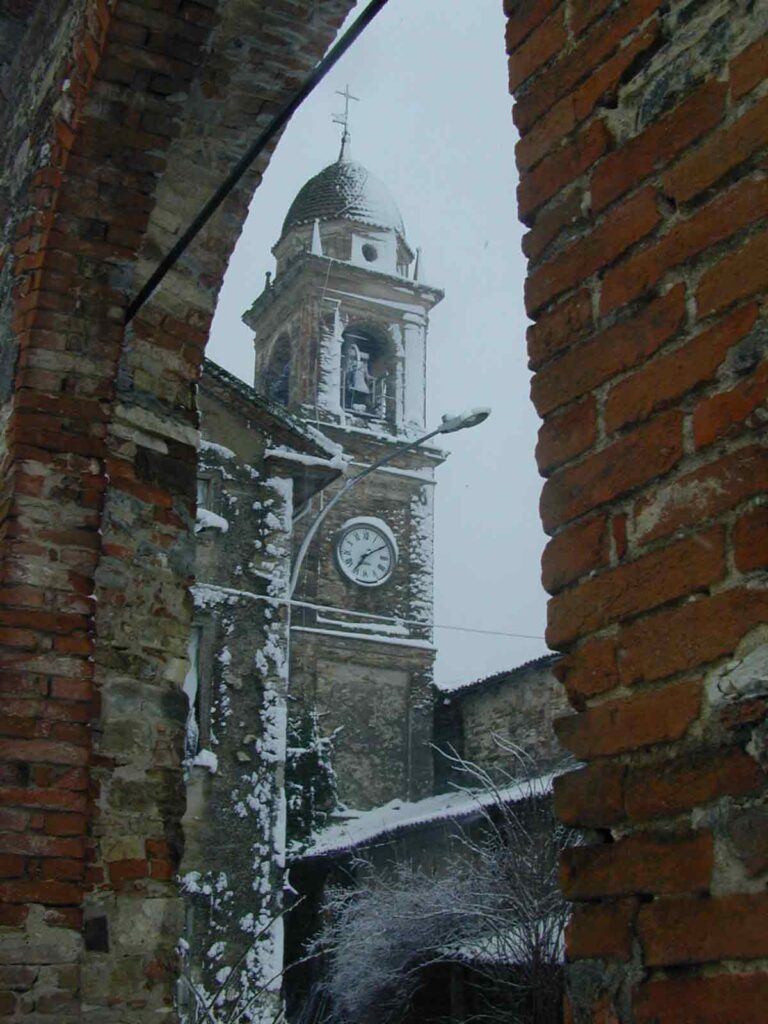
The Parish Church, dedicated to San Salvatore, stands as a central point within Piozzano, reflecting the village’s religious heritage. While specific architectural details are not cited, such churches typically feature a nave, altar, and bell tower, often dating back several centuries and showcasing regional ecclesiastical architecture. The church serves as the focal point for the annual patron saint’s feast, held on the first Sunday after Easter, drawing the community together for celebration and devotion. Its location at 222 m (728 ft) a.s.l.
means it often offers views over the surrounding landscape.
Panoramic Views from the Hilltop
From various vantage points around Piozzano, especially those slightly above its 222 m (728 ft) altitude, visitors can appreciate expansive views of the Piacenza hills. The landscape is characterized by rolling terrain and agricultural fields, extending towards the neighboring municipalities of Agazzano and Pianello Val Tidone. These vistas offer a clear sense of the village’s geographical context within the Emilia-Romagna region, highlighting the gentle undulations of the Apennine foothills. The best time to experience these views is during clear weather, particularly in spring or autumn, when visibility is often at its best.
Trails of the Val Tidone
Piozzano is situated in the broader Val Tidone area, a region known for its network of rural trails and pathways. These routes offer opportunities for gentle walks or more extended hikes through the surrounding countryside, characterized by vineyards, woodlands, and small streams. The trails provide a way to explore the local flora and fauna, connecting visitors with the natural environment that defines the Piacenza hills. Many paths are accessible directly from the village perimeter, allowing for immediate immersion in nature and providing a different perspective on the region’s beauty.
Local Agricultural Landscapes
The agricultural landscapes surrounding Piozzano are an attraction in themselves, showcasing the productive heart of the Emilia-Romagna region.
Visitors can observe the cultivation of grapes, grains, and other crops that sustain the local economy and culinary traditions, witnessing the cycles of the farming year. The patterns of fields and farmhouses across the hills provide a visual narrative of rural life and the enduring relationship between the community and its land. These landscapes are particularly vibrant during the growing seasons of spring and summer, offering a dynamic view of the region’s agricultural heritage and its importance.
Local food and typical products of Piozzano
The gastronomic tradition around Piozzano, like much of Emilia-Romagna, is deeply rooted in its agricultural heritage and the fertility of the Po Valley and its surrounding hills. The cuisine here is known for its richness, often utilizing local pork products, cheeses, and fresh pasta. Historical influences from both Lombardy and Tuscany have contributed to a diverse culinary landscape, characterized by hearty, flavorful dishes that reflect centuries of tradition and local ingredients. Beyond the historical sites, another dimension of what to see in Piozzano involves its rich culinary heritage.
Typical dishes in this part of Emilia-Romagna often include various forms of fresh pasta.
For example, tortelli piacentini, usually filled with ricotta and spinach, are a staple, often served with melted butter and sage. Another common dish is pisarei e fasò, small pasta dumplings served with a rich bean and tomato sauce, showcasing the region’s emphasis on simple, yet robust, ingredients. Cured meats, such as coppa, pancetta, and salame, are also fundamental to the local diet, often enjoyed as appetizers with local bread and wine, a characteristic shared with other areas of the province, including the area around Ottone.
While specific certified products unique to Piozzano are not detailed, the wider Piacenza province boasts several renowned designations. These include Coppa Piacentina (DOP), a cured pork shoulder produced across various municipalities in the Piacenza area, adhering to strict traditional methods. Similarly, Salame Piacentino (DOP) and Pancetta Piacentina (DOP) are protected designations, ensuring their quality and adherence to traditional production methods within the province.
These products are central to the regional identity and can be found in local markets and shops, representing the rich agricultural output of the area.
Local markets, often held in larger nearby towns such as Piacenza, are the best places to discover these regional specialties. Throughout the year, various sagre (traditional local food festivals) celebrate specific ingredients or dishes, particularly during the harvest seasons. These events offer an opportunity to taste freshly prepared food and purchase local products directly from producers, connecting visitors to the agricultural rhythms of the Piacenza hills and providing a deeper understanding of the local culture.
Festivals, events and traditions of Piozzano
The primary annual event in Piozzano is the celebration dedicated to its patron saint, San Salvatore. This important religious festival is observed on the prima domenica dopo Pasqua (first Sunday after Easter), drawing together the entire community. The festivities typically include religious ceremonies, such as a special mass and possibly a procession through the village streets, honoring San Salvatore and reinforcing local spiritual traditions that have been passed down through generations.
This event is a cornerstone of the village’s cultural calendar.
Beyond the religious observance, the patron feast often extends into a community gathering, featuring local music, traditional games, and opportunities to enjoy regional food and drink. While specific details of other festivals or annual events in Piozzano are not documented, similar villages in Emilia-Romagna frequently host smaller, seasonal events tied to harvest times or local products. These traditions maintain the communal spirit and offer insights into the cultural fabric of the Piacenza hills, providing visitors with a glimpse into authentic village life.
When to visit Piozzano, Italy and how to get there
The best time to visit Emilia-Romagna, and Piozzano specifically, is during the spring (April to June) and early autumn (September to October). During these months, the weather is generally mild and pleasant, ideal for exploring the countryside and enjoying outdoor activities without the intense heat of summer. Spring brings blooming landscapes and fresh produce, while autumn offers vibrant colors and harvest festivals. The village, with its 578 inhabitants, remains relatively uncrowded, allowing for a more serene experience.
Planning your trip optimally enhances what to see in Piozzano and the surrounding region.
Piozzano is accessible for a day trip from the nearest major city, Piacenza, located about 20 km (12 mi) to the northeast. To reach Piozzano by car from Piacenza, visitors can take provincial roads heading southwest into the hills, a journey that typically takes around 30-40 minutes. For those traveling from further afield, the nearest major airport is Milan Linate (LIN), approximately 80 km (50 mi) northwest, or Bologna Guglielmo Marconi Airport (BLQ), about 150 km (93 mi) southeast. From these airports, car rental is recommended for flexibility in exploring the Piacenza hills and other parts of Emilia-Romagna.
While there is no train station directly in Piozzano, the nearest railway hub is Piacenza, which is well-connected to Italy’s national rail network. From Piacenza station, local bus services or taxis can complete the journey to Piozzano, though schedules may be less frequent in rural areas. International visitors should note that English may be limited in smaller shops and eateries in rural areas, so carrying some Euros cash and a basic Italian phrasebook can be useful for smooth transactions.
For official information about the village, consult the Piozzano municipality website.
For those seeking a broader exploration of Emilia-Romagna, cities like Ravenna offer a stark contrast with their rich Byzantine history, providing a different perspective on the region’s diversity. Visitors interested in further exploring the varied landscapes and traditions of Emilia-Romagna might also consider a visit to Castel del Rio, another village offering its own unique historical and natural appeal within the region.
Frequently asked questions about Piozzano
What is the best time to visit Piozzano?
The most pleasant times to visit Piozzano are spring (April to June) and autumn (September to October). During these seasons, temperatures are moderate, ideal for exploring the village and its surrounding agricultural landscapes, which burst with fresh greenery or vibrant autumnal colours. Summer (July-August) can be hot, while winters are cooler. Consider planning your visit around the patron saint festival of San Salvatore, which takes place on the first Sunday after Easter, offering a glimpse into local traditions.
What to see in Piozzano? Main monuments and landmarks
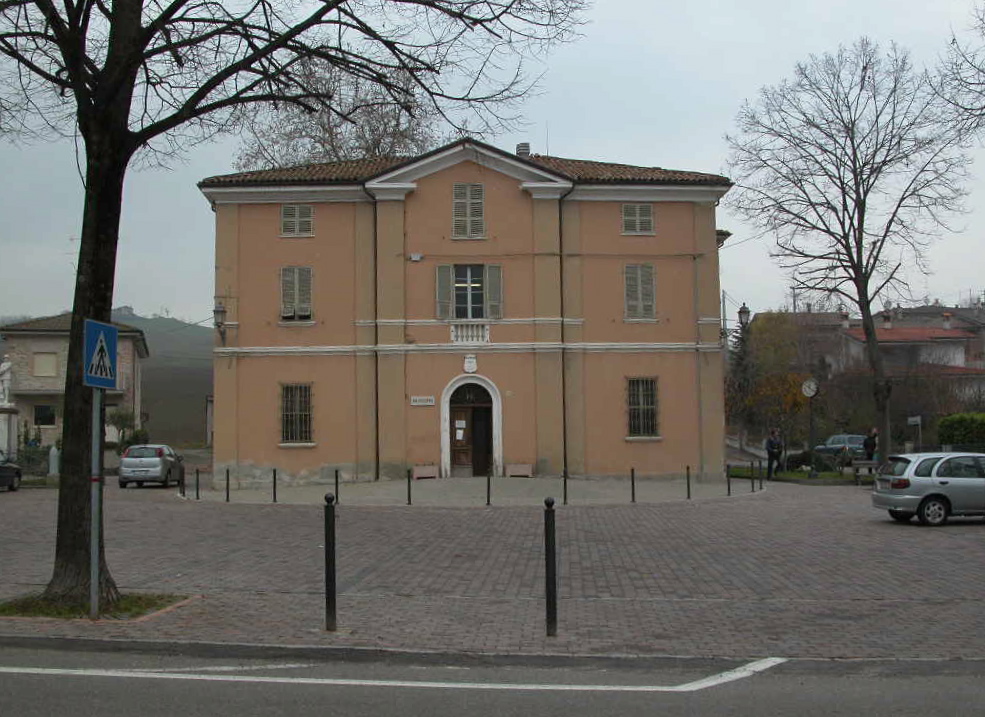
In Piozzano, visitors can explore the Main Parish Church, dedicated to San Salvatore, which stands as a central architectural feature reflecting rural Emilia-Romagna style. The Central Piazza serves as the village's communal heart. A walk through the lanes reveals traditional village architecture, with stone, plaster, terracotta roofs, and wooden shutters. From various points, you can enjoy expansive views of the Piacentine Hills and the surrounding agricultural landscape of vineyards and cultivated fields.
What are the main natural or scenic attractions of Piozzano?
Piozzano's primary natural and scenic attractions are the captivating views of the Piacentine Hills. From its 222-meter elevation, the village offers panoramic perspectives of the undulating agricultural landscape, characterized by vineyards, orchards, and cultivated fields. These vistas provide a deep connection to the region's topography and its farming traditions, offering a tranquil backdrop for rural exploration and photography.
Are there museums, churches or historic buildings to visit in Piozzano?
Yes, the main place of worship in Piozzano is the Parish Church, dedicated to the patron saint, San Salvatore. This church is a key example of rural Emilia-Romagna architecture, featuring a simple facade and a bell tower that is a visual landmark for the community. While specific opening hours are not provided, it serves as a historical and cultural focal point within the village. No museums are mentioned for Piozzano.
What can you do in Piozzano? Activities and experiences
In Piozzano, visitors can immerse themselves in quiet exploration, walking through the village lanes to admire the traditional architecture and soaking in the tranquil atmosphere. The surrounding agricultural landscape of the Piacentine hills invites gentle strolls to observe vineyards and fields. A significant experience involves indulging in the local food and wine; tasting typical products like Salame Piacentino DOP, tortelli con la coda, and local wines such as Gutturnio, Ortrugo, and Malvasia at nearby trattorias or agriturismi.
Who is Piozzano suitable for? Families, couples, hikers, solo travelers?
Piozzano is ideal for travelers seeking a tranquil, authentic Italian rural experience away from bustling urban centers. It's perfectly suited for couples looking for a romantic escape, solo travelers desiring quiet contemplation, and families interested in experiencing genuine village life and agricultural landscapes. Those who appreciate local food and wine, gentle walks, and scenic views of rolling hills will find Piozzano particularly appealing, offering a peaceful retreat in the heart of the Piacentine countryside.
What to eat in Piozzano? Local products and specialties
The culinary offerings in Piozzano are deeply rooted in Piacenza's gastronomic traditions. Must-try local products include the DOP cured meats: Salame Piacentino, Coppa Piacentina, and Pancetta Piacentina. Traditional pasta dishes like tortelli con la coda and anolini in brodo are staples, often accompanied by gnocco fritto. The region is also known for its wines, such as Gutturnio, Ortrugo, and Malvasia, which perfectly complement the rich local cuisine, available at smaller trattorias or agriturismi in the vicinity.
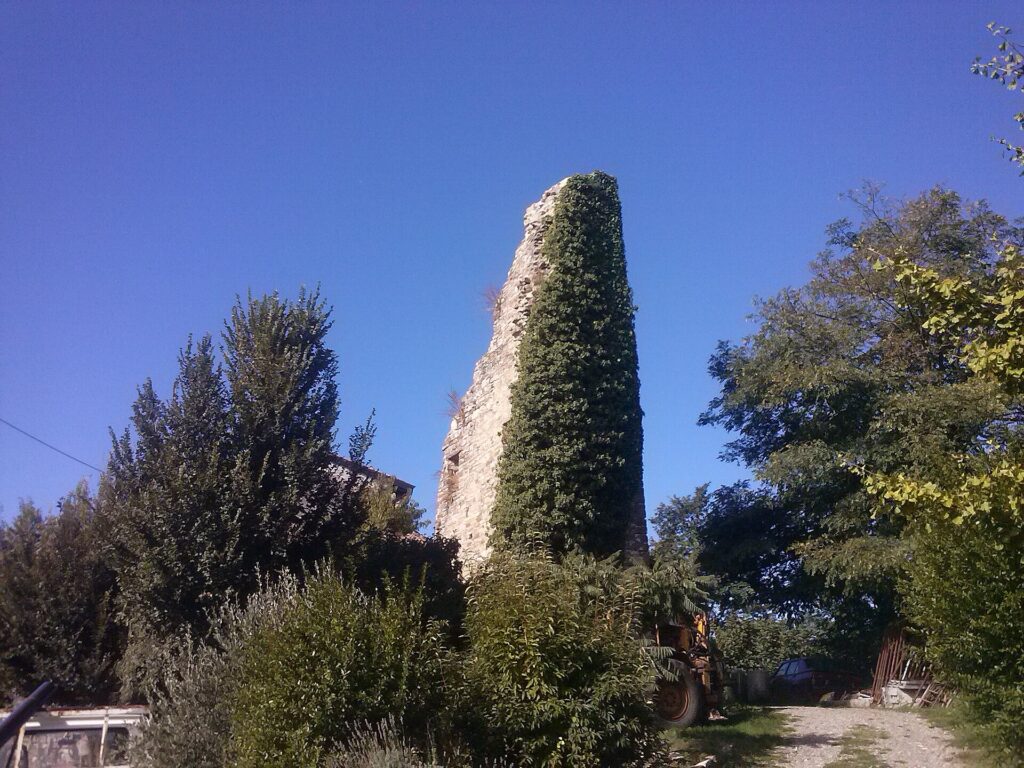
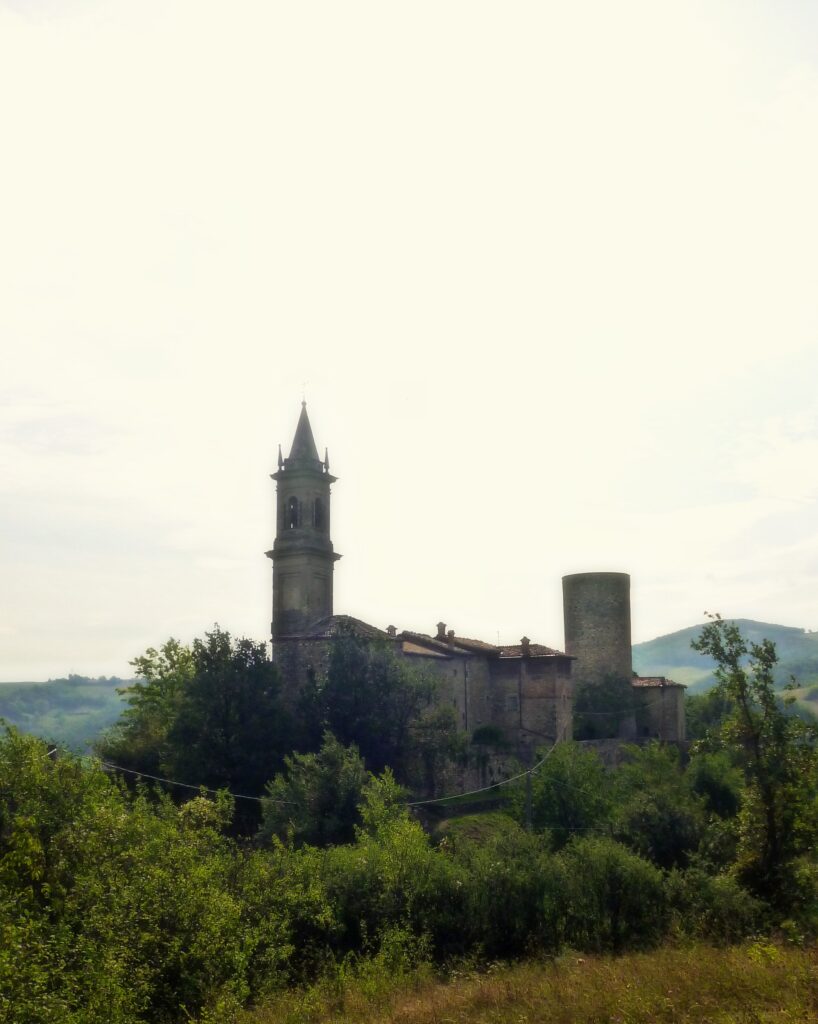
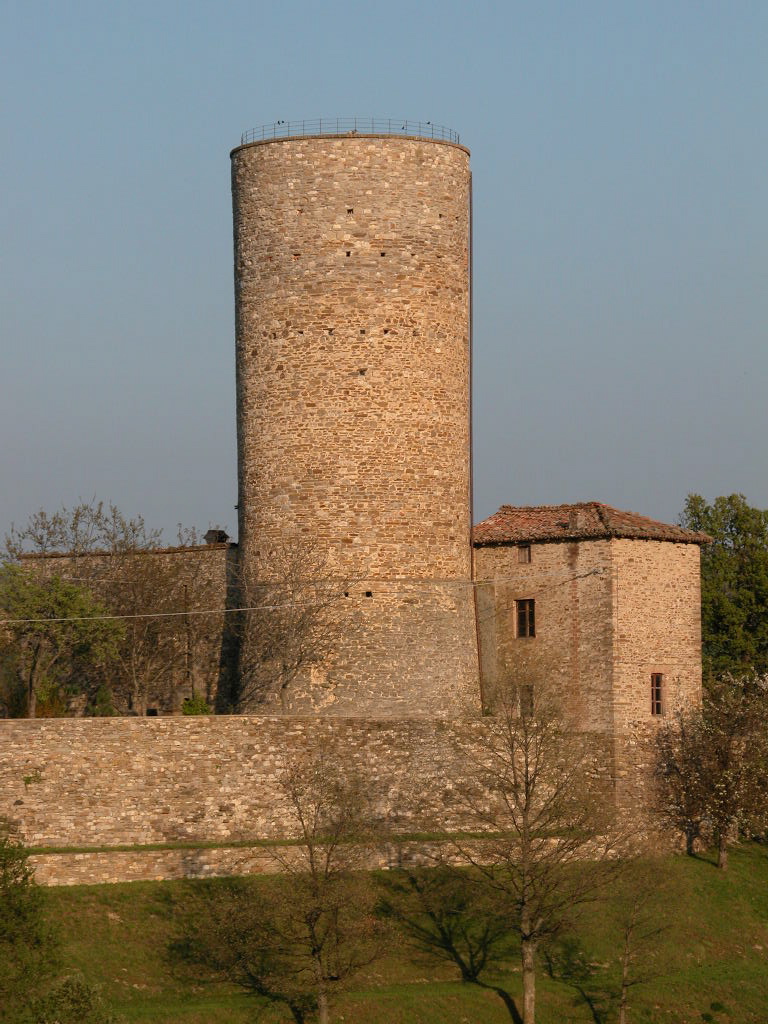
📷 Photo Gallery — Piozzano
Nearby Villages near Piozzano
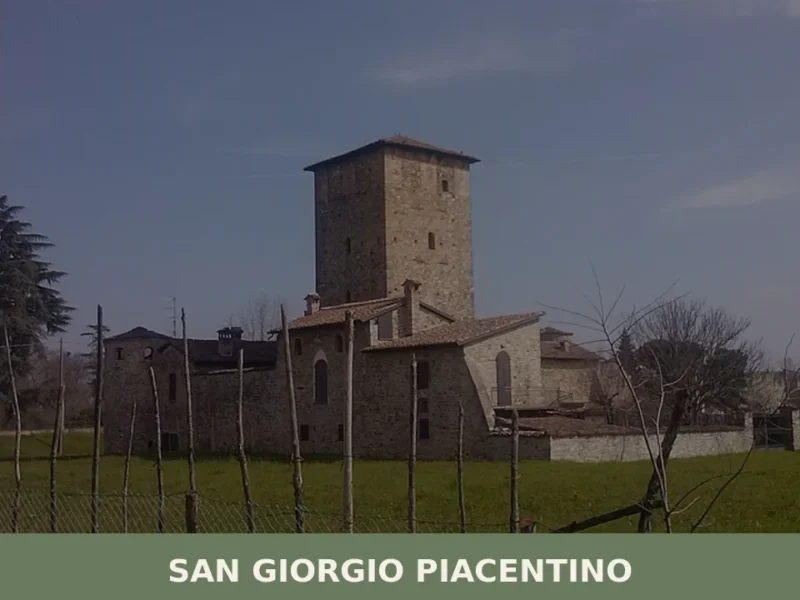
In Emilia-Romagna More villages to discover
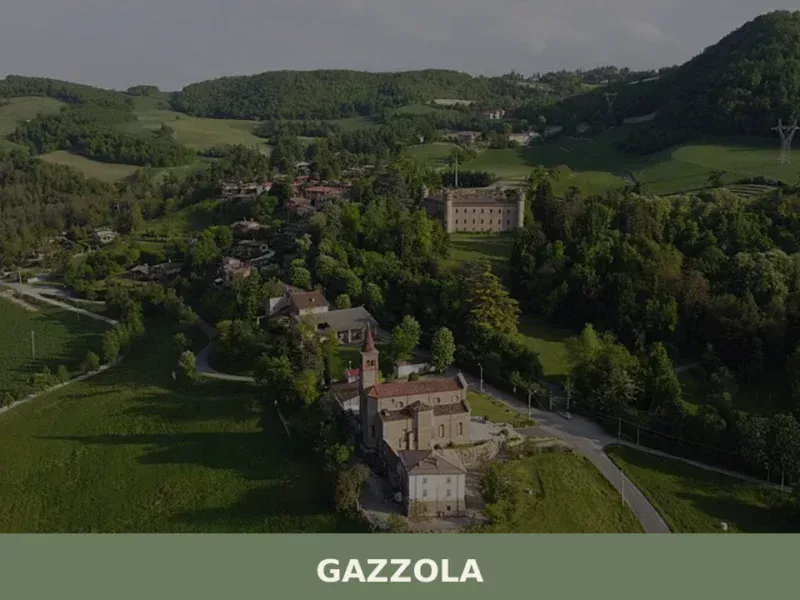
Gazzola
 Plains
What to see in Gazzola, a Piacenza hill village at 146 m with 2,050 residents. Explore Rivalta Castle, the Luretta valley and Colli Piacentini DOC wines. Plan your visit.
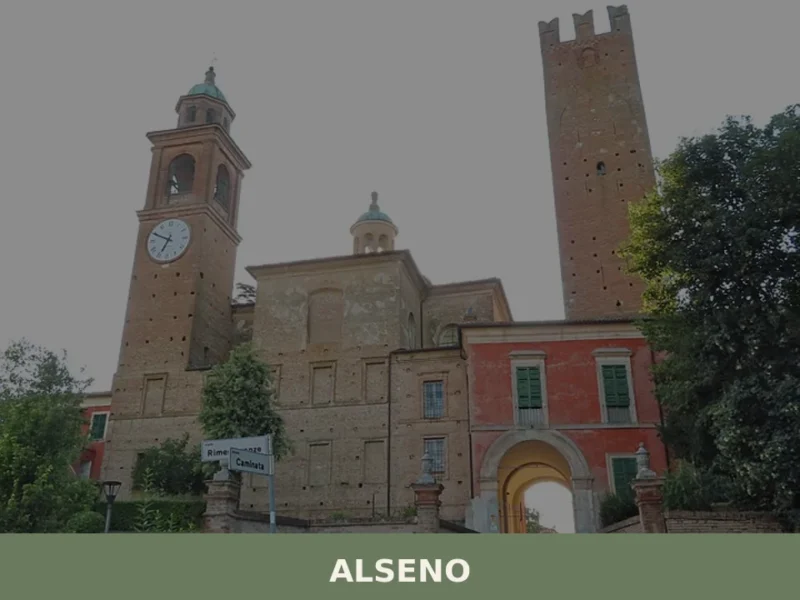
Alseno
Plains
Alseno sits at 79 metres above sea level in the province of Piacenza, on the plain crossed by the Ongina stream, a tributary of the Po. In this article History and Origins of Alseno What to See in Alseno: Main Attractions Local Food and Products of Alseno Festivals, Events and Traditions of Alseno When to […]
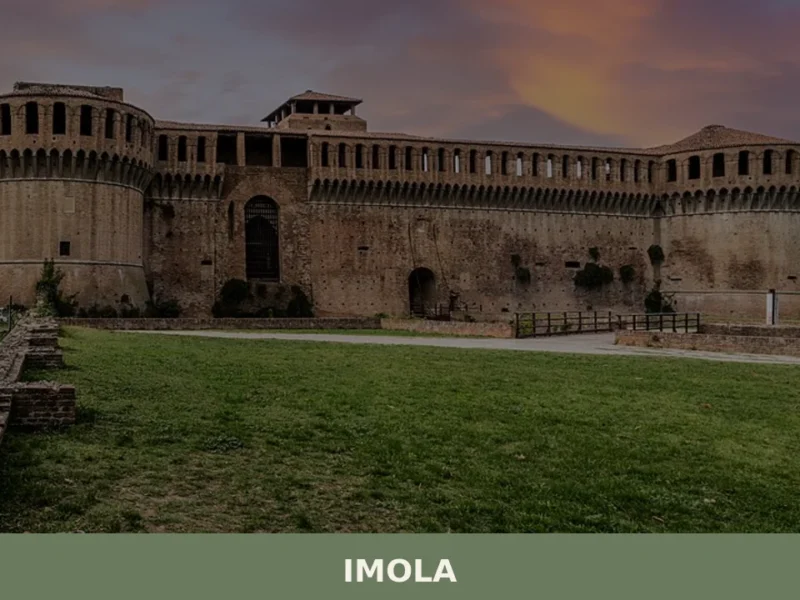
Imola
Plains
In 1953, on the track of the Autodromo Enzo e Dino Ferrari, Formula One cars raced in the Italian Grand Prix, placing Imola firmly in international motorsport history. But this city of 69,121 inhabitants, spread out at 47 metres above sea level along the banks of the River Santerno, had already existed for two thousand […]
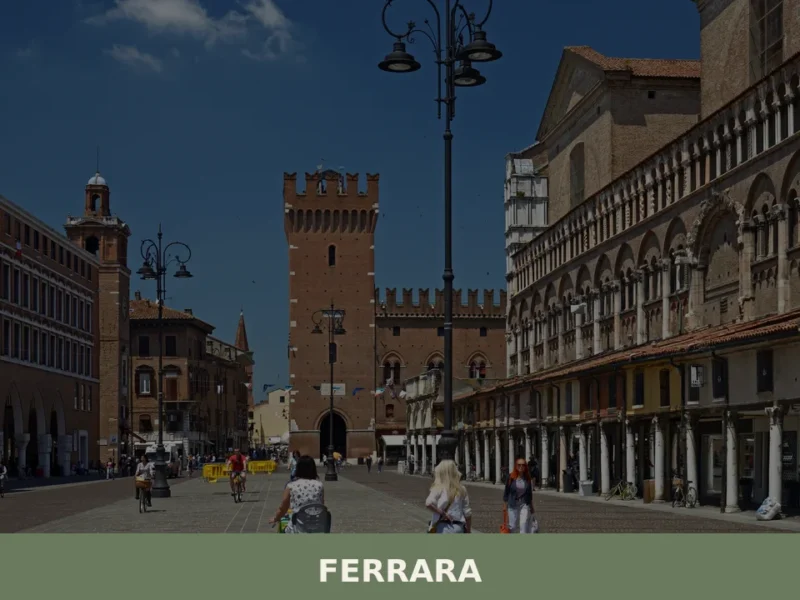
Ferrara
Plains
What to see in Ferrara? Explore 6 attractions, from the Estense Castle to the Palio at this city of 135,000. Discover Ferrara’s unique architecture today!
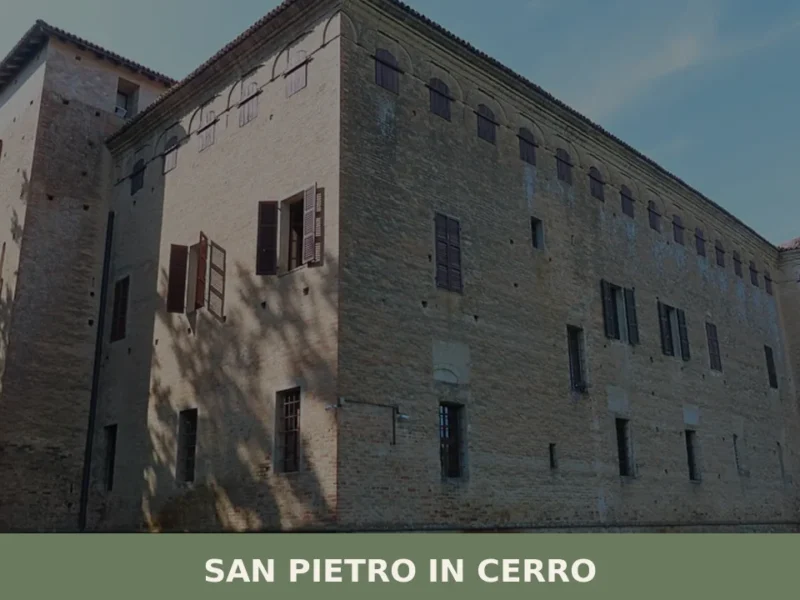
San Pietro in Cerro
Plains
With its 769 inhabitants and an elevation of just 44 metres above sea level, San Pietro in Cerro is one of the smallest municipalities in the province of Piacenza, spread across the alluvial plain between the Arda torrent and the Po river. The fifteenth-century castle of the Barattieri counts, still standing today with its square-plan […]
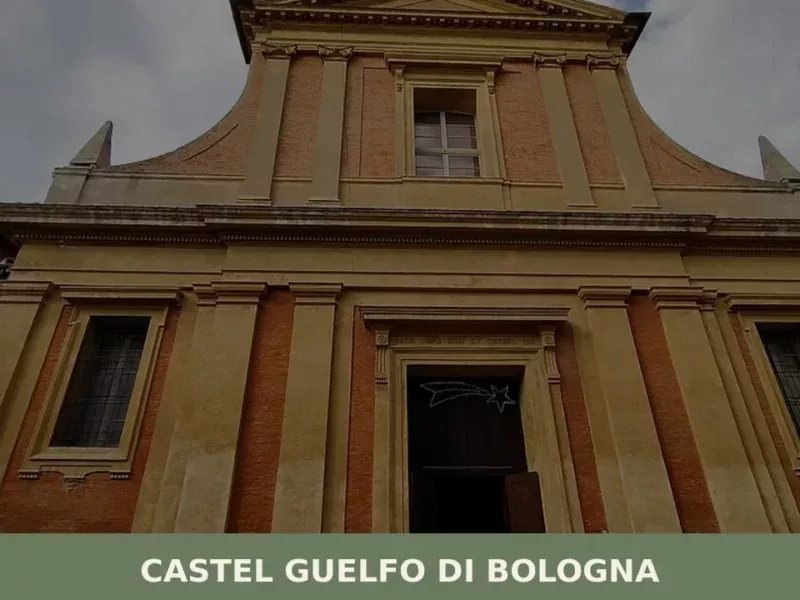
Castel Guelfo di Bologna
Plains
In 1388, the Council of the Six Hundred in Bologna ordered the construction of a fortress on the plain southeast of the city, along the road leading towards Romagna. That military outpost, built to defend the borders of the contado from the ambitions of the Visconti, took its name from the Guelph faction that governed […]
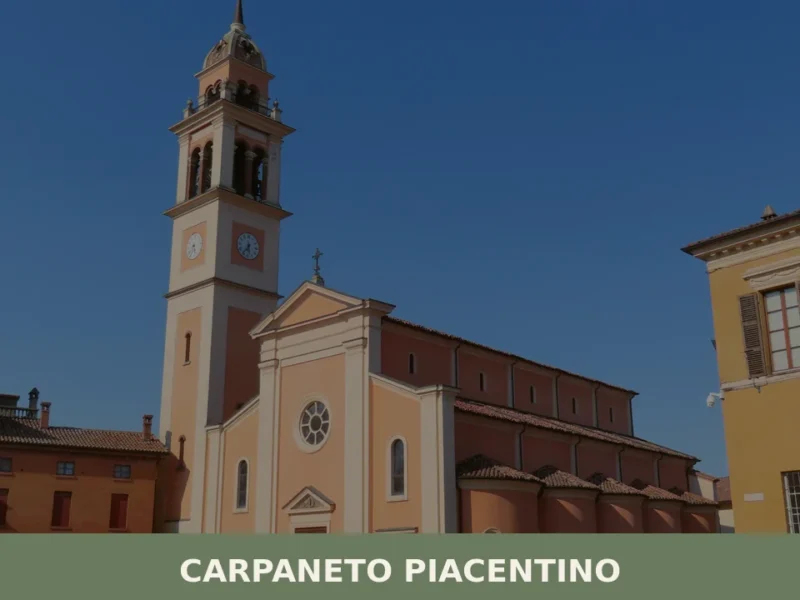
Carpaneto Piacentino
Plains
What to see in Carpaneto Piacentino: 7,598 residents, 114 m altitude, Saints Fermo & Rustico festival on 9 Aug, DOP cured meats. Plan your visit now.
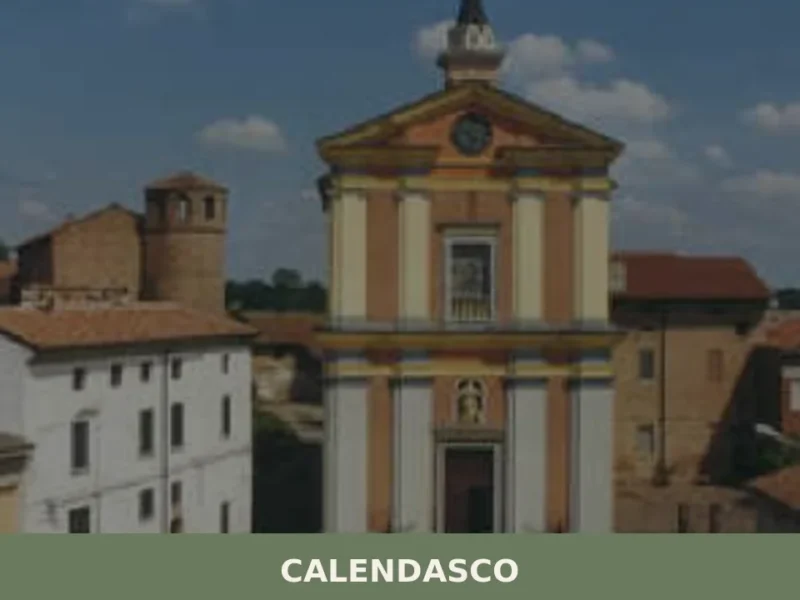
Calendasco
Plains
What to see in Calendasco, a village of 2,485 residents on the Po plain at 55 m elevation. Discover the medieval castle, the 19 February Saint Conrad festival and Piacenza cured meats.
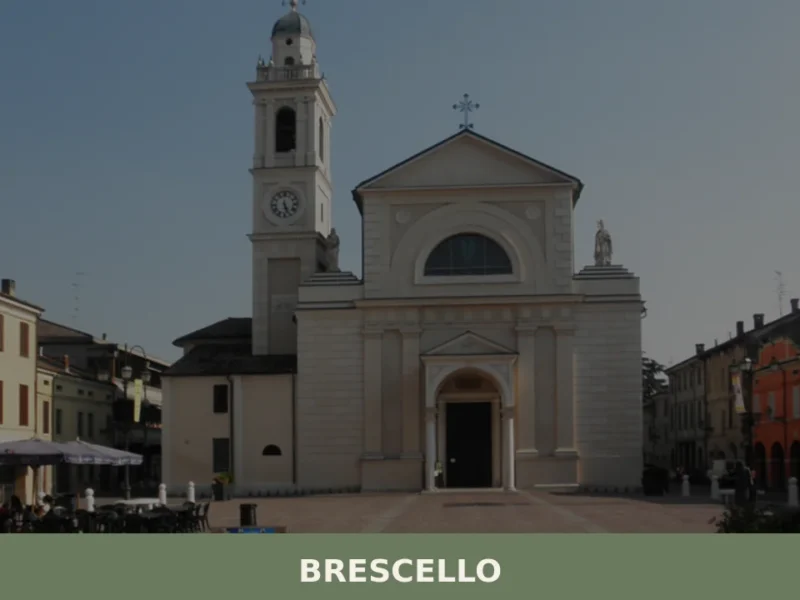
Brescello
Plains
What to see in Brescello, Emilia-Romagna, Italy: explore the Don Camillo Museum, Roman ruins and local Po Valley cuisine. 5,554 inhabitants. Discover it now.
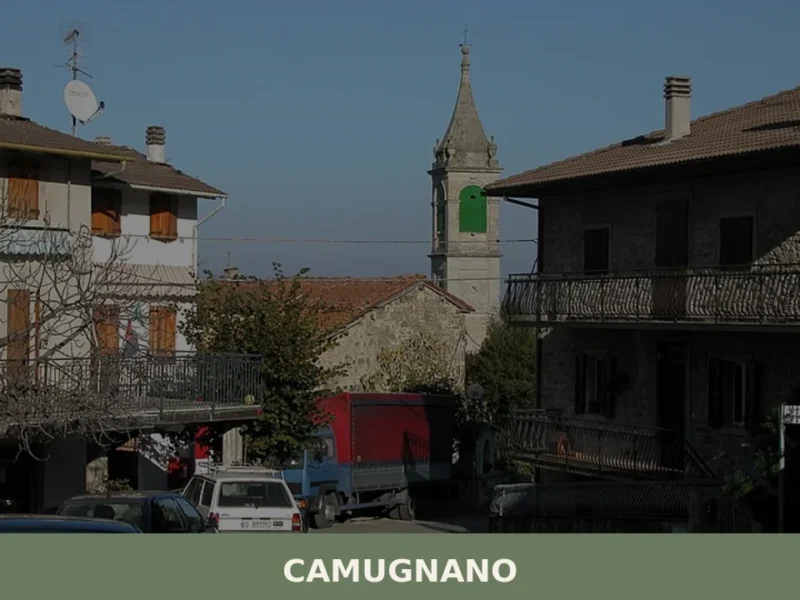
Camugnano
 Mountain
In 1911, when the construction of the Suviana Dam transformed the course of the Limentra torrent, Camugnano changed its appearance forever. The water submerged farmland and footpaths, creating an artificial reservoir that now defines the landscape of the upper Bolognese Apennines at an altitude of 692 metres. This municipality of 1,948 inhabitants, spread across scattered […]

🏡 Know Piozzano better than we do?
If you’re a local or have been there, your knowledge matters: add what’s missing or fix a detail on this page.