


Travo
 Plains
At 171 metres above sea level, in the lower Val Trebbia, Travo is one of those centres in the province of Piacenza where the historical layers of the past surface in visible, tangible ways: from pre-Roman foundations to the medieval domains of the Malaspina and Landi families, with traces of the Matildine Middle Ages in […]
Discover Travo
At 171 metres above sea level, in the lower Val Trebbia, Travo is one of those centres in the province of Piacenza where the historical layers of the past surface in visible, tangible ways: from pre-Roman foundations to the medieval domains of the Malaspina and Landi families, with traces of the Matildine Middle Ages in between.
With just over 2,000 inhabitants, the village retains a compact urban fabric, a fortress and several churches that reward close attention.
Anyone asking what to see in Travo will find concrete answers: documented civil and religious architecture, an Apennine landscape that slopes down toward the Po Plain, and a cuisine rooted in the mountain produce of the Piacenza area.
History and Origins of Travo
The earliest traces of settlement in the Travo area date back to prehistoric and proto-historic times.
Excavations carried out within the municipal territory have uncovered materials from the Bronze Age and Iron Age, confirming that the Trebbia valley floor was frequented long before the Romans arrived. The name of the village itself may derive from the Latin trabs or from pre-Latin Ligurian roots, although the etymology remains a matter of scholarly debate.
In the Roman period, its position along the Trebbia made it a natural crossing point between the Po Plain and the routes leading into Liguria across the Apennines.
During the Middle Ages, control of the Travo territory was contested among several noble families.
The Landi, a powerful Piacenza dynasty, exercised considerable influence over the Val Trebbia, and Travo fell within their sphere of possession. The castle, whose current structure reflects a series of interventions spanning the medieval and Renaissance periods, served as the defensive and administrative hub of the village.
As local historical sources document, the position of the fortress allowed visual control over a wide stretch of the valley, making Travo a point of reference for the communities scattered across the surrounding villages.
The modern era brought Travo under the rule of the Duchy of Parma and Piacenza, within whose administrative framework the village remained for centuries.
The population decline that affected the Piacenza Apennine valleys, accelerated by post-war industrialisation, gradually reduced the number of inhabitants.
Today the municipality has 2,034 residents and belongs to those lowland and foothill centres that administrative geography classifies among the borghi di pianura, even though it retains the morphological character typical of the hilly belt of the Piacenza province.
What to See in Travo: Main Attractions
Landi Castle
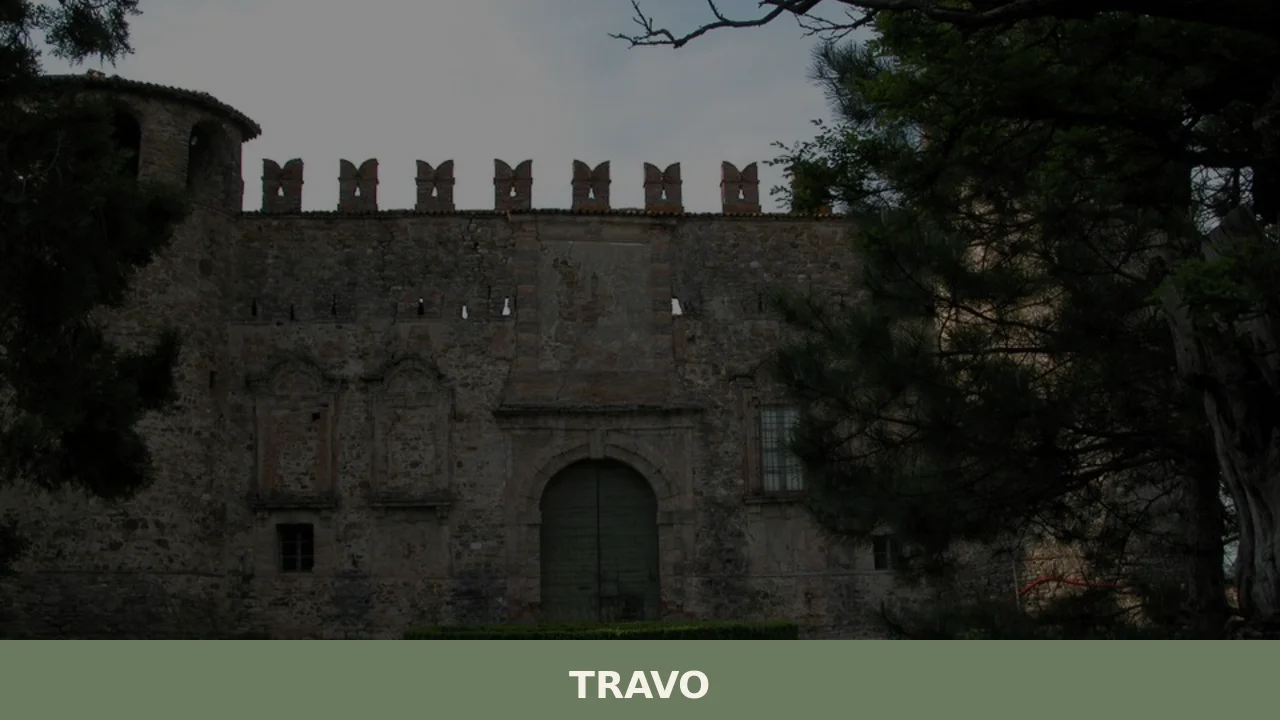
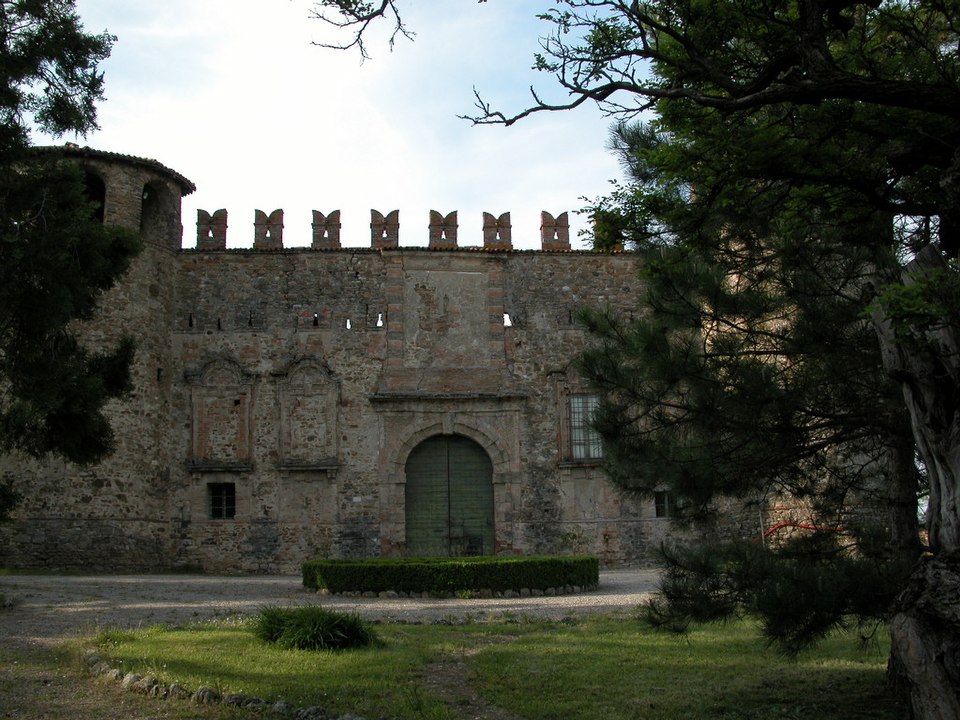
The castle of Travo is the most significant monument in the village and its defining visual landmark. Historically associated with the Landi family, the defensive complex displays architectural features traceable to the medieval period, with successive layers that reflect the adaptations made over the centuries. The structure includes towers, internal courtyards and rooms that once served both military and residential functions.
It is worth approaching the castle to examine its masonry and to understand the role that this type of fortification played in controlling the Val Trebbia.
Church of Sant’Antonino
The church dedicated to Sant’Antonino of Piacenza, the patron saint of the village, is Travo’s principal place of worship.
Sant’Antonino is a figure venerated throughout the diocese of Piacenza: a Roman soldier martyred in the fourth century, he is also the patron saint of the provincial capital itself.
The church preserves decorative elements and sacred furnishings that have accumulated over the centuries, and it stands at the centre of the community’s religious life. The feast day on 4 July brings the faithful together around this building each year, with the church square and the surrounding streets becoming the focal point of the patronal celebrations.
Historic Centre and Medieval Urban Fabric
The old core of Travo is laid out around a plan that still reads as a medieval structure. Walking the main streets of the centre offers the chance to observe stone and brick houses, carved doorways and internal courtyards that speak to a spatial organisation typical of Piacenza’s Apennine villages.
Those exploring what to see in Travo from an architectural perspective will find, on this urban walk, a series of details — stone corbels, coats of arms set into walls, dated lintels — that document the continuity of settlement over time.
Val Trebbia Landscape
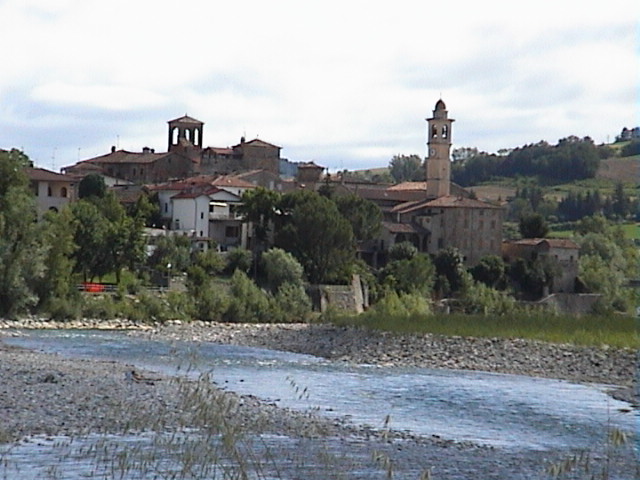
The municipal territory of Travo looks out over the Val Trebbia, one of the most extensive river valleys in the province of Piacenza.
The Trebbia river, known for the quality of its water and the width of its gravelly bed, flows a short distance from the village and is one of the most significant natural features of the area.
The banks of the Trebbia attract hikers and sport fishermen alike. The landscape, alternating wooded areas with cultivated terraces and open riverbanks, offers routes accessible even to those without specialist hiking experience.
Pieve di Sant’Antonino at Travo
Beyond the main church, the Travo territory preserves religious buildings of even older origin, including a medieval parish church, or pieve. Pievi were the mother churches of the rural ecclesiastical system, with baptismal functions and jurisdiction over a wide area.
The Romanesque architecture — marked by simplicity of form and the solidity of the masonry — characterises these buildings, which often predate the founding of nearby villages by centuries.
A visit allows one to appreciate the original proportions and the few surviving decorative elements, typically concentrated in the portal and the hanging arches of the apses.
Local Cuisine and Products of Travo
The cuisine of the Travo area belongs to the gastronomic tradition of the Piacenza mountains and foothills, a zone where culinary practice has long drawn on products from livestock farming, hunting and hill agriculture.
Piacenza and its province occupy a geographic position on the border between Emilia, Lombardy and Liguria, and this location is reflected in a cuisine that brings together different influences: Emilian filled pasta sits alongside more rustic preparations of Apennine origin.
The Trebbia valley floor, with its pastures and woodlands, has historically supplied the raw materials that local cooking has refined using techniques passed down over generations.
Among the most representative dishes of the Piacenza tradition found on tables throughout the Travo area, pisarei e fasò hold a prominent place: small dumplings made from stale bread and flour, dressed with a sauce of beans and lard, a dish of humble origin that has become a symbol of the province’s peasant cooking. Equally deep-rooted are torte di erbe, prepared with wild or cultivated greens, ricotta and eggs, baked in a pan and eaten both as a main course and as a snack.
Piacenza cured meats — including coppa, salame and pancetta — appear regularly on local tables, although the specific production certifications primarily concern the flatland territory of the Piacenza province.
Regarding certified products, the available database records no DOP, IGP or PAT certifications attributed directly to the municipality of Travo.
The province of Piacenza does, however, host several recognised designations — including Coppa Piacentina DOP, Salame Piacentino DOP and Pancetta Piacentina DOP — which fall within the regional production framework and are commonly found in shops and restaurants across the area.
Visitors to Travo can find these products at local markets and in the village’s shops, often alongside fresh and aged cheeses produced in the valley’s mountain dairies.
Autumn is the richest season from a gastronomic standpoint: the harvest of porcini mushrooms in the woodlands of the Val Trebbia sustains a tradition of preservation and trade that involves many local producers.
Village festivals distributed between September and October across the valley’s municipalities offer the chance to sample dishes based on mushrooms, chestnuts and game.
Those wishing to buy local products directly from producers can look to the weekly markets in the provincial capital or to the farm businesses operating along the Trebbia valley floor.
Festivals, Events and Traditions of Travo
The most important event in Travo’s civic and religious calendar is the feast dedicated to the patron saint Sant’Antonino of Piacenza, celebrated each year on 4 July.
Sant’Antonino is one of the most venerated figures in the diocese of Piacenza: tradition identifies him as a Christian Roman soldier, put to death for refusing to renounce his faith during the persecutions of the late Roman Empire. His patronage extends to the provincial capital Piacenza, of which he is the principal patron, and to many communities across the province, including Travo.
The day of 4 July includes the celebration of solemn Mass, a procession with the statue of the saint through the village streets, and moments of communal gathering in the historic centre.
Beyond the patronal feast, the village calendar and that of the Val Trebbia fill up in summer and autumn with events connected to agricultural production and local craftsmanship.
The village festivals that enliven the municipalities of the Trebbia valley between July and October give the community a chance to come together and visitors an opportunity to engage with the area’s material culture. These events, documented by municipal and regional institutional sources, typically take place on weekends and feature music, food stalls and, in some cases, re-enactments of historical events connected to the medieval history of the Val Trebbia and its castles.
When to Visit Travo and How to Get There
The best time to visit Travo falls between late spring and autumn, with a preference for May, June and September.
In spring the vegetation of the Val Trebbia is at its most vigorous, the paths along the river are passable and the temperatures allow for pleasant excursions without the excessive heat of July and August. September and October, on the other hand, offer fewer visitors, mild temperatures and the chance to attend the autumn festivals centred on woodland produce.
Those wishing to take part in the patronal feast should plan their visit for 4 July.
For updates on events and municipal office hours, the Travo Municipality website is the official reference resource.
If you are travelling by car, the most direct route involves exiting at the Piacenza Sud toll gate on the A1 Milan–Naples motorway, followed by approximately 30 kilometres along the state road that runs up the Val Trebbia heading south. From the city of Piacenza, Travo can be reached in around 35–40 minutes by following the SS45. Those travelling by train can reach Piacenza, which is served by the Milan–Bologna line, and continue with local transport services toward the valley.
For those arriving by air, the nearest airport is Milan Linate Airport, approximately 75 kilometres away, or Milan Malpensa Airport, around 120 kilometres distant.
Bologna Guglielmo Marconi Airport is a viable alternative for those coming from central or southern Italy, at a distance of approximately 150 kilometres.
Other Villages to Explore in Emilia-Romagna
The province of Piacenza and Emilia-Romagna more broadly offer a network of smaller villages that pair well with a visit to Travo.
Those wishing to extend their itinerary toward the Piacenza plain can include San Pietro in Cerro, a small municipality known for its medieval castle and for the contemporary artworks displayed within its historic spaces.
Moving toward the Bolognese Apennines, Castel del Rio offers another example of a hillside settlement tied to the lordship of the Alidosi family, with a medieval bridge that ranks among the most photographed monuments in the area.
For those who want to explore the Emilian Apennines further, Castel di Casio, in the Bologna area, presents a more rugged mountain landscape compared to the gentler Piacenza hills, with dispersed hamlets that retain architectural features particular to the Emilian mountains.
Also in the Bologna area, Grizzana Morandi is known for its connection to the painter Giorgio Morandi, who spent extended periods here working on the Apennine landscapes that recur throughout his body of work.
These villages, which share with Travo a modest scale and deep roots in Emilian rural history, lend themselves to inclusion in a broader regional itinerary.
Frequently asked questions about Travo
What is the best time to visit Travo?
The best time to visit Travo is generally from late spring to early autumn. Summer, particularly around July, is vibrant with the patronal feast of Sant'Antonino on July 4th, featuring religious ceremonies and communal gatherings. The Val Trebbia also offers river activities. Autumn (September-October) is ideal for food enthusiasts, with local festivals celebrating porcini mushrooms, chestnuts, and game, reflecting the rich gastronomic tradition of the Piacenza Apennines. The mild weather during these seasons makes exploring the historic center and natural landscapes more pleasant.
What to see in Travo? Main monuments and landmarks
Travo offers several compelling sights. The most prominent is the **Landi Castle**, a medieval fortress historically linked to the Landi family, whose architecture reflects centuries of adaptations; it's a defining visual landmark. The **Church of Sant'Antonino**, dedicated to the patron saint, is the main place of worship, central to the community's religious life. Explore the **Historic Centre** to appreciate its medieval urban fabric, with stone houses and traditional courtyards. Don't miss the **Val Trebbia Landscape**, ideal for river walks and appreciating the natural beauty, or the ancient **Pieve di Sant'Antonino**, an older Romanesque parish church.
What are the main natural or scenic attractions of Travo?
The primary natural attraction in Travo is the stunning **Val Trebbia Landscape**. The Trebbia river, with its clear waters and wide gravelly bed, flows close to the village, offering picturesque views. Its banks are ideal for leisurely walks, hiking, and sport fishing. The surrounding area features a beautiful mosaic of wooded zones, cultivated terraces, and open riverbanks, providing accessible routes for enjoying the tranquil Piacenza Apennine scenery. It's a perfect spot for nature lovers seeking relaxation and outdoor activities.
Where to take the best photos in Travo?
For iconic shots in Travo, focus on the **Landi Castle**, which serves as the village's defining visual landmark and offers impressive architectural details. The **Val Trebbia Landscape**, especially along the banks of the Trebbia river, provides beautiful natural backdrops with its clear waters, gravelly beds, and surrounding hills. Additionally, the narrow streets and historic buildings within Travo's **Medieval Urban Fabric** are perfect for capturing the village's authentic atmosphere, with charming stone houses, carved doorways, and hidden courtyards.
Are there museums, churches or historic buildings to visit in Travo?
Yes, Travo offers several historic buildings and churches to visit. The most notable is the **Landi Castle**, a medieval and Renaissance fortress that stands as the village's architectural heart. You can also visit the **Church of Sant'Antonino**, the main place of worship, and the older **Pieve di Sant'Antonino**, a Romanesque parish church showcasing ancient religious architecture. Exploring the **Historic Centre** itself is like a walk through time, with its preserved medieval urban fabric, stone houses, and charming courtyards.
What can you do in Travo? Activities and experiences
In Travo, you can immerse yourself in both nature and culture. Enjoy **hiking and sport fishing** along the scenic Val Trebbia riverbanks. Explore the **Landi Castle** and the historic center to discover medieval architecture. Participate in local **festivals and events**, especially the patronal feast on July 4th or the summer and autumn village celebrations featuring music, food stalls, and historical re-enactments. Indulge in **gastronomic experiences**, sampling Piacenza specialties like *pisarei e fasò*, local cured meats, and seasonal products such as porcini mushrooms and chestnuts, particularly vibrant in autumn.
Who is Travo suitable for? Families, couples, hikers, solo travelers?
Travo is suitable for a diverse range of visitors. It's ideal for **history and culture enthusiasts** eager to explore the Landi Castle, ancient churches, and the medieval urban fabric. **Nature lovers and hikers** will appreciate the scenic Val Trebbia, offering accessible river walks and opportunities for sport fishing. **Foodies** will delight in the local Piacenza cuisine, especially during autumn gastronomic festivals. **Families and couples** can enjoy a tranquil escape, participate in local events, and explore the charming village at a relaxed pace, making it a perfect destination for those seeking an authentic Italian village experience off the beaten path.
What to eat in Travo? Local products and specialties
In Travo, you can savor the rich gastronomic traditions of the Piacenza area. Must-try specialties include **pisarei e fasò**, small pasta dumplings with a bean and lard sauce, and **torte di erbe**, savory pies made with greens, ricotta, and eggs. While Travo itself doesn't have direct certifications, you'll find renowned **Piacentina DOP cured meats** like *Coppa Piacentina DOP*, *Salame Piacentino DOP*, and *Pancetta Piacentina DOP* widely available. Look for fresh and aged **cheeses** from local mountain dairies. Autumn brings a bounty of **porcini mushrooms, chestnuts, and game**, featured in seasonal dishes and village festivals.
📷 Photo Gallery — Travo

Nearby Villages near Travo
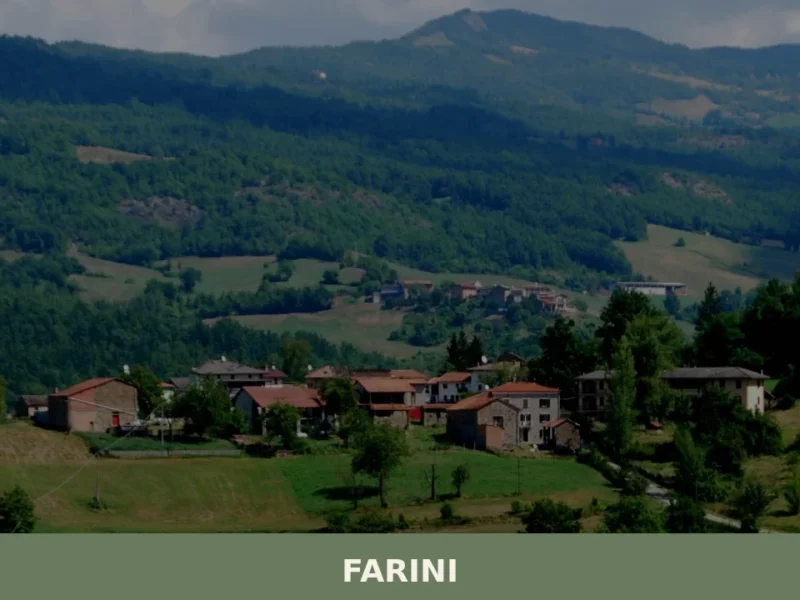
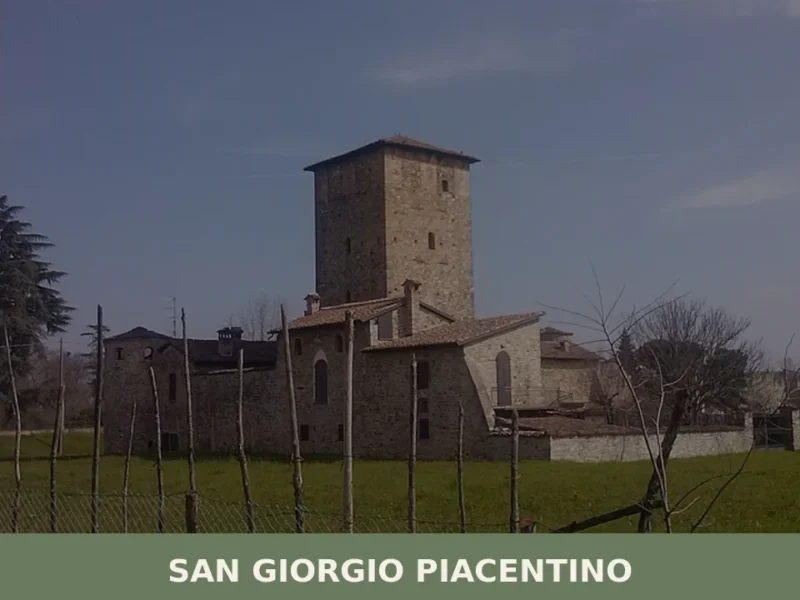
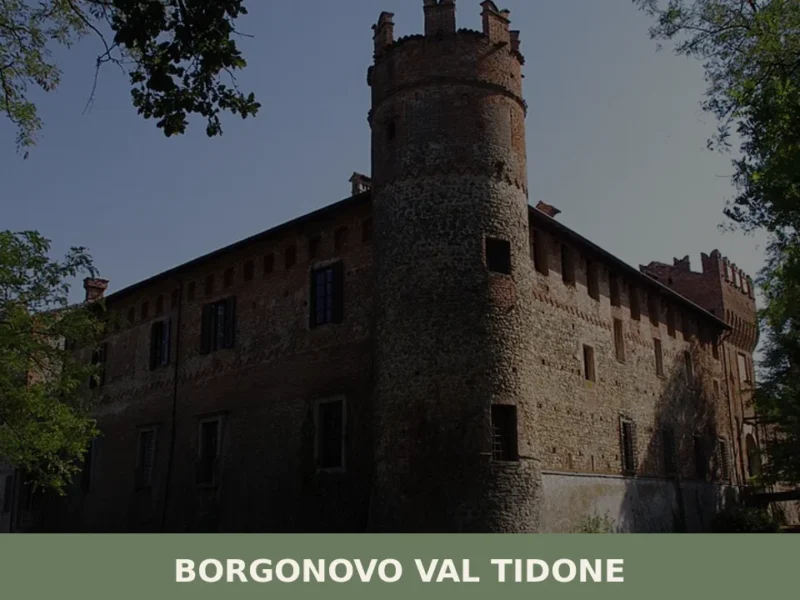
In Emilia-Romagna More villages to discover
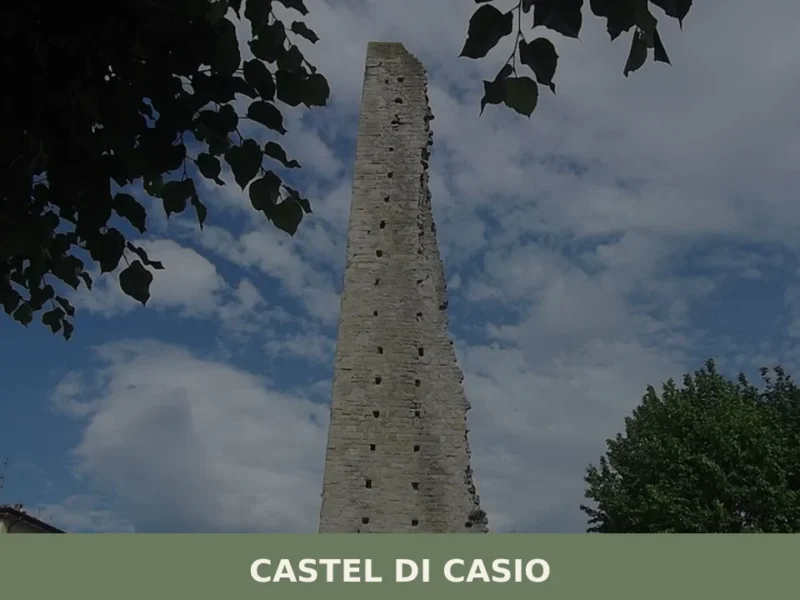
Castel di Casio
 Hills
Hills
In February 1944, during the German retreat along the Gothic Line, the bridges over the Limentra di Treppio torrent were blown up one by one, cutting the territory of Castel di Casio in two. That act of destruction left a lasting mark on the collective memory of a mountain municipality that, as far back as […]
Argenta
Plains
What to see in Argenta, Italy: Explore the 7m altitude of Argenta. Discover top attractions like San Nicola di Bari and enjoy local foods.
Camugnano
 Mountain
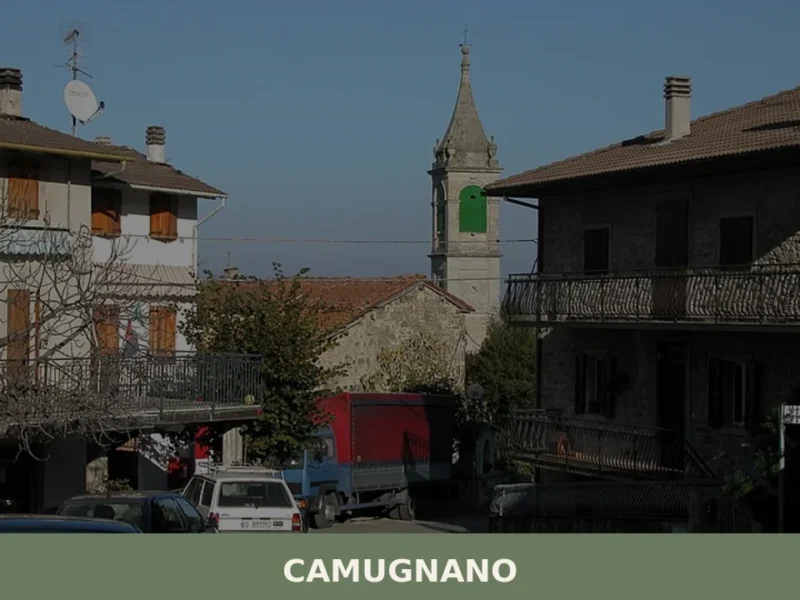
In 1911, when the construction of the Suviana Dam transformed the course of the Limentra torrent, Camugnano changed its appearance forever. The water submerged farmland and footpaths, creating an artificial reservoir that now defines the landscape of the upper Bolognese Apennines at an altitude of 692 metres. This municipality of 1,948 inhabitants, spread across scattered […]
Piacenza
Plains
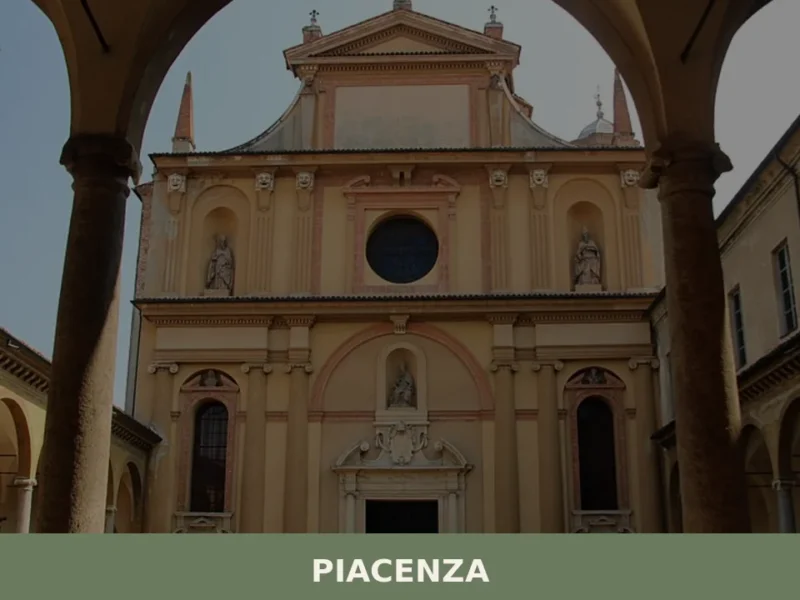
Piacenza, with its 100,843 inhabitants and an altitude of 62 m a.s.l., presents itself as a significant urban center in the heart of Emilia-Romagna, strategically positioned among the communication routes connecting Northern Italy. In this article History and Origins of Piacenza What to see in Piacenza: main attractions Typical cuisine and products of Piacenza Festivals, […]
Bobbio
Hills
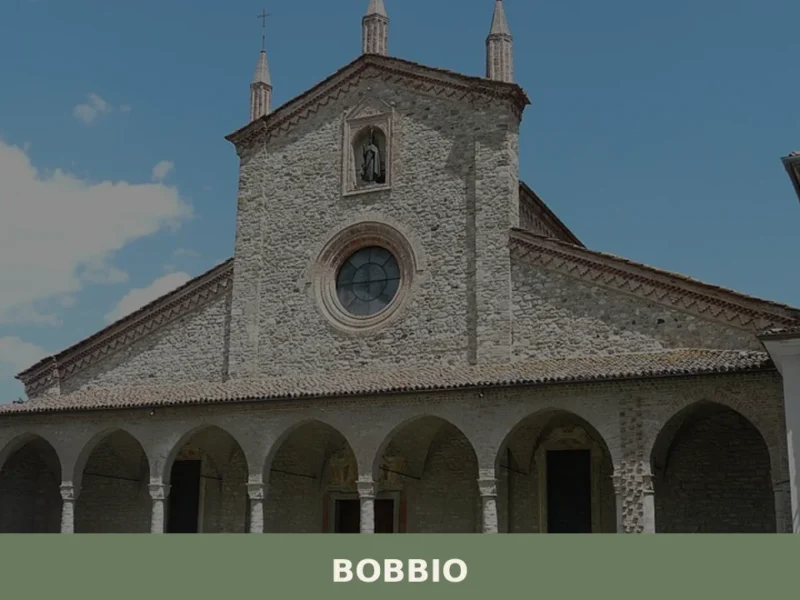
What to see in Bobbio: a town of 3,710 at 272 m in the Trebbia valley, with a 614 AD abbey, the medieval Ponte Gobbo and a hilltop castle. Plan your visit now.
Agazzano
Plains
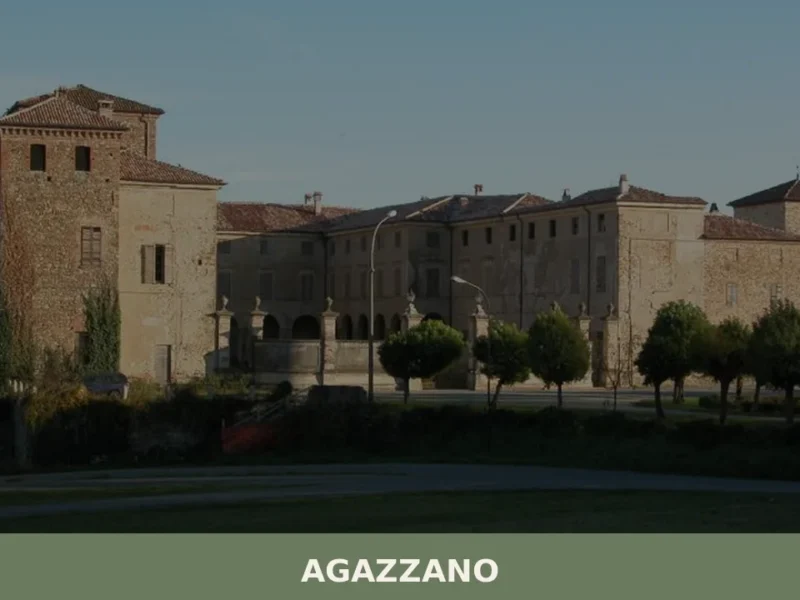
What to see in Agazzano, a village at 187 m in Piacenza province with 2,054 residents. Explore the medieval castle, Santa Maria Assunta church and Val Luretta. Plan your visit.
Argelato
Plains
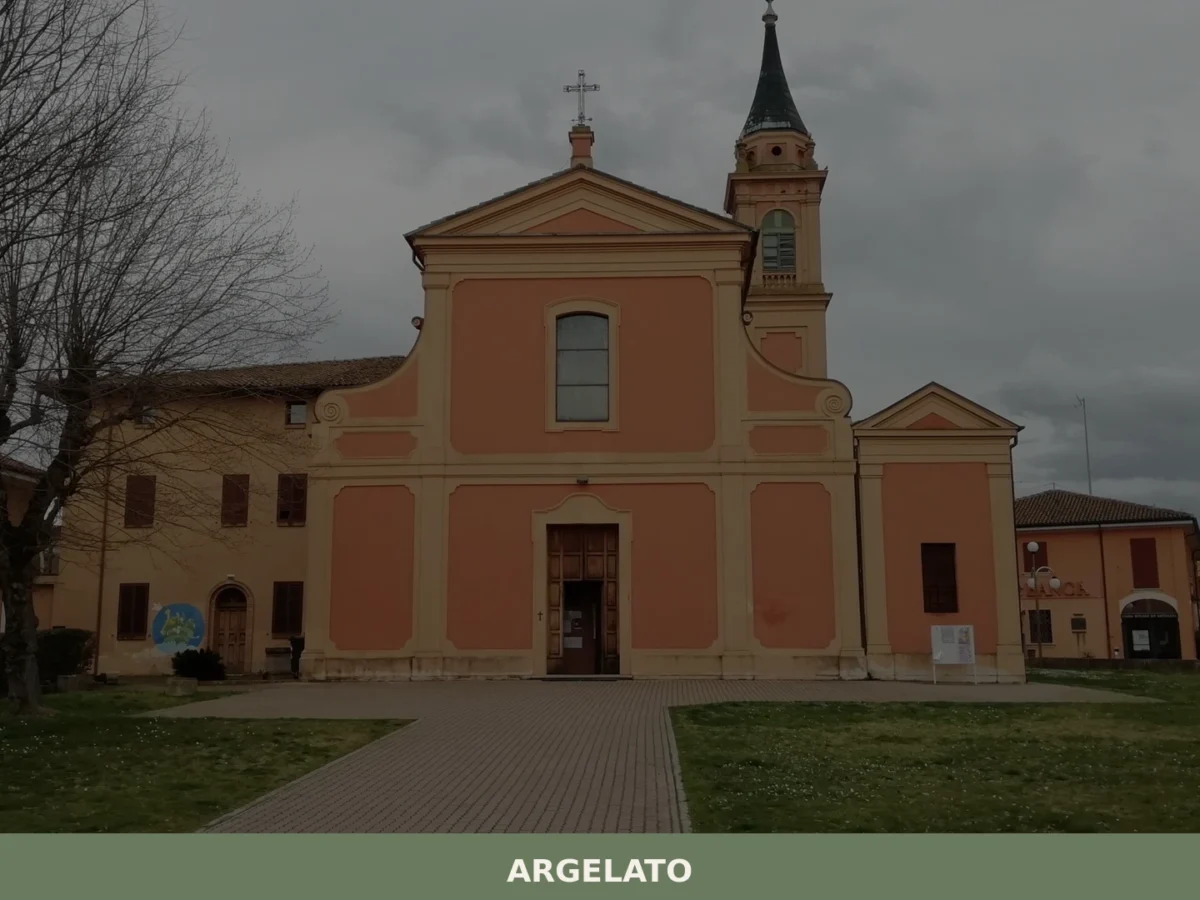
What to see in Argelato? Explore the 5 main attractions of this Emilian village. Our complete guide awaits for your trip. Read now!
Bagnara di Romagna
Plains
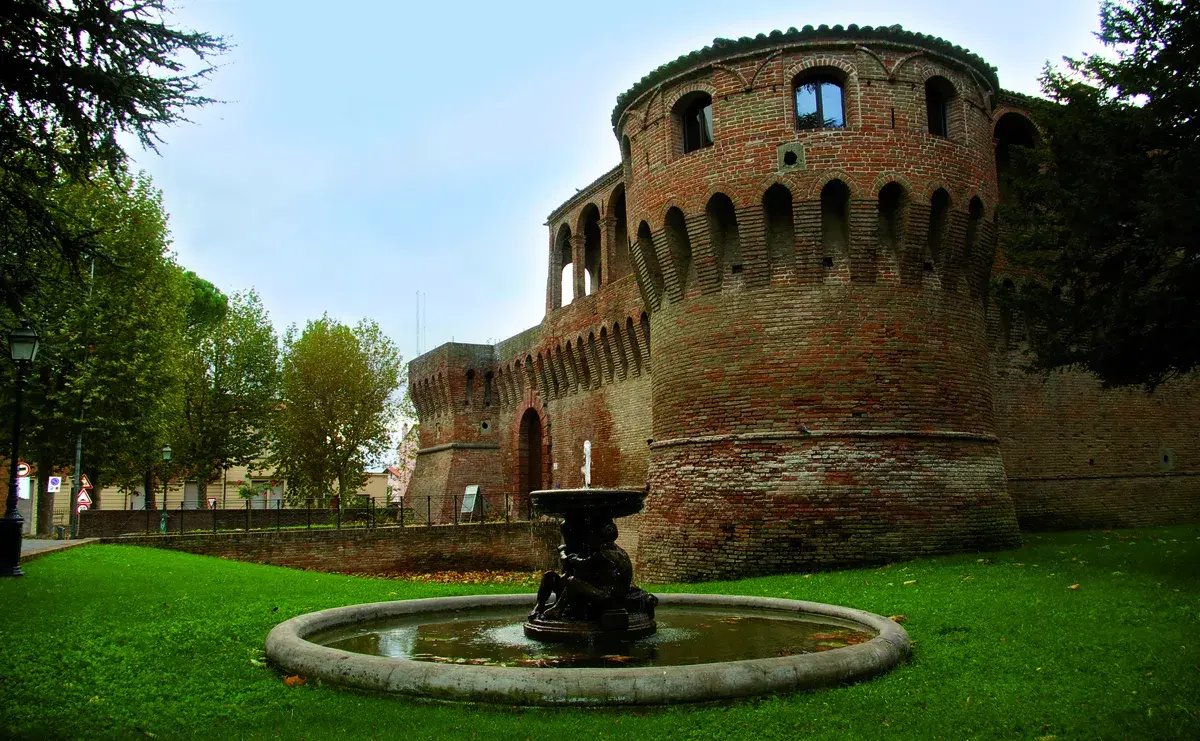
What to see in Bagnara di Romagna, Italy? Explore this 'Borgo più bello' at 22 m (72 ft) altitude. Discover its historical charm and annual Patron Saint's Feast.
Borgo Tossignano
Plains
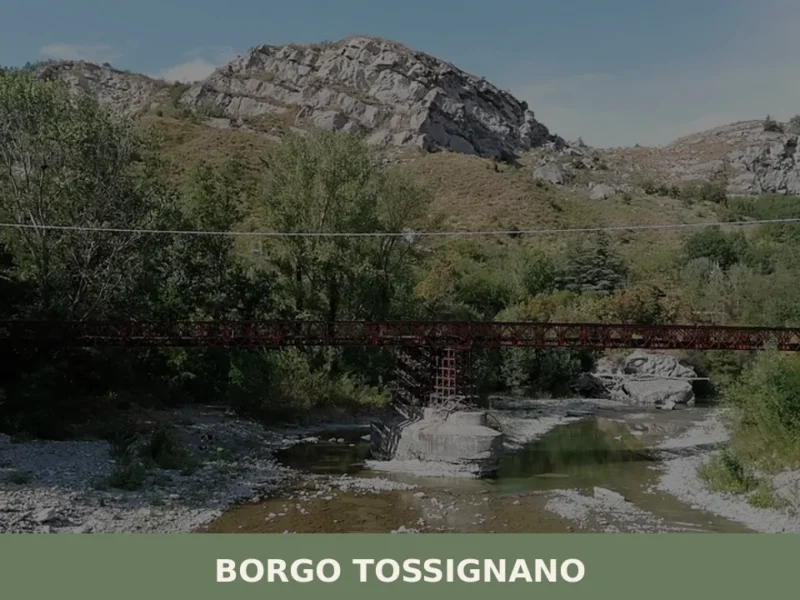
What to see in Borgo Tossignano: a complete guide to the village in the Santerno Valley In February 1945, Allied troops and retreating German units fought over every metre of the Santerno Valley, and Borgo Tossignano paid a devastating price: much of the settlement was levelled by bombing, and the post-war reconstruction reshaped the village […]
Pecorara
Hills
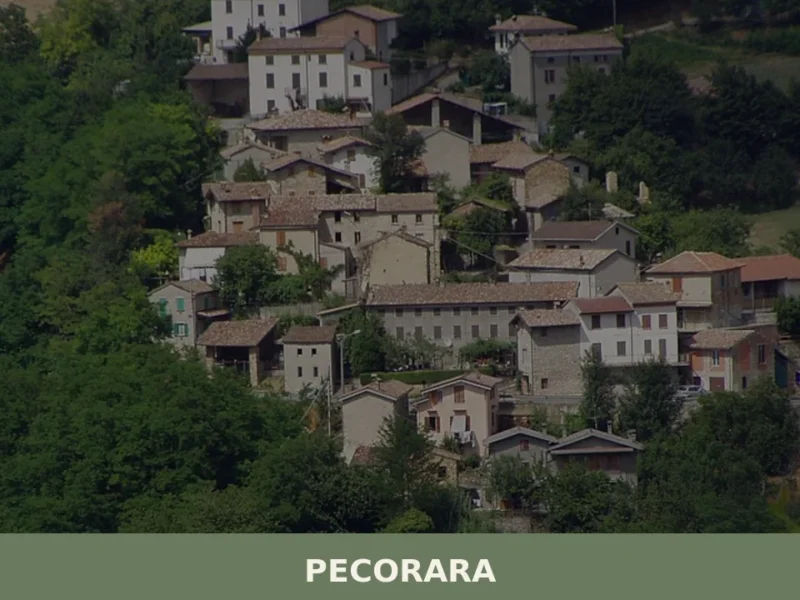
What to see in Pecorara? Discover 5 must-see attractions in this Emilia-Romagna village. Read the full guide and plan your visit!


🏡 Know Travo better than we do?
If you’re a local or have been there, your knowledge matters: add what’s missing or fix a detail on this page.