


Amantea
Explore the picturesque village of Amantea Calabria. Discover its historic center, beautiful beaches, and authentic Italian charm. Plan your perfect trip to this hidden gem on the Tyrrhenian coast.
Discover Amantea
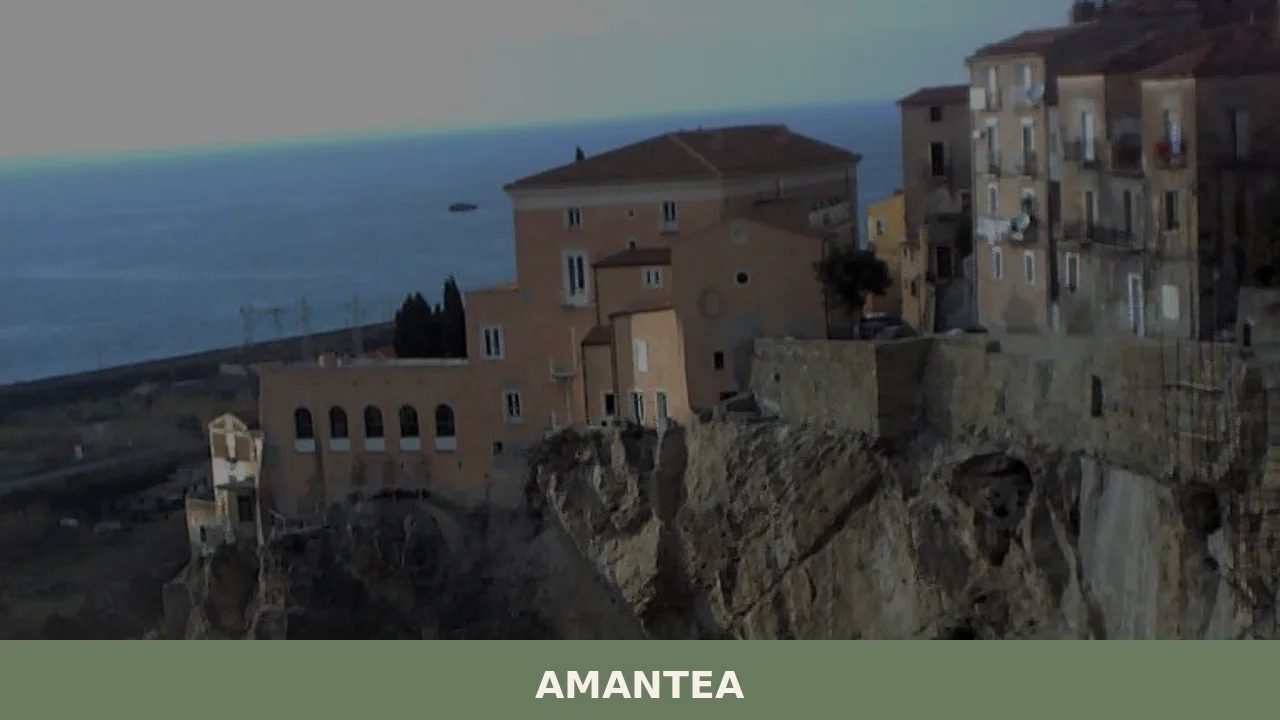
Located 50 meters above sea level along the Tyrrhenian coast of Cosenza province, Amantea presents itself as an urban center that combines the modernity of its lower part, developed on the plain, with the historical appeal of its old town, situated on a cliff overlooking the sea. With a population of 13,850 inhabitants, the city is a reference point for those wishing to explore coastal Calabria, offering a combination of beaches, historical evidence, and local traditions. For those wondering what to see in Amantea, the town offers an itinerary ranging from the vestiges of its past to the lively atmospheres of the contemporary promenade.
Its strategic position has deeply influenced its history and cultural identity, making it a significant stop for visitors.
History and origins of Amantea
The origins of Amantea are rooted in ancient times, with the first records identifying it with ancient Clampetia, a city of Magna Graecia.
Subsequently, the territory was influenced by the Roman presence, which left signs of its territorial organization and communication routes. During the Byzantine period, the center took the name Amantea, consolidating its function as a defensive and commercial outpost along the coast. This phase was crucial for the formation of the oldest urban core, which began to develop on the cliff for security reasons, utilizing the natural conformation of the site to erect fortifications.
The Middle Ages represented an era of significant transformations for Amantea, with the arrival of the Normans who strengthened the defensive structures, including the construction of the Castle that still dominates the settlement today. Subsequently, Swabian and then Angevin rule contributed to defining the feudal structure of the territory, with the city often finding itself at the center of disputes for control of Calabria.
Its strategic importance grew further with the Aragonese and the Spanish, who considered it an essential maritime stronghold for the defense of the Kingdom of Naples. These centuries saw Amantea develop its own civic identity, while remaining linked to the dynamics of the great Mediterranean empires.
An event that profoundly marked the modern history of Amantea was the siege of 1806-1807, during the Napoleonic wars.
The city, loyal to the Bourbons, resisted the French army, led by General Jean Antoine Verdier, for months, becoming a symbol of tenacity and resistance. The strenuous defense, despite the disparity of forces, forced the French into a long and costly siege before capitulation. This event, documented in the chronicles of the time, testifies to the indomitable character of the population and the resilience of the city, which courageously faced adversity.
After this period, Amantea experienced a phase of reconstruction and modernization, gradually developing towards its current configuration, with a maritime part that expanded during the 20th century, alongside the historic town.
What to see in Amantea: main attractions
For those venturing to discover Tyrrhenian Calabria and wondering what to see in Amantea, the town offers a range of attractions that narrate its long history and culture. The historic center, in particular, is a labyrinth of narrow streets and squares that lead to monuments of great interest, while the newer part of the city offers spaces for relaxation and leisure. Each point of interest contributes to painting a complete portrait of this location, making the visit a rich and diversified experience for every type of traveler.
Amantea Castle
Amantea Castle represents one of the main historical attractions, dominating the city from its cliff top.
Its origins date back to the Norman-Swabian period, although the current structures are the result of numerous modifications and reconstructions over the centuries. The fortress, though now in ruins, still preserves imposing perimeter walls and some towers that suggest its former grandeur. From this panoramic point, there is an extensive view of the Tyrrhenian Sea and the settlement below, offering a privileged insight into the geography of the place.
A visit to the Castle allows one to ideally trace the historical events that saw Amantea as a protagonist of sieges and dominations, appreciating its strategic function over time.
Church of San Bernardino da Siena
The Church of San Bernardino da Siena is another building of notable historical and artistic value, situated in the upper part of the old town. Its construction dates back to the 15th century, and it is considered one of the finest examples of Gothic-Renaissance architecture in Calabria. The facade features an elegant stone portal, decorated with sculptural motifs that reflect the style of the era. Inside, the church houses sacred artworks, including frescoes and wooden sculptures, which testify to the devotion and skill of local artisans. Its elevated position and architecture make it a focal point of the historic center, inviting visitors to a pause of contemplation and discovery.
Clarisse Palace
The Clarisse Palace, once a convent of the Clarisse order, is now an important cultural and conference center in Amantea.
The building, with its imposing structure and internal cloisters, has undergone careful restoration that has enhanced its original architectural features. Its history intertwines with that of the city, having housed monastic life for centuries and played a significant role in the community. Currently, the Palace hosts events, exhibitions, and cultural initiatives, helping to keep the historical legacy of the place alive and offering modern spaces for contemporary activities.
A visit allows one to appreciate the harmony of its forms and its new function serving culture.
Historic Center (Old Town)
The Historic Center of Amantea is a labyrinth of narrow streets and staircases climbing the hill, offering an experience of travel through time. The dwellings, often leaning against each other, feature architectural elements that refer to different eras, from the Middle Ages to the Baroque. Walking through these streets means discovering unexpected glimpses, small squares, and ancient portals that recount the daily life of past centuries. The atmosphere in the old town is characterized by tranquility and the feeling of a place where history is still palpable in every stone. Many of the structures have been recovered and enhanced, making the historic center a pleasant place to explore on foot.
Amantea Promenade
The Amantea Promenade represents the heart of the city’s modern life, extending for several kilometers along the Tyrrhenian coast.
This wide walkway is lined with beach resorts, restaurants, and cafes, becoming a meeting point for residents and tourists, especially during the summer months. Amantea’s beaches, characterized by sand and gravel, are ideal for enjoying the Calabrian sea and sun. From the promenade, one can admire splendid views of the coast and the Aeolian Islands on the horizon, on days of good visibility. The area is well-equipped for recreational activities and offers various options for relaxation and entertainment, complementing the town’s tourist offerings with a touch of contemporaneity.
Typical cuisine and products of Amantea
Amantea’s cuisine, like much of Calabrian gastronomy, is deeply connected to Mediterranean tradition and the resources of its territory, which ranges from the sea to the hinterland.
Culinary influences are the result of centuries of exchanges and dominations, which have enriched the repertoire of flavors and techniques. Proximity to the sea ensures an abundance of fresh fish, while the surrounding hills offer local products such as vegetables, legumes, and citrus fruits. Chili pepper is an omnipresent ingredient, giving dishes the decisive and spicy character typical of the region. This fusion of elements creates a varied gastronomy, capable of satisfying different palates with simple but flavorful preparations.
Among the typical dishes that can be tasted in Amantea, fish-based preparations stand out.
Swordfish alla ghiotta, cooked with cherry tomatoes, olives, capers, and oregano, is a classic of the Calabrian table, highlighting the freshness of local catch. Another traditional dish is pasta with sardines, a savory first course that combines the taste of the sea with local aromas. Fried mixed small fish (fritti di paranza), a mix of small fresh fish floured and fried, are also common, ideal as an appetizer or a light second course.
Flavors from the land also find their place, with dishes based on seasonal vegetables, often accompanied by local cheeses or artisanal cured meats from the Cosenza hinterland.
Although no specific DOP, IGP, or PAT certified products for Amantea were identified in the provided list, local cuisine uses high-quality ingredients that are an expression of Calabria. Among these, the Tropea red onion, although typical of a nearby area, is widely used in Amantea’s gastronomy for its sweetness and versatility. Calabrian extra virgin olive oil, fresh tomatoes, and aromatic herbs like oregano and basil are the basis of many recipes. Desserts often include dried figs, almonds, and honey, such as mostaccioli, biscuits made with cooked must, typical of festivals and celebrations, and widespread throughout the region.
The availability of these seasonal products ensures a cuisine that is always fresh and linked to the cycles of nature.
For those wishing to purchase local products or savor traditional cuisine, Amantea offers several opportunities. Restaurants and trattorias in the historic center and on the promenade offer menus that highlight local recipes, often with zero-kilometer ingredients. During the summer, it is possible to find weekly markets or stalls selling fresh fruit, vegetables, and fish directly from producers.
Seasonal festivals, while not specific to certified products, represent an opportunity to taste dishes and sweets prepared according to ancient customs, in an atmosphere of celebration and conviviality that involves the entire community and visitors in the area.
Festivals, events, and traditions of Amantea
Amantea’s traditions and events reflect the deep religious and social culture of the community, with the patron saint festival representing the culmination of the year. The town celebrates its patron saint, Saint Anthony of Padua, with particular devotion, whose feast day is June 13th. This day is preceded by a period of spiritual preparation and involves the entire citizenry in a series of rites and celebrations. The statue of the Saint is carried in procession through the streets of the town, accompanied by musical bands, faithful, and illuminations. Participation is widespread and heartfelt, demonstrating the strong connection of the population to its roots and its faith.
Beyond religious aspects, the patron saint festival of Saint Anthony of Padua is also an occasion for gathering and entertainment.
The streets come alive with stalls offering typical products, games, and local crafts. In the evening, musical performances and live entertainment often culminate with evocative fireworks over the sea, which illuminate the coast and attract numerous visitors from neighboring towns. These celebrations are an opportunity to experience the authentic atmosphere of Amantea, participating in festive moments that unite the sacred and the profane.
Besides the patron saint festival, during the summer months, the city hosts cultural events, concerts, and reviews that enliven the evenings, offering entertainment for tourists and the local population.
When to visit Amantea and what to see nearby
The best time to visit Amantea depends on personal preferences, but generally spring and early summer, from May to June, offer an ideal climate. In these months, temperatures are mild and pleasant, perfect for exploring the historic center and enjoying the first days at the beach without the typical August crowds. September can also be an excellent choice, with the sea still warm and a quieter atmosphere. Those seeking maximum fun and nightlife, however, will find the town particularly lively in July and August, with crowded beaches and a rich calendar of events and manifestations.
Reaching Amantea is easy thanks to its location on the Calabrian Tyrrhenian coast.
Those traveling by car can take the A2 Mediterranean Motorway (formerly A3) and exit at Falerna or Pizzo, then continue along State Road 18 Lower Tyrrhenian. This coastal road offers suggestive views and connects Amantea to various localities in the region. The city also has a train station, Amantea station, well-served by regional and intercity trains that run along the Tyrrhenian line, making it easily accessible by rail.
To consult timetables and plan your journey, it is useful to visit the Trenitalia website.
For those who prefer to fly, the nearest airport is Lamezia Terme International Airport (SUF), located about 35-40 kilometers from Amantea. From the airport, it is possible to reach the town by taxi, rental car, or bus services that connect the main coastal towns. This airport infrastructure facilitates the arrival of visitors from all over Italy and abroad, making Amantea an easily accessible destination.
Those in Amantea can also take the opportunity to discover the surroundings: a few kilometers south is Belmonte Calabro, another coastal village with an interesting historic center and a castle, ideal for a day trip. For more practical information about the city, the official website of the Municipality of Amantea offers details on services and useful contacts.
Where to stay in Amantea
Amantea offers various accommodation options, suitable for every need and budget, thanks to its tourist vocation and coastal location.
Visitors can choose from hotels of various categories, many of which are located along the promenade or in the immediate vicinity, ensuring easy access to beaches and services. These establishments often include restaurants, swimming pools, and other comforts, ideal for those seeking a relaxing holiday. For those who prefer a more intimate experience and
In Calabria More villages to discover
Amendolara
Explore Amendolara village, a charming Italian gem nestled in Calabria. Discover its rich history, stunning landscapes, and authentic local culture. Plan your visit today!
Acri
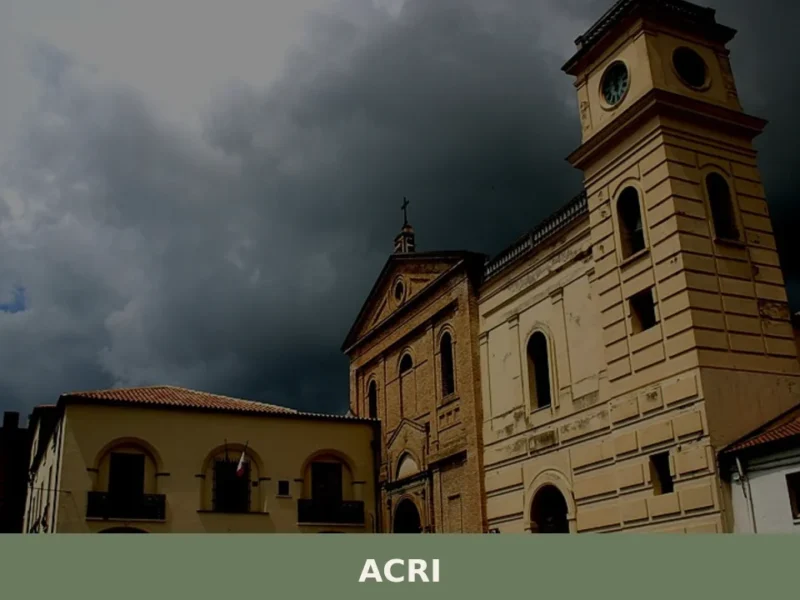
Acri is a town in the province of Cosenza with over 21,000 inhabitants, located in the Calabrian interior of the Sila Greca area, on a territory that passed through Norman, Swabian and Aragonese rule, leaving concrete traces in the local architecture and culture. For anyone approaching this corner of the province of Cosenza, the question […]
Aprigliano
Explore Aprigliano Calabria, a picturesque village nestled in the heart of Italy. Uncover its rich history, stunning landscapes, and authentic Calabrian charm. Plan your visit today!






📝 Incorrect information or updates?
Help us keep the Amantea page accurate and up to date.