


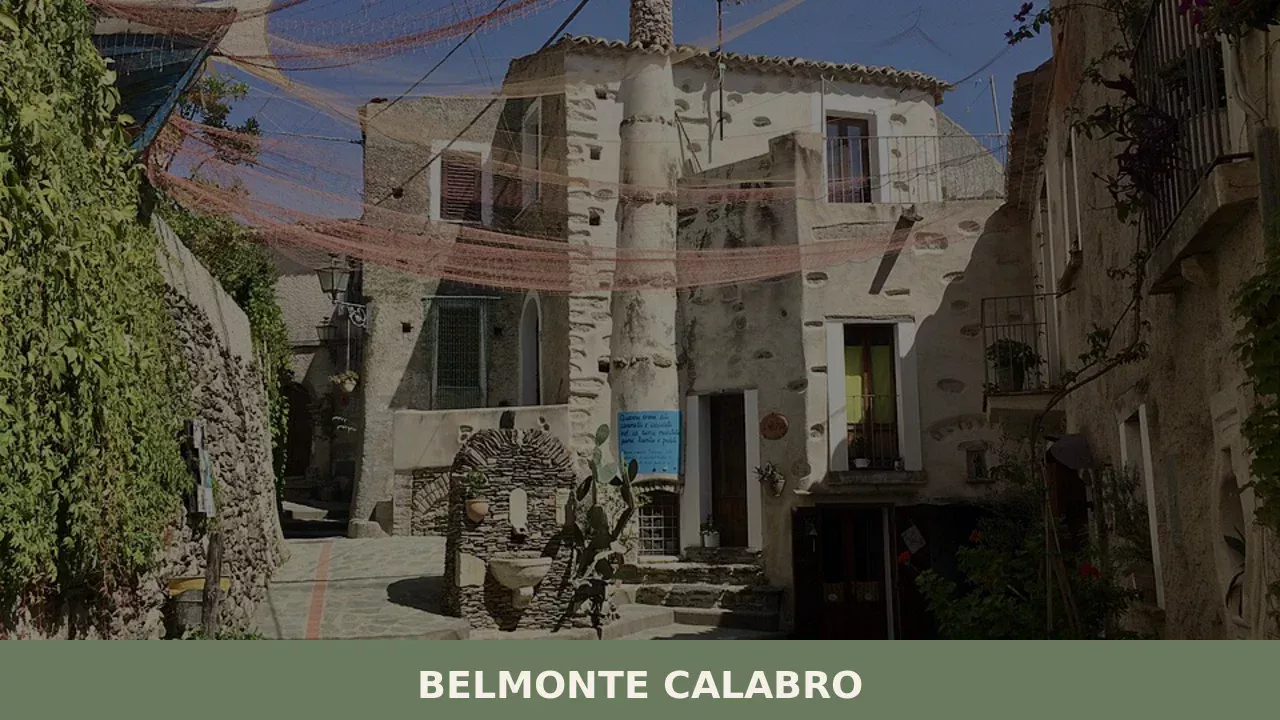
Belmonte Calabro
 Sea
Sea
In 1270, Charles I of Anjou granted Drogone de Beaumont the fief that would give rise to the name Belmonte — from the French Beaumont, meaning beautiful mountain. Sitting at 262 metres above sea level on the Tyrrhenian side of the Cosenza province, the village today has 1,984 inhabitants and preserves a historic centre layered […]
Discover Belmonte Calabro
In 1270, Charles I of Anjou granted Drogone de Beaumont the fief that would give rise to the name Belmonte — from the French Beaumont, meaning beautiful mountain. Sitting at 262 metres above sea level on the Tyrrhenian side of the Cosenza province, the village today has 1,984 inhabitants and preserves a historic centre layered with Norman ruins, sixteenth-century churches, and noble palaces with locally quarried stone portals. Asking what to see in Belmonte Calabro means crossing nearly eight centuries of feudal, religious, and peasant history concentrated within a few hundred metres of elevation between the coast and the hilltop.
History and origins of Belmonte Calabro
The fortified settlement dates back to the thirteenth century, when the Beaumont family — later Italianised to Belmonte — built a castle on the hilltop to control the coastal strip between Amantea and Paola. Over the centuries the fief passed to the Sanseverino, the Ravaschieri, and finally the Pignatelli princes, each of whom left architectural traces still visible today in the portals, the carved coats of arms set into walls, and the very layout of the streets. The Municipality documents the complete feudal succession in the records of its historical archive.
In 1806, during the French occupation, Belmonte was sacked, and the castle and parts of its churches were damaged. Recovery was slow: the economy remained tied to olive, fig, and vine cultivation until the twentieth century, when emigration to the Americas and Northern Europe halved the population. The Tyrrhenian railway, inaugurated along the Cosenza stretch in the second half of the nineteenth century, connected the Marina di Belmonte to the rest of the peninsula, effectively separating the upper village from the coastal strip.
A significant chapter concerns the Franciscan presence. The Capuchin convent, founded in the sixteenth century, served for a long time as a centre of welfare and education. The patron saint of the village is Saint Bonaventure, Doctor of the Church and thirteenth-century Franciscan theologian, whose feast day marks the religious calendar of the community each year. According to the dedicated encyclopaedic entry, the bond with the Franciscan order influenced both the street names and the distribution of sacred buildings across the historic centre.
What to see in Belmonte Calabro: 5 attractions to know
1. Ruins of the Norman-Angevin Castle
Of the original fortress, stretches of perimeter walls, a circular tower, and the base of the keep survive. The position, at the highest point of the village, provides a visual range extending from the Pollino massif to the coastline near Cetraro. Access is free, and the path among the ruins allows visitors to read the different building phases, from the Norman foundations to the Angevin interventions of the fourteenth century.
2. Mother Church of Santa Maria Assunta
A three-nave building with a sixteenth-century layout, it preserves a carved stone portal and, inside, a seventeenth-century canvas depicting the Assumption attributed to a Neapolitan workshop. The square bell tower, built in tuff blocks, is the most recognisable vertical landmark on the urban skyline. Recent restoration work has reinforced the timber roof structure.
3. Capuchin Convent
Founded in the sixteenth century in the lower part of the historic centre, the complex includes the adjoining church with a cloister of square pillars. The refectory retains traces of wall decorations. After the suppression of religious orders in 1866, the building was put to various civic uses; today it is partially open to visitors and hosts summer cultural events.
4. Palazzo Rivellini and the noble palaces along the main street
Along the main street, seventeenth- and eighteenth-century façades line up with wrought-iron balconies and sculpted sandstone portals. Palazzo Rivellini is the most extensive: the façade features a rusticated portal and an inner courtyard with an open staircase. These buildings document the presence of a minor landed aristocracy linked to the oil and silk economy.
5. Marina di Belmonte and the coastal tower
The seaside hamlet, reachable in just a few minutes from the historic centre, preserves a sixteenth-century watchtower built as part of the anti-Barbary defence system commissioned by the Spanish viceroys. The beach, made up of gravel and dark sand of granitic origin, stretches for about two kilometres. The seabed drops off quickly, and water quality is monitored by ARPACAL.
What to see in Belmonte Calabro: local food and regional products
The table in Belmonte reflects the dual agricultural and maritime vocation of the area. On the hillside, extra-virgin olive oil is produced from the Carolea cultivar — the dominant variety along the Tyrrhenian coast of Cosenza — and figs are dried following a process that involves splitting them open book-style and stuffing them with walnuts. Sardelle — newborn sardines preserved in salt and chilli pepper — are a coastal preparation widespread along the entire strip between Amantea and Fiumefreddo Bruzio. Handmade pasta, in particular fileja (long fusilli shaped around a thin iron rod), is served with goat ragù or tomato sauces enriched with ‘nduja.
In the trattorias of the historic centre and the marina, dishes based on oily fish — anchovies, mackerel, scabbardfish — are cooked over charcoal or marinated with Tropea IGP red onion. The reference wine comes from the Terre di Cosenza DOC area, with reds based on Magliocco Dolce. Local producers often sell directly from the farm, especially oil and preserves.
When to visit Belmonte Calabro: the best time of year
The Mediterranean climate ensures mild winters (average January temperatures around 9–10 °C) and hot, dry summers. The period between May and June is best suited for exploring the historic centre without the intense heat of July and August, when temperatures regularly exceed 30 °C. In summer, however, the marina comes alive and the upper village hosts cultural programmes, concerts, and evening markets. The feast of Saint Bonaventure, patron of the village, is the most deeply felt religious and civic occasion.
Autumn — October and November — coincides with the olive harvest and the preparation of dried figs: it is the right season for those seeking a slow pace and wanting to observe the agricultural practices still in use. The days often remain clear until mid-November, with a raking light that defines the volumes of the historic centre in sharp relief.
How to get to Belmonte Calabro
By car, the nearest motorway exit is Amantea on the A2 del Mediterraneo (about 10 km to the south). From Cosenza the drive takes around 45 minutes along the SS18 or via the motorway. From Lamezia Terme it takes approximately 55 minutes.
- Train: Belmonte Calabro-Marina station is on the Tyrrhenian line Sapri–Paola–Lamezia Terme, served by regional trains. The climb to the village requires private transport or the municipal bus.
- Airport: Lamezia Terme (SUF) is about 55 km away. Cosenza-Rende airport does not handle commercial flights; the second useful airport is Reggio Calabria (about 200 km).
- Approximate distances: Cosenza 50 km, Catanzaro 90 km, Naples 310 km (via A2).
Other villages to discover in Calabria
Heading inland from the Cosenza coast towards the Savuto valley, about 40 km from Belmonte, you reach Altilia, a settlement of just a few hundred inhabitants that preserves a compact medieval core and a panoramic position over the valley. Comparing the two villages is instructive: Belmonte has a coastal and feudal character, while Altilia has a more strictly rural and mountain identity.
Heading north along the Tyrrhenian coast, Acquappesa is another fitting stop on an itinerary through the hillside villages of the province of Cosenza. Known for the sulphur springs of Guardia Piemontese — the Terme Luigiane — Acquappesa adds a thermal and geological dimension absent from Belmonte. The two places are about 30 km apart and connected by the SS18, making a combined day visit entirely feasible. For further context on the region, it is useful to consult the Touring Club Italiano portal.
Nearby Villages near Belmonte Calabro
In Calabria More villages to discover
Catanzaro
Sea
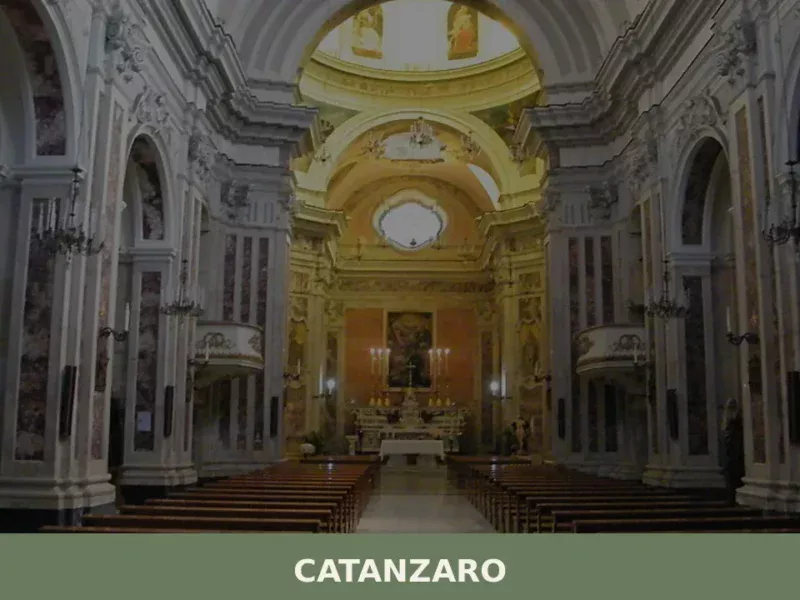
What to see in Catanzaro: from historic churches to the Morandi Bridge, discover the 5 top attractions. A complete guide to visiting the Calabrian capital.
Acri
 Mountain
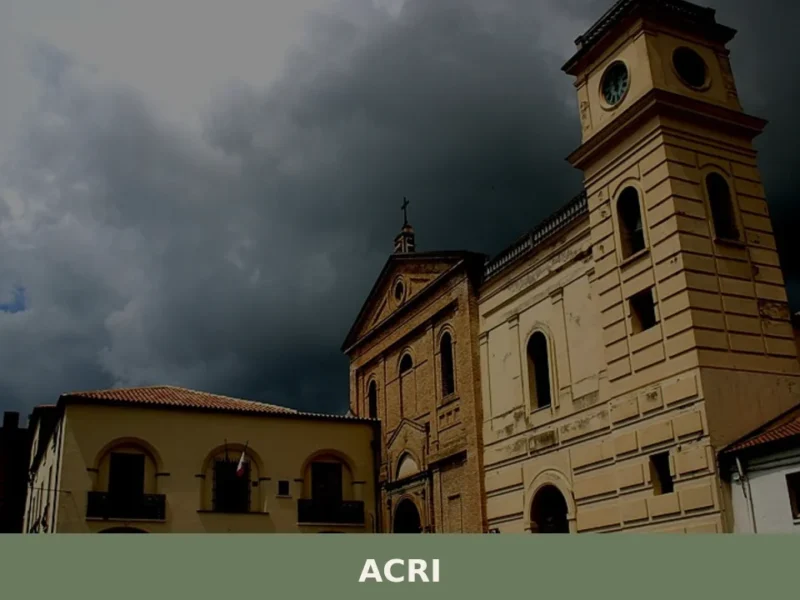
Acri is a town in the province of Cosenza with over 21,000 inhabitants, located in the Calabrian interior of the Sila Greca area, on a territory that passed through Norman, Swabian and Aragonese rule, leaving concrete traces in the local architecture and culture. For anyone approaching this corner of the province of Cosenza, the question […]
Albidona
Sea
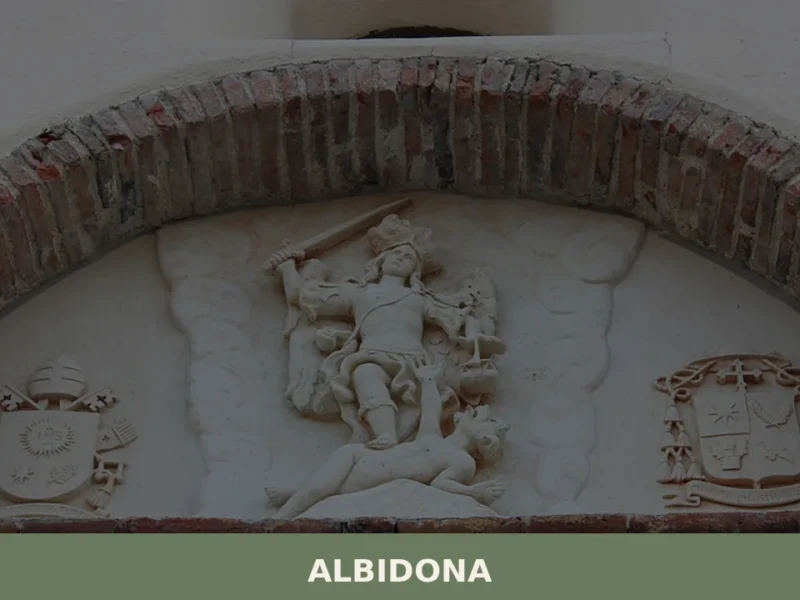
Albidona has 1,142 inhabitants and sits at 810 metres above sea level on the eastern slope of the Pollino massif, in the province of Cosenza. The old town preserves an urban layout arranged in parallel bands, developed along the ridge that separates the Saraceno stream valley from the Caldanello valley. Asking what to see in […]
Gerace
 Hills
Hills
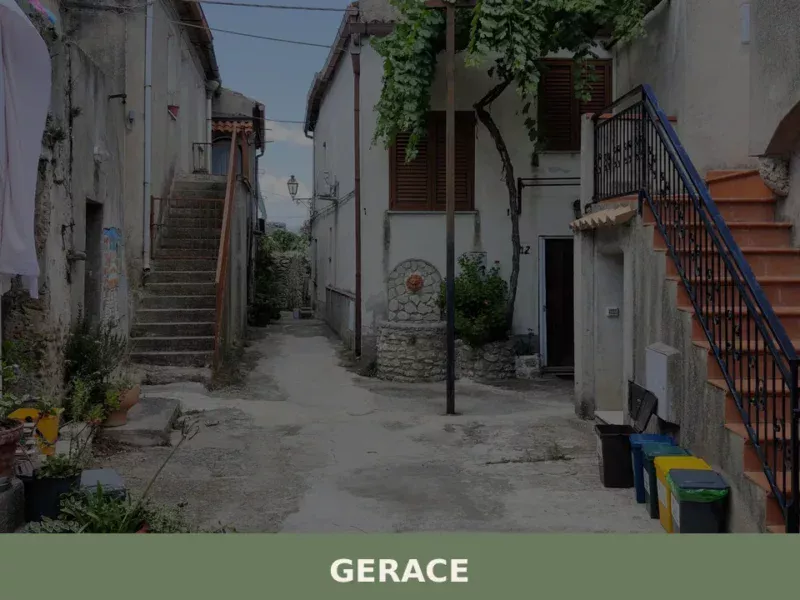
A rock formed from sea fossils laid down 60 million years ago rises 500 metres (1,640 ft) above the Ionian plain. From its summit, on a clear day, the coastal town of Locri and the sea beyond it are visible as distinct horizontal bands of terracotta, grey, and blue. The hill is composed of marine […]
Altilia
Hills
A quiet hill village of 677 people in Calabria's Savuto valley. Discover what to see in Altilia — its stone lanes, parish church, and deep agrarian roots.
Crotone
Sea
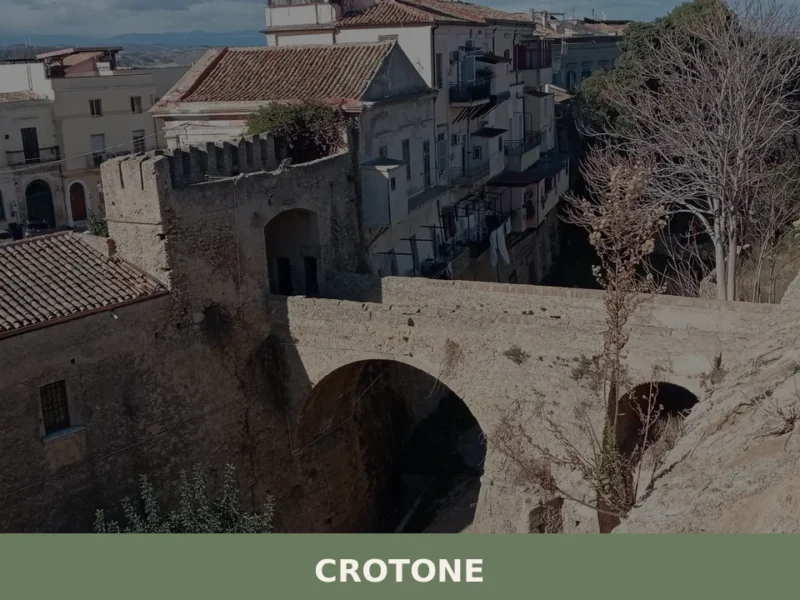
What to see in Crotone, Italy: explore this historic city, 8 meters above sea level. Discover the ancient city walls and the 16th-century Castle of Charles V. Read our complete guide.
Aiello Calabro
Hills
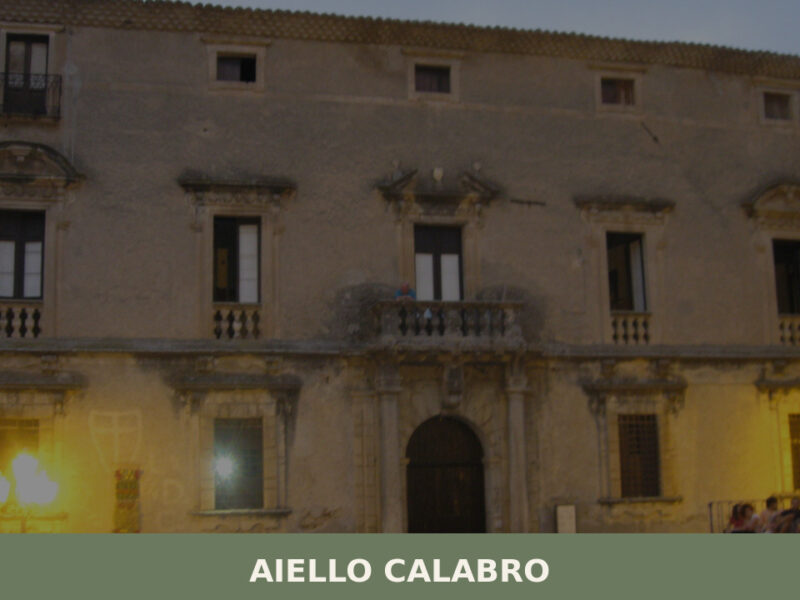
A hill village in Cosenza province at 502 metres, Aiello Calabro holds medieval ruins, noble palazzi, and a living food culture shaped by centuries of mountain life.
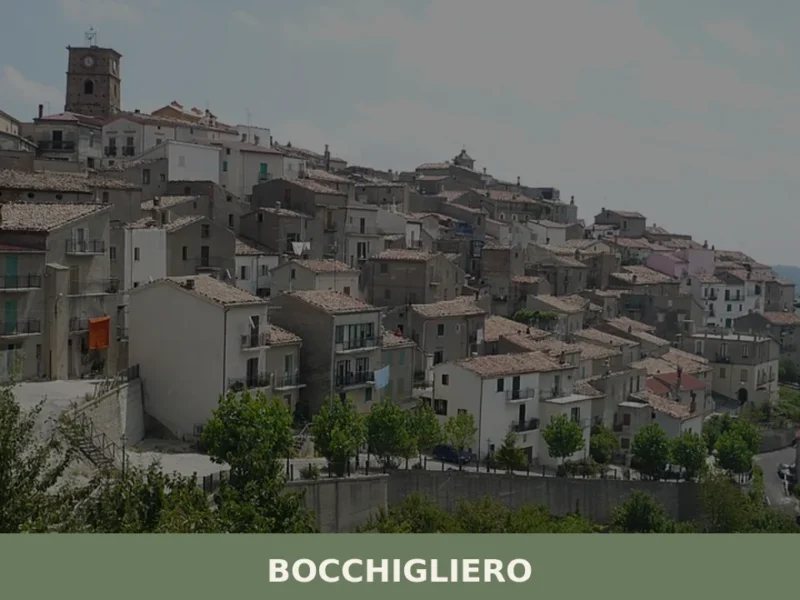
Bocchigliero
Mountain
What to see in Bocchigliero: a mountain village at 870m in Cosenza. Discover the Mother Church and the Baronial Palace ruins.
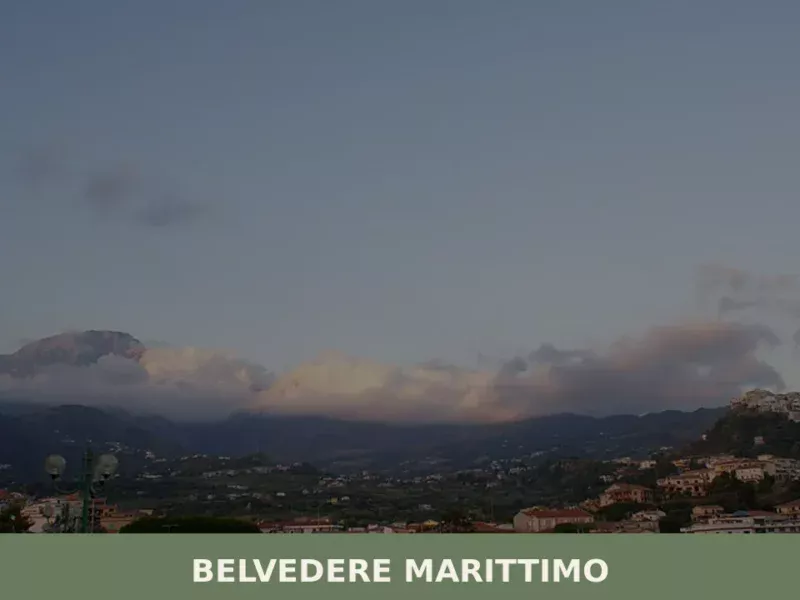
Belvedere Marittimo
Sea
Belvedere Marittimo, a village in the province of Cosenza, stands at 150 meters above sea level and has a population of 9,292 inhabitants. This Calabrian location, classified among the lowland villages, offers a view of the Cosenza Tyrrhenian coast, combining historical elements with its proximity to the coast. Its geographical position has shaped its identity […]
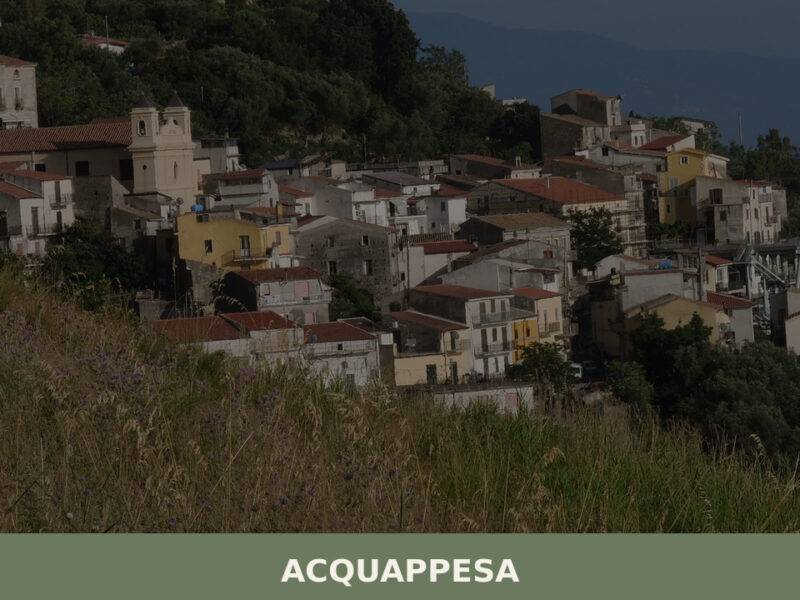
Acquappesa
Sea
A Calabrian hill village of 1,737 inhabitants defined by its sulphurous thermal springs, Tyrrhenian coastline, and quiet stone lanes in the province of Cosenza.



🏡 Know Belmonte Calabro better than we do?
If you’re a local or have been there, your knowledge matters: add what’s missing or fix a detail on this page.