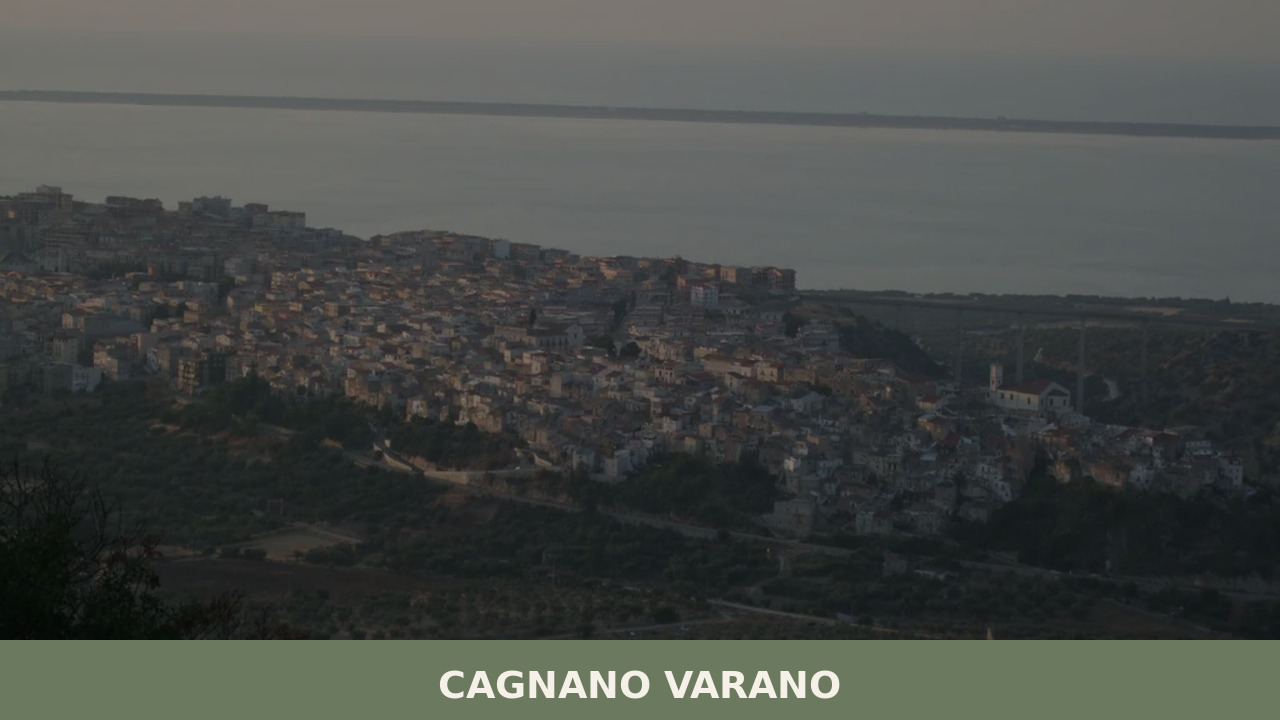
Discover Cagnano Varano, a quiet Gargano village overlooking Italy’s largest southern lagoon. Explore ancient caves, lakeside trails, and authentic Puglian flavours.
Perched at 165 metres above sea level on the northern slopes of the Gargano promontory, Cagnano Varano is a quiet village overlooking the largest coastal lake in southern Italy. With just over 6,500 inhabitants, this corner of the province of Foggia rewards visitors with ancient churches, mysterious caves, and sweeping panoramas over the Varano lagoon. If you’re wondering what to see in Cagnano Varano, prepare for a destination where nature, faith, and centuries of history intertwine in the most authentic way Puglia can offer.
The origins of Cagnano Varano stretch deep into antiquity. Archaeological evidence suggests that the area around Lake Varano was inhabited since prehistoric times, its sheltered lagoon and fertile hillsides providing ideal conditions for early settlement. The village’s name is believed to derive from the Latin Canianus, possibly referring to a Roman landowner, combined with Varano from the adjacent lake. During the medieval period, the settlement grew under Norman and Swabian rule, becoming part of the broader feudal system that shaped the Gargano territory throughout the Middle Ages.
Under the Angevin and Aragonese dynasties, Cagnano Varano passed through several noble families who fortified the village and encouraged agricultural development. The local economy revolved around fishing in Lake Varano, sheep farming on the surrounding hills, and the cultivation of olives and grains — traditions that persist in modified form to this day. The village’s strategic position, elevated above the lagoon yet connected to the Adriatic coast, gave it both defensive advantages and access to maritime trade routes.
In more recent centuries, Cagnano Varano gained unexpected fame during the First World War when the Italian military established a seaplane base on Lake Varano, taking advantage of the lagoon’s calm, enclosed waters. This chapter added a modern layer to a village whose identity had been forged over millennia by the rhythms of nature and faith on the Gargano.
This atmospheric cave-sanctuary, dedicated to the Archangel Michael, is carved into the limestone rock on the hillside above the village. Venerated since the early Middle Ages, the grotto features natural stalactites and an underground spring whose waters were long considered miraculous. It stands as one of the most evocative sacred caves on the Gargano, echoing the broader regional devotion to Saint Michael.
Stretching over approximately 60 square kilometres, Lake Varano is the largest coastal lagoon in southern Italy. Separated from the Adriatic Sea by a narrow strip of sand called the Isola di Varano, the lake is home to rich birdlife and traditional eel fishing. Its tranquil shores offer walking trails, birdwatching opportunities, and unforgettable sunset views from the village above.
The parish church of Cagnano Varano, dedicated to Our Lady of Mercy, dominates the heart of the old village. Its origins date to the medieval period, though the building has been renovated and expanded over the centuries. Inside, visitors can admire simple yet moving examples of religious art and carved stone altars that speak to the deep faith of this Gargano community.
Cagnano Varano’s compact old town is a charming maze of narrow alleyways, whitewashed facades, arched passageways, and stone staircases that cascade down the hillside. Walking through the centro storico reveals modest palazzi, small devotional niches set into walls, and panoramic viewpoints where the rooftops give way to sweeping vistas of the lagoon and the Adriatic beyond.
On the shores of Lake Varano, traces of the First World War seaplane base offer a fascinating and lesser-known piece of military history. Italy and its allies used the sheltered lagoon to station hydroplanes for Adriatic patrols. Remnants of hangars and infrastructure can still be identified along the lakeside, making this a compelling stop for history enthusiasts exploring the Gargano’s modern heritage.
The cuisine of Cagnano Varano reflects its dual identity as both a hill town and a lakeside community. Freshwater eels (anguille) from Lake Varano are the star of the local table, traditionally roasted over wood fires or marinated in vinegar and herbs. Alongside the lake’s bounty, you’ll find rustic dishes common to the Gargano: handmade orecchiette and troccoli pasta dressed with wild herb sauces or slow-cooked lamb ragù, fresh ricotta cheese, and bread baked in wood-fired ovens using local durum wheat. Puglia’s famed extra virgin olive oil — produced from groves that blanket the Gargano hills — enriches virtually every dish.
For those with a sweet tooth, look out for traditional pastries prepared during village festivals, often filled with almonds, honey, or mosto cotto (cooked grape must). Small family-run trattorias in the village centre are the best places to sample these authentic flavours, offering set menus that change with the seasons. Pair your meal with a local wine from the Daunia hills, and you’ll understand why the Gargano’s gastronomic tradition remains one of Puglia’s best-kept secrets.
Cagnano Varano enjoys a Mediterranean climate tempered by its hillside elevation, making spring (April to June) and early autumn (September to October) the most comfortable seasons for exploration. During these months, temperatures are pleasantly warm without the intense heat of the Puglian summer, and the landscape around Lake Varano is at its most vibrant. Summer brings hotter days but also lively village festivals — the feast of San Michele in late September is particularly significant, drawing pilgrims and locals to the ancient grotto sanctuary.
Winter visits offer their own quiet charm: the village is largely free of tourists, the trattorias serve their heartiest dishes, and the low-angle light over the lake creates unforgettable panoramas. Practical tips: wear comfortable walking shoes for the steep lanes of the old town, carry water if you plan to hike near the lake, and check locally for any seasonal closures of the Grotta di San Michele before making the trip.
Cagnano Varano is located in the province of Foggia, on the northern edge of the Gargano promontory. By car, the village is reached via the SS89 road that runs along the Gargano coast; from the A14 Adriatic motorway, exit at Poggio Imperiale or San Severo and follow signs toward the Gargano. The drive from Foggia takes approximately one hour (about 90 km), while Bari is roughly two and a half hours to the south (around 200 km).
The nearest railway stations are at San Severo and Rodi Garganico, both served by Trenitalia regional services, from which local buses connect to Cagnano Varano. The closest airports are Bari Karol Wojtyła Airport (approximately 200 km) and the smaller Gino Lisa Airport in Foggia. For those exploring the Gargano without a car, the Bari airport offers the widest range of domestic and international flights, and car hire is strongly recommended to fully enjoy the remote beauty of this region.
Cagnano Varano makes an excellent base for discovering the spiritual and natural wonders of the Gargano. Just a short drive to the south, San Giovanni Rotondo welcomes millions of visitors each year to the sanctuary of Padre Pio, one of Italy’s most important modern pilgrimage sites. The town’s blend of contemporary sacred architecture and ancient Gargano atmosphere makes it a rewarding day trip from the shores of Lake Varano.
Equally unmissable is Monte Sant’Angelo, a UNESCO World Heritage village perched high on the Gargano massif. Its Sanctuary of Saint Michael the Archangel — the most renowned cave church dedicated to the archangel in Western Christianity — shares a deep spiritual connection with Cagnano Varano’s own Grotta di San Michele. Together, these three Gargano villages weave a journey through faith, history, and some of the most breathtaking landscapes in all of southern Italy.
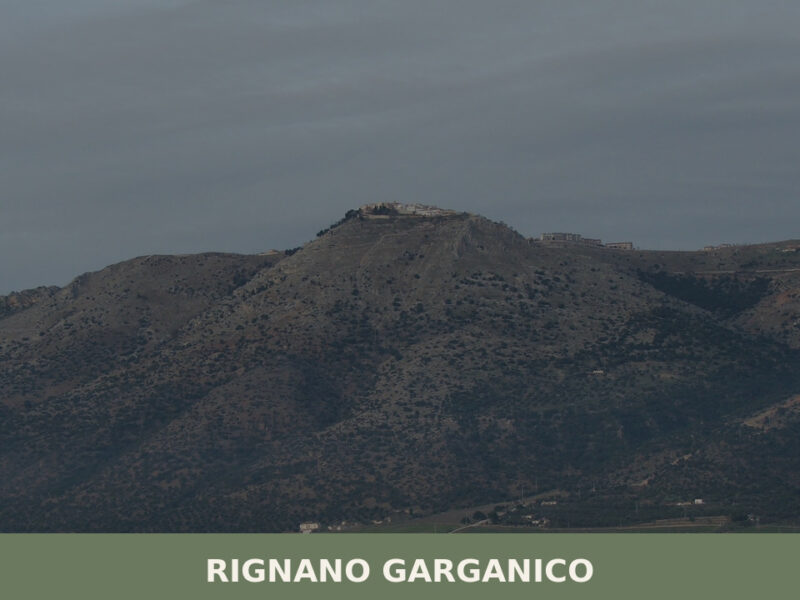
A quiet hilltop village at 590 metres on the Gargano promontory, Rignano Garganico rewards visitors with medieval lanes, wide Tavoliere views, and the honest food traditions of inland Puglia.
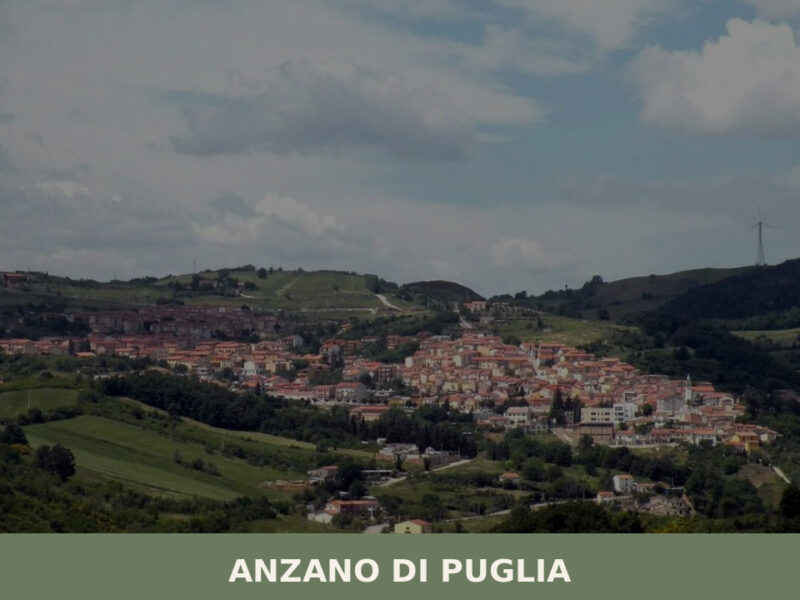
A tiny hilltop village at 760 m in the Daunia Mountains, Anzano di Puglia enchants with stone lanes, sweeping panoramas, and authentic mountain cuisine.
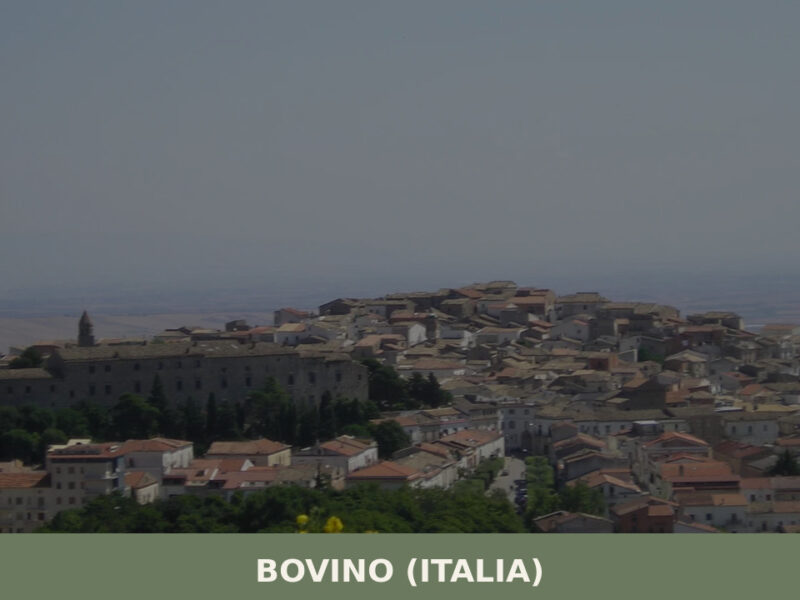
Perched on a Daunia hilltop, Bovino is a stunning medieval village in Puglia. Discover its castle, cathedral, and authentic flavours.
📝 Incorrect information or updates?
Help us keep the Cagnano Varano page accurate and up to date.