


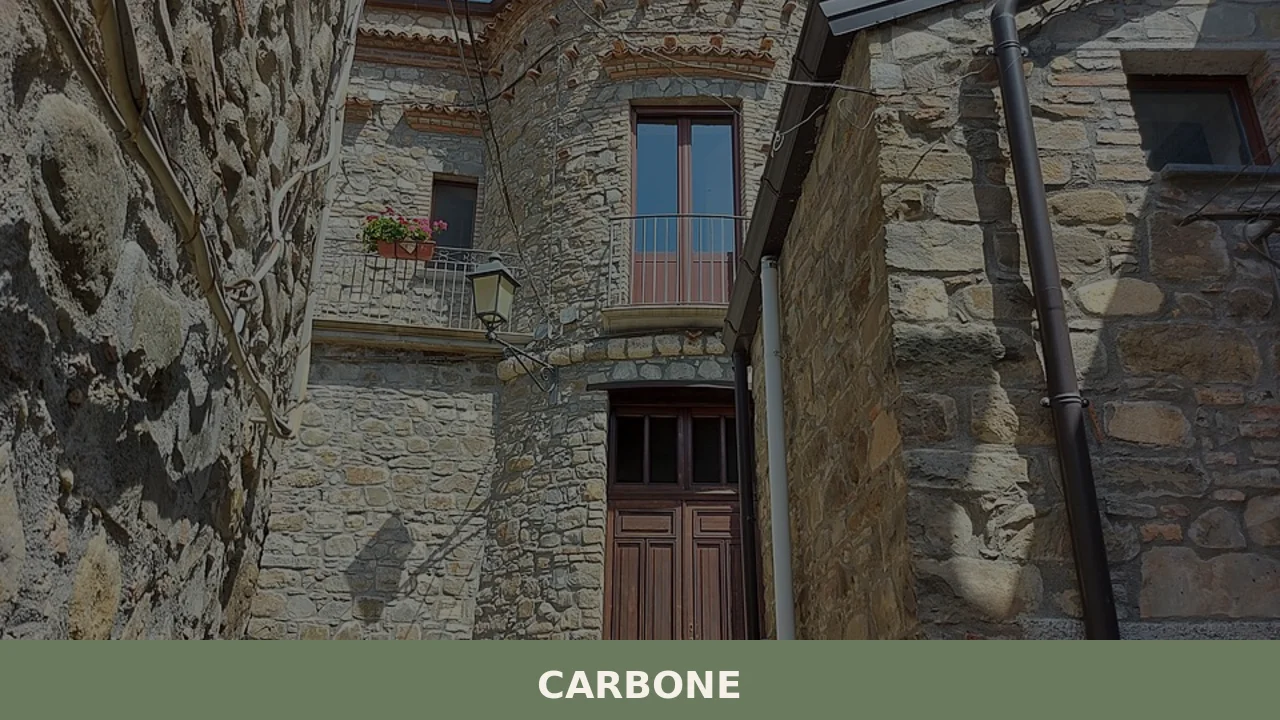
Carbone
In the heart of Basilicata, 692 meters above sea level, lies Carbone, a settlement whose history is deeply connected to the 10th-century foundation of the Abbey of San Luca by Basilian monks. This monastic settlement, which became one of the most influential in Southern Italy, influenced the village’s identity, affecting its architecture and culture for […]
Discover Carbone
In the heart of Basilicata, 692 meters above sea level, lies Carbone, a settlement whose history is deeply connected to the 10th-century foundation of the Abbey of San Luca by Basilian monks. This monastic settlement, which became one of the most influential in Southern Italy, influenced the village’s identity, affecting its architecture and culture for centuries. With a population that today numbers 692 inhabitants in the province of Potenza, Carbone stands as a crossroads of historical and natural paths, where every stone tells a fragment of a complex past. For those wondering about what to see in carbone, the route unfolds among the remains of ancient religious institutions and the civil architectures that define its current profile.
History and origins of Carbone
The origins of Carbone have their roots in the Byzantine period, when Basilicata was a crossroads of cultures and influences. The presence of Basilian monks, who fled from the East due to iconoclastic persecutions, was crucial for the development of the territory. The Abbey of San Luca, built around 980 AD, became a center of cultural and spiritual influence, owning vast estates and controlling numerous hamlets and minor churches in the region. Its scriptorium was known for the production of manuscripts, some of which are now preserved in important Italian and European libraries. The life of the village developed around this monastic hub, with the population dedicated to agriculture and pastoralism, activities that still form part of the local economic fabric.
Over the centuries, Carbone passed under the dominion of various feudal families, including the Sanseverino and the Pignatelli, who left their mark with the construction of noble palaces and urban reorganization. The very name of the village, “Carbone,” has been subject to various interpretations: some link it to the production of vegetable charcoal, once widespread in the surrounding wooded areas, others to an ancient noble family that would have had possessions there. Its strategic position, on a ridge overlooking the Sarmento valley, made it an important observation and control point, although exposed to the incursions and political changes that have affected Basilicata over the centuries.
To learn more about the village’s history, you can consult the dedicated page on Wikipedia Italia.
What to see in Carbone: 5 essential attractions
Visiting Carbone means immersing oneself in a setting where past and daily life intertwine. Here is what to see in carbone for those wishing to explore its specific features.
The Abbey of San Luca di Carbone
The ancient monastic complex, although now visible in a ruined state, represents the historical heart of Carbone. Its walls bear witness to its former grandeur, when it was a spiritual and cultural center of primary importance. One can distinguish the remains of the church, the cloister, and other conventual structures, offering a direct insight into Basilian monastic architecture.The Mother Church of San Nicola di Mira
Built in a prominent position, the Mother Church is a reference point for the village. Its facade, reworked over the centuries, features Baroque and Neoclassical elements. Inside, it houses sacred artworks, including wooden altars and canvases from various periods, which tell of local devotion and artistic skill.The Ducal Palace
Located in the historic center, the Ducal Palace is an example of noble civil architecture. Its imposing dimensions and structure with an internal courtyard reflect the power of the families who inhabited it. Although not always open to the public, its view from the outside allows one to appreciate the elegance of its lines and the robustness of its construction.The Historic Center
The narrow streets and small squares of Carbone’s historic center invite a stroll. The dwellings, often built of local stone, follow one another, displaying architectural details such as stone portals, wrought-iron balconies, and small votive shrines. It is here that one perceives the original urban structure of the village, developed around the oldest nuclei.The panoramic viewpoint
From the upper part of the village, a viewpoint offers a view over the Sarmento valley and the surrounding mountains. On clear days, the gaze can sweep across the profiles of the Lucanian Apennines, offering a perspective on the geography of the territory that surrounds Carbone, a mosaic of woods, cultivated fields, and other small settlements.
Typical cuisine and local products
The gastronomy of Carbone and inland Basilicata is the result of centuries of rural tradition, based on the use of simple and wholesome ingredients, often sourced from local crops and farms. Signature dishes include strascinati, a typical Lucanian fresh handmade pasta, seasoned with pork or lamb ragù, or with the famous peperoni cruschi, sweet peppers that are dried and fried, giving a crispy and unmistakable flavor. Other first courses include lagane e ceci, a hearty soup combining wide pasta and legumes.
Among the local products, cheeses stand out, such as Pecorino di Filiano DOP, made from sheep’s milk and aged, with a strong flavor. Meats, particularly lamb and pork, form the basis of many preparations, from fresh sausages to lucanica, a spiced sausage. There are also baked goods, such as Matera bread IGP, which, although not specific to Carbone, is a symbol of Lucanian bread-making. The production of extra virgin olive oil is also significant, with indigenous cultivars that produce oils with an intense fruity flavor. During some festivities or village festivals, it is possible to taste these specialties prepared according to the oldest recipes.
When to visit Carbone: the best time
The best time to visit Carbone depends on the traveler’s interests. Spring and early summer (from April to June) offer a mild climate, ideal for exploring the village and its surroundings without the intense heat of the central months. The landscapes are lush and nature reawakens with a variety of colors. During this period, outdoor activities, such as walks on the surrounding trails, are also particularly pleasant.
Autumn (September and October) is another favorable time, with pleasant temperatures and the colors of the vegetation shifting towards warm hues. This season is also linked to agricultural traditions and festivals dedicated to local produce, offering an opportunity to savor local cuisine in its most genuine context. Winter can be cold and snowy, limiting some outdoor activities, but it lends the village a more secluded and quiet atmosphere, for those seeking a more contemplative visit.
How to get to Carbone
Carbone is located in an inland area of Basilicata, and the most convenient way to reach it is by car. From the north, you can take the A2 Mediterranean Motorway (Salerno-Reggio Calabria) to the Lauria Nord exit, then continue on the SS653 “Sinnica” towards Senise, and then follow the signs for Carbone. From the south, also from the A2, the recommended exit is Campotenese, then take the SS19 and follow for Carbone. The distance from Potenza is about 80 kilometers, while from Matera it is about 120 kilometers.
The nearest train stations are Potenza or Ferrandina, but from there it is necessary to continue with a local bus service or rent a car, as direct connections are not frequent. The nearest airports are Bari “Karol Wojtyła” (about 180 km) and Brindisi “Salento” (about 200 km), both well connected with various Italian and European cities. From both airports, car rental is advisable to reach Carbone.
Other villages to discover in Basilicata
Basilicata is a territory rich in villages that preserve their identity and traditions. Not far from Carbone, you will find Albano di Lucania, a town that stands out for its position on a rocky spur and for the geological formations known as the “Lucanian Dolomites.” Its stone architecture and narrow streets offer an experience similar to that of Carbone, but with its own landscape and historical specificities, also linked to the legend of the “Volpe,” a local popular figure.
Continuing the exploration of the Lucanian Apennines, another village that deserves attention is Abriola, located in a mountain basin. This town is known for its medieval castle and its proximity to important natural areas, ideal for those seeking more direct contact with the mountain environment. Both of these centers, like Carbone, represent pieces of a territorial mosaic that tell the story, culture, and resilience of a region often overlooked but deeply genuine. For more information on Basilicata, you can consult the official website Italia.it.
In Basilicata More villages to discover
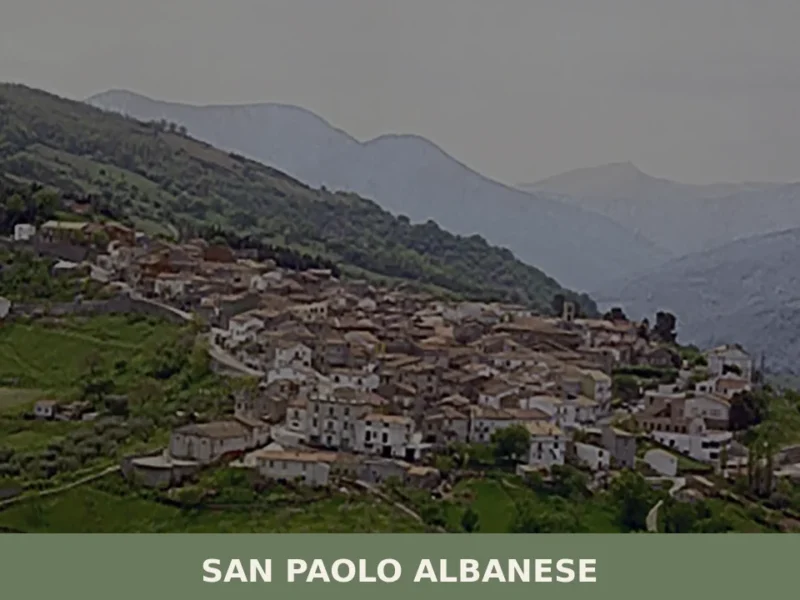
San Paolo Albanese
San Paolo Albanese, in the province of Potenza, stands out as Basilicata’s least populous municipality, recording a population of 280 inhabitants. This demographic reality gives the village an intimate dimension, where social relationships and the traditions of the Arbëreshë community remain strongly evident. For those wondering about what to see in san paolo albanese, the […]
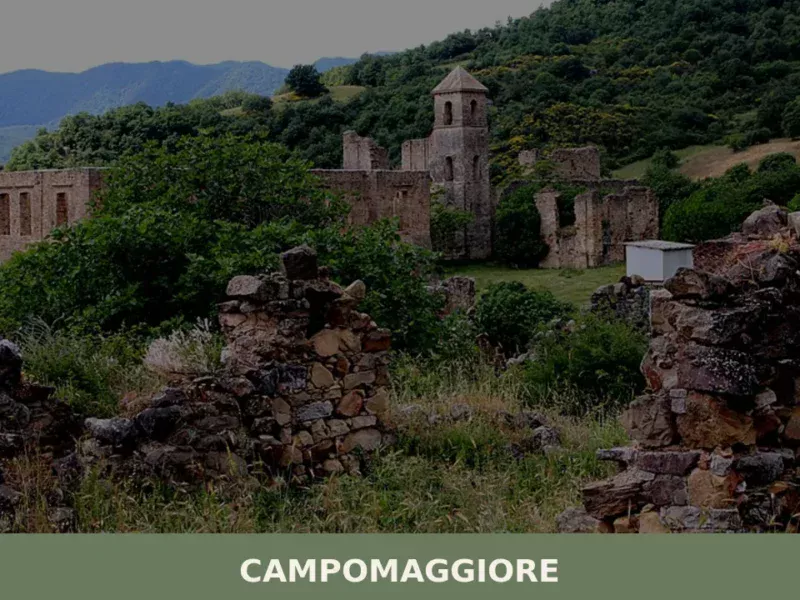
Campomaggiore
As the morning mist reluctantly peels back from the Lucanian Apennines, a faint scent of wild herbs drifts through the narrow lanes of **Campomaggiore**. At 795 meters above sea level, this small community, home to 832 inhabitants, begins its day with a quiet rhythm. Sunlight catches the weathered stone of an ancient wall, illuminating moss […]
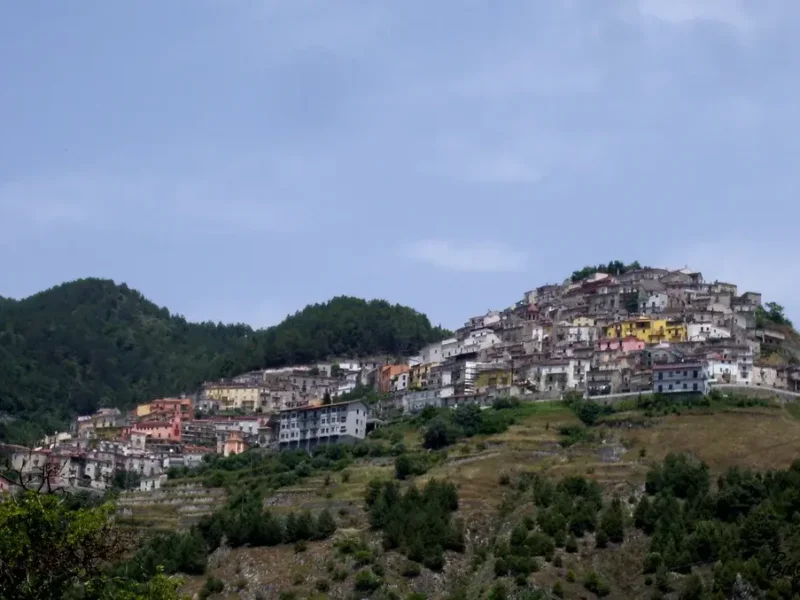
Castelluccio Superiore
At 680 meters above sea level, with a population of 860 inhabitants, Castelluccio Superiore is located in the heart of the Lucanian Apennines, in the province of Potenza. This mountain village, whose history dates back to antiquity, offers visitors a journey through layers of memory and architectures that recount its evolution. For those wondering **what […]

📝 Incorrect information or updates?
Help us keep the Carbone page accurate and up to date.