


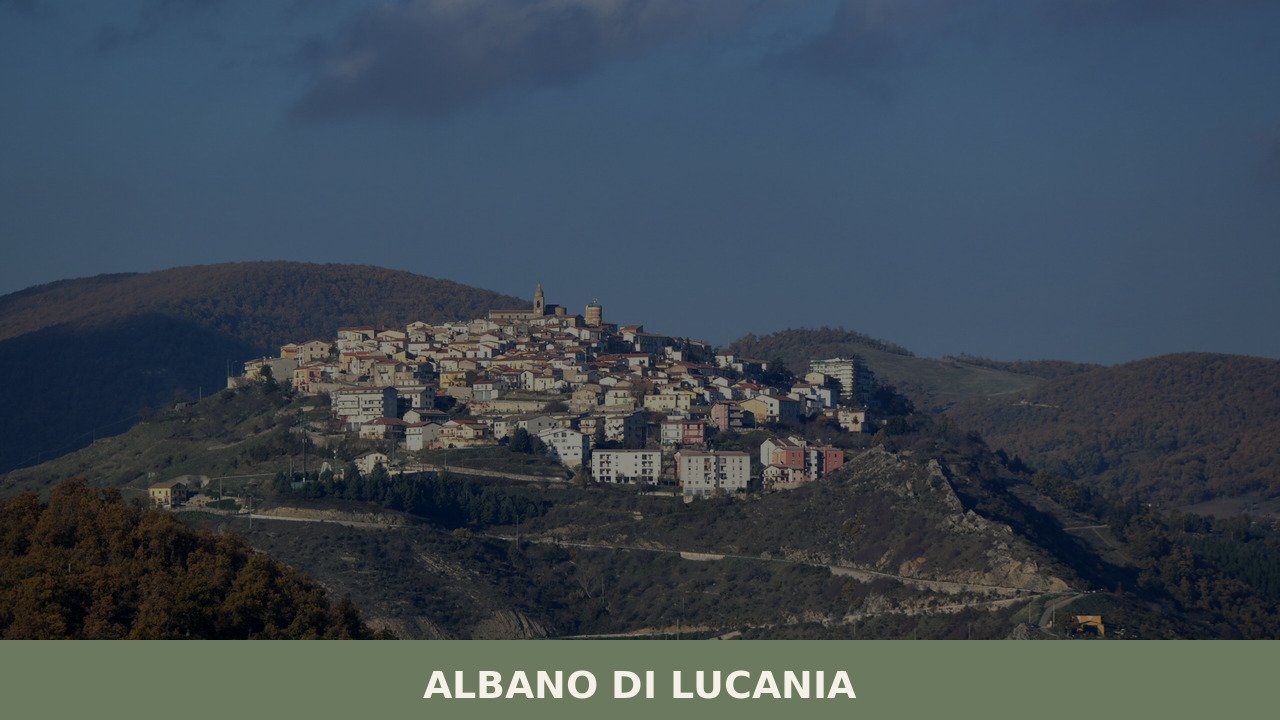
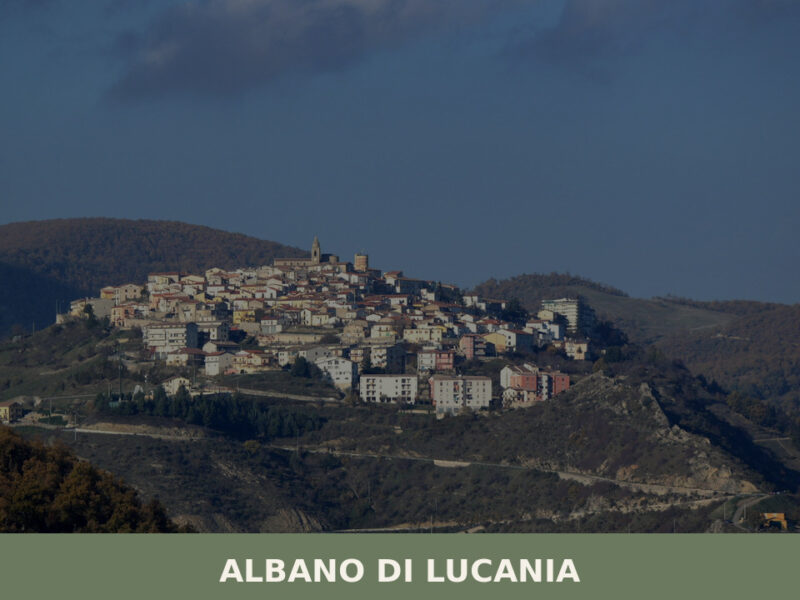
Albano di Lucania
 Mountain
A complete guide to Albano di Lucania in Basilicata — its medieval lanes, stone churches, Lucanian cuisine, and the quiet landscapes of the upper Basento valley.
Discover Albano di Lucania
Morning mist lifts off the Lucanian ridgeline at 899 metres, and the first thing you hear is the echo of a church bell rolling across empty limestone valleys. Albano di Lucania holds 1,341 residents, a handful of stone lanes, and a silence so complete it registers as a physical sensation. If you are wondering what to see in Albano di Lucania, the answer begins the moment you cross the threshold of this hill settlement in the province of Potenza — where every wall, arch, and weathered doorframe tells a story that predates the Italian Republic by centuries.
History of Albano di Lucania
The origins of Albano di Lucania reach into the early medieval period, when scattered settlements across inland Basilicata formed around defensible high ground and freshwater sources. The name “Albano” is thought to derive from the Latin albanus, possibly referencing a connection to the powerful Roman town of Alba or, more likely, to the pale limestone terrain that characterises the local geology. Like many villages in the upper Basento valley, Albano passed through the hands of Norman, Swabian, and Angevin feudal lords, each leaving administrative traces if not grand monuments.
During the centuries of the Kingdom of Naples, Albano di Lucania existed within the feudal system typical of the Mezzogiorno — its fortunes tied to agriculture, seasonal transhumance, and the political manoeuvrings of baronial families. The village endured the earthquakes that periodically reshaped the built environment of Basilicata, including seismic events in the seventeenth and eighteenth centuries that forced reconstruction of churches and domestic structures. Emigration in the late nineteenth and early twentieth centuries reduced the population significantly, a demographic trend that continues — quietly, stubbornly — to this day.
What survived is an architectural palimpsest: fragments of older masonry incorporated into later buildings, a street grid that follows medieval logic rather than any formal plan, and a communal memory rooted in agricultural rhythms. Albano’s history is not written in famous battles or royal visits but in the accumulated labour of generations who shaped the land and were shaped by it.
What to see in Albano di Lucania: 5 must-visit attractions
1. The Chiesa Madre (Mother Church)
The principal parish church stands at the spiritual and physical centre of the village. Rebuilt and modified over successive centuries — partly in response to earthquake damage — it retains a sober stone façade and an interior where local devotional art shares space with simple baroque altarpieces. The bell tower, visible from the approach roads, serves as the village’s most recognisable vertical landmark.
2. The Historic Centre (Centro Storico)
Albano’s old quarter is a compact labyrinth of narrow vicoli, stone stairways, and arched passageways. Many buildings date to the seventeenth and eighteenth centuries, with walls of local sandstone and limestone. Walk slowly: architectural details — carved lintels, worn coat-of-arms reliefs, iron balcony railings bent by time — reveal themselves only to those who pause and look upward.
3. The Belvedere and Panoramic Views
At 899 metres above sea level, Albano offers expansive sightlines across the Lucanian Apennines. From several points along the village’s outer edge, the landscape unfolds in layered ridges of clay and forest, extending toward the Basento river valley. On clear winter mornings, the depth of field seems almost geological in scale, with successive mountain ranges fading into blue-grey distance.
4. The Fontane (Historical Fountains)
Public fountains in Basilicata’s hill villages were civic infrastructure of the highest importance. Albano preserves several stone fountains from past centuries, once the only sources of potable water for the community. These are functional monuments — their basins worn smooth by use, their placement marking the social gathering points of an older way of life.
5. The Surrounding Landscape and Rural Paths
Beyond the built village, a network of footpaths and unpaved roads leads into terrain shaped by pastoral agriculture. Wheat fields, small olive groves, and patches of deciduous woodland alternate across a rolling topography. These walks offer direct contact with the landscape that sustained Albano for centuries — and with a quietness increasingly rare in contemporary Europe.
Local food and typical products
The kitchen of Albano di Lucania follows the logic of inland Basilicata: resourceful, seasonal, and anchored in a limited but well-understood pantry. Handmade pasta — particularly cavatelli, strascinati, and lagane — forms the backbone of most meals, dressed with slow-cooked ragù of pork or lamb, or more simply with crushed walnuts and dried peppers. The peperone crusco (dried sweet pepper) of Basilicata, fried until it shatters like glass, appears as garnish, seasoning, and snack. Cured pork products — soppressata, lucanica sausage, and capocollo — are prepared domestically and reflect a tradition where the annual pig slaughter once dictated the household calendar.
Local bread, baked in large rounds from durum wheat flour and often cooked in wood-fired ovens, has a thick crust and a dense, golden crumb that stays edible for days. Sheep’s milk cheeses, including pecorino aged in natural caves, accompany meals from start to finish. Dining options in a village of this size are limited — a local trattoria or agriturismi in the surrounding countryside offer the most authentic experience. Expect fixed menus that change with the season and portions sized for labourers, not tourists.
Best time to visit Albano di Lucania
At nearly 900 metres elevation, Albano experiences a continental-montane climate: winters are cold and occasionally snowy, summers are warm during the day but cool appreciably after sundown. Spring — from late April through June — brings wildflowers to the surrounding meadows and comfortable walking temperatures. Autumn, particularly October, offers muted golden light and the rhythms of harvest. The village hosts its patron saint festival and local sagre (food festivals) during the summer months, typically in August, when emigrated families return and the population briefly doubles. These occasions provide the most concentrated glimpse of communal life: processions, outdoor feasting, music played in the piazza after dark. For solitude and landscape, come in the shoulder seasons. For human warmth, come in August.
How to get to Albano di Lucania
Albano di Lucania sits roughly 40 kilometres southeast of Potenza, the regional capital. By car, the most direct route follows the SS407 Basentana, a well-maintained road that tracks the Basento river valley, before branching onto provincial roads that climb into the hills. From Potenza, the drive takes approximately 50 minutes. From Matera, allow around 90 minutes via the SS7 or SS407. Naples is approximately 200 kilometres to the northwest, a drive of roughly two and a half hours via the A3/E45 motorway and the Basentana.
The nearest railway stations with regular service are in Potenza (Potenza Centrale) and along the Ferrandina–Matera line, though connections to Albano itself require a car or infrequent local bus services. The closest airport is Bari Karol Wojtyła (approximately 150 km), followed by Naples Capodichino (approximately 200 km). A rental car is, for practical purposes, essential — public transport to villages of this size remains sparse and schedule-dependent.
More villages to discover in Basilicata
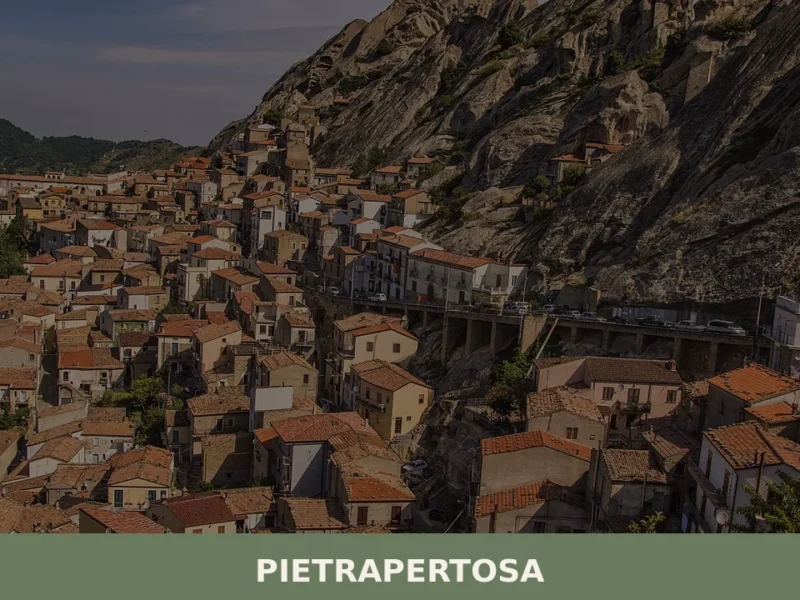
Albano di Lucania belongs to a constellation of small hill settlements that define the interior of Basilicata, each separated by deep valleys and connected by winding roads that demand slow, attentive driving. To the south, the village of Pietrapertosa clings to sheer Dolomiti Lucane sandstone towers — a geological spectacle visible from a great distance, where the rock formations dwarf the human settlement embedded within them. The contrast with Albano’s gentler ridge is instructive: Basilicata contains multitudes within short distances.
To the northwest, closer to Potenza, the village of Trivigno shares Albano’s elevation and agricultural heritage, offering another perspective on life in the Lucanian highlands. Together, these villages form a route through territory that remains among the least-visited in western Europe — not because it lacks interest, but because it has never needed to perform for an audience. The Basilicata regional tourism board provides updated itineraries and event listings for the broader area.
Frequently asked questions about Albano di Lucania
When is the patron saint of Albano di Lucania celebrated?
The patron saint of Albano di Lucania is San Vito Martire, celebrated on June 15th. The patronal feast is the main religious event of the town, featuring processions and moments of community devotion. Summer is also the period when the resident population increases significantly due to the return of emigrants, making June and August the months of greatest vitality for the village.
Is it possible to visit Albano di Lucania as a day trip from Potenza or Matera?
Yes, Albano di Lucania is well-suited for a half-day or full-day visit as an excursion. It is approximately 40 kilometers from Potenza (about 50 minutes drive) and about 90 minutes from Matera. The historic center is compact and can be explored on foot in a few hours. It is advisable to have your own car, as public transportation connections are scarce and dependent on infrequent schedules.
Are there CAI trails or documented hiking routes in the surroundings of Albano di Lucania?
The territory around Albano di Lucania falls within the area of the Lucanian Dolomites and the Lucanian Apennines, zones monitored by the Italian Alpine Club (CAI) with numbered trails connecting the villages of the upper Basento valley. For updated official routes, trail numbers, and difficulty levels, it is advisable to consult directly with the Potenza CAI section or the portal of the Regional Park of Gallipoli Cognato and the Piccole Dolomiti Lucane, which includes areas bordering the municipality.
Nearby Villages near Albano di Lucania
In Basilicata More villages to discover
Avigliano
Mountain
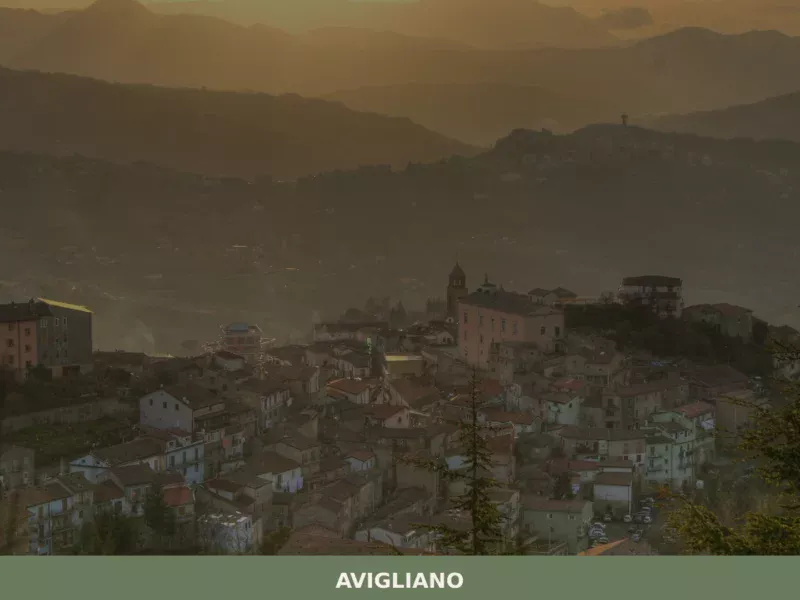
Discover what to see in Avigliano, a recognised cittu00e0 in Basilicata's Potenza province. History, attractions, food, and travel tips for this Apennine town.

Genzano di Lucania
Mountain
Discover Genzano di Lucania, a stone-built hilltop village in Alta Basilicata, where ancient alleys, Apennine views, and local traditions shape everyday life.
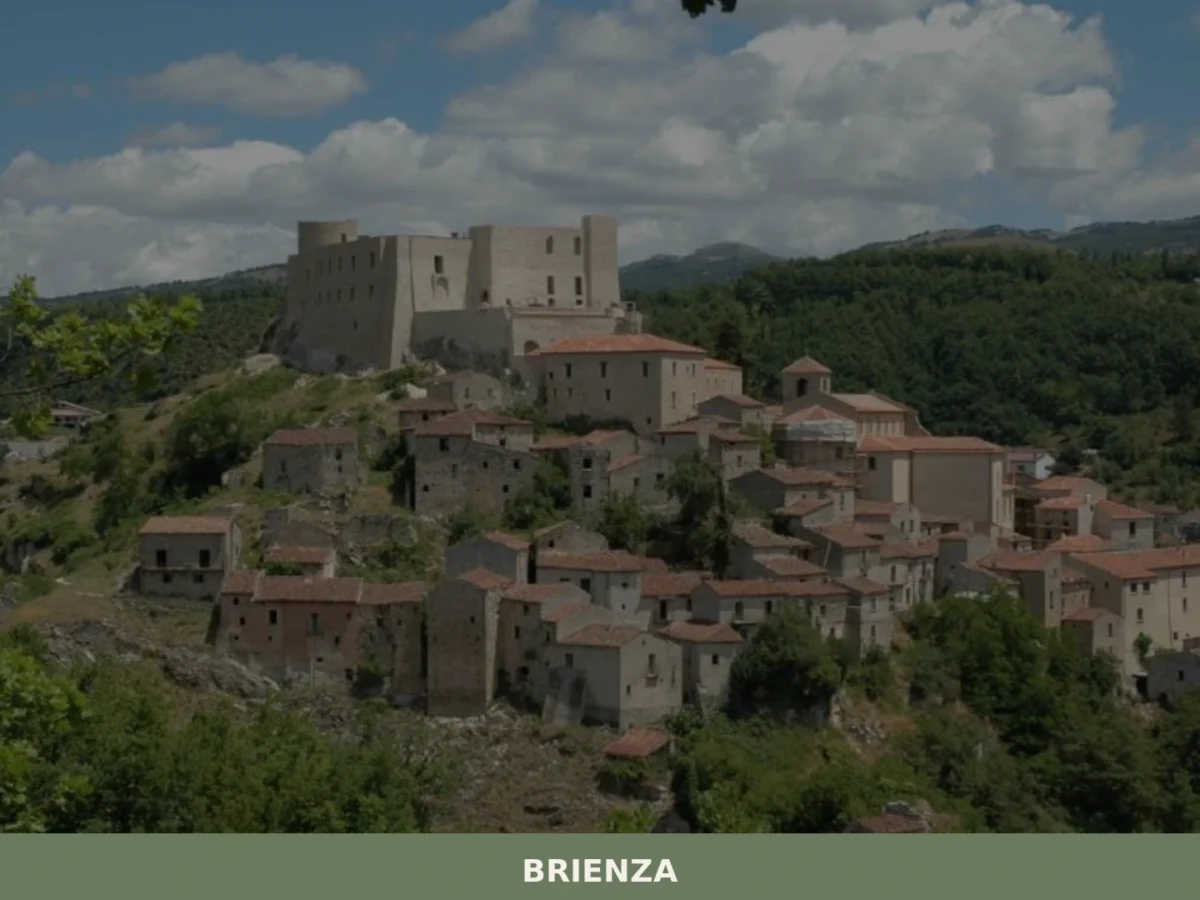
Brienza
Mountain
What to see in Brienza? Explore 5 historic points of interest in this Basilicata village. Discover Caracciolo Castle and ancient churches. Plan your visit!
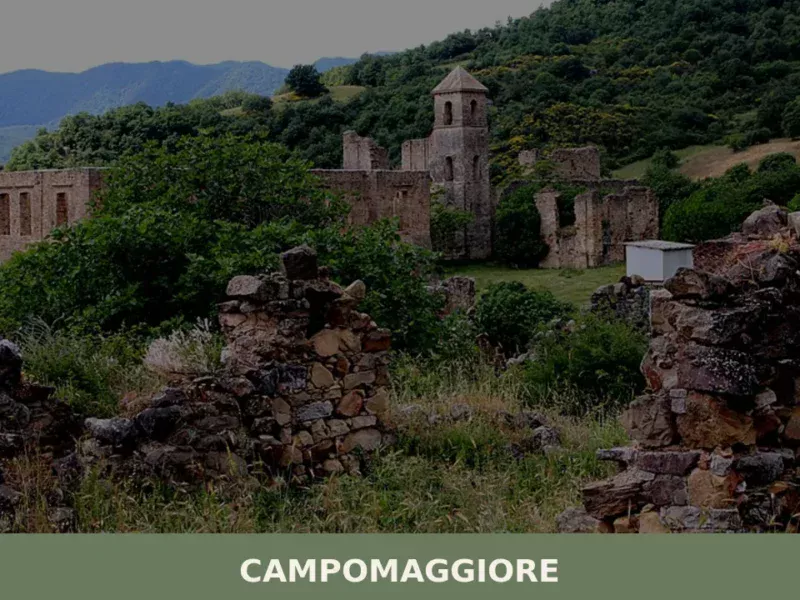
Campomaggiore
Mountain
As the morning mist reluctantly peels back from the Lucanian Apennines, a faint scent of wild herbs drifts through the narrow lanes of Campomaggiore. At 795 meters above sea level, this small community, home to 832 inhabitants, begins its day with a quiet rhythm. Sunlight catches the weathered stone of an ancient wall, illuminating moss […]
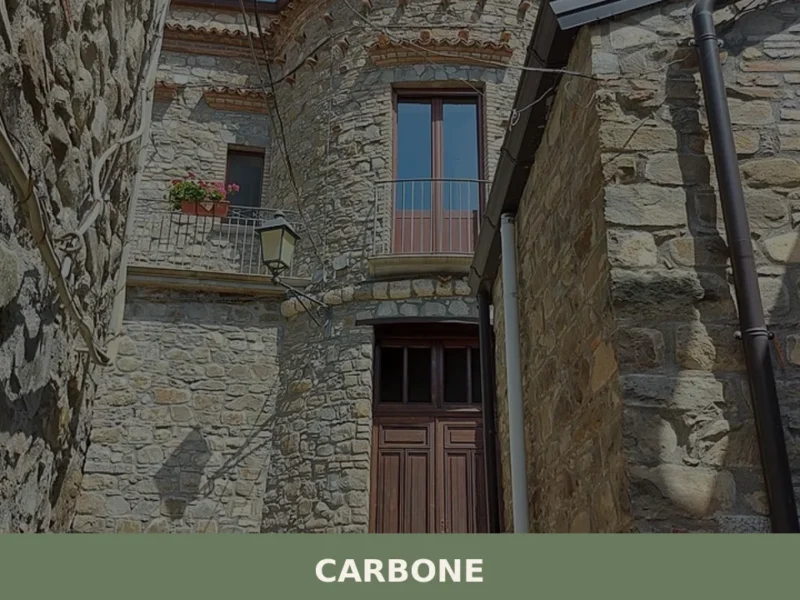
Carbone
Mountain
In the heart of Basilicata, 692 meters above sea level, lies Carbone, a settlement whose history is deeply connected to the 10th-century foundation of the Abbey of San Luca by Basilian monks. This monastic settlement, which became one of the most influential in Southern Italy, influenced the village’s identity, affecting its architecture and culture for […]
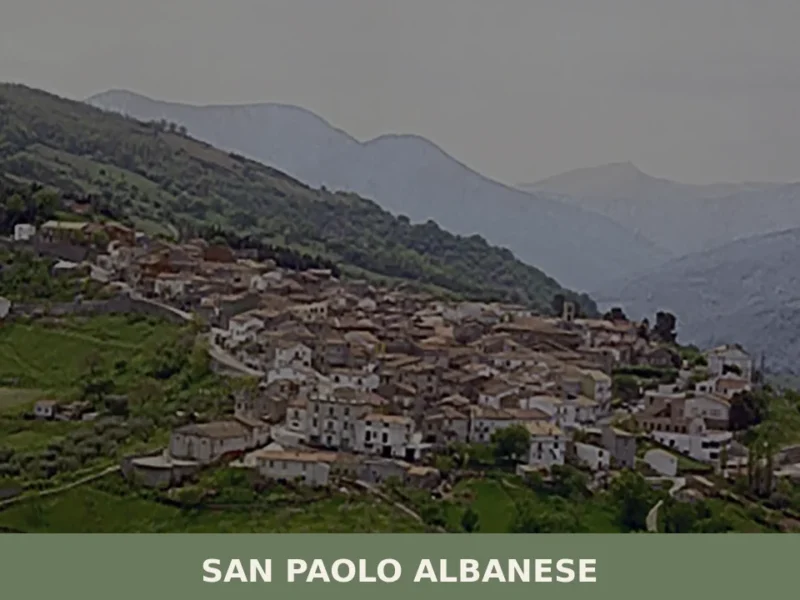
San Paolo Albanese
Mountain
San Paolo Albanese, in the province of Potenza, stands out as Basilicata’s least populous municipality, recording a population of 280 inhabitants. This demographic reality gives the village an intimate dimension, where social relationships and the traditions of the Arbëreshë community remain strongly evident. For those wondering about what to see in san paolo albanese, the […]

Francavilla in Sinni
Mountain
What to see in Francavilla in Sinni, Basilicata, Italy: explore a town founded in 1426, the Sinni river valley, and local food traditions. Discover it all here.
Fardella
Mountain
Discover Fardella, a quiet hilltop village in Potenza province with 569 inhabitants, medieval roots, stone architecture, and unspoiled Apennine landscapes.
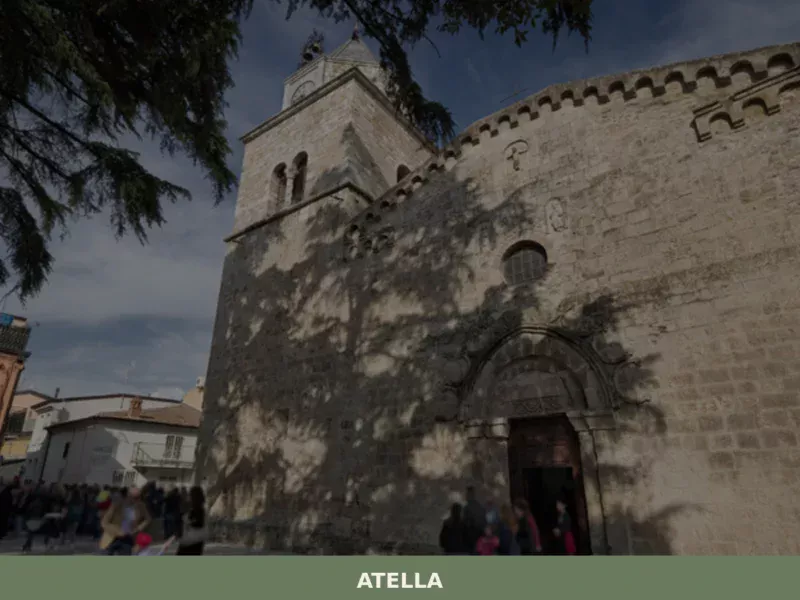
Atella
 Hills
Hills
Discover what to see in Atella, a 3,574-inhabitant comune in Potenza province. History, food, travel tips and the best of the Vulture-Melfese area.
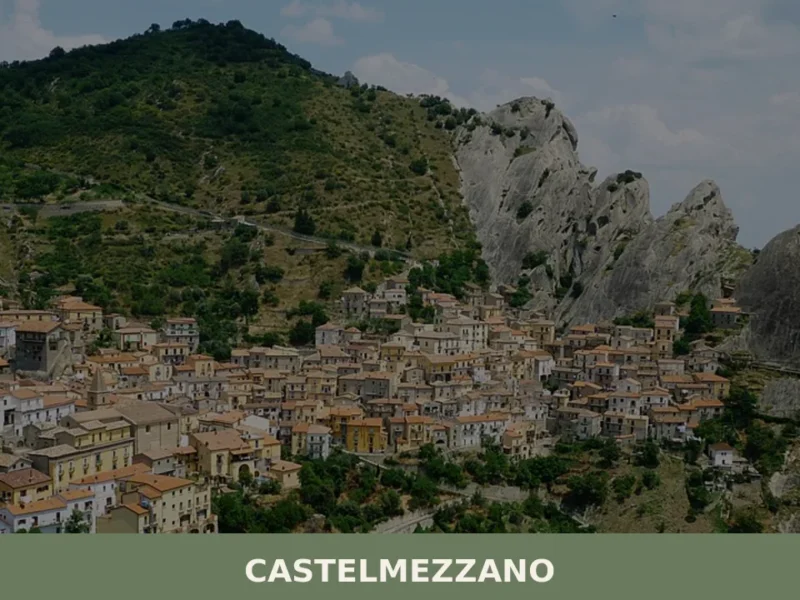
Castelmezzano
Mountain
what to see in castelmezzano, Italy: Discover its 710 inhabitants, ancient castle ruins, and thrilling Angel Flight. Explore Basilicata's stunning Dolomites.





🏡 Know Albano di Lucania better than we do?
If you’re a local or have been there, your knowledge matters: add what’s missing or fix a detail on this page.