


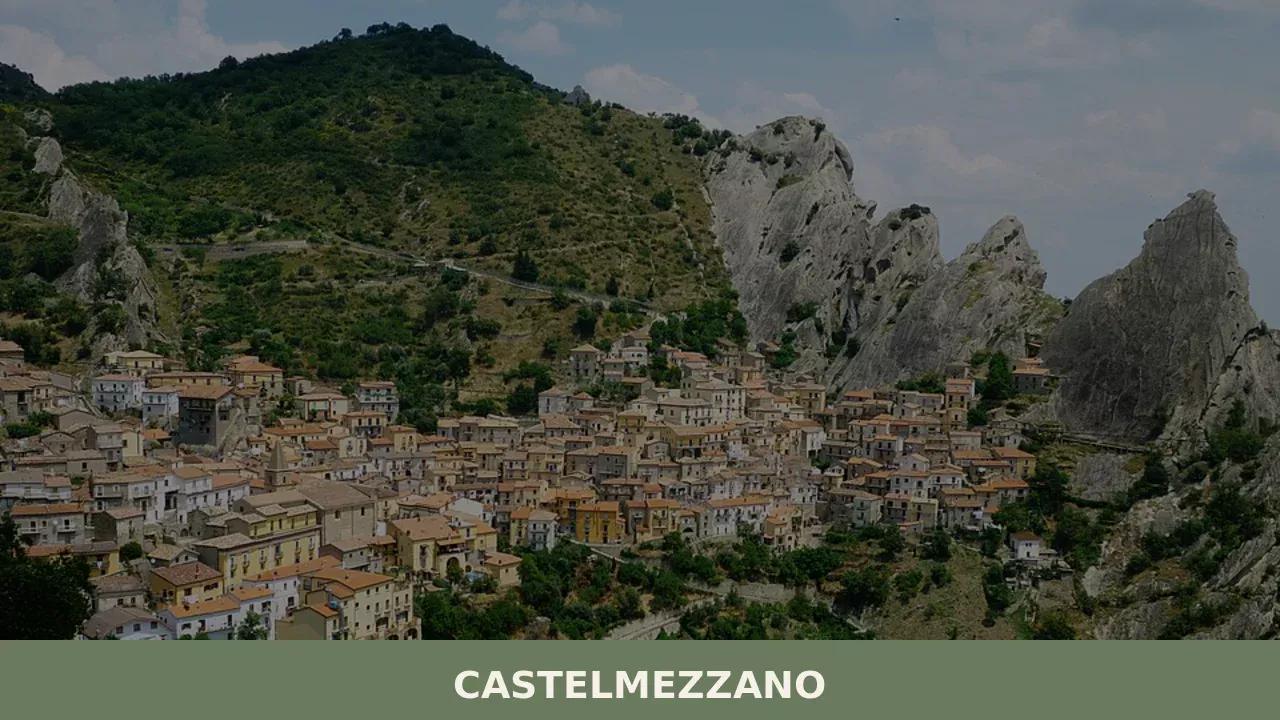
Castelmezzano
 Mountain
what to see in castelmezzano, Italy: Discover its 710 inhabitants, ancient castle ruins, and thrilling Angel Flight. Explore Basilicata’s stunning Dolomites.
Discover Castelmezzano
What to See in Castelmezzano, Basilicata: A Complete Travel Guide
High among the steep peaks of the Lucanian Dolomites, at an altitude of 750 m (2,461 ft) above sea level, lies Castelmezzano. This southern Italian comune in the province of Potenza is defined by its dramatic geological setting and historical resilience. The village forms a tight cluster of structures carved into the rock, reflecting centuries of human adaptation to this rugged landscape, which has earned it recognition as one of “The most beautiful villages of Italy.”
For those wondering what to see in Castelmezzano, this village of 710 inhabitants offers a compelling blend of natural beauty and historical depth.
Visitors to Castelmezzano find ancient castle remains, offering a glimpse into Norman fortifications, alongside modern adventures like the Volo dell’Angelo. This guide provides a comprehensive overview of the village’s top attractions and practical information for international travelers to Basilicata, Italy, ensuring a memorable visit.
History of Castelmezzano
The origins of Castelmezzano trace back to approximately between the 6th and 5th centuries BC, when Greek settlers ventured into the valley of Basento. Here, they established a settlement within Magna Graecia, naming it Maudoro, a term roughly translating to “the world of gold,” reflecting the perceived richness of the land. This early period laid the foundation for a community that would later face numerous challenges and transformations in its dramatic mountain setting.
By the 10th century AD, the peace of the valley was disrupted by Saracen invasions, compelling the local population to seek a more secure location.
Oral tradition recounts that during this exodus, a shepherd named Paolino discovered a strategic refuge among the steep peaks and imposing rock formations. This natural fortress allowed inhabitants to repel invaders by rolling stone boulders down onto them, a testament to the village’s enduring defensive character. Following this period, the Lombards occupied the area, further shaping the region’s cultural fabric.
Between the 11th and 13th centuries AD, the Normans established their presence, constructing a significant castle whose remains, including visible walls and a tiered rock pathway leading to a higher lookout point, still stand today. It was from this fortification, known as Castrum Medianum—meaning “Castle in the Middle” due to its position between the castles of Pietrapertosa and Albano di Lucania—that the town derived its name.
This Norman era brought a period of relative peace and considerable development for Castelmezzano, a stark contrast to the sharp decline it would later experience under Angevin rule. Castelmezzano shares its borders with several comuni, including Trivigno, a nearby locality that forms part of the same dramatic Lucanian landscape.
With the arrival of the Aragonese between the 14th and 16th centuries, Castelmezzano became a fiefdom, granted to various landowners, yet the economic and social conditions for most inhabitants remained largely unchanged. A notable period of development occurred under Baron Giovanni Antonio De Leonardis, whose family governed the town from 1580 to 1686, fostering growth and stability.
Subsequently, through marriage, the fief passed to the De Lerma family, who held it until 1805, when feudalism was abolished across southern Italy.
The 19th century brought new challenges, with Castelmezzano becoming a refuge for brigands due to its rugged terrain, abundant natural hiding places among the rocks, and dense vegetation. This era of lawlessness eventually gave way to a different kind of hardship at the century’s close: a major migratory exodus. Many families, seeking better opportunities, were prompted to move overseas, leaving a lasting impact on the village’s demographic and cultural landscape.
What to see in Castelmezzano, Basilicata: top attractions
Castle Remains
Dominating the skyline of Castelmezzano are the ancient remains of its Norman castle, built between the 11th and 13th centuries AD. Visitors can still discern the visible remnants of its defensive walls and the tier of rocks that once provided access to a higher lookout point. Exploring these ruins offers a tangible connection to the village’s strategic past and the Norman influence that shaped its early development. From this vantage point, sweeping views of the surrounding Lucanian Dolomites and the valley below unfold, illustrating the historical importance of this formidable structure.
Mother church of Santa Maria dell’Olmo
The Mother Church of Santa Maria dell’Olmo stands as a central spiritual landmark within Castelmezzano, reflecting centuries of local faith and architectural evolution.
Its stone facade, characteristic of the region’s building traditions, invites visitors to step inside and experience a place of quiet contemplation. While specific construction dates are not detailed in historical records, the church has served as a cornerstone of the community for generations. This sacred site provides insight into the religious life and artistic expressions that have flourished in this mountain village.
Church of Santo Sepolcro
Another significant religious site in Castelmezzano is the Church of Santo Sepolcro, contributing to the village’s rich tapestry of historical structures. The church’s design, typical of the modest yet resilient architecture found in mountain communities, offers a glimpse into local devotional practices. Its presence underscores the enduring spiritual foundations of the inhabitants. Visitors can explore its interior, observing the simple yet profound elements that define this place of worship, which has been a focal point for the community’s spiritual life over time.
Volo dell’Angelo
For those seeking adventure, the Volo dell’Angelo (Angel Flight) offers a thrilling experience, inaugurated in 2007.
This high-speed zip line crosses the dramatic valley separating Castelmezzano from its neighboring village, Pietrapertosa. Participants soar at speeds of up to 120 km/h (75 mph), suspended over 400 metres (1,312 ft) from the ground. The Volo dell’Angelo provides an unparalleled panoramic view of the rugged Lucanian Dolomites, transforming the natural landscape into an arena for exhilarating activity. This annual event operates between May and November, attracting visitors eager for a unique perspective of the region.
Percorso delle Sette Pietre
The Percorso delle Sette Pietre (Seven Stones Path) offers a unique literary walk that winds through the natural landscape between Castelmezzano and Pietrapertosa. This path draws its inspiration from Mimmo Sammartino’s book, Vito ballava con le streghe (Vito danced with the witches), which is rooted in ancient oral traditions. Each segment of the path features a designated space designed to evoke a specific sequence from the story, enhanced by a carefully crafted sound environment.
This immersive experience provides additional suggestions to the revealed magic of nature, inviting visitors to engage with local folklore and the stunning scenery of the Dolomites.
Local food and typical products of Castelmezzano
While Castelmezzano, like much of Basilicata, undoubtedly possesses a rich culinary heritage influenced by its mountainous terrain and agricultural traditions, the specific local dishes and certified products unique to the village are not detailed in the provided historical records or contemporary visitor information. The region of Basilicata generally features hearty cuisine based on local produce, legumes, and cured meats, reflecting its rural character and the availability of seasonal ingredients. Visitors exploring what to see in Castelmezzano might find opportunities to experience broader Lucanian gastronomic offerings, even if specific village specialties are not explicitly documented.
The absence of specific culinary mentions for Castelmezzano in the available sources means that particular dish names, traditional techniques, or designated certified products cannot be detailed here. However, the mountainous environment suggests a diet historically rich in locally sourced ingredients. Common elements in Basilicata’s traditional cooking often include lamb, pork, wild herbs, and various types of pasta, prepared with simple yet robust flavors that speak to the region’s agricultural roots.
Festivals, events and traditions of Castelmezzano
Castelmezzano honors its patron saint, San Rocco, with a vibrant annual festival held on the 18th and 19th of August.
This traditional celebration typically involves religious processions through the village’s winding streets, where the statue of the saint is carried by devotees. The feast days are marked by a blend of solemn rituals and lively community gatherings, often including music, dancing, and local festivities that bring together residents and visitors alike. This event provides a deep insight into the enduring cultural and spiritual fabric of the village.
Beyond the patron saint festivities, Castelmezzano is also known for its unique annual events that draw on both its natural landscape and its folklore. The Volo dell’Angelo, the high-speed zip line between Castelmezzano and Pietrapertosa, operates annually from May to November, offering an adventurous way to experience the Lucanian Dolomites. Additionally, the Percorso delle Sette Pietre, a literary walk inspired by Mimmo Sammartino’s book, provides an immersive journey into ancient oral stories.
These events highlight the village’s blend of tradition, natural beauty, and modern recreational offerings, making what to see in Castelmezzano a dynamic experience.
When to visit Castelmezzano, Italy and how to get there
The best time to visit Castelmezzano, Italy, largely depends on the activities you wish to pursue, with the period between May and November offering the broadest range of experiences. This timeframe aligns with the operational season of the Volo dell’Angelo, providing ideal weather for outdoor adventures and exploring the Percorso delle Sette Pietre. The mountainous climate of Basilicata during these months is generally pleasant, making it suitable for hiking and enjoying the dramatic landscapes of the Lucanian Dolomites. For those interested in local traditions, the Feast of San Rocco in August offers a unique cultural immersion.
Specific details regarding major motorways, nearest train stations, or airports for direct access to Castelmezzano are not provided in the available sources. However, as a village within the province of Potenza, Castelmezzano is typically reached by road. International travelers planning a trip to this part of Basilicata will generally find that renting a car offers the most flexibility for exploring the region’s scattered villages and natural parks.
The Comune di Castelmezzano website may offer further localized travel information. For those exploring the wider Basilicata region, consider extending your itinerary to include other nearby villages such as Calvello or Castelgrande, which offer their own distinct historical and natural attractions.
When planning a day trip from a major city like Potenza, the provincial capital, travel times by car can vary, but generally involve navigating winding mountain roads. While public transport options may exist, they are often limited in rural Basilicata, making a personal vehicle the most convenient choice for international visitors.
It is worth noting that in smaller Italian villages like Castelmezzano, English may be limited in local shops and eateries, so carrying some Euros cash can be useful for everyday transactions.
Visitors to Castelmezzano can also explore nearby communities like Abriola, another village within the Potenza province, known for its own unique character and contributing to the rich cultural tapestry of Basilicata.
Frequently asked questions about Castelmezzano
What is the best time to visit Castelmezzano?
Spring (April–June) and early autumn (September–October) offer mild temperatures ideal for hiking the Lucanian Dolomites and walking the Path of the Seven Stones. Summer is the most lively season: the patron saint's feast of San Rocco falls on 18 and 19 August, with celebrations in the village. The Angel Flight operates from spring through autumn; check seasonal closures directly with the operator before booking. Winter can be cold and foggy at 750 m, but the rocky landscape takes on a dramatic character.
What are the historical origins of Castelmezzano?
Castelmezzano's origins are traced to the Norman period, between the 10th and 11th centuries. The name derives from the Latin 'Castrum Medianum', indicating a strategically positioned fortification between other settlements. The area was previously influenced by Lombard presence and later experienced Saracen incursions, which reinforced the need for defensible high-ground settlements. Over subsequent centuries the village passed through various feudal lordships, developing an urban fabric closely shaped by the rocky terrain of inland Basilicata.
What to see in Castelmezzano? Main monuments and landmarks
Key sites include: the Mother Church of Santa Maria dell'Olmo (13th century, with sacred artworks and wooden furnishings); the Norman Stairway, a stepped path leading to the castle remains; and the historic center, where houses are built directly against the rock face. The Lucanian Dolomites surrounding the village are themselves a landmark. For church visits, check opening times locally as hours vary seasonally. Access to the historic center and Norman Stairway is free and on foot.
What are the main natural or scenic attractions of Castelmezzano?
The Lucanian Dolomites — sandstone spires and ridges encircling the village — are the defining natural attraction. Marked trails allow close exploration of the rock formations. The Angel Flight (Volo dell'Angelo) connects Castelmezzano to Pietrapertosa via steel cable, crossing the Basento valley at high speed. The Path of the Seven Stones, approximately 2 km long, links the two villages through woods and clearings. The entire area falls within the Gallipoli Cognato Piccole Dolomiti Lucane Regional Park.
Where to take the best photos in Castelmezzano?
The most photographed viewpoints are the terraces and alleys of the historic center, where the rock spires of the Lucanian Dolomites tower directly above the rooftops. The Norman Stairway approach offers elevated angles over the village and valley. For a wider panorama, the paths leading into the Dolomiti Lucane provide vantage points across both Castelmezzano and Pietrapertosa. The Angel Flight departure platform also gives a dramatic aerial perspective of the gorge and surrounding peaks.
Are there museums, churches or historic buildings to visit in Castelmezzano?
The Mother Church of Santa Maria dell'Olmo, dating to the 13th century with later modifications, is the main religious building, containing sacred artworks and period wooden furnishings. The ruins of the Norman castle, reachable via the Norman Stairway, represent the oldest built heritage. The historic center itself functions as an open-air architectural itinerary, with stone dwellings integrated into the rock. Specific opening hours for the church are not standardized; visitors are advised to check locally or with the municipal office.
What can you do in Castelmezzano? Activities and experiences
The Angel Flight (Volo dell'Angelo) is the most distinctive activity: booking in advance is strongly recommended, especially in summer, via the official operator's website. Hiking trails through the Lucanian Dolomites and the Path of the Seven Stones suit all fitness levels. The patron saint's festival on 18–19 August offers a direct experience of local tradition. Food and wine itineraries can be built around Lucanian specialties available in village restaurants. The surrounding Gallipoli Cognato Regional Park extends options for nature walks and birdwatching.
Who is Castelmezzano suitable for? Families, couples, hikers, solo travelers?
Castelmezzano suits hikers and outdoor enthusiasts drawn to the Lucanian Dolomites and the Angel Flight experience. Couples find a scenic, intimate atmosphere in the historic center and valley panoramas. Families with older children can enjoy the Path of the Seven Stones and the zip-line (minimum age and weight requirements apply for the Angel Flight — check with the operator). Solo travelers and photographers benefit from the dramatic landscape and relatively uncrowded streets outside peak summer weeks. The village is less suited to visitors with mobility difficulties due to steep stairways.
What to eat in Castelmezzano? Local products and specialties
The local table reflects inland Basilicata's pastoral tradition. Signature pasta dishes include lagane e ceci (wide fresh pasta strips with chickpeas) and strascinati, often dressed with lamb ragù. Key regional products include Peperone di Senise IGP, used fried or as powder, and Caciocavallo Podolico, an aged cheese from free-ranging Podolica cattle with an intense flavour. Lentil and bean soups and extra virgin olive oil are staples. These specialties are most prominently featured during the San Rocco patron feast on 18–19 August.
Nearby Villages near Castelmezzano
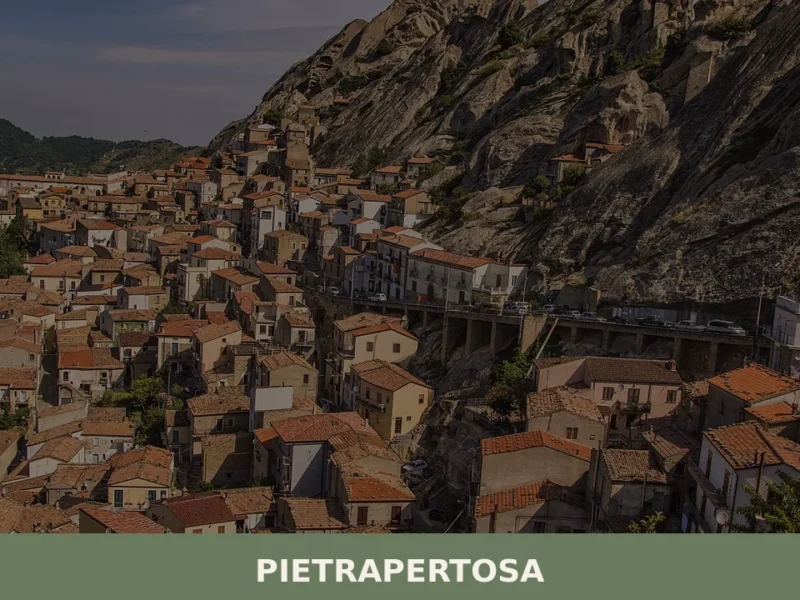
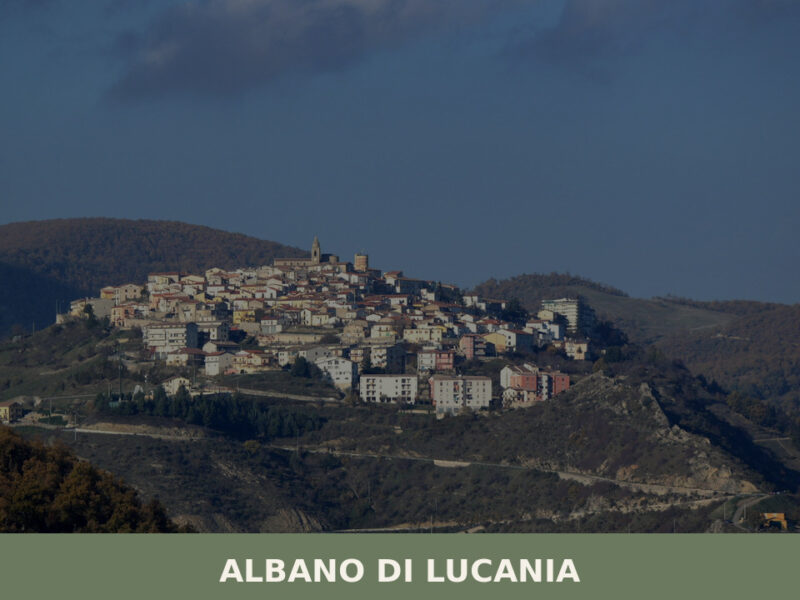
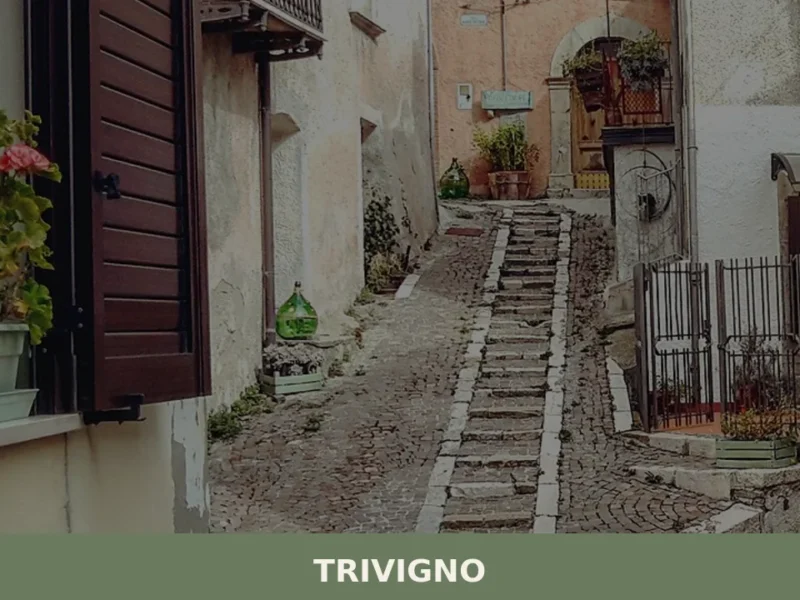
In Basilicata More villages to discover
Tursi
 Plains
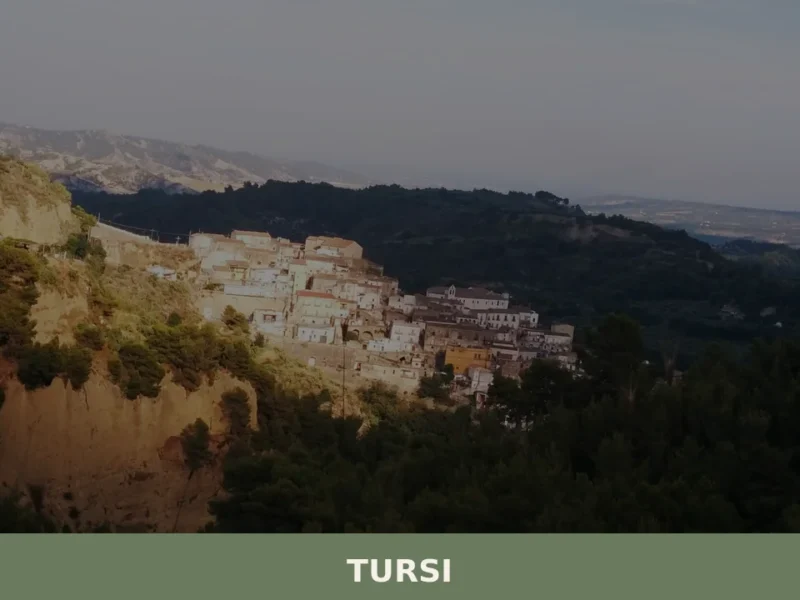
The ochre-yellow clay slopes that surround Tursi do not stay still. Every significant rainfall shifts the marly sediment, exposing new gullies in the Cenozoic rock and deepening the three chasms — the Palmara ditch to the north, the St. Francis ditch to the east, and the Cathedral ditch to the west — that have protected […]

Corleto Perticara
Mountain
What to see in Corleto Perticara, Basilicata, Italy: explore 5 top attractions, local food and festivals. Discover this Potenza province village at 680 m altitude.
Bella
Mountain
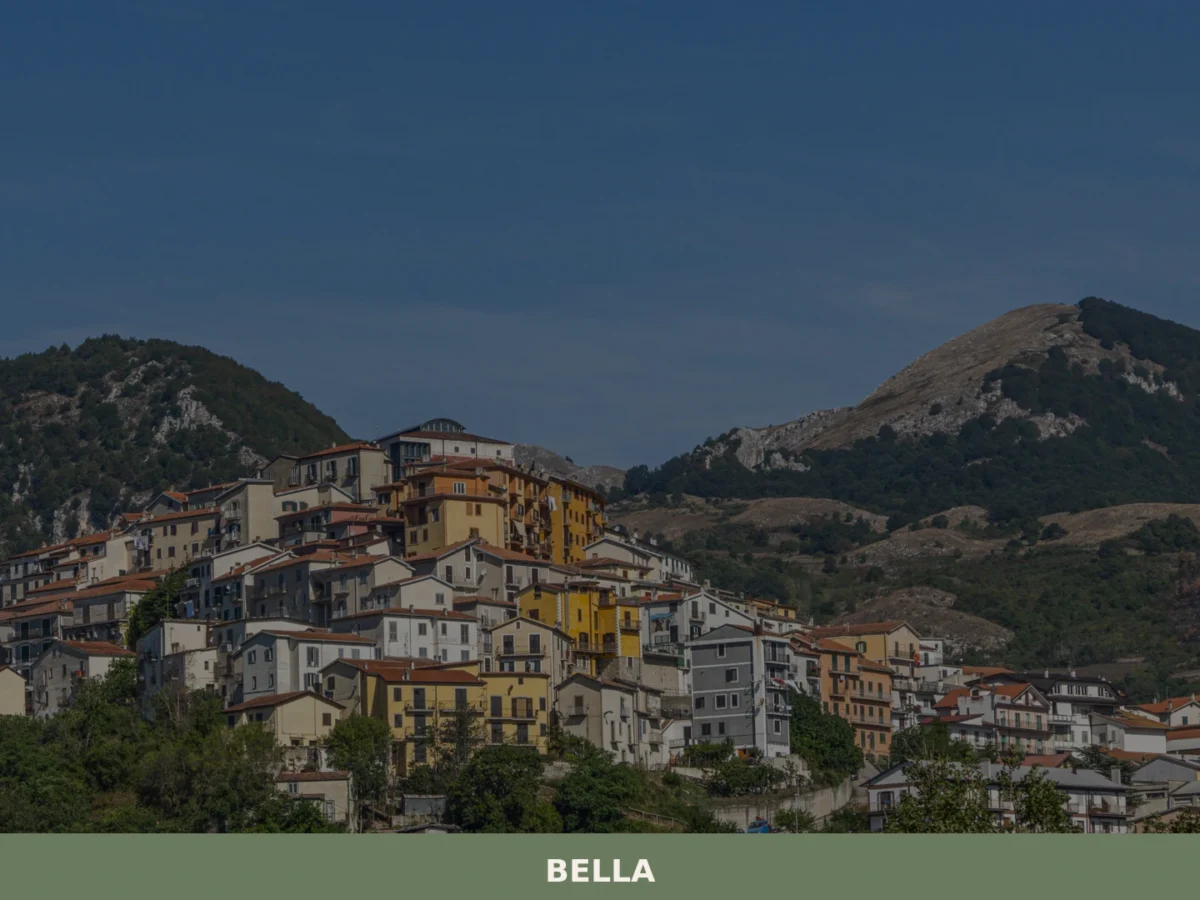
What to see in Bella, the Lucanian village of 4,516 inhabitants? Discover its must-see places and history. Plan your visit!

Filiano
Mountain
What to see in Filiano, Basilicata, Italy: explore the Grotta dei Pisconi rock art, Pecorino di Filiano PDO, and a 16th-century hilltop comune. Discover it now.
Chiaromonte
Mountain
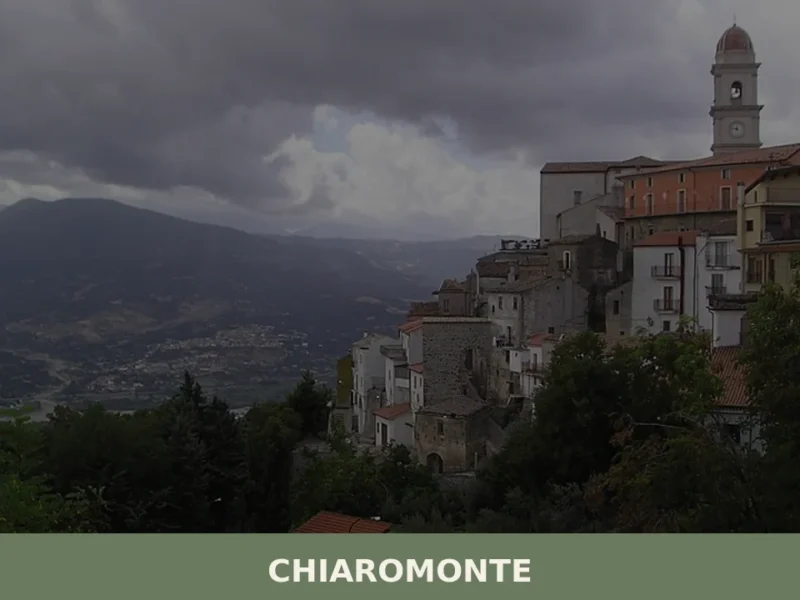
what to see in chiaromonte, Italy: Discover its 794m altitude and delve into its history, from ancient roots to the case study of Montegrano. Explore Basilicata.
Calvera
Mountain
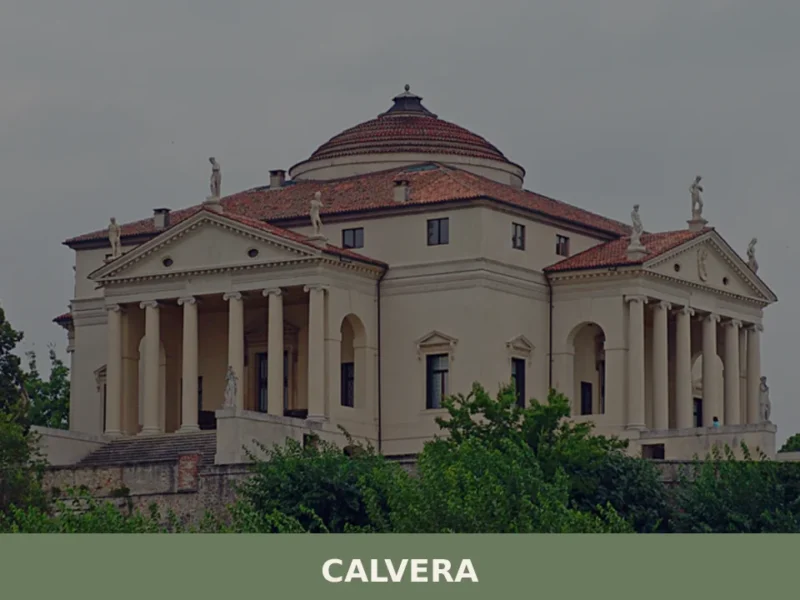
At 630 meters above sea level, in the heart of the province of Potenza, lies Calvera, a small Lucanian municipality distinguished by its elevated position and authentic atmosphere. The village, with its stone houses clinging to the hillside, offers panoramic views of the surrounding valley, bearing witness to a history of mountain life and a […]

Cirigliano
Mountain
What to see in Cirigliano, Italy: a medieval village with a 17th-century Pietu00e0, an oval castle tower, and local pasta traditions. Discover 5 top attractions.
Campomaggiore
Mountain
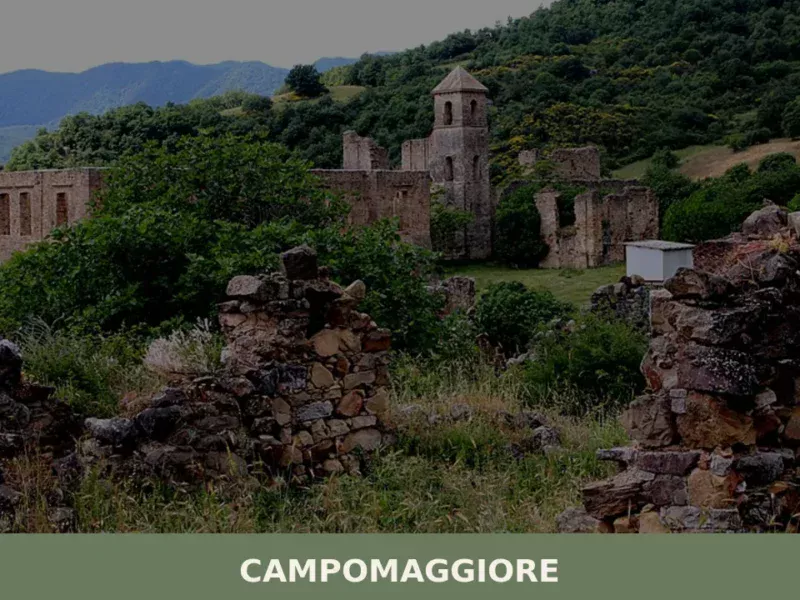
As the morning mist reluctantly peels back from the Lucanian Apennines, a faint scent of wild herbs drifts through the narrow lanes of Campomaggiore. At 795 meters above sea level, this small community, home to 832 inhabitants, begins its day with a quiet rhythm. Sunlight catches the weathered stone of an ancient wall, illuminating moss […]
Armento
Mountain
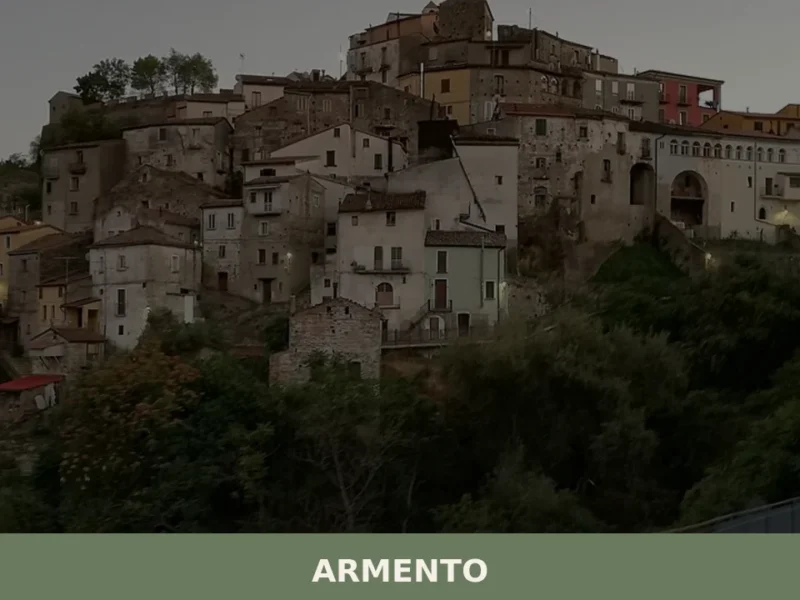
In 1814, a farmer unearthed a Lucanian funerary assemblage dating to the 4th century BC in the countryside around Armento: a golden crown, now held at the Antikensammlung in Munich, which confirmed the presence of a high-ranking Italic settlement in this part of the Val d’Agri. The village sits at 710 metres above sea level […]

Ferrandina
 Hills
Hills
What to see in Ferrandina, Basilicata, Italy: 6 historic churches, olive oil production, and a hilltop at 482 m. Discover top attractions and how to get there.


🏡 Know Castelmezzano better than we do?
If you’re a local or have been there, your knowledge matters: add what’s missing or fix a detail on this page.