


Castelmezzano
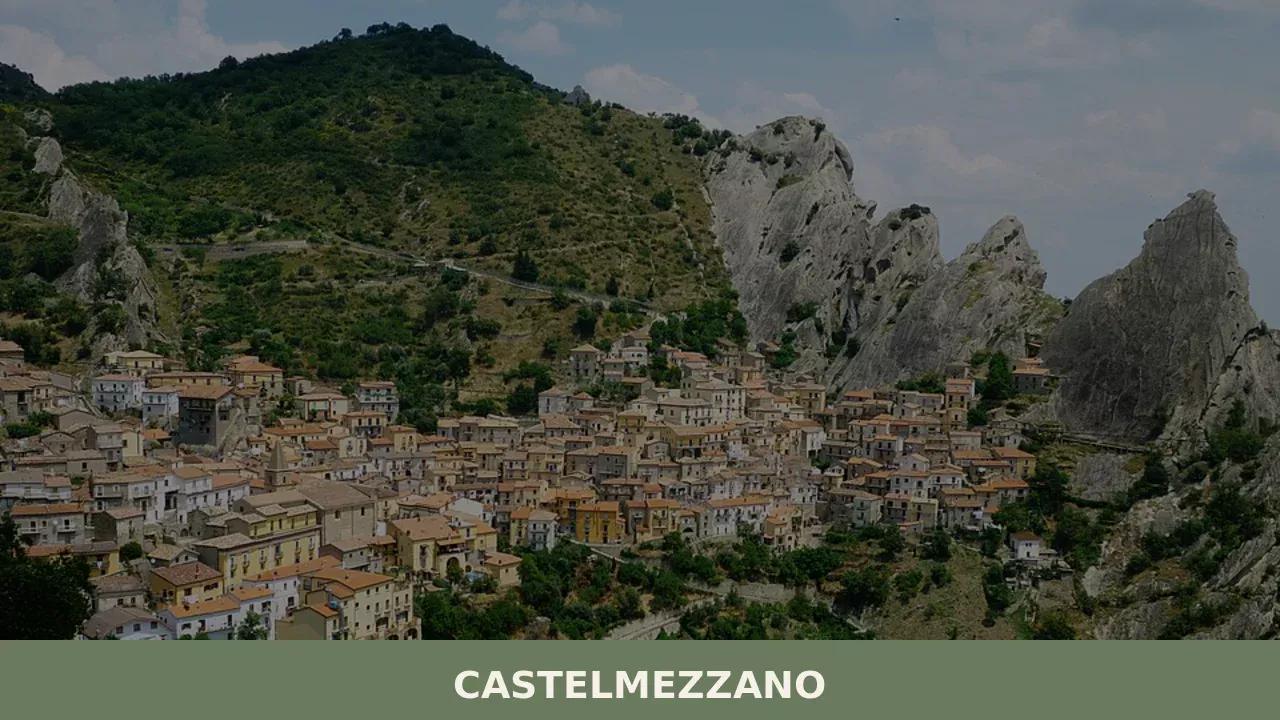
Castelmezzano, in Basilicata, has a population of 835 inhabitants and stands at 750 meters above sea level, in the province of Potenza. Its architecture unfolds among the rock formations of the Lucanian Dolomites, a mountain environment that defines the village’s character (for more information, consult the dedicated Wikipedia page). Probably founded in the Norman era, […]
Discover Castelmezzano
Castelmezzano, in Basilicata, has a population of 835 inhabitants and stands at 750 meters above sea level, in the province of Potenza. Its architecture unfolds among the rock formations of the Lucanian Dolomites, a mountain environment that defines the village’s character (for more information, consult the dedicated Wikipedia page). Probably founded in the Norman era, the settlement is arranged along slopes that follow the terrain’s morphology. For those wondering about what to see in Castelmezzano, the village offers a route through its urban structure and the surrounding landscape. Its identity is closely linked to the mountains, representing an example of settlement in a significant geological context. For more detailed information, you can visit the official website of the municipality.
History and Origins of Castelmezzano
The origins of Castelmezzano date back to the period between the 10th and 11th centuries, when a Norman-era fortification is presumed to have been built, from which the name “Castrum Medianum” derives. This Latin term probably indicated a strategic position, a “middle castle” between pre-existing settlements. The Norman presence has left traces in the village’s topography and its initial defensive structures.
Over the subsequent centuries, the territory saw various dominations alternate. The area was influenced by Lombard settlements and later experienced Saracen incursions, which led to the need for further fortification of the inhabited centers. Castelmezzano, due to its elevated position and protection from rock formations, maintained relative security, developing an urban structure that adapted to the uneven terrain.
The village experienced a long feudal period, coming under the control of various noble families who influenced its economic and social development. Its history is closely connected to the events of inland Basilicata, characterized by a predominantly agricultural and pastoral economy, and a strong interaction with the surrounding mountain environment.
What to see in Castelmezzano: 5 essential attractions
The Lucanian Dolomites
The rock formations of the Lucanian Dolomites define Castelmezzano’s landscape. These sandstone spires, shaped by atmospheric agents, surround the settlement with pointed profiles and ridges. It is possible to observe these geological structures closely via paths that go into the mountain, offering views of the natural forms that gave the chain its name.
The Angel Flight
A steel cable connects Castelmezzano to the village of Pietrapertosa, allowing for a flight experience. Harnessed and suspended, visitors travel hundreds of meters above the Basento valley, reaching high speeds. The activity takes place among the peaks of the Lucanian Dolomites, offering an aerial perspective of the landscape and the two settlements.
The Path of the Seven Stones
This thematic path connects Castelmezzano to Pietrapertosa, extending for about two kilometers. Along the route, seven artistic installations, made from local stone, recount a Lucanian folk legend. The path unfolds among woods and clearings, allowing for an exploration of the territory and its narrative culture through sculptural works.
The Mother Church of Santa Maria dell’Olmo
Built in the 13th century and later modified, the Mother Church of Santa Maria dell’Olmo features architectural elements that show its different construction periods. Inside, sacred artworks and wooden furnishings can be observed. The main facade, with its portal, represents a reference point in the village’s urban fabric.
The Historic Center and the Norman Stairway
The historic core of Castelmezzano develops with a network of streets and stairways that adapt to the terrain’s morphology. Among these, the Norman Stairway is a stepped path leading to the remains of the original castle. The dwellings, often built against the rock, demonstrate the integration between human construction and the natural environment.
Local Cuisine and Products
Castelmezzano’s gastronomic tradition, like that of inland Basilicata, is rooted in the flavors of the land and pastoral farming. Among the most representative dishes are lagane e ceci, a fresh pasta cut into wide strips accompanied by legumes, and strascinati, a typical pasta shape often seasoned with lamb ragu or sauces based on local vegetables. The use of simple, seasonal ingredients is constant, with particular attention to products offered by the surrounding mountains and fields.
The territory contributes specific products that enhance the table. The Senise Pepper PGI, dried and used as powder or fried, is a key ingredient in many preparations. Among the cheeses, Caciocavallo Podolico, produced from Podolica cattle raised in the wild, offers an intense and distinct flavor. Legumes such as lentils and beans are also present, forming the base of soups and stews, along with extra virgin olive oil, a fundamental element of the Lucanian Mediterranean diet. Local festivals, particularly during the patron saint’s day, often feature these specialties.
When to visit Castelmezzano: the period
In Basilicata More villages to discover
Armento
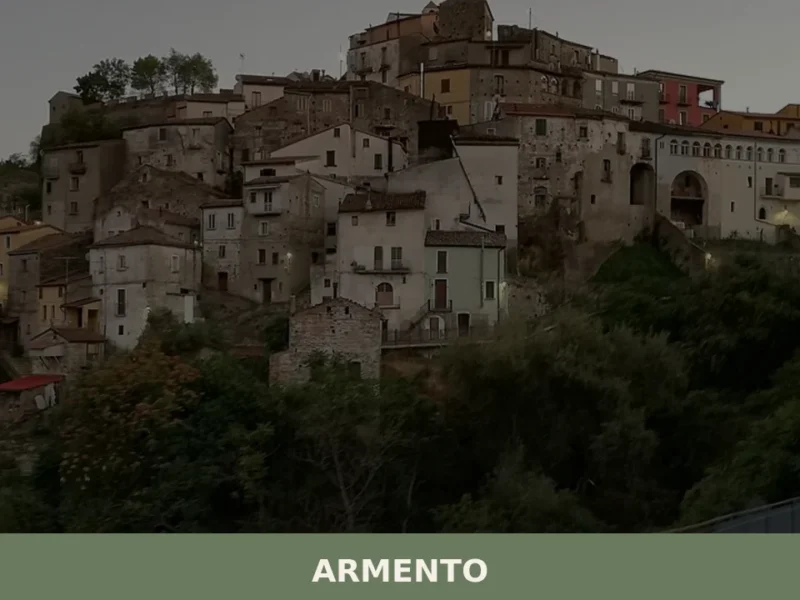
In 1814, a farmer unearthed a Lucanian funerary assemblage dating to the 4th century BC in the countryside around Armento: a golden crown, now held at the Antikensammlung in Munich, which confirmed the presence of a high-ranking Italic settlement in this part of the Val d’Agri. The village sits at 710 metres above sea level […]
Campomaggiore
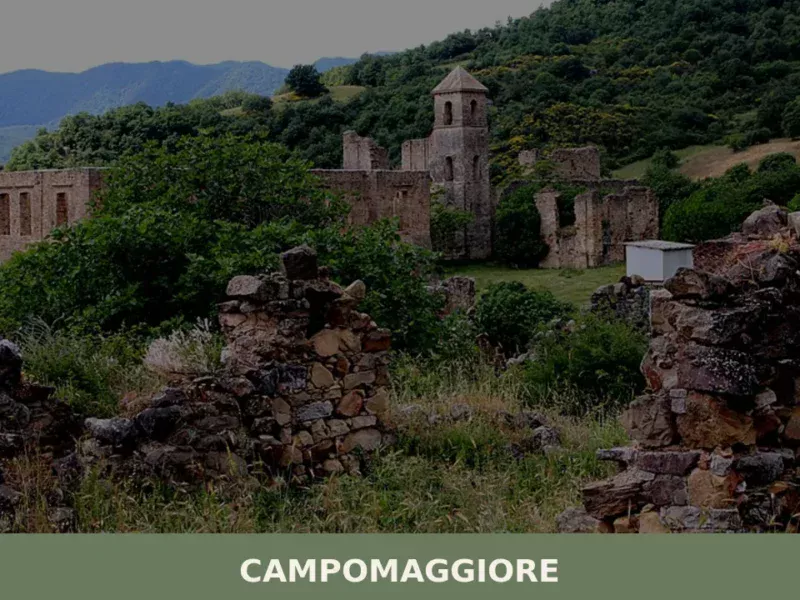
As the morning mist reluctantly peels back from the Lucanian Apennines, a faint scent of wild herbs drifts through the narrow lanes of **Campomaggiore**. At 795 meters above sea level, this small community, home to 832 inhabitants, begins its day with a quiet rhythm. Sunlight catches the weathered stone of an ancient wall, illuminating moss […]
Abriola
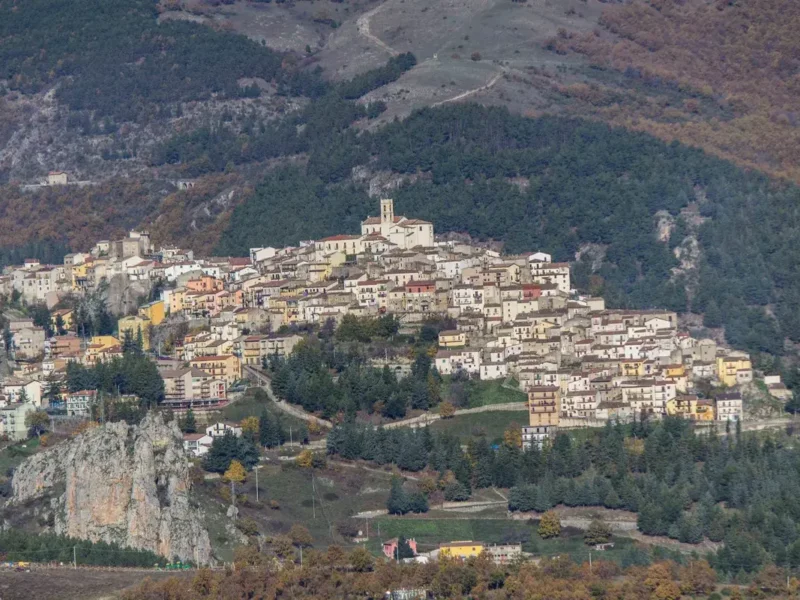
A highland village of 1,306 inhabitants in Basilicata's Lucanian Apennines. Discover what to see in Abriola — from its medieval lanes to the woodland sanctuary of Monteforte.




📝 Incorrect information or updates?
Help us keep the Castelmezzano page accurate and up to date.