


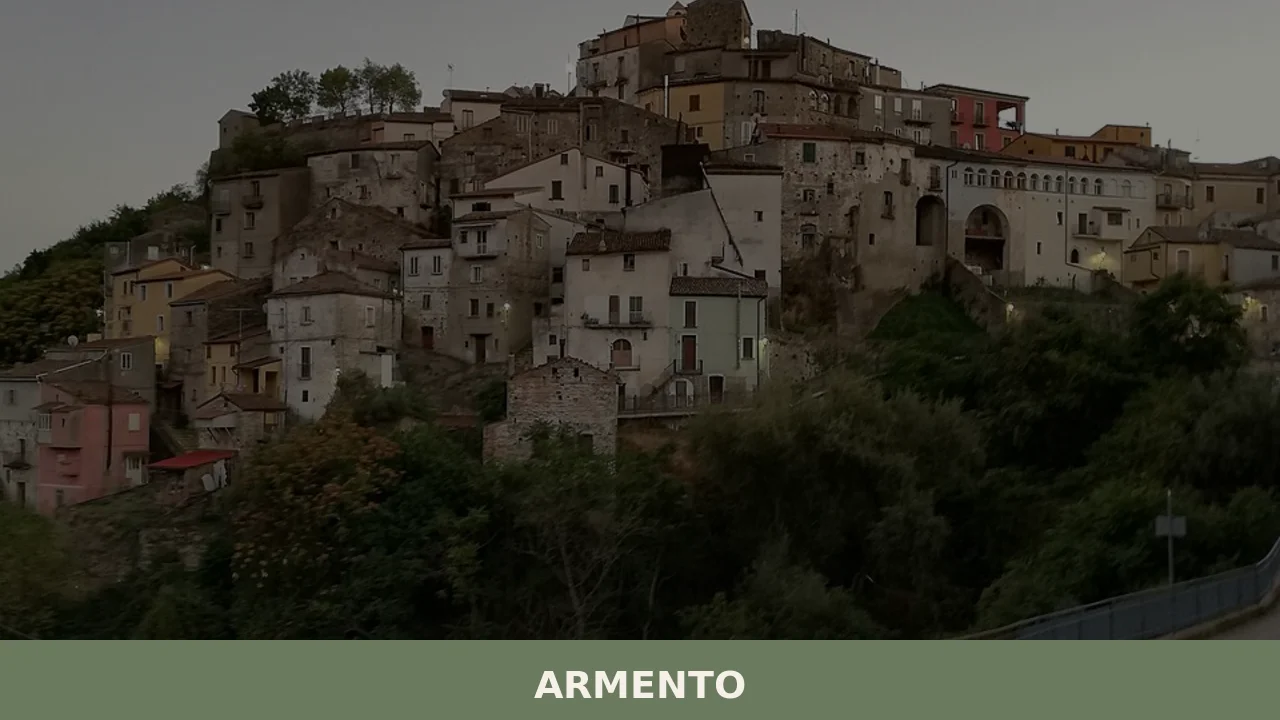
Armento
 Mountain
In 1814, a farmer unearthed a Lucanian funerary assemblage dating to the 4th century BC in the countryside around Armento: a golden crown, now held at the Antikensammlung in Munich, which confirmed the presence of a high-ranking Italic settlement in this part of the Val d’Agri. The village sits at 710 metres above sea level […]
Discover Armento
In 1814, a farmer unearthed a Lucanian funerary assemblage dating to the 4th century BC in the countryside around Armento: a golden crown, now held at the Antikensammlung in Munich, which confirmed the presence of a high-ranking Italic settlement in this part of the Val d’Agri. The village sits at 710 metres above sea level in the province of Potenza, has 552 inhabitants, and retains traces of a stratification spanning from pre-Roman times to the late Middle Ages. Asking what to see in Armento means working through these layers one by one, from underground remains to bell towers.
History and origins of Armento
The earliest documentary references to the name date to the Norman period, when the 12th-century Catalogus Baronum recorded the fief under the designation Armentum, a Latin term linked to livestock rearing — an activity that defined the local economy for centuries. The area, however, was inhabited long before that: Lucanian-era finds uncovered in the 19th and 20th centuries in the surrounding rural districts document continuous occupation from at least the 5th century BC. Among these, alongside the famous golden crown, are red-figure ceramics and votive bronzes now distributed across several European museums.
During the Middle Ages, Armento passed under the control of various feudal families, including the Sanseverino, a powerful house of the Kingdom of Naples. The village suffered damage in the earthquake of 1857, the so-called “Great Earthquake of Basilicata” studied by the Irish seismologist Robert Mallet, which caused widespread destruction throughout the Val d’Agri. Reconstruction partially altered the original urban layout, but the oldest core still preserves the concentric-band structure typical of medieval defensive settlements in the region.
The patron saint of the village is Saint Philip Neri, the Florentine priest who founded the Congregation of the Oratory, whose feast day marks the community calendar and serves as the main occasion for collective gathering.
What to see in Armento: the main attractions
1. Chiesa Madre di San Marco Evangelista
The main religious building in the village, the Chiesa Madre has a single-nave plan that was reworked after the 19th-century earthquake damage. Inside, there are side altars in local stone and wooden statues of southern Italian craftsmanship dating to between the 17th and 18th centuries. The sober façade looks out onto a small open space that serves as an orientation point within the urban fabric.
2. Ruins of the feudal castle
In the upper part of the settlement, the remains of the medieval fortified structure survive as a few perimeter walls and stretches of foundation. The position provides a vantage point over the Agri valley and the surrounding ridges of the Lucanian Apennines. A reading of the masonry makes it possible to distinguish at least two construction phases, one Norman and one Angevin.
3. Historic centre and vernacular architecture
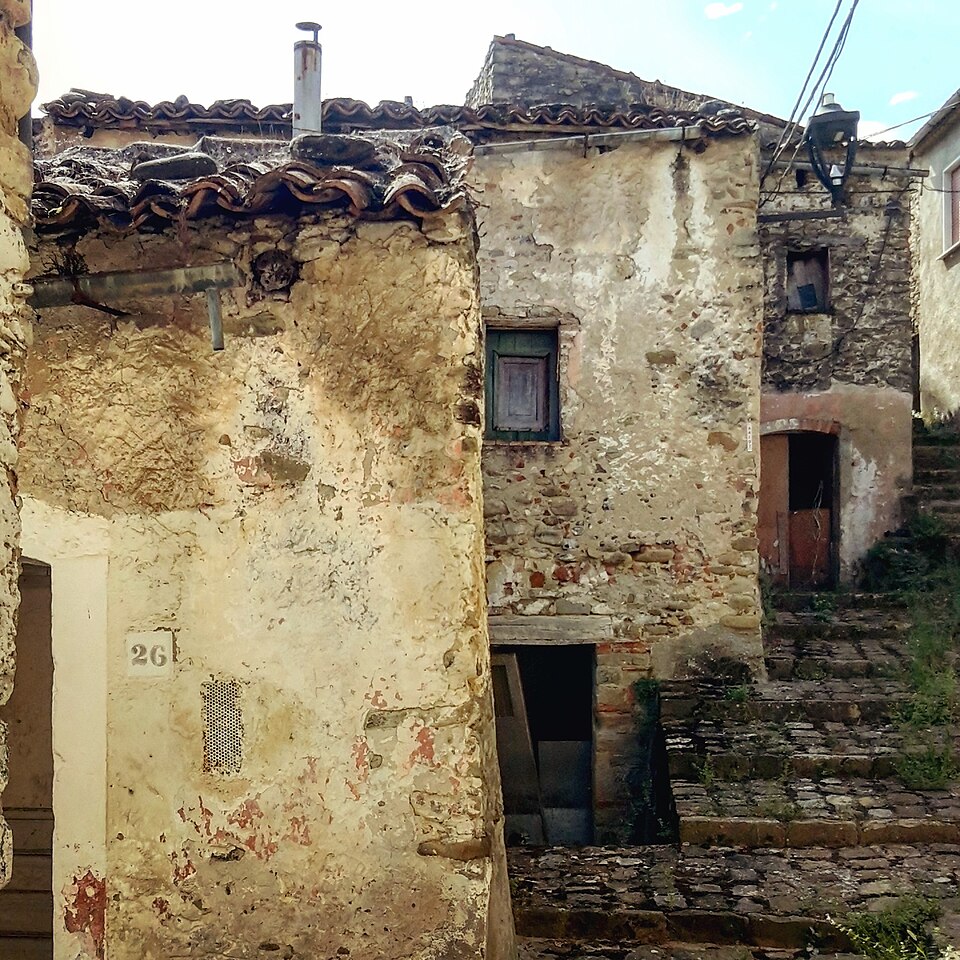
The dwellings in the old core feature portals in carved sandstone, many of which bear dates incised between the 17th and 18th centuries. Small noble palazzi, recognisable by their wrought-iron balconies and family crests on the lintels, alternate with farmhouses that have external masonry staircases. The urban layout follows the morphology of the ridge without any regularising interventions.
4. Lucanian archaeological sites in the rural districts
The areas where Lucanian funerary assemblages were found lie in the countryside around the village. Although the most significant artefacts are exhibited elsewhere — at the National Archaeological Museum of Basilicata in Potenza and in foreign collections — the excavation sites document the importance of the territory as a node in the network of pre-Roman Italic settlements in the Val d’Agri.
5. Mountain trails towards the Apennine ridge
Armento is a starting point for hiking routes that climb to the higher elevations of the Lucanian Apennines, passing through woods of Turkey oak and beech. The trails — partly coinciding with old mule tracks used for transhumance — connect the village to the highest areas of the ridge, where above 1,200 metres the vegetation thins out and the views open up across the surrounding valleys.
Local cuisine and regional produce
The cooking of Armento reflects the mountain diet of upper Basilicata, built on legumes, cereals, sheep meat, and cured meats. The most common dishes in homes and the few local trattorias include rascatielli — fresh pasta shaped by hand with the fingers and dressed with a lamb ragù — and ciaudedda, a spring soup of broad beans, artichokes, and potatoes. Lamb, raised on the surrounding pastures, is cooked over embers or braised in a pan with dried peppers.
Among the local products are the white bean grown in the vegetable gardens of the Val d’Agri, hard-paste pecorino aged in caves, and durum wheat bread leavened with sourdough and baked in wood-fired ovens still in use in some households in the centre. Extra virgin olive oil production, limited by the high altitude, is found in the lower, south-facing parts of the municipal territory.
When to visit Armento: the best time of year
The most suitable period runs from May to October. In summer, temperatures remain moderate — the July average hovers around 22–24 °C thanks to the 710-metre altitude — and the long days allow hikers to cover the mountain trails with good light until evening. The feast of Saint Philip Neri, celebrated on 26 May, is the occasion to observe the procession and communal rite in their fullest form: a brass band, fireworks, and tables laid in homes open to visitors.
Autumn, between September and November, brings the colours of the Turkey oak woods and coincides with the gathering of mushrooms and chestnuts in the surrounding countryside. Winter is harsh, with snowfall possible between December and March: access roads can become difficult in icy conditions, and many seasonal businesses close. For those seeking the village at its most intimate and quiet, February and March offer a sharp, depopulated atmosphere.
How to get to Armento
By car from Naples, take the A3 Salerno–Reggio Calabria motorway to the Atena Lucana exit, then continue on the E847 (Raccordo Autostradale Basentana) towards Potenza and turn off towards the Val d’Agri following signs for Grumento Nova and Armento. The total distance from Naples is about 180 km, with a driving time of roughly 2 hours and 30 minutes. From Potenza, the distance is about 90 km, which takes around an hour and a half along mountain state and provincial roads.
The nearest railway station is Grumento Nova-Moliterno, served by the Battipaglia–Potenza–Metaponto line, from which you need to continue by private transport or local shuttle services. The nearest airport is Karol Wojtyła in Bari, about 180 km away; alternatively, Naples Capodichino airport is approximately 200 km distant. The regional bus network, operated by local companies, connects Armento to Potenza with limited services: it is advisable to check timetables in advance.
What to see in Armento and in the nearby villages of Basilicata
The mountain territory surrounding Armento is home to other small settlements, each with its own architectural and landscape character. To the south-east, along the Serrapotamo valley, lies Calvera, a village of a few hundred inhabitants that shares with Armento its mountain setting and the scars of the 1857 earthquake. The two communities, less than twenty kilometres apart, represent two variants of the same Lucanian settlement model: compact clusters on a ridge, agro-pastoral economies, and demographic decline in the second half of the 20th century.
To the north-west, closer to Potenza, the village of Anzi offers another interesting comparison: situated at a similar altitude but on a different slope of the Lucanian Apennines, it preserves a rock-cut church and archaeological finds that document its pre-Roman origin. Anyone visiting this part of Basilicata can put together a three- or four-day itinerary linking these villages, travelling along provincial roads with little traffic and crossing landscapes that alternate between woodland, pasture, and cereal cultivation depending on the elevation.
Frequently asked questions about Armento
What is the best time to visit Armento?
May to October is the ideal window. Summer temperatures average 22–24 °C thanks to the 710-metre altitude, making the village comfortable when lowland Basilicata is very hot. The feast of Saint Philip Neri on 26 May is the highlight of the community calendar: expect a brass band procession, fireworks, and homes open to visitors. Autumn (September–November) brings striking colours to the Turkey oak woods and is the season for mushroom and chestnut gathering. Winter brings heavy snow and possible road closures; from December to March many local businesses shut.
What to see in Armento? Main monuments and landmarks
The Chiesa Madre di San Marco Evangelista is the main reference point, with 17th–18th-century wooden statues and stone altars inside a single-nave space reworked after the 1857 earthquake. In the upper village, the ruins of the medieval castle offer panoramic views over the Val d'Agri. The historic centre rewards slow walking: look for sandstone portals with incised dates, wrought-iron balconies on small noble palazzi, and external masonry staircases on farmhouses. No admission fees are generally applied to outdoor areas; check locally for church opening times.
What are the main natural or scenic attractions of Armento?
Armento is a gateway to the Lucanian Apennine ridge via old transhumance mule tracks that pass through Turkey oak and beech woods. Above 1,200 metres the forest thins and wide views open across the surrounding valleys. The Val d'Agri landscape visible from the castle ruins and the ridge trails is the primary scenic draw. The municipal territory also includes south-facing slopes at lower altitude where olive cultivation survives, offering a contrasting landscape to the high woodland belt.
Where to take the best photos in Armento?
The remains of the feudal castle in the upper village provide the widest vantage point: from here the Agri valley and the ridges of the Lucanian Apennines are visible in a single frame, best lit in the late afternoon. The sandstone portals and wrought-iron balconies of the historic centre offer close-up architectural subjects. On the Apennine trails above 1,200 metres, the open ridge gives unobstructed panoramas across multiple valleys, particularly rewarding in autumn when the oak canopy turns.
Are there museums, churches or historic buildings to visit in Armento?
The Chiesa Madre di San Marco Evangelista houses 17th–18th-century wooden statues and carved stone altars; check with the parish or municipality for current opening hours, as access in small Basilicata villages is often by request. The ruins of the medieval castle, with masonry distinguishable between Norman and Angevin phases, are accessible in the upper village. Artefacts from the Lucanian funerary sites found around Armento — including red-figure ceramics and votive bronzes — are held at the National Archaeological Museum in Potenza and at the Antikensammlung in Munich.
What can you do in Armento? Activities and experiences
Hiking is the principal outdoor activity: trails following old transhumance mule tracks climb from the village through oak and beech woodland to the Apennine ridge above 1,200 metres. In autumn, the surrounding countryside is productive for mushroom and chestnut foraging. The feast of Saint Philip Neri on 26 May offers the chance to observe a traditional southern Italian patronal celebration in its full form. A combined itinerary linking Armento with nearby Calvera and Anzi — connected by low-traffic provincial roads — suits those interested in Lucanian mountain culture and pre-Roman archaeology.
Who is Armento suitable for? Families, couples, hikers, solo travelers?
Armento suits hikers and walkers drawn to Apennine mountain routes through oak and beech woodland. History enthusiasts will find the medieval castle remains, the pre-Roman archaeological context, and the layered urban fabric rewarding. Couples and slow-travel visitors looking for an unhurried, non-touristy Basilicata experience will appreciate the intact historic centre and the moderate summer climate. Families with young children and travellers expecting tourist infrastructure should be aware that services are very limited in a village of 552 inhabitants; self-sufficiency and a car are essential.
What to eat in Armento? Local products and specialties
The local table centres on mountain staples: rascatielli, fresh hand-shaped pasta served with lamb ragù, and ciaudedda, a spring soup of broad beans, artichokes, and potatoes. Lamb raised on the surrounding pastures is roasted over embers or braised with dried peppers. Look for hard-paste pecorino aged in caves, the white bean grown in Val d'Agri vegetable gardens, and sourdough durum wheat bread baked in wood-fired ovens. Olive oil from the lower south-facing slopes of the municipal territory is produced in limited quantities at high altitude.
📷 Photo Gallery — Armento
Nearby Villages near Armento

In Basilicata More villages to discover
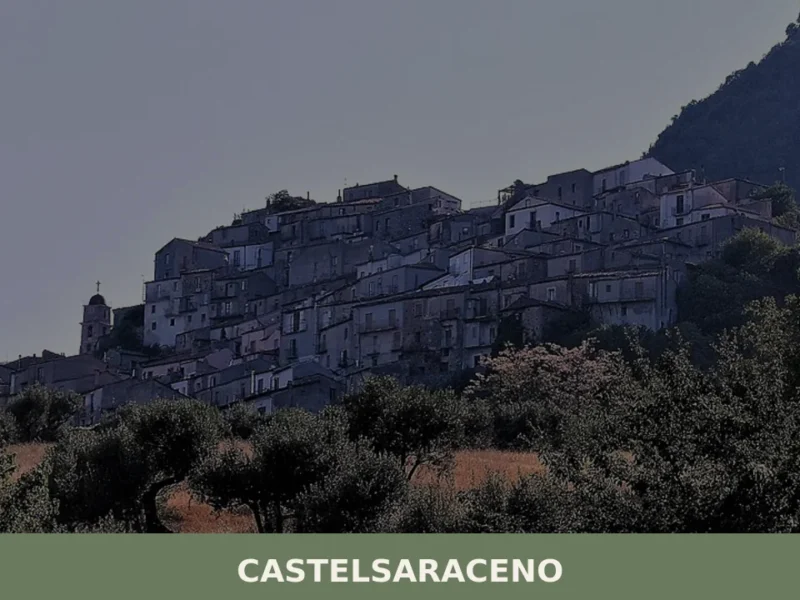
Castelsaraceno
Mountain
What to see in Castelsaraceno, Italy? Explore this mountain village at 916 m (3,005 ft) altitude. Discover the 586 m (1,923 ft) Tibetan Bridge and its historic core. Read our guide.
Calvello
Mountain
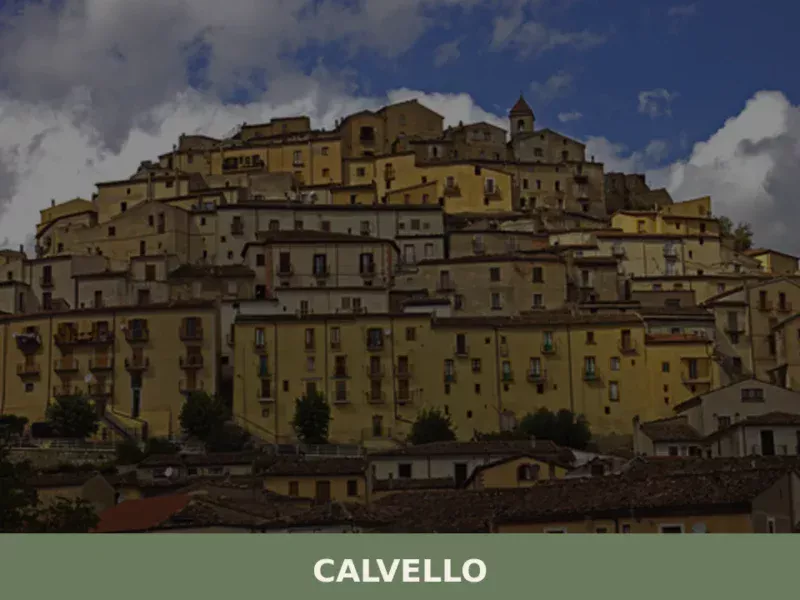
Calvello has 1,768 inhabitants and sits at 730 metres above sea level in the middle Camastra valley, in the province of Potenza. The town extends along the slope that descends from the ruins of the Norman castle down to the plain where the local streams converge. Asking what to see in Calvello means crossing an […]
Aliano
 Hills
Hills
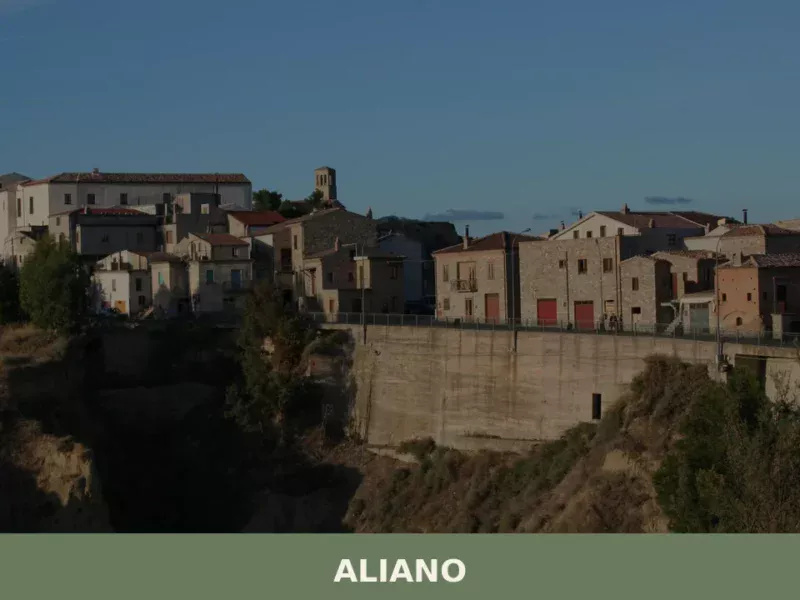
Discover what to see in Aliano, Basilicata: Carlo Levi's exile house, the dramatic calanchi landscape, local olive oil culture and practical travel tips.
Castronuovo di Sant’Andrea
Mountain
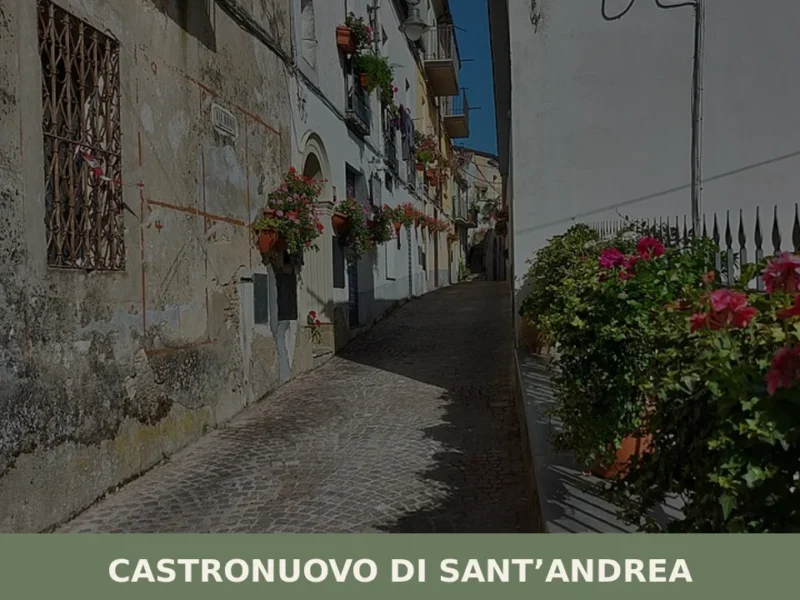
With a population of 1,111 inhabitants, Castronuovo di Sant’Andrea is a Lucanian town located in the province of Potenza, in the heart of the southern Apennines. The settlement, whose origins are lost in the folds of history, presents an urban structure that reflects centuries of layers. For those wishing to understand the essence of this […]
Trivigno
Mountain
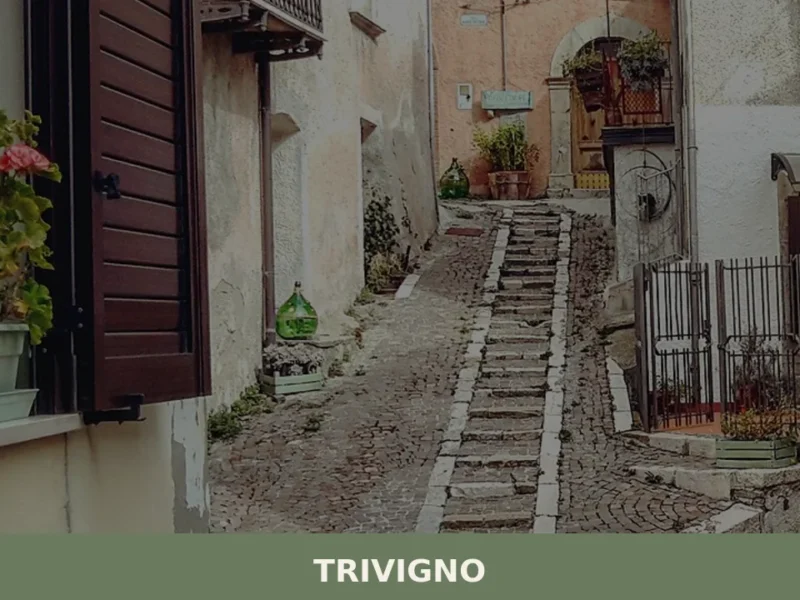
Trivigno has a current population of 570 and occupies a ridge at 725 metres above sea level in the middle Basento valley, in the province of Potenza. Its territory extends across fields of durum wheat and Turkey oak woods covering the eastern slopes up to the borders with neighbouring municipalities. Those looking for what to […]
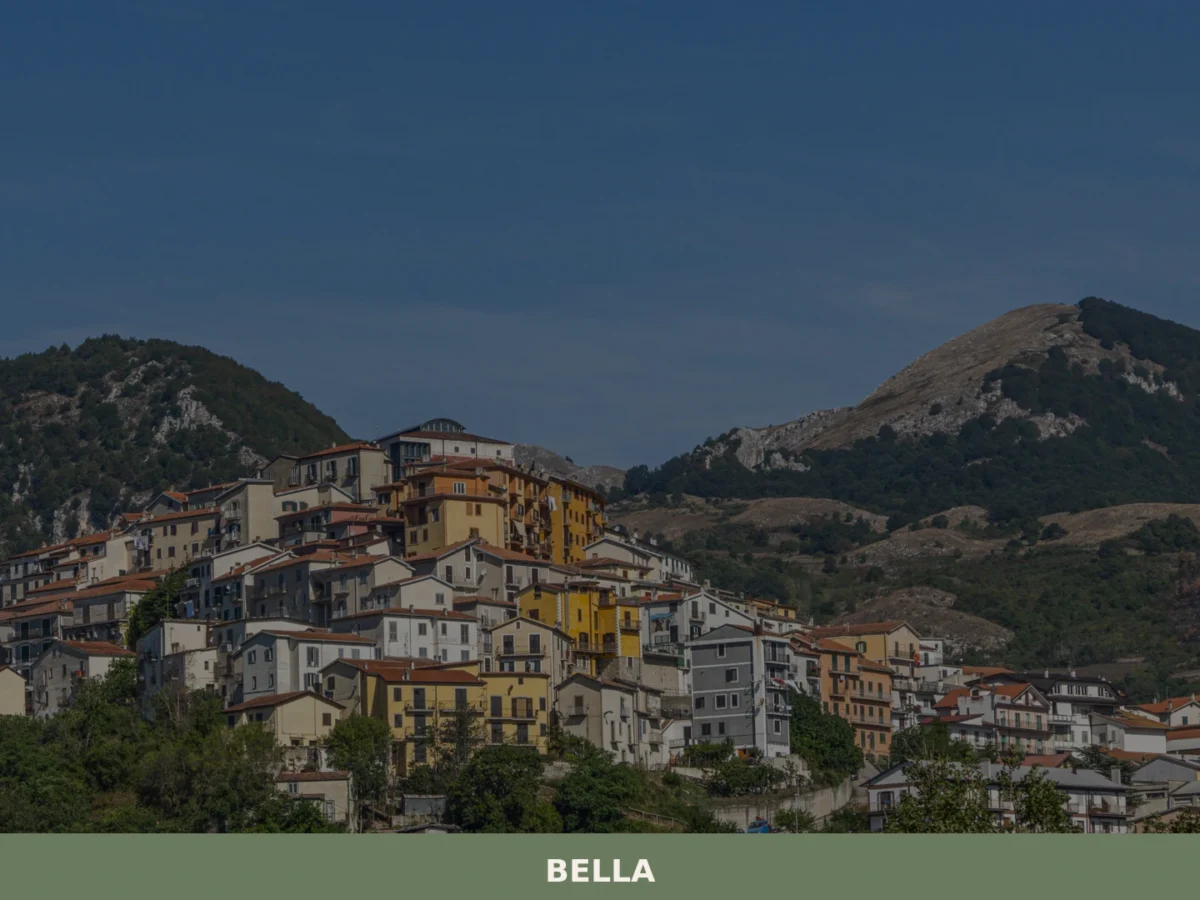
Bella
Mountain
What to see in Bella, the Lucanian village of 4,516 inhabitants? Discover its must-see places and history. Plan your visit!

Corleto Perticara
Mountain
What to see in Corleto Perticara, Basilicata, Italy: explore 5 top attractions, local food and festivals. Discover this Potenza province village at 680 m altitude.
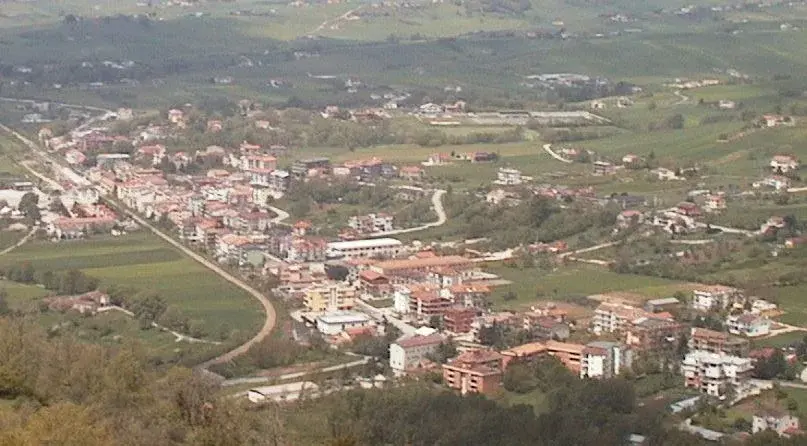
Baragiano
Mountain
What to see in Baragiano, Italy: a village at 625 m altitude with 2,485 inhabitants. Discover top attractions, local food, festivals and how to get there.
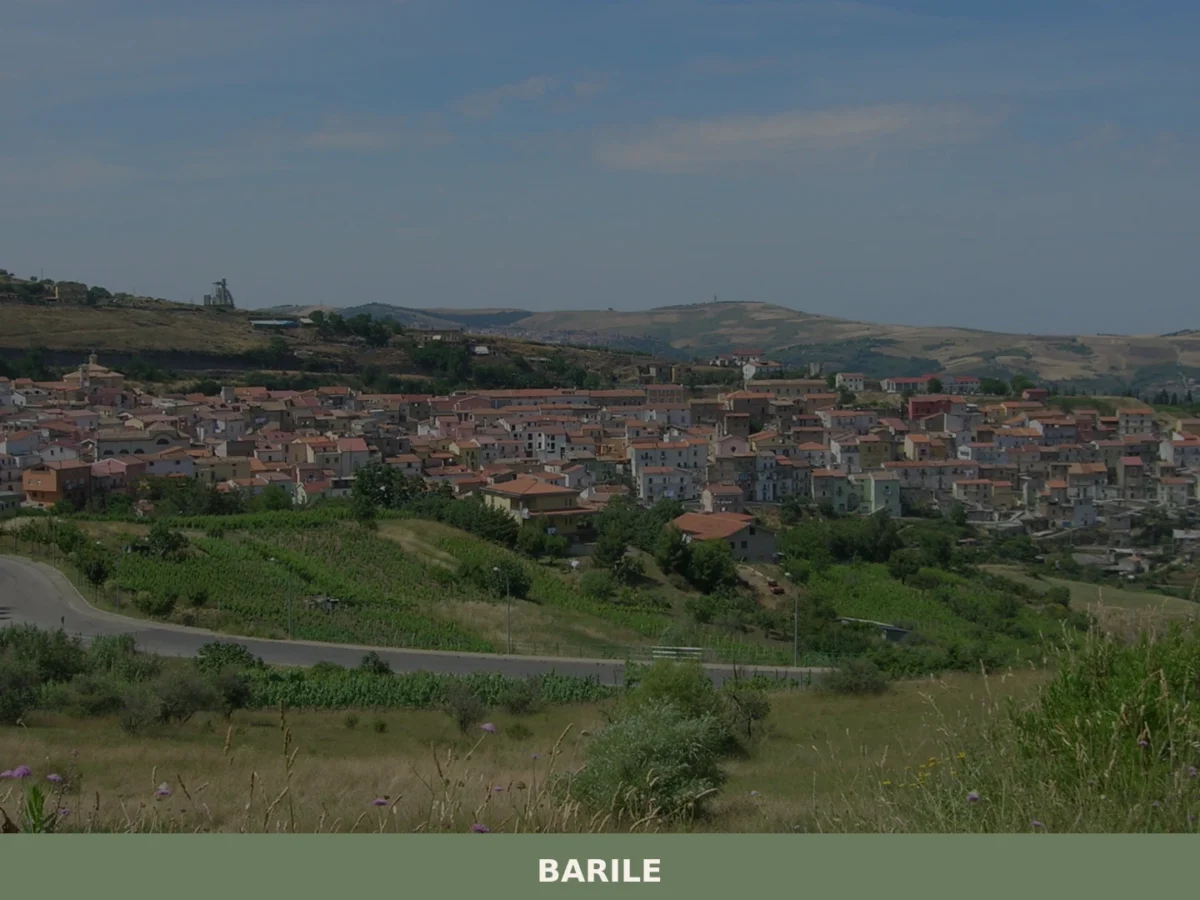
Barile
Mountain
What to see in Barile? Discover 5 must-see attractions in this Basilicata village. The complete guide to visiting Barile awaits you. Plan your trip!
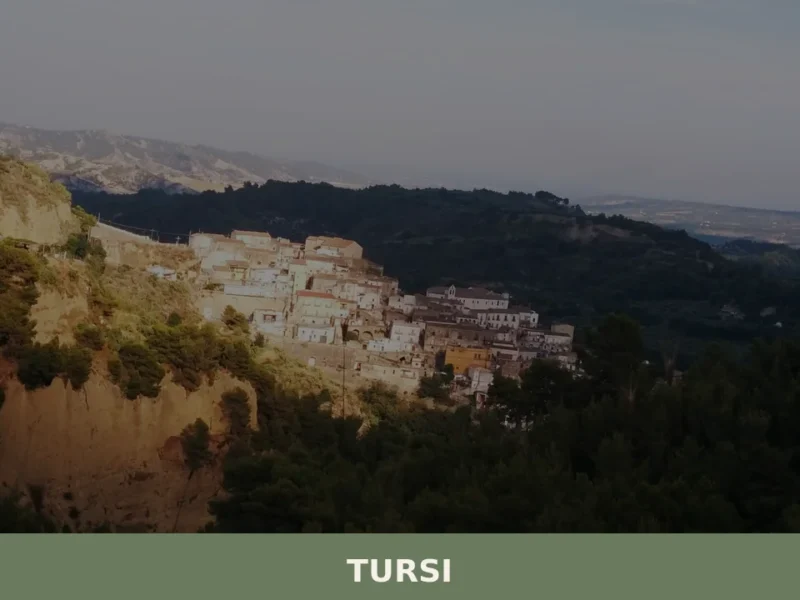
Tursi
 Plains
The ochre-yellow clay slopes that surround Tursi do not stay still. Every significant rainfall shifts the marly sediment, exposing new gullies in the Cenozoic rock and deepening the three chasms — the Palmara ditch to the north, the St. Francis ditch to the east, and the Cathedral ditch to the west — that have protected […]



🏡 Know Armento better than we do?
If you’re a local or have been there, your knowledge matters: add what’s missing or fix a detail on this page.