


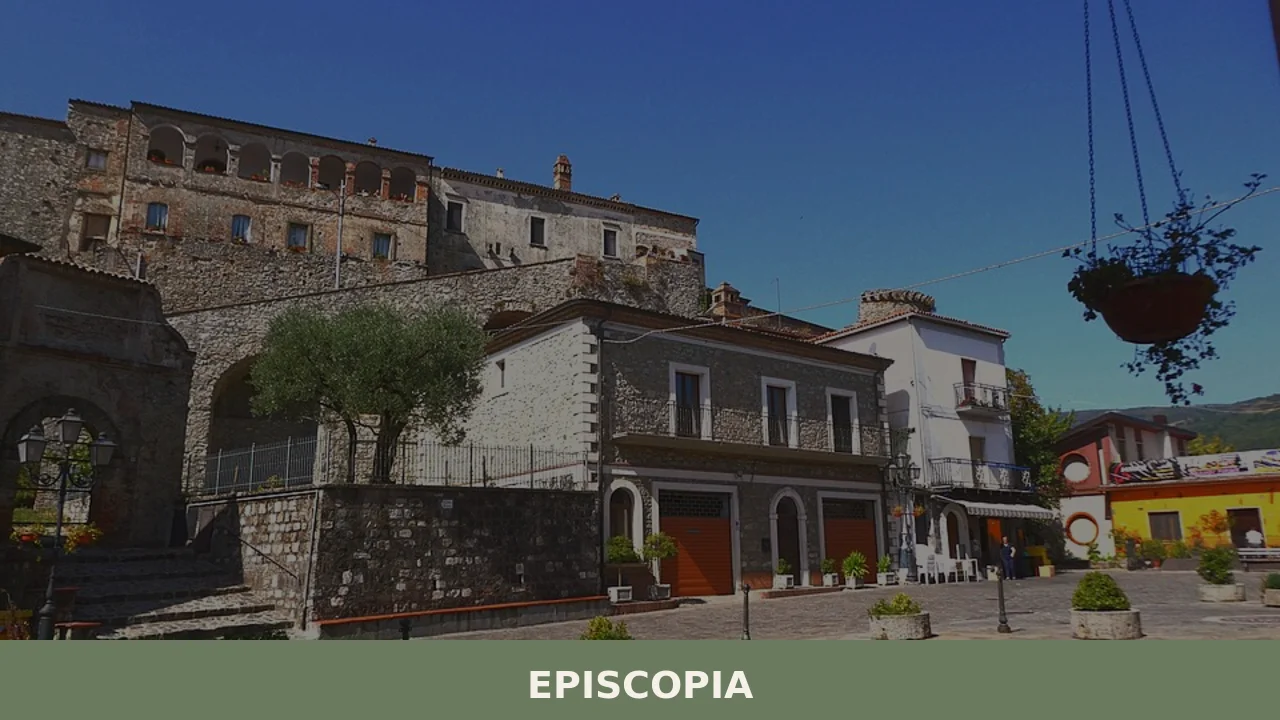
Episcopia
 Hills
Hills
Episcopia, in Basilicata, stands at 530 meters above sea level, an altitude that influences its climate and its relationship with the surrounding landscape. Its name, of Greek origin, means “episcopal see,” suggesting an ecclesiastical importance established since the Byzantine era, a fact that traces its initial historical identity. For those wondering what to see in […]
Discover Episcopia
Episcopia, in Basilicata, stands at 530 meters above sea level, an altitude that influences its climate and its relationship with the surrounding landscape. Its name, of Greek origin, means “episcopal see,” suggesting an ecclesiastical importance established since the Byzantine era, a fact that traces its initial historical identity. For those wondering what to see in episcopia, the village offers a route through religious and civil architecture that reflects the layers of power and culture that succeeded one another over centuries, from the Norman to the Aragonese, up to the modern age. Its streets and buildings speak of a community that has preserved its character, keeping the memory of its origins alive.
History and Origins of Episcopia
The history of Episcopia is rooted in a period of territorial transition and consolidation. The first documented records date back to the 11th century, when the village is mentioned as part of the Norman dominion in Southern Italy. The name “Episcopia” is not coincidental: it derives from the Greek “episkopía,” meaning “episcopal see” or “place of observation,” attesting to a significant strategic or religious role already in the Byzantine era, long before the Normans arrived. The Normans, after conquering the region, incorporated Episcopia into their feudal system, entrusting its control to various noble families. In subsequent centuries, Episcopia came under the control of powerful families such as the Sanseverino and the Ruffo, who influenced its architectural and social development. The presence of a castle, of which traces and integrations into more recent buildings remain today, is evidence of this long feudal domination. The village has experienced periods of growth and difficulty, including seismic events that partially reshaped its urban layout, such as the 1857 earthquake which caused significant damage. Despite these changes, Episcopia has maintained its urban character, with the historic center developing around the mother church and the main civil buildings. For historical insights, you can consult the
Wikipedia page dedicated to Episcopia.
What to See in Episcopia: 5 Must-Visit Attractions
1. Mother Church of San Nicola di Bari
The main place of worship in the village, the Mother Church is dedicated to San Nicola di Bari, the patron saint of Episcopia. Its current structure is the result of successive reconstructions and restorations over time, particularly after earthquakes. It features architectural elements ranging from Romanesque to Baroque, with a bell tower rising above the square. Inside, sacred artworks are preserved, including canvases and wooden statues, which represent a cultural heritage of the community.
2. Convent of Sant’Antonio
The Convent of Sant’Antonio is a monastic complex that played a significant role in the religious and social life of Episcopia. Probably founded in the late medieval period, it housed Franciscan friars for centuries. Its architecture, although modified, retains the typical layout of convents, with a central cloister and an adjoining church. It is a place that invites reflection and the discovery of local spirituality.
3. Baronial Palace
Of the Baronial Palace, which was the residence of Episcopia’s feudal lords, some structural elements integrated into the urban fabric remain today. Its presence attests to the power of the families who dominated the village for centuries. Although it is not a building that can be visited in its entirety as it once was, its remains and traces allow one to imagine the grandeur and function of this center of power.
4. Monumental Fountain
The Monumental Fountain is a distinctive element in the center of Episcopia, a landmark and a gathering place. Made of stone, with a basin and water jets, it represents not only a hydraulic work but also a symbol of community life and the village’s historical water supply. Its aesthetics reflect the taste of the era in which it was built or restored.
5. The Historic Center and its Views
Walking through the streets of Episcopia’s historic center allows one to grasp the traditional urban layout of the village. Stone houses, some with ancient portals, line paths that occasionally open up to glimpses of the surrounding landscape. These views, often towards the valleys and hills of Basilicata, offer a perspective on the territory that surrounds the inhabited area. For more details on the municipality, you can visit the official website of the Municipality of Episcopia.
Typical Cuisine and Local Products
The cuisine of Episcopia, like that of all Basilicata, expresses a rural tradition that values local produce and inherited recipes. Simple and genuine ingredients, often locally sourced, form the basis of dishes with distinct flavors. Among the most representative preparations are “lagane e ceci” or “lagane e fagioli,” fresh homemade pasta made with water and flour, seasoned with slowly cooked legumes. Another typical dish is “strascinati,” a concave-shaped pasta that effectively holds sauce, often accompanied by meat ragù or seasonal vegetables. Local products include the renowned “peperoni cruschi,” sweet red peppers dried and briefly fried in olive oil, which acquire a crispy texture and a unique flavor, used both as a side dish and as an ingredient to enrich other dishes. Also present is “lucanica,” a type of fresh or aged sausage that originates from ancient Lucania. Among cheeses, “caciocavallo podolico” stands out, produced with milk from Podolica cows, raised in the wild, which imparts a particular aroma and taste. Extra virgin olive oil, wood-fired homemade bread, and legumes like beans and lentils complete the picture of a table that tells the history and culture of this area.
When to Visit Episcopia: The Best Time
The best time to visit Episcopia depends on personal preferences, but spring and autumn offer ideal climatic conditions. In May, particularly on the second Sunday of the month, the village celebrates its patron saint festival in honor of San Nicola di Bari, an opportunity to observe religious traditions and popular events that enliven the streets of the center. The mild temperatures of these months make walks through the village streets and excursions in the surrounding area enjoyable. Summer, from June to August, is characterized by higher temperatures, typical of southern Italy, but the altitude of 530 meters can partially mitigate the heat compared to coastal areas. It is a suitable period for those seeking the warmth of the sun and cool evenings. Winter, from December to February, can be cold, with the possibility of snowfall, making the landscape evocative but less practical for some outdoor activities.
How to Get to Episcopia
Episcopia is primarily accessible by road. For those coming from the north or south via the A2 Autostrada del Mediterraneo (Salerno-Reggio Calabria), the recommended exit is Lauria Nord or Lauria Sud. From there, continue along provincial and state roads (such as the SS19 and SP4) following signs for Episcopia. There is no train station directly in the village. The closest stations are Potenza or Salerno, from which it is necessary to continue by public bus or private transport services. The most convenient airports are Bari-Palese Airport (approximately 180 km) or Lamezia Terme Airport (approximately 160 km), both connected by car rental services or taxis to reach Episcopia. Indicative distances from some main cities: * Potenza: approximately 90 km * Matera: approximately 140 km * Salerno: approximately 130 km
Other Villages to Discover in Basilicata
Basilicata, a land of contrasts and varied landscapes, holds many villages that are worth exploring, each with its own historical and cultural specificity. After visiting Episcopia, the itinerary can continue towards other centers that preserve an equally significant architectural and traditional heritage. These places offer a broader perspective on the life and history of the region, allowing for a better understanding of the social dynamics and evolution of the inland territories. Among the Lucanian villages that deserve attention, Cancellara and Anzi can be considered.
Cancellara, with its imposing castle and strategic position, speaks of a past of territorial control and feudal life. Anzi, known for its astronomical observatory and its wealth of archaeological evidence, offers a glimpse into an ancient history and a deep connection with the sky and the earth. Both villages
Frequently asked questions about Episcopia
What is the best time to visit Episcopia?
Spring and autumn are the most pleasant seasons to visit Episcopia. May is particularly recommended: the village celebrates its patron saint San Nicola di Bari on the second Sunday of the month, with religious ceremonies and local festivities that animate the historic center. Temperatures in spring and autumn are mild, ideal for walking the village streets. Summer is warm but the altitude of 530 meters offers some relief compared to coastal areas. Winter can bring cold and snow, creating a scenic atmosphere but limiting outdoor exploration.
What are the historical origins of Episcopia?
Episcopia's history dates to the Byzantine era, as its name — derived from the Greek 'episkopía,' meaning 'episcopal see' or 'place of observation' — suggests an early ecclesiastical or strategic role. The first documented records appear in the 11th century under Norman domination, when the village was integrated into the feudal system. Over the following centuries it passed through the hands of powerful families including the Sanseverino and the Ruffo. The 1857 earthquake caused significant damage, partially reshaping its urban layout, though the historic center has retained its essential character.
What to see in Episcopia? Main monuments and landmarks
Episcopia offers several points of interest: the Mother Church of San Nicola di Bari, the main place of worship featuring Romanesque and Baroque elements with a distinctive bell tower; the Convent of Sant'Antonio, a medieval Franciscan complex with a central cloister; the remains of the Baronial Palace, once the residence of the feudal lords; and the Monumental Fountain, a stone landmark in the village center. Walking the historic center itself reveals traditional stone houses with ancient portals and scenic views over the Basilicata hills. Admission to public spaces is generally free.
Are there museums, churches or historic buildings to visit in Episcopia?
The main religious and civil buildings worth visiting are the Mother Church of San Nicola di Bari, containing sacred artworks including canvases and wooden statues, and the Convent of Sant'Antonio, with its Franciscan architecture and central cloister. Structural remains of the Baronial Palace are integrated into the urban fabric and visible while walking through the village. The Monumental Fountain in the center is also a notable stone structure. Specific opening hours for these sites are not officially published; it is advisable to contact the Municipality of Episcopia directly before visiting.
What to eat in Episcopia? Local products and specialties
Episcopia shares the rich culinary tradition of Basilicata. Key local specialties include lagane e ceci or lagane e fagioli — fresh handmade pasta paired with slow-cooked legumes — and strascinati, a concave-shaped pasta typically served with meat ragù or vegetables. Peperoni cruschi, sweet dried red peppers fried in olive oil until crispy, are iconic to this area. Other noteworthy products are lucanica sausage, caciocavallo podolico cheese from free-range Podolica cattle, wood-fired homemade bread, and high-quality extra virgin olive oil — all expressions of the region's authentic rural gastronomy.
Who is Episcopia suitable for? Families, couples, hikers, solo travelers?
Episcopia is best suited for travelers who appreciate authentic, off-the-beaten-path southern Italian villages. Couples and solo travelers interested in history, architecture, and local culture will find its layered Norman, Aragonese, and Byzantine heritage rewarding. Food enthusiasts will enjoy exploring the genuine Lucanian culinary tradition. The mild spring and autumn climate and the hilly setting at 530 meters also appeal to those seeking relaxed walks and panoramic views. Families with older children curious about history and tradition will find the village welcoming, though it offers limited structured entertainment for very young children.
What can you do in Episcopia? Activities and experiences
In Episcopia, visitors can explore the historic center on foot, discovering the Mother Church, the Convent of Sant'Antonio, and the remains of the Baronial Palace. The second Sunday of May offers the opportunity to attend the patron saint festival of San Nicola di Bari, experiencing local religious traditions and community celebrations firsthand. The surrounding Basilicata hills invite scenic walks and exploration of the rural landscape. Sampling the local cuisine — from lagane e ceci to peperoni cruschi and caciocavallo podolico — is itself a central experience of any visit to this authentic Lucanian village.
Nearby Villages near Episcopia

In Basilicata More villages to discover
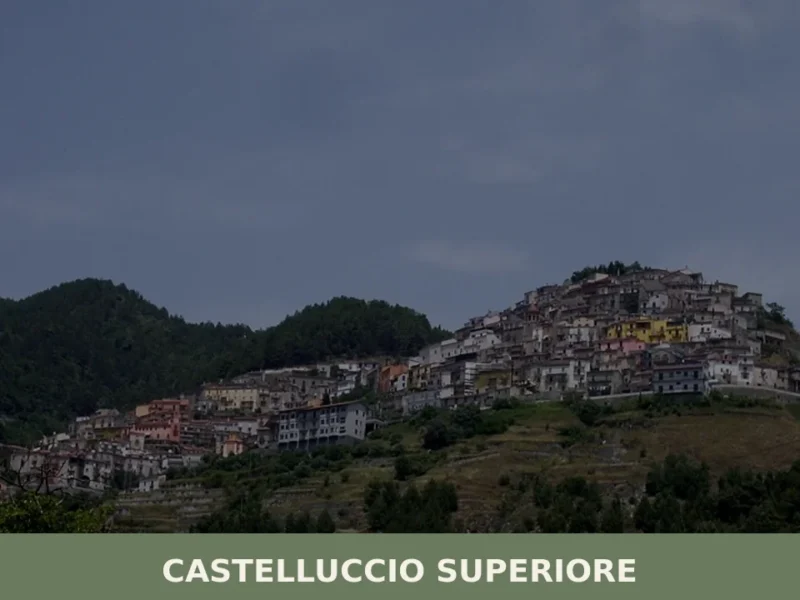
Castelluccio Superiore
 Mountain
what to see in castelluccio superiore, Italy. Discover this mountain village at 680 m, explore its historic core, and experience the feast of Santa Margherita di Antiochia.
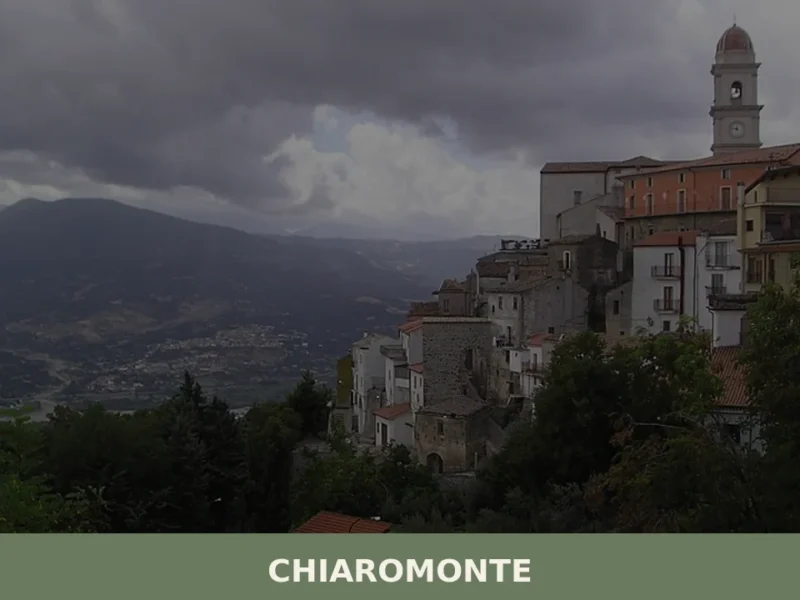
Chiaromonte
Mountain
what to see in chiaromonte, Italy: Discover its 794m altitude and delve into its history, from ancient roots to the case study of Montegrano. Explore Basilicata.
Banzi
Hills
In 1956, during archaeological excavations in the area of ancient Bantia, the “Bantine Table” was discovered, a bronze tablet inscribed in the Oscan language, providing direct evidence of the legislation of this Italic community from the 4th-3rd century BC. For those wondering what to see in banzi today, the village, located at 571 meters above […]
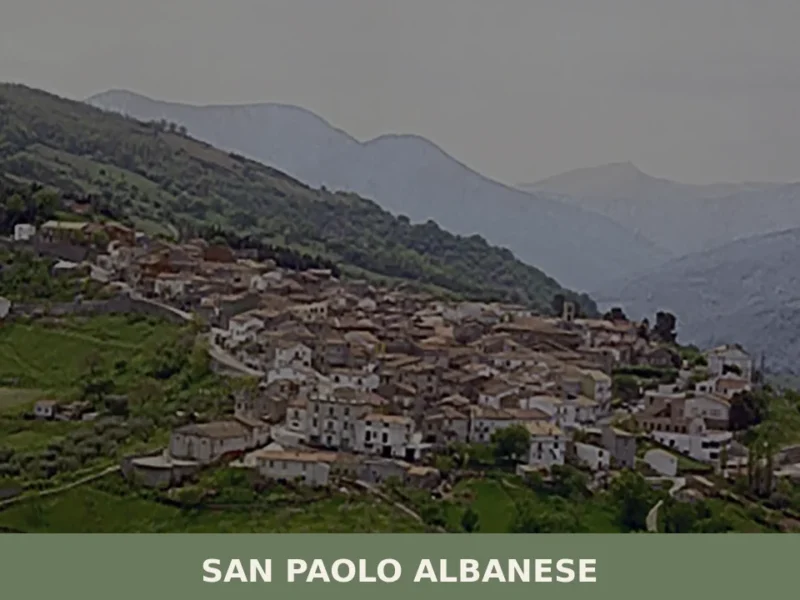
San Paolo Albanese
Mountain
San Paolo Albanese, in the province of Potenza, stands out as Basilicata’s least populous municipality, recording a population of 280 inhabitants. This demographic reality gives the village an intimate dimension, where social relationships and the traditions of the Arbëreshë community remain strongly evident. For those wondering about what to see in san paolo albanese, the […]
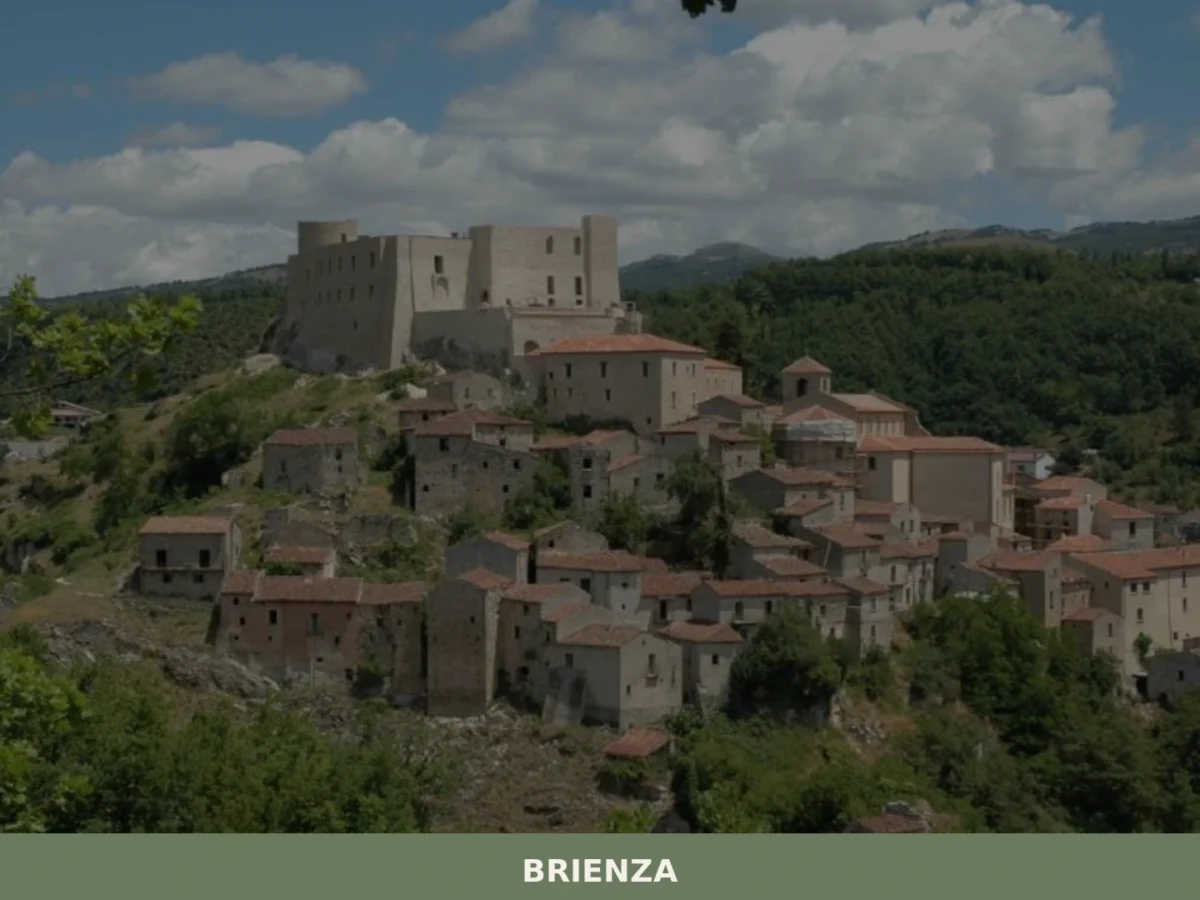
Brienza
Mountain
What to see in Brienza? Explore 5 historic points of interest in this Basilicata village. Discover Caracciolo Castle and ancient churches. Plan your visit!
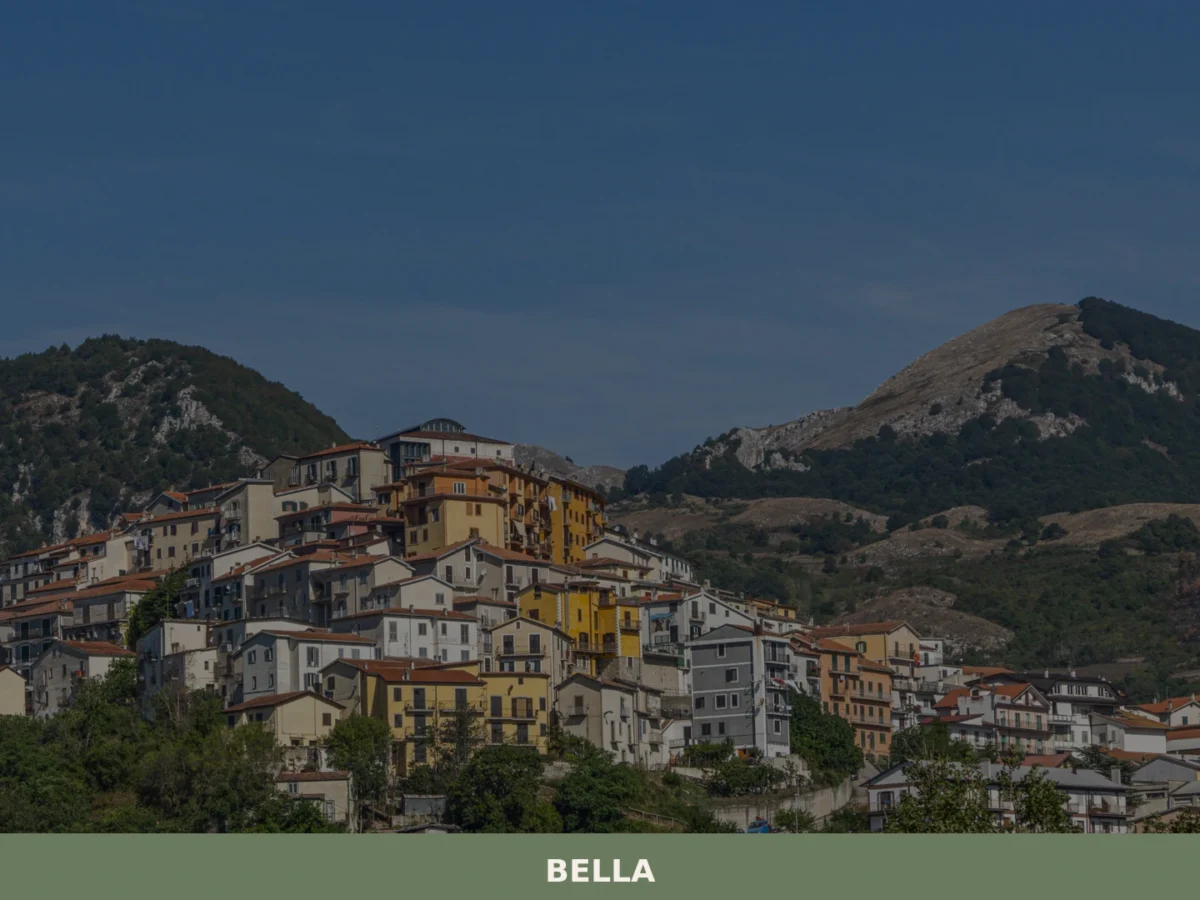
Bella
Mountain
What to see in Bella, the Lucanian village of 4,516 inhabitants? Discover its must-see places and history. Plan your visit!
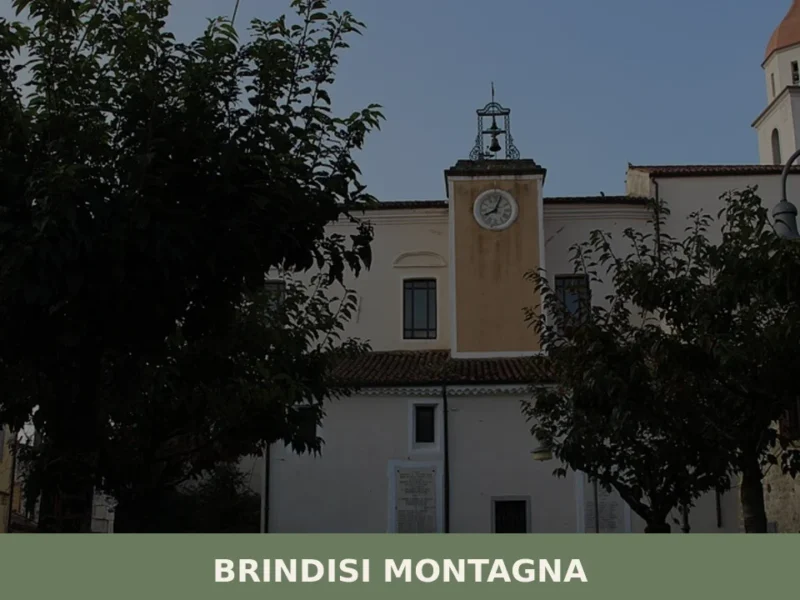
Brindisi Montagna
Mountain
Discover Amaro, a picturesque village in Friuli Venezia Giulia, Italy. Explore its history, stunning Alpine scenery, and authentic Italian mountain culture.

Francavilla in Sinni
Mountain
What to see in Francavilla in Sinni, Basilicata, Italy: explore a town founded in 1426, the Sinni river valley, and local food traditions. Discover it all here.

Castelluccio Inferiore
Mountain
What to see in Castelluccio Inferiore: 5 must-see attractions, from the historic center to baroque churches. Discover the complete guide to this Basilicata village.
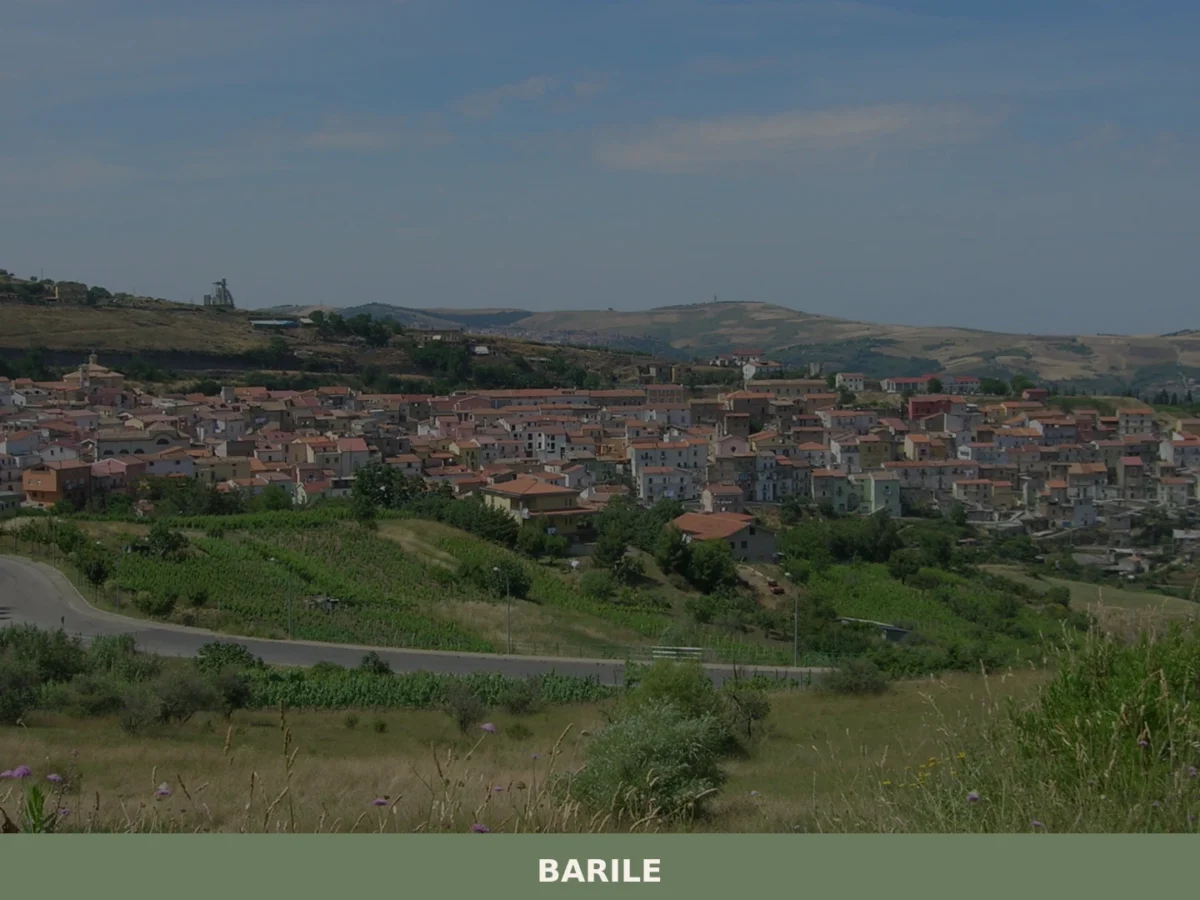
Barile
Mountain
What to see in Barile? Discover 5 must-see attractions in this Basilicata village. The complete guide to visiting Barile awaits you. Plan your trip!

🏡 Know Episcopia better than we do?
If you’re a local or have been there, your knowledge matters: add what’s missing or fix a detail on this page.