


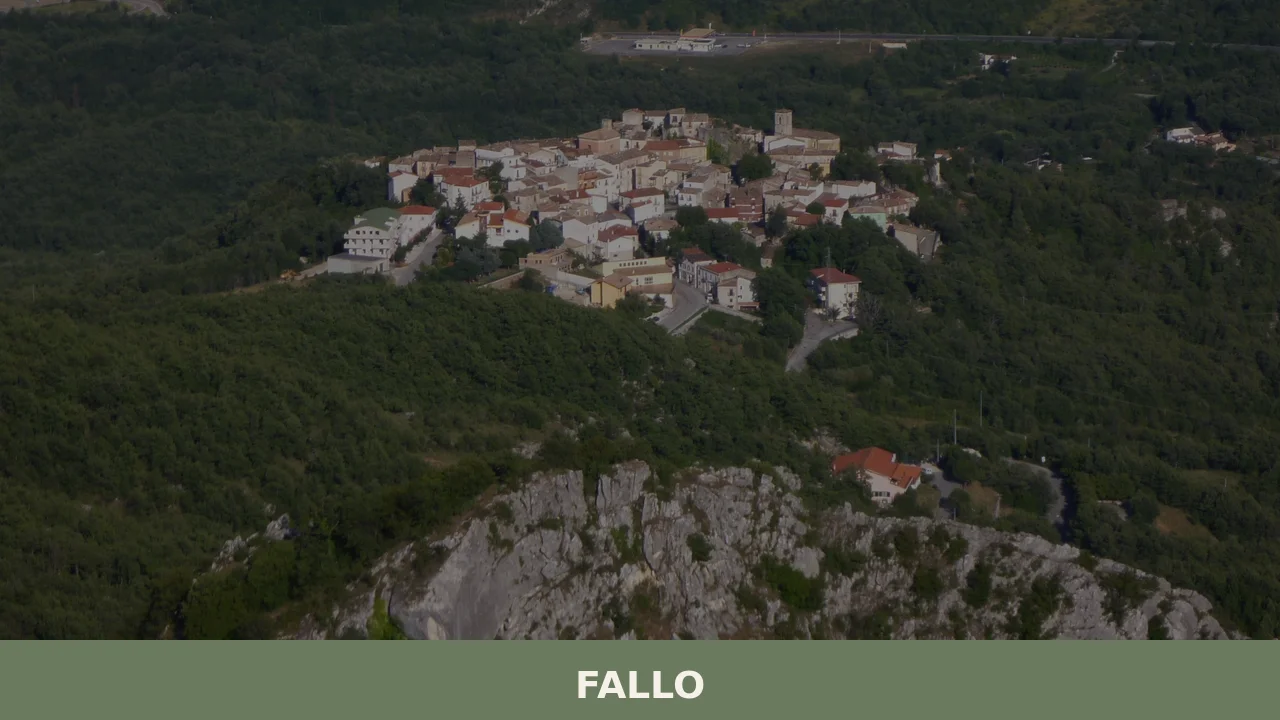
Fallo
With its 134 registered inhabitants, Fallo, in the province of Chieti, is confirmed as one of Abruzzo’s least populous settlements, a fact that immediately defines its intimate scale and unique relationship with the surrounding territory. This small urban cluster, situated on a rocky spur overlooking the Sangro valley, offers a genuine glimpse into Abruzzese mountain […]
Discover Fallo
With its 134 registered inhabitants, Fallo, in the province of Chieti, is confirmed as one of Abruzzo’s least populous settlements, a fact that immediately defines its intimate scale and unique relationship with the surrounding territory. This small urban cluster, situated on a rocky spur overlooking the Sangro valley, offers a genuine glimpse into Abruzzese mountain life. For those wondering what to see in fallo, the path of discovery is not limited to prominent monuments, but extends to understanding a human and environmental ecosystem where every element, from the architecture to the historical traces, helps to define a clear picture.
History and Origins of Fallo
The first documented records of Fallo date back to 1143, when the village appeared in the Catalogus Baronum under the name “Fallum”. This mention places it within the feudal structures of the Kingdom of Sicily, indicating its early significance as an outpost or agricultural center in the Frentano territory. The origin of the toponym is subject to various interpretations: some scholars link it to the Latin “Fasulus” or “Fasule,” referring to the cultivation of fava beans, while others lean towards “Fagus,” recalling the presence of extensive beech forests in the surrounding mountain landscape.
Over the centuries, Fallo followed the historical events of the region, passing under the dominion of various feudal families, including the Caracciolo and Ciammariconi. Its development was also marked by natural events: the 1706 earthquake, which severely affected Abruzzo, caused significant damage to the village’s buildings, leading to the subsequent reconstruction of important structures such as the Church of San Giorgio, which today features eighteenth-century architectural elements. These events have defined the current appearance of the historic center, where temporal layers are visible in the masonry and urban configurations.
what to see in fallo: 5 Key Attractions
The Church of San Giorgio Martire
Originally built in the medieval period, the Church of San Giorgio Martire underwent significant reconstructions after the 1706 earthquake. The current structure features eighteenth-century architectural lines, with a simple facade and an interior that houses sacred furnishings and minor artworks. The bell tower stands out against the village’s outline, serving as a visual and auditory reference point for the community.
The Castle Ruins
Of the ancient castle that once dominated Fallo, only scarce but evocative ruins remain today. These wall vestiges, positioned at the highest point of the settlement, attest to the defensive function of the village in the medieval era. Although an in-depth visit is not possible, the site offers a glimpse into the military history of the location and a panoramic viewpoint over the valley.
The Historic Center
Walking through the streets of Fallo means traversing an urban fabric that has maintained its original configuration. The stone houses, often built one against the other, form a maze of passages and small squares. Every corner offers simple but significant architectural details, such as sculpted stone portals or small votive shrines, which document the daily life of the village.
The Belvedere over the Sangro Valley
Given its position on a rocky spur, Fallo benefits from several points from which one can observe the Sangro Valley below. These natural viewpoints offer a broad perspective on the Abruzzese mountain landscape, characterized by woods, cultivated fields, and the profiles of the surrounding elevations. It is a place to understand the village’s integration into its geographical environment.
The Main Square
As in many Italian villages, Fallo’s main square represents the hub of social life. Some of the most important buildings face onto it, and the space is traditionally dedicated to local gatherings and celebrations. It is a place to observe the rhythm of community life and, on specific days, witness markets or events that enliven the small center.
Typical Cuisine and Local Products
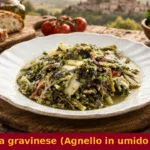
The gastronomy of Fallo and its territory is fully part of the Abruzzese culinary tradition, characterized by robust flavors and the use of ingredients linked to pastoralism and mountain agriculture. Among the most representative dishes are maccheroni alla chitarra, often seasoned with mutton ragù or rich meat sauces. Legume-based preparations are also common, such as lentils or chickpeas, which find fertile ground for their cultivation in the mountain climate. Dairy production is another pillar, with cheeses like Pecorino di Farindola or Caciocavallo, often aged and used both as table cheese and as an ingredient to enrich first courses and fillings.
The territory of Fallo, while not boasting specific protected designation of origin products for the municipality, benefits from Abruzzo’s rich food and wine culture. In the surrounding areas, quality extra virgin olive oil is produced, and sheep are raised to make arrosticini, lamb skewers that have become a symbol of the region. The rediscovery of ancient grain varieties and the cultivation of seasonal vegetables help keep alive a cuisine linked to the earth’s cycles and handed-down recipes, which often include the use of wild herbs gathered in the surrounding pastures and woods.
When to Visit Fallo: The Best Time
The choice of when to visit Fallo depends on the traveler’s interests. Spring and summer offer a mild climate and long days, ideal for excursions in the surrounding landscape and for appreciating the lush vegetation. During these months, the village may host small patron saint festivals or events related to agricultural traditions, which enliven the squares and offer an opportunity to connect with the local community.
In Abruzzo More villages to discover
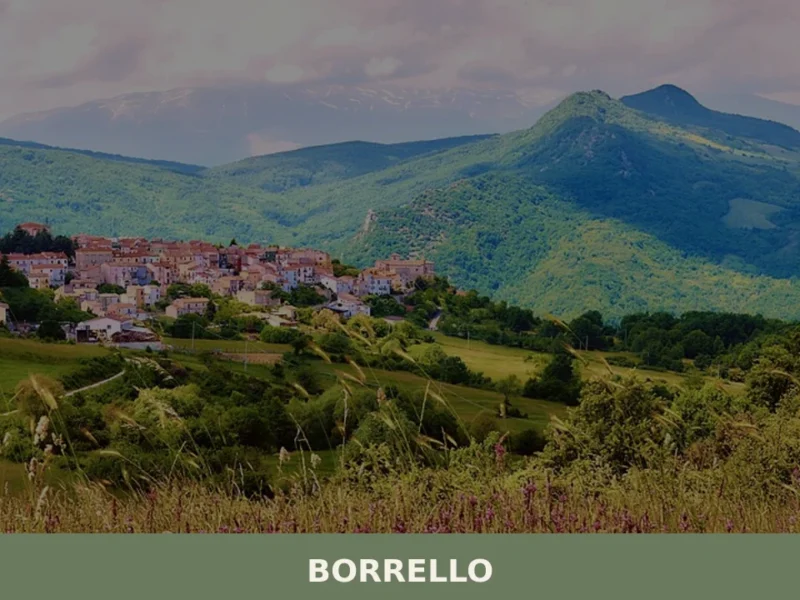
Borrello
At 804 metres above sea level, on the eastern slope of the Majella massif, 338 inhabitants watch over a settlement that in the eighteenth century counted more than two thousand residents. Anyone looking into what to see in Borrello will find a territory shaped more by geology than by human hands: the Cascate del Verde, […]
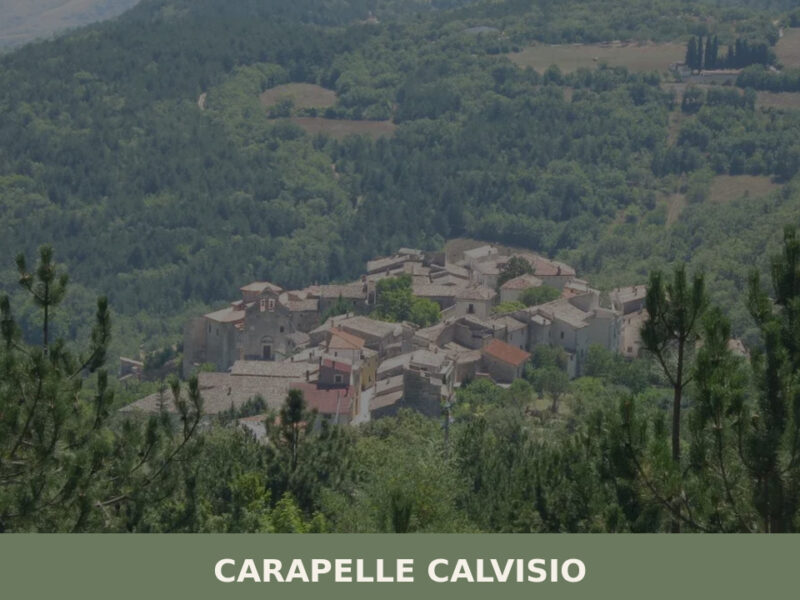
Carapelle Calvisio
In the quietest hour of dawn, Carapelle Calvisio comes alive with the soft rustle of the breeze through olive groves and the distant toll of church bells. This tiny village of 78 inhabitants, resting at 910 meters above sea level, seems untouched by time. Wandering through its cobblestone streets reveals the simple beauty embedded in […]
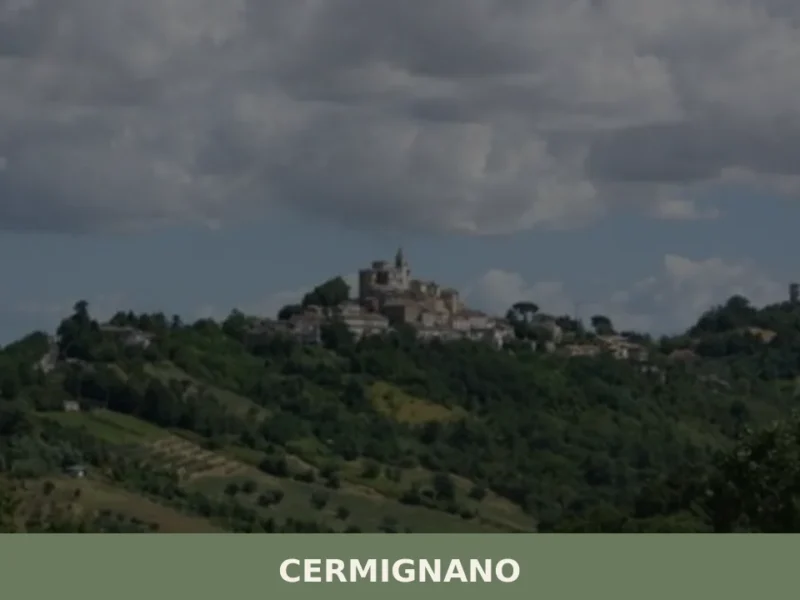
Cermignano
With its 1,440 inhabitants, Cermignano stands at 563 meters above sea level, offering a view of the Vomano valley and the foothills of Gran Sasso. This town in the province of Teramo, whose patron saint is Saint Sylvester, appears as a hillside settlement that retains traces of its historical development. For those wondering what to […]





📝 Incorrect information or updates?
Help us keep the Fallo page accurate and up to date.