The Sile River threads through Treviso in narrow channels and open stretches, its waters reflecting the earth-coloured brick walls that have enclosed the city for centuries. Stone bridges connect districts separated by water, and the rhythm of daily life moves to the pulse of commerce, craft tradition and the particular light of the Veneto plain at 15 metres above sea level.
Treviso, a city of 85,652 residents in the province of Treviso, sits at the cultural and economic crossroads of the Venetian region. The medieval walls that define its perimeter are monuments to a layered past: here visitors encounter Renaissance frescoes on palazzo facades, the working presence of artisan trades, and the gravitational pull of Venice—just 30 kilometres south—that has shaped Treviso’s fortunes and identity for centuries.
Foundation and Medieval Identity
Treviso’s documented existence stretches back through the Roman period and the early medieval centuries, when it emerged as a fortified settlement of strategic importance in the Venetian hinterland. The city’s patron saint is San Liberale di Treviso, whose veneration marks the deep religious roots of the community. The construction of the city walls, which still define much of the urban perimeter, reflects the investment of medieval and Renaissance powers in securing this crossroads between the Venetian lagoon and the terraferma.
From the medieval period onward, Treviso’s identity became inseparable from Venice’s expanding territorial control. The city evolved not as a rival power but as a crucial node in Venetian administrative and commercial networks. This relationship left marks on architecture, governance and cultural practice that persist today, distinguishing Treviso from purely rural settlements while keeping it distinct from the lagoon city itself.
The City Within Its Walls
The Medieval Walls and Moat System
The city’s encircling walls and the water channels that once defended them remain Treviso’s most visible historical framework. These fortifications, built and reinforced over centuries, created the compact urban geometry that visitors still experience today. Walking the perimeter or following the tree-lined moat paths offers a sense of the city’s medieval scale and its strategic position. The walls mark a clear boundary between inner city and the modern sprawl beyond.
Palazzo and Fresco Heritage
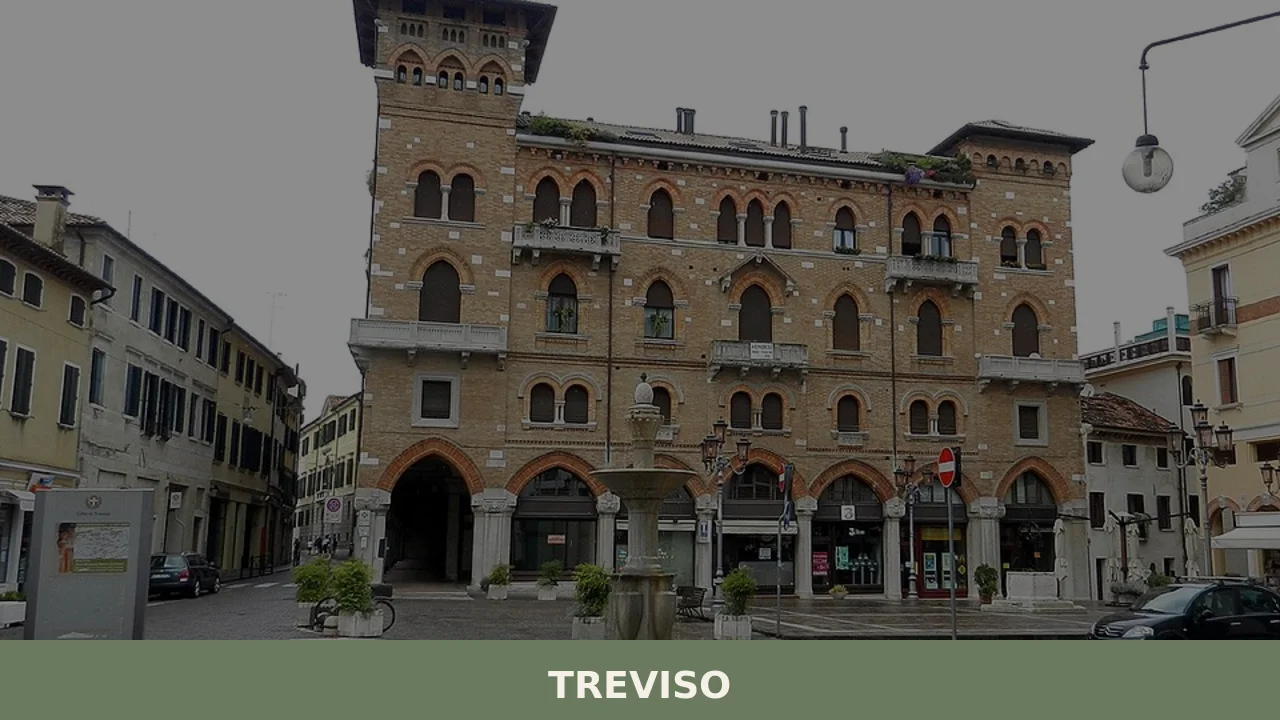
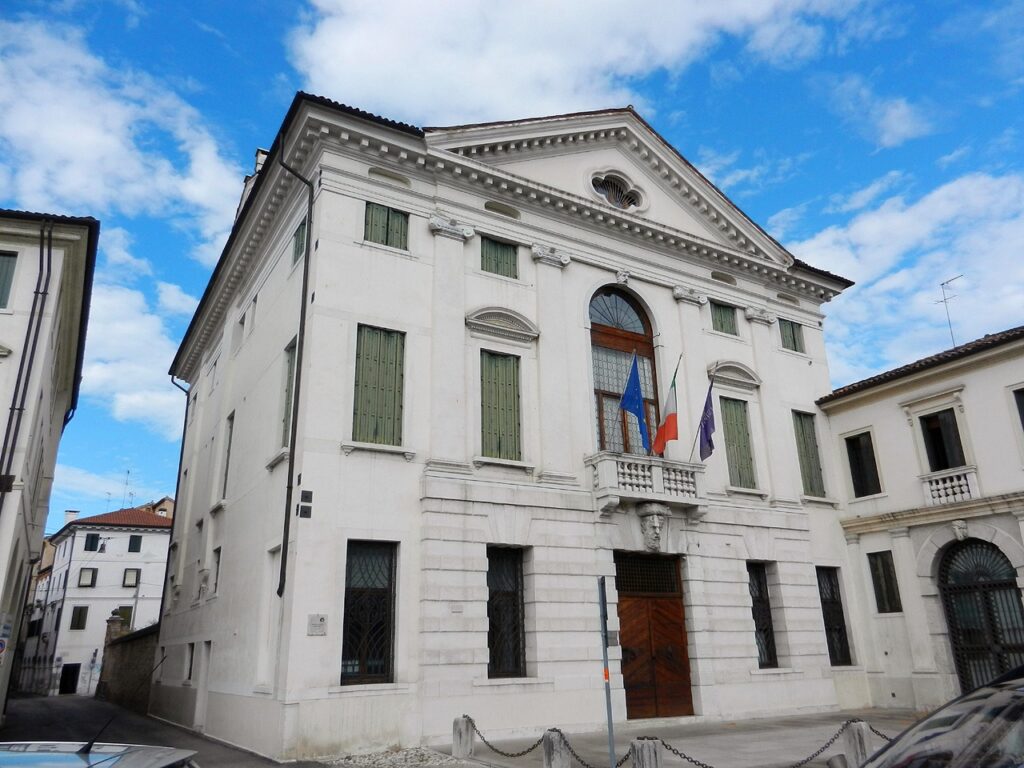
Renaissance palaces throughout Treviso’s streets display frescoed facades and weathered stone carving. Many date from the 15th and 16th centuries, when merchant families and Venetian administrators invested in urban residences. The painted decorations on exterior walls—faded but often still visible—represent a local tradition of domestic grandeur distinct from the monumental palaces of Venice itself. These buildings house shops, offices and apartments, remaining part of the living city rather than museum pieces.
The Cathedral and Religious Sites
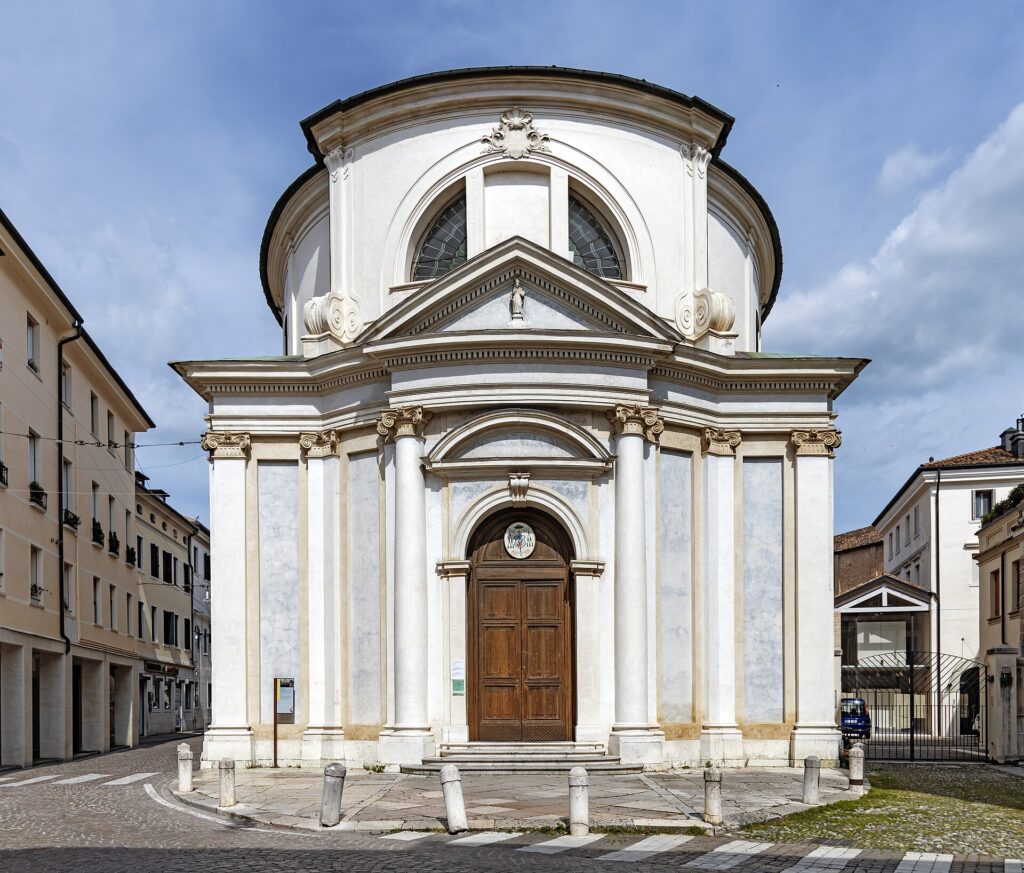
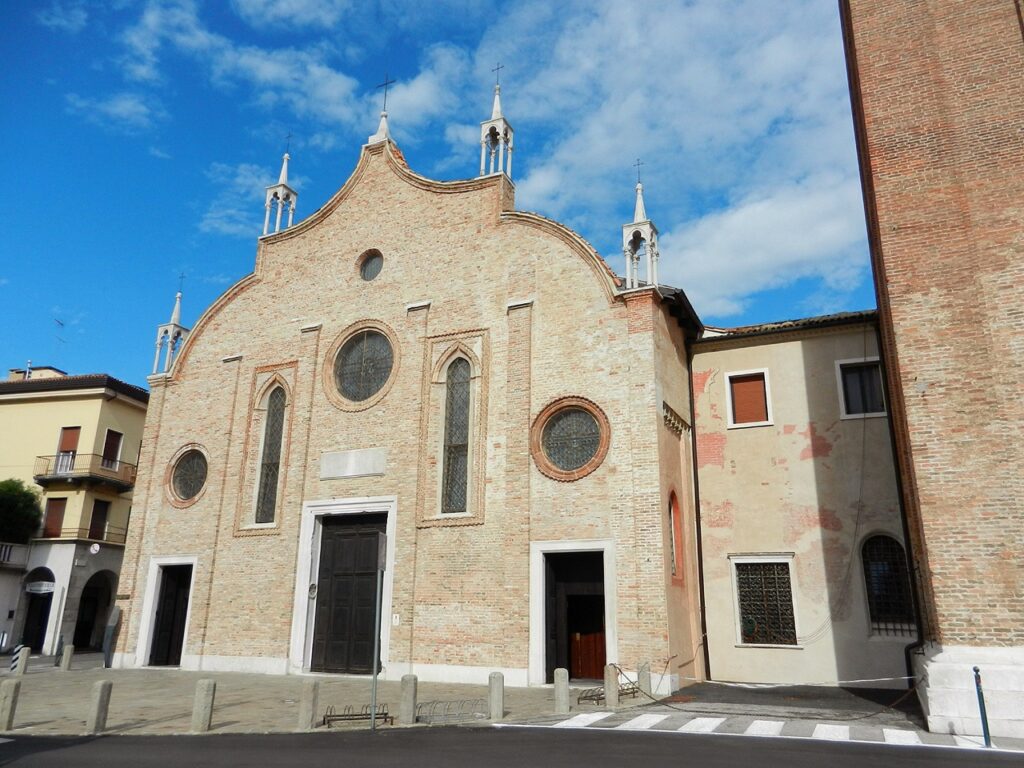
Treviso’s religious architecture reflects both its medieval foundation and its Venetian cultural orbit. The cathedral stands as a focal point of the urban core, its presence marking centuries of devotional life and community gathering. Religious buildings are distributed throughout the city, evidence of the strong institutional role of the Church in shaping Treviso’s spatial and social identity across generations.
The Sile River as Urban Artery
The Sile runs through Treviso in a complex system of channels, some natural and some engineered over medieval centuries. These waterways create unexpected perspectives—narrow passages between buildings, small bridges, sudden widening into calm pools. The river historically powered mills and supported commerce; today it offers a different kind of circulation, allowing walkers and cyclists to move through the city by water-edge paths distinct from street traffic.
Riverside Commerce and Modern Urban Life
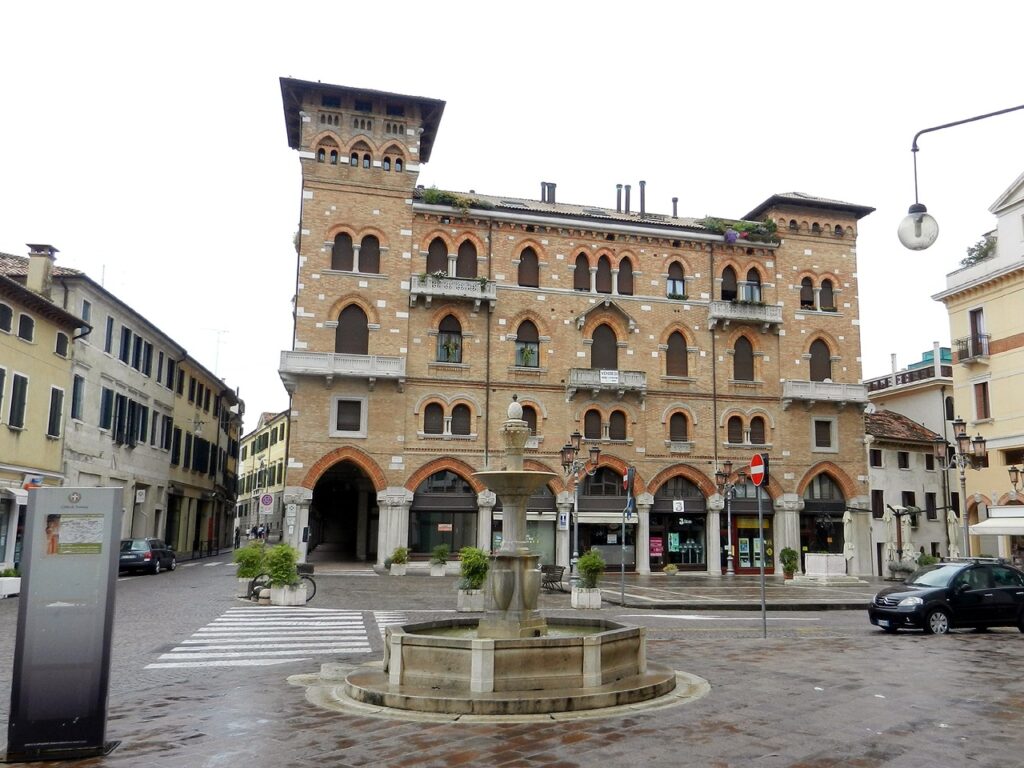
Along the Sile and in the main piazzas, Treviso’s economy remains visible: market stalls, small shops, bars and restaurants operate in patterns that have ancient roots but current urgency. The city functions as a regional commercial hub—not primarily a tourist destination—which gives it a different character from more-visited Italian towns. The rhythm is set by residents, workers and traders rather than visitor flows.
Food and Agricultural Tradition
Treviso lies in the productive Venetian plain, a landscape that historically supported grain cultivation, orchards and livestock. The city itself functions as a market hub for surrounding agricultural and artisanal production. Local food culture reflects this hinterland position—access to fresh produce, dairy products and the craft traditions of small producers in neighbouring territories shape what appears in restaurants and markets.
The proximity to Venice and the broader Venetian network means Treviso also inherits coastal and lagoon ingredients and cooking traditions. However, the city’s food identity remains primarily tied to terra firma agriculture and the working kitchens of traders and families rather than tourist-focused cuisine.
Planning Your Visit
Treviso is most easily reached from Venice by train or car. The city receives fewer international tourists than its position might suggest, making it a place where the rhythm of daily life continues relatively undisturbed. Spring and autumn offer pleasant walking weather; summer can be warm and humid on the Veneto plain. Winter visits are feasible but quiet, with shorter daylight hours.
The walled city is compact and navigable on foot; cars are restricted in much of the centre. If you arrive by car, park outside the walls and enter on foot or by bicycle. The riverside paths offer a different circulation pattern from the street grid and reward slow exploration. Local buses connect Treviso to neighbouring towns in the province—Monfumo, Carbonera, Casier and others—for day excursions into the Venetian hinterland.
“A city lives in the daily habits of its people and in the stone they build with: Treviso speaks through its walls, its water and its working traders as much as through its monuments.”
The provincial tourist office and the official municipal website (https://www.comune.treviso.it/) provide practical information on markets, events, accommodation and current attractions. Treviso rewards a visit of 2–3 days; longer stays allow exploration of the surrounding provincia, where small towns like Vittorio Veneto and Loreggia extend the Venetian cultural landscape northward into foothills and wine country.
| Departure Point | Distance | Travel Time |
|---|---|---|
| Venice (city centre) | ~30 km | 30–45 minutes by train or car |
| Marco Polo Airport (Venice) | ~40 km | 50–70 minutes by car or shuttle |
| Verona | ~120 km | 1.5–2 hours by car or train |
| Padua | ~40 km | 45 minutes–1 hour by train or car |



 Mountain