A working agricultural village on the Tavoliere plain near Foggia, Stornarella offers wheat-field panoramas, rural chapels, and the elemental cuisine of northern Puglia.
Morning light hits the Tavoliere plain in long, unbroken sheets, and from the low rooftops of Stornarella you can see it all — wheat fields stretching flat toward the Apennine foothills, the air carrying the dry scent of cracked earth and wild fennel. This is a settlement of 5,239 people sitting at 154 metres above sea level in the province of Foggia, a place where the agricultural calendar still dictates the rhythm of daily life. Understanding what to see in Stornarella means looking past the obvious and into the grain of a working village that has occupied this same ridge of land for centuries.
The origins of Stornarella are tied to the vast flatlands of the Tavoliere delle Puglie, the largest plain in southern Italy after the Po Valley. Archaeological evidence suggests human settlement in the area since the Neolithic period, when the fertile soil first drew agrarian communities to this stretch of northern Puglia. The village’s name likely derives from the Latin word Sturnus — the starling — a bird that still gathers in vast murmurations above the surrounding fields each autumn. Some local historians have also linked the name to the medieval term Sturnellum, a diminutive that distinguished this smaller settlement from the neighbouring town of Stornara.
During the medieval period, Stornarella passed through the hands of various feudal lords as part of the broader Capitanata region. It was listed among the casali — small dependent villages — that owed allegiance to larger fortified centres in the province of Foggia. The village experienced periods of depopulation, particularly during outbreaks of plague and the seismic events that have periodically shaken this part of southern Italy. Despite these upheavals, the community reconstituted itself each time, anchored by the unchanging productivity of the surrounding grain fields.
By the eighteenth and nineteenth centuries, Stornarella had consolidated into the compact agricultural centre that remains recognisable today. The Bourbon-era reforms and the subsequent unification of Italy brought new administrative structures, but the village’s identity stayed rooted in the cultivation of durum wheat, olives, and wine grapes — crops that had defined life here since antiquity.
The parish church stands at the centre of village life, its façade plain and undemonstrative in the manner typical of Capitanata ecclesiastical architecture. Inside, the single nave holds devotional statues and altarpieces accumulated over several centuries. The building’s proportions reflect successive renovations, each layer marking a different era of the community’s spiritual and economic fortunes.
The main square functions as the village’s communal living room. Low-rise buildings in local tufa stone line its edges, their balconies hung with drying tomatoes in late summer. The streets radiating outward follow an irregular medieval plan — narrow, shaded, designed to channel breezes through the settlement during the fierce heat of the Tavoliere summer.
At 154 metres above sea level, Stornarella sits just high enough above the plain to offer uninterrupted sightlines. From the village’s eastern edge, the flat expanse of the Tavoliere spreads toward the Adriatic, its geometry scored by irrigation channels and field boundaries. On clear winter days, the snow-capped profile of Monte Cornacchia in the Daunia mountains is visible to the west.
Scattered along the farm roads outside the village are small votive chapels — simple whitewashed structures with arched doorways, some dating to the eighteenth century. These rural shrines once served as waypoints for agricultural workers and transhumance shepherds. Several still hold faded frescoes and ceramic ex-votos that document centuries of local devotion and hardship.
The landscape itself constitutes an attraction. Between May and June, the durum wheat surrounding Stornarella turns from green to deep gold across thousands of hectares. Walking or cycling the flat farm tracks at this time of year places you inside a sensory experience — the sound of wind moving through dense stalks, the particular dry heat rising from baked soil — that no built monument can replicate.
Stornarella’s cuisine is the cuisine of the Tavoliere — elemental, wheat-based, shaped by the same crops that colour the landscape. Orecchiette and cavatelli made from locally milled durum semolina appear at most tables, dressed with simple sauces of turnip tops, slow-cooked tomato, or breadcrumbs fried in olive oil. Bread holds an almost sacred status here; the large, crusty loaves baked in wood-fired ovens can last several days, their dense crumb absorbing olive oil and salt in the dish known as pancotto. Lampascioni — the bitter wild hyacinth bulbs foraged from uncultivated land — are served roasted or preserved in vinegar as a sharp counterpoint to the richness of pork and lamb.
The province of Foggia produces significant quantities of extra virgin olive oil and wines from indigenous grape varieties such as Nero di Troia and Bombino Bianco, both of which grow in the surrounding countryside. Local agriturismi and trattorie serve these products in straightforward preparations that reflect seasonal availability — grilled vegetables and fresh cheese in summer, legume soups and preserved meats through the colder months.
The Tavoliere plain experiences a continental-Mediterranean climate with extremes: summers are long and hot, with temperatures frequently exceeding 35°C in July and August, while winters bring cold winds from the Apennines and occasional frost. The most comfortable months for exploring are April through June, when the wheat fields are at their most photogenic and daytime temperatures hover between 18°C and 28°C. Autumn — particularly October — offers mild conditions and the spectacle of the olive harvest in progress.
Stornarella’s patron saint festivities and local sagre (food festivals) provide opportunities to see the village at its most animated. These events typically fall in the warmer months and centre on processions, outdoor cooking, and music in the main piazza. Visitors should check with the Comune di Stornarella for current dates and programmes, as schedules can shift from year to year.
Stornarella lies approximately 20 kilometres south of Foggia, the provincial capital, and is reached most easily by car. The A14 Adriatica motorway connects the area to Bari (roughly 130 km to the southeast) and to the northern Adriatic corridor. From Foggia, the SS16 or provincial roads lead directly to the village in about 25 minutes. The nearest railway station is in Foggia, which is served by Trenitalia’s high-speed Frecce services from Rome (approximately 2.5 hours), Milan, and Naples. Bari Karol Wojtyła Airport, around 150 kilometres to the southeast, is the closest international airport, with car hire available on site. Foggia’s smaller Gino Lisa Airport serves limited domestic routes. No direct public bus connects to the village with high frequency, so a rental car is the most practical option for reaching Stornarella and exploring the surrounding territory at your own pace.
The province of Foggia contains a constellation of small settlements, each shaped by the same agricultural traditions and feudal histories that define Stornarella. To the south, the terrain begins to rise toward the Sub-Apennine hills, and the character of the villages shifts accordingly. Ascoli Satriano, located roughly 30 kilometres to the southwest, sits on a hill overlooking the Carapelle River valley and preserves significant archaeological finds from the Daunian civilisation — including polychrome marble artefacts that attest to the wealth and sophistication of pre-Roman communities in this region.
Further into the Daunia mountains, the village of Accadia occupies a position at nearly 650 metres above sea level, offering a dramatically different landscape and climate from the flat Tavoliere. Its partially abandoned medieval quarter, known as the Rione Fosso, provides a compelling record of how mountain communities in Puglia built, lived, and eventually migrated. Together, these villages form a route through the less-visited interior of the region — a journey that moves from the open wheat plains around Stornarella into the folded, forested terrain of the Apennine borderlands.
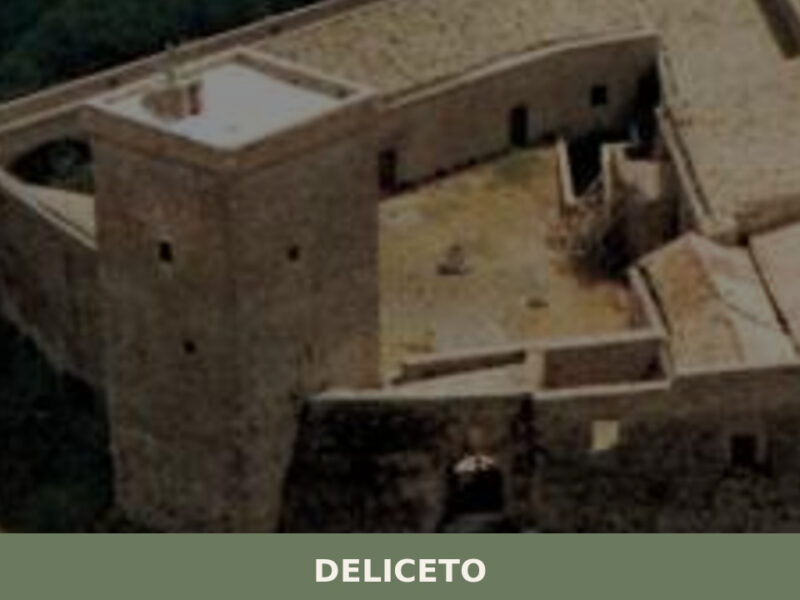
Deliceto rises at 575 metres on a ridge of the Subappennino Dauno, commanding the Tavoliere plain. A Norman castle, layered churches, and a stone-built historic centre define this compact Puglia hill village.
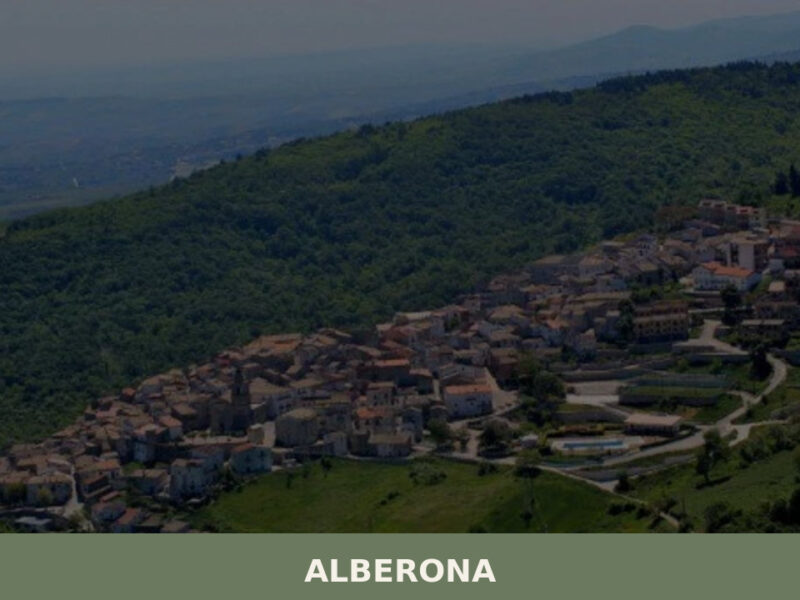
Explore Alberona, a hidden gem in Puglia's Apennines. Discover its attractions, rich history, and delightful local cuisine.
A 651-inhabitant hilltop village in Puglia's Daunia hills, Motta Montecorvino rewards slow visitors with medieval lanes, long views over the Tavoliere plain, and robust mountain cooking.
📝 Incorrect information or updates?
Help us keep the Stornarella page accurate and up to date.