


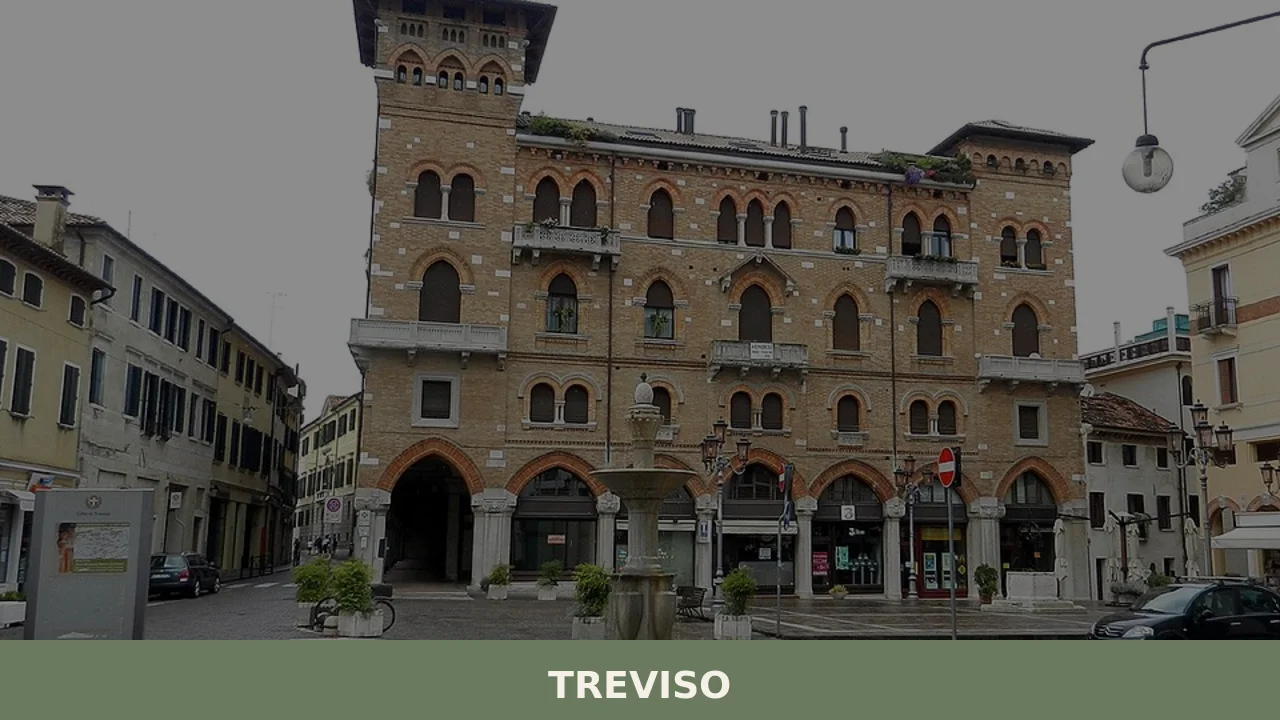
Treviso
What to see in Treviso: 84,000 inhabitants, Venetian walls from 1509, frescoed churches and Radicchio Rosso IGP. Plan your visit with our complete guide.
Discover Treviso
Treviso sits 15 metres above sea level on the Venetian plain, shaped by two waterways that define its urban character: the Sile and the Botteniga. With over 84,000 inhabitants, it is one of the most dynamic cities in northeast Italy — the provincial capital and a point of reference for a territory with a deep history and nationally significant food production.
Those looking into what to see in Treviso will find a layered city where Venetian walls, frescoed churches and medieval arcades alternate with canals running between the painted buildings of the historic centre.
History and Origins of Treviso
The city’s name probably derives from the Celtic or pre-Latin term Tarvisium, recorded as far back as Roman times.
The earliest evidence of permanent settlement in the area dates to the Bronze Age, but it was during Romanisation that Tarvisium gained significant administrative standing: it became a Roman municipality after the Social War, during the first century BC, slotting into the road and commercial network that ran across the eastern Po Valley. Its control over river and overland routes towards Noricum and Illyricum made it a strategic node — a position that would shape its history for many centuries to come.
After the fall of the Western Roman Empire, Treviso passed through Lombard and Frankish rule. Under the Lombards (from 568 AD), it became the seat of a duchy — one of the fundamental administrative units of the kingdom. With the Franks, from the eighth century onwards, the territory was organised as a march, and the Marca Trevigiana grew increasingly important in the political balance of northern Italy.
During the Middle Ages the city enjoyed a period of relative communal autonomy, with its own governing institutions and the rise of local noble families, among them the Da Camino, who ruled the city from the late thirteenth to the early fourteenth century.
In 1339, Treviso was voluntarily ceded to the Republic of Venice, effectively becoming the first mainland territory acquired by the Serenissima.
This date marks a profound turning point: under Venetian rule, which lasted until 1797, the city experienced a long period of stability, economic growth and artistic output. The Renaissance walls, still largely intact today, were built during this period to strengthen the city’s defences against external threats, including those posed by the armies of the League of Cambrai in the very early sixteenth century.
The fall of the Republic of Venice at Napoleon’s hands opened a new chapter, marked by French and Austrian rule before Italian unification in 1866, when Treviso joined the Kingdom of Italy together with the rest of Veneto.
What to See in Treviso: Main Attractions
Cathedral of San Pietro Apostolo
The Cathedral of Treviso, dedicated to Saint Peter the Apostle, stands in the city’s historic centre and presents a façade with a columned portico leading into a three-nave interior of Renaissance design, with later Baroque additions. The building preserves a Romanesque crypt dating to the eleventh century — direct evidence of its earliest construction phases. Inside are notable works of art, including frescoes and altarpieces attributed to Venetian masters of the early modern period.
The crypt, accessible from the nave level, deserves a visit in its own right for the quality of its columns and capitals.
Baptistery of San Giovanni
Built up against the side of the Cathedral, the Baptistery of San Giovanni is one of Treviso’s oldest religious structures. The building retains architectural features dating to the Romanesque period and houses a cycle of frescoes of considerable historical and artistic interest. The baptismal font and the frescoed walls make this one of the most intimate and significant spaces for anyone seeking to understand the city’s artistic layering.
It is normally visited alongside the Cathedral, and the proximity of the two buildings allows for a well-organised and efficient visit.
Church of San Nicolò and the Bishop’s Seminary
The Church of San Nicolò is one of Treviso’s most imposing religious buildings, constructed by the Dominicans from the thirteenth century onwards in Gothic style. The scale of the nave, the height of the vaults and the quality of the frescoes decorating the pillars — among them the celebrated portrait of Cardinal Bessarion attributed to Gentile Bellini — make it one of the most significant churches in eastern Veneto. The adjoining bishop’s seminary preserves, in its Chapter Room, a fresco featuring the heads of illustrious figures painted by Tomaso da Modena, datable to 1352 and considered one of the most important pictorial cycles of fourteenth-century Italy.
Palazzo dei Trecento and Piazza dei Signori
Piazza dei Signori is the civic heart of Treviso, onto which faces the Palazzo dei Trecento, built in the thirteenth century as the seat of the medieval city council.
The building, with its ground-floor loggia and large council chamber on the upper floor, represents the architectural type of the communal public palace widespread across central and northern Italy between the thirteenth and fourteenth centuries. The square is lined with arcades and other historic buildings, and serves as the main reference point for anyone exploring the historic centre on foot.
It is worth pausing here at different times of day to observe how the activity on the square changes.
Venetian Walls and City Gates
Treviso’s Venetian walls, erected between 1509 and 1517 to a design attributed to Fra’ Giocondo and later to Bartolomeo d’Alviano, still encircle the historic centre for a perimeter of around four kilometres. They were built in response to the destruction wrought during the Wars of the League of Cambrai. Three monumental gates — Porta Santi Quaranta, Porta San Tomaso and Porta Altinia — mark the principal entrances to the city.
Walking along the bastions, parts of which have been laid out as a green path, gives a direct reading of the defensive structure and its relationship with the surrounding natural landscape. Anyone exploring what to see in Treviso should not overlook this defensive system, which ranks among the best-preserved in Veneto.
Traditional Food and Local Products of Treviso
Treviso’s gastronomic tradition is deeply rooted in the farming and commercial culture of the Marca Trevigiana.
The city’s geographical position — fertile lowland irrigated by rivers and spring-fed streams, with hills to the north sloping down towards the Pre-Alps — has for centuries favoured the cultivation of vegetables, wine production and livestock farming. Venetian influences brought spices, preservation techniques and consumption habits that merged with the local rural kitchen, producing a culinary repertoire distinguished by restrained simplicity and the quality of its raw ingredients.
Among the best-documented dishes of the Treviso tradition, risotto with Treviso red radicchio holds a central place.
Radicchio, grown in the area between Treviso, Castelfranco Veneto and Chioggia, is used both raw and cooked alongside Vialone Nano rice, typical of the Venetian plain.
Baccalà alla vicentina — salt cod cooked in the style of Vicenza — though originally from that city, is widespread in the Treviso area too, where it is prepared with onion, anchovies, milk and olive oil in a slow, low-heat cooking method. Sopa coada is a winter dish made from stale bread, pigeon or other poultry, broth and grated cheese, baked in the oven until a firm crust forms. Bigoli, a thick and rough-textured fresh pasta, are traditionally served with duck ragù or with an anchovy and onion sauce.
The Treviso area is closely associated with radicchio production, with local varieties that have received European-level recognition: Radicchio Rosso di Treviso IGP and Radicchio Variegato di Castelfranco IGP are the protected designations directly linked to this area.
On the wine front, the hilly area north of Treviso is the core production zone for Prosecco DOC and Prosecco di Conegliano e Valdobbiadene DOCG, the latter tied to a landscape recognised as a UNESCO World Heritage Site in 2019 for its wine-growing character.
There is no shortage of opportunities to buy local products: the markets in Piazza dei Signori and Piazza Rinaldi are held weekly and offer radicchio, seasonal vegetables, cheeses and cured meats from the surrounding area.
In autumn, the season of late-harvest Treviso radicchio — the most prized variety, harvested between November and January after the so-called “blanching” process — is the best time to find the fresh product directly from local growers or in the restaurants of the historic centre. Visitors exploring the city can also venture out towards Cortina d’Ampezzo, in the heart of the Dolomites, where the mountain tradition offers a completely different but equally grounded gastronomic landscape within Venetian culture.
Festivals, Events and Traditions of Treviso
Treviso’s patron saint is San Liberale d’Altino, a Christian martyr venerated since the early Middle Ages as the city’s protector.
His feast day falls on 27 April and is marked by solemn religious services in the Cathedral of San Pietro, processions through the streets of the historic centre and moments of communal participation. San Liberale appears in numerous works of art held in the city’s churches, and his cult is one of the most established elements of Treviso’s civil and religious identity. The 27 April celebrations coincide with late spring, when the historic centre lends itself particularly well to outdoor ceremonies.
Beyond the patron saint’s feast, Treviso hosts events throughout the year connected to the local territory and its produce.
The Treviso Radicchio Show traditionally takes place in winter, during December and January, when the late-harvest variety becomes available. The event draws producers, restaurateurs and visitors with an interest in the food and wine culture of the Marca Trevigiana. The city’s cultural calendar also includes theatrical and musical seasons at the Teatro Comunale Mario Del Monaco — named after the celebrated tenor born in Florence but trained and long resident in the Treviso area — alongside events connected to the artistic collections of the civic museums.
When to Visit Treviso and How to Get There
Spring — from April to June — and autumn — from September to November — are the most suitable periods for visiting Treviso.
In spring the city celebrates its patron saint’s feast on 27 April, and the temperatures allow for comfortable walking along the bastions and canals of the historic centre. Autumn brings the radicchio and wine season, with events and markets enlivening the squares and cellars. Summer is hot and humid, as is typical of the Po Valley, but the historic centre copes well with the heat thanks to its arcades and the presence of water. Winter, finally, is the season of sopa coada, late-harvest radicchio and a more subdued atmosphere suited to those who prefer to avoid the crowds.
Treviso is well connected to the main road and rail routes of northeast Italy. By car, the A27 Venice–Belluno motorway connects directly to the city via the Treviso Nord or Treviso Sud junctions, while the A4 Venice–Milan motorway is accessible around thirty kilometres to the south.
Treviso Centrale railway station is served by regional and intercity trains linking it to Venice (around 30 minutes), Padua, Vicenza and Belluno; up-to-date timetables can be found on the Trenitalia website.
The nearest airport is Venice Marco Polo, around 25 kilometres away, reachable by car or bus services. A few kilometres away also lies Treviso Antonio Canova Airport, a smaller international airport with connections to several European destinations served by low-cost carriers. Up-to-date information about the city and its services is available on the official website of the Municipality of Treviso.
Those looking to explore what to see in Treviso and the surrounding area can plan an itinerary that also takes in Verona, reachable in around an hour along the A4 motorway, or head towards the Veronese plain to visit Erbè, a small centre in the Verona province that shares with the Treviso area the agricultural culture of the Venetian lowlands.
Those arriving from Venice who want to discover smaller villages in the Venetian countryside can stop at Concamarise, in the Veronese, a rural settlement that has retained its original farming character.
In Veneto More villages to discover
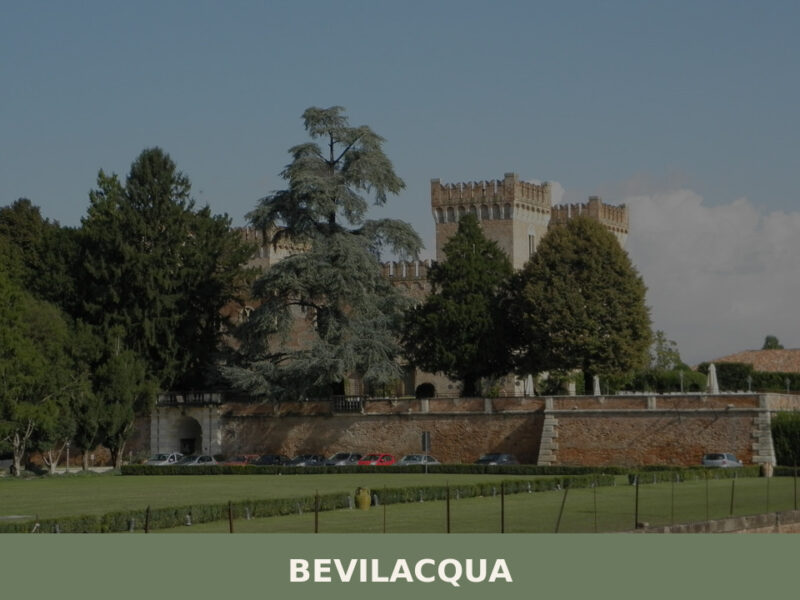
Bevilacqua
A castle rising over the Fratta River, fewer than 1,800 inhabitants, and the quiet agricultural heart of the Veronese plain. Here's what to see in Bevilacqua.
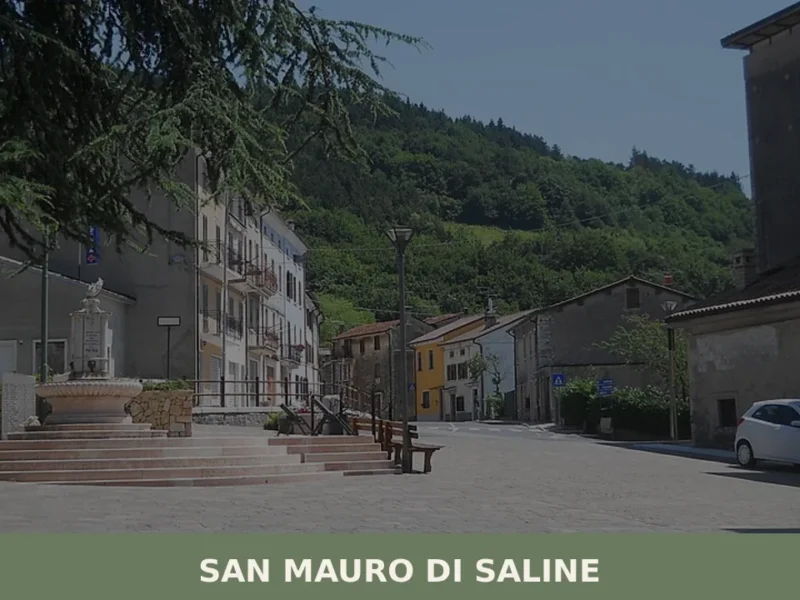
San Mauro di Saline
At 804 metres above sea level, on the eastern slope of the Veronese Lessini Mountains, San Mauro di Saline has a current population of 558 inhabitants spread between the municipal centre and the scattered hamlets along the pastures. The village’s name derives from the saline — the brackish water pools that historically surfaced in this […]
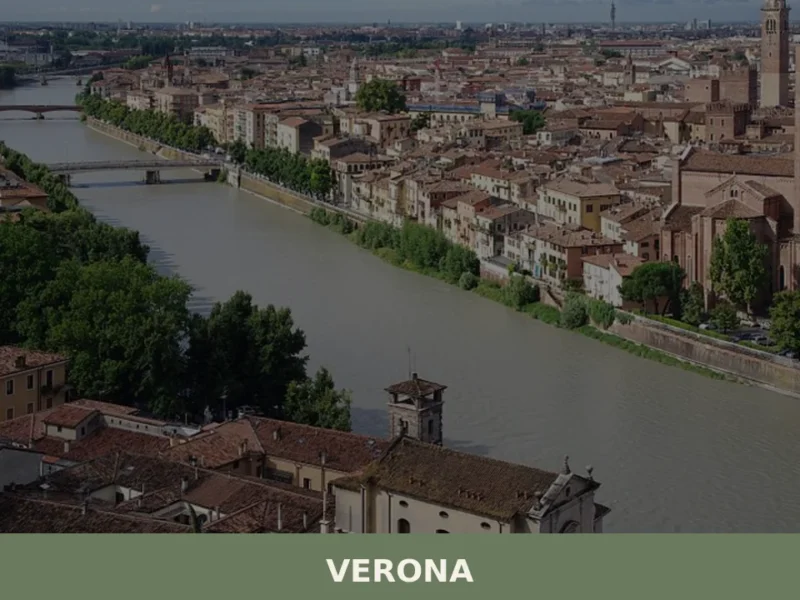
Verona
What to see in Verona, a UNESCO city of 255,000 people. Explore the Roman Arena, Juliet's House, San Zeno Basilica and local dishes like bollito and pearà. Plan your visit now.



📝 Incorrect information or updates?
Help us keep the Treviso page accurate and up to date.