


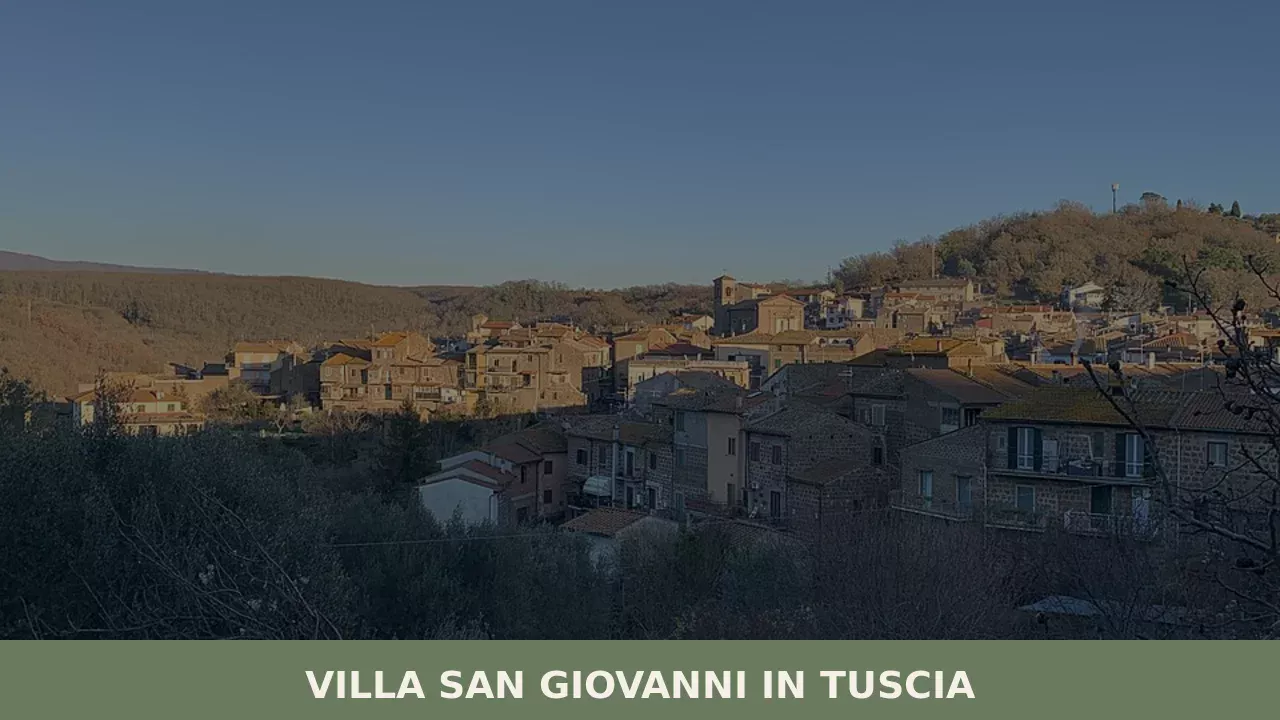
Villa San Giovanni in Tuscia
Villa San Giovanni in Tuscia has 1,196 inhabitants spread across a hilly territory at 329 metres above sea level, in the province of Viterbo. The settlement preserves a compact layout dating back to the feudal reorganisation of the late Middle Ages, when the village was under the control of baronial families that ruled upper Lazio. […]
Discover Villa San Giovanni in Tuscia
Villa San Giovanni in Tuscia has 1,196 inhabitants spread across a hilly territory at 329 metres above sea level, in the province of Viterbo. The settlement preserves a compact layout dating back to the feudal reorganisation of the late Middle Ages, when the village was under the control of baronial families that ruled upper Lazio. Understanding what to see in Villa San Giovanni in Tuscia means crossing a town where the medieval urban plan coexists with the cereal and olive-growing countryside of the Viterbo Tuscia area, in a landscape of tuff and volcanic soil that marks every building.
History and origins of Villa San Giovanni in Tuscia
The place name combines the element “Villa” — which in medieval usage referred to a small rural settlement — with the reference to Saint John the Baptist, patron of the community, and the geographical specification “in Tuscia”, added to distinguish the village from the many places with the same name found across Italy. Tuscia corresponds to the territory of ancient southern Etruria, an area that covers much of the province of Viterbo and has retained this historical name since the early Middle Ages, when the Lombards used it to indicate the possessions of the former Roman duchy north of the Tiber.
The village’s history is closely tied to the feudal system that characterised upper Lazio between the 12th and 16th centuries. The territory passed under the control of various noble families and papal authority, following dynamics common to many centres in the Viterbo Tuscia. The hilltop position served precise defensive needs: the elevation provided visual control over the communication routes between Lake Bolsena and the Tiber valley. The local economy remained linked for centuries to the cultivation of cereals and olives and to sheep farming, activities that still define the surrounding agricultural landscape today.
With Italian Unification, the municipality was incorporated into the province of Viterbo, formally established in 1927. Over the course of the 20th century, Villa San Giovanni in Tuscia experienced a progressive demographic decline, a phenomenon shared with many small inland towns in Lazio, dropping from several thousand residents in the post-war period to the current 1,196.
What to see in Villa San Giovanni in Tuscia: 5 top attractions
1. Church of San Giovanni Battista
Dedicated to the village’s patron saint, the parish church is the main place of worship in the historic centre. The current structure is the result of successive interventions that modified the original building. Inside, liturgical furnishings and decorations document the local community’s devotion to the Baptist, celebrated every year on 24 June with a festival that involves the entire village.
2. Medieval historic centre
The old core retains a compact urban fabric, with narrow streets that follow the contours of the hill. The buildings are constructed predominantly in tuff, the volcanic material that outcrops throughout Tuscia. The houses, often two-storey with external staircases, display building types common to the smaller centres of upper Lazio, with peperino stone doorways and simply profiled windows.
3. Baronial palace
The presence of a noble building in the centre of the village documents the role of feudal families in the history of Villa San Giovanni in Tuscia. The structure, recognisable by its larger dimensions compared to the surrounding built fabric, retains architectural elements that recall the functions of governance and administration exercised by the local lords over the territory.
4. Hilly landscape and Tuscia countryside
The agricultural areas surrounding the village offer a direct view of the inner Tuscia landscape: hills shaped on volcanic deposits of the Vulsini system, olive groves arranged in regular rows, arable fields that change colour with the seasons. The unpaved paths leading from the village allow walks through cultivated fields and patches of oak and turkey oak woodland.
5. Panoramic viewpoints towards Lake Bolsena and the Cimini Mountains
From the highest points of the village, at 329 metres elevation, the view reaches westward to the buttresses of the volcanic system that hosts Lake Bolsena and south-eastward to the wooded ridge of the Cimini Mountains. This intermediate position between the two volcanic systems — Vulsini and Cimini — defines Villa San Giovanni in Tuscia’s geographical location and explains the original settlement choice.
Local cuisine and typical products
The table in Villa San Giovanni in Tuscia reflects the gastronomic tradition of upper Lazio, built on humble ingredients and long cooking times. Legume soups — chickpeas, beans, lentils — appear regularly on menus, often enriched with short handmade pasta. Extra virgin olive oil from Tuscia, which has been awarded the DOP Canino designation, is the base seasoning for nearly every dish. It is also produced in the hilly belt around Villa San Giovanni, from native varieties such as Caninese and Leccino, with harvesting mainly between October and November.
Among the most widespread dishes in the area are acquacotta — a soup of wild greens, stale bread and egg — and fettuccine with porcini mushrooms, which in autumn make use of the harvest from the Cimini woods. Pork, processed into cured meats according to methods passed down through generations, is accompanied by bread baked in wood-fired ovens. The reference wine is the Est! Est!! Est!!! di Montefiascone DOC, produced just a few kilometres away. The restaurants and trattorias in the area, often family-run, offer menus tied to the seasonal availability of raw ingredients, as also indicated by the official municipal website.
When to visit Villa San Giovanni in Tuscia: the best time
The hilly climate of Tuscia makes spring and autumn the most suitable seasons for visiting Villa San Giovanni. From April to June, temperatures range between 15 and 25 degrees, the countryside is green and the olive trees are in bloom. Autumn, from September to November, brings the colours of the grape and olive harvests, with still-mild days and a low-angled light that sharply defines the profile of the hills. Summer can be hot, with peaks above 30 degrees, while winter brings cold temperatures and occasional overnight frosts.
The patron saint festival of San Giovanni Battista, on 24 June, is the most significant community event of the year: a procession, religious celebrations and civic activities draw residents and visitors to the village. Throughout the year, local food festivals and markets dedicated to agricultural products take place, particularly olive oil and wine. For those wishing to combine a visit with excursions, the months of May and October offer optimal conditions for walking the hill trails in the area.
How to get to Villa San Giovanni in Tuscia
Villa San Giovanni in Tuscia can be reached by car via the A1 Milan-Naples motorway, exiting at the Orte toll station, from which the village is approximately 30 kilometres north-west along the provincial road. From Viterbo, the provincial capital, the distance is approximately 25 kilometres, reachable in half an hour along ordinary roads. Rome lies approximately 100 kilometres to the south, reachable in about one hour and thirty minutes by car.
The nearest railway station is Orte, served by the Rome-Florence line and the regional Rome-Ancona line, from where it is necessary to continue by private vehicle or scheduled bus service. The reference airport is Rome Fiumicino, approximately 130 kilometres away. For those coming from Umbria, Orvieto is approximately 40 kilometres to the north. Local public transport is managed by Cotral, with services connecting the smaller towns of the province of Viterbo, although frequencies are limited, making the use of a car advisable.
What to see in Villa San Giovanni in Tuscia and surroundings: other villages in Lazio
The Viterbo Tuscia territory is dotted with small centres that share with Villa San Giovanni the same volcanic geological origin and a history linked to papal feudalism. A short distance away lies Bassano in Teverina, a village that overlooks the Tiber valley from a raised position and preserves a clearly legible medieval layout, with walls and access gates still visible. The proximity to the river gave Bassano a different character compared to the inland hilltop centres, with an economy historically more oriented towards commercial exchange.
Moving westward, towards the Tyrrhenian Sea, one reaches Arlena di Castro, a village that stands on a tuff plateau and preserves traces of Etruscan activity in the surrounding territory. The comparison between these villages — Villa San Giovanni, Bassano in Teverina, Arlena di Castro — reveals the variety of a territory where every hilltop has generated a settlement with its own characteristics, determined by the geology of the soil, sun exposure and proximity to waterways. Travelling these provincial roads, often deserted, means crossing a stretch of inland Italy where population density remains among the lowest in Lazio.
In Lazio More villages to discover
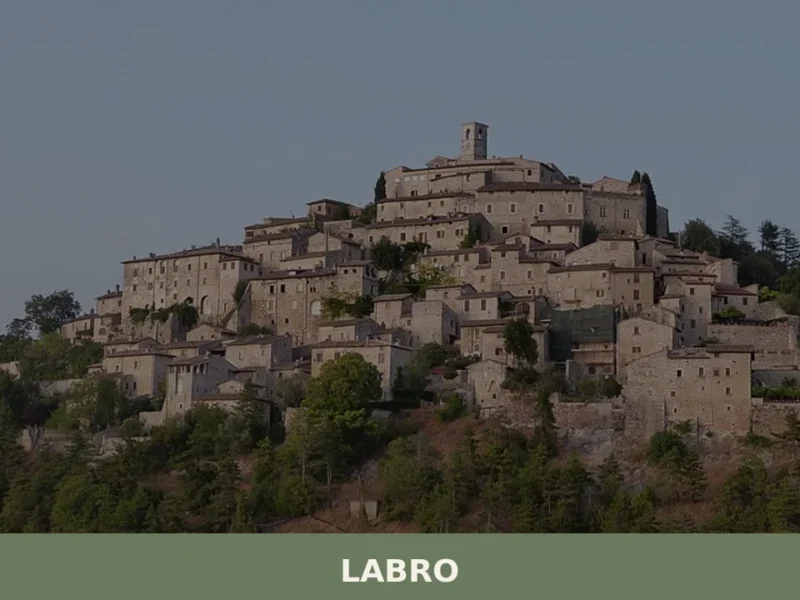
Labro
What to see in Labro: medieval castle, Lake Piediluco views and PAT-certified guanciale in a 360-person village at 628 m. Plan your visit to this Rieti province gem.
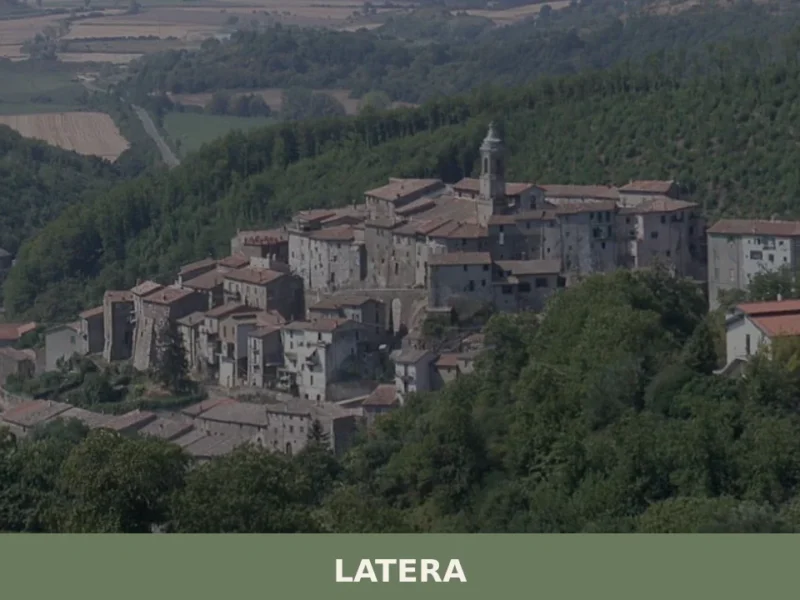
Latera
Latera has 766 inhabitants and sits on a tuff plateau at 508 metres above sea level, on the far northern edge of the province of Viterbo, close to the borders with Umbria and Tuscany. For centuries a fiefdom of the Farnese family, this small centre retains a compact Renaissance urban layout, with straight streets converging […]
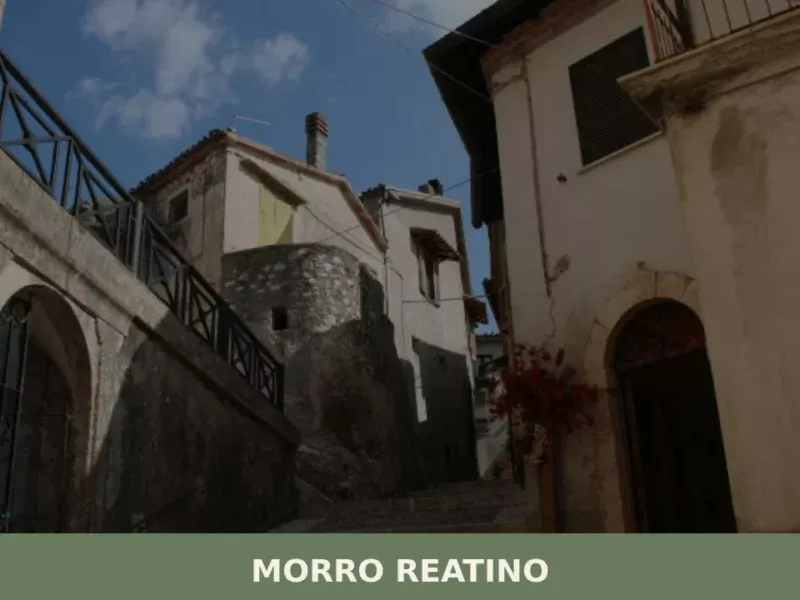
Morro Reatino
What to see in Morro Reatino: a village at 750 m in Rieti with 353 residents. Visit the medieval church of San Lorenzo, the historic centre, and discover PAT-certified guanciale amatriciano.





📝 Incorrect information or updates?
Help us keep the Villa San Giovanni in Tuscia page accurate and up to date.