Imagine standing in one of the most breathtaking baroque squares in all of southern Italy, surrounded by golden stone façades that seem to glow at dusk like lanterns carved from sunlight. The Duomo di Lecce e Piazza Duomo is exactly that kind of place — a destination that stops you mid-step and makes you forget whatever you were rushing toward. At the heart of Lecce, this architectural ensemble has been dazzling visitors for centuries, and yet it continues to feel like a secret discovered for the very first time.
The Duomo di Lecce and Piazza Duomo: A Baroque Jewel Hidden in Plain Sight
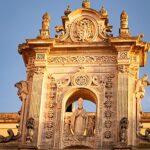
The Duomo di Lecce e Piazza Duomo represents one of the most cohesive and spectacular examples of barocco leccese — the distinctive local baroque style — anywhere in Italy. Unlike many cathedral squares that evolved organically and somewhat chaotically over the centuries, Piazza Duomo was deliberately designed as a unified space, creating an almost theatrical sense of enclosure that draws you inward and upward simultaneously.
The square is flanked on three sides by monumental buildings, including the Bishop’s Palace (Palazzo Vescovile), the Seminary (Seminario), and of course the cathedral itself, forming an intimate yet grandiose open-air room. The single entrance from Via Vittorio Emanuele II amplifies the effect: stepping inside feels like entering a stage set, though everything here is gloriously, undeniably real.
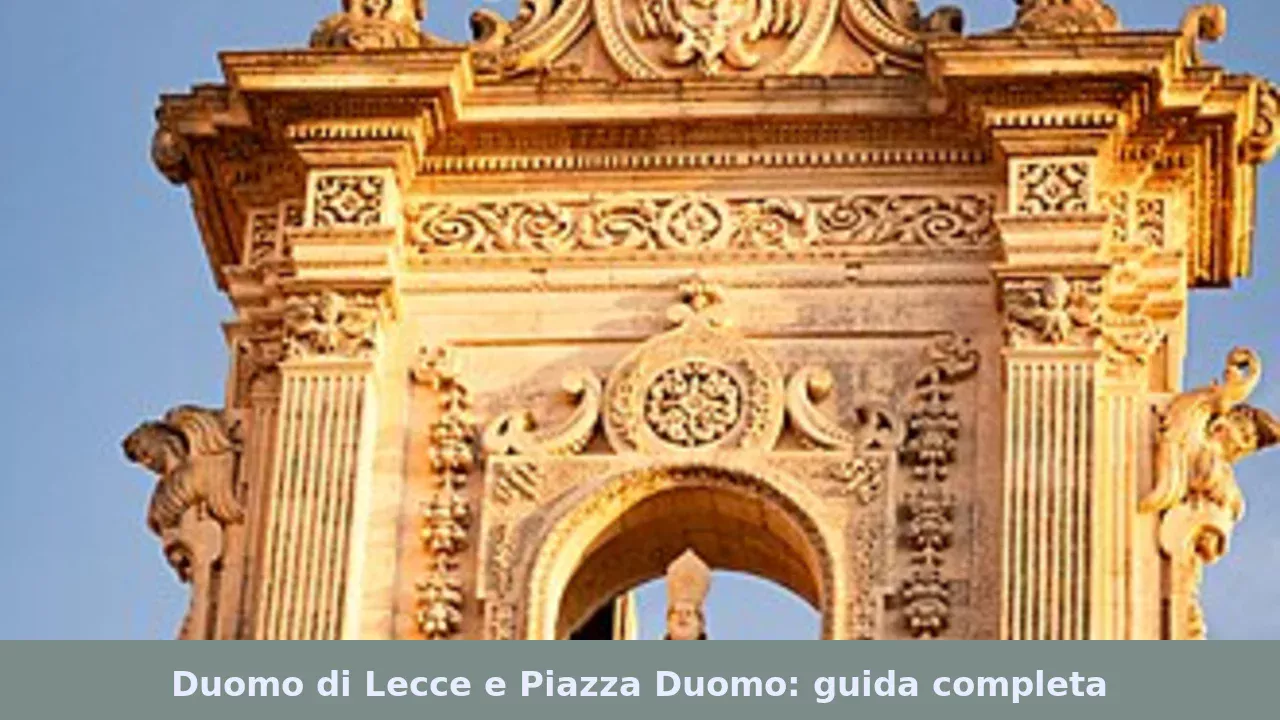
The Duomo di Lecce actually has two façades — a spectacular baroque one facing the square, designed by Giuseppe Zimbalo in 1682, and a more restrained secondary façade on the south side. Zimbalo, nicknamed Lo Zingarello, was the master architect responsible for much of the city’s baroque transformation.
Architecture and Art: What Makes the Duomo di Lecce So Extraordinary
The cathedral’s main façade rises 70 meters in height thanks to its freestanding bell tower, one of the tallest in Puglia. The tower is divided into five tiers, each decorated with cartapesta saints and intricate stone carvings that showcase the extraordinary skill of local craftsmen working with the soft, honey-colored Lecce stone (pietra leccese).
Inside the cathedral, the richness continues. Highlights include:
- A stunning coffered ceiling painted with scenes from the life of the Virgin Mary
- Sixteen side chapels, each a miniature baroque world unto itself
- A magnificent high altar encrusted with semi-precious stones
- Paintings attributed to artists of the Neapolitan school, including works influenced by Caravaggio’s dramatic use of light
- A beautifully preserved crypt beneath the nave, accessible to visitors
The Seminario, designed by Giuseppe Cino in 1709, contributes one of the square’s most photographed elements: its ornate well (pozzo), decorated with putti, foliage, and coats of arms in a riot of baroque exuberance. It functions as the perfect counterpoint to the soaring vertical ambition of the bell tower.
The History Behind Lecce’s Cathedral: Centuries of Faith and Stone
A place of Christian worship has stood on this site since at least the 5th century AD, though the current structure dates primarily from a major reconstruction ordered by Bishop Luigi Pappacoda in 1659. Zimbalo spent over two decades reshaping the cathedral and its surroundings into the baroque masterpiece we see today.
What makes the history particularly fascinating is how the building reflects the broader story of Lecce itself — a city that never fell entirely under the shadow of invasions and economic collapse that devastated much of medieval Puglia. Relative prosperity allowed local patrons and bishops to invest heavily in architecture, producing a concentration of baroque splendor unmatched in the entire Mezzogiorno.
The square served not only as a religious focal point but as a social and political hub. Ecclesiastical power, civic authority, and community life intersected here for centuries, making Piazza Duomo one of the most layered and meaningful public spaces in all of southern Italy.
Address: Piazza del Duomo, 73100 Lecce (LE)
Opening hours: Cathedral open daily from approximately 7:00 AM to 12:30 PM and 4:00 PM to 8:00 PM (hours may vary seasonally)
Admission: Entry to the cathedral is free; a small fee applies for the crypt and museum
Bell tower: Visits available with guided tour — check locally for current schedules
Best time to visit: Early morning or late afternoon, when the pietra leccese glows warmest in the sunlight
Where to Go Next: Day Trips from Lecce into the Salento Countryside
After immersing yourself in the splendors of Piazza Duomo, the surrounding Salento peninsula offers an array of charming villages that reward the curious traveler. The countryside around Lecce is dotted with olive groves, Messapian ruins, and perfectly preserved medieval settlements.
Consider adding these nearby gems to your itinerary:
- Specchia — a hilltop village of extraordinary medieval integrity, with winding alleyways, a castle, and panoramic views over the olive-studded plain. Often cited as one of the most beautiful villages in Italy.
- Cannole — a quiet, authentic Salento village famous for its ancient frantoio ipogeo (underground olive mill), where you can glimpse centuries-old agricultural life carved directly into the bedrock.
- Bagnolo del Salento — a tiny hamlet surrounded by monumental olive trees, some of which are over a thousand years old, offering a deeply rural and contemplative counterpart to baroque Lecce.
Together, these villages form part of a wider tapestry of Salento culture that stretches far beyond the city walls, each contributing its own thread to an endlessly rich regional story. For authoritative information on the city and its monuments, visit the Comune di Lecce official website or consult the resources of the Fondo Ambiente Italiano (FAI), which has championed the preservation of many of Puglia’s most significant historic sites.
How to Reach Piazza Duomo and Make the Most of Your Visit
Lecce is well connected by rail and road. Lecce railway station is served by direct Frecciarossa and Intercity services from Rome, Naples, and Bari, making it easily reachable from major Italian cities. From the station, Piazza Duomo is a pleasant 15-minute walk through the historic center.
A few tips to enhance your visit:
- Arrive before 9:00 AM to experience the square with minimal crowds and optimal morning light
- Wear comfortable shoes — the pietra leccese paving is beautiful but uneven
- Pick up a local guide at the cathedral entrance to access the crypt and learn about the hidden iconographic programs decorating each chapel
- Return at dusk when the floodlights transform the golden façades into something genuinely cinematic
- Allow at least two to three hours to do the square and cathedral justice, without rushing
The entire historic center of Lecce is largely pedestrianized, so wandering freely between the Duomo, the Roman amphitheater, and the church of Santa Croce — another baroque landmark — is both easy and deeply pleasurable.
Frequently Asked Questions
What is the best time of year to visit the Duomo di Lecce and Piazza Duomo?
Spring (April to June) and early autumn (September to October) offer the most comfortable temperatures and smaller crowds. Summer is vibrant but very busy; visiting early in the morning during July and August helps you avoid the peak heat and tourist rush.
Is there an entrance fee for the Duomo di Lecce?
Entry to the main body of the cathedral is free of charge. A modest admission fee applies to visit the crypt and the Diocesan Museum (Museo Diocesano), which houses a collection of religious art, vestments, and historic artifacts. Guided tours of the bell tower are also available for a fee.
Can I visit Piazza Duomo at night?
Absolutely — and it is highly recommended. The square is beautifully illuminated after dark, and the golden stone of the cathedral façade takes on an almost otherworldly warmth under artificial light. The piazza remains accessible throughout the evening and is a popular gathering spot for locals and visitors alike.
How does the Duomo di Lecce compare to other Italian cathedrals?
While it may not rival the scale of Milan’s Duomo or the age of Rome’s great basilicas, the Duomo di Lecce is considered unparalleled in baroque decorative richness within southern Italy. Its ensemble with the surrounding piazza creates an experience that many architectural historians regard as one of the finest examples of unified baroque urban planning in Europe.
Standing at the center of Piazza Duomo as the evening light turns the stone to amber, it becomes impossible to remain unmoved by the sheer human ambition that the Duomo di Lecce e Piazza Duomo embodies. This is not merely a monument to faith or power — it is a declaration that beauty itself is worth every sacrifice, every generation of dedicated craftsmen, every century of patient guardianship. If your travels are bringing you south into Puglia, let this square be your reference point, your orientation, your emotional anchor. Plan your journey, explore the full story of the city, and let the golden heart of the Salento surprise you in ways you never expected.