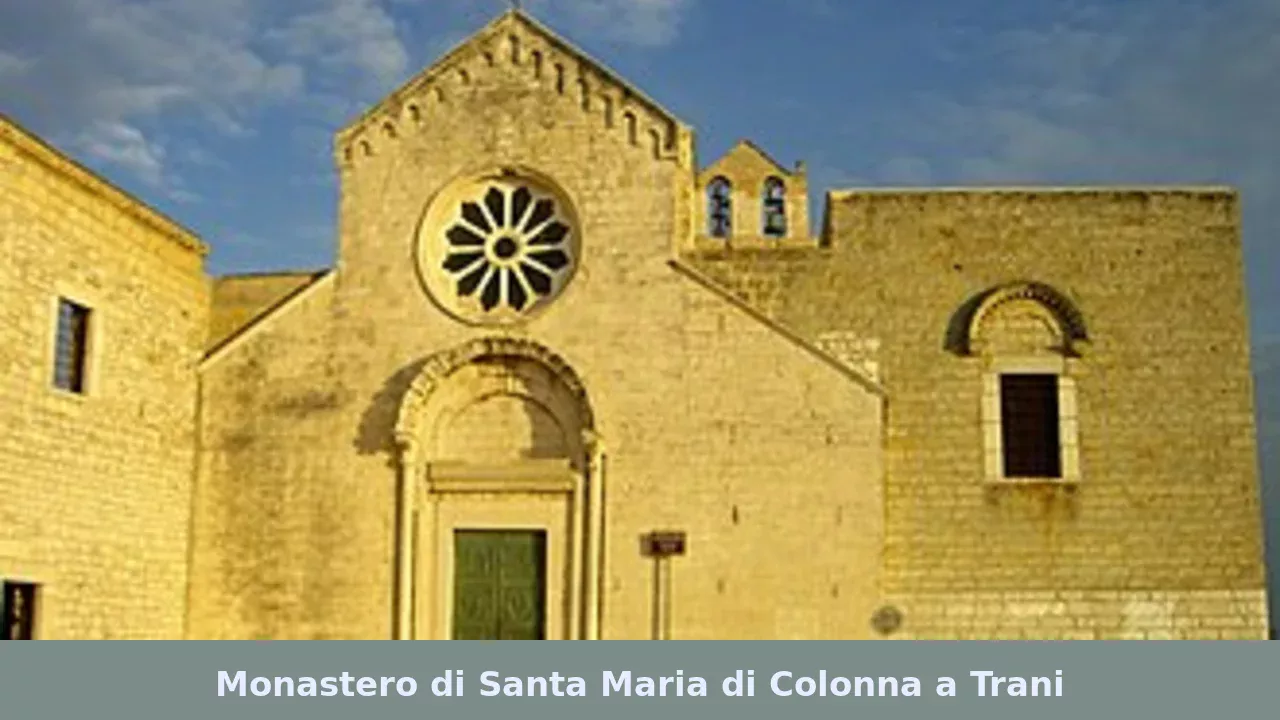
Perched on a rocky promontory above the Adriatic Sea, with waves crashing beneath its ancient walls, the monastero di Santa Maria di Colonna stands as one of Puglia’s most quietly breathtaking sacred places. Few travelers who visit Trani realize that just a short distance from the city’s celebrated cathedral, this centuries-old monastery guards a story of faith, resilience, and artistic heritage that stretches back to the early medieval period. If you’ve ever wondered what lies beyond the postcard views of this coastal gem, this is the place that will change your perspective entirely.
The History Behind the Monastero di Santa Maria di Colonna
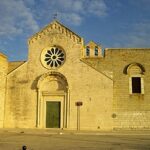
The origins of this sacred complex are rooted in the turbulent centuries following the fall of the Roman Empire, when communities of monks sought solitude along the Adriatic coastline. According to local tradition, the site takes its evocative name — Colonna — from an ancient column discovered nearby, believed to have been part of a pagan temple later consecrated to Christian worship.
The monastery rose to prominence during the Norman period, when Puglia became one of the most culturally vibrant regions of the Mediterranean world. Norman rulers, who controlled southern Italy from the 11th century onward, were generous patrons of religious architecture, and their influence can still be felt in the structural bones of many sacred buildings across the region.
Over the following centuries, the complex passed through the hands of various religious orders, each leaving its own mark on the architecture and the spiritual character of the place. Periods of abandonment alternated with phases of intense religious activity, giving the monastery a layered, almost geological quality — every stone seems to carry the memory of a different age.
The name Colonna is believed to derive from an ancient Roman column found at the site, possibly the remnant of a pagan sanctuary that predates the Christian monastery by many centuries. This kind of sacred continuity — pagan to Christian — is remarkably common throughout Puglia.
What Makes the Monastero di Santa Maria di Colonna Unmissable
Visiting this monastery is not simply an act of sightseeing — it is an exercise in slow travel and contemplative discovery. Several elements set it apart from other religious sites in the region.
- The panoramic setting: Positioned directly on the coastline, the monastery offers uninterrupted views of the Adriatic. At sunrise or sunset, the light transforms the limestone walls into something almost golden, creating a visual experience that no photograph can fully capture.
- The architectural fusion: Elements of Romanesque, Byzantine, and later Baroque influence blend in unexpected ways, making the complex a living textbook of southern Italian religious art.
- The devotional atmosphere: Unlike heavily touristed religious sites, Santa Maria di Colonna retains a genuine sense of sacred quiet. Visitors often describe feeling a particular stillness here — the kind that encourages reflection rather than distraction.
- The surrounding natural landscape: The rocky shoreline below the monastery is part of what makes the experience so distinctive. The interplay between the built heritage and the raw coastal environment is striking and memorable.
- The iconographic heritage: Fragments of frescoes and decorative elements inside the complex speak to a rich artistic tradition that flourished under monastic patronage across the medieval centuries.
For those who travel with a genuine curiosity about the past, this site offers a depth of experience that rewards patience. Arrive early, walk slowly, and resist the temptation to rush through.
How to Reach the Monastery and Plan Your Visit
Getting to the monastero di Santa Maria di Colonna from Trani is straightforward, and the journey itself is part of the pleasure. The monastery is located just outside the historic center, easily accessible on foot or by bicycle along the coastal road.
- On foot: A scenic walk of approximately 20–30 minutes from the center of Trani along the seafront promenade. The route passes some of the city’s finest views of the Adriatic.
- By bicycle: Trani has a relatively flat coastal landscape, making cycling a practical and enjoyable option. Several rental points operate within the historic center.
- By car: Limited parking is available near the site. During summer months, arriving early in the morning is strongly recommended to avoid congestion.
The best seasons to visit are spring (April–June) and early autumn (September–October), when temperatures are comfortable, crowds are thinner, and the coastal light is at its most spectacular. Summer visits are also rewarding but require more planning due to higher tourist numbers across the entire region.
Opening hours and entrance conditions may vary depending on religious events and seasonal schedules. It is advisable to check with the local tourist office in Trani or consult the official website of the Municipality of Trani before your visit. Admission is generally free, though donations to support conservation efforts are always welcome.
Trani and Its Sacred Heritage: A Broader Context
To truly understand the significance of Santa Maria di Colonna, it helps to see it within the broader religious and artistic landscape of the city. Trani has long been known for its extraordinary Cathedral of San Nicola Pellegrino, one of the finest examples of Apulian Romanesque architecture in existence, dramatically positioned at the very edge of the sea. But the city’s sacred identity extends far beyond this single monument.
Throughout the medieval period, Trani was a prosperous port city and a hub for pilgrims traveling to and from the Holy Land. This strategic position on the Adriatic made it a meeting point for cultures, religions, and artistic traditions — Greek, Norman, Lombard, Jewish, and Arab influences all left traces in the city’s fabric. The monastery of Santa Maria di Colonna is, in this sense, not an isolated curiosity but a natural expression of a city that has always been defined by its relationship with faith and the sea.
The FAI – Fondo Ambiente Italiano has long recognized Puglia’s extraordinary density of sacred and historical heritage, and sites like this one are central to understanding why the region continues to attract scholars, artists, and thoughtful travelers from around the world.
Tips for a Meaningful Visit
A few practical suggestions can transform a good visit into an unforgettable one:
- Combine with a walk along the seafront: The coastal promenade connecting the monastery to the cathedral district is one of the most beautiful short walks in all of Puglia.
- Visit at different times of day: Morning light floods certain parts of the complex in ways that afternoon visits simply cannot replicate.
- Bring water and comfortable shoes: The terrain around the site can be uneven, and shade is limited during summer months.
- Respect the sacred nature of the space: Dress modestly, keep voices low, and allow other visitors — including those who come in genuine devotion — the quiet they seek.
- Ask locally: Bar owners, fishermen, and residents near the monastery often carry fragments of oral history that no guidebook preserves. A brief conversation can enrich the experience immeasurably.
Frequently Asked Questions
Is the Monastero di Santa Maria di Colonna open to the public?
The monastery is generally accessible to visitors, though access to certain interior spaces may be restricted during religious ceremonies or conservation work. It is always advisable to verify current opening conditions before planning your visit, particularly during festive periods.
How far is the monastery from the center of Trani?
The site is located approximately 1.5–2 kilometers from the historic center of Trani, making it an easy and pleasant walk along the coastal road. The journey on foot takes between 20 and 30 minutes depending on your pace.
Is there an entrance fee?
In most cases, entry to the monastery is free of charge. Voluntary contributions toward the maintenance and conservation of the complex are appreciated and help sustain this important piece of Puglia’s cultural heritage.
Can I visit the monastery as part of a guided tour?
Several local tour operators in Trani offer guided itineraries that include Santa Maria di Colonna alongside other key sites such as the cathedral and the historic Jewish quarter. The local tourist office can provide up-to-date recommendations and contacts.
Few places along the Adriatic coast combine natural beauty, spiritual atmosphere, and historical depth quite like the monastero di Santa Maria di Colonna. Whether you come as a pilgrim, a history enthusiast, or simply a curious traveler in search of something beyond the ordinary, this monastery has the rare ability to make you stop, breathe, and feel genuinely connected to a past that is still very much alive. Don’t leave Puglia without making the time to experience it — some places deserve more than a glance.