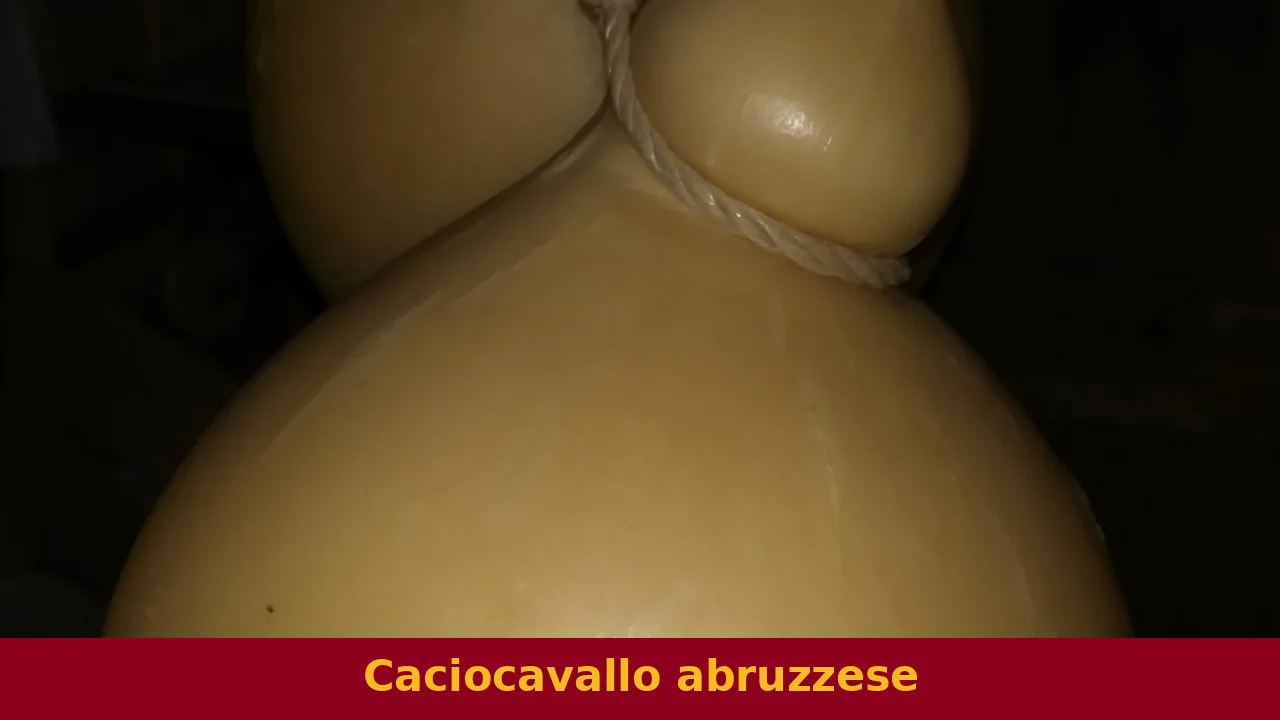
Among the peaks and valleys of Abruzzo, where the echo of traditions resounds strongly, a cheese is born that embodies the very essence of this land: the caciocavallo abruzzese. This product, recognizable by its characteristic shape hung over a beam, contains centuries of cheesemaking expertise. Each form tells a story of mountain pastures, quality cow’s…
Among the peaks and valleys of Abruzzo, where the echo of traditions resounds strongly, a cheese is born that embodies the very essence of this land: the caciocavallo abruzzese. This product, recognizable by its characteristic shape hung over a beam, contains centuries of cheesemaking expertise. Each form tells a story of mountain pastures, quality cow’s milk, and skilled hands that, with precise gestures, transform simple ingredients into a gastronomic specialty of profound cultural significance.
The caciocavallo abruzzese is an aged spun-curd cheese, a genuine expression of the dairy tradition of Central-Southern Italy, with a strong regional identity in Abruzzo. Produced exclusively with cow’s milk, its processing involves the addition of only rennet, selected lactic ferments, and salt. The distinctive feature that makes it immediately recognizable is its shape: two rounded bodies joined by a constriction, which gives it the appearance of the number 8. This configuration is not arbitrary but functional for its traditional preservation and aging, which occurred “a cavallo” (astride) a beam or pole, from which its evocative name derives.
The origins of caciocavallo extend into a distant past, evidenced as early as the Magna Graecia and Roman eras. Pliny the Elder, in his Naturalis Historia, described similar cheeses produced in Southern Italy, suggesting a remarkable historical continuity. The name itself, “caciocavallo,” evokes images of a time when these cheeses were hung over wooden beams for drying, a practice common among shepherds to optimize space and promote uniform aging. In Abruzzo, the production of this cheese is inextricably linked to pastoral culture and animal husbandry. The mountain and foothill communities, with their dedication to cattle farming, have refined processing techniques over centuries, passing down from generation to generation the knowledge required to create a product of such excellence. The caciocavallo abruzzese, in particular, has maintained a strong connection with artisanal techniques, resisting standardization and preserving its distinctive character.
The production area of caciocavallo abruzzese extends across the various provinces of Abruzzo, a region marked by an alternation of imposing mountain ranges, gentle hills, and fertile valleys. This varied landscape offers ideal conditions for cattle farming, with rich and diverse pastures that directly influence the quality and sensory properties of the milk. The inland areas, in particular, with their mountain pastures, contribute to imparting unique aromas and notes to the milk, which are then found in the aged cheese. Production is widespread in various areas, from the surroundings of Goriano Sicoli in the Subequana Valley, to localities near Celano in the Fucino Plain, and extending towards the Chieti hills, such as near Carpineto Sinello. It is in these contexts, where agriculture and pastoralism are still central activities, that cheesemaking knowledge is carefully handed down. The biodiversity of the forages, the purity of the air and water, and the expertise of breeders and cheesemakers, are all factors that contribute to defining the identity of this cheese, making it a true ambassador of traditional products from ABRUZZO.
The production of caciocavallo abruzzese is an art that requires patience and mastery, following a process that has its origins in tradition. It all begins with fresh cow’s milk, sourced from local farms. After the heating phase, rennet is added to the milk, initiating coagulation. The resulting curd is broken into small grains and left to rest to acidify naturally, thanks to the action of lactic ferments. The crucial moment is the spinning (filatura): the curd is cut into strips and immersed in hot water, where it acquires its characteristic elasticity. The skilled hands of the cheesemaker work and “spin” it energetically until a smooth and homogeneous paste is obtained. It is at this stage that the pear or bag shape is given, before being molded into an “eight” and prepared for hanging. Subsequently, the forms are immersed in brine for salting, a fundamental step that gives the cheese its flavor and promotes its preservation. Finally, the caciocavallo abruzzese is hung “a cavallo” on poles in cool, ventilated environments for aging. This period can vary from a few weeks to several months, during which the cheese develops its rind and refines its aromatic profile, acquiring complexity and intensity.
The caciocavallo abruzzese stands out for a sensory profile that evolves with aging, offering a rich and varied taste experience.
Among the interesting facts related to this family of cheeses, particular varieties such as the so-called “caciocavallo dell’emigrante” are also produced in Southern Italy, which encloses soppressata inside, an example of the creativity and richness of Southern Italian cheesemaking traditions, although it is not a specificity of caciocavallo abruzzese. More details on the caciocavallo family are available on Wikipedia.
The caciocavallo abruzzese is an extremely versatile cheese in cooking, capable of enriching a wide variety of dishes, from appetizers to main courses.
The uniqueness of caciocavallo abruzzese lies in a set of factors that make it a distinctive product in the Italian cheesemaking landscape. Firstly, its artisanal processing, passed down through generations, which still follows essential manual steps today, particularly the spinning of the curd, which gives the cheese its texture and iconic shape. The “eight” shape is not only aesthetic but functional to an ancient and specific aging method, which differentiates it from many other cheeses. Secondly, the profound connection with the Abruzzo territory. The milk used comes from farms that benefit from the varied pastures of the region’s mountains and hills, giving the caciocavallo abruzzese an aromatic profile that reflects the local flora. Each form of this cheese tells the story of an agriculture and pastoralism that respect the rhythms of nature and have preserved valuable expertise. It is a concrete expression of the biodiversity and gastronomic culture of Abruzzo, a cheese that is not just food, but also a narration of a place and its people. Its ability to offer different taste sensations depending on the aging, from sweet to savory-spicy, further enhances its value and appeal, positioning it among the most representative Italian traditional food products.
The caciocavallo abruzzese is recognized as an Italian Traditional Agri-Food Product (PAT), a certification that attests to its historical and cultural importance. The PAT certification is a quality mark that the Ministry of Agricultural, Food and Forestry Policies attributes to products that, while not falling under DOP or IGP regulations, possess processing, preservation, and aging methods consolidated over time, practiced homogeneously and continuously for at least twenty-five years. This recognition underscores the value of caciocavallo abruzzese not only as food but as an expression of a heritage of knowledge and traditions that deserve to be protected and promoted. Being a PAT means guaranteeing that the cheese is produced according to consolidated procedures, which reflect the history and identity of the Abruzzo territory, thus preserving its true nature and distinctive characteristics for future generations.
To fully savor the caciocavallo abruzzese and discover its true essence, the best way is to go directly to Abruzzo. This region offers countless opportunities to taste and purchase this cheese directly from producers.
Visiting Abruzzo for its caciocavallo means embarking on a journey that combines taste with the discovery of landscapes and traditions. It is an invitation to explore a region that, through its flavors, tells its truest identity.
📷 Photo: mdelbianco · CC BY-SA 4.0 · All credits →
In the wild and generous heart of Abruzzo, where transhumance has shaped landscapes and traditions, a cheese emerges...
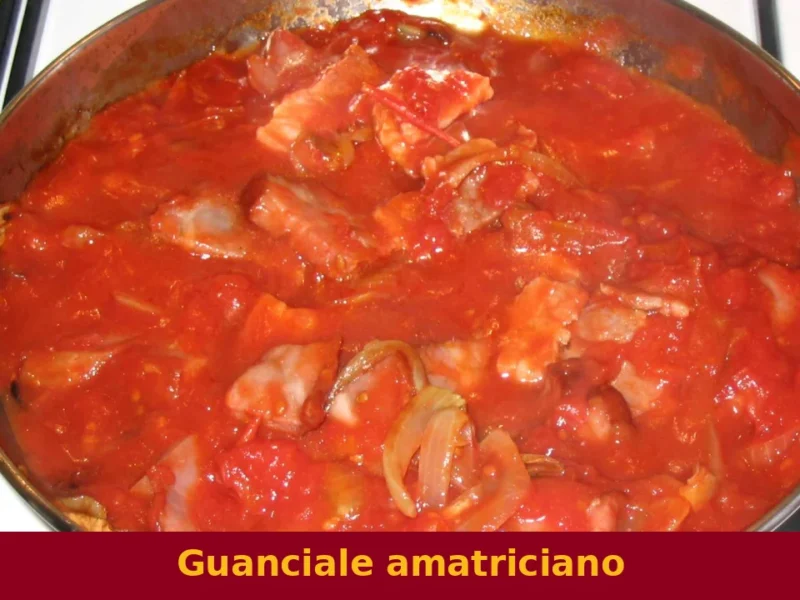
When the unmistakable aroma of a golden soffritto begins to spread, it is often guanciale amatriciano that takes...
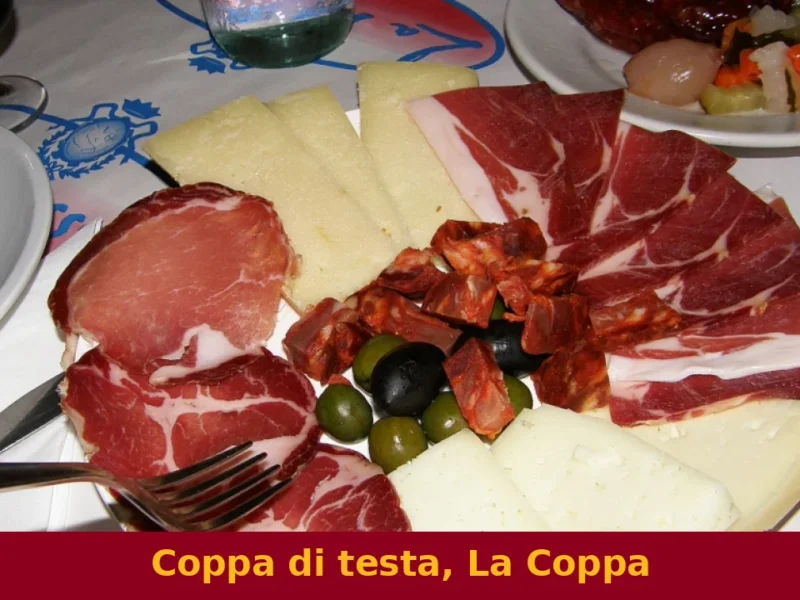
Within Abruzzo's verdant expanse, amidst mountain pastures and ancient traditions, a cured meat awaits discovery, telling tales of...
Morning light flattens across the plain north of Caserta, and Camigliano emerges low and unhurried — a grid of stone and plaster houses, church bells marking the quarter-hour to no one in particular. With fewer than two thousand residents, this is a settlement shaped more by agriculture than spectacle. Yet for those asking what to […]

From the port of Brindisi, at a strategic point where the Adriatic opens towards the East, stands the Monument to the Italian Sailor, an imposing structure that since 1933 has watched over the city and its maritime routes. This city, overlooking a natural inlet that for centuries has welcomed fleets and trade, has historically been […]
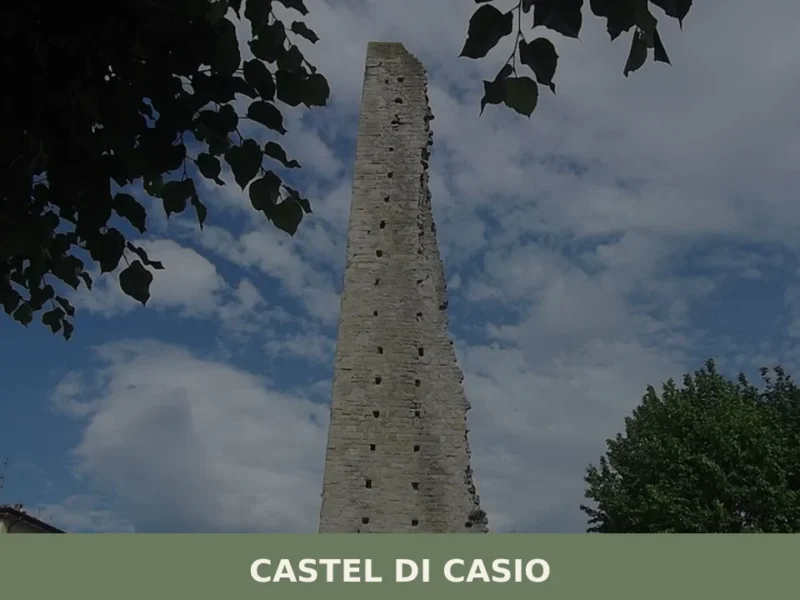
In February 1944, during the German retreat along the Gothic Line, the bridges over the Limentra di Treppio torrent were blown up one by one, cutting the territory of Castel di Casio in two. That act of destruction left a lasting mark on the collective memory of a mountain municipality that, as far back as […]
📝 Incorrect information or updates?
Help us keep the Caciocavallo abruzzese page accurate and up to date.