


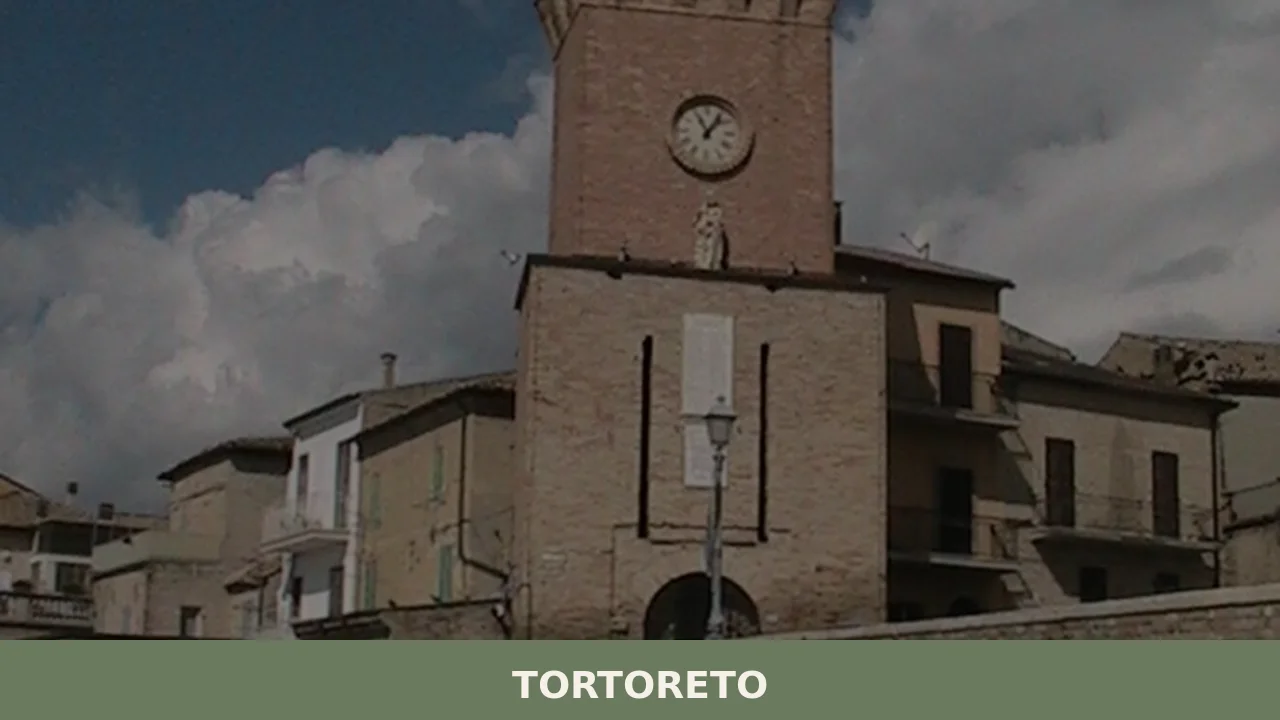
Tortoreto
 Sea
Sea
The village of Tortoreto, located in the province of Teramo, stands at 227 meters above sea level, maintaining an observation position over the Adriatic coast. Its historical foundation is attested in Roman times with the name of Castrum Salini, a settlement that indicated its proximity to salt pans and its function of territorial control. Today, […]
Discover Tortoreto
The village of Tortoreto, located in the province of Teramo, stands at 227 meters above sea level, maintaining an observation position over the Adriatic coast. Its historical foundation is attested in Roman times with the name of Castrum Salini, a settlement that indicated its proximity to salt pans and its function of territorial control. Today, for those wondering what to see in tortoreto, the ancient core of the town offers a path that reveals civil and religious architecture, evidence of a past that saw the village at the center of territorial disputes and cultural exchanges, outlining a layered identity between hill and sea.
History and origins of Tortoreto
Tortoreto’s roots lie in antiquity, with the first records dating back to Roman times, when it was known as Castrum Salini, a name that suggests the presence of nearby salt pans or a connection to the salt trade. Its strategic position, controlling the coastal strip and inland routes, made it a point of interest over the centuries. During the Middle Ages, the territory was the scene of disputes between powerful local families and neighboring cities, falling under the dominion of Ascoli Piceno and subsequently the Acquaviva, lords of Atri.
The current name “Tortoreto” is believed to derive from the frequent presence of turtledoves, birds that populated the area. The urban structure of the village, with its historic core situated at the top of the hill, reflects the defensive needs typical of the medieval era. The original fortifications, though partly altered or lost, have left traces in the configuration of the streets and in the presence of elements like the bell tower, once an integral part of the defensive system.
What to see in tortoreto: 5 unmissable attractions
The historic center of Tortoreto Alto is the focal point for discoveries for those wishing to understand the essence of the place. Here is a selection of points of interest that define the village’s identity.
1. The Clock Tower
The Clock Tower stands at the highest point of the village, serving as a symbol and visual reference. Originally part of the medieval defensive system, its stone structure was integrated with the addition of a clock face in a later era. From its base, one can observe the organization of the ancient urban fabric, with houses arranged along the slopes of the hill.
2. The Church of San Nicola di Bari
Dedicated to the patron saint of the village, San Nicola di Bari, this church is the main place of worship in Tortoreto. Its facade, characterized by architectural elements that have accumulated over time, reveals interventions from different eras. Inside, the space is marked by naves that house sacred artworks, including altars and paintings that recount local devotion and the community’s history.
3. The Church of Sant’Agostino
The Church of Sant’Agostino features a simple and linear facade, typical of religious buildings of modest size. Its interior, though without ostentation, maintains an atmosphere of contemplation. This church represents an example of the minor religious architecture present in the village, contributing to define the spiritual and historical path of the place.
4. The Baronial Palace
The Baronial Palace, despite having undergone modifications over the centuries, maintains its grandeur as a historical residence. Its structure reflects the transformations experienced by the noble families who resided there. Its walls, built with local materials, recount the evolution of power and civil architecture within the context of Tortoreto.
5. The Panoramic Viewpoint
From the top of the village, near the Clock Tower, a viewpoint opens up offering an extensive view. The gaze encompasses the Adriatic coast, with its long beaches, and extends inland, where the profiles of the Abruzzese hills outline up to the peaks of Gran Sasso. This observation point allows one to understand Tortoreto’s geographical position, between sea and mountain.
Typical cuisine and local products
The gastronomy of Tortoreto, like that of the entire Abruzzo region, is distinguished by its ability to combine the flavors of the land and the sea, using simple and genuine ingredients. Among the most representative dishes are the famous Arrosticini of mutton, grilled, a symbol of regional cuisine. There are also preparations based on homemade pasta, such as “Maccheroni alla chitarra” seasoned with meat ragù, or “Scrippelle ‘mbusse”, thin crêpes immersed in broth.
The surrounding territory is fertile for the production of quality olive oil and robust wines. Among the wines, Montepulciano d’Abruzzo, a full-bodied red, and Trebbiano d’Abruzzo, a fresh and fruity white, stand out. Local dairy products, such as Pecorino d’Abruzzo, and typical cured meats, including Ventricina Teramana, enrich the gastronomic offering, bearing witness to a rural tradition that lives on in the recipes and flavors.
When to visit Tortoreto: the best period
Tortoreto’s location, between the sea and the first hilly elevations, makes visiting it pleasant in different seasons. The spring months (April-May) and autumn months (September-October) offer a mild climate, ideal for exploring the historic center without summer heat and for enjoying the views. During these periods, the surrounding countryside displays vibrant colors or warm hues, and the days are often clear.
Summer, from June to September, is the period of greatest influx thanks to the proximity of Tortoreto Lido’s beaches, which make the village a destination for those wishing to combine beach relaxation with cultural excursions. The patron saint’s festival of San Nicola di Bari, on December 6th, offers an opportunity to experience local traditions, although the winter climate is cooler and sometimes rainy. The choice of period therefore depends on the traveler’s priority: culture and tranquility in spring and autumn, or sea and summer events in the warmer months.
How to get to Tortoreto
Tortoreto is accessible via various communication routes. By car, it can be reached by taking the A14 motorway (Bologna-Taranto) with the Val Vibrata exit, then continuing along the SS16 Adriatica. For those who prefer the train, the nearest railway station is Tortoreto Lido, located on the Adriatic line, from which the village can be reached in a few minutes by public transport or taxi. The reference airport is Abruzzo Airport in Pescara (PSR), about 50 km away, which offers national and international connections.
From major cities, Tortoreto is about 20 km from Teramo, 50 km from Pescara, 100 km from Ancona, and about 200 km from Rome, making it an accessible destination for day trips or longer stays.
Other villages to discover in Abruzzo
Abruzzo, a region that offers a variety of landscapes and settlements, features numerous villages that deserve a visit for their historical and cultural specificities. While Tortoreto stands out for its location between hill and coast, other inhabited centers offer different perspectives on the Abruzzese territory. For example, the village of Fallo, located in the province of Chieti, presents a more inland configuration, set within a mountainous context that defines its economy and traditions.
Another example is Civitella Roveto, in the heart of Marsica, in the province of L’Aquila. This village develops in a valley and offers a different interpretation of Abruzzese rural architecture and social dynamics linked to agriculture and pastoralism, moving away from the seaside vocation that characterizes the Tortoreto area.
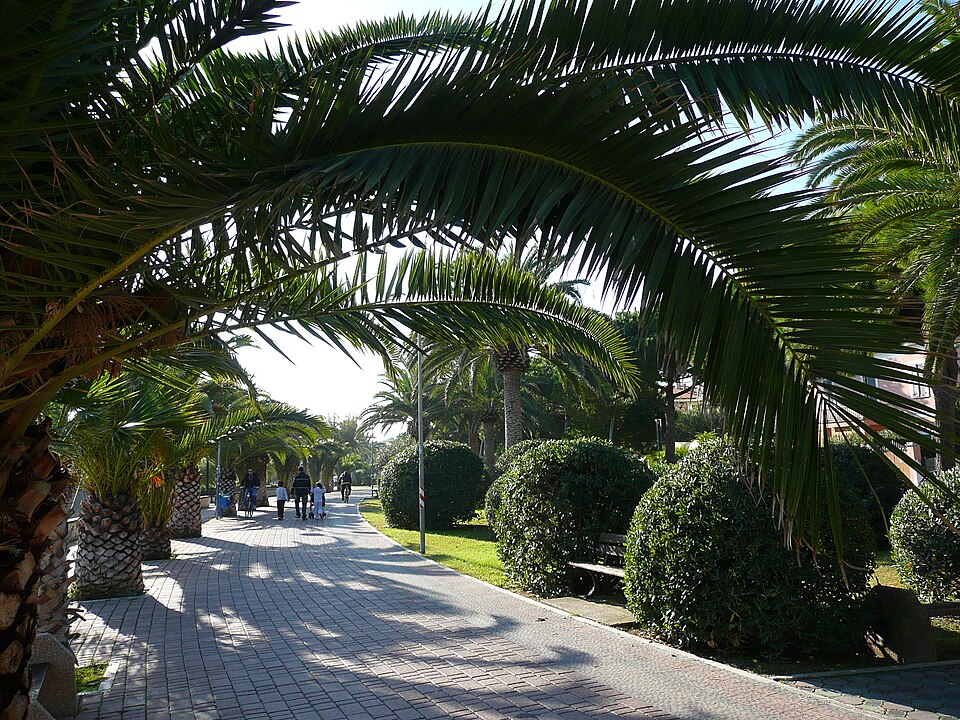
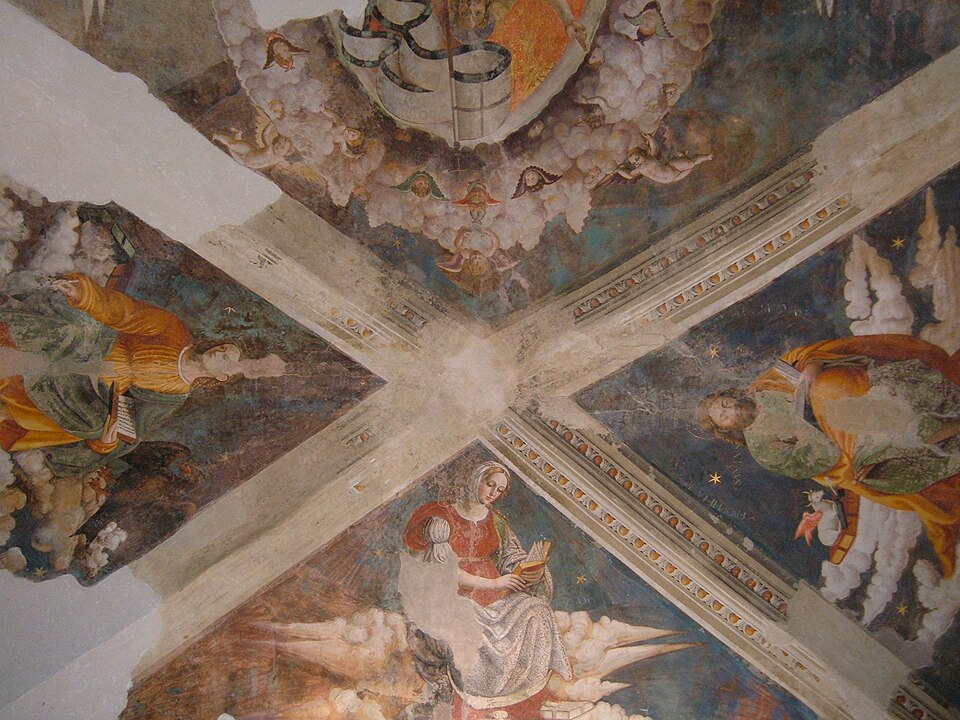
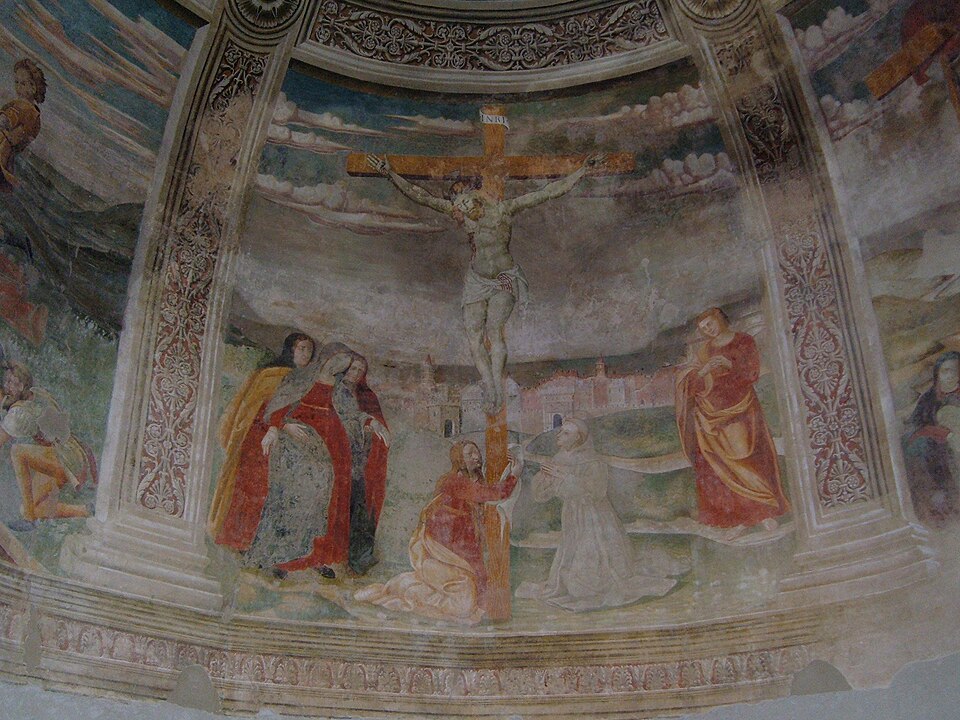
📷 Photo Gallery — Tortoreto

Getting there
Piazza della Libertà, 64018 Tortoreto (TE)
Nearby Villages near Tortoreto


In Abruzzo More villages to discover
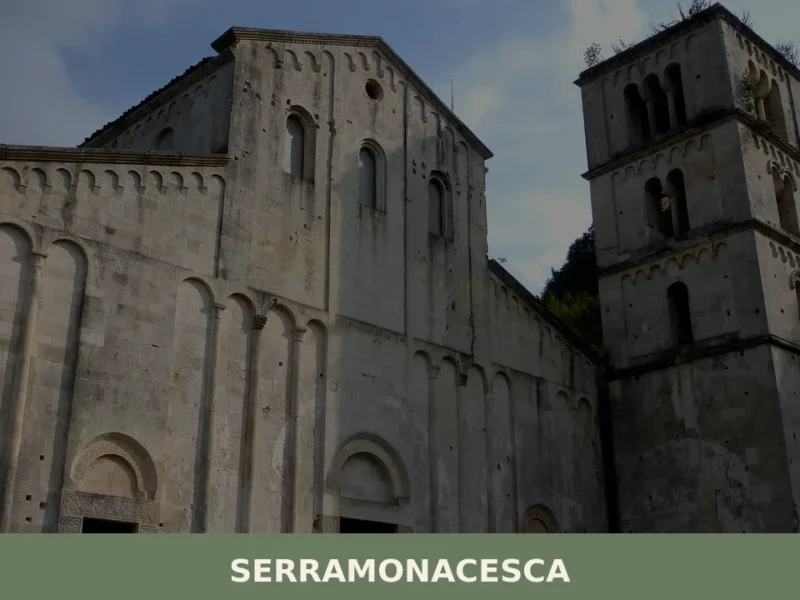
Serramonacesca
 Hills
Hills
What to see in Serramonacesca, Abruzzo, Italy: discover 6 top attractions including the Abbey of San Liberatore, rock-cut tombs, and a medieval tower. Population 560.
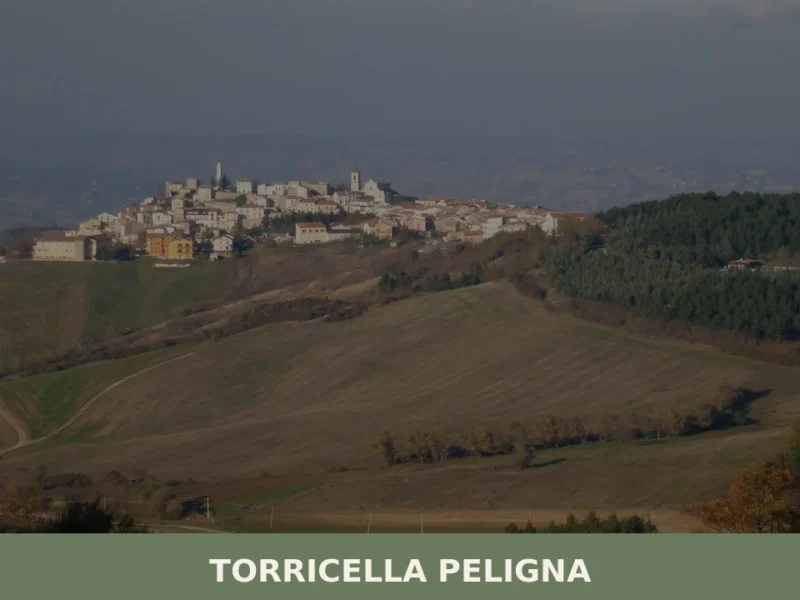
Torricella Peligna
 Mountain
What to see in Torricella Peligna, Italy: Explore its 1,392 inhabitants and significant WWII history. Discover ancient Samnite finds and the Church of San Giacomo.
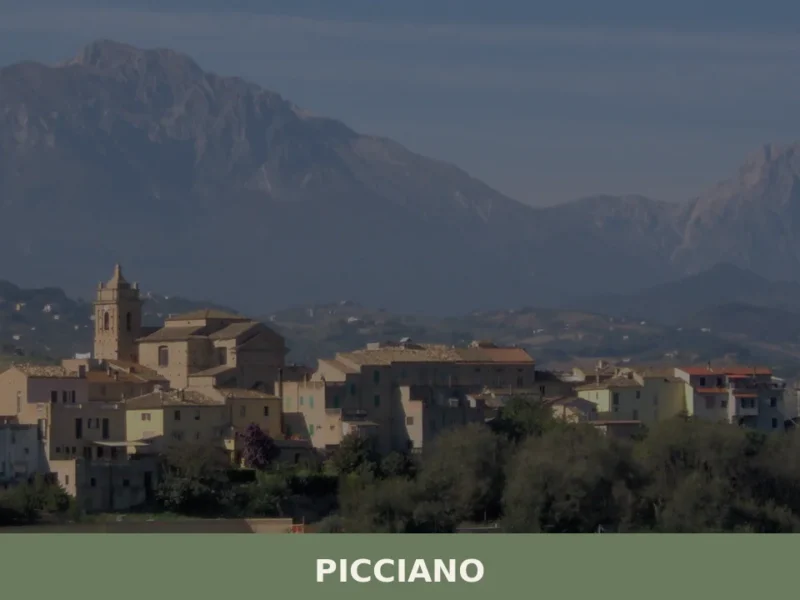
Picciano
Hills
What to see in Picciano, Italy: Discover the historical village of Picciano (population 1,398). Explore its early medieval origins and panoramic Abruzzo views.
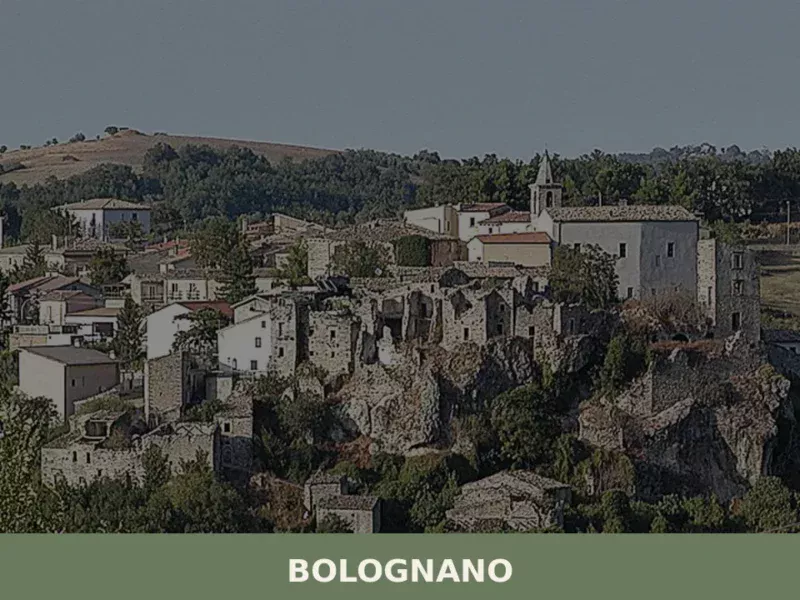
Bolognano
Hills
At 276 metres above sea level, along the Orta valley, Bolognano has a current population of 1,002 and occupies a stretch of flatland in the province of Pescara that served, between 1989 and 1992, as the site of an international art experiment conceived by the German artist Joseph Beuys. Asking what to see in Bolognano […]
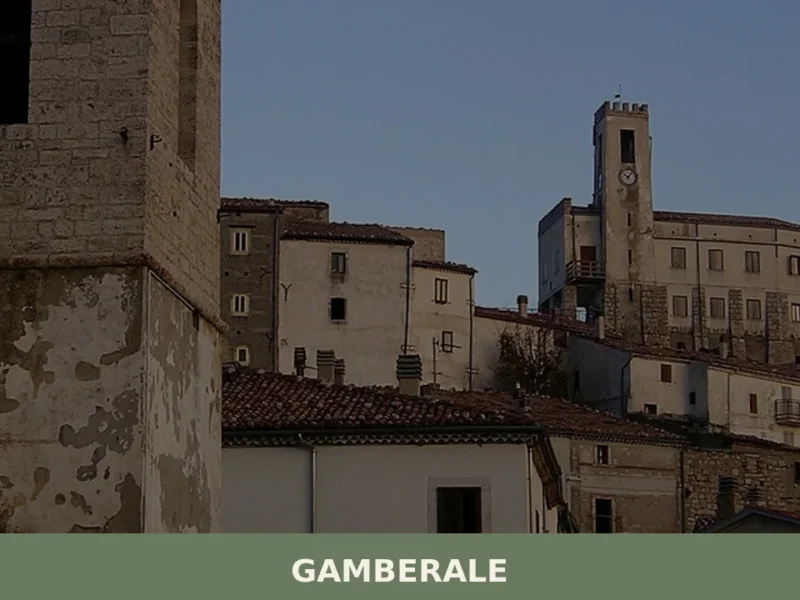
Gamberale
Mountain
At 1,343 metres above sea level, along the eastern ridge of the Majella mountains where the slopes descend towards the Sangro valleys, 277 residents keep alive a settlement that the catasto onciario of the Kingdom of Naples already recorded in the eighteenth century as a community of shepherds and charcoal burners. Visitors arriving in Gamberale […]
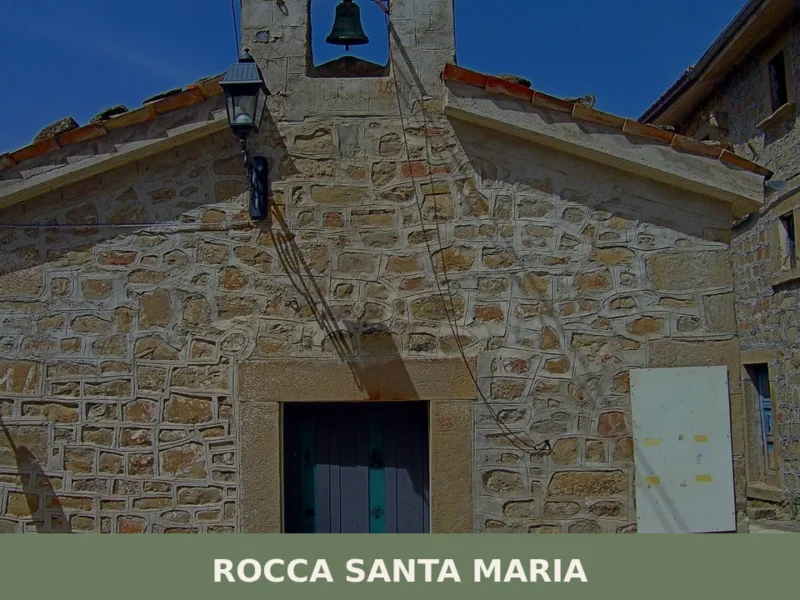
Rocca Santa Maria
Mountain
what to see in rocca santa maria, Italy. Explore a village of 560 inhabitants within Gran Sasso e Monti della Laga National Park. Discover its mountain frazioni and natural beauty.
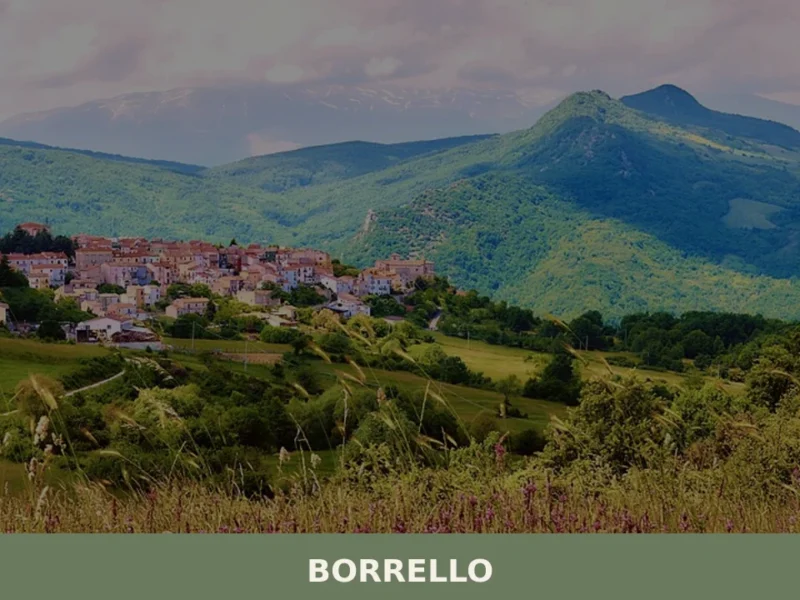
Borrello
Mountain
At 804 metres above sea level, on the eastern slope of the Majella massif, 338 inhabitants watch over a settlement that in the eighteenth century counted more than two thousand residents. Anyone looking into what to see in Borrello will find a territory shaped more by geology than by human hands: the Cascate del Verde, […]

Villa Sant’Angelo
Mountain
What to see in Villa Santu2019Angelo? Discover 5 must-see attractions and the history of the ancient village. Plan your guided visit now!
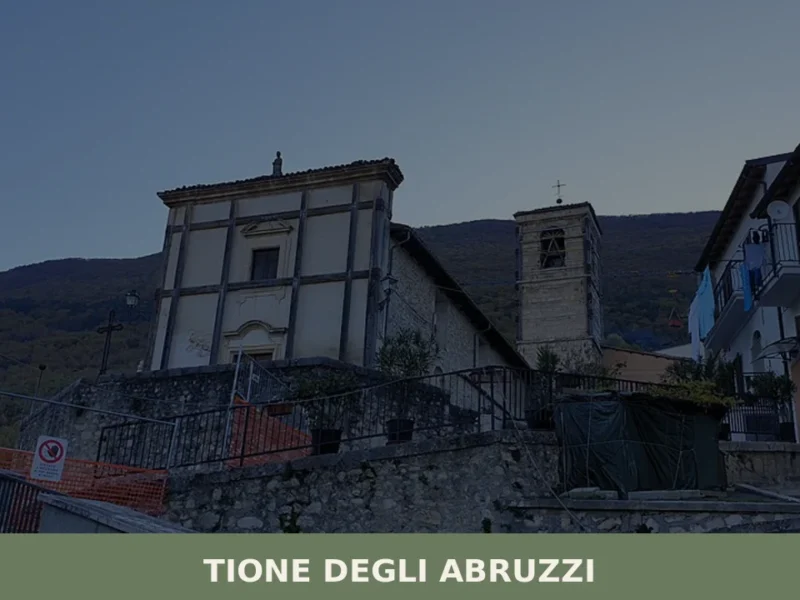
Tione degli Abruzzi
Mountain
What to see in Tione degli Abruzzi, Italy includes its 322 inhabitants and railway connection. Discover the village and its Abruzzese culture. Explore this L'Aquila comune.
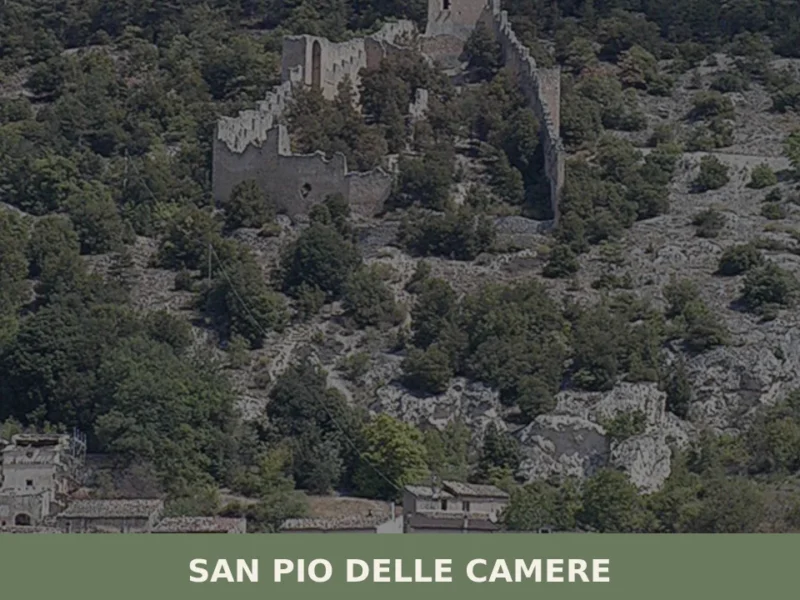
San Pio delle Camere
Mountain
What to see in San Pio delle Camere, Abruzzo, Italy: explore 5 top attractions including a medieval castle and Peltuinum ruins. Discover this L'Aquila village.





🏡 Know Tortoreto better than we do?
If you’re a local or have been there, your knowledge matters: add what’s missing or fix a detail on this page.