


Fontecchio
 Mountain
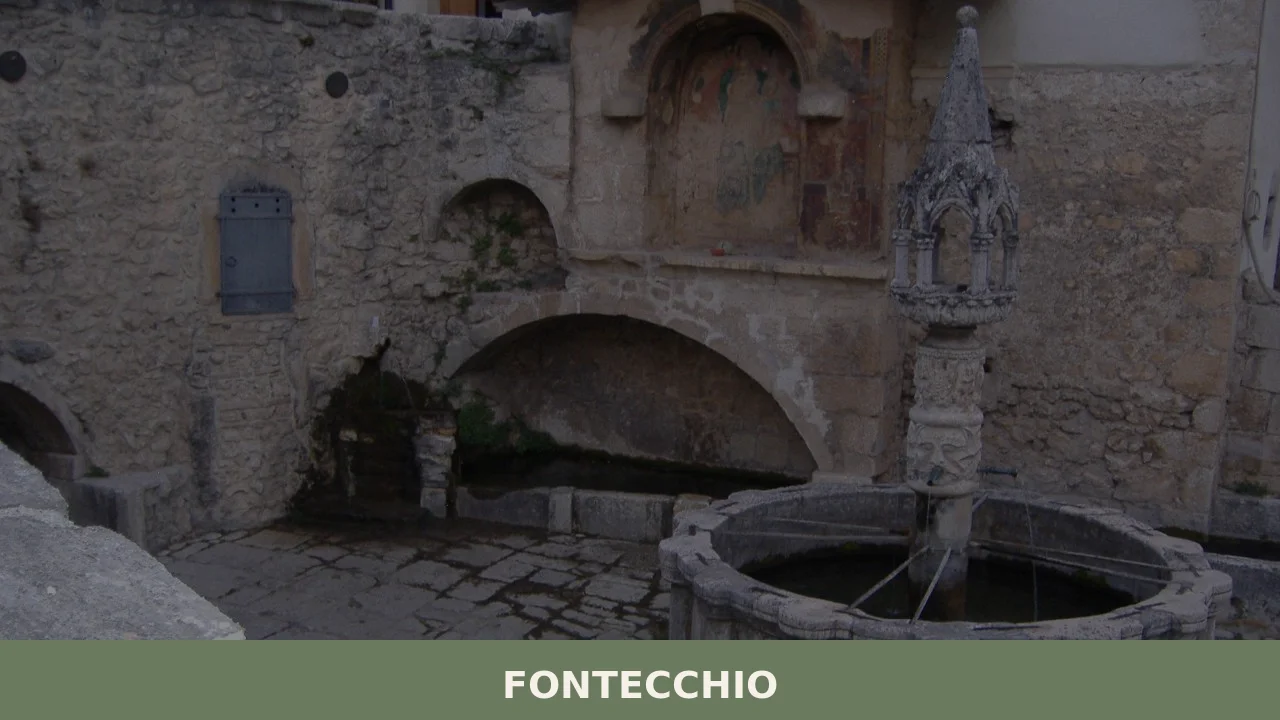
The fourteenth-century fountain with a fourteen-spouted stone basin, dated 1355, still marks the centre of Fontecchio’s main square — a village of 291 inhabitants at 668 metres above sea level in the middle Aterno Valley, province of L’Aquila. Anyone wondering what to see in Fontecchio should start right here, at this hydraulic structure that has […]
Discover Fontecchio
The fourteenth-century fountain with a fourteen-spouted stone basin, dated 1355, still marks the centre of Fontecchio’s main square — a village of 291 inhabitants at 668 metres above sea level in the middle Aterno Valley, province of L’Aquila. Anyone wondering what to see in Fontecchio should start right here, at this hydraulic structure that has been running without interruption for nearly seven centuries, and then climb towards the clock tower with its fifteenth-century mechanism, one of the oldest in Abruzzo. The village retains a compact medieval urban layout, with walls, access gates and a baronial palace that records the passage of powerful feudal families.
History and origins of Fontecchio
The name Fontecchio most likely derives from the Latin fonticulus, meaning small spring, a direct reference to the numerous water sources that feed the municipal territory and that in the Middle Ages made the settlement strategically important for controlling the valley’s water resources. The earliest documentary records date to the twelfth century, when the village was part of the County of the Marsi. By 1254 Fontecchio was already listed among the castles that contributed to the founding of the city of L’Aquila, entering the system of locali — the inhabited centres that took part in building the regional capital — with its own designated quarter inside the city walls of L’Aquila.
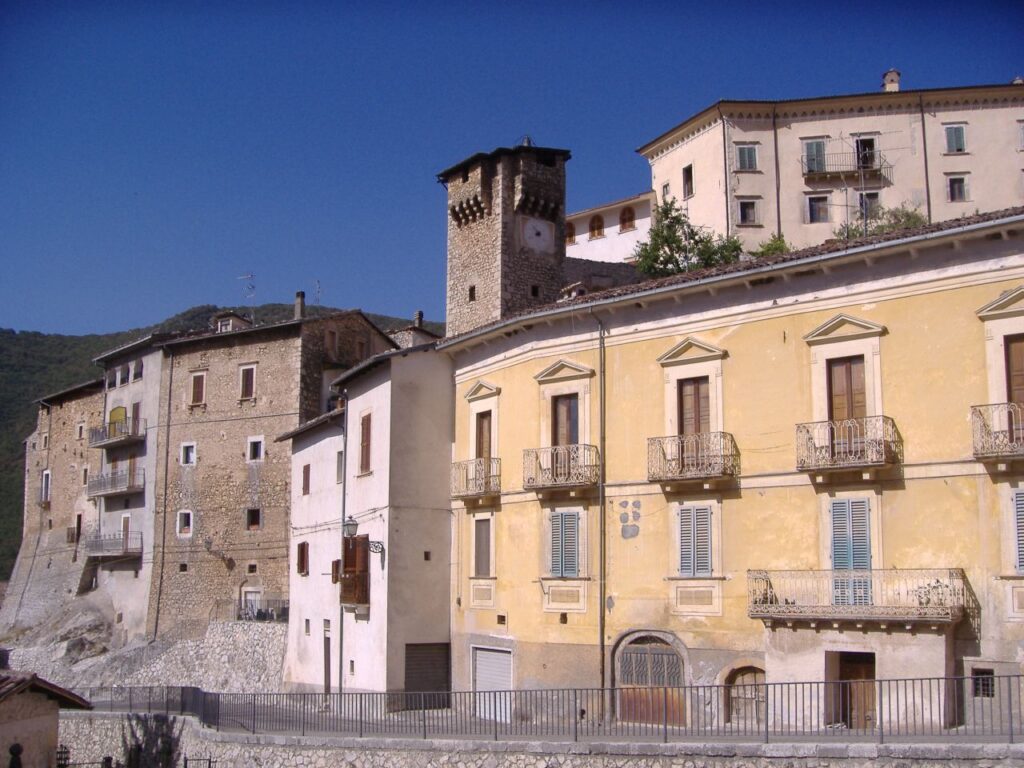
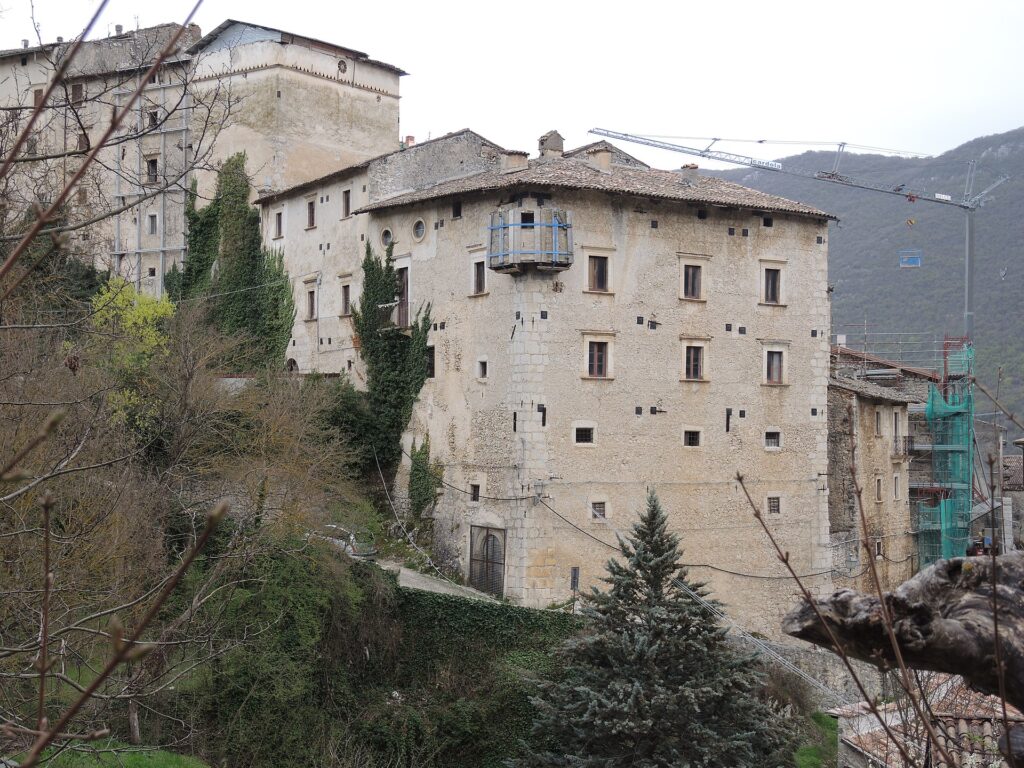
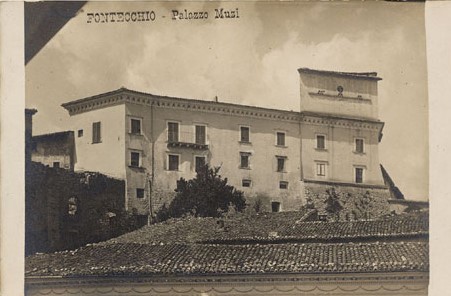
During the fourteenth and fifteenth centuries, the fief passed under the rule of the Corvo family, then the Caracciolo, and finally the Corvi di Fontecchio. The baronial palace, still visible in the upper part of the settlement, retains architectural elements dating to the fifteenth century. The earthquake of 1703, which devastated much of the L’Aquila area, also caused significant damage to Fontecchio, but the reconstruction preserved the original street plan. The 2009 earthquake struck the historic centre again, triggering a long restoration process that brought to light medieval structural elements previously concealed beneath later layers of plaster.
Over the course of the twentieth century the population fell sharply: from nearly two thousand inhabitants recorded in the late nineteenth-century censuses to the current 291. This demographic decline, common to many towns in the Abruzzo Apennines, has nonetheless helped preserve the historic building fabric, which was never altered by modern expansion. Since 2017 Fontecchio has participated in the “Borghi della Lettura” (Reading Villages) project and has launched artist-residency programmes to attract new inhabitants, as documented on the official website of the Municipality.
What to see in Fontecchio: 5 main attractions
1. The fourteenth-century fountain (1355)
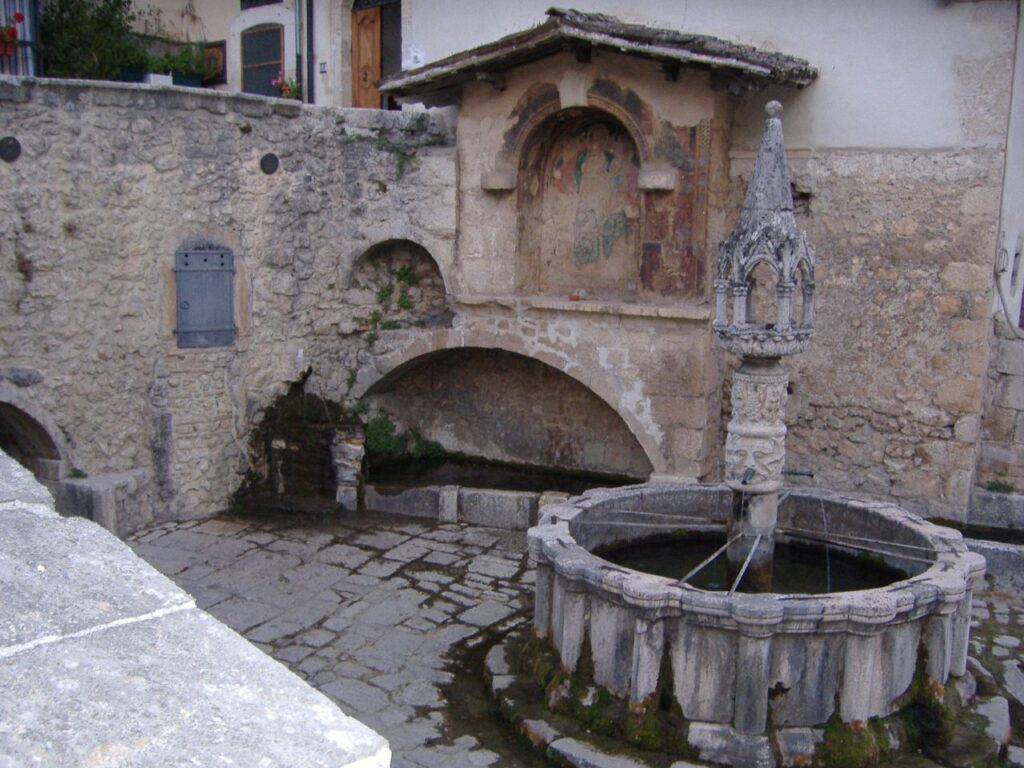
Built from blocks of local limestone, it features a polygonal basin with fourteen spouts that still deliver spring water. The Latin inscription on the basin records the date of construction. It is one of the best-preserved medieval hydraulic structures in the entire central Apennines, and the square that houses it retains its irregular stone paving.
2. The civic tower with its fifteenth-century clock
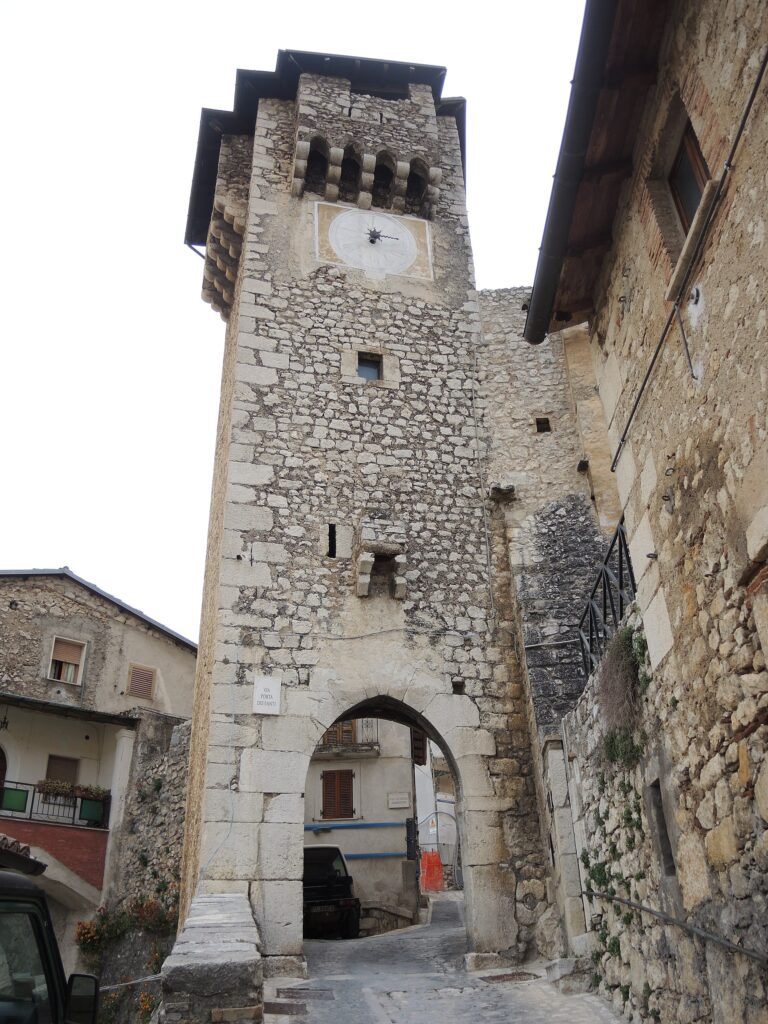
Standing roughly twenty metres tall, the tower dominates the village’s profile as seen from the valley. The clock mechanism, with a six-hour dial following the old Italian system, is among the oldest still in existence in the region. The top cell holds the original bell. The structure underwent consolidation work after the 2009 earthquake.
3. Church of Santa Maria della Pace
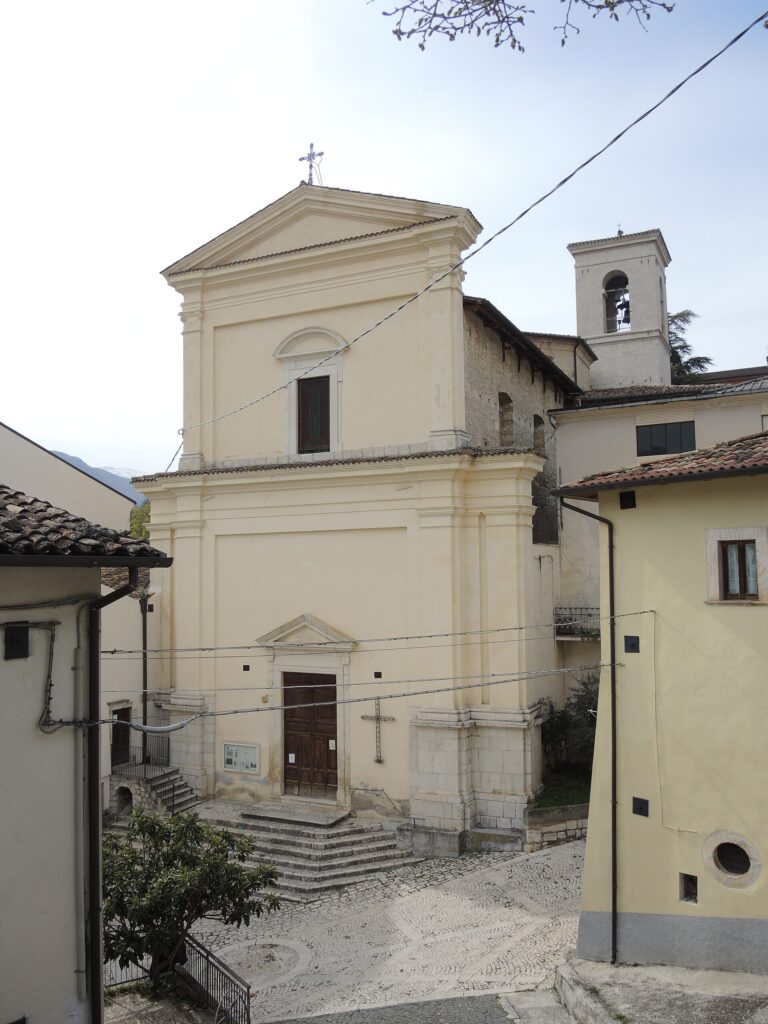
Located just outside the walled core, it preserves a portal with a sculpted lunette and, inside, fragmentary frescoes datable to the fourteenth and fifteenth centuries. The single-nave plan follows the model of rural Abruzzo churches. Post-earthquake restoration returned sections of painted plaster that had been covered by eighteenth-century interventions.
4. The medieval walls and access gates
The circuit of walls is still legible along much of its perimeter. Two gates — Porta da Capo and Porta da Piedi — mark the main entrances to the village and retain pointed arches made of squared ashlar blocks. Walking the outer trace of the walls allows visitors to observe the different building phases, from the thirteenth to the sixteenth century, distinguishable by the size and finish of the stone blocks.
5. The Baronial Palace
In the upper part of the village, the building presents a façade with surviving mullioned windows and a stone portal bearing a heraldic coat of arms. The original layout dates to the fifteenth century, with later modifications. After the 2009 earthquake it underwent structural repairs. The elevated position provides a vantage point over the Aterno Valley, with a direct view of the western slope of the Gran Sasso massif.
Local cuisine and typical products
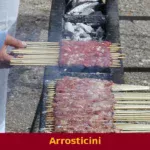
The cooking of Fontecchio follows the mountain tradition of the L’Aquila area. Sagne e fagioli — irregularly cut hand-made pasta with beans slow-cooked in an earthenware pot — is the most widespread first course. Charcoal-grilled lamb with mountain herbs and arrosticini, small skewers of sheep meat cut into cubes, appear on every local table. L’Aquila DOP saffron, cultivated on the Navelli plateau just a few kilometres away, features in the preparation of risottos and desserts. Pecorino cheeses of varying maturation come from farms in the valley.
Among the sweets, ferratelle (thin wafers pressed in a geometrically patterned iron) and chocolate-coated almond confetti mark festive occasions. Centerbe, a high-proof liqueur made from wild Apennine herbs, traditionally closes the meal. Mountain honey production — wildflower and sainfoin — is carried on by several beekeepers within the municipal area. For broader information on the area’s gastronomy, the Wikipedia page dedicated to Fontecchio provides further documented references.
When to visit Fontecchio: the best time of year
From May to October the mountain climate at 668 metres makes the days suitable for walking and exploring without the bitter cold of L’Aquila’s winter, when night-time temperatures often drop below zero. The patron feast of San Biagio Vescovo e Martire (Saint Blaise, Bishop and Martyr), celebrated on 3 February, includes a procession and the blessing of the throat according to the tradition associated with the saint. Those who choose winter will find the village at its most intimate, with snow covering the rooftops and emptying the streets.
Summer brings the cultural events linked to the artist-residency programme: temporary installations, book presentations, acoustic concerts in small venues. Autumn, with the saffron harvest in nearby Navelli between October and November, provides an additional reason to visit the area. The Touring Club Italiano includes Fontecchio in its recommended itineraries through the middle Aterno Valley.
What to see in Fontecchio and in nearby villages in Abruzzo
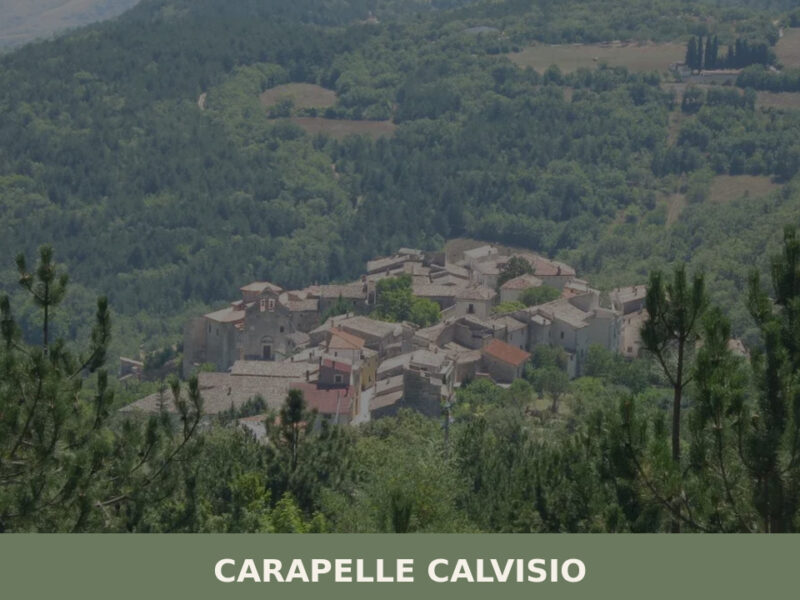
Fontecchio’s position in the middle Aterno Valley places it in an area with a high concentration of small historic centres, many of which preserve intact medieval structures. About thirty kilometres to the south-east, Carapelle Calvisio displays an elliptical urban plan — a rare example of a fortified village with a concentric layout still readable today. With fewer than one hundred inhabitants, it shares with Fontecchio the phenomenon of depopulation and the resulting policies for recovering its built heritage.
For those wishing to extend their exploration beyond the province of L’Aquila, Archi, in the province of Chieti, offers another perspective on inland Abruzzo: a settlement that developed on a rocky spur above the Sangro river, with a history tied to the transhumance trade routes. The two villages, though far apart, represent variants of the same Apennine settlement model: compact clusters built from local stone, sized for a population that over the centuries fluctuated between a few hundred and a thousand people.
Frequently asked questions about Fontecchio
What is the best time to visit Fontecchio?
The ideal time to visit Fontecchio is from May to October, when the mountain climate at 668 meters above sea level offers pleasant temperatures perfect for exploring the village and its surroundings. Summer brings cultural events, including temporary installations and acoustic concerts from the artist-residency program. Autumn, particularly October and November, is excellent for witnessing the saffron harvest in nearby Navelli. For a unique, intimate experience, winter offers snow-covered rooftops and quiet streets, while February 3rd marks the patron feast of San Biagio Vescovo e Martire with traditional celebrations.
What to see in Fontecchio? Main monuments and landmarks
Fontecchio's compact medieval layout means its main attractions are easily explored on foot. Start at the fourteenth-century fountain (1355) in the main square, famed for its fourteen spouts and continuous flow. Climb towards the Civic Tower, home to one of Abruzzo's oldest clock mechanisms. Explore the Church of Santa Maria della Pace, just outside the walls, with its ancient frescoes. Discover the well-preserved medieval walls and two historic access gates, Porta da Capo and Porta da Piedi. Finally, visit the Baronial Palace in the upper village, offering panoramic views of the Aterno Valley and the Gran Sasso massif.
What are the main natural or scenic attractions of Fontecchio?
Fontecchio, nestled in the middle Aterno Valley at 668 meters, is surrounded by a beautiful mountain landscape. The village itself is named after its abundant natural springs, which have shaped its history and character. For stunning views, the Baronial Palace offers a superb vantage point over the Aterno Valley, with a direct vista of the western slope of the Gran Sasso massif. The surrounding area is ideal for gentle walks, allowing visitors to appreciate the serene Apennine environment and the natural water sources that feed the village.
Where to take the best photos in Fontecchio?
For memorable photos in Fontecchio, begin at the main square, capturing the iconic fourteenth-century fountain with its fourteen spouts and ancient stone basin. The irregular stone paving of the square provides a charming medieval backdrop. Head towards the Civic Tower for impressive shots of the village profile dominating the valley. For panoramic landscapes, ascend to the Baronial Palace; from its elevated position, you can photograph the expansive Aterno Valley and the majestic western slopes of the Gran Sasso massif, especially beautiful at sunrise or sunset.
Are there museums, churches or historic buildings to visit in Fontecchio?
Fontecchio is rich in historic structures. The most prominent include the Church of Santa Maria della Pace, located just beyond the walled core, which features a sculpted lunette portal and fragmentary fourteenth and fifteenth-century frescoes. The Baronial Palace, situated in the upper part of the village, is a fifteenth-century building with mullioned windows and a stone portal bearing a heraldic coat of arms. Additionally, the fourteenth-century fountain in the main square, the Civic Tower with its ancient clock mechanism, and the well-preserved medieval walls with their access gates are all significant historic landmarks to explore.
What can you do in Fontecchio? Activities and experiences
Fontecchio offers a blend of cultural and tranquil experiences. Visitors can explore the village's medieval architecture on foot, discovering its historic fountain, clock tower, church, and baronial palace. Engage with the village's cultural scene by participating in summer events tied to the artist-residency program, which includes temporary installations, book presentations, and acoustic concerts. Food enthusiasts can indulge in local cuisine, from 'sagne e fagioli' to 'arrosticini' and saffron-infused dishes. For broader exploration, visit nearby historic villages like Carapelle Calvisio or experience the saffron harvest in Navelli during autumn.
Who is Fontecchio suitable for? Families, couples, hikers, solo travelers?
Fontecchio is ideal for travelers seeking an authentic, tranquil Abruzzese village experience, rich in history and culture. It appeals to solo travelers and couples looking for a peaceful retreat away from bustling tourist routes. Culturally curious families will enjoy exploring its medieval architecture and participating in summer's artist-residency events. While not a hardcore hiking destination, its mountain setting and mild climate from May to October make it suitable for those who enjoy gentle walks and appreciating scenic views. It's perfect for anyone interested in preserving Italy's 'borghi' and their unique heritage.
What to eat in Fontecchio? Local products and specialties
Fontecchio's cuisine reflects the mountain traditions of the L'Aquila area. Must-try dishes include 'sagne e fagioli,' a hearty handmade pasta with beans, and charcoal-grilled lamb with mountain herbs. 'Arrosticini,' small skewers of cubed sheep meat, are a local staple. The renowned L'Aquila DOP saffron, cultivated nearby, features in risottos and desserts. Local farms provide excellent Pecorino cheeses of various maturations. For sweets, enjoy 'ferratelle' wafers and chocolate-coated almond confetti. Meals are often concluded with Centerbe, a potent liqueur made from wild Apennine herbs, and local mountain honey.
📷 Photo Gallery — Fontecchio
Nearby Villages near Fontecchio
In Abruzzo More villages to discover
Pennapiedimonte
Mountain
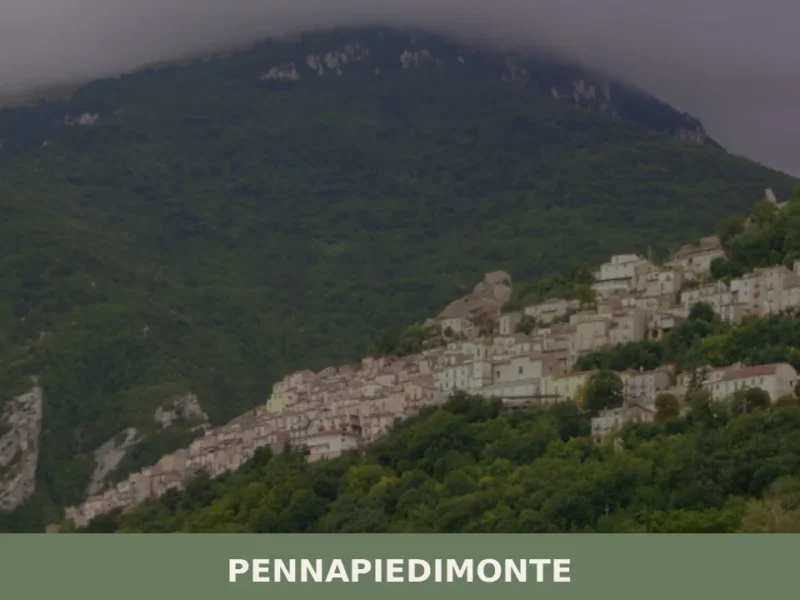
what to see a Pennapiedimonte: 5 attractions nel village a 669 m s.l.m. in Abruzzo. Scopri il centro storico, la Majella, le festivals di agosto e i prodotti PAT.
Vittorito
Mountain
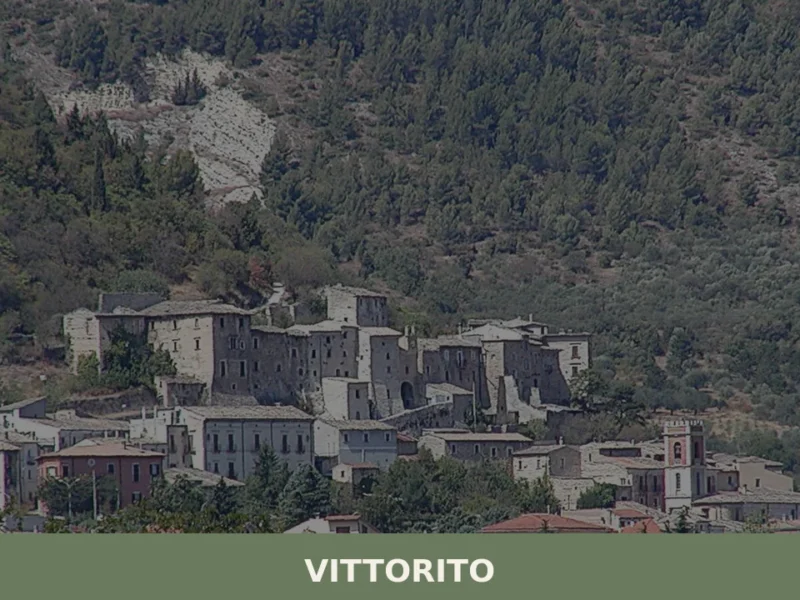
What to see in Vittorito: 5 attractions in this Abruzzo village, including the Church of San Pietro, the castle, and the historic centre. Discover the full guide.
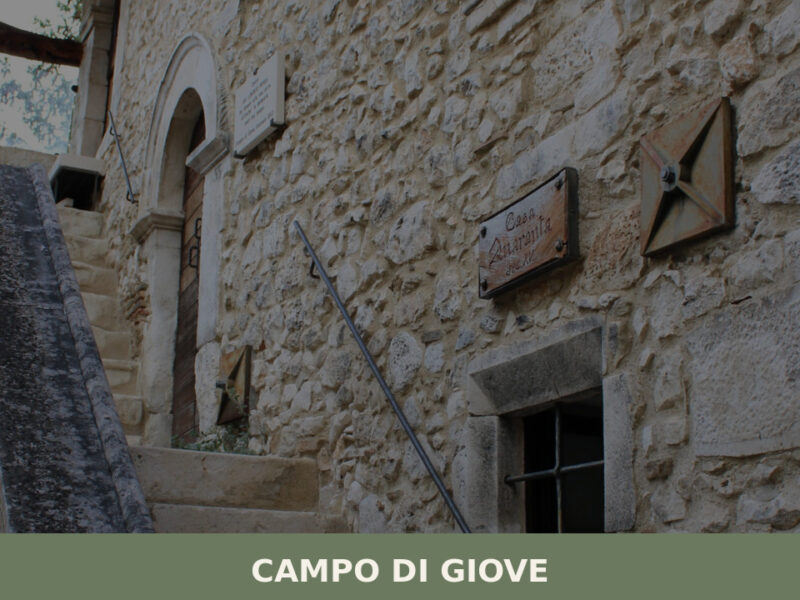
Campo di Giove
Mountain
A mountain village at 1,064 metres beneath the Majella massif. Discover what to see in Campo di Giove — medieval stone houses, highland pastures, and quiet trails.
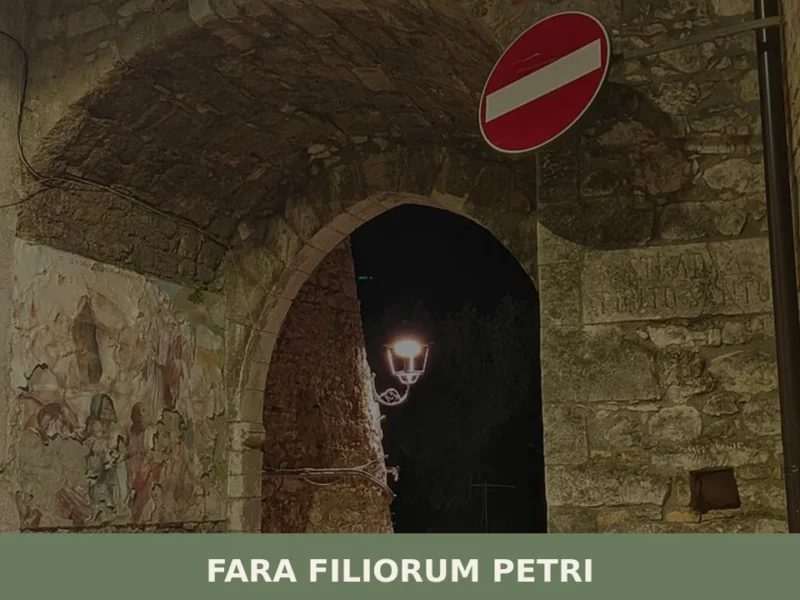
Fara Filiorum Petri
 Hills
Hills
Fara Filiorum Petri, a municipality in the province of Chieti with 1,942 inhabitants, stands at 227 meters above sea level. The toponym itself, of complex origin, suggests historical layering: “Fara” refers to Lombard settlements, while “Filiorum Petri” is linked to the feudal family of Filiorum Petri, who held control in subsequent eras. This duality names […]
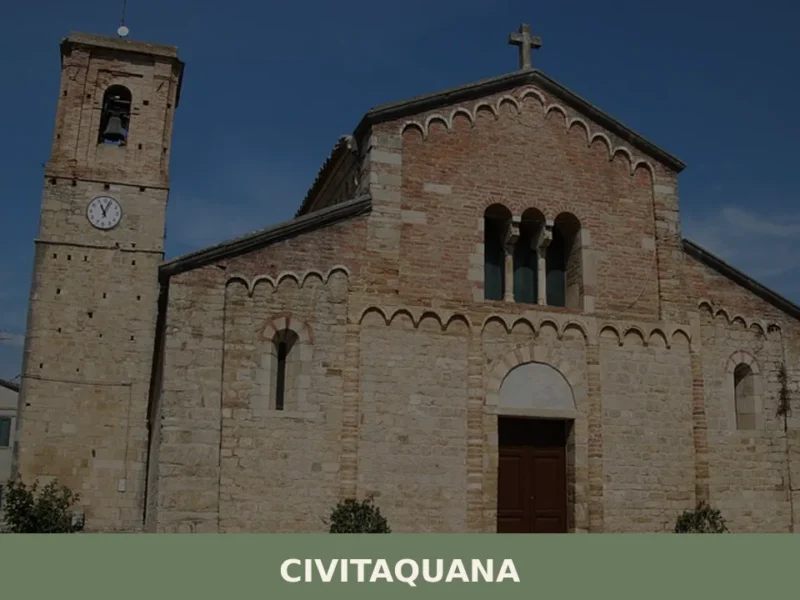
Civitaquana
Hills
At 550 metres above sea level, on the eastern slope of the Gran Sasso descending towards the Pescara hills, Civitaquana is home to 1,146 inhabitants spread between the historic centre and the surrounding hamlets. The village’s very name — documented in medieval sources as Civitas Aquanae — reveals an origin linked to the presence of […]
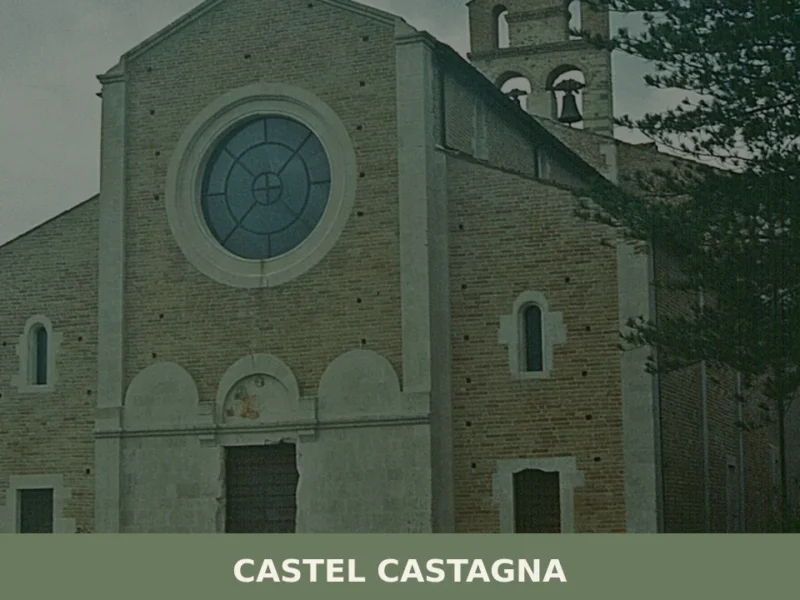
Castel Castagna
Hills
At 452 metres above sea level, on the eastern slope of the Gran Sasso, the municipality of Castel Castagna today counts 429 inhabitants spread between the main settlement and the hamlets scattered along the cultivated hillsides of the province of Teramo. Anyone wondering what to see in Castel Castagna will find answers in a territory […]
Acciano
Mountain
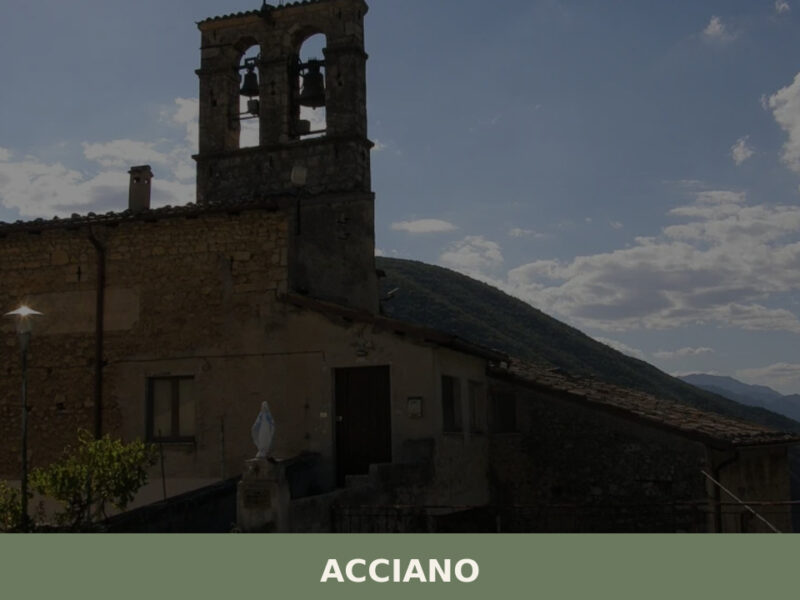
Morning light falls across stone walls the colour of dried wheat, and the only sound is water — a fountain somewhere below the main road, feeding a trough that has served this valley for centuries. Acciano sits in the Aterno Valley south of L’Aquila, a commune of just 339 inhabitants spread across a handful of […]
Civitaluparella
Mountain
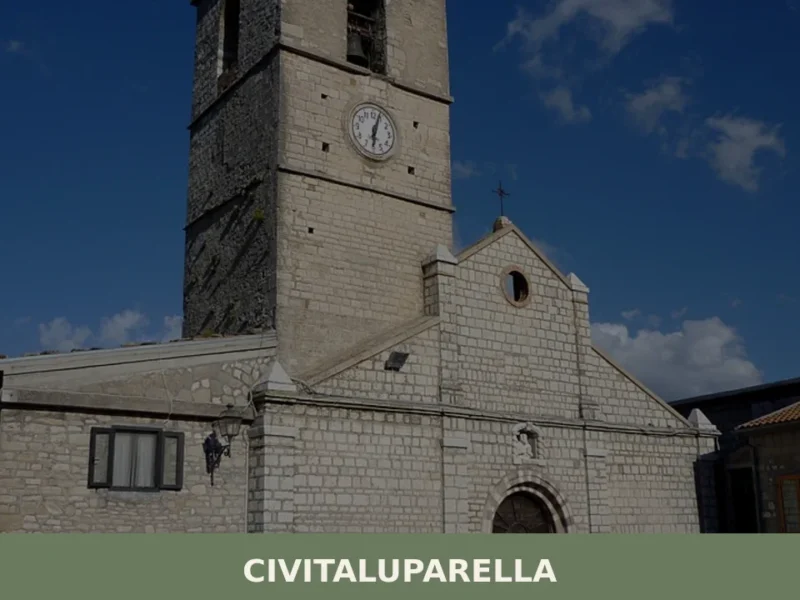
At 903 metres above sea level, on the eastern slope of the Majella descending towards the Aventino river, Civitaluparella has 281 inhabitants spread across a compact urban core of medieval origin. The place name most likely derives from “Civitas Luparella”, a direct reference to the historical presence of wolves in the dense surrounding woodlands. Anyone […]
San Giovanni Lipioni
Hills
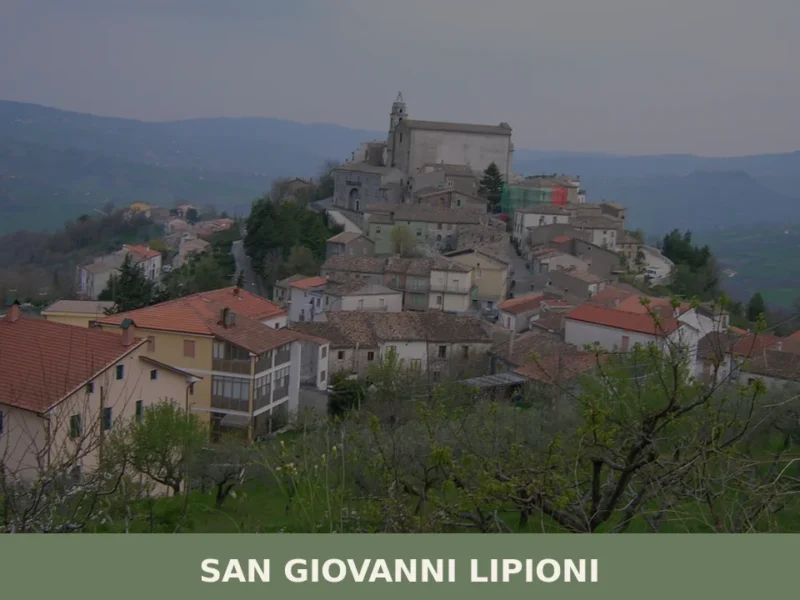
What to see in San Giovanni Lipioni, Abruzzo, Italy: explore a village at 545 m, its 17th-century church, ventricina salami and May pageant. Discover it now.
Martinsicuro
 Sea
Sea
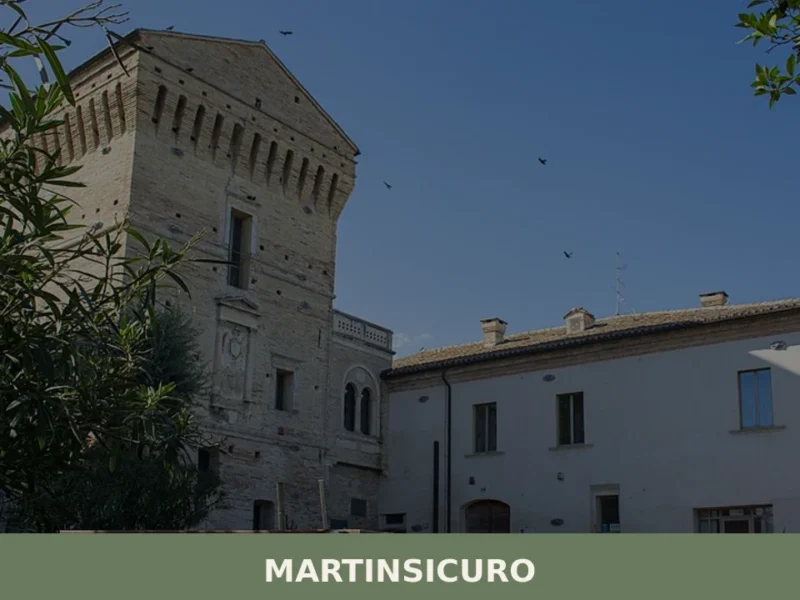
Martinsicuro, located 2 meters above sea level in the province of Teramo, has a population of 16,270 inhabitants. Its development is directly linked to the Adriatic coast and the presence of the Tronto river mouth. For those wondering **what to see in Martinsicuro**, the core interest lies in its identity as a seaside town that […]





🏡 Know Fontecchio better than we do?
If you’re a local or have been there, your knowledge matters: add what’s missing or fix a detail on this page.