


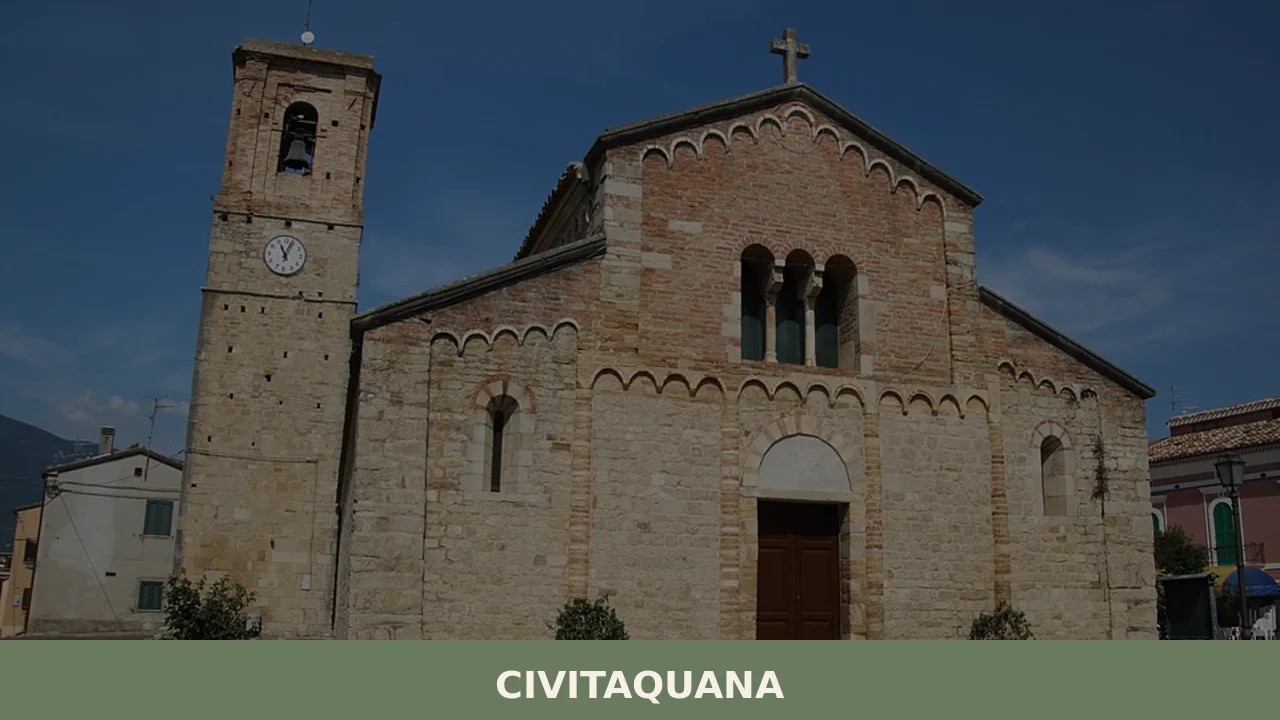
Civitaquana
 Hills
Hills
At 550 metres above sea level, on the eastern slope of the Gran Sasso descending towards the Pescara hills, Civitaquana is home to 1,146 inhabitants spread between the historic centre and the surrounding hamlets. The village’s very name — documented in medieval sources as Civitas Aquanae — reveals an origin linked to the presence of […]
Discover Civitaquana
At 550 metres above sea level, on the eastern slope of the Gran Sasso descending towards the Pescara hills, Civitaquana is home to 1,146 inhabitants spread between the historic centre and the surrounding hamlets. The village’s very name — documented in medieval sources as Civitas Aquanae — reveals an origin linked to the presence of springs and watercourses. Understanding what to see in Civitaquana means following these traces: water, local stone, and the religious structures that mark the village’s profile as seen from the provincial road climbing up from Catignano.
History and origins of Civitaquana
The toponym Civitas Aquanae, recorded in early medieval documents, points to a settlement that arose near water resources. The area was already frequented in Roman times, as suggested by sporadic finds across the municipal territory, but it was during the Norman-Swabian period that Civitaquana took on a defined form, with the construction of defensive structures and feudal ties that bound it to various Abruzzese noble families. In the twelfth-century Catalogus Baronum, the village appears among the fiefs of the Pescara territory subject to the Norman crown.
In the following centuries the fief passed under the control of various houses, including the Cantelmo and later the Valignani, one of the most influential families in the Vestina area. It is to the Valignani that significant interventions in the local civil and religious architecture are owed. The built-up centre preserves a layout that reflects the layering of these different rulers: an older core in the upper part, with narrow alleyways and limestone houses, and an expansion downhill dating from the eighteenth and nineteenth centuries.
The modern history of Civitaquana follows the fate common to many Abruzzese hill towns: substantial emigration in the post-war period and a slow demographic contraction that brought the population from several thousand in the nineteenth century to the current 1,146 residents. The local economy has reoriented itself towards olive and vine cultivation, with olive oil production falling within the Pescara hills district.
What to see in Civitaquana: 5 main attractions
1. Church of Santa Maria delle Grazie
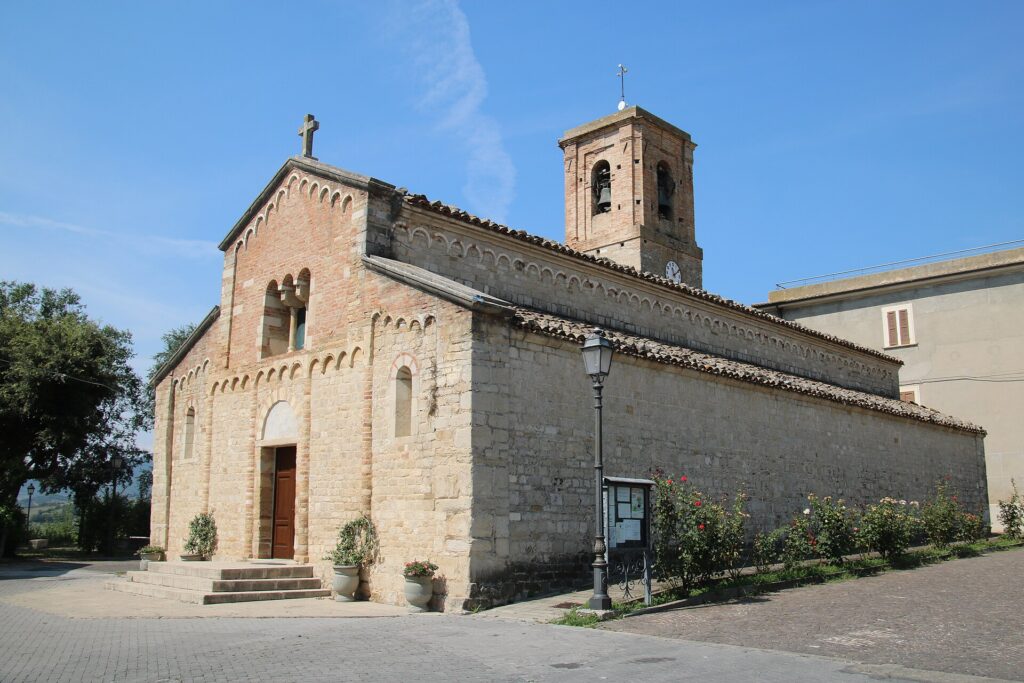
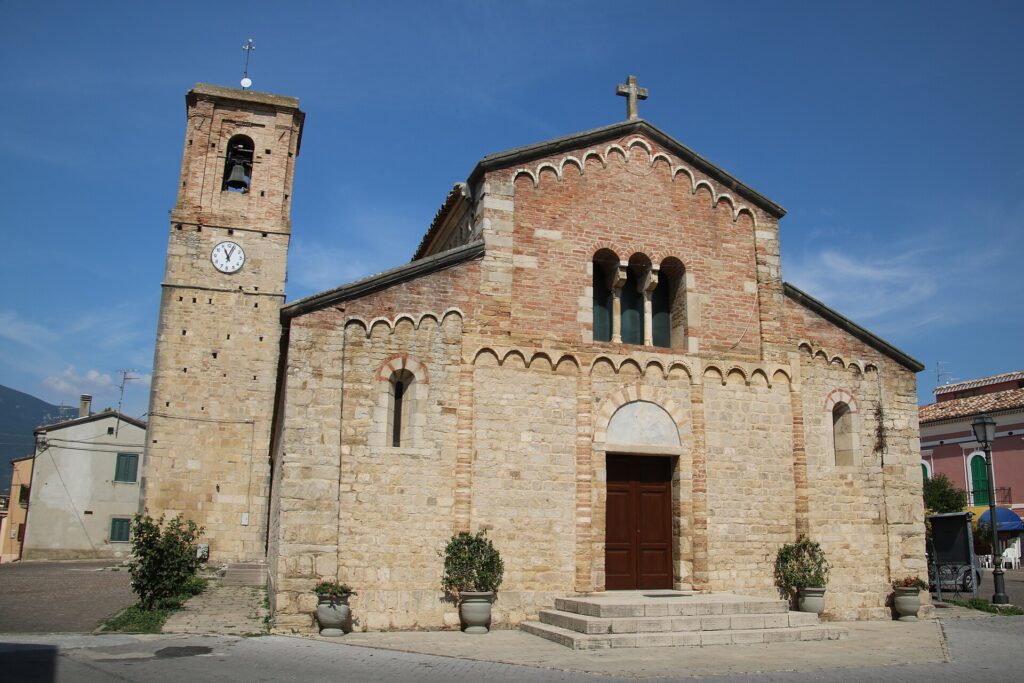
A religious building that dominates the historic centre, the church features a stone façade with a decorated portal and a single-nave interior. Some architectural elements point to interventions between the fifteenth and sixteenth centuries. The high altar displays Baroque decorations added at a later date. It is here that the patronal feast of Sant’Egidio is celebrated, a focal point in the local liturgical calendar.
2. Palazzo Valignani
The noble residence of the family that held the fief for a long period, the palazzo stands out for its stone portal and imposing dimensions relative to the surrounding building fabric. The structure, remodelled several times, shows layers ranging from the late Renaissance to the eighteenth century. The main façade overlooks a small open area that once served as the square of feudal power.
3. Remains of the fortified village
In the upper part of the village, traces of the old defensive layout can still be read: stretches of walls, an entrance arch, and the concentric arrangement of houses around what was once the highest and most protected point. The local stone masonry, left unplastered, displays building techniques datable to between the twelfth and fourteenth centuries. The route is short but steep.
4. Church of Sant’Egidio Abate
Dedicated to the village’s patron saint — celebrated on 1 September — this church represents the most direct link between the community and its religious identity. The building, in its current form, is the result of successive restorations, but it retains decorative elements and sacred furnishings of interest. The small square in front offers a vantage point over the surrounding hills as far as the Adriatic Sea on clear days.
5. Trails through the olive groves of the Vestina hills
The municipal territory is crossed by rural roads connecting Civitaquana to its hamlets and farmland. The olive groves, cultivated with local varieties including Dritta and Intosso, shape the hillside landscape in orderly rows broken up by oaks and dry-stone walls. These routes — suitable for walking or cycling — cover a moderate change in elevation and allow visitors to observe the relationship between cultivation and the morphology of the terrain.
Cuisine and local products
The cuisine of Civitaquana reflects the farming tradition of the Pescara hills. Extra virgin olive oil is the cornerstone product: the district falls within the production area of Aprutino Pescarese DOP oil, obtained predominantly from Dritta olives harvested between October and November. The local oil has a medium fruity profile with vegetal notes, and is used uncooked on legume soups, bruschette, and cooked vegetables. Among the first courses are sagne e fagioli, irregular fresh pasta dressed with a thick borlotti bean broth, and maccheroni alla chitarra with lamb ragù.
Sweets follow the calendar of feast days: ferratelle (thin wafers cooked between heated iron plates) appear during celebrations, as do bocconotti, small shortcrust pastry cases filled with grape jam or cream and chocolate. The local wine production belongs to the Montepulciano d’Abruzzo and Trebbiano d’Abruzzo zones, with wineries scattered across the countryside between Civitaquana and neighbouring municipalities. Some local farms sell oil, wine, and preserves directly.
When to visit Civitaquana: the best time
The hill climate at 550 metres produces cold but not harsh winters — January minimum temperatures hover around 0–2 °C — and warm summers without the humidity of coastal areas. The months between May and June are most suitable for those who want to discover what to see in Civitaquana with long daylight hours and vegetation at its peak: the olive groves are in flower and wheat fields colour the hills. September brings the feast of Sant’Egidio, the village’s patron saint, with celebrations that include a procession and communal gatherings in the square.
Autumn, between October and November, is the olive harvest season: the countryside comes alive with nets spread beneath the trees and the sound of vibrating combs. Visitors during this period can observe the oil production cycle up close. Winter is quiet, with short days and few visitors, but the village’s position makes it possible to reach the ski resorts on the Pescara side of the Gran Sasso in about an hour.
How to reach Civitaquana
Civitaquana is reached from the A25 Roma–Pescara motorway, exiting at the Torre de’ Passeri toll booth and continuing for about 15 kilometres along the provincial road heading north-east. From Pescara the distance is approximately 35 kilometres, covered in 40–45 minutes. The nearest airport is Abruzzo Airport in Pescara, just over 40 kilometres away.
The closest railway station is Scafa-San Valentino, on the Roma–Pescara line, from which you continue by car or with the local transport services run by TUA (Trasporto Unico Abruzzese), although services to the hill towns are limited. From Rome the driving time is approximately two and a half hours; from Naples allow three hours via the A1 and then the A25. Having a car is advisable for getting around the surrounding territory and reaching the hamlets.
Other villages to discover in Abruzzo
Those exploring the inland areas of Abruzzo starting from Civitaquana can extend their itinerary towards the mountainous interior. To the west, in the province of Chieti, Civitaluparella is a settlement of just a few dozen inhabitants overlooking the Sangro valley, where the landscape changes dramatically compared to the Pescara hills: here broadleaf forests and rock faces dominate. The contrast between the two villages — one tied to hillside olive cultivation, the other to pastoralism and the mountains — conveys the geographical variety of a region that within a few dozen kilometres passes from sea level to two thousand metres.
Moving towards the L’Aquila area, Goriano Sicoli occupies a basin in the central Apennines along the route of the old Sulmona–L’Aquila railway. Here too the population is small, but the urban layout and the churches retain notable elements. Linking Civitaquana to these centres in a single trip allows you to cross three provinces and as many landscapes, from the Vestina hills to the Majella mountains and on to the Peligna plateaux, along lightly trafficked roads that follow the contours of rivers and valleys.
Frequently asked questions about Civitaquana
What is the best time to visit Civitaquana?
The best time to visit Civitaquana depends on your interests. For pleasant weather and lush landscapes, May and June are ideal, with long daylight hours, flowering olive groves, and vibrant wheat fields. September offers the patronal feast of Sant'Egidio on the 1st, featuring a procession and communal gatherings. Autumn, particularly October and November, is perfect for observing the olive harvest and oil production cycle. Winters are quiet but mild, with minimum temperatures around 0-2 °C, and the village is conveniently about an hour's drive from Gran Sasso ski resorts.
What to see in Civitaquana? Main monuments and landmarks
Civitaquana offers several historical and scenic sights. Explore the Church of Santa Maria delle Grazie, a dominant religious building with 15th-16th century architectural elements and a Baroque altar. Discover Palazzo Valignani, the impressive noble residence of the former feudal family, notable for its stone portal and architecture ranging from late Renaissance to the 18th century. Ascend to the upper part of the village to find the evocative remains of the fortified village, including stretches of walls and an entrance arch. Visit the Church of Sant'Egidio Abate, dedicated to the patron saint, which offers panoramic views of the surrounding hills and, on clear days, the Adriatic Sea. Finally, immerse yourself in nature by walking or cycling the trails through the olive groves of the Vestina hills.
What are the main natural or scenic attractions of Civitaquana?
Civitaquana's primary natural attractions are the scenic trails winding through the olive groves of the Vestina hills. These rural roads, suitable for walking or cycling, offer a moderate change in elevation and showcase the harmonious relationship between cultivation and the hilly terrain. Additionally, the small square in front of the Church of Sant'Egidio Abate provides a splendid vantage point, offering panoramic views over the surrounding hills and, on exceptionally clear days, extending all the way to the Adriatic Sea. The landscape is particularly vibrant during May and June when the olive groves are in flower.
Where to take the best photos in Civitaquana?
For captivating photographs in Civitaquana, head to the small square in front of the Church of Sant'Egidio Abate. From this elevated spot, you can capture sweeping panoramic views of the Vestina hills, with the Adriatic Sea visible on clear days. The trails winding through the extensive olive groves also offer picturesque opportunities, especially during May and June when the olive trees are in flower, or during the autumn harvest, showcasing the unique hillside landscape sculpted by centuries of cultivation. The unplastered local stone masonry of the fortified village remains also provides excellent photographic subjects.
Are there museums, churches or historic buildings to visit in Civitaquana?
Yes, Civitaquana features several notable churches and historic buildings. You can visit the Church of Santa Maria delle Grazie, which dominates the historic center with its stone façade and Baroque altar. The imposing Palazzo Valignani, a former noble residence, showcases architecture from the late Renaissance to the 18th century. In the upper part of the village, explore the remains of the fortified village, where you can still discern ancient walls, an entrance arch, and 12th-14th century stone masonry. Lastly, the Church of Sant'Egidio Abate, dedicated to the patron saint, offers interesting decorative elements and sacred furnishings.
What can you do in Civitaquana? Activities and experiences
In Civitaquana, visitors can immerse themselves in history by exploring the Church of Santa Maria delle Grazie, Palazzo Valignani, and the ancient fortified village remains. For outdoor enthusiasts, walking or cycling along the trails through the Vestina hills' olive groves offers a tranquil way to experience the landscape. Food and wine lovers can indulge in local specialties like Aprutino Pescarese DOP olive oil, 'sagne e fagioli,' and Montepulciano d'Abruzzo wine, often available directly from local farms. If visiting in September, experience the vibrant patronal feast of Sant'Egidio, or observe the olive harvest in autumn, witnessing the oil production cycle up close.
Who is Civitaquana suitable for? Families, couples, hikers, solo travelers?
Civitaquana is ideal for travelers seeking a tranquil, authentic Abruzzese experience away from the bustling tourist routes. It appeals to history and culture enthusiasts interested in medieval origins and feudal architecture, as well as food and wine lovers eager to discover local specialties like Aprutino Pescarese DOP olive oil and Montepulciano d'Abruzzo wine. Hikers and cyclists will appreciate the scenic trails through the olive groves, offering moderate elevation changes. Couples and solo travelers looking for a relaxing escape with picturesque views will find it charming. Families might enjoy the quiet atmosphere and gentle walks, especially if they appreciate rural landscapes and local traditions.
What to eat in Civitaquana? Local products and specialties
Civitaquana's cuisine reflects the rich farming traditions of the Pescara hills. The cornerstone is extra virgin olive oil, part of the Aprutino Pescarese DOP district, known for its medium fruity profile from Dritta olives, perfect uncooked on bruschette or soups. Don't miss traditional first courses like 'sagne e fagioli,' a fresh pasta dish with a hearty borlotti bean broth, or 'maccheroni alla chitarra' served with a rich lamb ragù. For sweets, try 'ferratelle' (thin wafers cooked between heated iron plates) and 'bocconotti,' small shortcrust pastries filled with grape jam or cream and chocolate. The area also produces excellent Montepulciano d'Abruzzo and Trebbiano d'Abruzzo wines.
📷 Photo Gallery — Civitaquana
Nearby Villages near Civitaquana
In Abruzzo More villages to discover
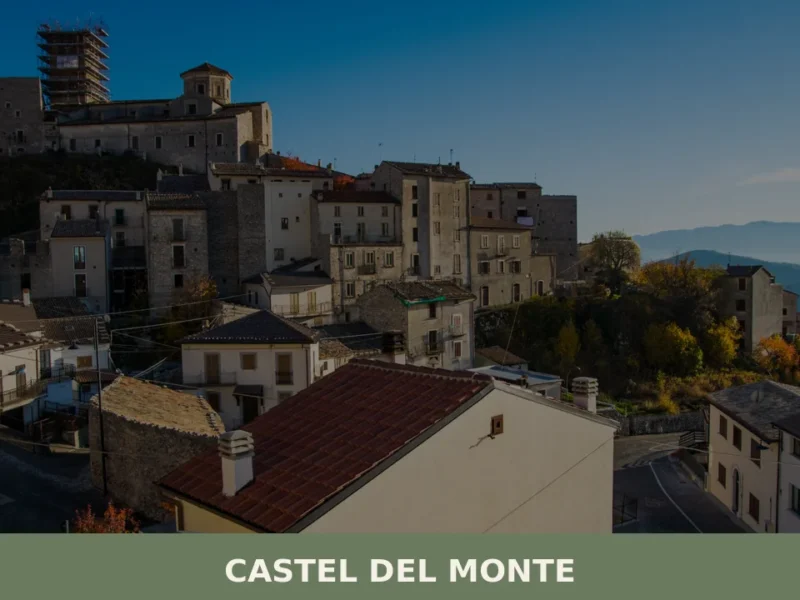
Castel del Monte
 Mountain
what to see in Castel del Monte? Discover this Abruzzo village at 1346m altitude. Explore historic churches, medieval walls, and taste traditional canestrato cheese in Italy.
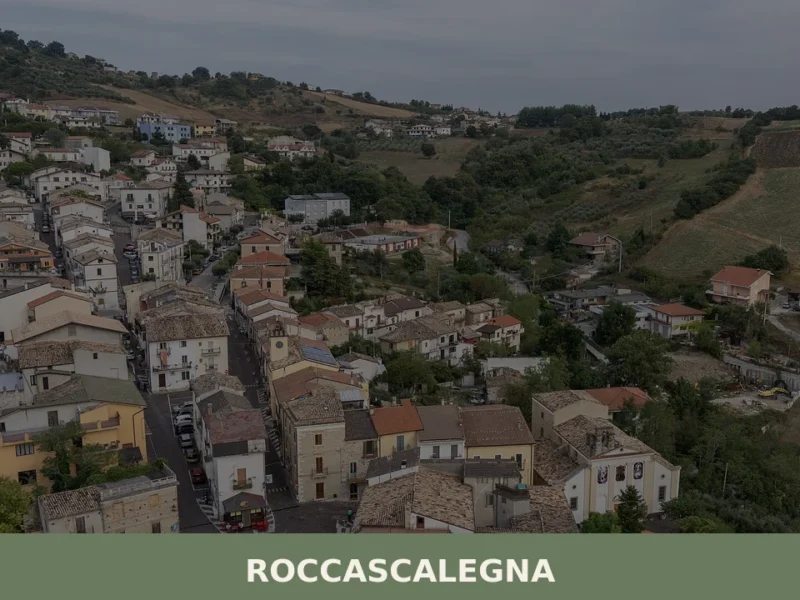
Roccascalegna
Hills
What to see in Roccascalegna, Abruzzo, Italy: castle, abbey, medieval village and 1,263 inhabitants. Discover top attractions, food and travel tips.
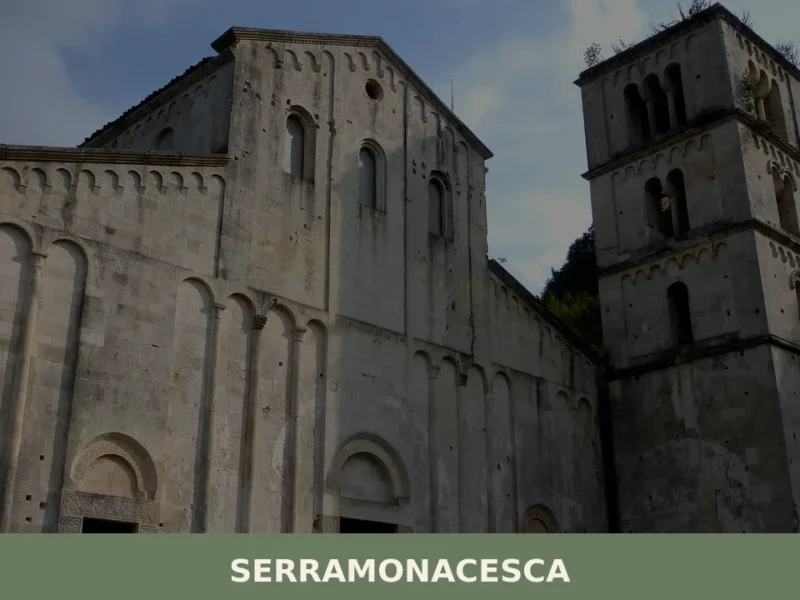
Serramonacesca
Hills
What to see in Serramonacesca, Abruzzo, Italy: discover 6 top attractions including the Abbey of San Liberatore, rock-cut tombs, and a medieval tower. Population 560.
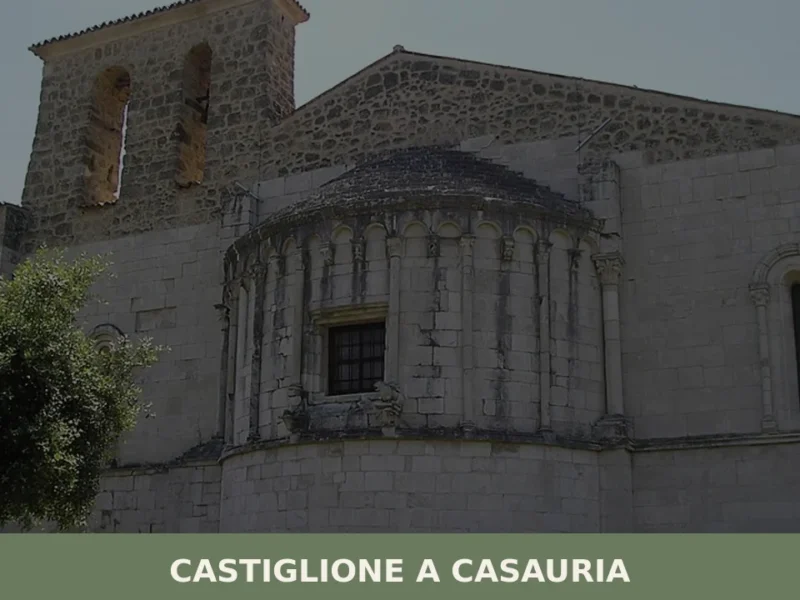
Castiglione a Casauria
Hills
The Abbey of San Clemente a Casauria, founded in 871 by Emperor Louis II, stands just a few hundred metres from the town centre and ranks among the most important Romanesque monuments in central Italy. It is this monastic presence that defines the identity of Castiglione a Casauria, a village of 701 inhabitants in the […]
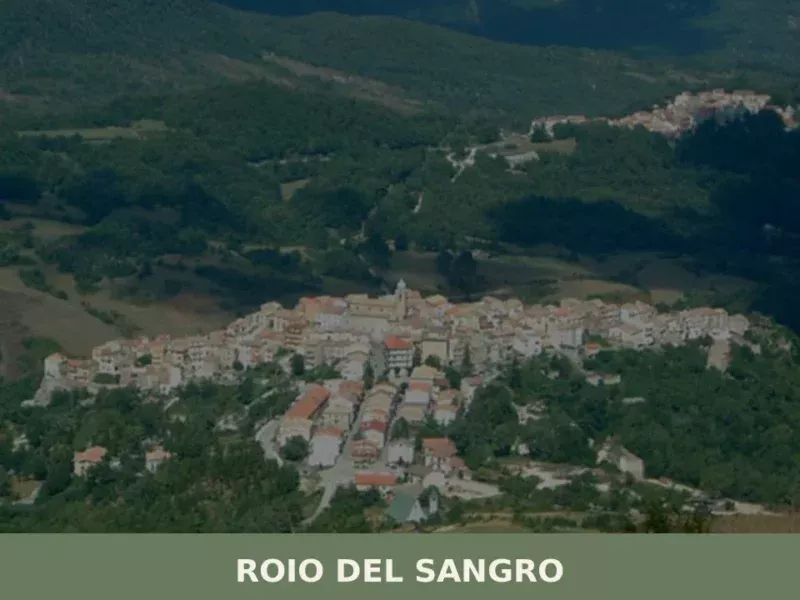
Roio del Sangro
Mountain
What to see in Roio del Sangro? Explore the 5 main attractions of this village in Abruzzo, amidst history and nature. Discover the ultimate guide for your visit!
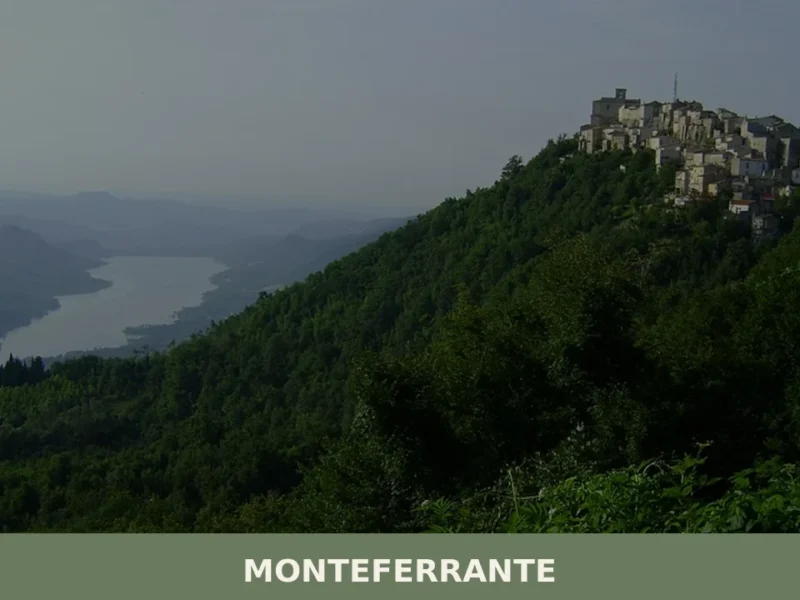
Monteferrante
Mountain
What to see in Monteferrante: discover the 5 main attractions of this mountain village, from the Church of St. John the Baptist to natural trails. Plan your trip!
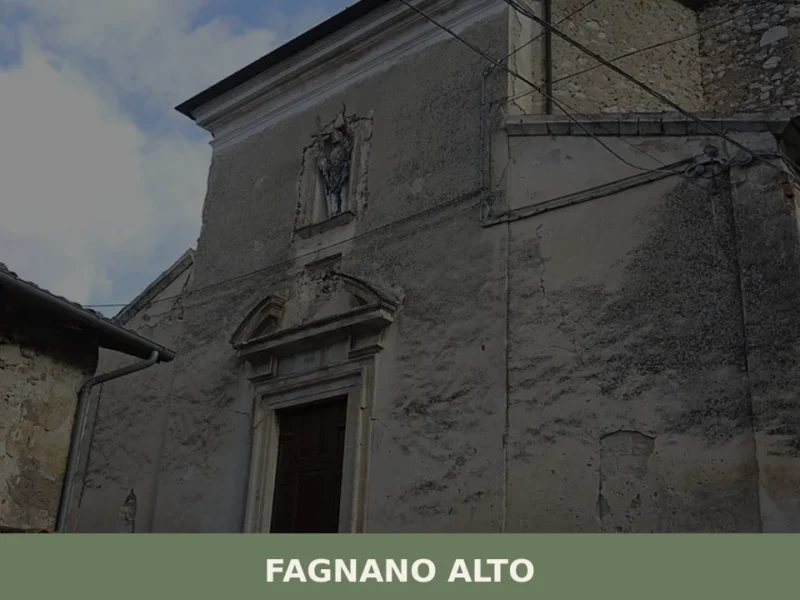
Fagnano Alto
Mountain
Fagnano Alto is not a single village but a scattered municipality: 363 inhabitants spread across twelve hamlets between 560 and 900 metres above sea level, on the eastern slope of the middle Aterno valley, in the province of L’Aquila. The administrative centre is Vallecupa, dedicated to San Donato, but each hamlet has its own patron […]
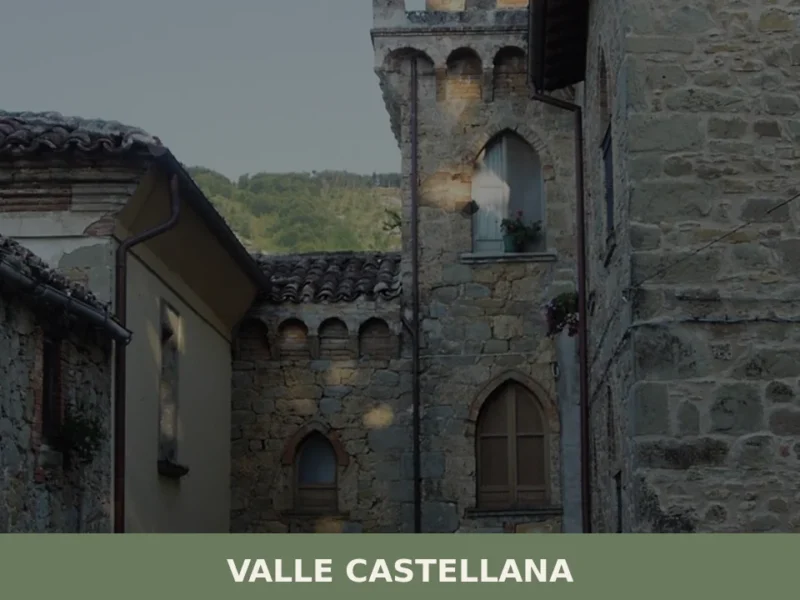
Valle Castellana
Mountain
The municipality of Valle Castellana has 872 inhabitants spread across a territory fragmented into more than seventy hamlets, scattered between 300 and 1800 metres above sea level along the slopes of the Monti della Laga, in the province of Teramo. Anyone wondering what to see in Valle Castellana should be prepared for a rugged landscape, […]
Torrebruna
Mountain
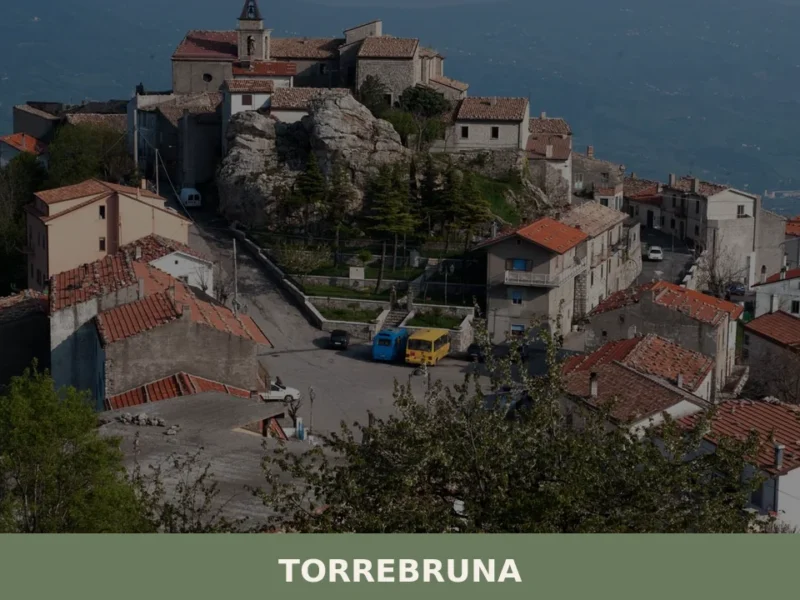
What to see in Torrebruna, Italy: 3 historic monuments, 879 inhabitants, fortified boroughs and a 17th-century church. Discover how to get there and when to visit.
Civitella Alfedena
 Lake
Mountain
Lake
Mountain
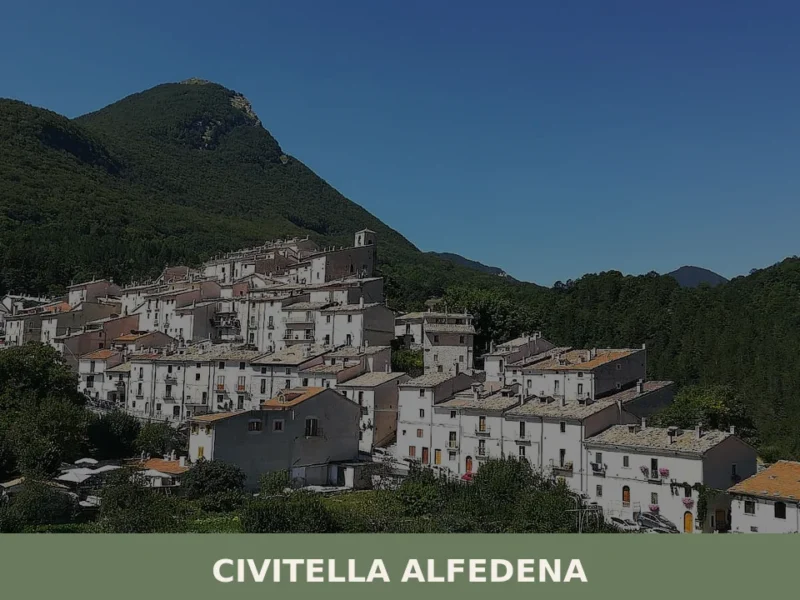
At 1123 metres above sea level, on the southern slopes of the Abruzzo, Lazio and Molise National Park, Civitella Alfedena is home to just 285 residents — fewer than a single apartment block in Rome — spread along an urban core that retains its medieval defensive layout, complete with stone portals and covered passageways. Asking […]




🏡 Know Civitaquana better than we do?
If you’re a local or have been there, your knowledge matters: add what’s missing or fix a detail on this page.