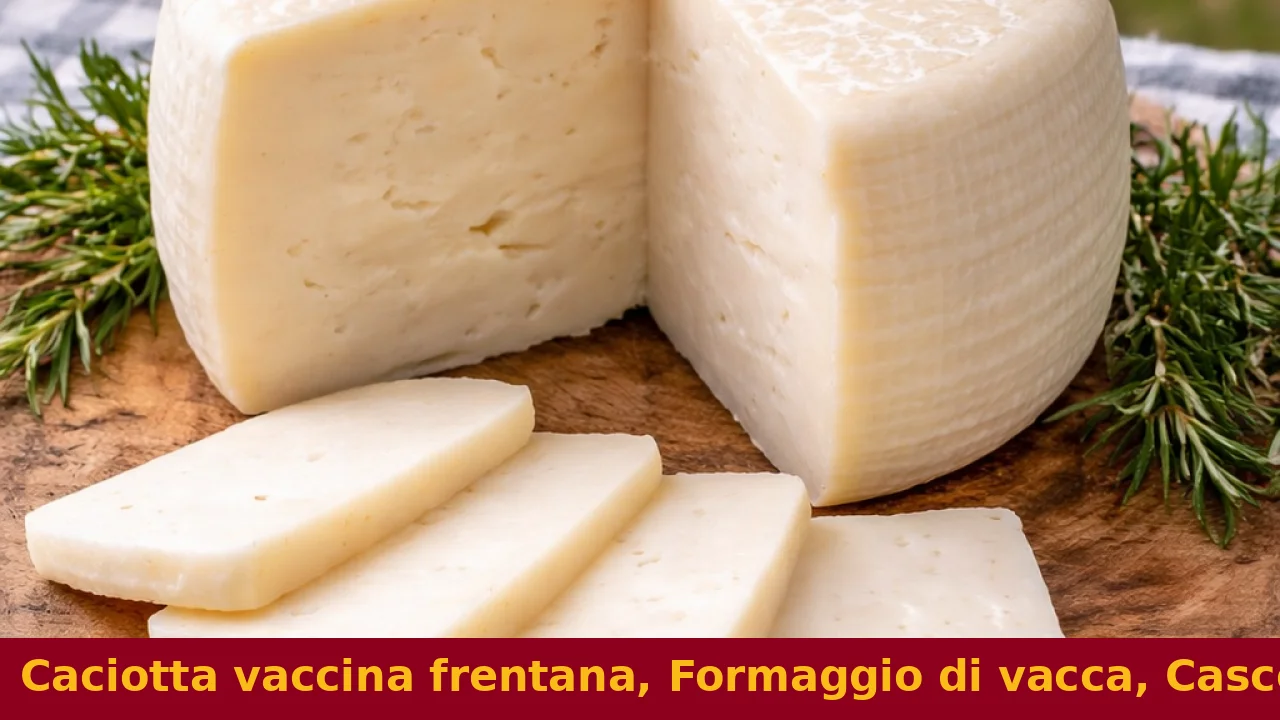
Among the gentle hills that slope towards the Adriatic, in an Abruzzo less mountainous but equally rich in flavors, the Caciotta vaccina frentana, Formaggio di vacca, Casce d’vacc is born. This product, a concrete expression of local pastoralism, encapsulates the essence of a territory dedicated to cattle breeding and milk processing. Its simplicity is its…
Also known as: formaggio di vacca, casce d' vacc
Among the gentle hills that slope towards the Adriatic, in an Abruzzo less mountainous but equally rich in flavors, the Caciotta vaccina frentana, Formaggio di vacca, Casce d’vacc is born. This product, a concrete expression of local pastoralism, encapsulates the essence of a territory dedicated to cattle breeding and milk processing. Its simplicity is its strength, a cheese that speaks of artisanal care and attention to raw materials, inviting a tasting journey through the Frentania countryside.
The Caciotta vaccina frentana, Formaggio di vacca, Casce d’vacc is a soft or semi-hard cheese, produced with whole cow’s milk, raw or pasteurized. Recognized as a Traditional Agri-food Product (PAT) of the Abruzzo region, it represents one of the most genuine expressions of the Frentan dairy tradition. Its multiple designation highlights its identity rooted in local dialect and culture: “formaggio di vacca” clearly indicates its animal origin, while “casce d’vacc” is its dialectal translation, testifying to the deep connection with the communities that produce and consume it. It stands out for its versatility and delicate sensory profile, making it appreciated both as a table cheese and as a cooking ingredient.
The history of Caciotta vaccina frentana, Formaggio di vacca, Casce d’vacc is rooted in the pastoral tradition of Abruzzo, a region historically linked to animal husbandry. Although Abruzzo is often associated with sheep cheeses, the production of cow’s milk cheeses has always played a significant role in the hilly and flat areas, where dairy cattle farming was more widespread. “Caciotta” as a type of cheese is common in various Italian regions, but the Frentan variant developed with specific characteristics related to the type of milk, processing techniques, and the local pedoclimatic environment. Its production, often linked to small family-run farms, has preserved artisanal methods passed down from generation to generation over time, maintaining a flavor that is a direct expression of the pasture and the wisdom of local cheesemakers.
The production area of Caciotta vaccina frentana, Formaggio di vacca, Casce d’vacc is mainly concentrated in the Frentania area, which takes its name from the ancient Frentani population and corresponds to a portion of the province of Chieti and part of Molise, although the PAT certification is specifically for Abruzzo. This zone is characterized by green hills, lush pastures, and a mild climate, ideal conditions for dairy cattle farming. The proximity to the Adriatic Sea also influences the vegetation and, consequently, the quality of the fodder, which contributes to defining the aromatic profile of the milk. It is an area where agriculture and animal husbandry are central activities, and where it is possible to discover other traditional products from ABRUZZO. Villages like Frisa and Fallo, in the province of Chieti, represent examples of places where cow’s milk cheese production is an integral part of the economic and cultural fabric, offering an ideal context to understand the origin of this cheese. Even around Catignano, in the province of Pescara, there are producers who help keep the tradition alive.
The production of Caciotta vaccina frentana, Formaggio di vacca, Casce d’vacc follows a process that, despite its simplicity, requires experience and attention. It begins with whole cow’s milk, which can be raw or pasteurized. The milk is heated to a specific temperature and then rennet, usually calf rennet, is added to promote coagulation. Once the curd has formed, it is broken into granules of varying sizes, depending on whether a softer or firmer cheese is desired. Subsequently, the mass is placed in molds or forms, where the whey is drained, and the cheese takes shape. During this phase, the cheese is turned several times to ensure a homogeneous form and proper whey expulsion. Salting can occur dry, by sprinkling the cheese with salt, or in brine. Finally, the Caciotta vaccina frentana is left to mature for a short period, ranging from a few days to a few weeks, in cool and humid environments. This short maturation gives the cheese its characteristic softness and delicate flavor.
The taste and sensory profile of Caciotta vaccina frentana make it an easily recognizable and appreciated cheese.
The versatility of Caciotta vaccina frentana, Formaggio di vacca, Casce d’vacc makes it a valuable ingredient and a star of the table. Its delicacy makes it ideal to be enjoyed fresh, sliced as a table cheese, perhaps accompanied by homemade bread and a drizzle of local extra virgin olive oil. It pairs well with fruit preserves, such as fig or pear, and with delicate honeys, which enhance its sweetness without overpowering it. In cooking, it can be used in numerous ways:
It is a cheese that pairs well with light and fruity white wines from the Abruzzo region.
The Caciotta vaccina frentana, Formaggio di vacca, Casce d’vacc stands out for its uniqueness due to several factors. First, it is a direct expression of its territory, Abruzzese Frentania, a specific area that imparts characteristics to the milk and consequently to the cheese, related to the local flora and microclimate. Its identity is reinforced by the PAT designation, which protects its production techniques and origin. Unlike many more structured or aged cheeses, Frentan caciotta maintains a balance between simple flavors and an appealing texture, making it accessible and appreciated by a wide audience. It is a cheese that does not seek extreme complexity but highlights the purity of cow’s milk and the wisdom of a cheesemaking art that has maintained its genuineness over time. The cow’s milk cheese of Frentania is, in essence, a bridge between rural tradition and the contemporary table, capable of telling a story of commitment and dedication.
The Caciotta vaccina frentana, Formaggio di vacca, Casce d’vacc is recognized as an Italian Traditional Agri-food Product (PAT). This recognition, conferred by the Ministry of Agricultural, Food and Forestry Policies, certifies that the product has been obtained with processing, preservation, and aging methods consolidated over time, homogeneous throughout the interested territory, according to traditional rules for a period of not less than twenty-five years. The PAT certification is a seal of quality that guarantees the continuity of a tradition and the typicality of the product, linking it inextricably to its territory of origin and local practices. Although it is not a protected designation of origin like DOP or IGP, the PAT is fundamental for the safeguarding and enhancement of Italian gastronomic heritage, ensuring that production practices are not altered and that the consumer can recognize a product that has maintained its historical and cultural characteristics.
To taste and purchase Caciotta vaccina frentana, Formaggio di vacca, Casce d’vacc, the best way is to go directly to its territory of origin, Abruzzo, particularly in the Frentania area. Here, small artisanal dairies and farms sell their products directly, ensuring freshness and genuineness.
Discovering Caciotta vaccina frentana also means exploring a lesser-known part of Abruzzo but equally rich in culture and flavors, an experience that combines the pleasure of good food with the discovery of landscapes and traditions.
📷 Photo: Villagesitaly · Villagesitaly · All credits →
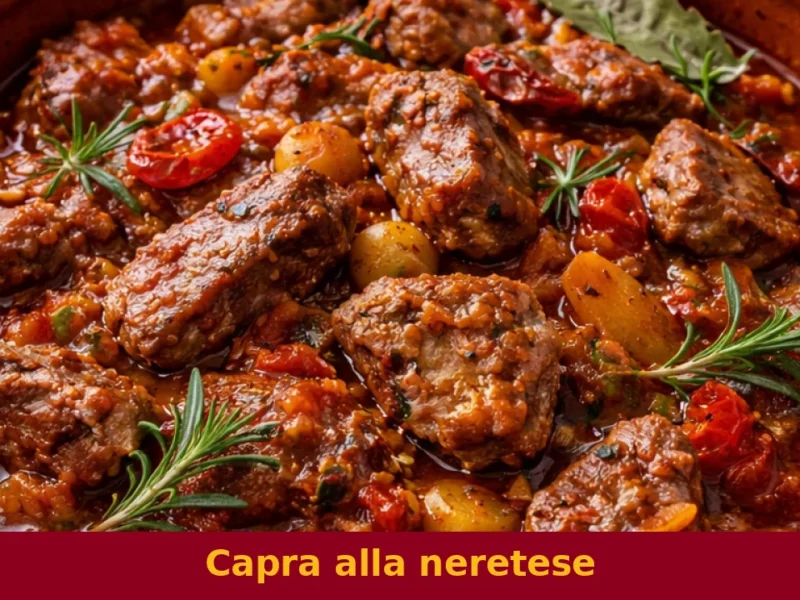
In the heart of Abruzzo, where the landscape unfolds in a succession of valleys and hills, a gastronomic...
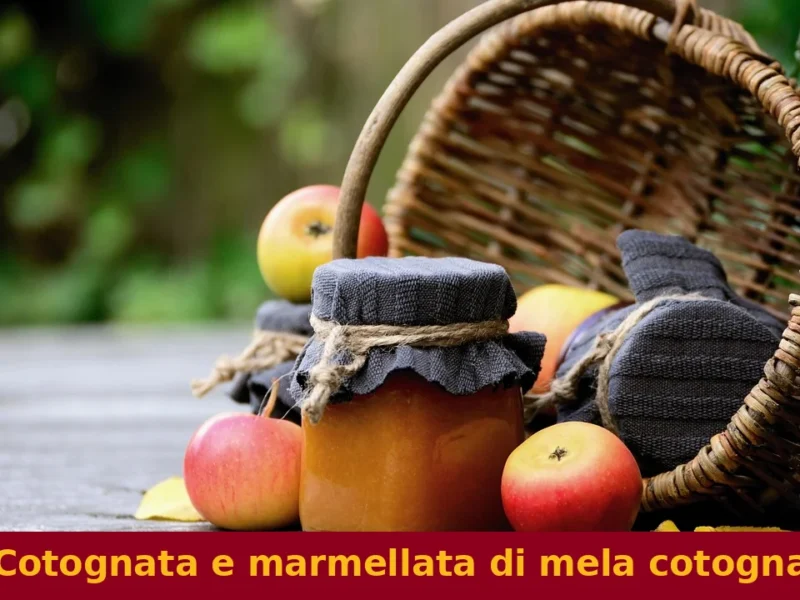
In the skilled hands of Abruzzese artisans, the quince transforms into a gastronomic treasure that encapsulates the genuine...
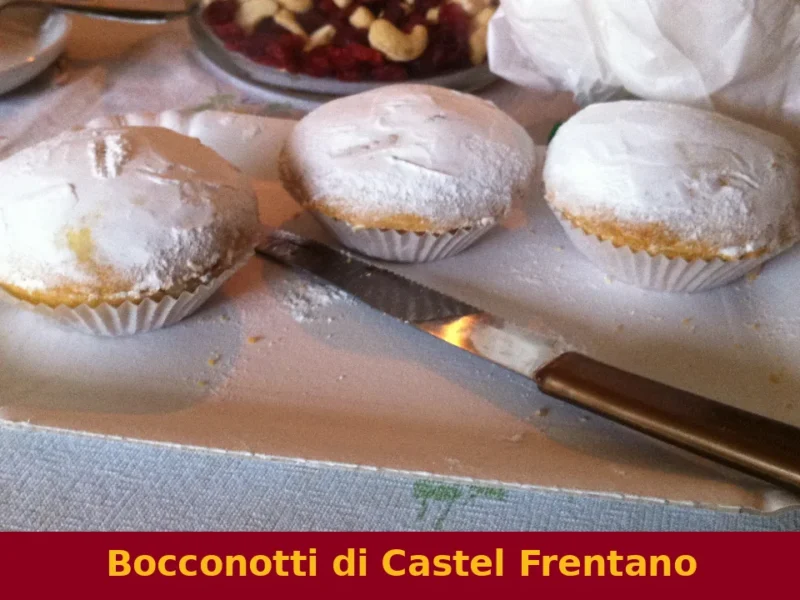
In Abruzzo, where the hills merge with gastronomic tradition, Castel Frentano holds a small confectionery specialty: the Bocconotto....
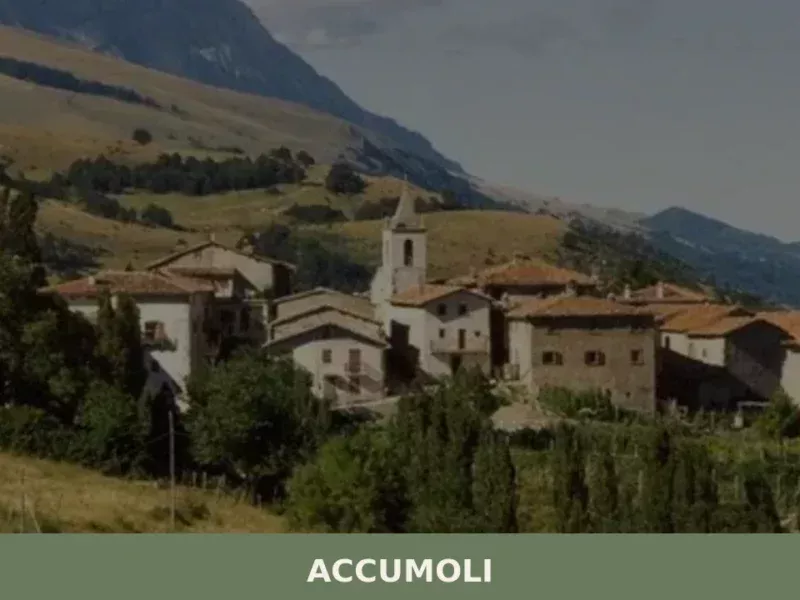
A chill, thin air descends with the late afternoon sun, drawing long shadows across the uneven cobblestones of the piazza. The scent of woodsmoke, faint but persistent, mingles with the dry fragrance of ancient stone. At 855 meters above sea level, the village of Accumoli, nestled within the Rieti province of Lazio, feels like a […]
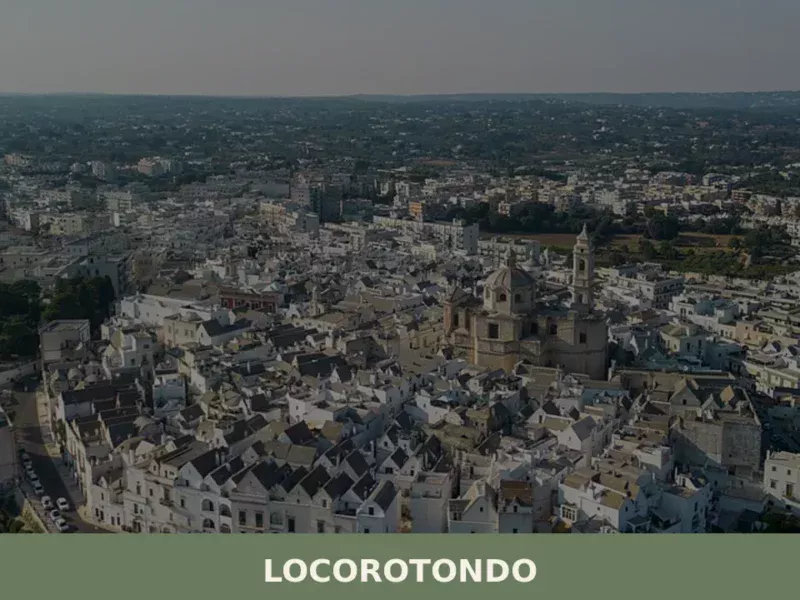
The toponym Locorotondo, documented as early as the 12th century as “Luogo Rotondo” (Round Place), derives from the concentric configuration of its historic center, an urban feature that still distinguishes it within the Itria Valley landscape. Located 410 meters above sea level, this municipality in the province of Bari has 14,258 inhabitants and presents a […]
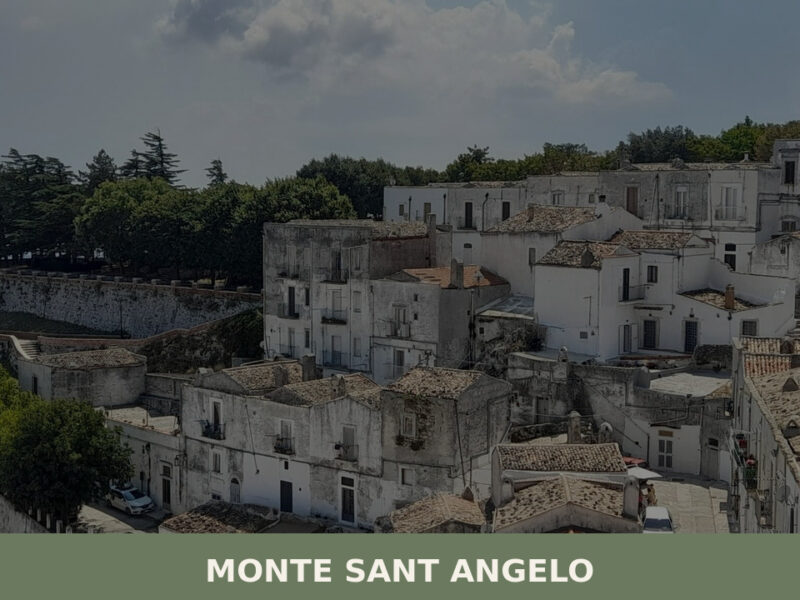
Monte Sant'Angelo, borgo garganico patrimonio UNESCO, incanta con il santuario di San Michele, il castello svevo e vicoli medievali. Scopri cosa vedere, come arrivare e quando visitarlo.
📝 Incorrect information or updates?
Help us keep the Caciotta vaccina frentana, Formaggio di vacca, Casce d’vacc page accurate and up to date.