


Guilmi
 Mountain
What to see in Guilmi, a hill village at 674 m in Chieti province with 408 residents. Visit the Church of San Nicola, the medieval centre and taste PAT products from the Frentani area.
Discover Guilmi
Guilmi stands at 674 metres above sea level in the hilly part of the province of Chieti, with a population of 408 that makes it one of the smallest centres in the Abruzzo interior. Visitors exploring what to see in Guilmi will find a compact urban core where the historic street layout and religious architecture document centuries of agricultural and pastoral life. The area belongs to the Apennine belt connecting the inland hills to the Costa dei Trabocchi coastline, and it is this geographical position that shapes both the landscape and local production.
The village lies just a few kilometres from Lanciano and forms part of a network of small settlements that have maintained their original character over a very long period.
History and Origins of Guilmi
The roots of the village go back to the early Middle Ages, when many of the hilltop settlements of the Frentani region of Abruzzo consolidated around defensive structures and places of worship.
The name Guilmi appears in medieval documents relating to the diocese of Chieti and the Frentani district, an area that came under Lombard, Norman and Swabian rule over the centuries. Continuous settlement at altitude was driven by the need for visual control of the surrounding territory and by access to water sources on the hillsides.
As the Wikipedia page for Guilmi notes, the municipality belongs to the province of Chieti and falls historically within the Frentani area, which was already inhabited in pre-Roman times by the Frentani people.
During the Norman-Swabian period, between the eleventh and thirteenth centuries, the territory of Guilmi was part of the feudal system that defined the Kingdom of Sicily in the south. The village followed the political fortunes of the smaller centres of Abruzzo Citeriore, passing under Angevin control after 1266 and then under Aragonese rule by the end of the fifteenth century.
Through the early modern period, the feudal structure remained broadly stable: the small inland settlements of the Chieti area supported a rural population engaged in cereal farming, livestock rearing and viticulture, with a subsistence economy supplemented by local trade at seasonal fairs. Cadastral records from the Bourbon period list Guilmi as an independent municipality with its own well-defined agricultural territory.
After Italian Unification, Guilmi was incorporated into the new administrative order as a municipality within the province of Chieti, retaining its own local government.
The twentieth century brought the wave of emigration that affected the entire Abruzzo interior: a significant share of the population moved to the industrial cities of northern Italy and to traditional overseas destinations, above all the Americas. This process drove the gradual population decline still visible today, with the current 408 residents reflecting a long contraction from the demographic peaks of the early twentieth century.
The historic urban fabric has remained largely legible, with the old centre preserving its original medieval layout.
What to See in Guilmi: Main Attractions
Church of San Nicola di Bari
The church dedicated to San Nicola di Bari is the main religious building in the village and is directly linked to the patron saint celebrations held every year on 5 May. The building stands at the centre of the historic core and serves as its visual and spiritual focal point.
The structure retains features of rural Abruzzo sacred architecture, with a local stone façade and an interior that holds liturgical furnishings of historical interest. The role of this church as the hub of community life is documented over centuries, and a visit provides clear insight into the central part that ecclesiastical institutions played in shaping social life in Guilmi.
Medieval Historic Centre
The historic centre of Guilmi preserves the typical settlement pattern of the hilltop villages of inland Chieti: a compact layout of stone buildings, covered passageways and enclosed public spaces that reflect the defensive and communal logic of medieval settlements. It is worth walking the entire core on foot to observe traditional building techniques, including the use of local limestone and architectural solutions adapted to the terrain.
Many buildings show signs of layered renovation over the centuries, with carved stone doorways dating to the sixteenth and seventeenth centuries.
The compact size of the village means a full visit takes around an hour.
Views Toward the Costa dei Trabocchi and the Maiella
At 674 metres, Guilmi offers a privileged vantage point in two opposite directions: looking east, the view opens across the Costa dei Trabocchi and the Adriatic Sea, while to the west the profiles of the Maiella massif and the Abruzzo Apennines rise against the horizon. This dual visual orientation is a notable geographical feature of the site and helps explain the historical choice to settle here. From the highest points in the village, on clear days the eye can sweep across a wide stretch of territory from the coastline to the mountain peaks, reflecting the location’s role as a bridge between the coastal plain and the inland mountains.
Hill Country and Rural Paths
The municipal territory of Guilmi extends across a series of hills planted with cereals, vineyards and olive groves, forming an agricultural landscape documented since the medieval period. The rural paths leading out from the village allow visitors to observe traditional farming practices still in use and to pass through areas of woodland in municipal ownership. Those looking for direct contact with the Frentani landscape of Abruzzo can organise walks along the country roads connecting Guilmi to neighbouring municipalities.
The local path network forms part of a wider system that crosses the Chieti hills toward both the coast and the mountain interior.
Rural Churches Across the Territory
As in many municipalities of inland Abruzzo, the territory of Guilmi retains traces of minor religious buildings spread across the rural landscape: votive chapels, roadside shrines and country churches that mark property boundaries and the traditional routes of transhumance.
These small-scale architectural elements form a widespread heritage that extends the experience of visiting the historic centre into a broader reading of the territory. Many of these structures are built in local stone and feature simple plastic decoration of ethnographic interest. Their distribution across the land reflects the property and devotional patterns that defined the Frentani countryside for centuries.
Local Food and Products of Guilmi
The food culture of Guilmi sits within the culinary tradition of the Frentani area of Abruzzo, a cuisine shaped by the dual agricultural and pastoral character of the hill territory. The geographical position of the village, midway between the Adriatic coast and the Apennines, historically supported a diet based on cereals, pulses, sheep and pork, vegetables from kitchen gardens, and oil produced by hillside olive groves.
Traditional cooking methods favour the grill, slow cooking in earthenware pots, and preparations designed to preserve food through the winter months — an approach to domestic economy built up over centuries.
Among the dishes found across the Chieti area, rooted in the same agro-pastoral traditions as Guilmi, sheep-based preparations stand out.
Arrosticini — skewers of diced mutton grilled over charcoal — are the most recognisable dish in Abruzzo cuisine and appear on both everyday and festive tables throughout these villages. Equally widespread is capra alla neretese, a preparation of goat meat cooked slowly with tomato, aromatic herbs and chilli pepper, reflecting the livestock traditions of the area. First courses are often fresh pasta dressed with lamb ragù or seasonal vegetable sauces, while pulses — particularly lentils and chickpeas — go into thick soups served with corn or wheat bread.
The production area covering inland Chieti and the Frentani zone is home to several products recognised as Traditional Agri-food Products (PAT). Arrosticini (PAT), produced throughout Abruzzo, are particularly deeply rooted in the hill belt between Lanciano and surrounding municipalities. Capra alla neretese (PAT) is a preparation documented across the Frentani area.
Caciocavallo abruzzese (PAT) is a stretched-curd cheese made from cow’s milk in the mountain and hill zones of Abruzzo.
Caciotta vaccina frentana, also known as Casce d’vacc (PAT), is a fresh or semi-aged cheese typical of the Frentani, the historic area that includes the territory of Guilmi. Cacio di vacca bianca and caciocavallo abruzzese complete the map of certified local cheeses. Among sweet products, bocconotti di Castel Frentano (PAT) — pastries filled with jam and chocolate originating from a nearby municipality — are found throughout the Frentani area and are among the most recognisable preparations in local pastry-making.
Spring and autumn are the best seasons to find fresh local produce. In autumn, markets in nearby municipalities offer chestnuts, mushrooms, aged cheeses and preserves. The local food festivals of the Frentani area, concentrated between July and September, provide a direct opportunity to sample traditional preparations and buy products from the producers themselves. Visitors to the area during this period can pair a visit to the village with a stop at the weekly agricultural markets in Lanciano or other centres in the province of Chieti.
Festivals, Events and Traditions of Guilmi
The festive calendar of Guilmi revolves around the celebration of the patron saint, San Nicola di Bari, whose feast is held every year on 5 May.
This date marks one of the most significant moments of community gathering in the village, with a solemn religious service in the parish church dedicated to the saint, followed by a procession through the streets of the historic centre.
The patron saint feast in May fits within the Abruzzo tradition of spring celebrations, in which the agricultural cycle and the liturgical calendar intertwine in well-established patterns. Devotion to San Nicola is widespread throughout southern Italy and is particularly strong in pastoral villages, where the saint is regarded as protector of travellers and sailors.
As in many municipalities of inland Abruzzo, the traditions tied to the agricultural calendar in Guilmi — the grape harvest in September, the winter pig slaughter, the autumn sowing — have historically marked community life and have been accompanied by rituals and customs passed down orally. The small size of the community, with its 408 residents, supports the continuation of festive and devotional practices that have often faded in larger centres.
Local celebrations also serve today as a draw for the many former residents and their descendants who return to the village in the summer months, reinforcing the bond between the resident community and those who have settled elsewhere.
When to Visit Guilmi and How to Get There
The best time to visit Guilmi runs from April to October.
In spring, with the patron saint feast on 5 May as a fixed point in the calendar, the village sees its greatest activity and the surrounding hill landscape is at its most lush. Summer is warm but not oppressive, thanks to the altitude of 674 metres, which keeps temperatures milder than on the coast. Those planning walks in the surrounding area can take advantage of the long days of July and August. Autumn, with the olive harvest and seasonal dairy production, is the right time for anyone interested in local food traditions.
Winter brings cold weather and occasional snow, but allows a visit to the village without other tourists and gives a more direct sense of everyday life in the place.
To reach Guilmi by car, the most convenient route uses the A14 Adriatica motorway, exiting at the Lanciano toll gate, from where the village is about 20 kilometres inland — around twenty minutes along provincial roads. Alternatively, exit at Vasto Nord and head north-west through the Sinello valley. The nearest railway station is Lanciano, served by the Pescara–Foggia line. The main airport is the Abruzzo International Airport in Pescara, approximately 70 kilometres away. For up-to-date information on municipal services and local roads, visit the official website of the Municipality of Guilmi.
Other Villages to Explore in Abruzzo
The Frentani area of Abruzzo and the hill system of the province of Chieti contain a number of villages that share geographical, historical and gastronomic features with Guilmi.
Those looking to build an itinerary through the Abruzzo interior might start with Frisa, a hilltop municipality in the province of Chieti overlooking the Sangro valley, with a compact historic centre and views toward the Adriatic coastline — geographically and culturally close to Guilmi.
Nearby, Villalfonsina belongs to the same Costa dei Trabocchi territory, with an upper village looking out to sea and an economy that combines agriculture with coastal traditions.
Looking further afield toward the province of Pescara and the L’Aquila area, two more villages complete an ideal circuit through lesser-known Abruzzo.
Brittoli, in the Pescara hinterland, is a medieval hilltop settlement offering one of the widest views across the Vestini plain, with an urban structure that echoes that of the elevated villages of the Chieti hills.
In the L’Aquila area, Cagnano Amiterno is a mountain village in the Amatrice basin, with documented Roman origins and a high-altitude landscape very different from the Frentani countryside but equally representative of the region’s variety. Combining these four villages in a two- or three-day itinerary allows visitors to cross the main landscape and cultural variations of inland Abruzzo.
Frequently asked questions about Guilmi
What is the best time to visit Guilmi?
Spring and autumn offer the most rewarding visits. May is particularly special: the feast of patron saint San Nicola di Bari on 5 May brings the village to life with religious celebrations centred on the Church of San Nicola di Bari. Spring also delivers clear days with panoramic views stretching from the Maiella massif to the Costa dei Trabocchi. Autumn is ideal for food lovers, as nearby markets offer chestnuts, mushrooms and aged cheeses. Summer weekends coincide with local food festivals across the Frentani area. Winter is quiet and cold at 674 metres, best suited to visitors seeking complete solitude.
What are the historical origins of Guilmi?
Guilmi has early medieval roots, documented in records relating to the diocese of Chieti within the ancient Frentani territory, inhabited since pre-Roman times by the Frentani people. The village consolidated as a hilltop settlement for defensive and agricultural reasons. It passed through Lombard, Norman, Swabian, Angevin and Aragonese rule between the 11th and 15th centuries as part of the Kingdom of Sicily feudal system. Bourbon-era cadastral records list it as an independent municipality. After Italian Unification it joined the province of Chieti. Significant emigration in the 20th century reduced its population to the current 408 residents.
What to see in Guilmi? Main monuments and landmarks
The Church of San Nicola di Bari is the central landmark, a stone-façade rural church holding liturgical furnishings of historical interest and directly tied to the 5 May patron saint festivities. The medieval historic centre rewards a slow walk on foot: carved stone doorways dating to the 16th and 17th centuries, covered passageways and compact stone buildings reflect the defensive logic of Frentani hilltop settlements. The rural territory also holds scattered votive chapels and roadside shrines built in local stone. A full visit to the village centre takes approximately one hour and requires no admission fee.
What are the main natural or scenic attractions of Guilmi?
At 674 metres, Guilmi occupies a ridge offering a rare dual panorama: to the east the Adriatic coastline and the Costa dei Trabocchi, to the west the profiles of the Maiella massif and the Abruzzo Apennines. The surrounding municipal territory extends across hills planted with cereals, vineyards and olive groves. Rural paths and country roads connect Guilmi to neighbouring municipalities through a documented agricultural landscape, forming part of a wider path network crossing the Chieti hills between the coast and the mountain interior. Areas of woodland in municipal ownership are also accessible along these routes.
Where to take the best photos in Guilmi?
The highest points of the historic centre provide the most dramatic shots: on clear days the view spans simultaneously east to the Adriatic Sea and the Costa dei Trabocchi and west to the Maiella massif. This dual orientation in a single frame is geographically unusual and visually striking. The stone façade and surroundings of the Church of San Nicola di Bari offer classic village architecture photography. The agricultural hillside landscape just outside the village — olive groves, vineyards and cereal fields layered across the Frentani hills — is best photographed in golden-hour light during spring or autumn.
Are there museums, churches or historic buildings to visit in Guilmi?
The principal religious building is the Church of San Nicola di Bari, the village's main place of worship and the focus of the annual patron saint celebration on 5 May. It stands at the centre of the historic core and contains liturgical furnishings of historical interest. The medieval urban fabric itself constitutes the principal built heritage of Guilmi: carved stone doorways from the 16th and 17th centuries are visible throughout the compact centre. Across the rural territory, votive chapels and country churches in local stone extend the architectural heritage beyond the village boundary. Specific opening hours are not centrally published; the church is generally accessible around Mass times.
What can you do in Guilmi? Activities and experiences
Guilmi suits visitors combining cultural and landscape experiences. Walking the medieval centre on foot takes around one hour and reveals traditional stone architecture and carved doorways. Rural paths through the municipal territory — crossing olive groves, vineyards and woodland — allow direct contact with the Frentani agricultural landscape. The 5 May feast of San Nicola di Bari is the main community event of the year. Food tourism is a strong draw: the Frentani area hosts local festivals between July and September, and weekly agricultural markets in nearby Lanciano offer direct access to local producers and certified traditional products.
Who is Guilmi suitable for? Families, couples, hikers, solo travelers?
Guilmi is best suited to independent travellers seeking authentic, uncrowded inland Abruzzo: cultural visitors interested in medieval hilltop villages, food enthusiasts exploring the Frentani culinary tradition, and landscape photographers drawn by the rare dual panorama over both the Adriatic coast and the Maiella. Couples looking for a quiet, rural retreat will find it genuinely off the tourist trail. Hikers can use Guilmi as a base for walking the Chieti hill network. Families with older children who enjoy slow travel and food culture will also find it rewarding. It is not suited to visitors seeking organised tourist infrastructure or beach holidays.
What to eat in Guilmi? Local products and specialties
Guilmi sits within the Frentani food tradition of inland Chieti. Arrosticini — diced mutton skewers grilled over charcoal, a PAT-certified Abruzzo product — are the most emblematic dish. Capra alla neretese, slow-cooked goat with tomato and chilli, is documented across the Frentani area. Fresh pasta with lamb ragù and thick pulse soups with lentils or chickpeas are typical first and main courses. Local cheeses include Caciotta vaccina frentana (Casce d'vacc, PAT) and Caciocavallo abruzzese (PAT). Bocconotti di Castel Frentano (PAT), jam-and-chocolate pastries from a nearby municipality, are found throughout the area and represent local pastry-making.
Nearby Villages near Guilmi
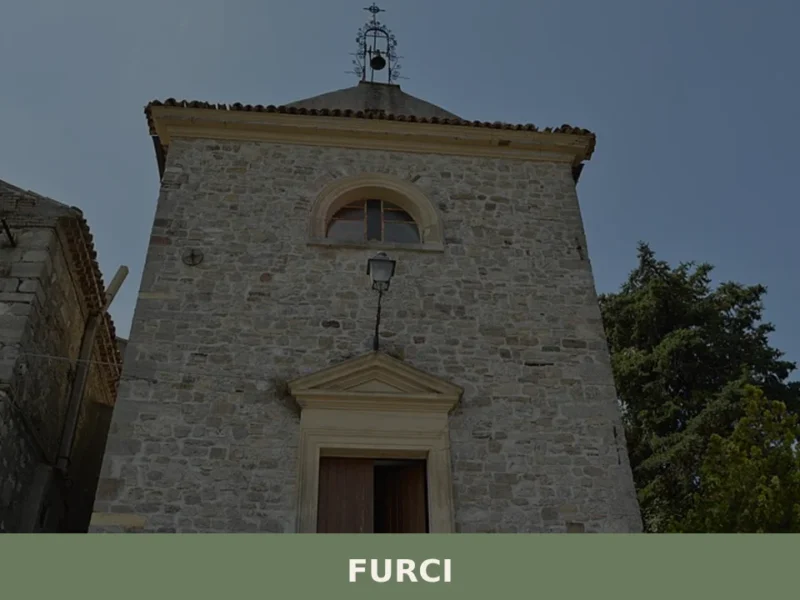
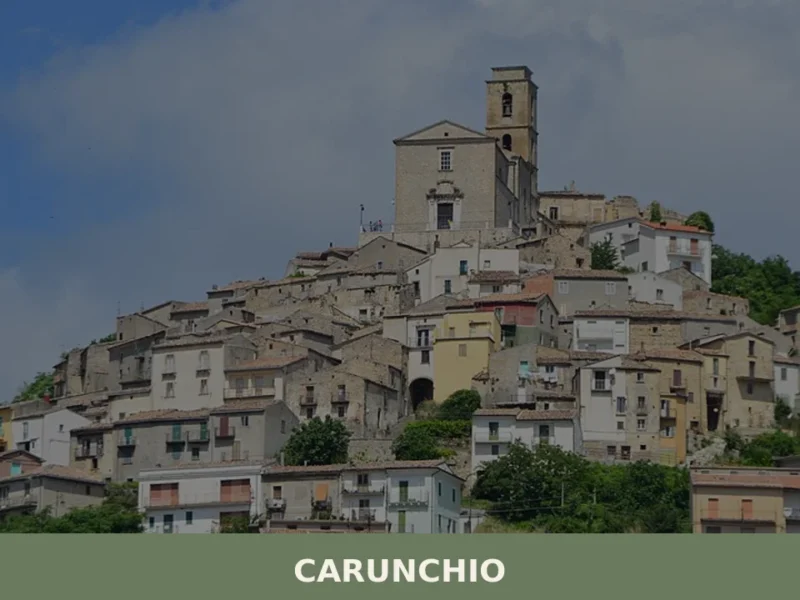
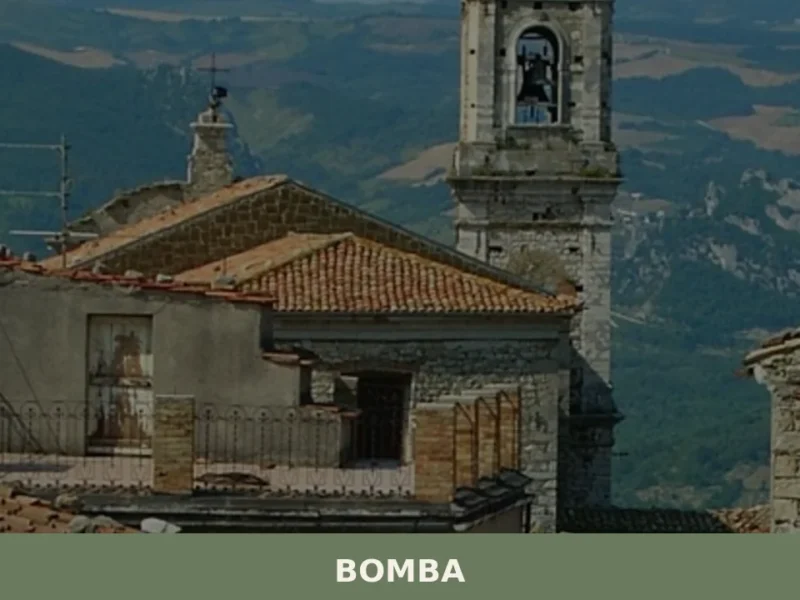
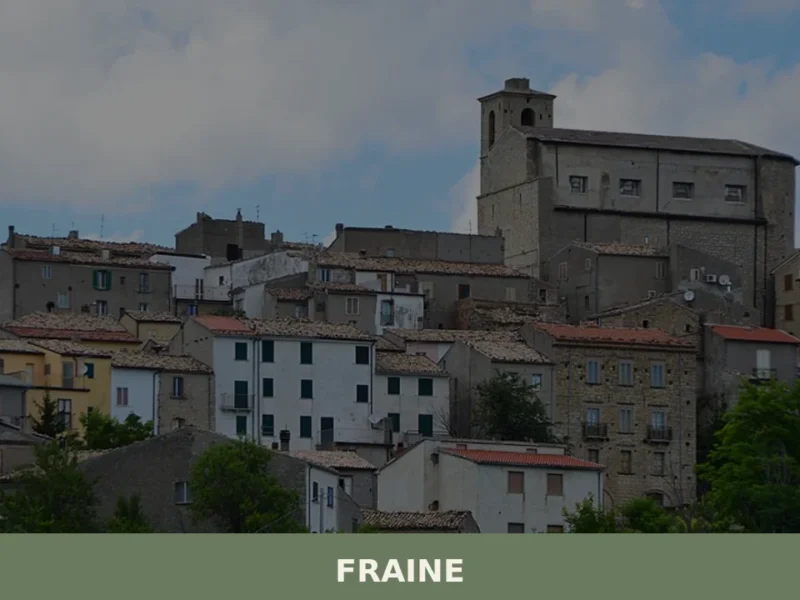
In Abruzzo More villages to discover
Montereale
Mountain
What to see in Montereale in Abruzzo: Romanesque churches, medieval walls, mountain cuisine and Laga trails. Complete guide to the village at 948 m.
Barisciano
Mountain
A high-altitude village on the Piana di Navelli, Barisciano holds Roman ruins, Franciscan cloisters, and centuries of Abruzzo history written in stone.
Villa Santa Maria
Mountain
What to see in Villa Santa Maria, Abruzzo, Italy: explore 5 top attractions, local cuisine, and the legacy of Saint Francis Caracciolo. Discover this village of 1,431 inhabitants.
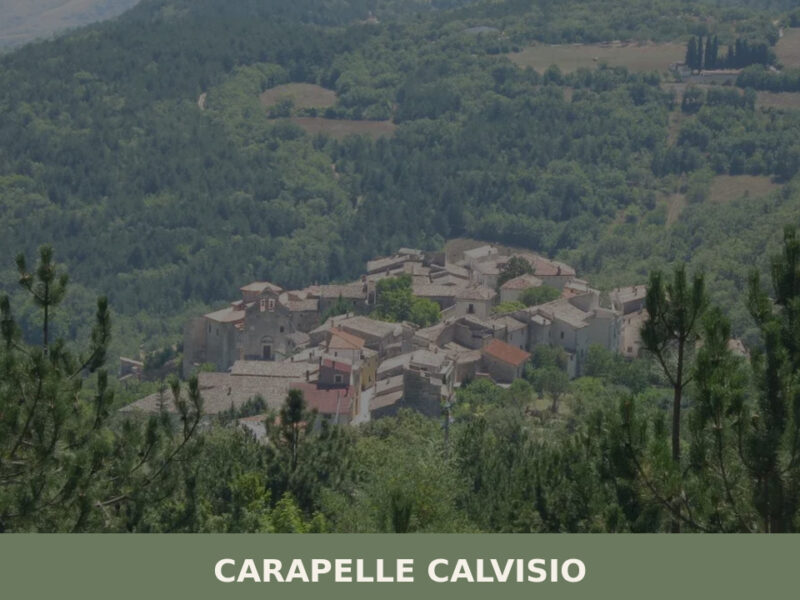
Carapelle Calvisio
Mountain
What to see in Carapelle Calvisio, Italy? Explore this village at 910 m (2,986 ft) altitude, visit Rocca Calascio, and discover its unique population status. Read our guide!
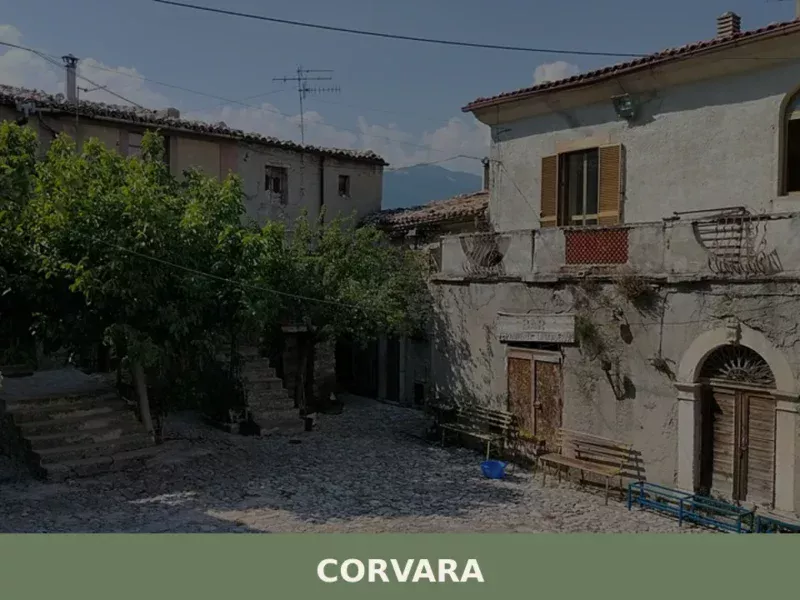
Corvara
Mountain
Corvara, a municipality of 210 inhabitants in the province of Pescara, is located 625 meters above sea level in the Pescara valley. Its territory, documented as early as the medieval period, shows traces of settlements dating back to the Neolithic, highlighting a continuous habitation linked to its strategic position. For those wondering what to see […]
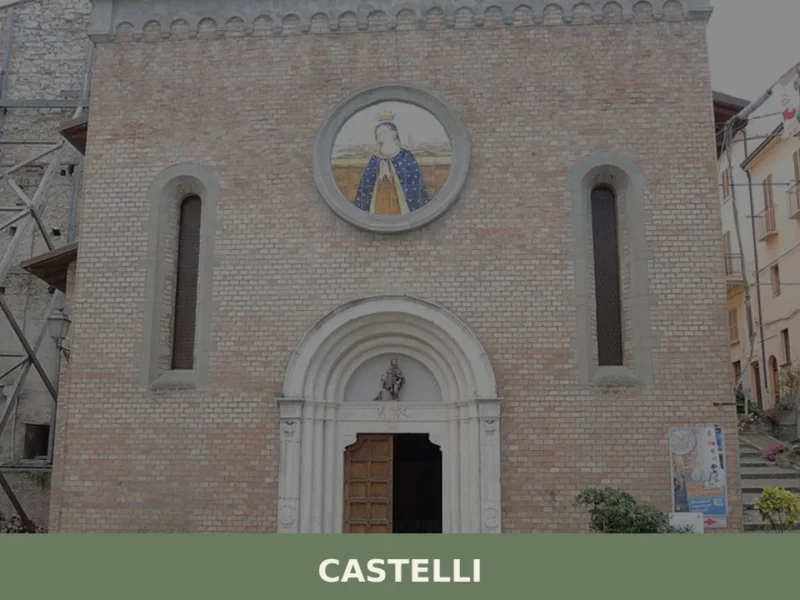
Castelli
 Hills
Hills
Since the 14th century, Castelli has been recognized as one of Abruzzo’s most significant ceramic production centers, an art that has shaped the village’s identity and continues to define its image today. This small settlement, with its 976 inhabitants and an altitude of 497 meters above sea level in the province of Teramo, offers an […]
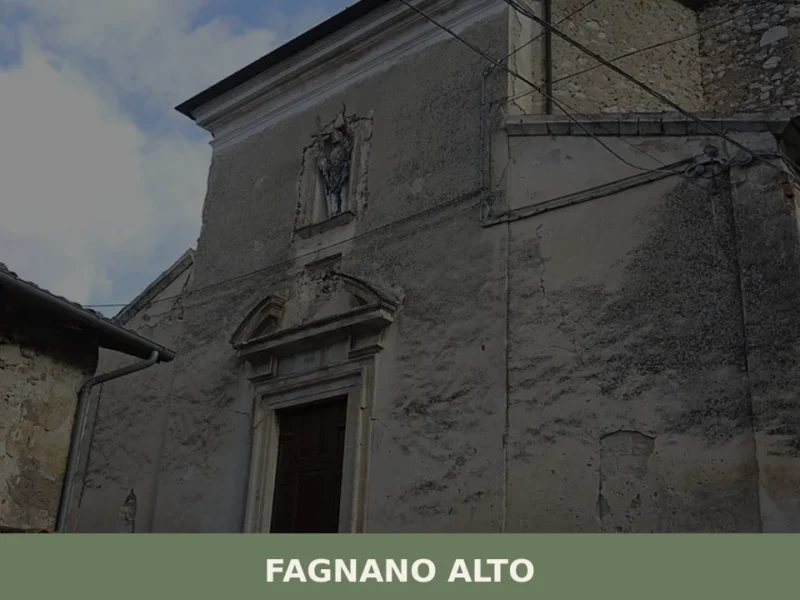
Fagnano Alto
Mountain
Fagnano Alto is not a single village but a scattered municipality: 363 inhabitants spread across twelve hamlets between 560 and 900 metres above sea level, on the eastern slope of the middle Aterno valley, in the province of L’Aquila. The administrative centre is Vallecupa, dedicated to San Donato, but each hamlet has its own patron […]
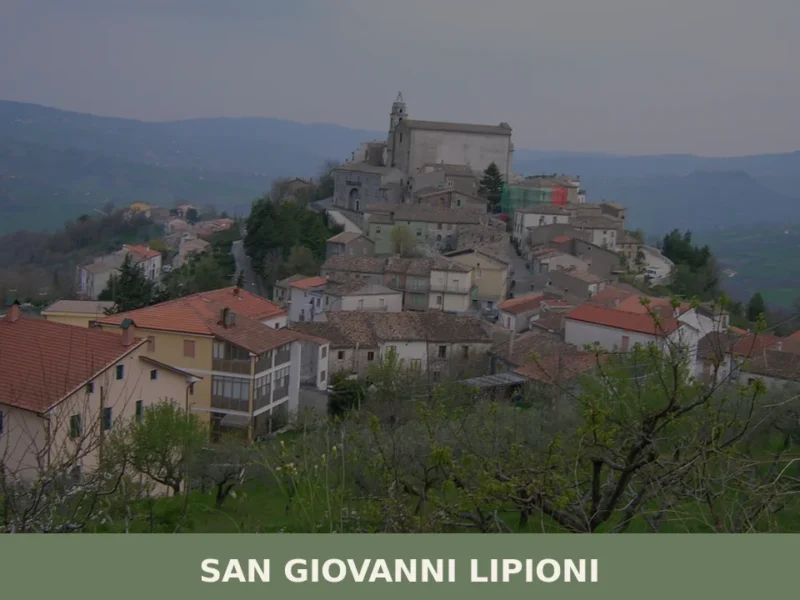
San Giovanni Lipioni
Hills
What to see in San Giovanni Lipioni, Abruzzo, Italy: explore a village at 545 m, its 17th-century church, ventricina salami and May pageant. Discover it now.
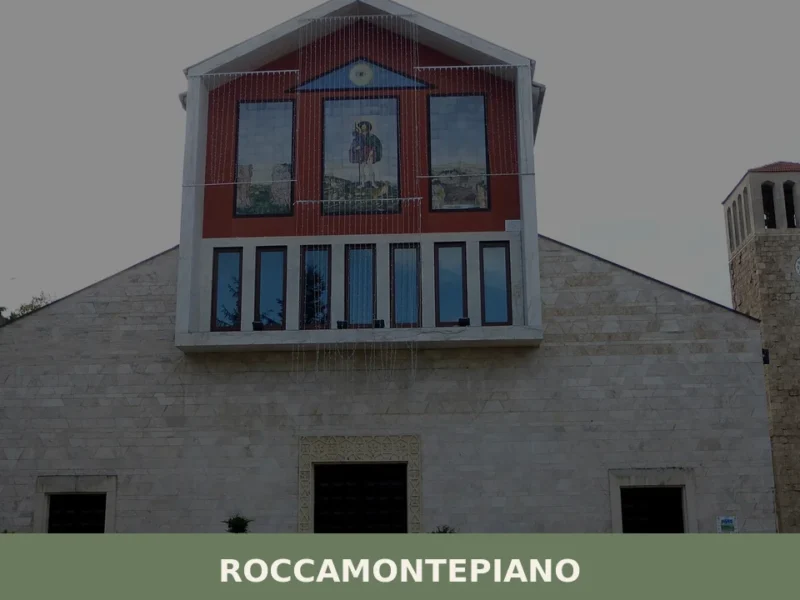
Roccamontepiano
Hills
What to see in Roccamontepiano, Abruzzo, Italy: explore a hilltop village at 450 m with a 1765 landslide history. Discover the Saint Roch festival and more.
Castilenti
Hills
At 272 metres above sea level, along the valley of the Fino torrent, Castilenti has a current population of 1,346 and occupies a stretch of hilly terrain in the province of Teramo where olive cultivation marks the landscape with orderly rows of trees and still-active oil mills. Anyone wondering what to see in Castilenti will […]




🏡 Know Guilmi better than we do?
If you’re a local or have been there, your knowledge matters: add what’s missing or fix a detail on this page.