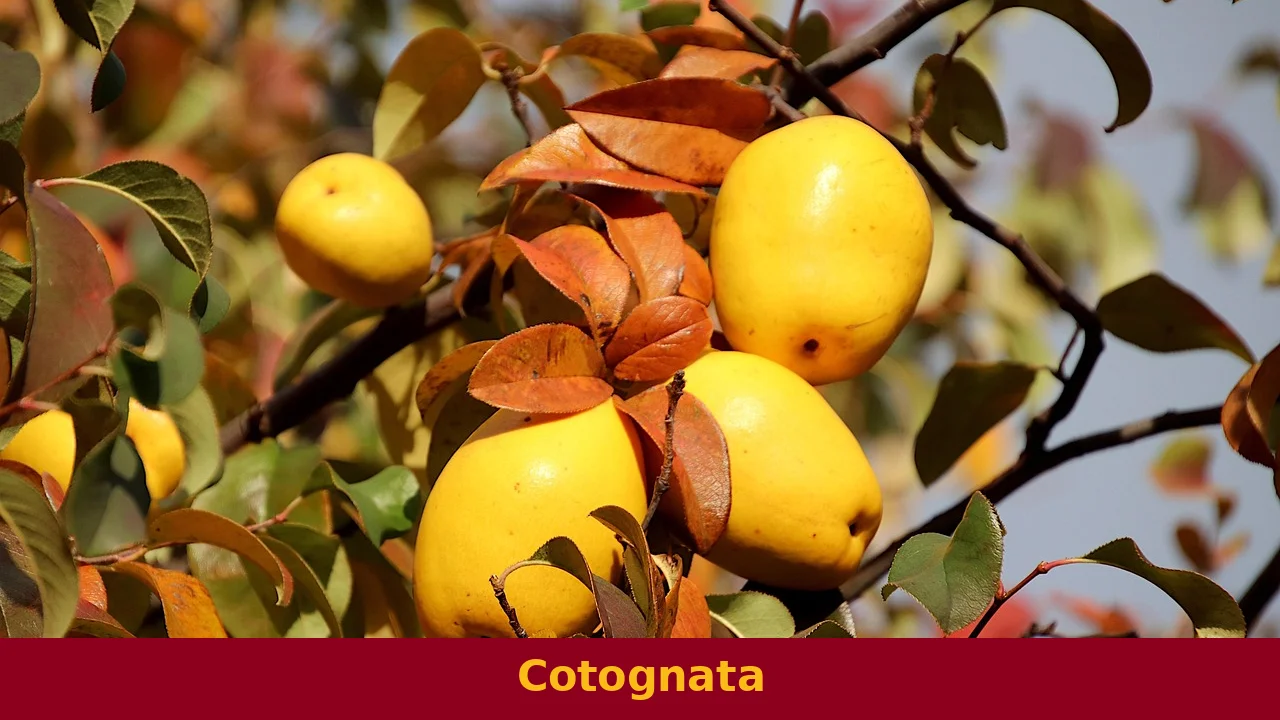
The cotognata, with its amber color and velvety texture, is an ancient sweet that in Puglia encapsulates the true flavors of a sun-kissed land. This exquisite preparation based on quince represents not only a delight for the palate, but also a piece of history and ancient peasant custom, a symbol of ingenuity in transforming the…
The cotognata, with its amber color and velvety texture, is an ancient sweet that in Puglia encapsulates the true flavors of a sun-kissed land. This exquisite preparation based on quince represents not only a delight for the palate, but also a piece of history and ancient peasant custom, a symbol of ingenuity in transforming the fruits of the earth into lasting delicacies. Each slice of cotognata is an invitation to discover the gastronomic and cultural richness of this region, a true taste of its historical and cultural roots.
The cotognata is a traditional sweet prepared from quince, an ancient fruit. It is a gelatinous and firm, compact paste, with a color ranging from yellow to red. The flavor is sweet, with a slightly acidic and aromatic note. Also known as dulce de membrillo in Spanish, cotognata demonstrates how simple ingredients can create a product of great character.
The history of cotognata has its roots in ancient times, when fruit preservation was essential. Quince lent itself to the preparation of solid and long-lasting preserves. Its origins are traced back to the Mediterranean, with its spread in Italy, Spain, and Portugal. From here, the tradition extended to Latin America, including Argentina, Chile, Mexico, Uruguay. In Italy, it is documented in eastern Sicily, Calabria, Puglia, Basso Lodigiano, and Liguria, testifying to a culinary custom that has adapted while maintaining its essence linked to the fruit.
In Puglia, cotognata has found fertile ground for its identity. The cultivation of quince is an integral part of the agricultural landscape, in inland areas where the Mediterranean climate favors aromatic fruits. Apulian production is based on family traditions, linked to small producers who pass down recipes. This connection with the territory is cultural, associated with conviviality and the celebration of autumn harvests. One can appreciate its true character by visiting, for example, the countryside around Ostuni, with its olive groves, or exploring the masserie of Salento, where local fruit is expertly transformed.
The production of cotognata is a process that requires patience and attention, based on a few ingredients. It starts with quince, which is not pleasant raw. The transformation begins with cleaning, peeling, core removal, and cutting into pieces. These are cooked in water until tender. The pulp is sieved or blended to obtain a smooth puree. Sugar is added to this, which provides sweetness and acts as a preservative. The mixture is cooked over low heat, stirring continuously. This phase is crucial: prolonged cooking allows water to evaporate and pectin to activate, giving it its characteristic consistency. Once the desired density is reached, the cotognata is poured into molds and left to solidify for several days.
Cotognata is distinguished by a well-defined sensory profile. Visually, it presents a color ranging from golden yellow to ruby red. Its texture is its most distinctive feature: firm, compact, and gelatinous; when cut, it reveals itself to be smooth and homogeneous. To the touch, it is slightly sticky. The aroma is fruity, with sweet notes and a slight acidic hint. In the mouth, it offers a sweet but balanced sensation, never cloying, with a persistent aftertaste. Its melt-in-the-mouth quality is gradual, leaving a pleasant velvety sensation on the palate. These characteristics make it a versatile and appreciated sweet.
The versatility of cotognata makes it a valuable ingredient. Traditionally, it is consumed in slices, as a dessert or snack. In Puglia, it is often paired with aged cheeses, such as Caciocavallo Podolico or Pecorino, where sweetness and acidity create a harmonious contrast. It can be used to fill tarts and cookies. Some chefs propose it in bold pairings, such as with roasted meats or game. It also lends itself to being melted and transformed into sauces or glazes, or cut into cubes and added to fruit salads or yogurt. Cotognata invites experimentation, rediscovering true flavors in innovative contexts.
Cotognata stands out as a unique product for several reasons. First, its raw material, the quince, gives it a special character, with ideal properties for this preparation. Its uniqueness also lies in its ability to represent an ancient preservation custom, a bridge between a peasant past and contemporary taste. It is not simply a sweet, but the result of a process that transforms a fruit almost inedible raw into a refined delicacy. Furthermore, its versatility in the kitchen increases its value. Apulian cotognata carries with it the echo of its territory, the wisdom of those who prepare it, and the genuineness of local ingredients, making it a true expression of regional gastronomic identity.
Cotognata from Puglia is recognized as PAT, Prodotto Agroalimentare Tradizionale (Traditional Agri-Food Product). This recognition from the Ministry of Agricultural, Food, and Forestry Policies certifies processing, preservation, and aging methods consolidated over time, according to traditional rules. The PAT certification enhances cotognata as an expression of Apulian gastronomic heritage and protects its authenticity. It emphasizes the importance of preserving and promoting agri-food productions with a strong connection to their territory. Its presence on the list of Apulian PATs confirms its cultural and gastronomic value.
To savor the true Apulian cotognata, the best way is to visit the region. In local markets, typical product shops, and small delis, especially in the historic centers of cities like Alberobello or Lecce, it is possible to find it artisanally produced. Many masserie and agriturismi in Puglia offer the opportunity to taste and purchase the product directly. During autumn, the harvest period, it is common to come across festivals and fairs where cotognata is the star. Buying cotognata from local producers is a way to support the local economy and take home a true piece of Puglia, a delicious memory of a trip among Italian traditional food products and the gastronomic culture of this generous land. To further explore the discovery of <
📷 Photo: GAIMARD · Pixabay License · All credits →
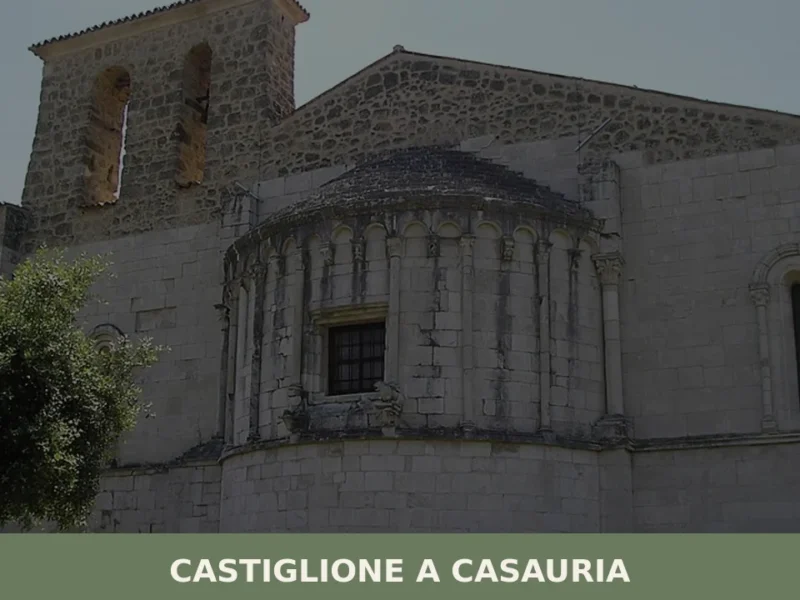
The Abbey of San Clemente a Casauria, founded in 871 by Emperor Louis II, stands just a few hundred metres from the town centre and ranks among the most important Romanesque monuments in central Italy. It is this monastic presence that defines the identity of Castiglione a Casauria, a village of 701 inhabitants in the […]
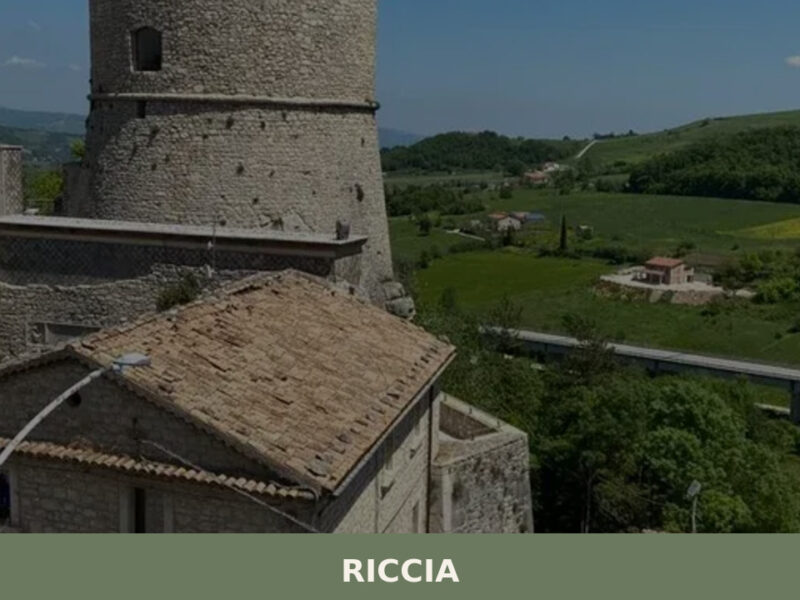
A hilltop village of 4,814 inhabitants in the province of Campobasso, Riccia reveals medieval streets, a Norman castle, and one of Molise's most celebrated food festivals.
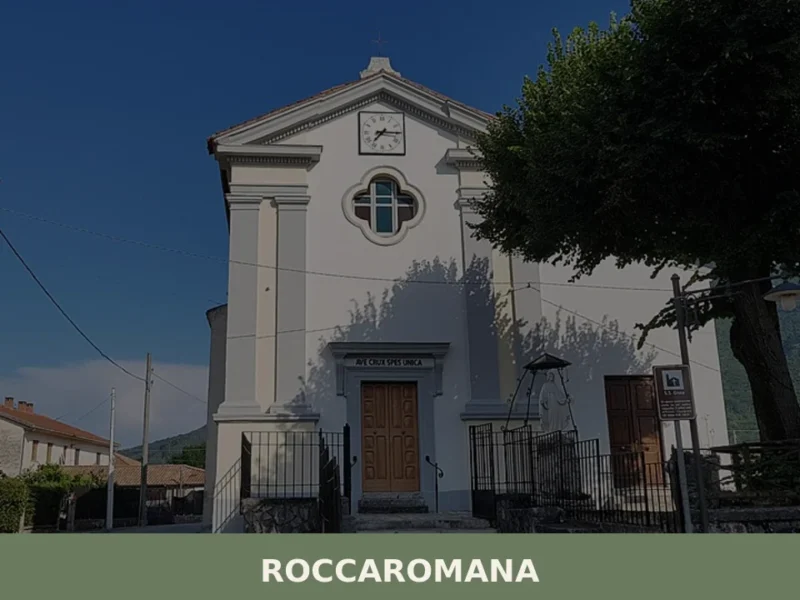
Discover what to see in Roccaromana, a Campanian plain village in the province of Caserta. Explore the history, attractions, and typical cuisine of this center with 893 inhabitants.
📝 Incorrect information or updates?
Help us keep the Cotognata page accurate and up to date.