


Roccaromana
 Plains
What to see in Roccaromana, Italy: Explore its 180m altitude, discover historic churches and enjoy San Cataldo feast. Learn more about visiting this quaint village.
Discover Roccaromana
As you approach Roccaromana, the soft outlines of its landscape come into view, with the vibrant hues of sunlit fields meeting the gentle contours of its modest hills. Rising at 180 meters (591 feet) above sea level, this village offers a panorama where each crumbling wall tells a story of its storied past. The echoes of a rich history are carried on the soft breeze that rustles through the surrounding plains.
The answer to “what to see in Roccaromana” unfolds quickly with its deep-rooted heritage and vibrant celebrations.
With a small population of 819, this charming village in Campania, Italy, is no ordinary destination. Visitors can admire the historical landmarks and partake in lively festivals, such as the feast of San Cataldo. The highlights of Roccaromana include its rustic churches and beautiful landscapes that capture the essence of this quaint Italian village.
History of Roccaromana
Roccaromana’s history is intertwined with that of the larger Campania region. The name likely reflects its ancient roots, with “rocca” suggesting a fortress or rocky place, indicative of its strategic significance over the centuries. Though the specifics of its founding remain obscure, Roccaromana’s existence predates many modern establishments, offering a glimpse into bygone eras.
During the Middle Ages, Roccaromana played a crucial role in regional defense and governance, nestled securely among the fortified outposts scattered throughout Campania.
The structure of its settlements and defensive architecture speak to this era, where protection was paramount against external threats. This historical phase laid down the framework for what the village has become today.
Moving into contemporary times, Roccaromana has retained much of its historical charm, blending it with modern amenities to cater to its inhabitants and visitors. Cultural figures such as poet Antonio Senese have made their mark here, subtly influencing the local culture. The village’s evolution is a testament to the enduring spirit nestled between the valleys and hills of Campania.
What to see in Roccaromana, Campania: top attractions
San Cataldo Church
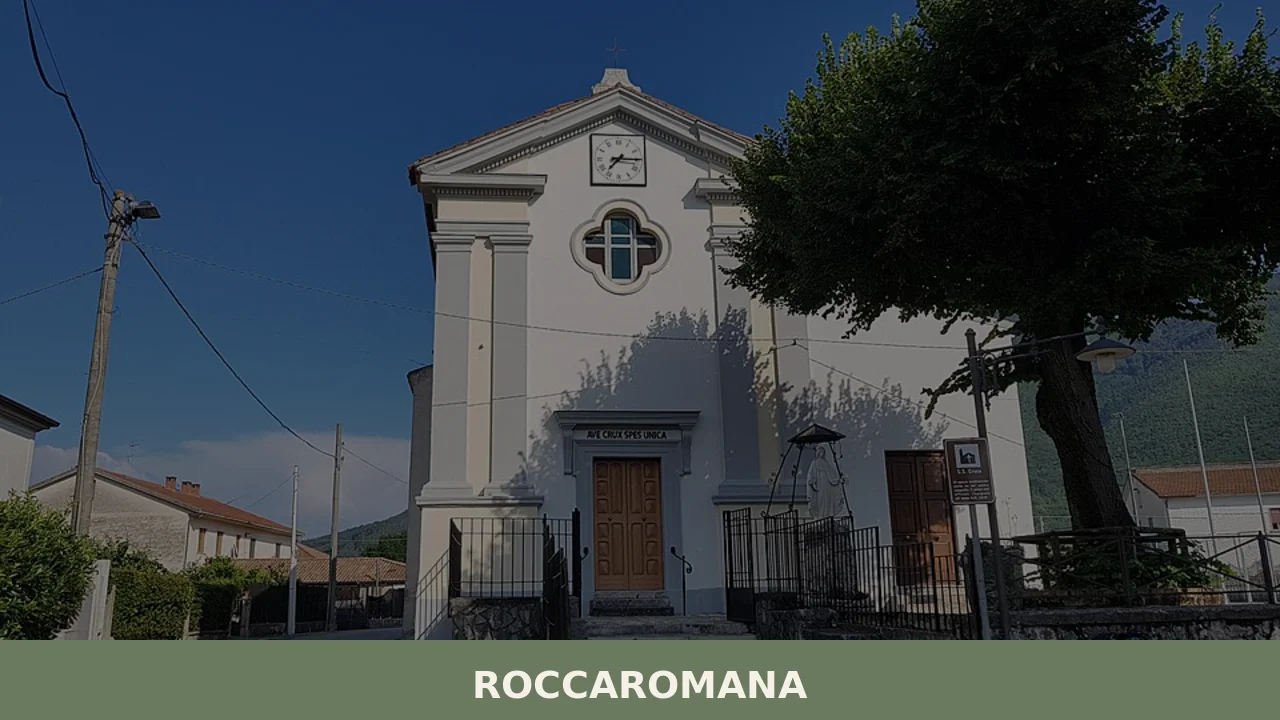
The limestone facade of San Cataldo Church catches the early morning light, reflecting the artistry and devotion of its builders. Originally constructed during the village’s formative years, it stands as a testament to Roccaromana’s rich religious history. Inside, the wooden altars and intricate frescoes invite exploration and reflection.
Visitors should note that attending the service during the patron’s feast on May 10th offers a unique immersion into local traditions.
Madonna della Neve Church
Set against a serene backdrop, the Madonna della Neve Church offers a spiritual journey for those who enter. Built to honor the miracle of the snow, it is enveloped in stories passed through generations. The interior, with its simple yet profound iconography, promises a quiet place for contemplation. Best visited in the early morning to avoid crowds, it provides a peaceful start to your exploration of Roccaromana.
Historic Town Square
A focal point of local life, the town square features cobblestone streets flanked by centuries-old buildings that echo the tales of market days and village gatherings. Its significance dates back to the medieval period when it was the hub of commerce and social interaction.
Here, visitors can admire the meticulously preserved architecture and enjoy a leisurely café experience, particularly lively during market days.
Rocca dei Normanni
The remnants of the Rocca dei Normanni hint at a formidable past with its stone walls that whisper stories of Norman conquests. Strategically positioned, it served as a lookout post and bastion, crucial in medieval times for its defensive capabilities. Climbing the rugged path to reach its summit rewards hikers with sweeping views of the Campanian plains below.
Municipal Park
The Municipal Park, with its lush greenery and tranquil atmosphere, is a breath of fresh air within Roccaromana’s rustic landscape. Established in the 20th century, it serves as an escape for those seeking nature’s embrace amid historical surroundings. The park is ideal for a picnic in the warmer months when the flora is in full bloom and the aromas of the earth fill the air.
Local food and typical products of Roccaromana
Roccaromana’s culinary heritage is deeply rooted in the agrarian traditions of Campania, drawing from a landscape that has provided fresh, robust ingredients for centuries.
The influence of neighboring regions has enhanced its gastronomic repertoire, making the village a delightful stop for food enthusiasts.
Among the typical dishes, the Pasta con Ceci, featuring homemade pasta mingled with chickpeas, olive oil, and a trace of garlic, is a village staple stemming from necessity and tradition. Another essential is Baccalà alla Napoletana, salt-cured cod cooked with tomatoes and olives, marrying oceanic flavors with landward produce.
Campania is renowned for its excellent produce, yet there are no certified products unique to Roccaromana determined in this context. The regional bounty enriches the village’s tables with olive oils and wines celebrated throughout Italy.
Seasonal festivals often highlight these traditional dishes, with the summer months bustling with community celebrations featuring food stalls, and markets selling locally harvested goods.
The best time to sample these flavors is during the feasts of the patron saints in May and August.
Festivals, events and traditions of Roccaromana
Roccaromana’s calendar revolves around the patron feast days of San Cataldo on May 10 and Madonna della Neve on August 5. These events are deeply embedded in the village’s spiritual life, celebrated with processions, traditional music, and communal meals. Unique to these festivals is the way villagers come together, preserving time-honored practices for newer generations to experience.
While secular events are fewer, the village occasionally hosts local fairs and markets. These occasions allow visitors to partake in Roccaromana’s everyday charm and connect with the residents, providing an authentic glimpse into their way of life.
When to visit Roccaromana, Italy and how to get there
The best time to visit Roccaromana in Campania is during late spring or early autumn, when the weather is mild and the village hosts its vibrant festivals. These periods offer a harmonious blend of cultural events and pleasant temperatures, ideal for touring the village’s attractions.
For those interested in the region’s natural beauty, summer’s warmth enhances the enjoyment of the surrounding landscapes.
Reaching Roccaromana is convenient for travelers. It is approximately 80 km (50 mi) from Naples, making it a feasible day trip from the city. Visitors arriving by car can take the A1 motorway, exiting at Capua and continuing for 18 km (11 mi). For train travelers, the nearest station is in Caserta, 25 km (16 mi) away, connected by local buses. For international arrivals, the closest airport is Naples International Airport, approximately a 1.5-hour drive. For additional travel details, check Trenitalia’s website for schedules and connections.
Visitors to Roccaromana can extend their trip to Caserta, which shares the same charming Campania landscape and offers additional cultural experiences.
Frequently asked questions about Roccaromana
What is the best time to visit Roccaromana?
The ideal periods are spring (April–June) and early autumn (September–October), when temperatures are mild and the Campanian plain landscape is at its most scenic. Two patron saint festivals mark the local calendar: the Feast of San Cataldo on May 10th and the Feast of the Madonna della Neve on August 5th. Both occasions animate the village with religious processions and community celebrations, making them excellent opportunities to experience authentic local traditions. August visits should account for summer heat, though the Madonna della Neve festival on the 5th provides a compelling reason to attend.
What to see in Roccaromana? Main monuments and landmarks
The Parish Church dedicated to Saints Cataldo and Madonna della Neve is the spiritual heart of the village and the focal point of the two patron saint festivals. The main square hosts the Town Hall and serves as the social hub of the community. Traces of ancient fortifications — referenced in the very name 'Roccaromana' — can be glimpsed in the historic urban fabric. The historic public fountain, built in stone, is another landmark worth noting. Given the village's compact size, all these points of interest are easily explored on foot within a single visit.
Are there museums, churches or historic buildings to visit in Roccaromana?
The main religious building is the Parish Church of Saints Cataldo and Madonna della Neve, the oldest and most significant structure in the village. Its interior houses sacred furnishings and devotional artworks linked to local religious history. The Town Hall, overlooking the central square, represents the civic architecture of the village. Specific opening hours for the church are not officially published online; visitors are advised to check locally or attend during the patron saint feast days on May 10th and August 5th, when the church is fully accessible and at its most lively.
Who is Roccaromana suitable for? Families, couples, hikers, solo travelers?
Roccaromana is best suited for travelers who appreciate slow, authentic rural tourism. Couples and solo travelers seeking a quiet escape from busier destinations will enjoy its unhurried pace and traditional atmosphere. Families with an interest in local customs and religious festivals will find the patron saint celebrations on May 10th and August 5th particularly engaging. Food and wine enthusiasts will appreciate the genuine inland Campanian cuisine based on legumes, local olive oil, cured meats and fresh cheeses. It is not a destination for those seeking nightlife, beaches or major museums, but rather for genuine village immersion.
What to eat in Roccaromana? Local products and specialties
Roccaromana's table reflects the peasant traditions of the Caserta plain. Staple dishes include hearty soups and stews based on chickpeas and beans, seasonal vegetables and wild greens prepared according to local recipes. Local olive oil, produced from area groves, is the fundamental condiment. Pork features prominently, transformed into homemade cured meats and sausages. Cow's milk cheeses, a tradition across the Caserta province, are typically served alongside homemade bread. For premium local products, the broader Caserta area is renowned for Mozzarella di Bufala Campana DOP, which can be found at farms and markets in the surrounding territory.
📷 Photo Gallery — Roccaromana
Nearby Villages near Roccaromana
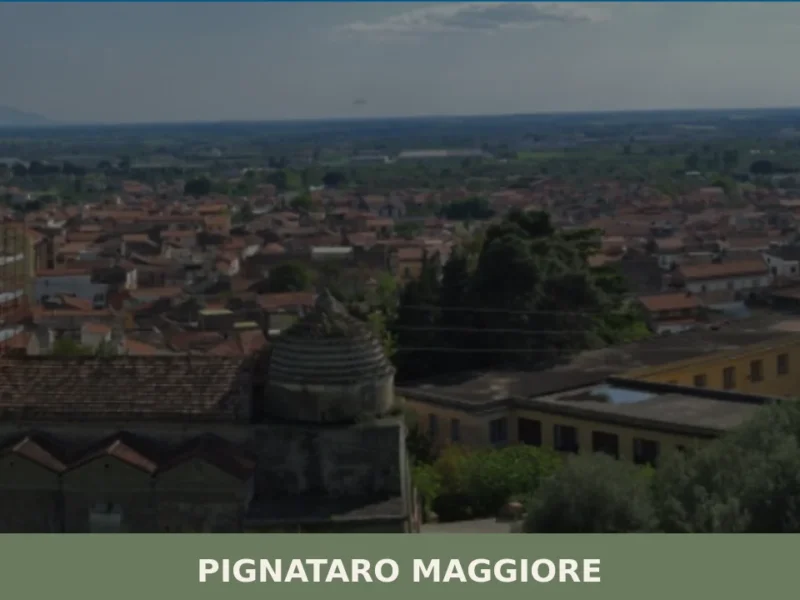
In Campania More villages to discover
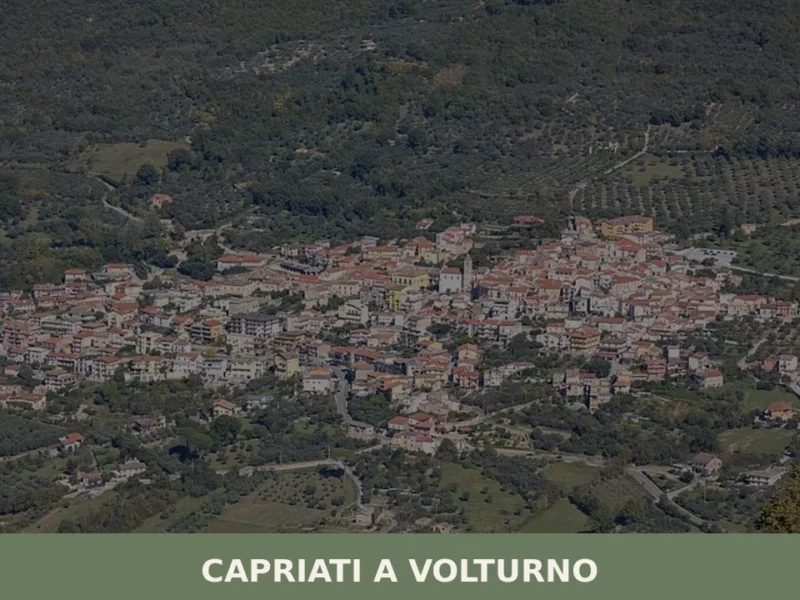
Capriati a Volturno
 Hills
Hills
At 290 metres above sea level, along the right bank of the Volturno, Capriati has a current population of 1,440 residents spread between the historic centre and the hamlets scattered across the valley. The river, which here sweeps through a wide bend before continuing towards the Campanian plain, has shaped the town’s economy and layout […]

Palma Campania
Plains
16,356 residents and one of Campania's most distinctive carnivals: Palma Campania draws visitors with its Roman heritage and the living spectacle of the Quadriglie.
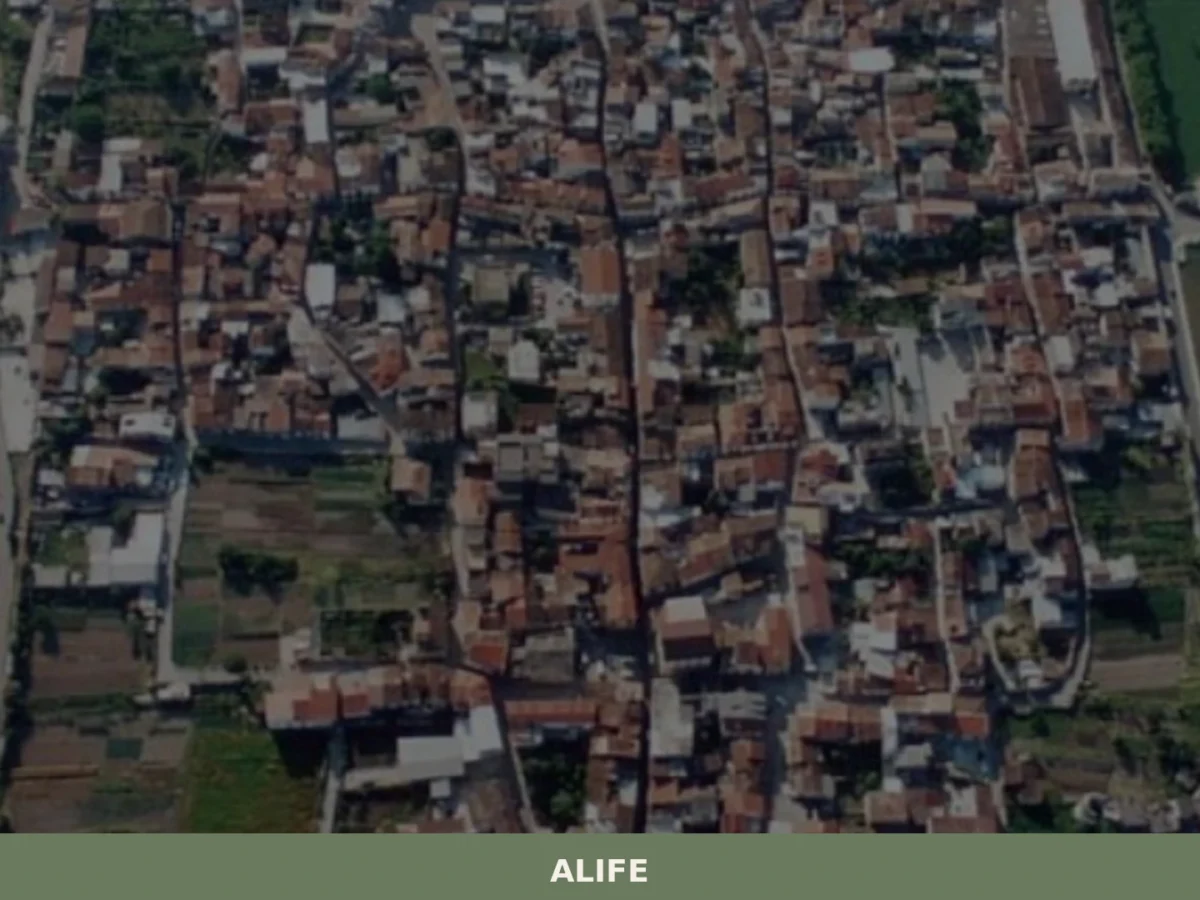
Alife
Plains
What to see in Alife, Italy: Discover at 110 m altitude the Roman Amphitheatre and the Cathedral of Alife. Explore Campania's rich history!
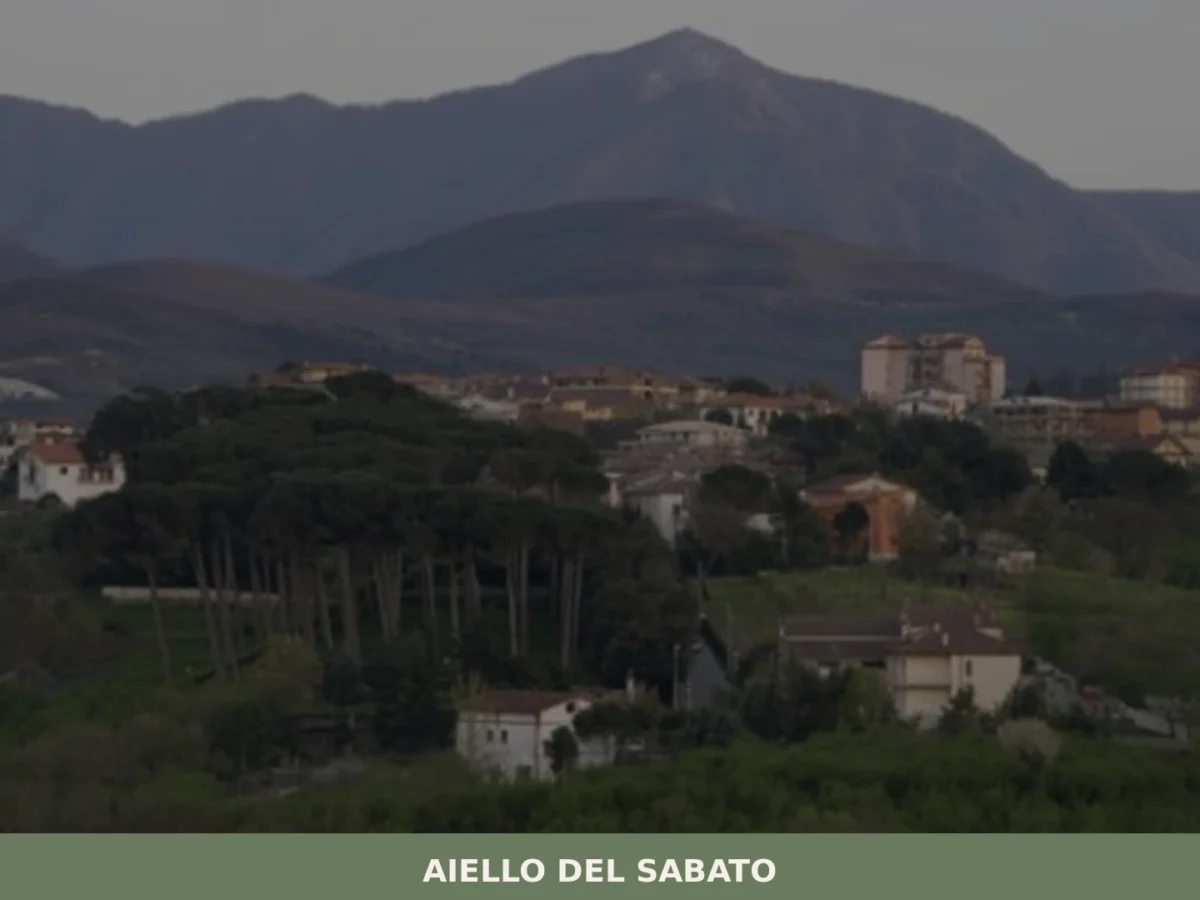
Aiello del Sabato
Hills
What to see in Aiello del Sabato, Italy? Discover this village at 425 m (1,394 ft) altitude. Explore its historic core and learn about its Roman past. Read our guide.
Pontelatone
Plains
what to see in pontelatone, Italy? Explore this Caserta village at 120 meters altitude. Discover the ancient city of Trebula and local traditions. Read more.
Amalfi
Hills
 Sea
Sea
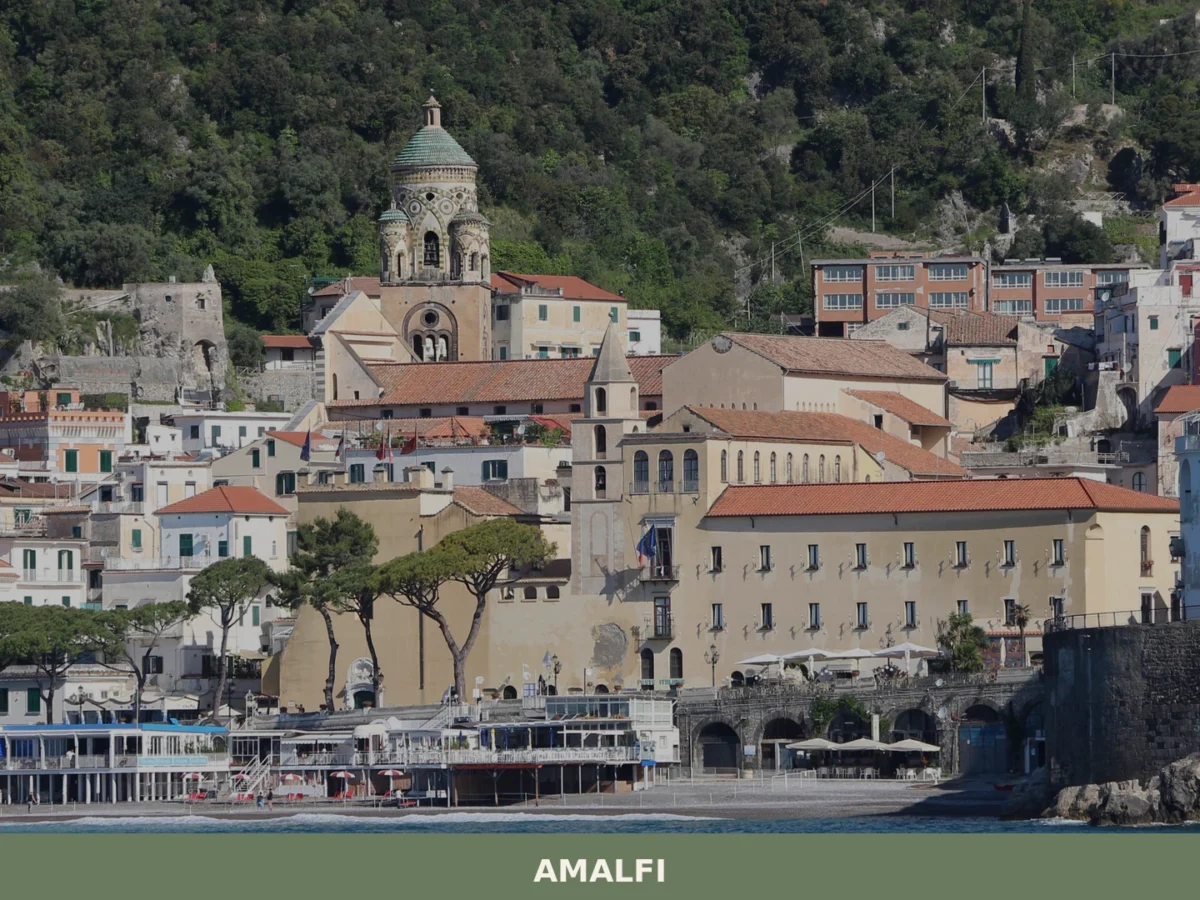
What to see in Amalfi, Campania, Italy: explore the Cathedral of Sant'Andrea, the Arsenal of the Maritime Republic, and the Compass Museum. Discover 4,611 residents' town.
Albanella
Plains
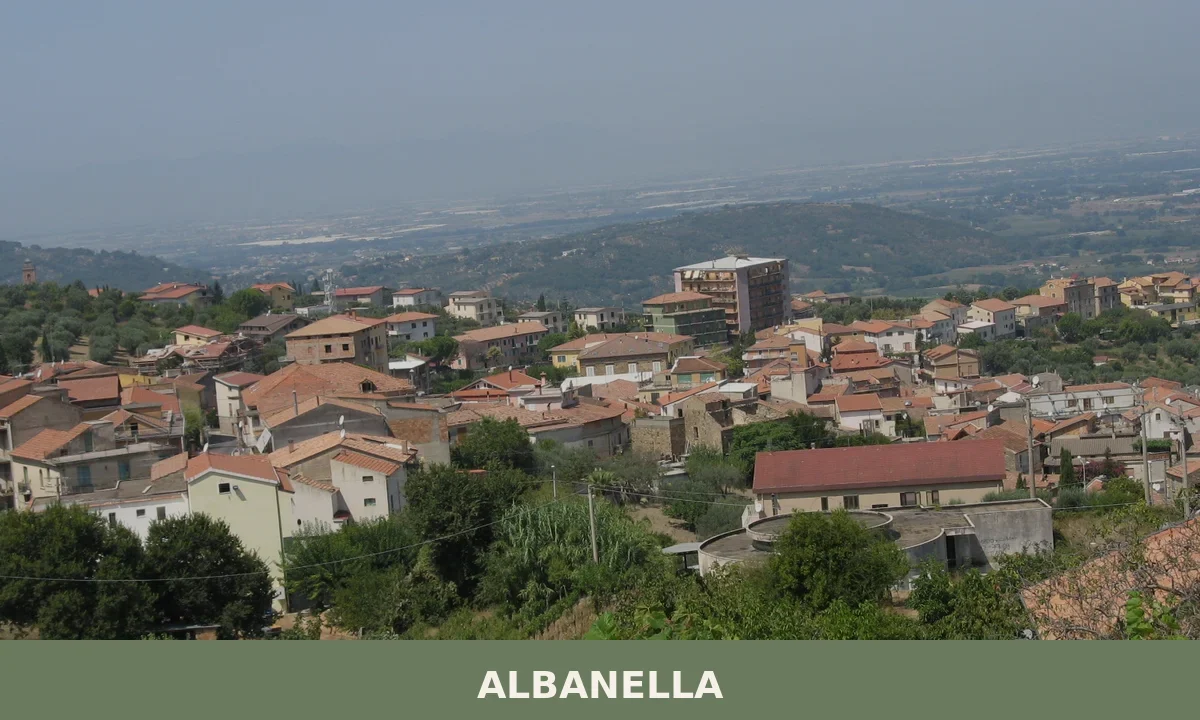
Founded in 1003 by refugees fleeing saracen raids, Albanella sits on a strategic hill between the Alburni mountains and the Salerno gulf, home to the restored Santuario di Santa Sofia.
Acerno
 Mountain
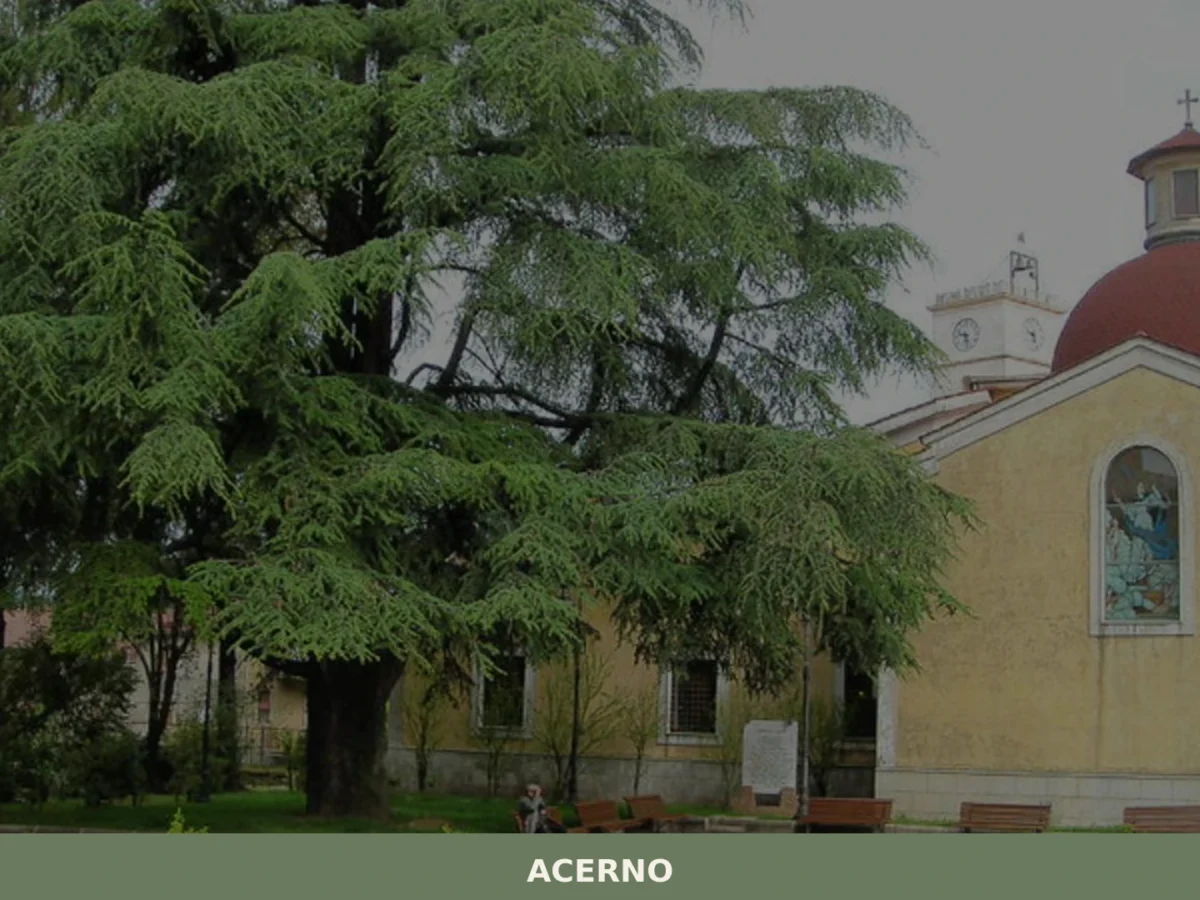
Discover what to see in Acerno, a 2,419-person village in Salerno's Picentini Mountains: medieval cathedral, chestnut forests, and a nine-century diocesan history.
Castello del Matese
Hills
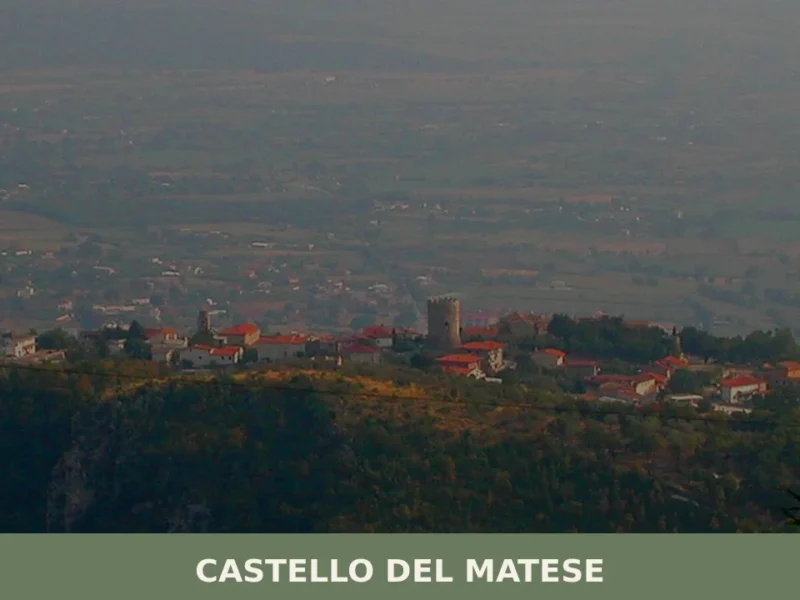
Visit Castello del Matese to explore its medieval historic center and local traditions. Plan your Campania trip, discover things to do in the village.
Ciorlano
Hills
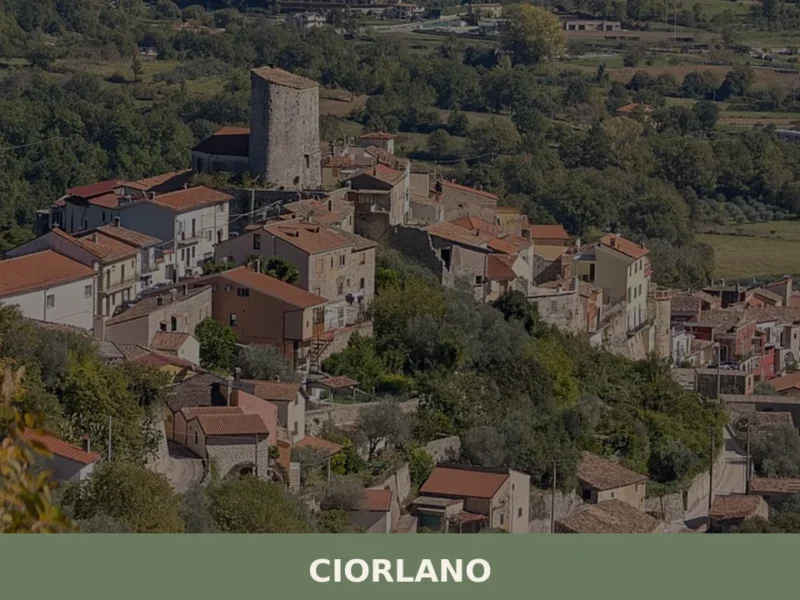
With its 370 inhabitants spread across an elevation of 330 metres above sea level, Ciorlano is one of the least populated municipalities in the province of Caserta. The village sits in the middle Volturno valley, along the hillside that separates the Matese massif from the Alife plain. Anyone wondering what to see in Ciorlano will […]


🏡 Know Roccaromana better than we do?
If you’re a local or have been there, your knowledge matters: add what’s missing or fix a detail on this page.