


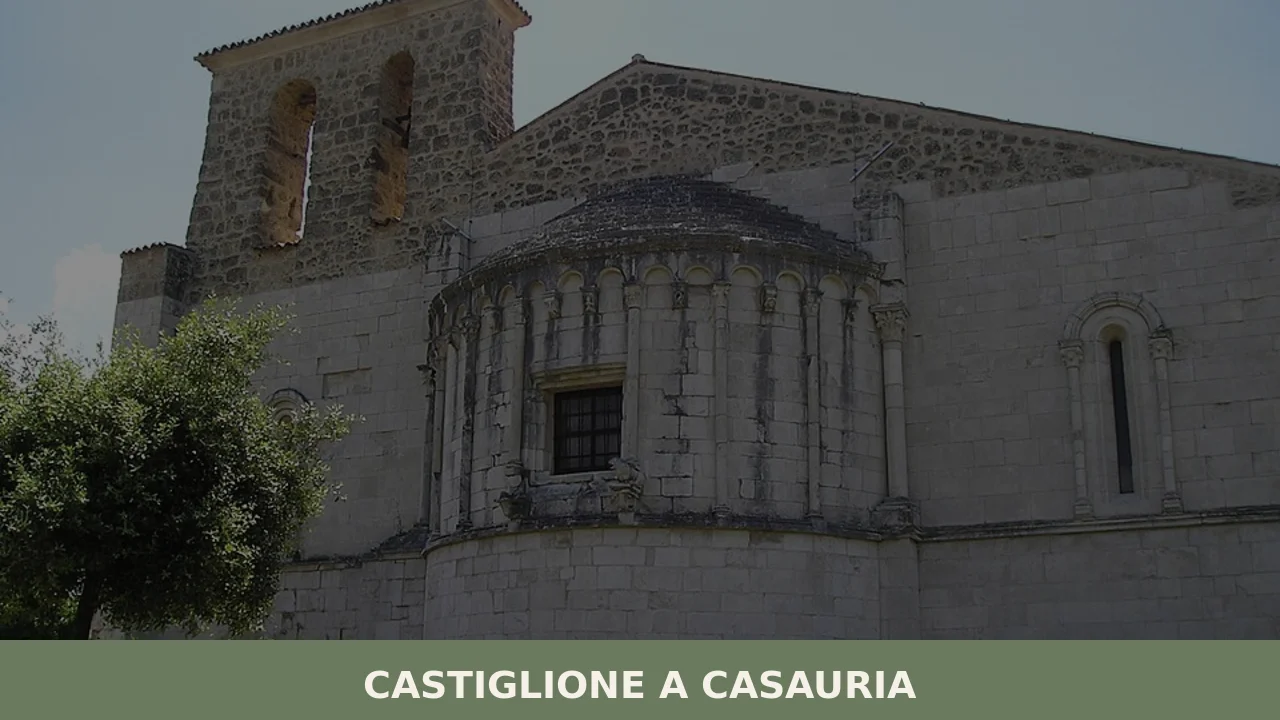
Castiglione a Casauria
 Hills
Hills
The Abbey of San Clemente a Casauria, founded in 871 by Emperor Louis II, stands just a few hundred metres from the town centre and ranks among the most important Romanesque monuments in central Italy. It is this monastic presence that defines the identity of Castiglione a Casauria, a village of 701 inhabitants in the […]
Discover Castiglione a Casauria
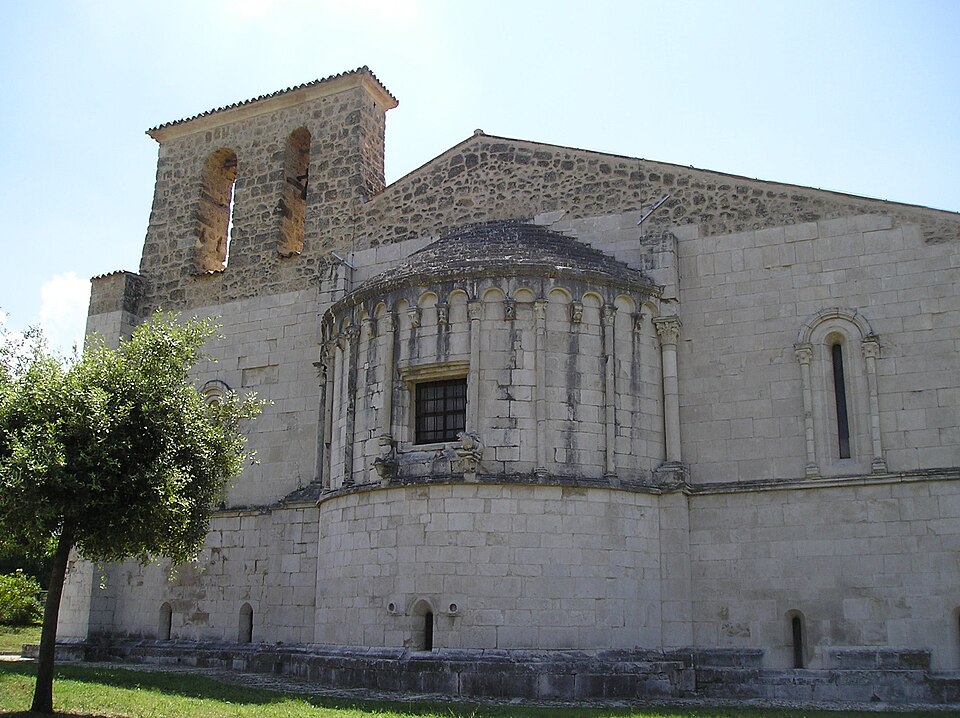
The Abbey of San Clemente a Casauria, founded in 871 by Emperor Louis II, stands just a few hundred metres from the town centre and ranks among the most important Romanesque monuments in central Italy. It is this monastic presence that defines the identity of Castiglione a Casauria, a village of 701 inhabitants in the province of Pescara, situated at 350 metres above sea level along the middle valley of the River Pescara. Asking what to see in Castiglione a Casauria means first and foremost engaging with that church and with the hilly landscape surrounding it, where olive groves and vineyards cover the slopes down to the valley floor.
History and origins of Castiglione a Casauria
The place name combines two distinct elements: “Castiglione”, from the Latin castellio, indicating a small fortified settlement, and “Casauria”, derived from Casa Aurea — the name Carolingian sources gave to the Benedictine monastery founded by Louis II after the liberation of Christian prisoners from the Saracens. The Chronicon Casauriense, compiled by the monk Giovanni Berardi in the twelfth century and now held at the Bibliothèque nationale de France in Paris, is the primary source for reconstructing the history of the monastery and the surrounding territory. The illuminated manuscript documents donations, property disputes and relations with imperial power across three centuries.
The civilian settlement grew in direct connection with the abbey, which controlled a vast feudal estate extending across both flanks of the Maiella massif and along the course of the Pescara. Between the tenth and twelfth centuries, the monastery reached the peak of its influence, administering dozens of churches and castles. Its decline began with the arrival of the Angevins in the thirteenth century and continued under the commendatory system, which turned abbey assets into income for non-resident abbots. In 1229 Emperor Frederick II confirmed the abbey’s privileges, but effective control over the territory had already fragmented among local lords.
After the Maiella earthquake of 1706, which damaged many structures in the area, the village underwent a gradual depopulation that accelerated during the twentieth century through emigration to the Americas and to the cities of northern Italy. The present-day municipality, established with Italian unification, retains a compact urban layout, with an old nucleus arranged along a hillside ridge and twentieth-century expansion towards the river plain.
What to see in Castiglione a Casauria: 5 main attractions
1. Abbey of San Clemente a Casauria
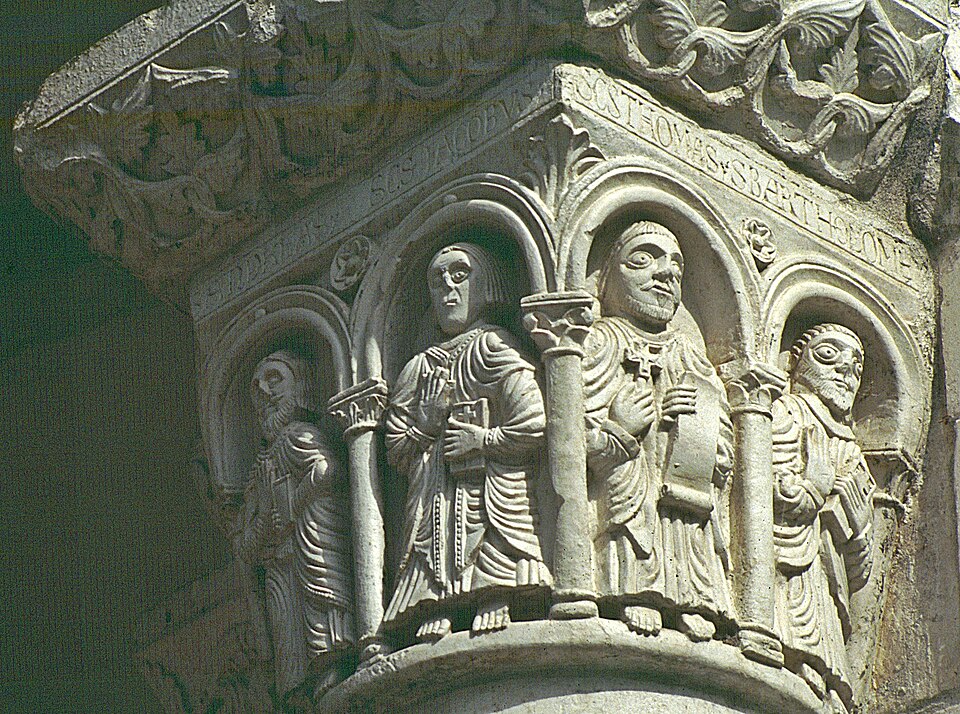
Founded in 871 and rebuilt in the twelfth century, the church features a tripartite façade with a central portal decorated with reliefs depicting scenes of monastic life and the abbey’s history. The portico of three arches rests on pillars with sculpted capitals. Inside, the twelfth-century stone ciborium and the crypt with reused Roman columns are the elements of greatest interest. The abbey is managed by the Abruzzo Museum Centre.
2. The bronze portal of the abbey
The bronze doors of the church, crafted in the twelfth century, are divided into panels illustrating the monastery’s possessions and imperial concessions. Each panel bears Latin inscriptions identifying castles, churches and territories. It is a rare figurative document — a kind of property map rendered in metal — with few parallels in Italian Romanesque art.
3. The old town and the Church of San Biagio
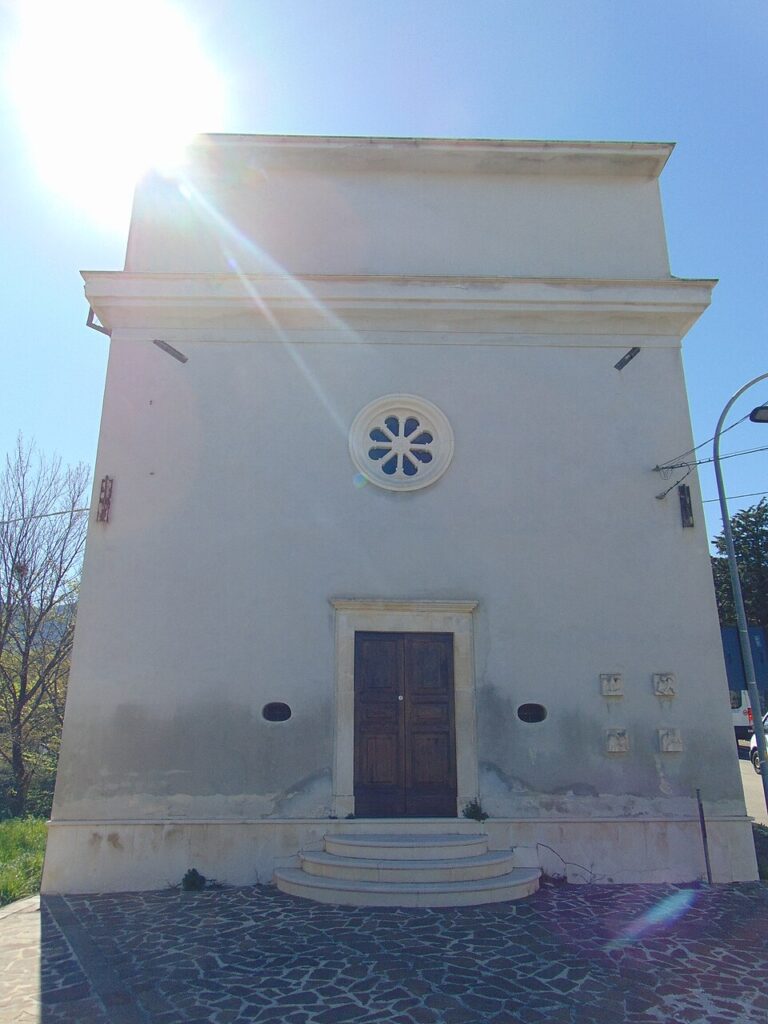
The historic core is laid out on a hillside, with parallel streets connected by stone stairways. The parish church is dedicated to San Biagio (Saint Blaise), patron of the village, whose feast day falls on 3 February. The building, altered several times over the centuries, retains a single-nave plan and a square bell tower visible from the plain below. The houses in the centre display local stone masonry and doorways with carved lintels.
4. The remains of the abbey mill
Along the channel diverted from the River Pescara, downstream from the abbey, lie the remains of hydraulic structures linked to the monastery’s milling activities. The canal system documented in the Chronicon served both for grinding grain and for irrigating the surrounding fields. Today the structures are partially legible in the landscape, amid the riparian vegetation and cultivated plots.
5. The hilly landscape of the olive groves
The hills around the village are covered with olive groves producing oil that falls under the Aprutino Pescarese PDO designation. The prevailing cultivar is Dritta, a local variety suited to the clay-limestone soils of the middle Pescara valley. From several points along the municipal roads, one can see the course of the river, the Maiella ridge to the south-west and the Gran Sasso massif to the north-west.
Local cuisine and regional products
Extra-virgin olive oil production dominates the municipality’s agricultural economy. The area belongs to the Aprutino Pescarese PDO district, and the olive harvest between October and November still sets the rhythm of the local working calendar. Alongside olive oil, the vineyards in the area yield Montepulciano and Trebbiano d’Abruzzo grapes destined for wineries across the province. The territory also supplies pulses — chickpeas and lentils — grown on the less exposed hillside plots.
The cooking follows the tradition of Abruzzo’s rural inland cuisine from the Pescara hinterland: handmade pasta (sagne and chitarrine), pulse soups with pork rinds, lamb prepared in various ways — oven-roasted with potatoes, stewed with peppers. Ventricina, a cured meat made from knife-cut pork seasoned with sweet and hot pepper, is available in the local food shops. The bakeries in the area produce wood-fired rustic bread, often made with durum wheat flour, which accompanies every meal.
When to visit Castiglione a Casauria: the best time
The feast of San Biagio, on 3 February, is the main religious event: it includes the traditional blessing of the throat and a procession through the town centre. The hillside climate at 350 metres makes spring and autumn the most suitable periods for visiting both the village and the abbey. In April and May the blossoming fruit trees add colour to the slopes; between October and November the olive harvest brings life to the countryside. Summer can be hot on the Pescara plain, but evenings bring cooler air from the hills. The abbey can be visited during the hours set by the Abruzzo Museum Centre — it is advisable to check seasonal opening times and closures before departure.
How to reach Castiglione a Casauria
The village lies along the Via Tiburtina state road (SS 5), which runs through the Pescara valley connecting Rome to this part of Abruzzo. The nearest motorway exit is Torre de’ Passeri–Castiglione a Casauria on the A25 Roma–Pescara, about 2 kilometres from the centre. The Castiglione a Casauria–Alanno railway station is on the Rome–Pescara line, with regional trains linking the capital (approximately 2 hours and 30 minutes) and Pescara (approximately 40 minutes). Abruzzo Airport in Pescara is about 45 kilometres to the east. From L’Aquila the distance is around 70 kilometres via the A25; from Rome around 180 kilometres, with a travel time of two hours under normal traffic conditions. A free car park near the abbey provides parking for visitors to the monument.
What to see in Castiglione a Casauria and in nearby villages
Castiglione’s position in the middle Pescara valley places it in an area where the hills of the Pescara province rise towards the Apennine massifs. To the south, the Peligna valley is home to Bugnara, a village in the province of L’Aquila wedged between the mountains that separate the Sulmona basin from Lake Scanno. The route from Castiglione to Bugnara crosses the Popoli pass and offers a succession of environments — from the river plain to wooded slopes — in less than an hour by car.
Heading instead up the hills north-east of Castiglione, towards the eastern side of the Gran Sasso, one reaches Brittoli, a high-hill municipality in the same province of Pescara. The journey between the two villages — about 30 kilometres on provincial roads — allows one to observe the gradual change in landscape: from the valley-floor olive groves to the pastures and oak woods at higher elevations. Both centres share with Castiglione their small size and an economy still tied to the land, traits common to many villages in inland Abruzzo, also listed on the italia.it portal.
Frequently asked questions about Castiglione a Casauria
What is the best time to visit Castiglione a Casauria?
The best time to visit Castiglione a Casauria is during spring (April-May) or autumn (October-November) when the hillside climate is most pleasant. Spring offers blossoming fruit trees, while autumn brings the lively olive harvest season. The village also celebrates its patron, San Biagio, on 3 February with a traditional blessing of the throat and a procession. While summer can be warm in the valley, evenings are cooler on the hills. It is advisable to check the Abruzzo Museum Centre's website for the Abbey of San Clemente a Casauria's seasonal opening hours before planning your visit.
What are the historical origins of Castiglione a Casauria?
Castiglione a Casauria's name reflects its historical roots: 'Castiglione' derives from the Latin 'castellio', denoting a small fortified settlement, while 'Casauria' comes from 'Casa Aurea', the name given to the Benedictine monastery by Carolingian sources. The village's identity is intrinsically linked to the Abbey of San Clemente a Casauria, founded in 871 by Emperor Louis II. The Chronicon Casauriense, a twelfth-century manuscript, serves as the primary historical source, documenting the monastery's vast influence and the development of the civilian settlement in direct connection with its feudal estate.
What to see in Castiglione a Casauria? Main monuments and landmarks
The main attraction in Castiglione a Casauria is the magnificent Abbey of San Clemente a Casauria, a key Romanesque monument from the 9th to 12th centuries, featuring a striking tripartite façade, a historic bronze portal depicting monastic possessions, a stone ciborium, and a crypt. Visitors should also explore the charming old town with its parallel streets and stone stairways, and the parish Church of San Biagio, the village's patron. While the Abbey is managed by the Abruzzo Museum Centre, it is recommended to verify its seasonal opening times and closures prior to your visit.
What are the main natural or scenic attractions of Castiglione a Casauria?
Castiglione a Casauria is nestled within a beautiful hilly landscape dominated by expansive olive groves and vineyards, which are key natural and scenic attractions. These slopes descend gracefully towards the Pescara River valley. From various points along the municipal roads, visitors can enjoy breathtaking panoramic views. These vistas often include the meandering course of the Pescara River, the majestic Maiella ridge to the south-west, and the imposing Gran Sasso massif to the north-west, offering a quintessential Abruzzese inland scenery.
Where to take the best photos in Castiglione a Casauria?
For memorable photographs in Castiglione a Casauria, focus on the Abbey of San Clemente a Casauria, particularly its intricate façade and the unique bronze portal. The historic old town, with its charming stone stairways and traditional masonry houses, provides picturesque streetscapes. Excellent panoramic shots of the hilly landscape, covered in olive groves and vineyards, can be captured from various municipal roads. These vantage points often reveal the Pescara River, the distant Maiella ridge, and the Gran Sasso massif, offering stunning natural backdrops.
Are there museums, churches or historic buildings to visit in Castiglione a Casauria?
Yes, Castiglione a Casauria offers significant historical and religious sites. The most prominent is the Abbey of San Clemente a Casauria, a Romanesque masterpiece with a rich history, intricate portal, ciborium, and crypt. While not a traditional museum, it is managed by the Abruzzo Museum Centre, making it a key cultural visit. The village also features the parish Church of San Biagio within its compact historic core, characterized by traditional local stone masonry. It's advisable to check the Abruzzo Museum Centre's website for the Abbey's current visiting hours.
What can you do in Castiglione a Casauria? Activities and experiences
In Castiglione a Casauria, visitors can immerse themselves in history and culture by exploring the Abbey of San Clemente a Casauria and wandering through the historic old town. Nature lovers can enjoy the tranquil hilly landscape, perfect for scenic drives or gentle strolls among olive groves and vineyards, with views of the Maiella and Gran Sasso. Food and wine enthusiasts can savor local cuisine and products, including Aprutino Pescarese PDO olive oil, Montepulciano wine, and traditional Abruzzese dishes. Exploring nearby charming villages like Bugnara and Brittoli also offers further cultural insights into inland Abruzzo.
Who is Castiglione a Casauria suitable for? Families, couples, hikers, solo travelers?
Castiglione a Casauria is ideal for cultural travelers, history buffs, and those seeking a peaceful, authentic Italian experience. It appeals to visitors interested in Romanesque architecture and monastic history, particularly given the importance of the Abbey of San Clemente a Casauria. Nature lovers will appreciate the serene hilly landscapes, olive groves, and panoramic views. Food and wine tourists can indulge in local PDO olive oil and traditional Abruzzese cuisine. It's a perfect destination for couples or solo travelers looking for tranquility, as well as families interested in exploring the rich heritage of inland Abruzzo.
What to eat in Castiglione a Casauria? Local products and specialties
In Castiglione a Casauria, the culinary scene is deeply rooted in Abruzzese rural tradition. The star product is extra-virgin olive oil, specifically the Aprutino Pescarese PDO, made primarily from the local Dritta cultivar. The area also produces Montepulciano and Trebbiano d'Abruzzo wines, along with pulses like chickpeas and lentils. Local specialties include handmade pastas such as sagne and chitarrine, hearty pulse soups with pork rinds, and various lamb preparations like oven-roasted with potatoes or stewed with peppers. Don't miss Ventricina, a spicy cured pork meat, and rustic wood-fired bread.
📷 Photo Gallery — Castiglione a Casauria
Nearby Villages near Castiglione a Casauria
In Abruzzo More villages to discover
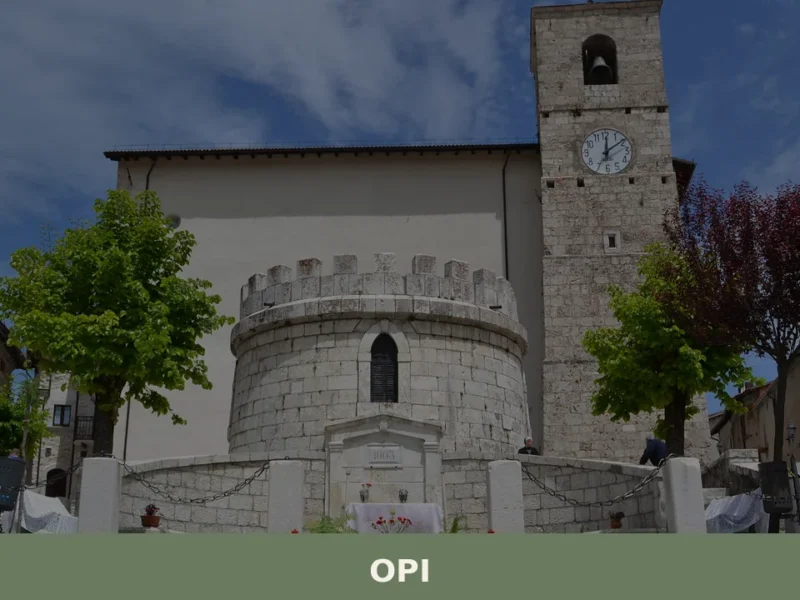
Opi
 Mountain
What to see in Opi, Abruzzo, Italy: explore 3 historic monuments, the National Park of Abruzzo, and the Val Fondillo Necropolis. Discover how to get there.
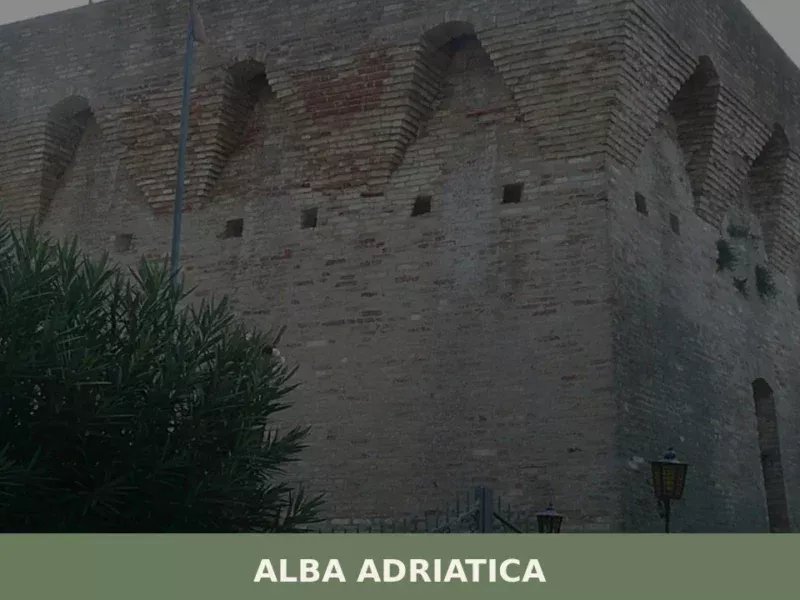
Alba Adriatica
 Sea
Sea
Until 1956, this locality did not exist as an independent municipality: it was a hamlet of Tortoreto, known as Tortoreto Stazione because of the railway stop on the Adriatic line. The administrative separation created a coastal town that today has 12,760 inhabitants spread across a territory sitting just 5 metres above sea level. Understanding what […]
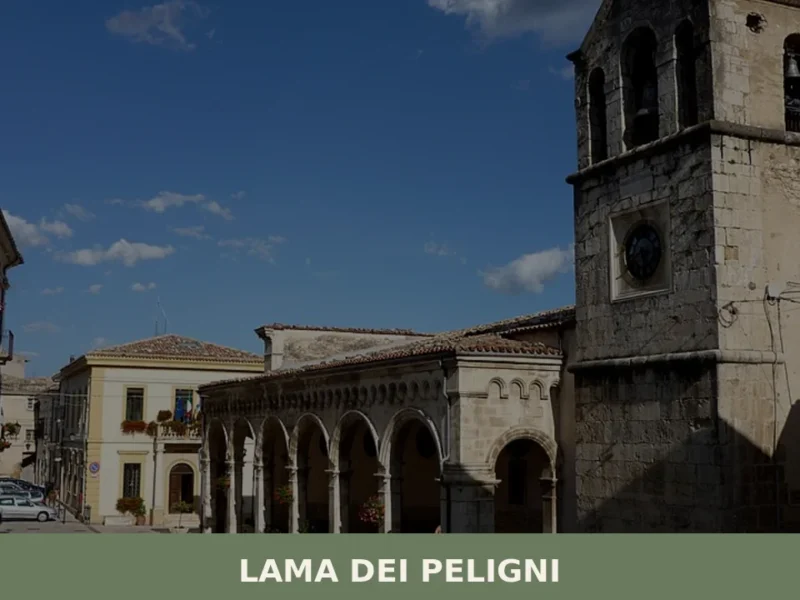
Lama dei Peligni
Mountain
What to see in Lama dei Peligni: village at 669 m, Grotta del Cavallone, Majella National Park trails and arrosticini PAT. Plan your visit with this complete guide.

Cappelle sul Tavo
Hills
What to see in Cappelle sul Tavo, Abruzzo, Italy: discover 5 top attractions, local food traditions and how to get there. Explore this Pescara province comune.
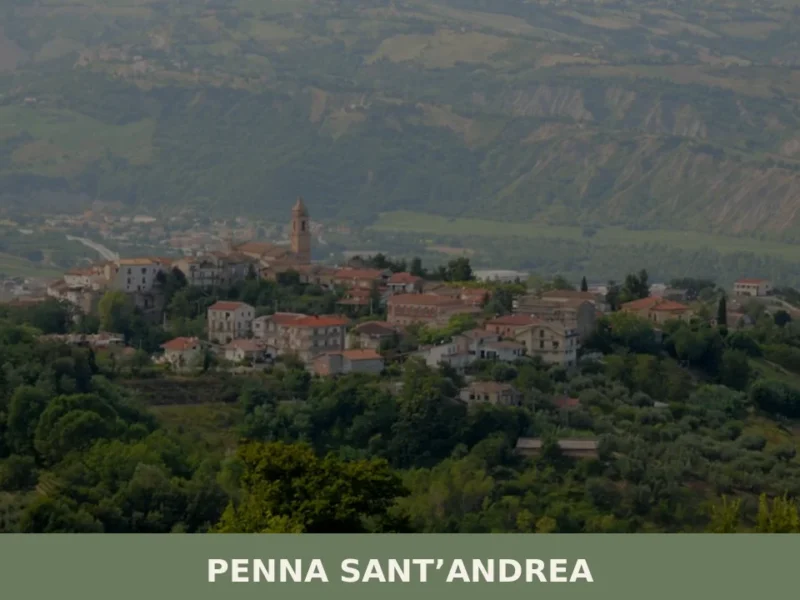
Penna Sant’Andrea
Hills
What to see in Penna Sant'Andrea? Discover the 5 must-see attractions of this village in Abruzzo. Plan your visit now!
Montefino
Hills
What to see in Montefino, Abruzzo, Italy: the Castello di Corte, the Chiesa di San Giacomo and the olive oil festival. Village at 375 m. Discover the full guide.
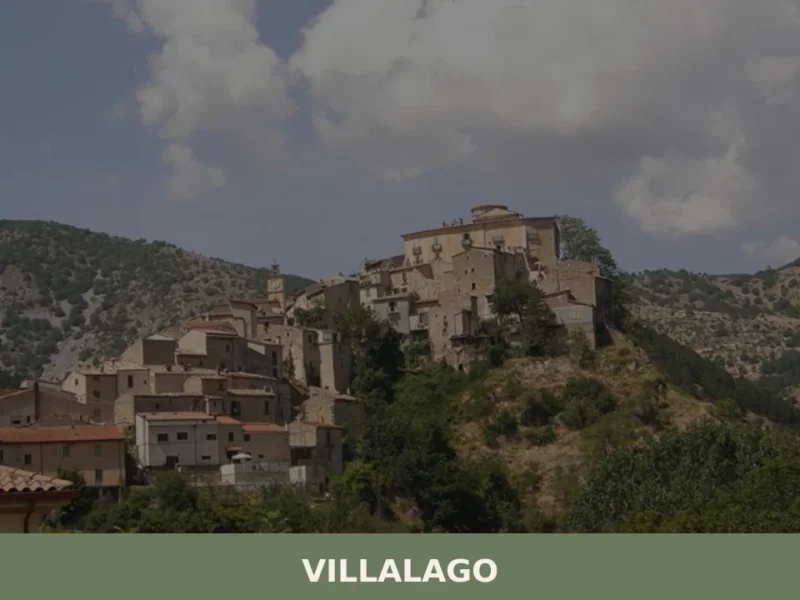
Villalago
 Lake
Mountain
Lake
Mountain
What to see in Villalago, Italy: Discover this Abruzzo village of 579 inhabitants. Explore the Rocca and Hermitage of San Domenico. Read our guide for your trip to Abruzzo.
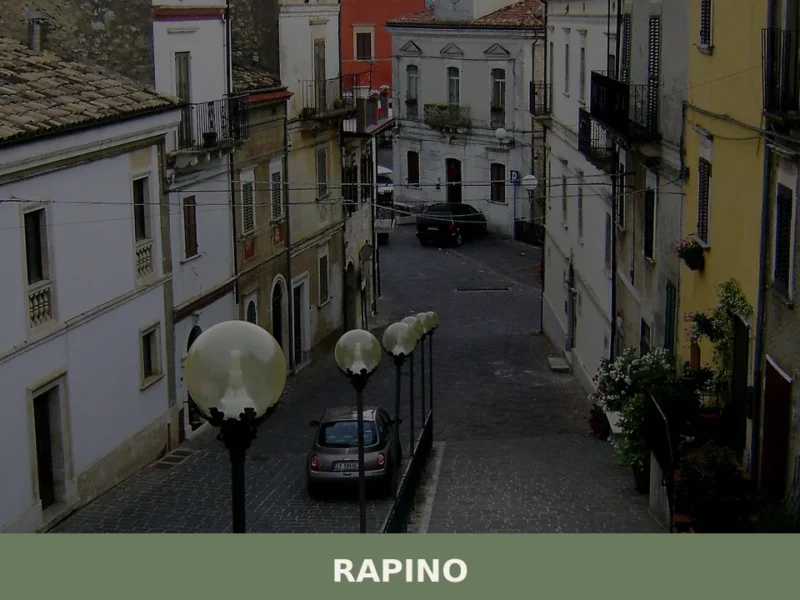
Rapino
Hills
What to see in Rapino: discover the 5 top attractions in this Abruzzo village, from the castle to traditional ceramics. Plan your visit.
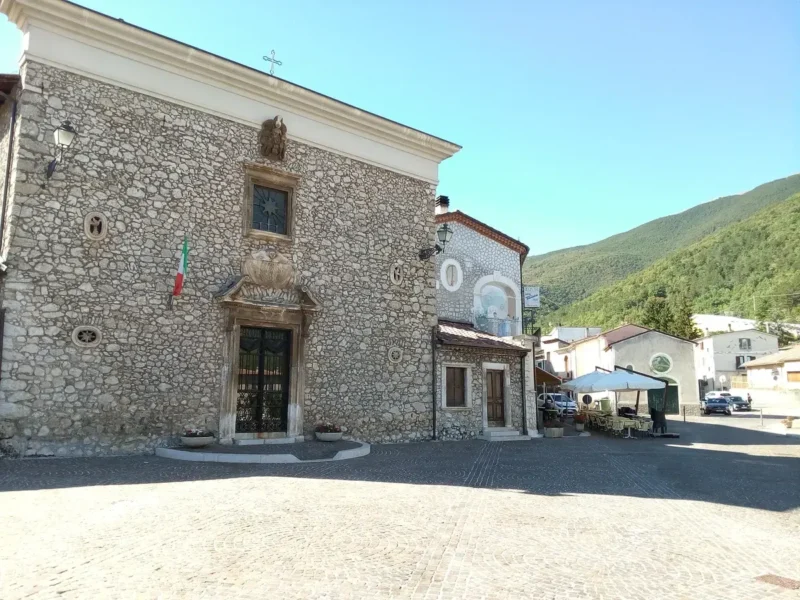
Collelongo
Mountain
At 915 metres above sea level, in the innermost stretch of the Valle Roveto, Collelongo has 1,108 inhabitants and a position that keeps it close to the Apennine ridges of the province of L’Aquila. In this article History and origins of Collelongo What to See in Collelongo: Main Attractions Traditional cuisine and products of Collelongo […]
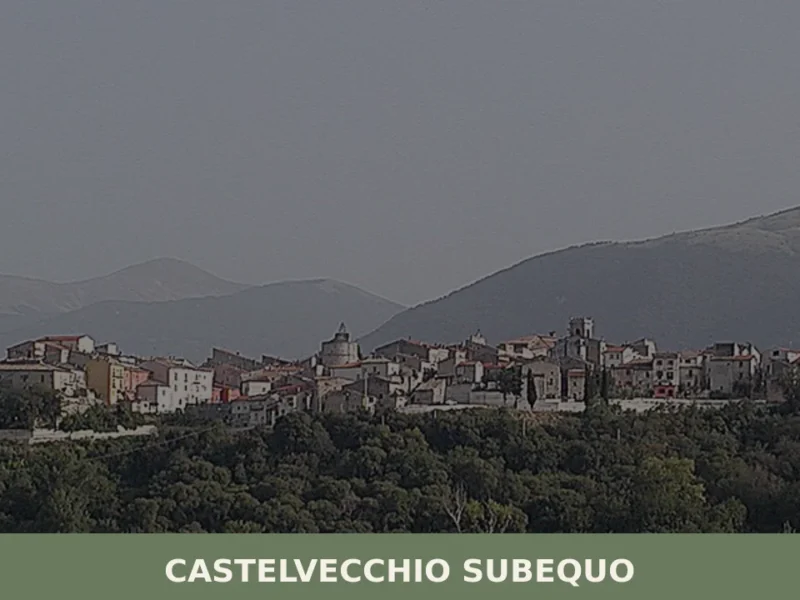
Castelvecchio Subequo
Hills
The convent of San Francesco in Castelvecchio Subequo preserves a cycle of fourteenth-century frescoes attributed to painters of the Giottesque school, among the few surviving examples in the central Apennine area. This fact alone is enough to justify a detour from the nearby A25 motorway towards a town of 832 inhabitants, at 490 metres above […]


🏡 Know Castiglione a Casauria better than we do?
If you’re a local or have been there, your knowledge matters: add what’s missing or fix a detail on this page.