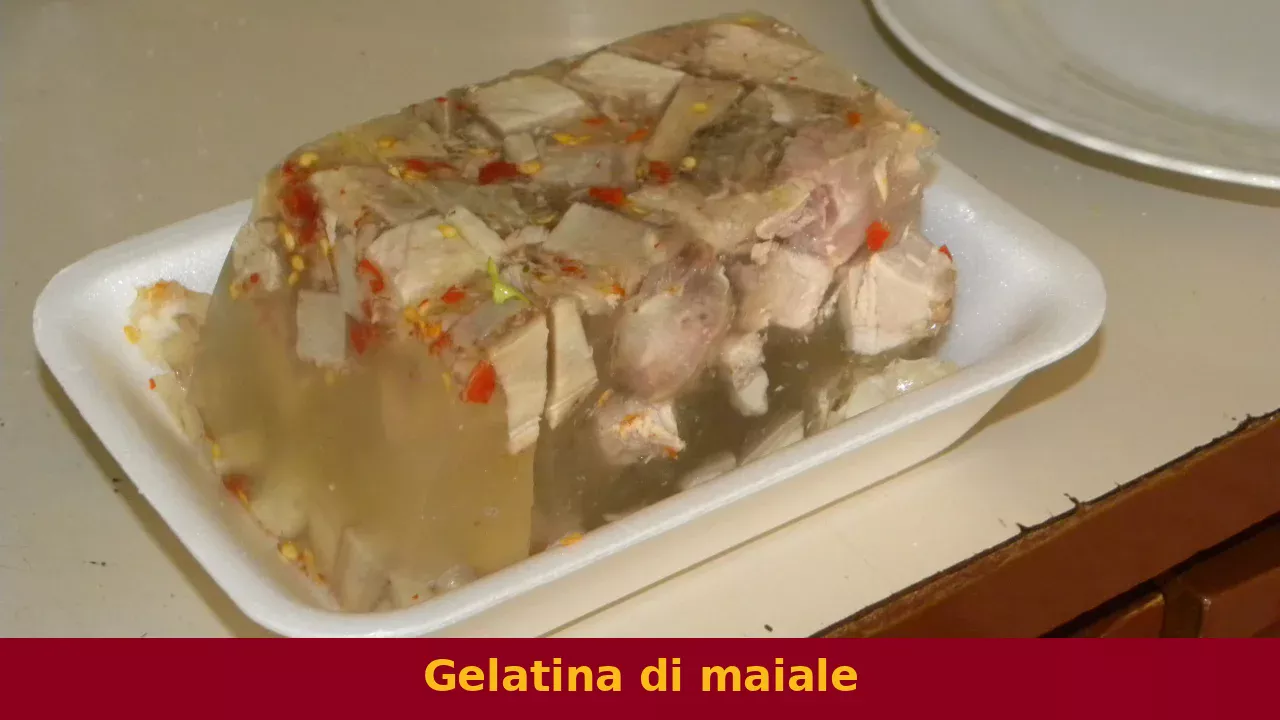
The pungent and inviting aroma of lemon and bay leaf, combined with the spicy notes of chili pepper, emerges from gelatina di maiale, a preparation that speaks to the ingenuity and frugality of Southern Italy’s rural communities. Known in some areas as “lijatina” or “zuzzu”, this specialty, while having resonance in various regions, finds its…
The pungent and inviting aroma of lemon and bay leaf, combined with the spicy notes of chili pepper, emerges from gelatina di maiale, a preparation that speaks to the ingenuity and frugality of Southern Italy’s rural communities. Known in some areas as “lijatina” or “zuzzu”, this specialty, while having resonance in various regions, finds its authentic and deeply rooted expression in Basilicata. It is a dish that transforms the less noble parts of the pig into a surprising gastronomic experience, a true bridge between past and present on Lucanian tables.
Gelatina di maiale is a traditional agri-food product from Basilicata, listed in the category of fresh meats and offal and their preparations. It is a specialty obtained from the so-called “humble” parts of the pig, once considered scraps but maximized by folk wisdom to waste nothing of the animal. The main components include pork rind, trotters, head, tail, tongue, and ears. These parts, rich in collagen, are key to the gelatinous consistency that characterizes the final product. The preparation is an example of how necessity sharpened ingenuity, transforming simple ingredients into a dish with an intense and distinctive flavor.
Although the name and basic technique may recall similar preparations in other southern regions, the Lucanian version of gelatina di maiale stands out for its specific characteristics tied to local traditions and seasonings, which define its unique taste and sensory profile. It is a dish that lends itself to being eaten cold, as an appetizer or side dish, and represents a way to savor a fragment of the gastronomic history of Basilicata.
The history of gelatina di maiale has its roots in an era when pig farming was fundamental for the subsistence of farming families. The pig was, and still is, considered a “bank” of meat and fat, and its slaughter was an event that involved the entire community, ensuring provisions for months. In this context, the imperative was to utilize every single part of the animal, giving rise to ingenious and nutritious preparations.
The practice of transforming less prized parts into gelatina is ancient and common to many European rural cultures. In Italy, this tradition is particularly vibrant in the South, where the “pig cycle” has always played a central role. Sources attest to a widespread presence of similar preparations in Sicily, where it is known as “lijatina” or “zuzzu,” also obtained from pork processing residues. However, Basilicata developed its own version of this recipe, adapting it to local tastes and availabilities, making it a distinguishing element of its gastronomy. This continuity in production for at least 25 years is one of the criteria that allowed it to obtain the recognition of Traditional Agri-food Product (PAT).
The ability to preserve meat in gelatina, without the aid of modern refrigeration techniques, was a valuable art, passed down through generations. This method not only allowed for extended preservation but also imparted a particular consistency and flavor to the product, still appreciated today. For further details on the history and variants of this preparation, you can consult sources like Wikipedia, which describes its general characteristics and regional diffusion.
Gelatina di maiale, as a Traditional Agri-food Product of Basilicata, is an expression of a territory that has always had a strong connection to pig farming and domestic pork butchery practices. Basilicata, with its mountainous and hilly areas, offers an ideal environment for extensive pig farming, where pigs feed on acorns and graze freely, contributing to the quality of the meats.
The tradition of preparing gelatina di maiale is particularly felt in the region’s interior areas, where agricultural communities have kept ancient customs alive. Towns like Abriola, located on the slopes of Monte Pierfaone, or Anzi, known for its agricultural traditions, and Albano di Lucania, which stands out for its rural landscape, are examples of places where this preparation is still an integral part of the local gastronomic culture. Here, knowledge of pork processing techniques is a shared heritage, manifesting in products like gelatina, which reflect the genuineness and robustness of Lucanian flavors.
The climate, characterized by cold winters, historically favored the preservation of meats and the development of preparations that could be consumed during the colder months. The availability of quality raw materials and the oral transmission of recipes have allowed gelatina di maiale to maintain its authenticity, becoming a symbol of the most genuine and authentic Lucanian gastronomy.
The production of gelatina di maiale follows an artisanal process that requires time and precision, essential for obtaining its characteristic consistency and unmistakable flavor. It all begins with the selection of pig parts: pork rind, trotters, head, tail, tongue, and ears. These are carefully cleaned and then subjected to a long boiling.
This process, despite its simplicity, requires experience and attention to detail to guarantee the quality and genuineness of Lucanian gelatina di maiale.
The gelatina di maiale from Basilicata presents a well-defined sensory profile, which makes it recognizable and appreciated by connoisseurs. At first glance, its consistency is compact and translucent, with a coloration ranging from light beige to opaque pink, where the pieces of meat and pork rinds are clearly visible, immersed in the gelatinous matrix.
This combination of consistencies and flavors makes gelatina di maiale a versatile and interesting product, capable of surprising and delighting.
Gelatina di maiale is a versatile product that lends itself to various culinary interpretations, although tradition sees it as the star in simple preparations that highlight its genuine flavor. It is generally consumed cold or at room temperature, as an appetizer or as part of a platter of typical cured meats and cheeses.
It is a product that invites conviviality, perfect for sharing on informal occasions, celebrating the richness of Italian traditional food products.
Gelatina di maiale from Basilicata stands out for several reasons that make it a unique product in the Italian gastronomic landscape. Its uniqueness derives from a combination of historical, cultural, and technical factors.
These elements, combined, make gelatina di maiale not just food, but an experience that encompasses history, culture, and genuine flavor.
Gelatina di maiale from Basilicata has obtained the recognition of PAT (Prodotto Agroalimentare Tradizionale). This certification is an important attestation that underscores its value and historical significance.
The PAT designation is awarded by the Ministry of Agricultural, Food, and Forestry Policies to products that demonstrate they are “obtained with processing, preservation, and aging methods consolidated over time, homogeneous throughout the interested territory, according to traditional rules and for a period of not less than 25 years.” This means that Lucanian gelatina di maiale is not a simple recipe, but a preparation that has maintained its characteristics and production process intact for at least a quarter of a century, demonstrating an indissoluble connection with the territory and its traditions.
PAT recognition is not a quality certification like DOP or IGP, but rather a safeguard of tradition and typicality. It helps protect the regional gastronomic heritage, promoting the knowledge and valorization of products that might otherwise be forgotten. For gelatina di maiale, being a PAT means being recognized as an integral part of Basilicata’s culinary identity, a product that carries with it the history and culture of a community.
This recognition encourages producers to continue following traditional methodologies and to preserve the genuineness of a product that is an authentic expression of the territory.
To savor the true gelatina di maiale of Basilicata, the best experience is to visit the region directly, where tradition is still vibrant and flavors are genuine. This product is mainly found in local markets, small artisanal butcher shops, and local delis, especially in the interior areas of Basilicata.
During your trip, you can find gelatina di maiale in typical restaurants and agriturismi that offer cuisine connected to the territory. Do not miss the opportunity to look for it in the towns that keep ancient traditions alive, such as Abriola, Anzi, or Albano di Lucania. Here, often, the producers themselves sell it directly, guaranteeing freshness and authenticity.
An excellent opportunity to discover and purchase gelatina di maiale and other traditional products from BASILICATA are the festivals and popular celebrations dedicated to pork butchery or winter products, which take place mainly in the colder months. These events not only offer the chance to taste the product but also to immerse yourselves in the local atmosphere and culture.
Buying gelatina di maiale directly on site means supporting small producers and taking home a piece of true Basilicata. It is an opportunity to live a complete food and wine experience that goes beyond a simple tasting, inviting you to discover the richness of a territory still genuine and generous.
📷 Photo: Gmelfi · Public domain · All credits →
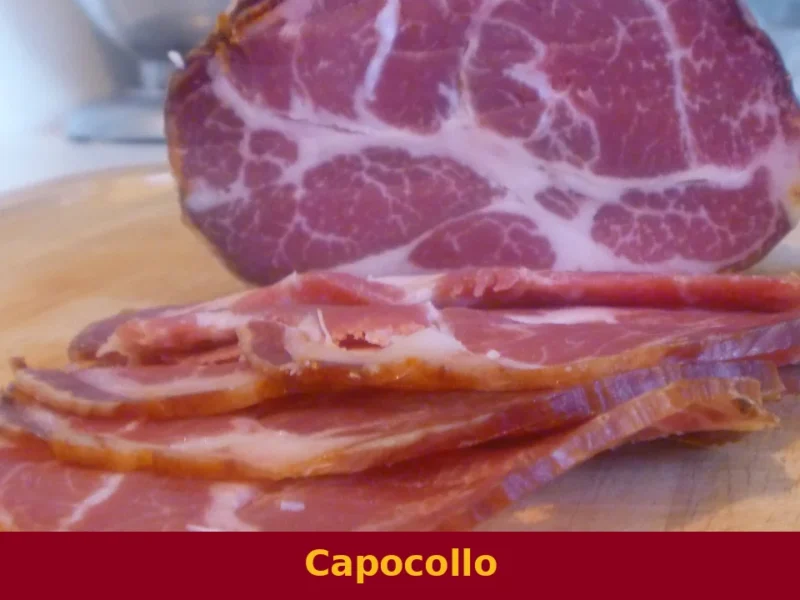
The capocollo, with its unmistakable ruby red color streaked with white and its soft yet firm texture, is...
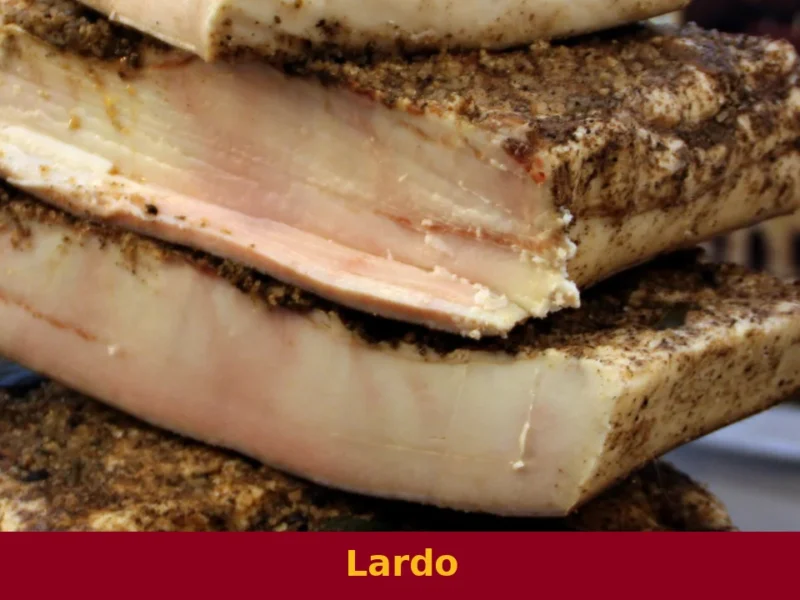
Amidst the ruggedness and gentle aspects of Basilicata, where the landscape takes shape between highlands and inland valleys,...
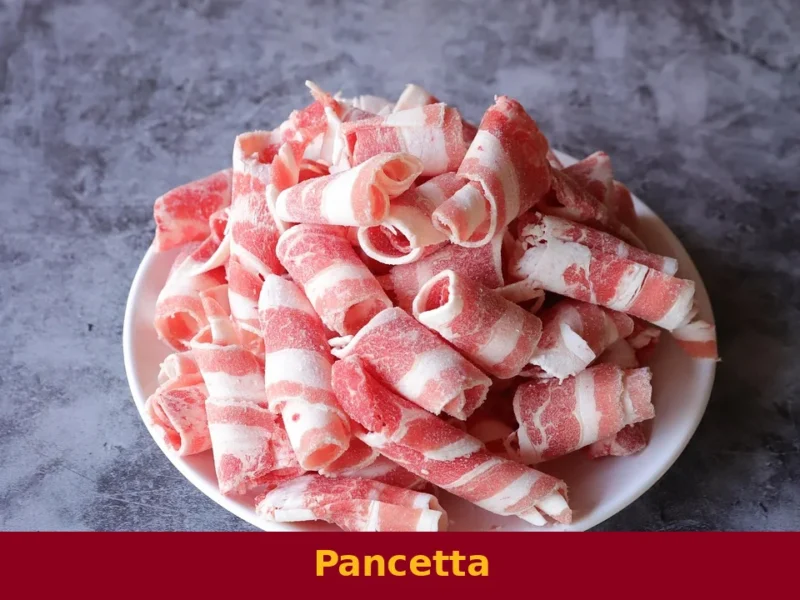
The intense, slightly spiced aroma released from its thin slice, with its balance of rosy meat and layers...
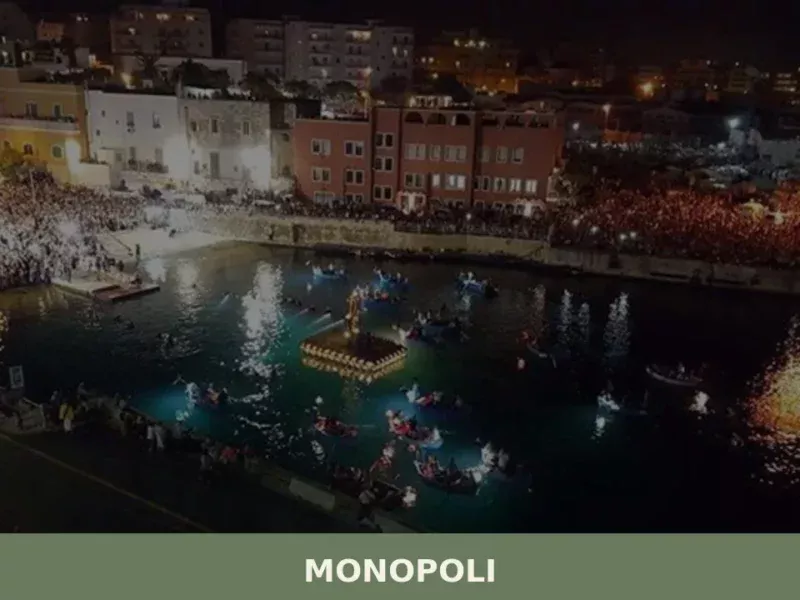
From the promontory where the Castle of Charles V stands, the view sweeps across the Adriatic, a horizon of waters that have shaped Monopoli’s identity for centuries. This port city, whose name evokes the idea of a “unique city,” reveals itself through its architecture, which tells of historical layers, from Messapian walls to Spanish fortifications. […]
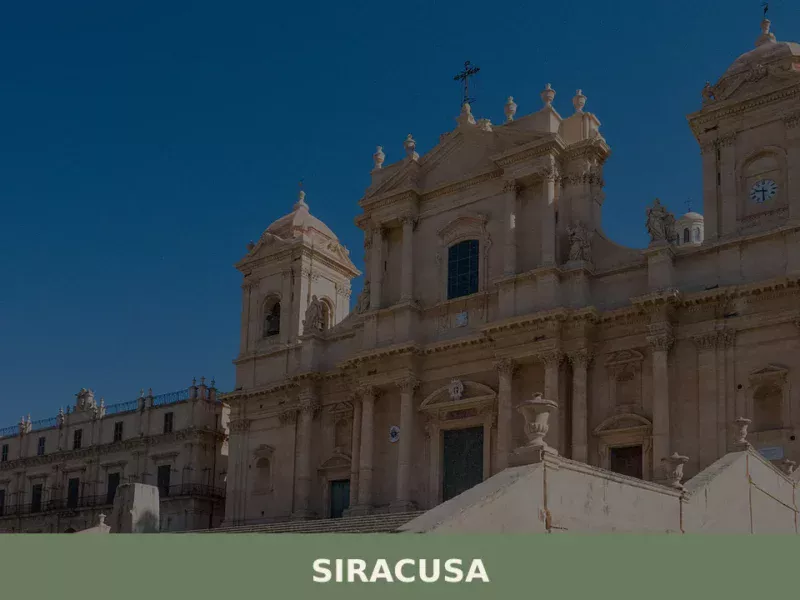
What to see in Siracusa: UNESCO city of 118,644 people. Explore the Greek Theatre, Ortigia, and the Catacombs of San Giovanni. Plan your visit with our complete guide.
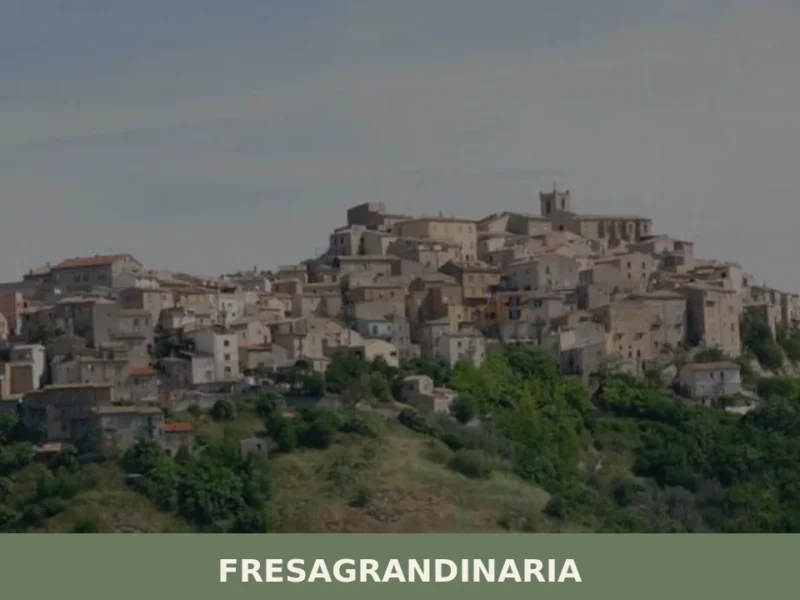
Nine hundred and twenty-three inhabitants, a hilltop ridge at 391 metres above sea level, and a double name that joins two distinct medieval communities: Fresa and Grandinaria, merged into a single settlement at least since the fifteenth century. Anyone arriving from the Treste valley floor immediately notices the compact outline of houses built in local […]
📝 Incorrect information or updates?
Help us keep the Gelatina di maiale page accurate and up to date.


