


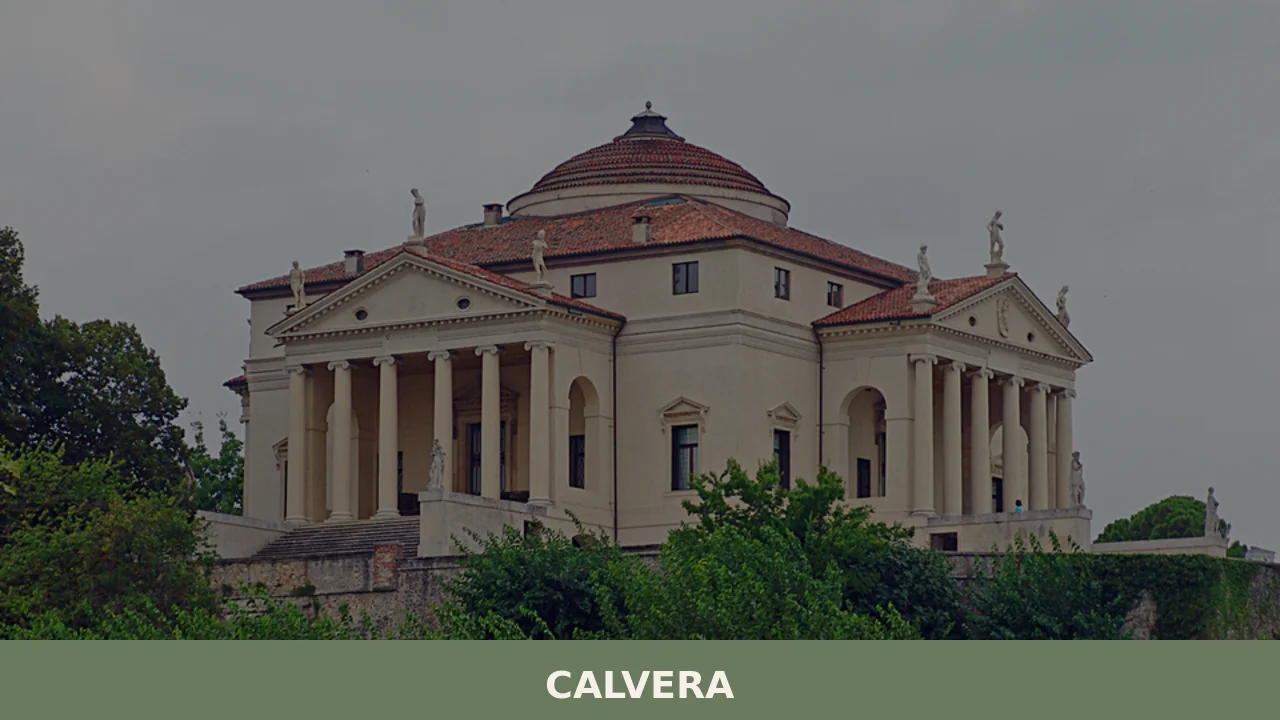
Calvera
 Mountain
At 630 meters above sea level, in the heart of the province of Potenza, lies Calvera, a small Lucanian municipality distinguished by its elevated position and authentic atmosphere. The village, with its stone houses clinging to the hillside, offers panoramic views of the surrounding valley, bearing witness to a history of mountain life and a […]
Discover Calvera
At 630 meters above sea level, in the heart of the province of Potenza, lies Calvera, a small Lucanian municipality distinguished by its elevated position and authentic atmosphere. The village, with its stone houses clinging to the hillside, offers panoramic views of the surrounding valley, bearing witness to a history of mountain life and a deep connection with the territory.
The pure air and silence, interrupted only by the sounds of nature, characterize the experience of those who arrive in this corner of Basilicata.
Those wondering what to see in Calvera will find a village that, with its 347 inhabitants, preserves a genuine heritage, far from the most crowded tourist circuits.
Among the main attractions are the Mother Church dedicated to San Gaetano di Thiene and its historic center, a labyrinth of alleys that guard the essence of a community. Opportunities to explore the surrounding nature are numerous, making Calvera an ideal destination for those seeking tranquility and direct contact with the mountain landscape.
History and origins of Calvera
Calvera, known in the Lucanian dialect as Càlavìrë, has its roots in a past that, although not always precisely documented, is deeply linked to the events of inland Basilicata. Its geographical position, at 630 meters above sea level, suggests a defensive origin or one tied to the exploitation of mountain resources, typical of many settlements in the Lucanian Apennines. The history of the village was likely influenced by the dominations that followed one another in the region, from the Romans to the Byzantines, from the Lombards to the Normans, each leaving traces in the social and cultural fabric.
These influences have contributed to shaping the identity of a place that has maintained its most authentic characteristics over time.
Over the centuries, Calvera has experienced the common dynamics of small rural centers in Southern Italy, focused on agriculture, pastoralism, and a community life closely tied to traditions.
Its evolution has been that of a village which, despite its geographical isolation, has managed to preserve a strong sense of belonging and a peculiar identity. The province of Potenza, of which it is a part, is dotted with similar centers, such as Armento, which share a historical and geographical destiny as mountain communities. These villages often represent a heritage of traditions and spontaneous architecture that reflects the availability of local materials.
The resilience of the population and the ability to adapt to the challenges of the territory have allowed Calvera to preserve its original core, with a historic center that still tells of an era when life unfolded in close contact with the land. The history of Calvera, though lacking major events of national resonance, is the story of a small community that has managed to resist and keep its customs alive, contributing to the cultural and human mosaic of Basilicata.
This village, like many others in the region, represents an example of how small realities can hold invaluable worth in terms of historical and identity heritage.
What to see in Calvera: main attractions
Mother Church of San Gaetano di Thiene
The Mother Church of Calvera, dedicated to San Gaetano di Thiene, represents the spiritual and architectural heart of the village. Its typically sober facade, built with local stone, blends harmoniously into the urban context, reflecting the religious architecture of the Lucanian mountain areas. The building, while not exhibiting particular splendor, preserves an atmosphere of devotion and simplicity within, with a single nave leading to the main altar.
Its origins likely date back centuries, although the current structure has undergone modifications and restorations over time, yet maintaining its central role in the community’s life. The faithful gather there for celebrations, especially on the occasion of the patron saint’s feast day, which occurs annually on August 7th.
The Historic Center of Calvera
Walking through the historic center of Calvera means immersing oneself in a labyrinth of narrow, winding alleys that meander between stone houses leaning against one another, typical of the spontaneous architecture of mountain villages.
Every corner reveals unexpected glimpses and small squares, where time seems to flow at a different pace. The dwellings, often built with local materials, feature wooden doorways and flowered balconies that add a touch of color to the gray of the stone.
The urban structure reflects defensive needs and the conformation of the terrain, with an elevation difference that develops from 630 meters above sea level in the village towards the surrounding valleys. This configuration allows visitors to enjoy an authentic experience, far from the hustle and bustle of cities, and to discover the daily life of a community of 347 inhabitants that has managed to preserve its original character.
The Natural Belvedere and Panoramas
Calvera’s elevated position, at 630 meters above sea level, offers visitors a natural viewpoint of considerable visual impact.
From various points of the village and its immediate surroundings, it is possible to admire a vast panorama that stretches over the surrounding valleys and mountains, typical of the Lucanian Apennines. On clear days, the view extends over a succession of ridges and hollows, covered by vegetation that varies according to altitude and season.
This landscape, dominated by unspoiled nature, is an invitation to contemplation and photography. The tranquility of the place, combined with the vastness of the horizon, makes every stop a moment of deep connection with the environment, far from the noise and stress of modern life.
Those looking for what to see in Calvera to appreciate the beauty of nature will find one of its strongest points here.
Nature Trails and Green Areas
Given its mountainous location, Calvera is surrounded by green areas and trails that venture into the unspoiled nature of the Lucanian Apennines. These paths offer opportunities for hiking excursions, allowing visitors to discover the typical flora and fauna of Basilicata. Oak, beech, and chestnut trees dominate the landscape, alternating with clearings and small watercourses that create a rich and varied ecosystem.
The trails, often ancient connecting routes between rural communities or transhumance paths, present different difficulty levels, making them accessible to both experienced hikers and those who desire a more relaxing stroll. The length of these routes can vary from a few kilometers to itineraries of several hours, offering a complete immersion in the mountain environment.
It is an excellent answer to the question of what to see in Calvera for lovers of trekking and the outdoors.
The Main Square and Community Life
Every Italian village has its square, and in Calvera, this space takes on the role of the beating heart of community life, a place of meeting and exchange for its 347 inhabitants. Although it is not a monumental square, its value lies in the social function it performs daily. Here, residents gather to converse, to celebrate events, or simply to enjoy a moment of tranquility.
The square is often bordered by historic buildings or small commercial activities, which contribute to creating a welcoming and familiar atmosphere. The simplicity of the environment is a distinctive feature, where the authenticity of human relationships prevails over architectural grandeur. This space reflects the identity of a village that, despite being small, keeps its traditions and sense of community alive. The square is an ideal place to observe the rhythm of local life and savor Lucanian hospitality.
Typical cuisine and products of Calvera
The gastronomic tradition of Calvera, like that of much of Basilicata, is deeply rooted in peasant and pastoral culture, based on simple yet flavorful ingredients, derived directly from the land.
Lucanian cuisine is characterized by the abundant use of legumes, cereals, wild vegetables, and sheep and pork meats, often enriched with *peperone crusco*, a distinctive element of the region. Local extra virgin olive oil is the main condiment, enhancing the genuine flavors of the dishes. This cuisine reflects a history of self-sufficiency and the availability of natural resources, creating an indissoluble link between food and territory.
Many dishes follow recipes handed down from generation to generation, keeping the authenticity of the flavors alive. The proximity to other villages like Baragiano and Brindisi Montagna suggests a sharing of these culinary traditions, where the simplicity of ingredients translates into dishes with a robust and satisfying taste.
Among the dishes representing the Lucanian tradition, also found in Calvera’s local gastronomy, are fresh homemade pastas, such as lagane, often seasoned with legumes like chickpeas or beans.
Another classic is agnello alla pastorale (shepherd-style lamb), prepared with aromatic herbs and potatoes, which highlights the quality of local meats. Sheep and goat cheeses, handcrafted in the local *masserie* (farmhouses), are a fundamental part of the diet, both fresh and aged.
Vegetables, such as wild chicory or *lampascioni* (wild hyacinth bulbs), are often pan-fried with garlic and chili pepper, offering flavorful and healthy side dishes. There are also pork-based specialties, such as typical sausages and cured meats, prepared according to ancient customs during the winter period, representing a valuable food resource for the community. Desserts are often linked to festivities, made with simple ingredients like flour, eggs, sugar, and honey.
It is important to note that, according to available information, there are no certified products (DOP, IGP, PAT) specific to the Calvera area in the database.
However, the quality of local ingredients and the wisdom of traditional preparations guarantee an authentic gastronomic experience. Calvera’s cuisine, even without official labels, is an expression of the territory’s richness and the work of the hands that cultivate and transform it. It is based on a short supply chain and the enhancement of local resources, offering visitors the chance to savor the true tastes of Basilicata. Despite the absence of products with specific certifications, the genuineness of agricultural products and the craftsmanship of local preparations are the true added value of Calvera’s table.
Festivals, events, and traditions of Calvera
Life in Calvera is marked by the traditions and festivities that animate the village, representing moments of strong community gathering and expression of communal identity.
The most significant celebration is undoubtedly that dedicated to the Patron Saint, San Gaetano di Thiene. The festival, held annually on August 7th, involves the entire population in religious rites and civil celebrations. The day is characterized by the solemn procession of the Saint’s statue through the village streets, accompanied by the musical band and the devout participation of the faithful.
These deeply felt events are an opportunity to strengthen social bonds and honor the spiritual roots of the village, often attracting emigrated Calveresi who return for the occasion.
Beyond the patron saint’s festival, Calvera’s traditions reflect the connection to the agricultural cycle and rural customs that have shaped village life for centuries. While there are no major gastronomic festivals or widely documented events specifically for Calvera, it is plausible that the annual calendar includes small celebrations related to harvesting agricultural products or minor religious observances, typical of Lucanian towns. These moments, though intimate, contribute to keeping cultural heritage and social practices alive, passing down from generation to generation a sense of belonging and pride in one’s origins. The community, with its 347 inhabitants, preserves these customs as distinctive elements of its identity.
When to visit Calvera and how to get there
The best time to visit Calvera and fully appreciate what to see in Calvera is undoubtedly late spring, summer, and early autumn. During these months, Basilicata’s mild and sunny climate allows visitors to explore the historic center and enjoy excursions on the surrounding nature trails without the excessive summer heat or winter cold.
The patron saint festival of San Gaetano di Thiene, held on August 7th, is an excellent opportunity to experience the most authentic atmosphere of the village and participate in local celebrations.
Those seeking tranquility and contact with nature will find these months ideal, while lovers of autumn colors can enjoy picturesque landscapes, with leaves tinged in warm hues. Winter, with its colder temperatures, can offer snowy scenery for those who appreciate the quiet and charm of the mountains in their winter guise, but requires more specific equipment for excursions.
Reaching Calvera requires considering its location in the Lucanian hinterland. By car, the village can be reached by taking the A2 Autostrada del Mediterraneo (Salerno-Reggio Calabria) and exiting at Lauria Nord or Lauria Sud. From there, proceed on provincial roads towards Calvera, a journey of about 40-45 kilometers that takes approximately 50 minutes. For those who prefer the train, the nearest railway station is Maratea, on the Tyrrhenian coast, about 60 kilometers away and reachable in approximately an hour and a half by car.
From Maratea, you can continue with a bus or taxi service.
The most convenient airports are Naples-Capodichino Airport (official website), about 180 kilometers away and requiring approximately two and a half hours of travel, or Bari-Karol Wojtyla Airport (official website), about 200 kilometers away and two hours and forty-five minutes. It is always advisable to check public transport schedules and road conditions, especially in winter, on the official website of the Municipality of Calvera or on portals dedicated to transport, such as Trenitalia.
| Starting Point | Distance | Estimated Time |
|---|---|---|
| A2 Autostrada – Lauria Nord Exit | 40 km | 50 min |
| Maratea Railway Station | 60 km | 1 h 30 min |
| Naples-Capodichino Airport | 180 km | 2 h 30 min |
Those visiting Calvera can extend their itinerary by also exploring other Lucanian villages. For example, a few kilometers away is San Paolo Albanese, another small center that shares with Calvera the tranquility and authenticity of Basilicata’s mountain communities. These connections offer the opportunity to create a broader itinerary to discover the rich cultural and natural heritage of the region.
Nearby Villages near Calvera
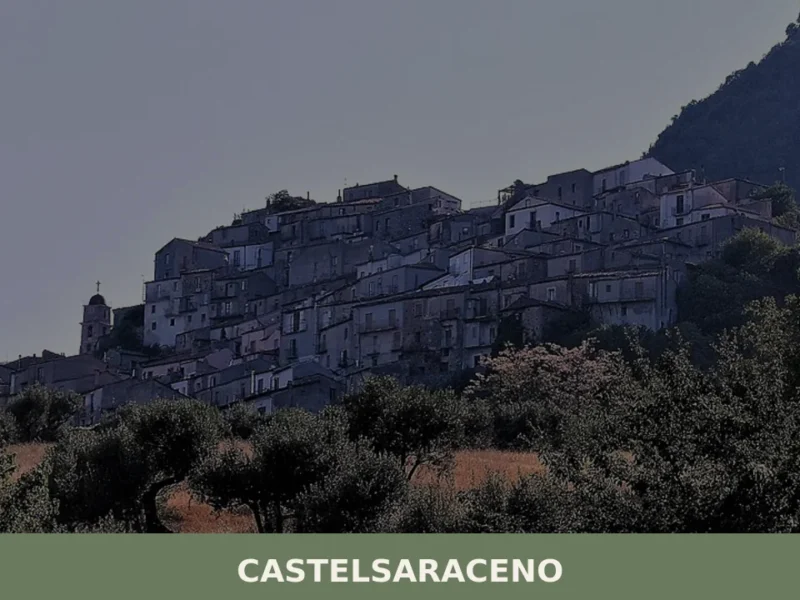
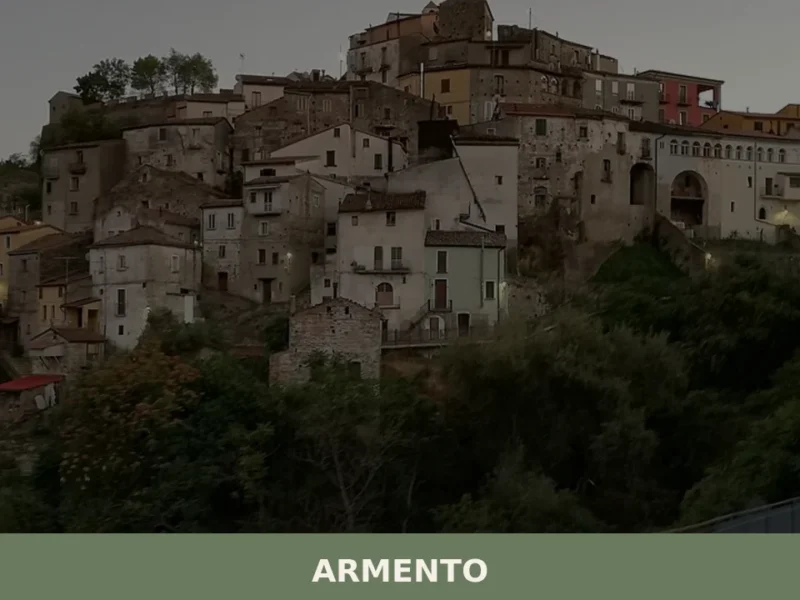
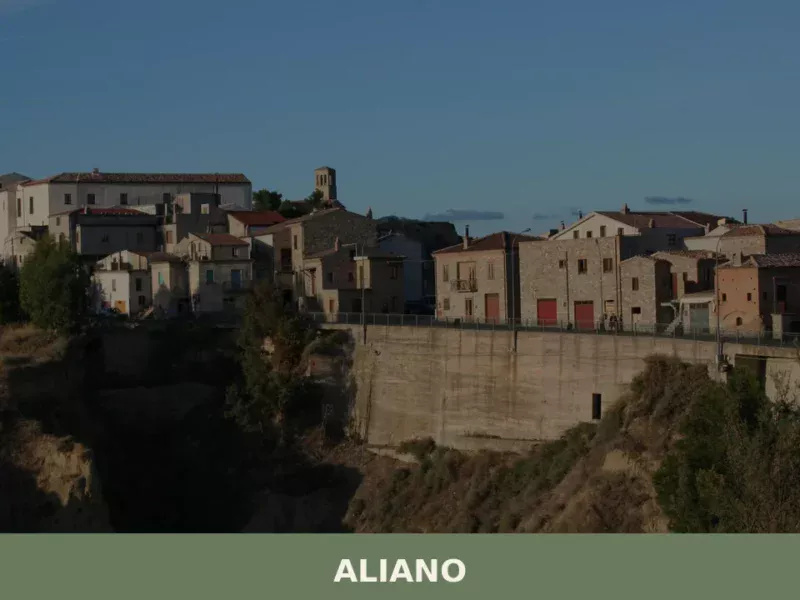
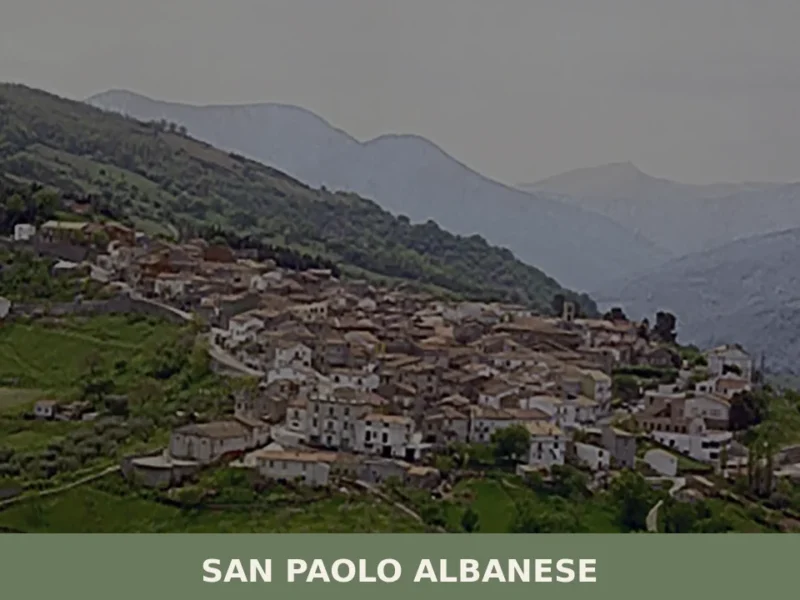
In Basilicata More villages to discover
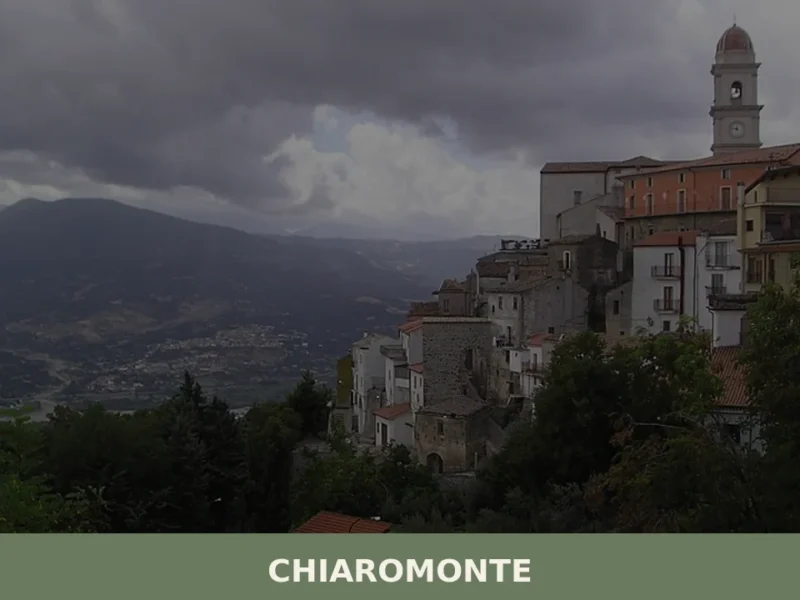
Chiaromonte
Mountain
what to see in chiaromonte, Italy: Discover its 794m altitude and delve into its history, from ancient roots to the case study of Montegrano. Explore Basilicata.

Craco
Mountain
What to see in Craco, Italy: explore the abandoned town at 400 m (1,312 ft), its medieval tower, film locations, and Basilicata's landscape. Discover it all here.

Cirigliano
Mountain
What to see in Cirigliano, Italy: a medieval village with a 17th-century Pietu00e0, an oval castle tower, and local pasta traditions. Discover 5 top attractions.

Castelluccio Inferiore
Mountain
What to see in Castelluccio Inferiore: 5 must-see attractions, from the historic center to baroque churches. Discover the complete guide to this Basilicata village.
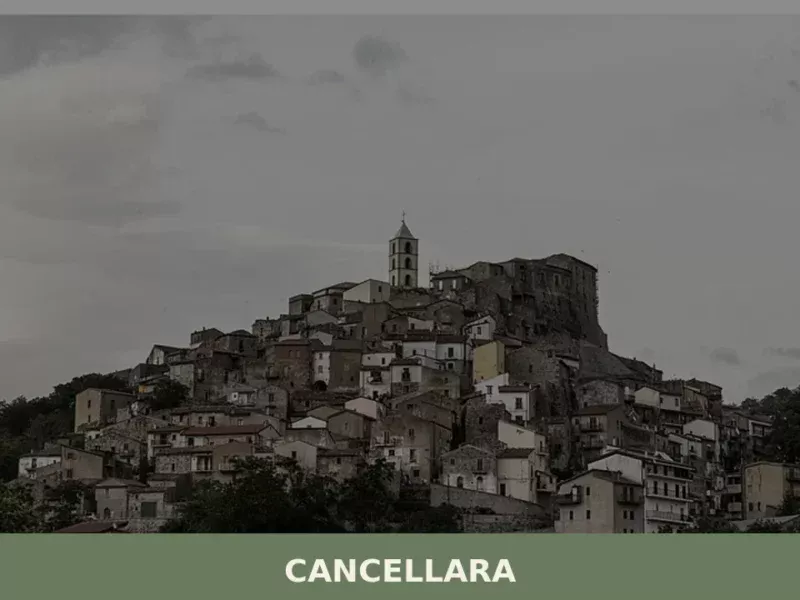
Cancellara
Mountain
What to see in Cancellara: Discover Italy's Basilicata region, a village at 680 m (2,231 ft) known for its medieval castle and ancient necropolis. Explore its history and salami festival.

Colobraro
 Hills
Hills
What to see in Colobraro, Italy: explore the village at 630 m altitude known as 'that village'. Discover its curse legend, Sinni valley views & local food. Read the guide.

Ferrandina
Hills
What to see in Ferrandina, Basilicata, Italy: 6 historic churches, olive oil production, and a hilltop at 482 m. Discover top attractions and how to get there.
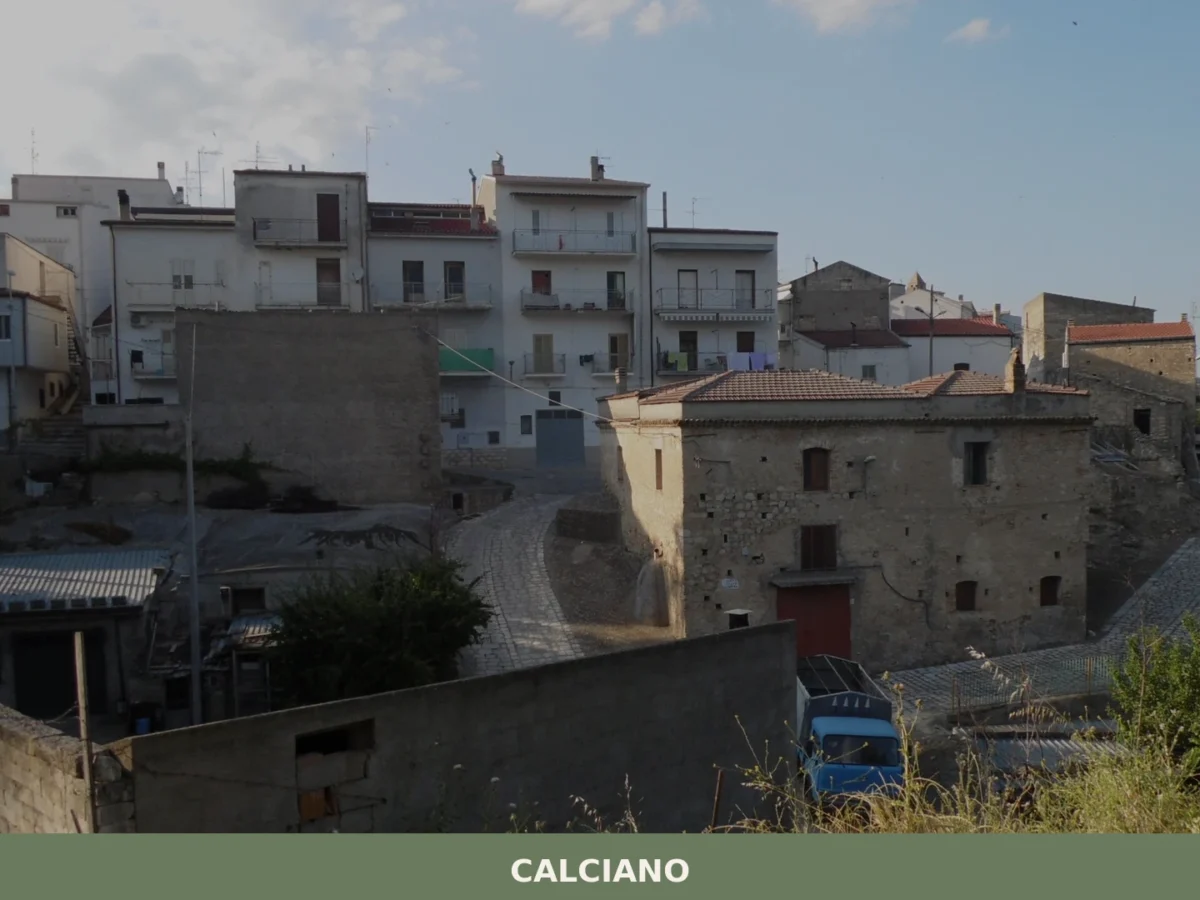
Calciano
Hills
Six hundred inhabitants, a dialect that calls the town Caucësciànë, and a landscape that the province of Matera renders with geometric precision: clay hills that change colour with the passing hours, narrow streets where the wind carries dust in summer and silence in winter. In this article History and origins of Calciano What to See […]

🏡 Know Calvera better than we do?
If you’re a local or have been there, your knowledge matters: add what’s missing or fix a detail on this page.