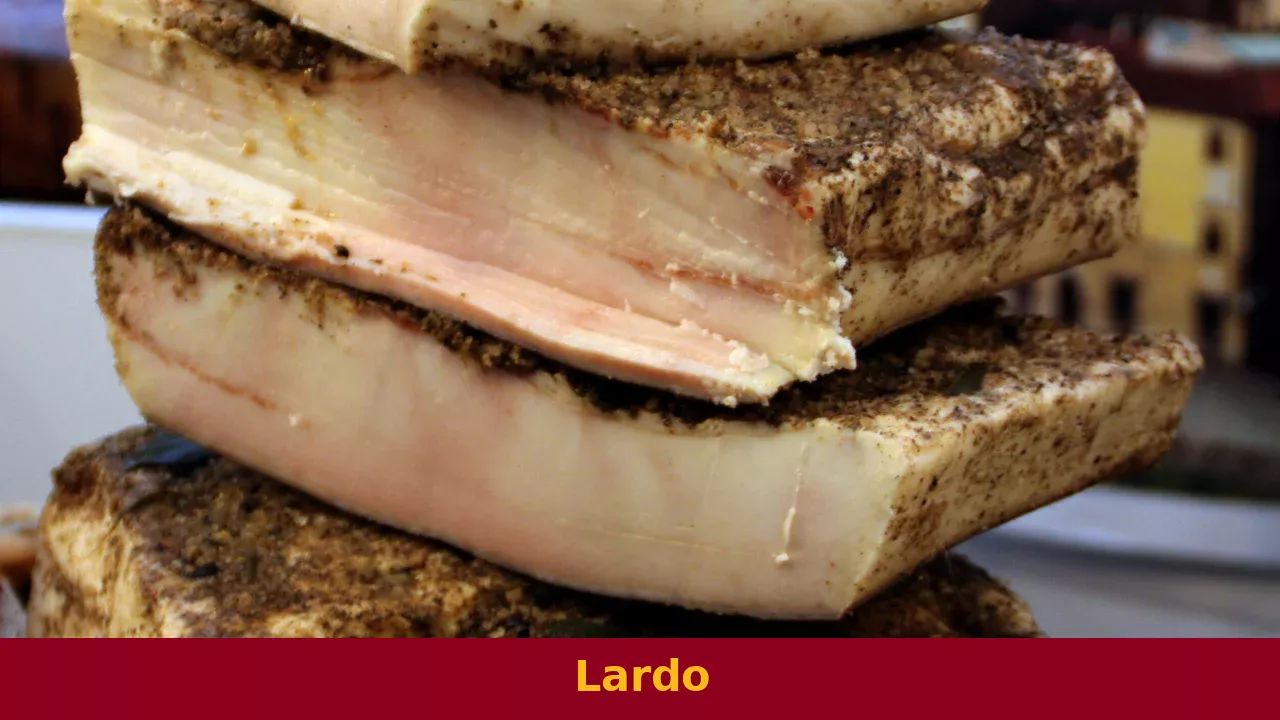
Amidst the ruggedness and gentle aspects of Basilicata, where the landscape takes shape between highlands and inland valleys, lardo emerges as a product that embodies a profound connection with its environment. The Lucanian climate, with its distinct temperature fluctuations and the pure air that touches the territories, has for centuries offered ideal conditions for curing…
Amidst the ruggedness and gentle aspects of Basilicata, where the landscape takes shape between highlands and inland valleys, lardo emerges as a product that embodies a profound connection with its environment. The Lucanian climate, with its distinct temperature fluctuations and the pure air that touches the territories, has for centuries offered ideal conditions for curing salumi. This noble layer of pork fat, processed with traditional techniques, transforms into a delicacy with a delicate taste and a velvety texture. Lucanian lardo is not just an ingredient, but a true sensory experience that invites discovery of the genuine flavors of a region abundant in history and gastronomic traditions.
Lardo is a cured meat obtained from the processing of the subcutaneous fat layer of pork. Specifically, it is sourced from the most prized parts of the animal, such as the neck, back, and upper flanks. Its production follows a meticulous process that includes salting, flavoring, and aging. This procedure transforms the adipose tissue into a product with a complex flavor and an unmistakable consistency, making it a distinctive element of Italian charcuterie. Lardo is appreciated for its ability to melt on the palate, releasing aromatic notes that vary depending on the spices used and the maturation period. To learn more about the general definition, specialized sources such as Wikipedia can be consulted.
The history of lardo is intertwined with that of pig farming and the human need to preserve food. Already in antiquity, salting pork fat was a widespread practice to ensure an important energy reserve, especially for field workers or those undertaking long journeys. In Basilicata, as in many other Italian regions, the production of lardo has for centuries been a pillar of the rural economy and peasant diet. Each family had its own recipes and secrets for flavoring and aging lardo, often passed down orally. This contributed to creating a variety of regional interpretations, each with its own peculiarities. Its constant presence in Lucanian larders demonstrates a profound connection to the territory and a way of life that valued every animal resource.
Basilicata, with its varied landscape ranging from the Apennine mountains to the hills, offers an ideal context for the production of cured meats and sausages. The average altitudes and cool temperatures, especially in the winter months, are favorable climatic factors for the natural aging of lardo. The air, often dry and clean, helps to shape the product’s sensory profile, giving it its unique characteristics. The region is dotted with small centers where charcuterie traditions are still active, and lardo is an integral part of the gastronomic heritage. Villages like Albano di Lucania or Cancellara, with their agricultural communities, are examples of places where the culture of pork and its derivatives remains strongly established.
The production of Lucanian lardo begins with the careful selection of the dorsal fat layer of the pork. This cut, of adequate thickness, is cleaned and prepared for salting. The next phase is the “concia” or “salagione” (salting), a process that can last several weeks. The piece of lardo is massaged with coarse sea salt and a mixture of spices and aromatic herbs. Among the most common flavors are black peppercorns, garlic, rosemary, bay leaf, and sometimes chili pepper, an ingredient very common in Lucanian cuisine. After salting, the lardo is rinsed and placed to age in cool, well-ventilated environments. The aging, which can last from a few months to over a year, is crucial for the development of its flavor and consistency. During this period, the lardo loses moisture and acquires its typical softness and unmistakable aroma.
Lardo from Basilicata stands out for its distinct sensory qualities. Visually, it presents a pure white color, sometimes with slight pinkish veins, indicating a good balance between fat and lean. The consistency is soft and elastic, but the true delight is revealed on the palate: its melt-in-your-mouth quality is proverbial. At room temperature, lardo melts delicately, releasing a sweet and enveloping taste, never cloying. The aroma is delicate yet persistent, with notes that evoke the aromatic herbs and spices used in the curing process. Each slice offers a sensory experience that combines the natural sweetness of the fat with the complexity of the aromas, leaving a clean and pleasant aftertaste.
Lardo is an ingredient of great versatility in the kitchen, capable of enriching numerous dishes with its flavor and consistency. Traditionally, in Basilicata, it is enjoyed sliced very thinly and placed on warm homemade bread, where the heat enhances its melt-in-your-mouth quality and aromas. It is an excellent flavor enhancer for roasts, stews, and legumes: a small piece added during cooking imparts depth and roundness to the flavor. It can be used to wrap lean meats before cooking, to keep them tender and succulent. It is also perfect for preparing soffritti, in place of traditional oil or butter, lending a unique taste. In more creative pairings, it combines well with delicate honeys, figs, or chestnuts, creating interesting contrasts. Its ability to enhance other ingredients makes it valuable in both simple and more elaborate preparations.
Lucanian lardo is a unique product for several reasons. Firstly, it is the result of a process that combines the selection of excellent raw material, sourced from pigs raised according to traditional methods, with the expertise of a salting and aging process that respects nature’s timing. The microclimate of Basilicata plays a fundamental role, positively influencing the maturation and development of its sensory characteristics. Its culinary versatility makes it a highlight on both daily tables and special occasions. Its uniqueness also lies in its ability to represent a bridge between the past and the present, preserving the flavor of an ancient tradition while adapting to the demands of contemporary gastronomy. It is an emblem of how simple ingredients, when processed with care and respect, can transform into culinary excellence.
Lardo from Basilicata is recognized as a Traditional Agri-Food Product (PAT). This certification, established by the Ministry of Agricultural, Food, and Forestry Policies, identifies products obtained with processing, preservation, and aging methods consolidated over time, practiced uniformly and consistently for at least 25 years. The PAT recognition is not a geographical indication certification like DOP or IGP, but it attests to the strong cultural and historical connection of the product with its territory and its traditions. For lardo, the PAT confirms the validity of traditional Lucanian techniques and its importance in the regional gastronomic landscape, guaranteeing consumers the genuineness of a product made according to local customs and practices.
To savor the true lardo of Basilicata and discover its wealth of flavors, the best way is to visit the region. In small village shops, artisanal butcheries, and weekly markets in centers like Armento or Calvera, it is possible to find producers who still follow traditional methods today. Many farmhouses and traditional restaurants in Basilicata include lardo on their menus, offering the opportunity to taste it in local cuisine dishes. During festivals and village fairs, especially those dedicated to pork products, lardo is often featured, allowing you to taste it in various preparations and purchase it directly from producers. A journey to discover Basilicata is also a path through traditional products from BASILICATA, an opportunity to immerse yourself in the traditions and flavors that make Italian traditional food products unique.
📷 Photo: B. Gramulin · CC BY-SA 2.0 · All credits →
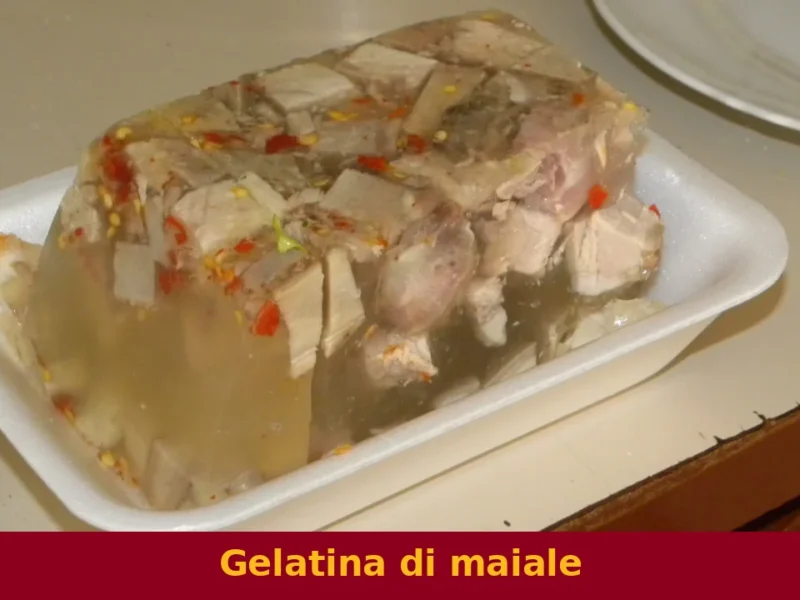
The pungent and inviting aroma of lemon and bay leaf, combined with the spicy notes of chili pepper,...
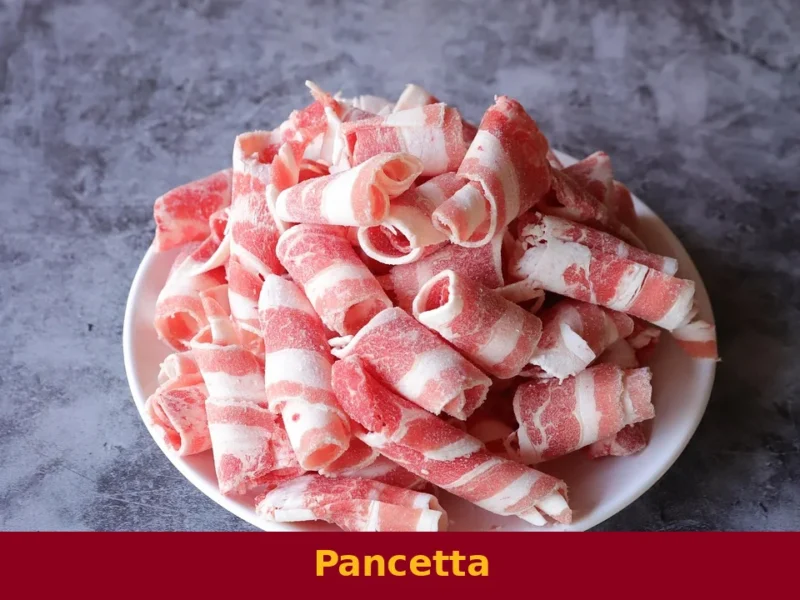
The intense, slightly spiced aroma released from its thin slice, with its balance of rosy meat and layers...
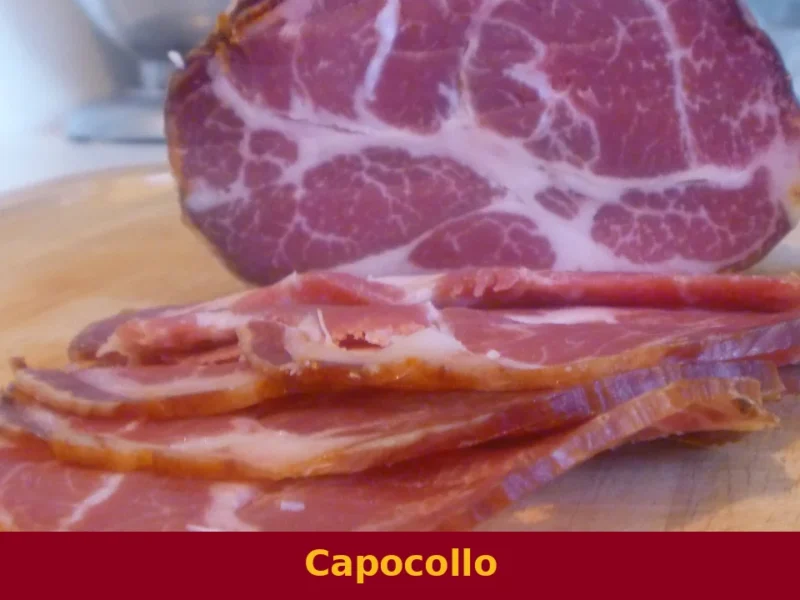
The capocollo, with its unmistakable ruby red color streaked with white and its soft yet firm texture, is...
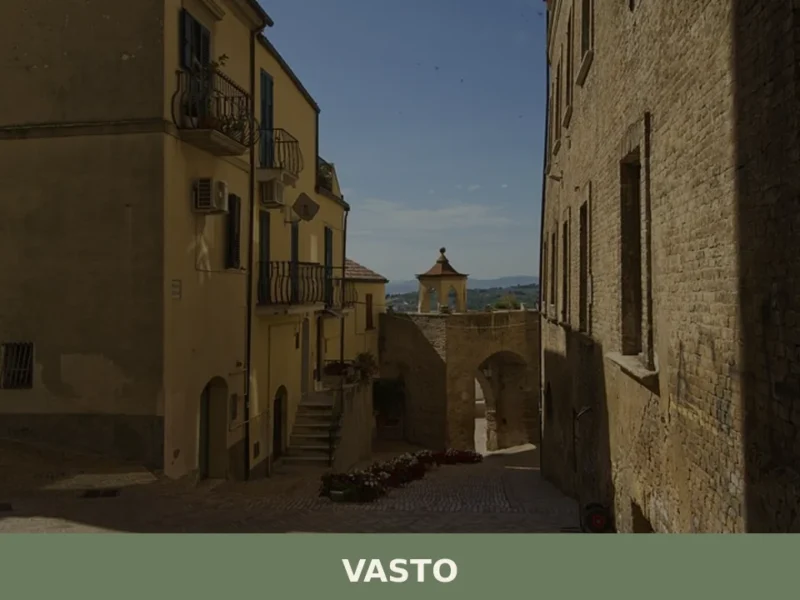
With 40,692 inhabitants, Vasto stands on the Abruzzo Adriatic coast, a town that from its promontory at 144 meters above sea level observes a stretch of sea that was a crossroads of cultures and trades. For those wondering what to see in vasto, the answer unfolds among Roman vestiges, Renaissance architecture, and views of the […]
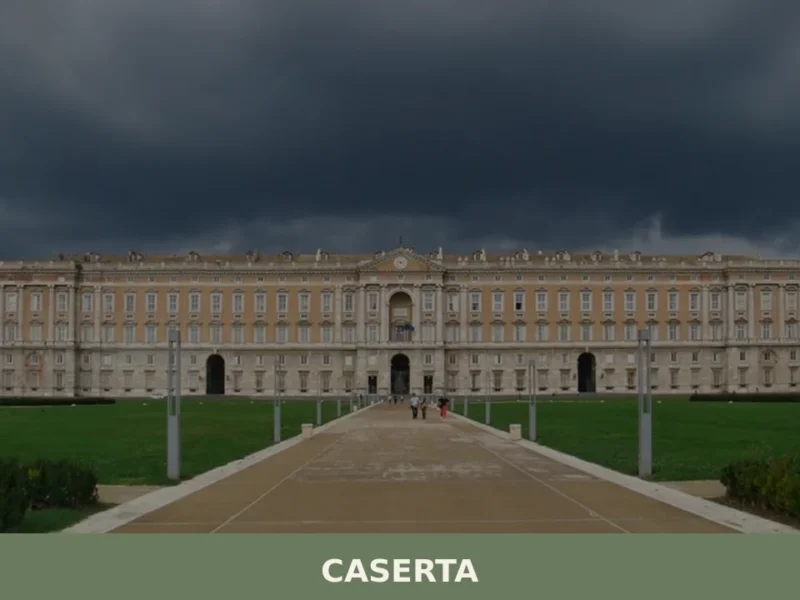
What to see in Caserta: UNESCO Royal Palace, Casertavecchia and certified PAT products. City of 74,000 at 68m above sea level. Plan your visit with our complete guide.
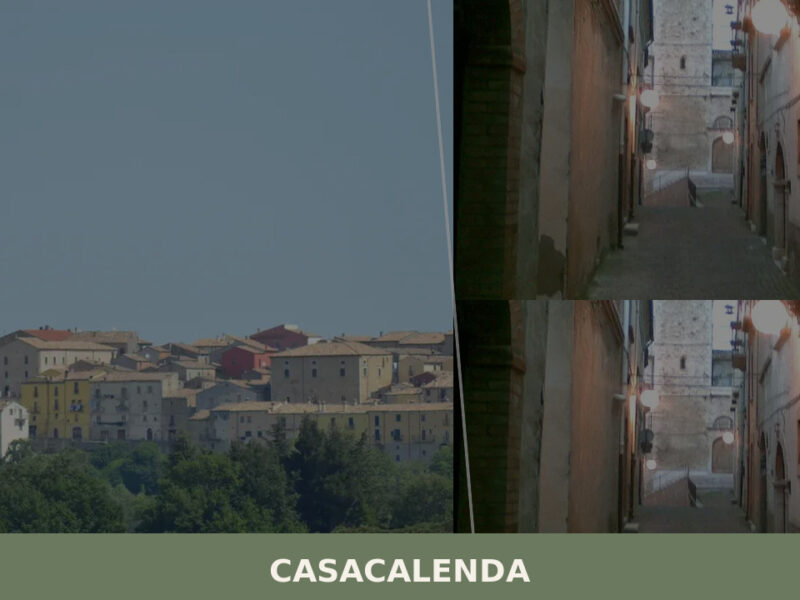
Morning light hits the limestone facades along Corso Roma and the sound is not silence but something close — a dog barking two streets away, the clatter of a shutter being folded back, the low idle of a Fiat Panda parked outside the only bar open before eight. Casacalenda sits at 631 metres above sea […]
📝 Incorrect information or updates?
Help us keep the Lardo page accurate and up to date.


