


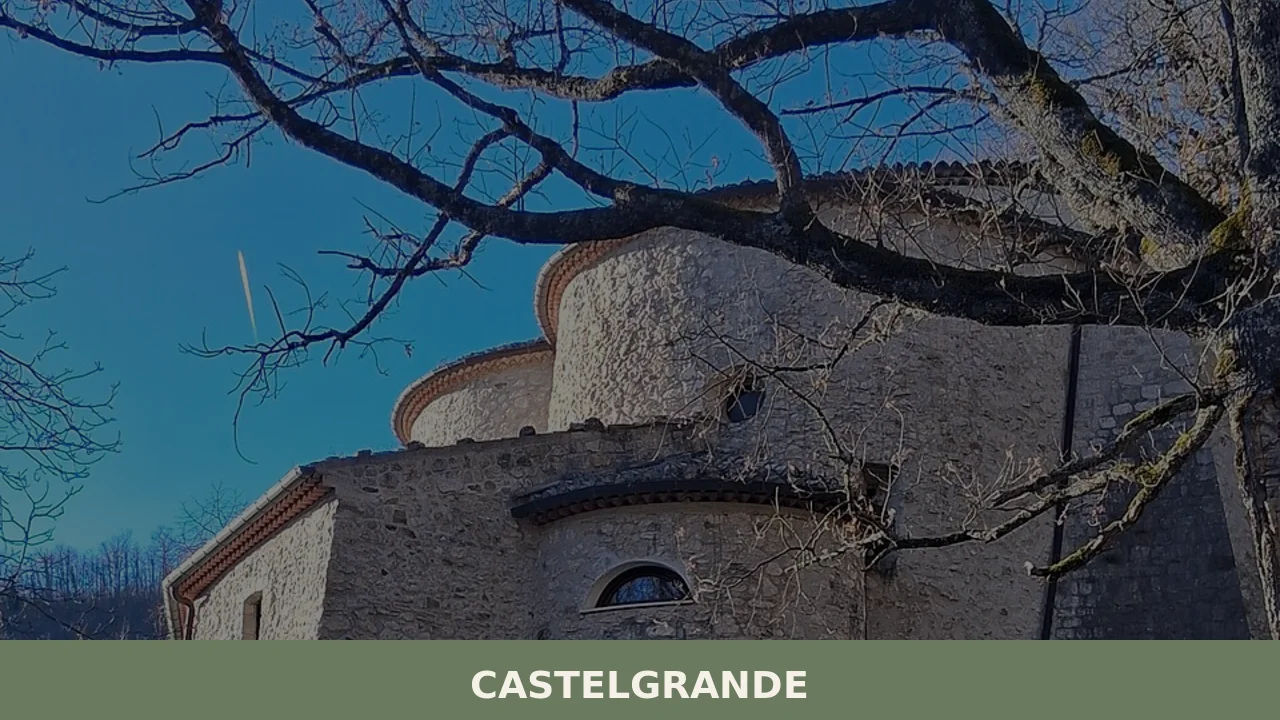
Castelgrande
 Mountain
Discover what to see in Castelgrande, a mountain village in Basilicata. From the Mother Church to the historic center, a journey through history and nature. Includes practical tips for your visit.
Discover Castelgrande
At 950 meters above sea level, in the heart of the Lucanian Apennines, lies Castelgrande, a village in the province of Potenza with 991 inhabitants. Its elevated position, typical of mountain villages, has shaped the identity of the place and the activities of its residents. The urban layout, with buildings adapting to the terrain’s morphology, suggests a historical stratification. For those wishing to explore this corner of Basilicata, understanding what to see in castelgrande means entering a context where nature and human constructions are in constant dialogue, offering views and details that deserve attention.
History and origins of Castelgrande
The first historical records mentioning Castelgrande date back to the medieval period, when the toponym itself, which evokes the image of a “great fortress,” suggests the presence of a defensive structure dominating the surrounding territory. Its strategic position, controlling natural communication routes between valleys, probably played a crucial role in the settlement’s development. Subsequent centuries saw the village pass under various feudal lordships, a common dynamic for many centers in inland Basilicata, which influenced its social and architectural structure.
Life in Castelgrande, as in much of mountainous Basilicata, has historically been linked to agriculture and pastoralism. Environmental conditions, characterized by harsh winters and cool summers, favored specific crops and livestock farming, elements that shaped the agricultural landscape and local traditions. For more information on the region and its villages, you can consult the page dedicated to Basilicata on Wikipedia.
What to see in Castelgrande: 5 essential attractions
Exploring Castelgrande reveals several significant stops for those wishing to get to know the village and its surroundings. Here is a selection of points of interest:
1. The Mother Church of San Vito
Dedicated to San Vito, the patron saint of the village, the Mother Church is the main place of worship. Its structure, although modified over the centuries, retains elements that attest to its ancient origin. Inside, one can observe wooden artifacts and paintings that reflect local sacred art. The facade and bell tower, with their essential lines, are a visible landmark from various angles of the inhabited center.
2. The Historic Center
The oldest core of Castelgrande unfolds through narrow streets and changes in elevation, following the contour of the hill. The houses, often built with local stone, display a spontaneous architecture, resulting from stratifications and adaptations. Walking through the historic center means observing ancient portals, windows that open onto mountain views, and small squares that serve as gathering points for the community.
3. The remains of the ancient Castle
Although no intact castle remains, the toponym “Castelgrande” suggests the existence of a significant fortification. It is possible to identify the remains of its foundations or wall sections integrated into more recent buildings, especially in the highest part of the village. These fragments are clues to the defensive function the place held in past eras.
4. The Belvedere
Given its altitude of 950 meters above sea level, Castelgrande offers several panoramic viewpoints that allow observation of the surrounding valley and the peaks of the Lucanian Apennines. From natural terraces or specific overlooks, one can appreciate the extent of the mountain landscape, with its forests and cultivated fields that change color according to the seasons.
5. Nature Trails around the village
Being a mountain village, Castelgrande is surrounded by a natural environment that invites exploration. Trails and mule tracks, once used for grazing and transport, today offer the opportunity for walks immersed in the local flora and fauna. These routes allow exploration of the mountain ecosystem and enjoyment of the landscape’s tranquility.
Typical cuisine and local products
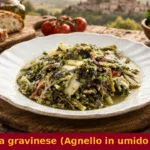
The gastronomy of Castelgrande and Basilicata in general is an expression of a farming and pastoral culture, based on simple ingredients and distinct flavors. Among the symbolic products, cruschi peppers stand out, dried and fried, used to enrich first courses or as a side dish. Homemade pasta, such as lagane or orecchiette, often accompanied by legumes like chickpeas or beans, is a pillar of the local diet. Dishes based on sheep and pork are also common, often prepared according to traditional recipes that enhance their flavor.
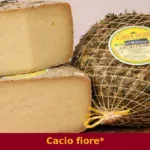
Among local products, caciocavallo podolico, a stretched-curd cheese made from the milk of Podolica cows, is an excellent product of the Lucanian territory. Cured meats, prepared with locally raised pork, and extra virgin olive oil are also fundamental elements of the table. The simplicity and quality of raw ingredients are the foundation of a cuisine passed down from generation to generation, keeping the gastronomic identity of the place alive.
When to visit Castelgrande: the best time
Castelgrande, given its altitude, offers different experiences depending on the season. Summer, particularly the months of July and August, features mild temperatures and long days, ideal for exploring nature trails and the historic center without the excessive heat of the lowlands. On July 5th, the patron saint’s festival of San Vito is celebrated, an event that enlivens the village with religious celebrations and civil gatherings, offering an opportunity to observe local traditions.
Spring and autumn are equally evocative periods, with nature awakening or taking on the warm colors of foliage. These months are recommended for those seeking tranquility and wishing to engage in walks and excursions. Winter brings snow and a more secluded atmosphere, suitable for those who prefer the silence and quiet of snow-covered mountain landscapes.
How to get to Castelgrande
Castelgrande is mainly reachable by car. From Potenza, the provincial capital, the village is about 60 kilometers away, a journey of approximately an hour and fifteen minutes. For those coming from other regions, the A2 Autostrada del Mediterraneo (Salerno-Reggio Calabria) is the main access point; the recommended exit is Sicignano degli Alburni, from which one continues on provincial roads towards Muro Lucano and then Castelgrande. The nearest airports are Naples Capodichino and Bari Palese, both approximately 150-180 kilometers away.
Other villages to discover in Basilicata
Basilicata is a region rich in villages that deserve to be explored, each with its own peculiarities. After visiting Castelgrande, one can continue the itinerary to discover other centers that share the region’s mountain environment and culture. For example, Armento, located in a green valley and crossed by the Agri river, offers a different landscape context, with archaeological evidence attesting to its ancient history.
Another interesting destination is Anzi, also in the province of Potenza and known for its elevated position and its astronomical observatory, which makes it a reference point for observing the night sky. These villages, like Castelgrande, represent fragments of a lesser-known Italy, where time seems to follow different rhythms and traditions are still an integral part of daily life.
Frequently asked questions about Castelgrande
What is the best time to visit Castelgrande?
The ideal time to visit Castelgrande is summer, especially July and August, when mild temperatures at 950 meters make outdoor exploration comfortable. July 5th is particularly special: the feast of San Vito, the village patron saint, fills the streets with religious ceremonies and community gatherings, offering an authentic window into local tradition. Spring and autumn are excellent for hiking and foliage landscapes in a tranquil atmosphere. Winter brings snow and silence, suited to those who appreciate isolated mountain scenery.
What to see in Castelgrande? Main monuments and landmarks
The Mother Church of San Vito is the main landmark, featuring wooden artifacts and paintings of local sacred art, with a bell tower visible from much of the village. The historic center winds through stone-paved lanes, ancient portals, and small squares shaped by the hillside terrain. In the upper part of the village, remnants of the medieval castle — wall sections integrated into later buildings — hint at Castelgrande's defensive past. Multiple panoramic viewpoints overlook the Lucanian Apennines valleys and surrounding forests.
What are the main natural or scenic attractions of Castelgrande?
Castelgrande sits at 950 meters in the Lucanian Apennines, surrounded by forests, mountain meadows, and valleys. Former mule tracks and grazing paths now serve as informal walking trails through the local ecosystem, offering close encounters with Apennine flora and fauna. Natural terraces around the village provide panoramic views over the surrounding peaks and cultivated hillsides, with landscapes that shift dramatically by season — green in summer, golden in autumn, snow-dusted in winter.
Where to take the best photos in Castelgrande?
The best photographic spots in Castelgrande are the panoramic belvedere points overlooking the Lucanian Apennines valleys, accessible from the village's natural terraces. The upper historic center, with its stone architecture and ancient portals framing mountain views, offers compelling street-level compositions. The facade and bell tower of the Mother Church of San Vito make for a strong architectural subject. During the San Vito feast on July 5th, the village streets provide vivid documentary photography opportunities.
Are there museums, churches or historic buildings to visit in Castelgrande?
The Mother Church of San Vito is the principal historic building in Castelgrande, housing local sacred art including wooden furnishings and paintings accumulated over centuries of modifications. The upper part of the village preserves remnants of the medieval castle referenced in the village's own name, with wall fragments absorbed into later constructions. The stone buildings of the historic center, shaped by centuries of adaptation to the hillside, function collectively as an open-air architectural document of rural mountain life in Basilicata.
What can you do in Castelgrande? Activities and experiences
Castelgrande offers walking along ancient mule tracks and pastoral paths through Apennine nature, ideal for slow-paced mountain hiking. Exploring the historic center on foot — its lanes, portals, and overlooks — is a rewarding cultural activity. The July 5th feast of San Vito provides an opportunity to participate in authentic local religious and civil traditions. Food and wine experiences centered on Lucanian mountain gastronomy, including local cheeses, cured meats, and traditional pasta, are accessible through local producers and restaurants in the area.
Who is Castelgrande suitable for? Families, couples, hikers, solo travelers?
Castelgrande suits hikers and nature lovers drawn to Apennine mountain landscapes and quiet trails away from mass tourism. Couples seeking authentic, unhurried village experiences will appreciate the scenic belvederes and historic atmosphere. Cultural travelers interested in medieval Basilicatan villages and local religious traditions — particularly the San Vito feast on July 5th — will find it rewarding. It is less suited to families expecting organized children's facilities or visitors seeking an active nightlife scene, being a small, peaceful mountain community of around 818 residents.
What to eat in Castelgrande? Local products and specialties
Castelgrande shares the mountain gastronomy tradition of inland Basilicata. Key specialties include cruschi peppers — dried and fried Senise peppers used in pasta dishes and as accompaniments — and handmade pasta such as lagane served with chickpeas or beans. Sheep and pork-based dishes prepared to traditional recipes are common. Caciocavallo Podolico, a stretched-curd cheese from Podolica cattle raised in the Apennine pastures, is a notable local product, alongside artisan cured meats and extra virgin olive oil from the Lucanian territory.
Nearby Villages near Castelgrande
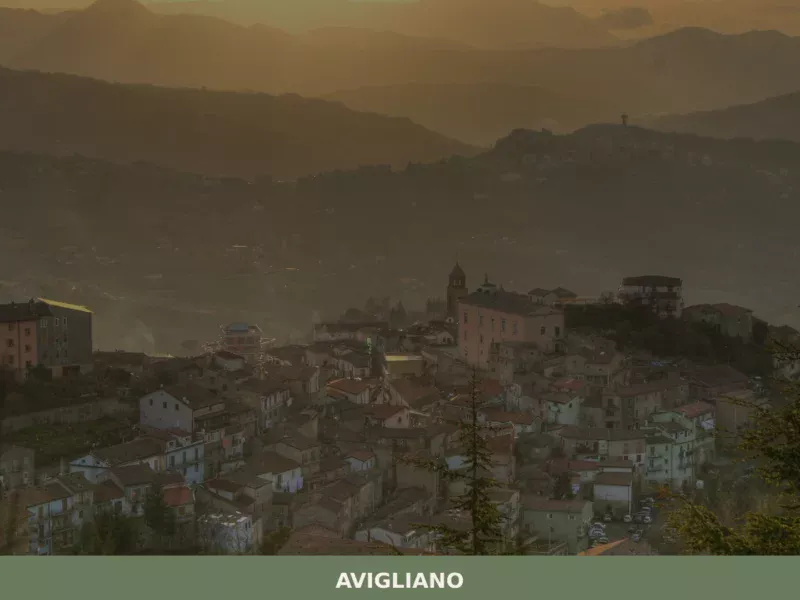
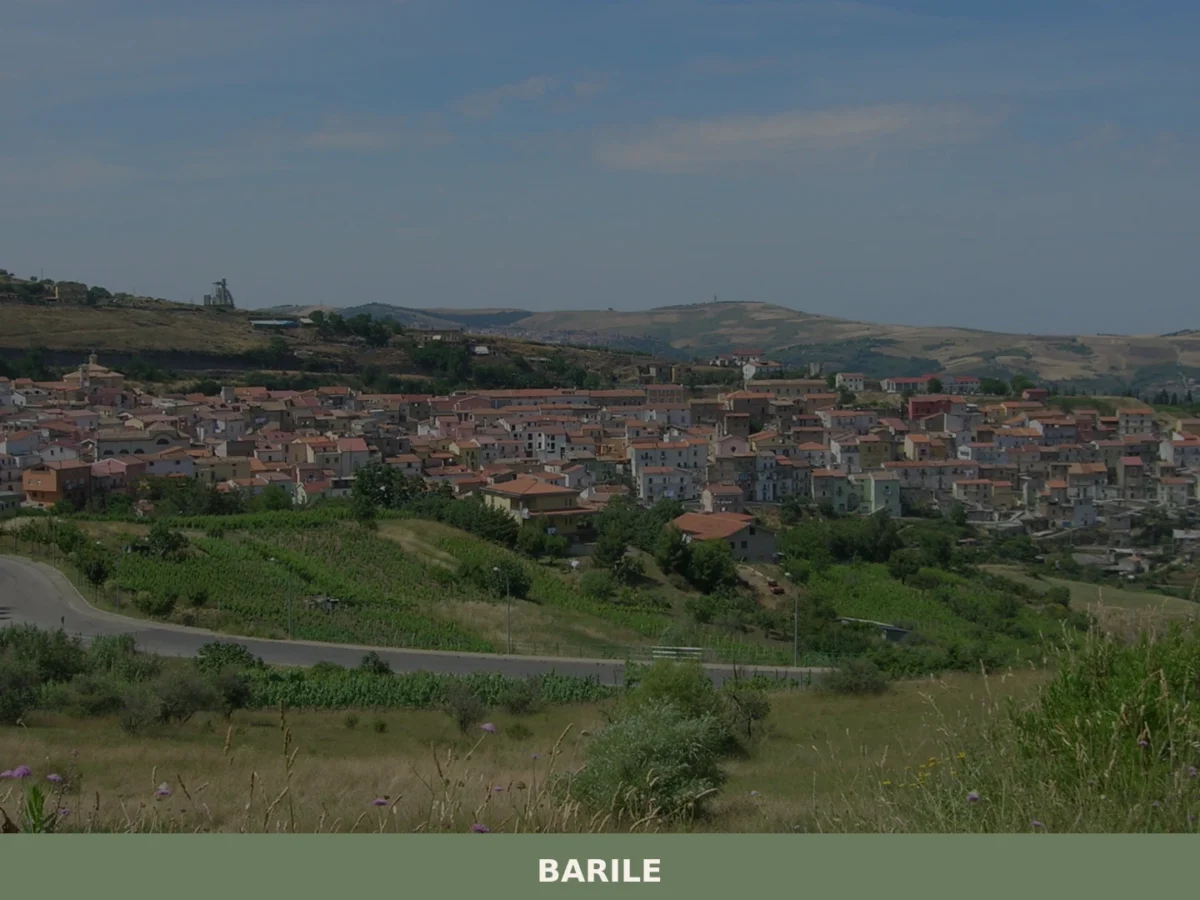
In Basilicata More villages to discover

Lauria
Mountain
Three river valleys, a Norman castle and the snow-capped Sirino massif give Lauria a territorial identity unlike any other town in southern Basilicata.
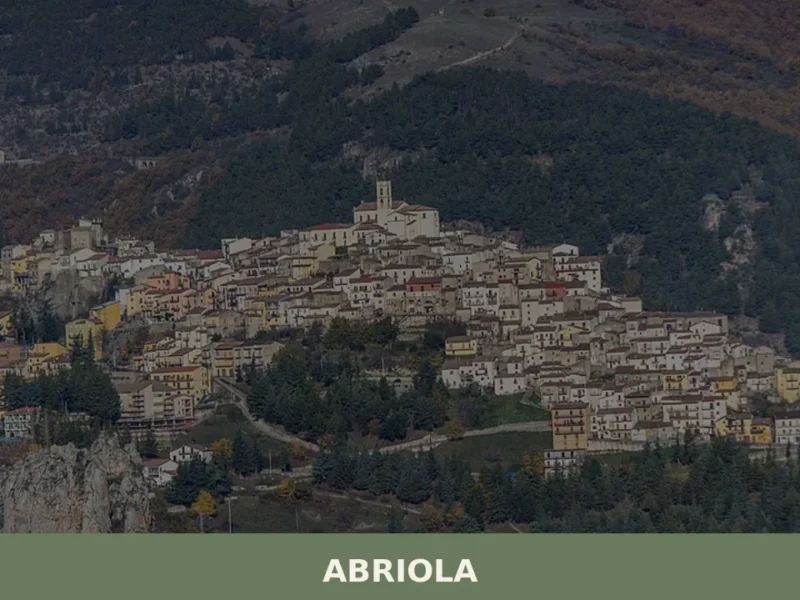
Abriola
Mountain
Discover what to see in Abriola, a mountain village in Basilicata at 957m. Sanctuary, historic centre, local food, trails, and practical travel tips.

Corleto Perticara
Mountain
What to see in Corleto Perticara, Basilicata, Italy: explore 5 top attractions, local food and festivals. Discover this Potenza province village at 680 m altitude.

Ferrandina
 Hills
Hills
What to see in Ferrandina, Basilicata, Italy: 6 historic churches, olive oil production, and a hilltop at 482 m. Discover top attractions and how to get there.
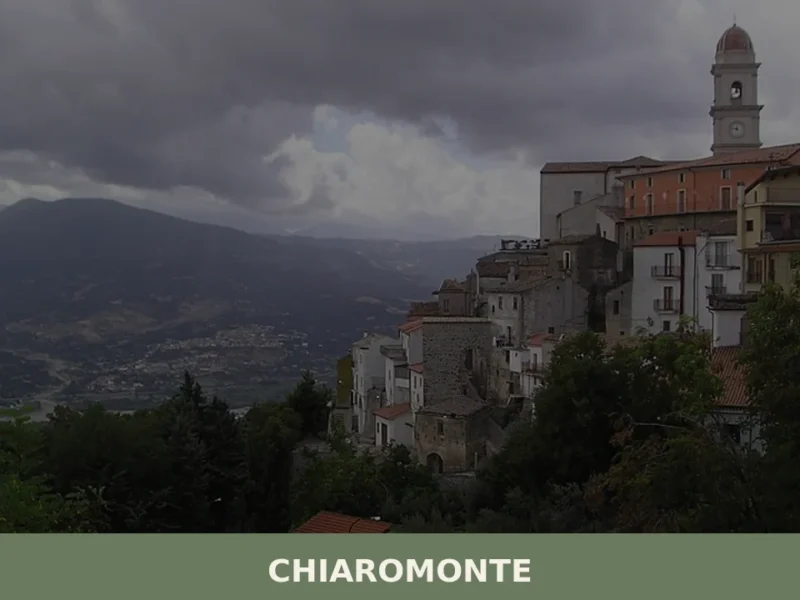
Chiaromonte
Mountain
what to see in chiaromonte, Italy: Discover its 794m altitude and delve into its history, from ancient roots to the case study of Montegrano. Explore Basilicata.

Gallicchio
Mountain
Discover Gallicchio, a hilltop village in Potenza province with a medieval castle, historic streets, and stunning views over the Val d'Agri valley.
Banzi
Hills
In 1956, during archaeological excavations in the area of ancient Bantia, the “Bantine Table” was discovered, a bronze tablet inscribed in the Oscan language, providing direct evidence of the legislation of this Italic community from the 4th-3rd century BC. For those wondering what to see in banzi today, the village, located at 571 meters above […]
San Paolo Albanese
Mountain
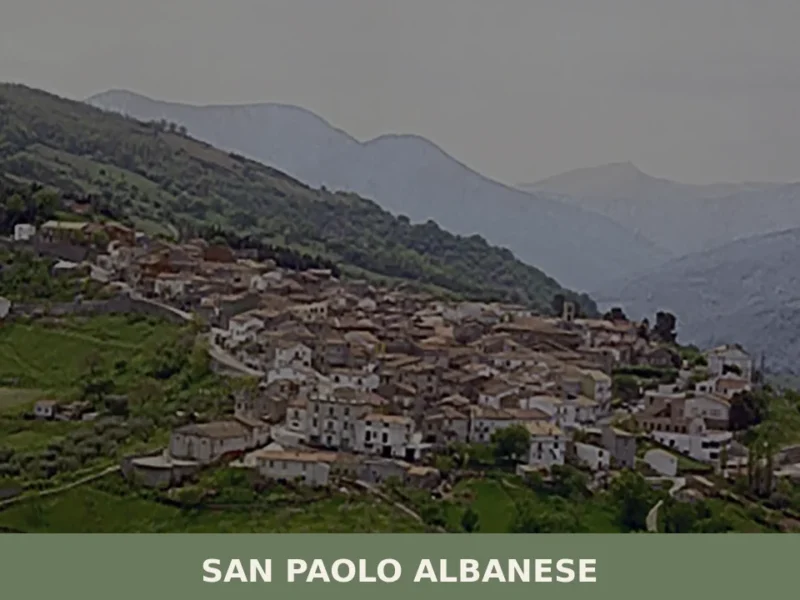
San Paolo Albanese, in the province of Potenza, stands out as Basilicata’s least populous municipality, recording a population of 280 inhabitants. This demographic reality gives the village an intimate dimension, where social relationships and the traditions of the Arbëreshë community remain strongly evident. For those wondering about what to see in san paolo albanese, the […]
Accettura
Mountain
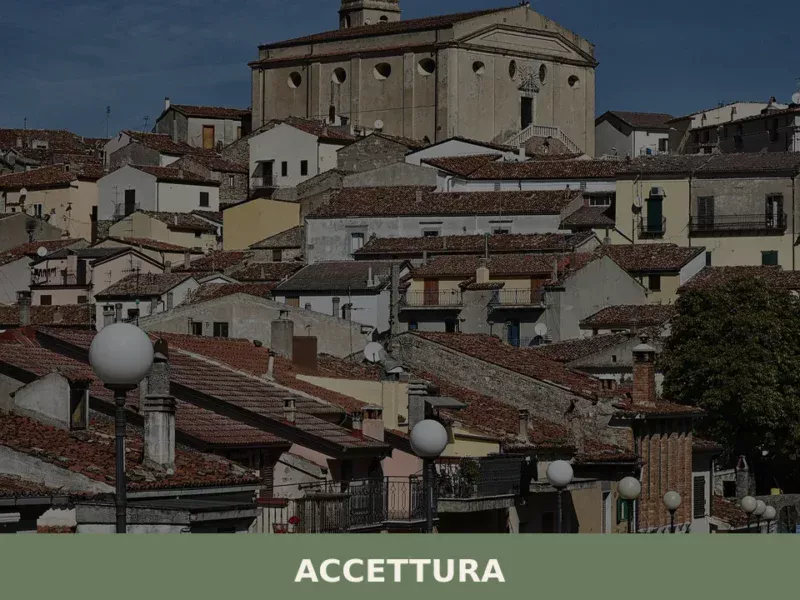
Population 1,575. Altitude 770m. Accettura hosts the Gallipoli Cognato Piccole Dolomiti Lucane regional park and commands views across the Matera uplands.
Atella
Hills
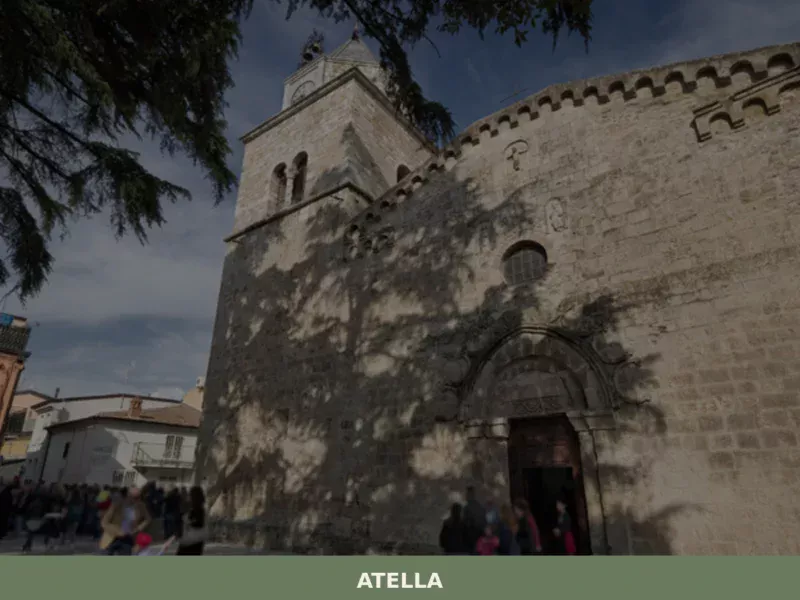
Discover what to see in Atella, a 3,574-inhabitant comune in Potenza province. History, food, travel tips and the best of the Vulture-Melfese area.



🏡 Know Castelgrande better than we do?
If you’re a local or have been there, your knowledge matters: add what’s missing or fix a detail on this page.