


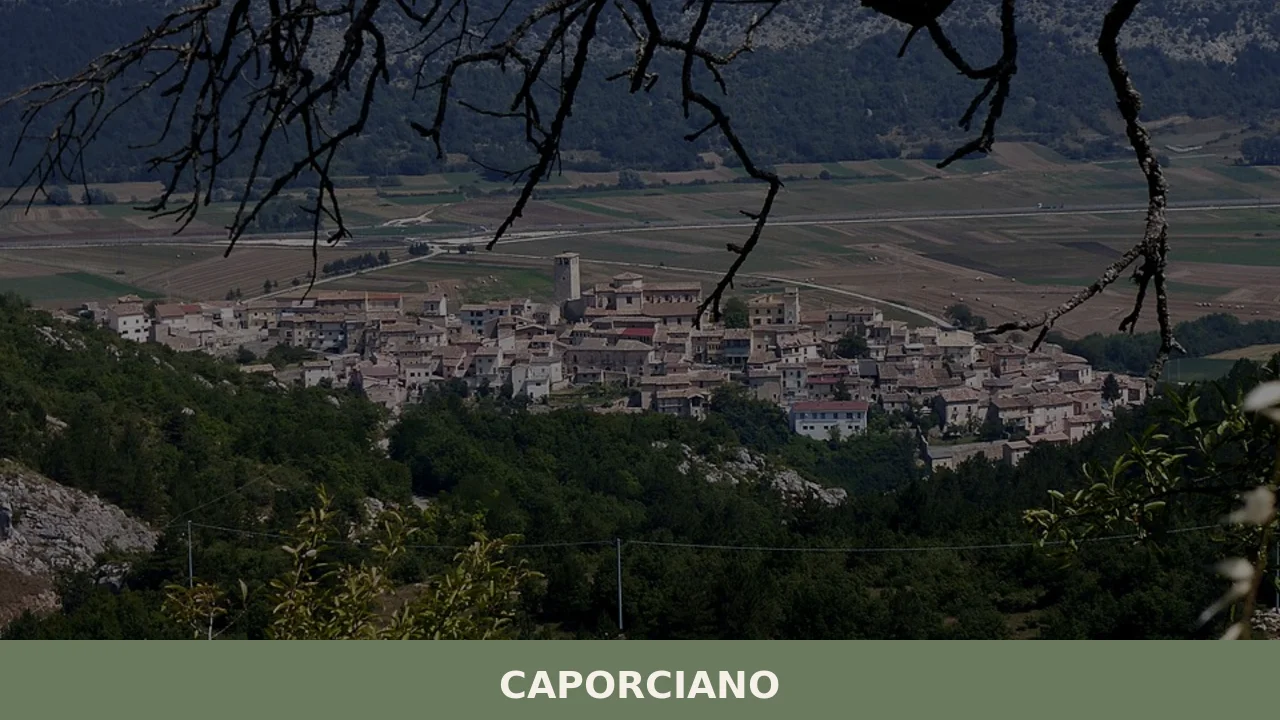

Caporciano, a small village near L’Aquila between history and nature: discover what to see, how to get there and the top places to visit. Plan your trip.
Discover Caporciano
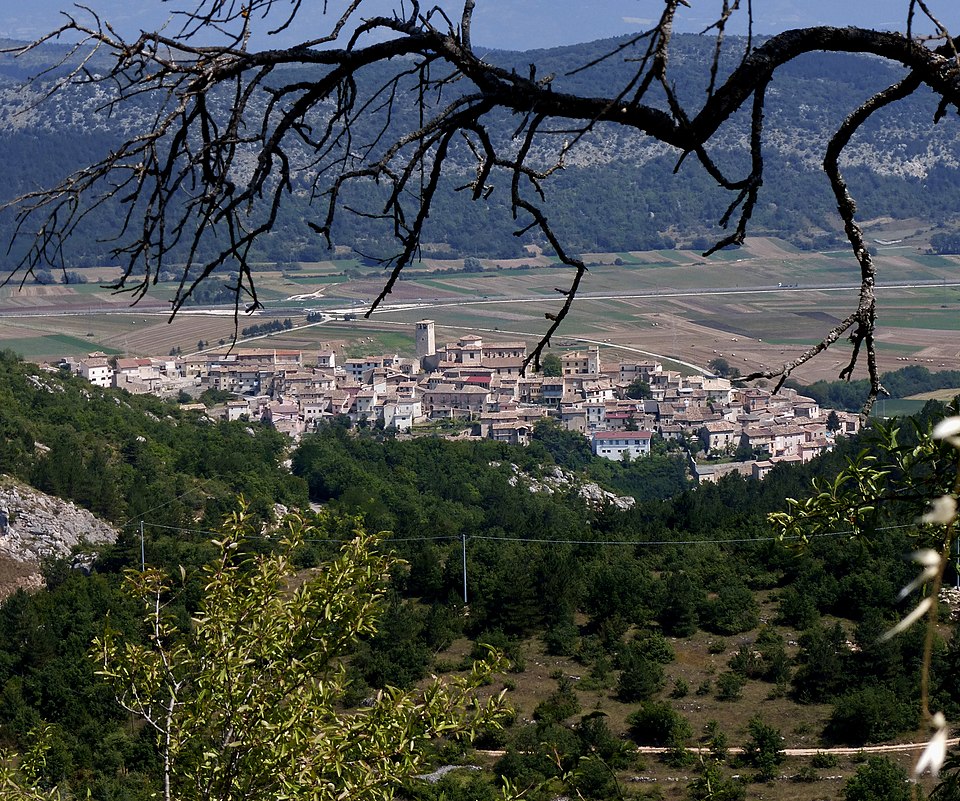
Morning light catches the limestone walls of a watchtower before it reaches the street below. At 836 metres above sea level, Caporciano wakes slowly — a handful of voices, a dog crossing the piazza, smoke from a chimney dissolving into cold Abruzzo air. This village of 202 inhabitants sits on a hillside in the province of L’Aquila, overlooking the Navelli plain, where saffron fields stretch in autumn like threads of copper laid across dark soil. Caporciano is a place where the architecture holds more memory than the people left to tend it.
History of Caporciano
The origins of Caporciano reach back to the pre-Roman Vestini, an Italic people who inhabited the highland plateaus of central Abruzzo.
Archaeological traces in the surrounding area — fragments of walls, cisterns, burial sites — suggest continuous settlement long before the medieval period reshaped the landscape with fortified towers and churches. The name itself likely derives from the Latin Caprocianum, possibly tied to a Roman landowner or to goat husbandry (capra), a livelihood that defined these upland communities for centuries. Documented references to the settlement appear in medieval records linked to the County of Celano, one of the dominant feudal powers of the Abruzzese interior.
During the Middle Ages, the village followed the pattern common across the Apennine spine: a fortified nucleus clustered around a tower or castle, with a parish church at its centre and surrounding hamlets (frazioni) scattered along the slopes. Caporciano was part of a feudal system that passed through the hands of several baronial families, subject to the political turbulence of the Kingdom of Naples.
Earthquakes — a recurring force in L’Aquila province — periodically damaged and restructured the built environment, leaving the village as a kind of palimpsest, each reconstruction layered over the last.
By the 19th and 20th centuries, emigration hollowed out Caporciano as it did so many Abruzzese hill towns. Young men left for the Americas, for Rome, for northern Italian factories. The population, once numbering in the thousands across the municipality, contracted to its current 202 residents. What remains is a settlement that has not been renovated for tourism but simply endures — stone walls darkened by weather, iron balconies rusting at the edges, doorways sealed for decades.
What to see in Caporciano: 5 must-visit attractions
1. The ruins of Bominaco Castle
Perched above the hamlet of Bominaco, a frazione of Caporciano, these castle ruins date to the Norman period. The surviving walls and tower fragments sit on a rocky spur with unobstructed views across the Navelli plateau. The site gives a clear sense of medieval defensive strategy — controlling the valley below through elevation and line of sight.
2.
Oratory of San Pellegrino, Bominaco
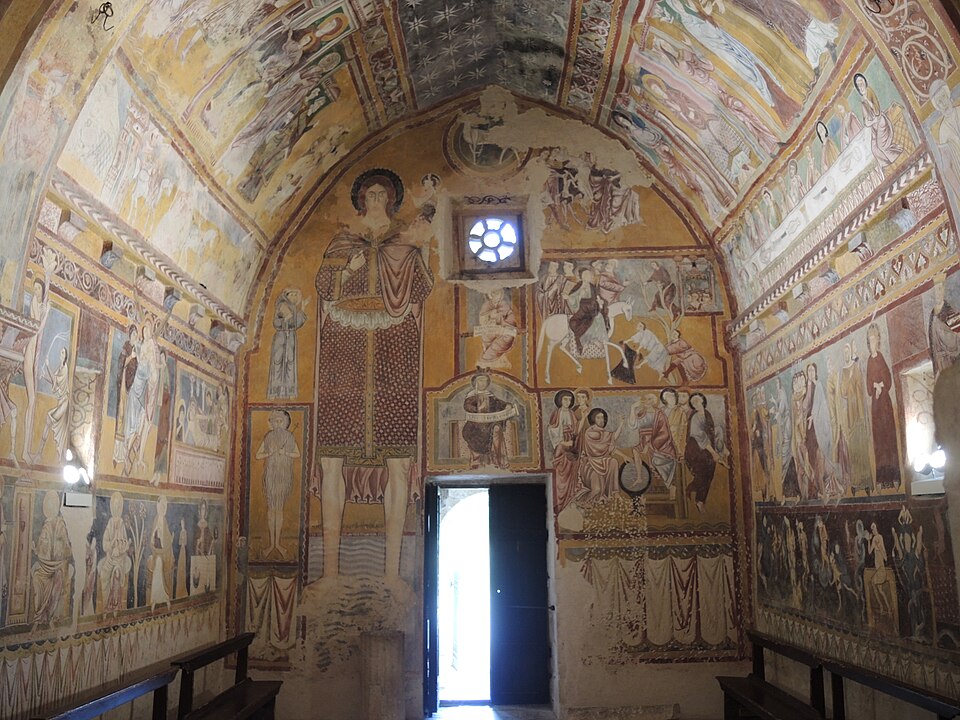
This 13th-century oratory contains a complete cycle of Romanesque frescoes — one of the most intact in central Italy. The interior walls depict scenes from the life of Christ, a liturgical calendar, and images of saints, executed with vivid mineral pigments on plaster. The building itself is modest in scale, which concentrates the visual impact of the painted surfaces.
3. Church of Santa Maria Assunta, Bominaco
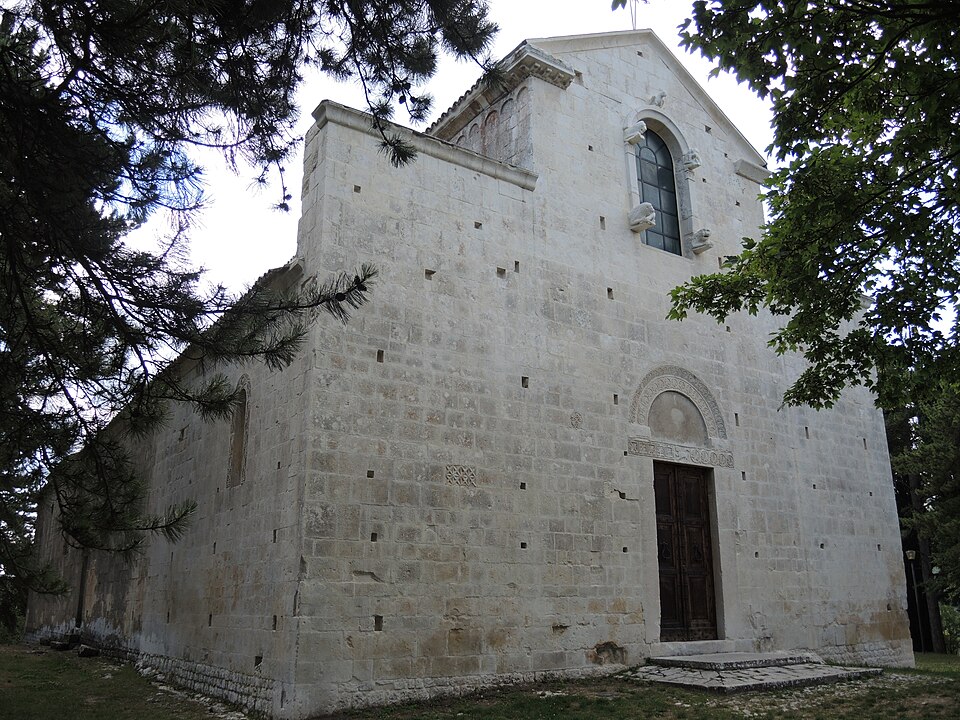
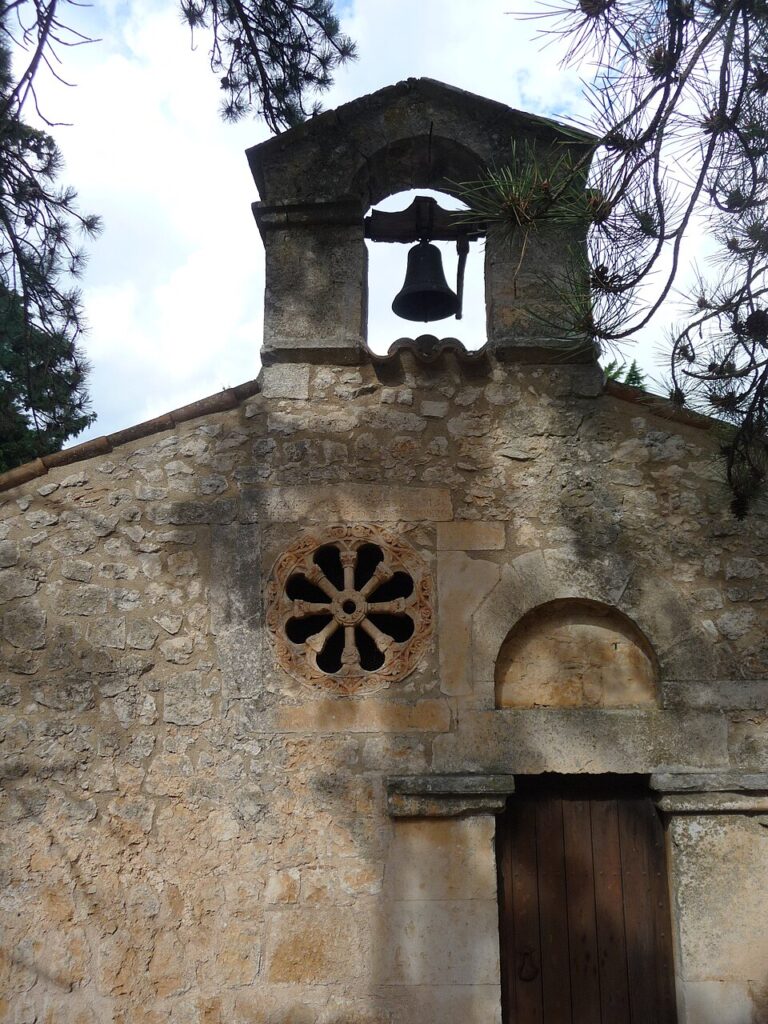
Adjacent to the oratory, this Benedictine abbey church dates to the 11th and 12th centuries. Its Romanesque stone façade and carved pulpit reflect the monastic craftsmanship of the period. Inside, the nave maintains a sobriety that contrasts with the oratory’s decorative abundance — bare stone, simple arches, filtered light.
4.
The historic centre of Caporciano
The old village core is a tight weave of stone staircases, arched passageways, and narrow alleys that follow the natural contour of the hillside. Many buildings show masonry repairs from successive earthquakes. It is largely quiet now, inhabited by a fraction of those it was built to house, but the spatial logic of the medieval settlement remains legible.
5. The Navelli plain and saffron landscape
Below Caporciano, the Navelli plain is one of Italy’s most important saffron-producing areas. In late October, the fields bloom with pale violet crocuses, harvested by hand at dawn. Walking the plain’s edge from Caporciano provides an elevated perspective on a landscape shaped by a single, labour-intensive crop cultivated here since at least the 14th century.
Local food and typical products
The cooking around Caporciano belongs to Abruzzo’s mountain tradition — direct, calorie-dense, shaped by pastoral economies.
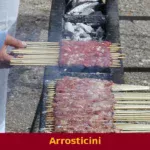
Lamb dominates: roasted with rosemary, braised, or prepared as arrosticini, the small skewered mutton pieces grilled over charcoal that are arguably the region’s most recognisable dish. Pasta is made with flour and water — no egg — yielding shapes like sagne and maccheroni alla chitarra, typically dressed with tomato-based ragù or a sauce of lamb and peppers. Lentils, chickpeas, and beans appear in thick soups suited to the altitude.
The area’s most celebrated product is Zafferano dell’Aquila, a DOP saffron harvested on the Navelli plain directly below the village. This saffron is sold in whole threads rather than powder, and its safranal content — the compound responsible for aroma — ranks among the highest in the world. Local bread, baked in wood-fired ovens, and sheep’s milk cheeses round out the pantry. Restaurants are scarce in Caporciano itself; the nearby towns of Navelli and L’Aquila offer a wider range of trattorie and agriturismi where these dishes are served.
Best time to visit Caporciano
Late October is the most distinctive moment to visit, when saffron harvesting transforms the Navelli plain into a working agricultural scene.
The crocus flowers open at dawn and must be picked the same morning; watching the process — hands moving quickly through low rows of violet — is one of the genuinely rare sights in Italian agriculture. Spring, from April through June, brings wildflowers to the surrounding hillsides and comfortable temperatures for walking. Summers are warm but never oppressive at this altitude, with cool evenings. Winters are cold and often snowy, and the village can feel profoundly isolated — which, for some visitors, is precisely the point.
The Feast of San Pellegrino, patron of Bominaco, draws a small gathering in spring, with a procession and local food. August sees returning emigrants briefly swell the population, and small sagre (food festivals) occasionally take place. Caporciano is not a village geared toward regular tourist reception, so checking locally for accommodation and restaurant openings is practical rather than optional.
How to get to Caporciano
Caporciano lies approximately 30 kilometres southeast of L’Aquila.
By car from Rome, take the A24 motorway toward L’Aquila, exit at L’Aquila Est, and follow the SS17 toward Navelli before turning off toward Caporciano — the drive takes roughly 90 minutes from the capital. From Pescara on the Adriatic coast, the A25 motorway connects to the A24, with a total journey time of around one hour and forty minutes. The nearest train station is L’Aquila, served by regional trains from Sulmona and connected to Rome via Terni. From L’Aquila station, a car is the most practical option for the final stretch, as bus services to the village are infrequent. The closest airports are Rome Fiumicino (approximately 150 km) and Pescara Abruzzo Airport (approximately 100 km).
More villages to discover in Abruzzo
The province of L’Aquila is dense with small settlements that share Caporciano’s altitude, its seismic history, and its quiet depopulation. To the northwest, Barete occupies a similar position on the mountain slopes above the Aterno valley. Like Caporciano, it is a place where the built fabric tells the story of centuries of adaptation — stone reinforced after each earthquake, houses expanded and then abandoned as families left for larger cities.
The two villages share a common architectural language and a common demographic trajectory.
Further along the upper Aterno valley, Cagnano Amiterno lies at a comparable elevation, surrounded by grazing land and chestnut woods. Its history is intertwined with the ancient Sabine city of Amiternum, whose ruins lie nearby. Visiting these villages in sequence — Caporciano, Barete, Cagnano Amiterno — offers a transect through Abruzzo’s interior highlands, a territory where each settlement exists at the intersection of geological instability and human persistence.
Frequently asked questions about Caporciano
What is the best time to visit Caporciano?
Late October is the most extraordinary time to visit: the Navelli plain below erupts with pale violet saffron crocuses, harvested by hand at dawn in one of Italy's rarest agricultural spectacles. Spring (April–June) offers wildflowers and pleasant walking temperatures. Summer evenings are cool at 836 metres. The village celebrates its patron San Benedetto on 11 July — a quiet but authentic local occasion. Winter brings snow and deep isolation, appealing to those seeking solitude. Avoid expecting regular tourist infrastructure year-round; always check locally for accommodation and restaurant availability before visiting.
What are the historical origins of Caporciano?
Caporciano's roots trace to the pre-Roman Vestini, an Italic people who settled the highlands of central Abruzzo. The name likely derives from the Latin Caprocianum, possibly linked to a Roman landowner or to goat farming. Medieval records connect the village to the County of Celano, a dominant feudal power of the Abruzzese interior. During the Middle Ages it developed as a fortified hilltop nucleus under the Kingdom of Naples. Repeated earthquakes reshaped its built fabric over centuries. Emigration in the 19th and 20th centuries reduced a once-larger population to today's 202 residents.
What to see in Caporciano? Main monuments and landmarks
The unmissable site is the Oratory of San Pellegrino in Bominaco (frazione of Caporciano): a 13th-century Romanesque chapel housing one of central Italy's most complete fresco cycles, depicting the life of Christ and a rare liturgical calendar. Beside it stands the 11th–12th century Benedictine Church of Santa Maria Assunta, with a carved pulpit and sober stone nave. Above Bominaco, Norman castle ruins offer panoramic views over the Navelli plain. The medieval village centre itself — stone staircases, arched passageways, narrow alleys — rewards slow exploration on foot. Access to the oratory requires coordinating with local custodians.
What are the main natural or scenic attractions of Caporciano?
The Navelli plain, visible from Caporciano's hillside position at 836 metres, is the village's defining natural backdrop. In late October it transforms into a working saffron landscape — violet crocus fields harvested at dawn, one of Italy's most distinctive agricultural scenes. The surrounding Apennine slopes offer spring wildflower meadows and upland grazing terrain typical of Abruzzo's mountain interior. Walking the plain's edge from the village provides elevated perspectives across a landscape shaped entirely by a single, centuries-old crop. The Gran Sasso e Monti della Laga National Park lies within the broader provincial territory.
Where to take the best photos in Caporciano?
The most compelling photographic subjects are the watchtower and limestone walls of the historic centre, best captured in morning light when shadows define the medieval stonework. From the village's elevated position, the Navelli plain stretches below — particularly photogenic in late October when saffron fields bloom violet at dawn. The Bominaco castle ruins on their rocky spur provide a classic Apennine hilltop composition. Inside the Oratory of San Pellegrino, the Romanesque frescoes offer rare interior photography opportunities, subject to custodian permission. Stone staircases and arched alleys in the old centre reward detail-oriented street photography.
Are there museums, churches or historic buildings to visit in Caporciano?
The Oratory of San Pellegrino in Bominaco is the area's foremost historic interior — a 13th-century Romanesque chapel with a fully frescoed interior of exceptional preservation, considered one of central Italy's most important examples of medieval wall painting. Adjacent, the Church of Santa Maria Assunta (11th–12th century) is a Benedictine abbey church with a carved stone pulpit. Both sites are in Bominaco, a frazione of Caporciano municipality. Access to the oratory is managed by local custodians; visiting outside organised groups may require advance contact. Admission fees, if applicable, are modest.
What can you do in Caporciano? Activities and experiences
Caporciano suits slow, self-directed exploration rather than organised activities. Walk the medieval village centre and the path toward Bominaco to visit the Romanesque oratory and abbey church. In late October, observe or participate in saffron harvesting on the Navelli plain — an experience tied to a specific agricultural window. The surrounding upland terrain is suitable for hiking and walking through Apennine meadows in spring and early summer. For food experiences, nearby Navelli and L'Aquila offer trattorie and agriturismi serving mountain Abruzzese cuisine. The village itself has minimal tourist infrastructure, making independent discovery its primary appeal.
Who is Caporciano suitable for? Families, couples, hikers, solo travelers?
Caporciano is best suited to culturally curious travellers — couples, solo visitors, or small groups — drawn to authentic, unrestored Italian villages without tourist infrastructure. Art history enthusiasts will find the Bominaco oratory frescoes genuinely exceptional. Hikers and nature lovers appreciate the Apennine upland setting and proximity to the Navelli plain's agricultural landscape. It is not well suited to families expecting amenities, or visitors requiring restaurants and accommodation within the village itself. Those who value silence, medieval architecture, and off-itinerary Abruzzo over organised tourism will find Caporciano quietly rewarding.
What to eat near Caporciano? Local products and specialties
The defining local product is Zafferano dell'Aquila DOP — saffron harvested on the Navelli plain directly below the village, sold in whole threads and ranked among the world's finest by safranal content. Mountain Abruzzese cuisine dominates: arrosticini (charcoal-grilled mutton skewers), lamb roasted with rosemary, pasta shapes including maccheroni alla chitarra and sagne dressed with lamb ragù or peppers. Thick legume soups — lentils, chickpeas, beans — suit the altitude. Sheep's milk cheeses and wood-fired bread complete the local pantry. Restaurants are scarce in Caporciano; Navelli and L'Aquila offer the widest choice of trattorie and agriturismi.
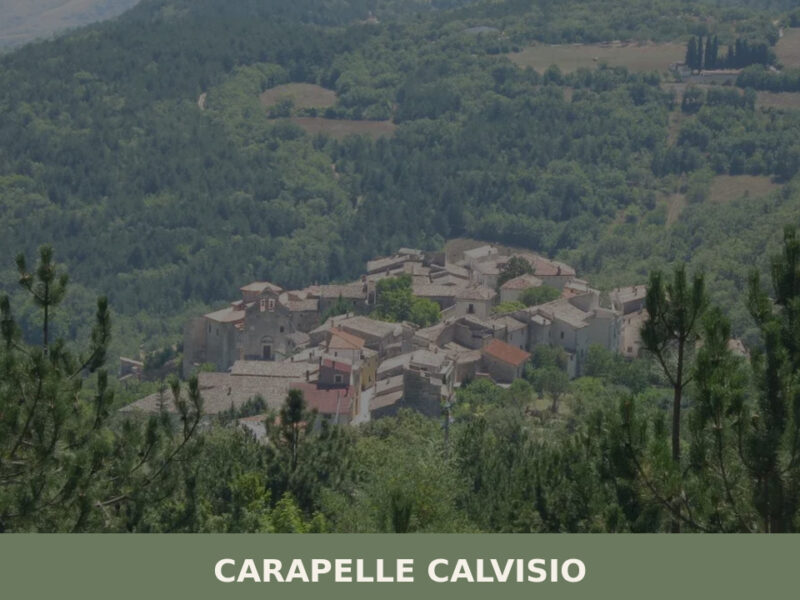
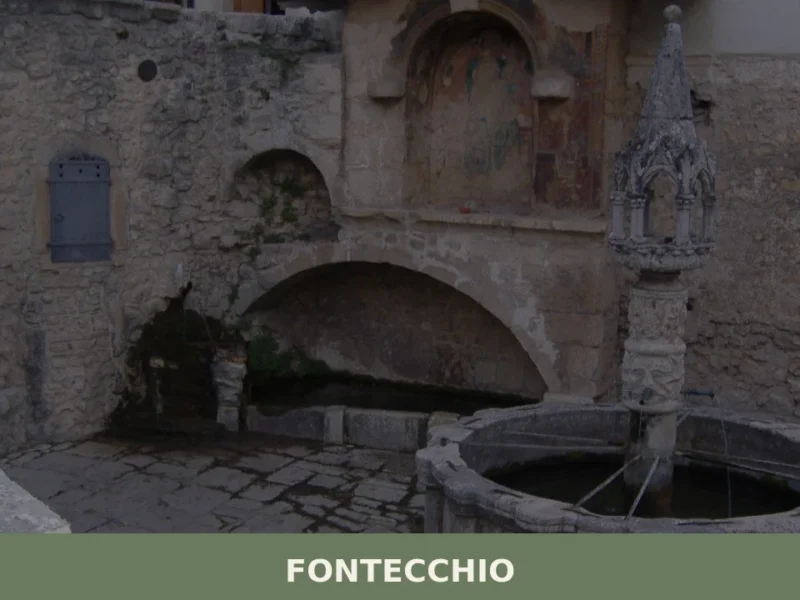
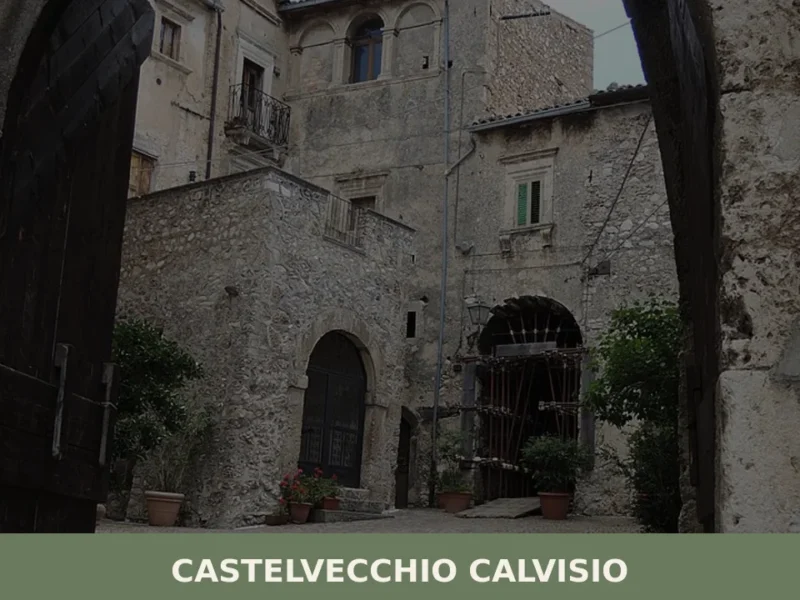
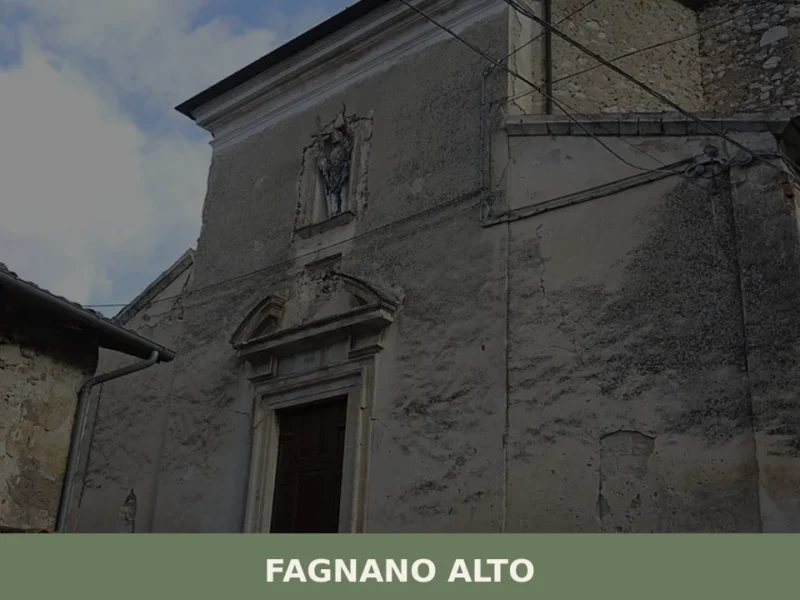
📷 Photo Gallery — Caporciano
Nearby Villages near Caporciano
In Abruzzo More villages to discover
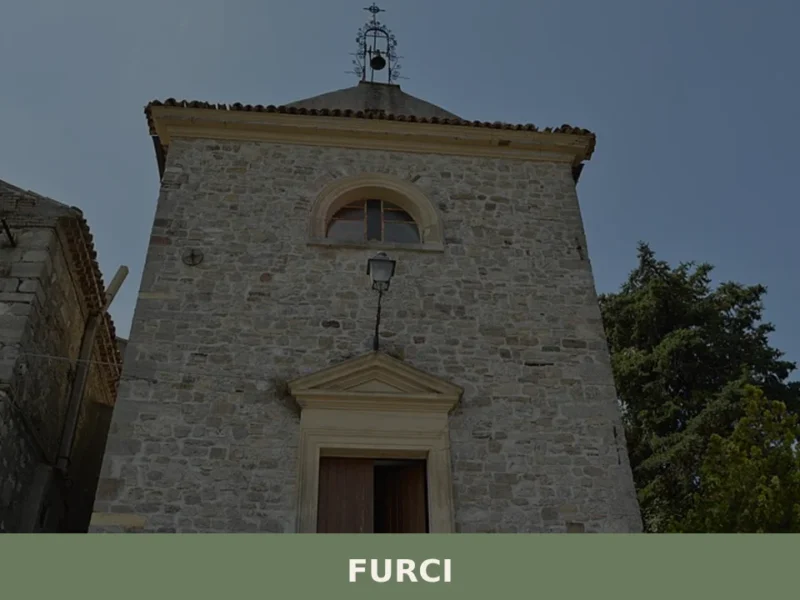
Furci
 Hills
Hills
Furci has 806 inhabitants and sits at 550 metres above sea level, along the hill ridge that separates the Sinello valley from the Treste stream valley, in the southern part of the province of Chieti. Anyone looking into what to see in Furci will find a compact urban centre, organised around the main church and […]
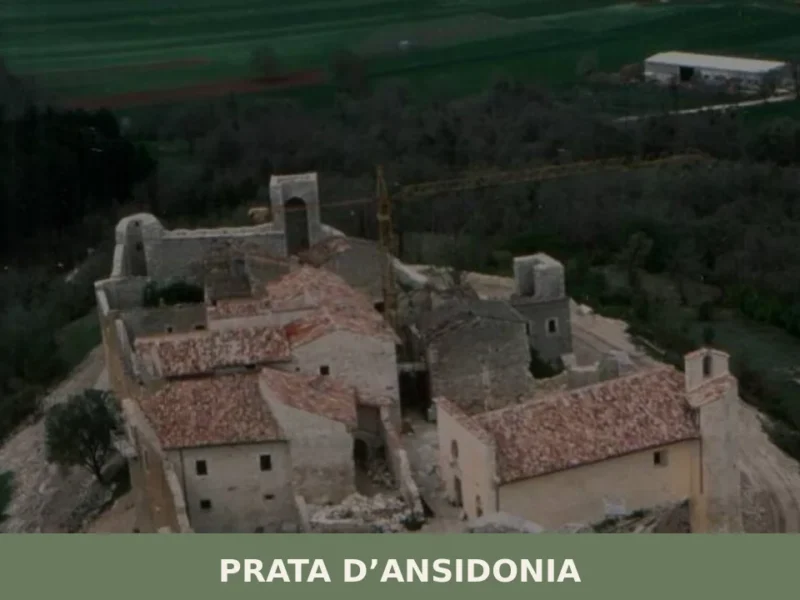
Prata d’Ansidonia
 Mountain
What to see in Prata d’Ansidonia? Discover the 5 must-see historic attractions of this village in Abruzzo. Plan your visit and immerse yourself in local history.
Castelvecchio Subequo
Hills
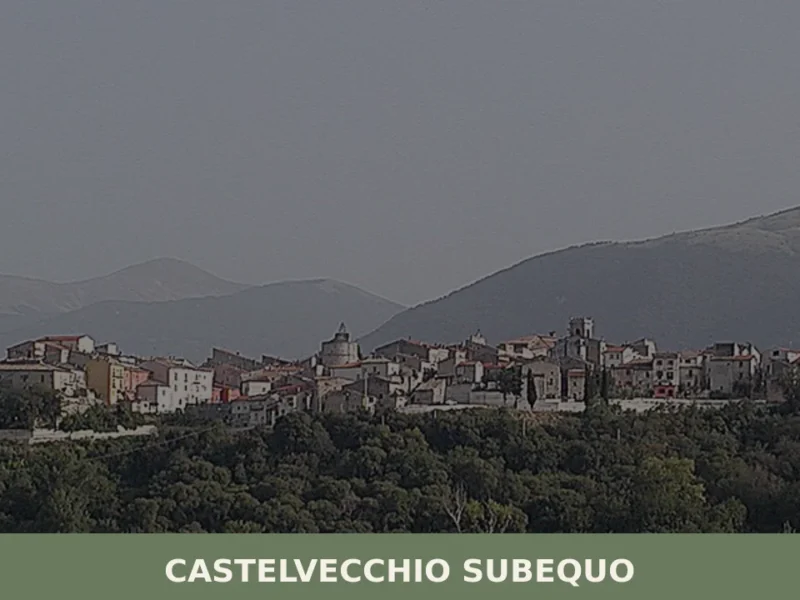
The convent of San Francesco in Castelvecchio Subequo preserves a cycle of fourteenth-century frescoes attributed to painters of the Giottesque school, among the few surviving examples in the central Apennine area. This fact alone is enough to justify a detour from the nearby A25 motorway towards a town of 832 inhabitants, at 490 metres above […]
Carpineto Sinello
Hills
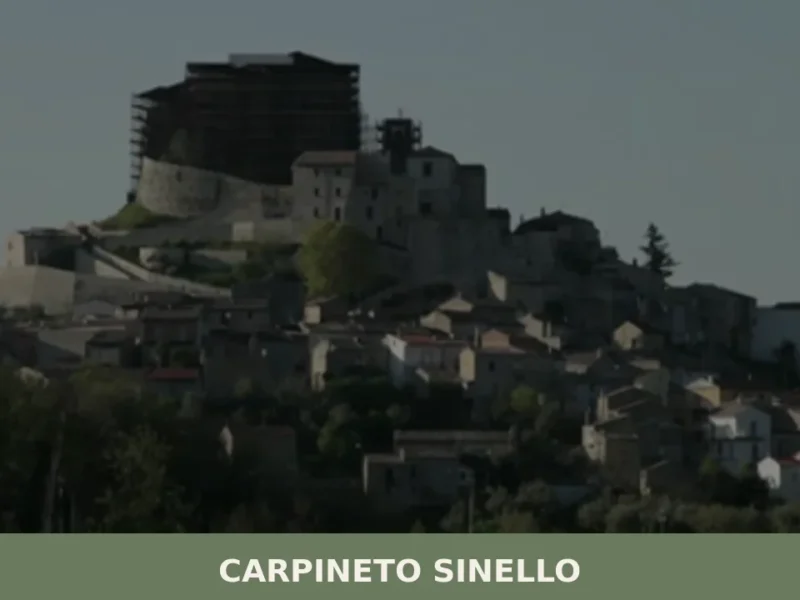
At 381 metres above sea level, on the ridge line separating the Sinello valley from the Appello stream valley, Carpineto Sinello has just 480 inhabitants today — less than a fifth of the nearly two thousand recorded in early twentieth-century censuses. The demographic data tells the story of a hilltop centre in the Chieti area […]
Torano Nuovo
 Sea
Sea
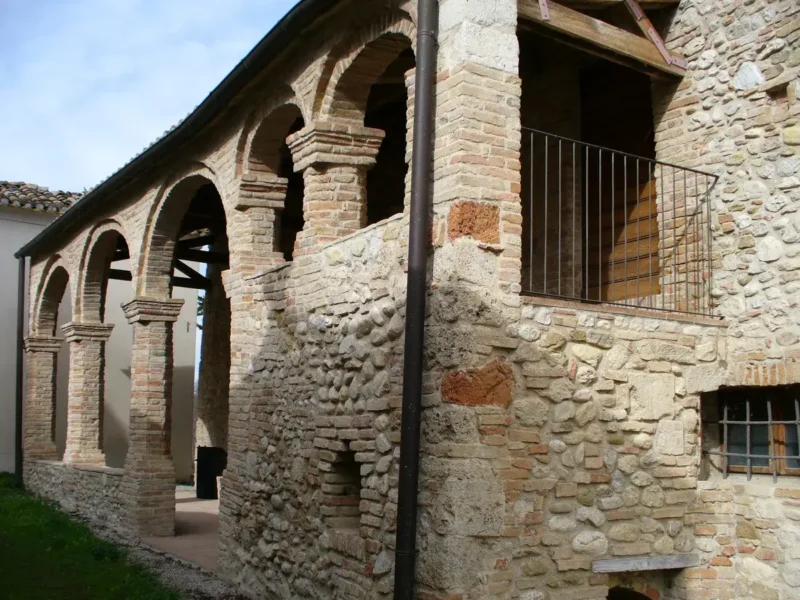
Torano Nuovo, a hillside village in Abruzzo's Val Vibrata, invites travelers to discover an authentic Abruzzo where history intertwines with daily life.
L’Aquila
 Lake
Mountain
Lake
Mountain
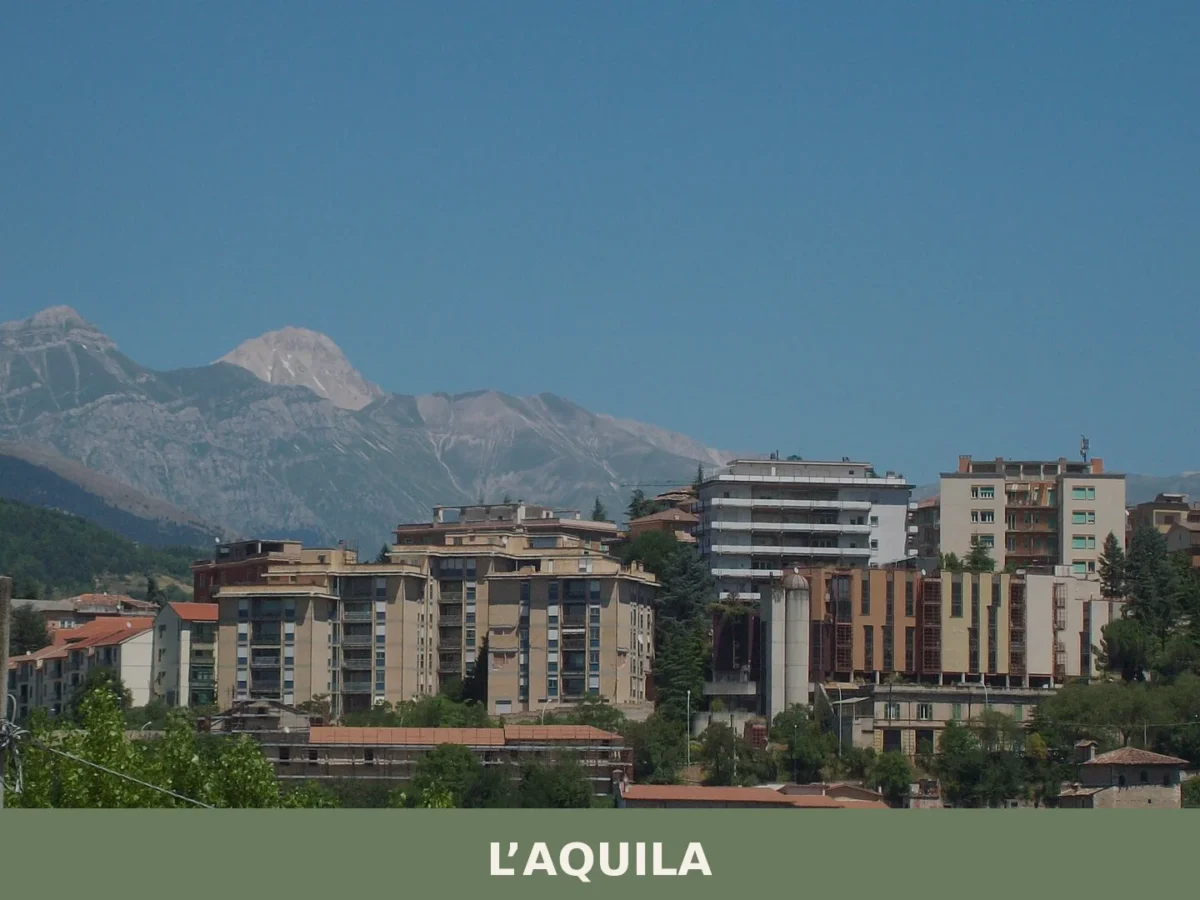
L'Aquila is the mountain capital of Abruzzo, a city of medieval origins, Roman heritage and the UNESCO-listed Perdonanza Celestiniana, set at 721 metres amid the Gran Sasso and Sirente-Velino peaks.
Liscia
Mountain
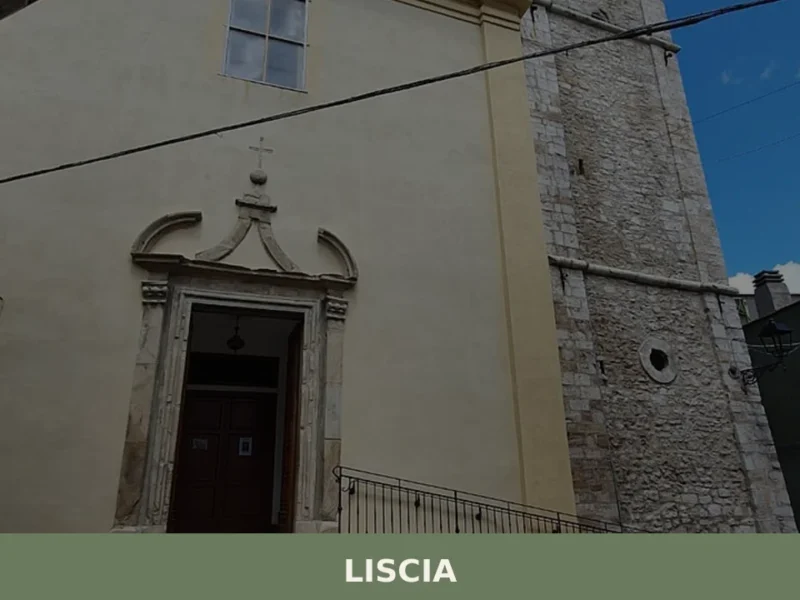
What to see in Liscia: 642 residents, alt. 740 m. Discover Saint Michael's Church and arrosticini! Explore history and cuisine.
Alba Adriatica
Sea
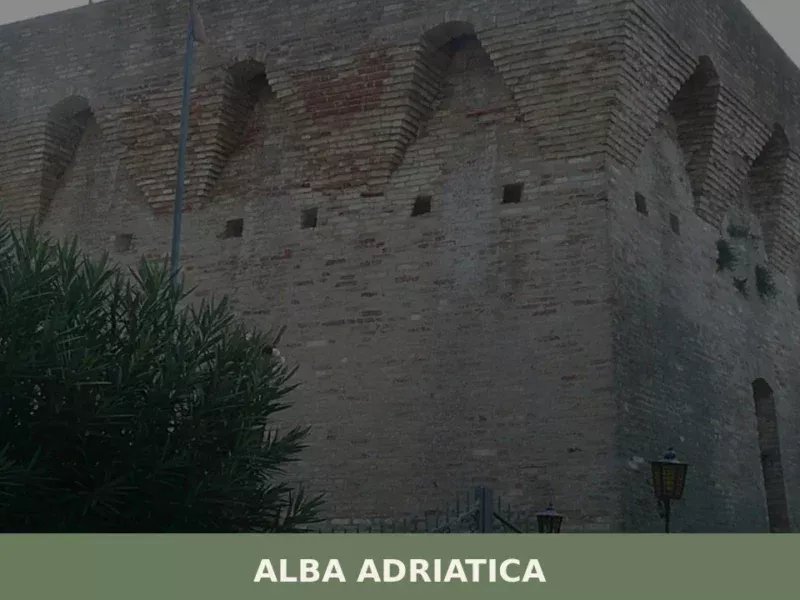
Until 1956, this locality did not exist as an independent municipality: it was a hamlet of Tortoreto, known as Tortoreto Stazione because of the railway stop on the Adriatic line. The administrative separation created a coastal town that today has 12,760 inhabitants spread across a territory sitting just 5 metres above sea level. Understanding what […]
Roccaspinalveti
Mountain
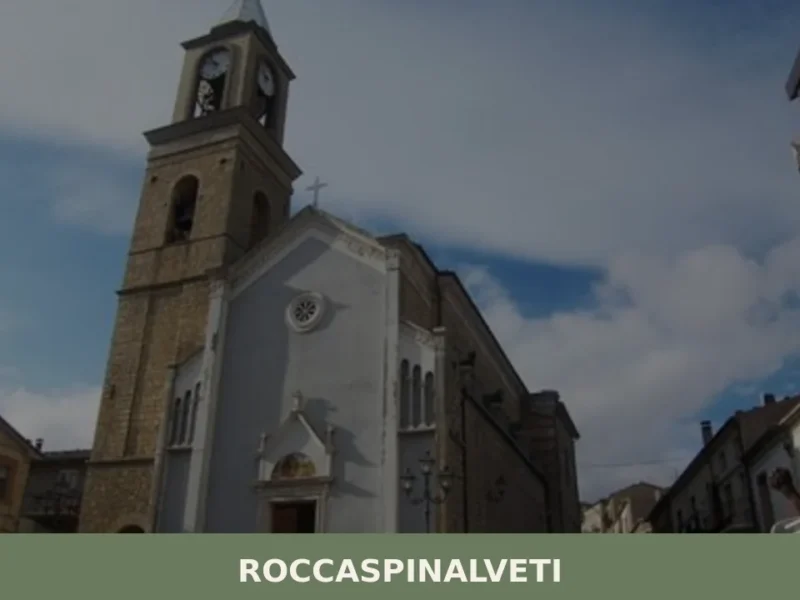
Roccaspinalveti emerges in the Abruzzo landscape as a place of quiet resilience, its current form a testament to a community's determination to rebuild and thrive.
Capestrano
Hills
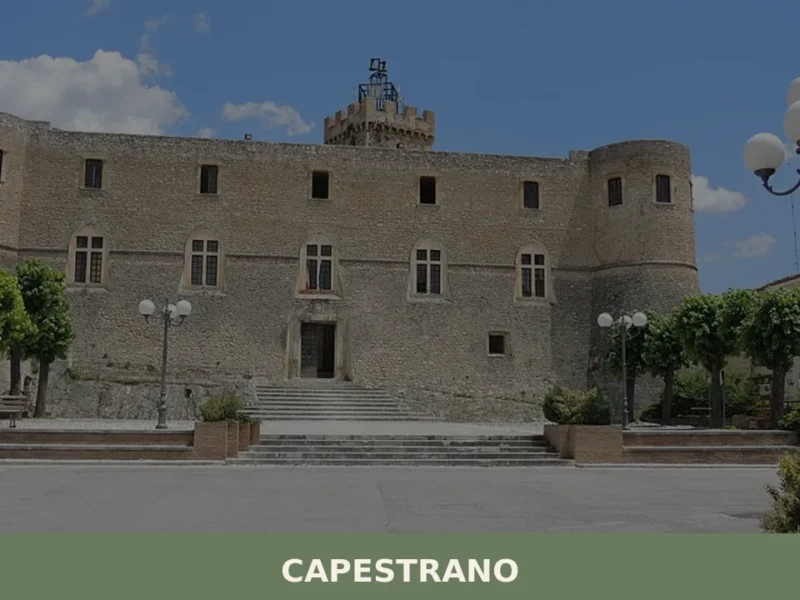
Capestrano is a historic mountain commune of 810 people in the Tirino valley, province of L'Aquila, Abruzzo, known for the 1934 discovery of the Warrior of Capestrano and for its Franciscan and mediev

🏡 Know Caporciano better than we do?
If you’re a local or have been there, your knowledge matters: add what’s missing or fix a detail on this page.