


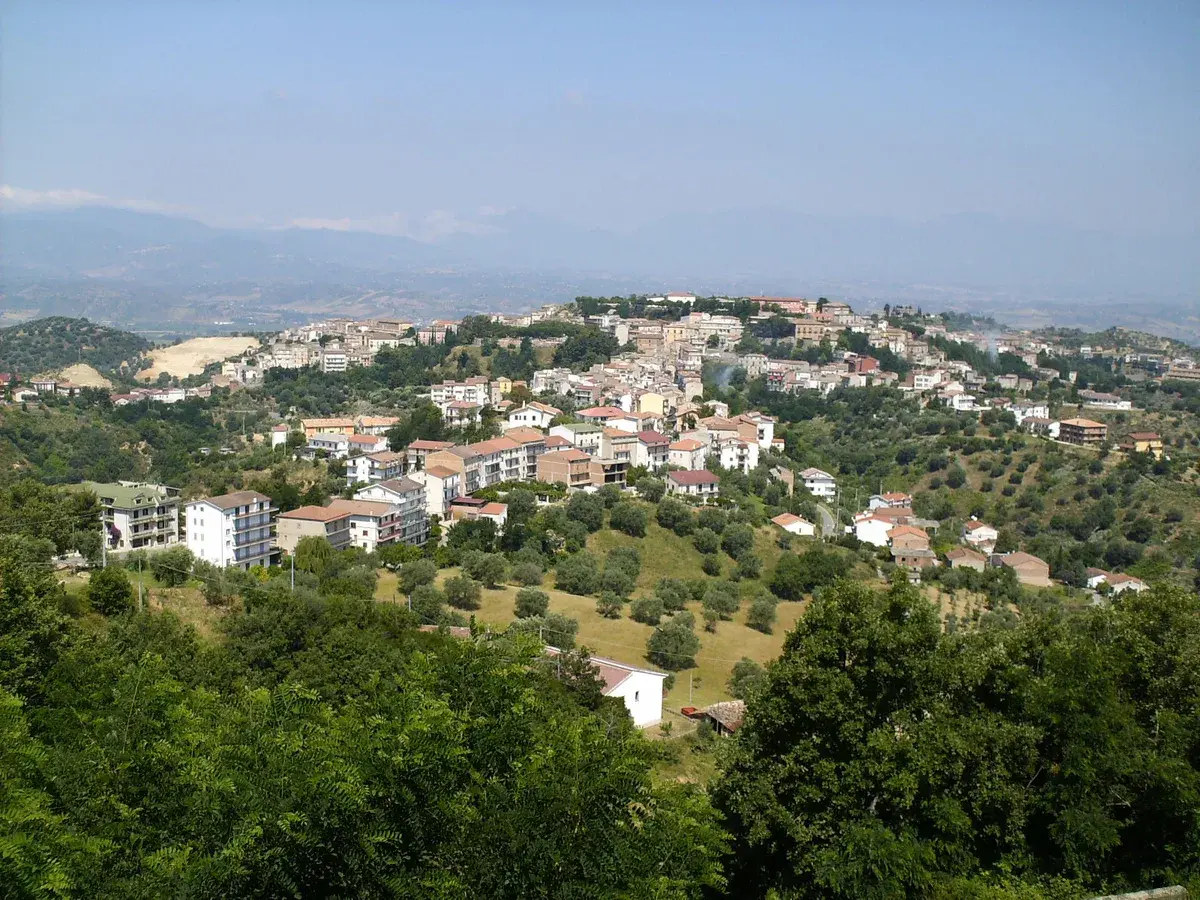
Bisignano
What to see in Bisignano: Discover 5 top attractions. This village (pop. 9,501) features the Ducal Castle and Sant’Umile Sanctuary for rich history.
Discover Bisignano
Bisignano, a historic town in the province of Cosenza in Calabria, stands out for its millennial history and the presence of important architectural testimonies that tell its past.
Founded on a hill at 350 m above sea level, the locality has been a crossroads of cultures and dominations, from the Bruttian people to the Romans, from the Byzantines to the Normans, up to the feudal lords who shaped its appearance.
For those wondering what to see in Bisignano, the village offers a fascinating itinerary between the Ducal Castle and the Sanctuary of Saint Umile, landmarks that attract visitors interested in culture and spirituality.
History and Origins of Bisignano
The roots of Bisignano sink deep into a remote past, presumably in the Bruttian era, when the territory was inhabited by indigenous populations who exploited the strategic position of the hill.
Subsequently, the settlement gained importance in Roman times under the name of Besidianum, as attested by various historical sources and archaeological finds discovered in the area. During this period, the city developed as a crucial point for controlling the Crati Valley, consolidating its function as an agricultural center and a link between the different areas of the region.
With the fall of the Western Roman Empire, Bisignano came under Byzantine rule, an era that left a significant imprint on local culture and traditions, particularly in religious architecture and social organization.
During the 11th century, the Normans conquered Calabria, integrating Bisignano into their feudal system and building or strengthening the famous castle that still dominates the landscape today.
This period saw the village elevated to the seat of a county, acquiring prestige and power thanks to the Sanseverino family, who for centuries exerted a decisive influence on the life of the community and its urban development.
The modern age brought further changes, with Bisignano remaining a significant center despite suffering the effects of earthquakes and political changes that affected the Kingdom of Naples.
The village has preserved, despite the transformations, its medieval layout characterized by narrow alleys and houses built close together, which bear witness to its historical stratification and the resilience of its people.
Religious devotion, particularly towards Saint Umile of Bisignano, has continued to forge the identity of the place, making it a spiritual and cultural landmark throughout Calabria, a context that partly recalls the history of Aiello Calabro, also rich in historical stratifications and feudal dominations.
What to See in Bisignano: Main Attractions
Bisignano’s historical and cultural richness manifests itself through its monuments and most evocative corners, offering visitors a journey that combines art, faith, and breathtaking views.
For those wondering about what to see in Bisignano, the village holds surprises at every turn, from imposing defensive architectures to places of worship that preserve centuries of devotion.
Each attraction represents a chapter in the city’s long history, inviting careful and in-depth discovery.
Sanseverino Ducal Castle
The Sanseverino Ducal Castle is undoubtedly one of Bisignano’s most recognizable symbols, strategically positioned atop the hill that dominates the entire Crati Valley.
Its origins date back to the Norman period, around the 11th century, although the current structure is the result of subsequent modifications and enlargements, particularly those commissioned by the powerful Sanseverino family, who made it their main residence and center of feudal power.
The imposing fortress, with its robust walls and guard towers, served not only for defensive purposes but also to display the grandeur and authority of the local lords.
Today, although partly altered, the castle retains its historical charm and offers an unparalleled panoramic view over the rooftops of the village and the surrounding landscape. Visitors can walk along the ancient battlements and admire the external structure, imagining the life that unfolded within its walls during the Middle Ages and the Renaissance.
Although full access to the interiors may vary, the mere presence of the castle is a powerful draw for history enthusiasts and lovers of military architecture, making it a fundamental stop for anyone wishing to understand Bisignano’s historical evolution.
Sanctuary of Saint Humilis of Bisignano
The Sanctuary of Saint Humilis of Bisignano is a place of profound spirituality and a landmark for the faithful and pilgrims who come to the city.
Dedicated to Francesco Antonio Pirozzo, better known as Saint Humilis, born in Bisignano in 1582 and canonized in 1972, the sanctuary houses the saint’s remains and celebrates his life and works. The church, built over centuries, features architectural elements reflecting different eras, with a prevalence of Baroque styles, added to enrich the structure and make it worthy of the saint’s veneration.
Inside, visitors can admire frescoes, sacred artworks, and relics that tell the story of Saint Humilis and the devotion surrounding him.
The structure also includes an annexed convent, where the saint lived and worked, and a museum displaying objects related to his life and the history of the Franciscan order in Bisignano.
A visit to the sanctuary offers a contemplative experience, allowing one to delve deeper into the figure of one of Calabria’s most revered saints and to appreciate the sacred art that embellishes this important place of worship.
Cathedral of Santa Maria Assunta (Our Lady of the Assumption)
The Cathedral of Santa Maria Assunta stands in the heart of Bisignano’s historic center, bearing witness to its long ecclesiastical history as an episcopal see.
The sacred building boasts ancient origins, with its first construction likely dating back to the Byzantine era, but it has undergone numerous reconstruction and restoration interventions over the centuries, particularly after devastating earthquakes that struck the region.
The current facade and much of the interior structure reflect the Baroque style, characterized by sumptuous decorations and marble altars, typical of religious architecture in Southern Italy between the 17th and 18th centuries.
Inside, the cathedral features a Latin cross plan and richly decorated naves, housing several side chapels and valuable artworks, including paintings, wooden sculptures, and sacred furnishings.
Visitors can observe the high altar, the choir, and the canvases depicting biblical scenes and episodes from the lives of saints, elements that contribute to creating an atmosphere of solemnity and beauty. The cathedral is not only a place of worship but also an important guardian of Bisignano’s historical and artistic memory, and its visit is essential for anyone wishing to explore the cultural heritage of the village.
Church of San Domenico
The Church of San Domenico, with its annexed convent, represents another significant religious and architectural complex in Bisignano.
Founded in the 13th century by the Dominican Fathers, the church has undergone various construction and restoration phases, yet maintaining its original layout which blends Gothic elements with subsequent Baroque additions.
Its location, slightly set apart from the oldest core, makes it an easily accessible point of interest, offering a further perspective on the artistic and spiritual richness of the village.
The interior of the Church of San Domenico is characterized by a single nave, with side chapels housing altars dedicated to various
Here, visitors can admire paintings of remarkable craftsmanship, wooden sculptures, and frescoes that adorn the vaults and walls, testifying to the skill of the artists who worked here over the centuries. The adjacent convent, once a center for study and prayer, preserves a cloister that invites reflection, offering a moment of peace. This complex is an important stop for those wishing to deepen their understanding of Bisignano’s diverse artistic and religious expressions.
The Historic Center and its Alleyways
Strolling through Bisignano’s historic center is an experience that allows one to fully immerse themselves in the village’s atmosphere, discovering a labyrinth of paved alleyways and small squares that open up unexpectedly.
This part of the town preserves its medieval layout intact, with houses leaning against each other, often built from local stone, following the irregular contours of the terrain.
Every corner reveals architectural details such as stone portals, flower-filled balconies, and small votive shrines, elements that recount the daily life and traditions of the inhabitants over the centuries.
Exploring the historic center also means admiring the various perspectives that open up onto the surrounding landscape, with glimpses of the Ducal Castle and the valleys below.
During the walk, you’ll encounter artisan workshops that keep ancient local traditions alive and small churches that dot the urban fabric, each with its own history and peculiarities.
This exploration is one of the main activities for those looking for what to see in Bisignano, offering an authentic and detailed vision of its identity, very similar to the experience one can have visiting Bianchi, another Calabrian village where alleyways and historic architecture are protagonists.
Typical Cuisine and Products of Bisignano
The gastronomic tradition of Bisignano, like that of much of Calabria, is deeply rooted in peasant and pastoral culture, characterized by the use of simple yet flavorful ingredients, derived from the generosity of the land. Local cuisine reflects the influences of various dominations and the need to create hearty dishes, capable of sustaining work in the fields.
Homemade pasta, legumes, seasonal vegetables, pork, and lamb are the pillars of a diet that has preserved its authenticity over time, passing down recipes that are an expression of Calabrian identity.
Among the typical dishes, one can taste lagane e ceci, a fresh pasta cut into wide strips accompanied by a flavorful chickpea sauce, often seasoned with lard or pancetta.
Another classic is maccarruni al ferretto, a pasta kneaded by hand with an iron rod, seasoned with pork or goat ragù, which enhances the aromas of the Mediterranean scrub and aromatic herbs.
There are also vegetable-based preparations, such as sautéed turnip greens or stuffed eggplants, which often accompany meat main courses, offering a balance of robust and genuine flavors.
Regarding local products, although there are no specific certifications like DOP or IGP for Bisignano, the territory offers raw materials of excellent quality.
Extra virgin olive oil, produced from centuries-old olive groves, is an essential element of the local diet, characterized by a fruity and intense flavor.
Cured meats, such as soppressata, capocollo, and Calabrian sausage, are also produced according to ancient pork processing techniques, dried and aged, and represent a fundamental component of local gastronomy, appreciated for their bold and spicy taste.
Throughout the year, Bisignano and the neighboring villages organize festivals (sagre) and markets where it is possible to taste and purchase these products directly from local producers.
These events, often linked to religious or seasonal festivities, offer an opportunity to immerse oneself in the local gastronomic culture, discovering the freshness of the ingredients and the passion with which the dishes are prepared.
The autumn season is particularly rich in opportunities to taste local produce, such as mushrooms and chestnuts, which further enrich the culinary offerings.
Festivals, Events, and Traditions of Bisignano
The cultural and social life of Bisignano is marked by a rich calendar of festivals and events that reflect deep religious devotion and a strong connection to popular traditions.
The culmination of celebrations is reached on November 26, the day dedicated to the patron saint’s feast in honor of Saint Humilis of Bisignano, the Franciscan friar born in the city and canonized in the 20th century. Alongside this figure of great spirituality, Saint Francis of Paola is revered as co-patron, whose feast day is also celebrated with heartfelt participation.
The patron saint’s feast is an event that involves the entire community and attracts numerous faithful from neighboring towns as well.
The celebrations include solemn processions that pass through the streets of the historic center, accompanied by musical bands and the participation of local brotherhoods. Moments of prayer alternate with folkloric demonstrations and cultural events that enliven the squares.
The day often concludes with fireworks displays that illuminate the night sky, creating an atmosphere of joy and sharing that unites the sacred and the profane.
These traditions are a key element for anyone wanting to experience the authenticity of the place.
When to visit Bisignano and how to get there
Bisignano offers a pleasant visiting experience in different seasons, but the best time to explore the village and fully enjoy its beauty is spring (April-June) or early autumn (September-October). During these months, the climate is mild and temperatures are ideal for strolling through the narrow streets of the historic center, visiting monuments, and admiring the surrounding landscape without the intense summer heat.
Spring, in particular, offers lush and flourishing nature, while autumn provides the warm colors of the foliage and the opportunity to participate in festivals celebrating local produce. Summer can be hot, but evening events and the possibility of reaching the Calabrian coasts quickly still make it attractive.
The winter months, although colder, can offer a more intimate and contemplative atmosphere, especially during the Christmas holidays.
To reach Bisignano, located in the province of Cosenza, various means of transport can be used.
Those arriving by car can take the A2 Mediterranean Motorway (formerly A3 Salerno-Reggio Calabria) and take the Tarsia Nord exit, then continue on State Road 19 and subsequently on Provincial Road 244 towards Bisignano for about 20-25 km. Alternatively, you can opt for the Altomonte exit and follow the signs. For those who prefer the train, the nearest railway station is Cosenza, which is about 30 km away.
From Cosenza, it is possible to continue to Bisignano using local bus services, which offer regular connections.
The most convenient airport to reach the area is Lamezia Terme International Airport (SUF), about 90 km away, from which you can rent a car or use transfer services that take you directly to Bisignano.
It is advisable to consult the official website of the Municipality of Bisignano for updated information on local events and transport.
To best plan your trip and understand what to see in Bisignano, it is useful to consider the distances and travel times from the main access points:
| Starting point | Distance | Estimated time |
|---|---|---|
| Cosenza | 30 km | 40 minutes |
| Lamezia Terme Airport (SUF) | 90 km | 1 hour and 15 minutes |
| A2 Tarsia Nord exit | 20 km | 25 minutes |
Where to stay in Bisignano
Bisignano, with its tranquil atmosphere and rich heritage, offers various accommodation options, allowing visitors to choose the solution that best suits their needs.
In the village and its immediate surroundings, you can find welcoming bed & breakfasts, often housed in renovated historic buildings, offering an authentic experience and warm hospitality.
These establishments allow you to live in close contact with local culture, enjoying breakfasts featuring local products and relishing the tranquility of the historic center.
Some of these B&Bs are located in panoramic positions, with views of the surrounding valley.
For those who prefer a more direct contact with nature and the Calabrian agricultural tradition, the countryside around Bisignano offers farmhouses (agriturismi) where it is possible to stay and, in some cases, taste dishes prepared with locally sourced produce. These structures are ideal for families or for those seeking a peaceful retreat, away from the city hustle and bustle.
Choosing a farmhouse also allows you to easily explore the surroundings and enjoy outdoor activities, such as walks or excursions.
Visitors to Bisignano can extend their itinerary towards Bocchigliero, a village that shares proximity to the inland areas of Sila and offers natural landscapes of considerable interest, or towards Acquappesa, on the Tyrrhenian coast, to combine a visit to the hilltop village with moments of relaxation by the sea.
Photo Gallery of Bisignano
In Calabria More villages to discover
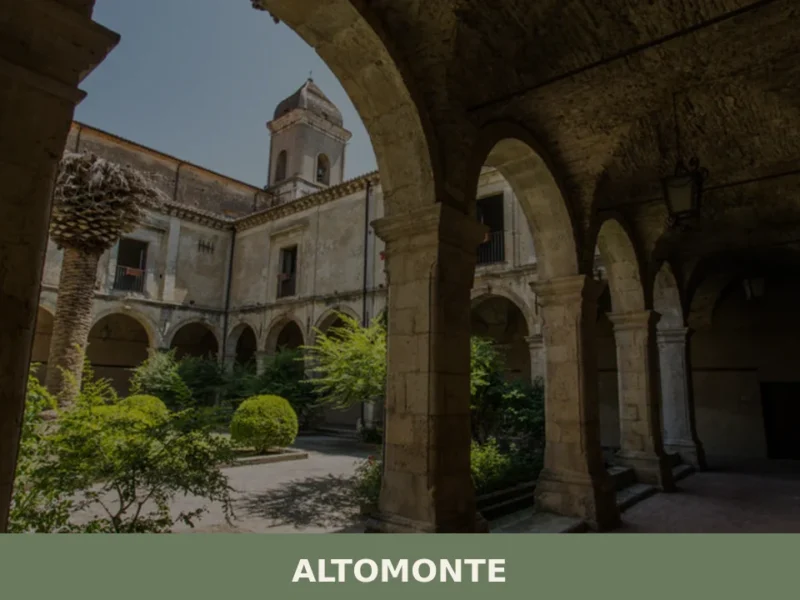
Altomonte
What to see in Altomonte: a hill village at 455m in Calabria with a 14th-century Gothic church, Civic Museum and medieval castle. Plan your visit today.
Amendolara
Explore Amendolara village, a charming Italian gem nestled in Calabria. Discover its rich history, stunning landscapes, and authentic local culture. Plan your visit today!
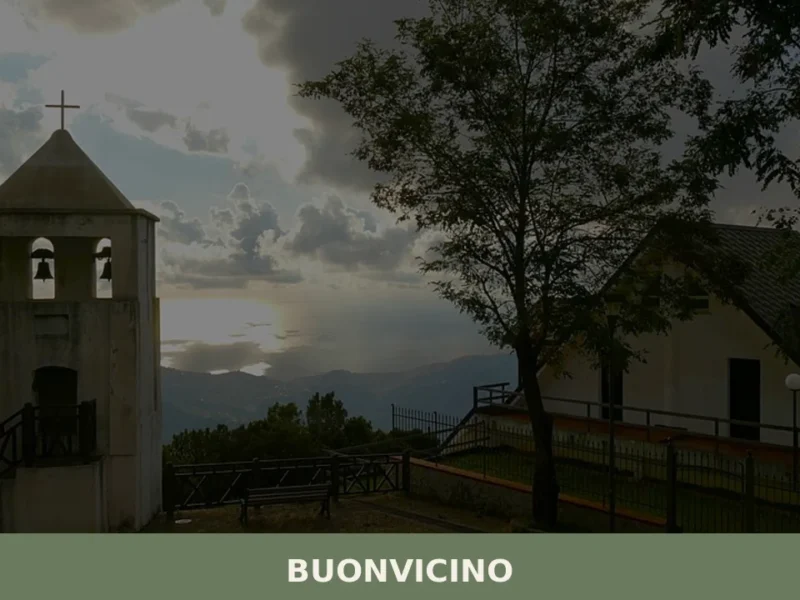
Buonvicino
what to see in buonvicino: Explore this Calabrian village at 400m above sea level. Discover its historic center and traditional cuisine, including homemade pasta.





📝 Incorrect information or updates?
Help us keep the Bisignano page accurate and up to date.