


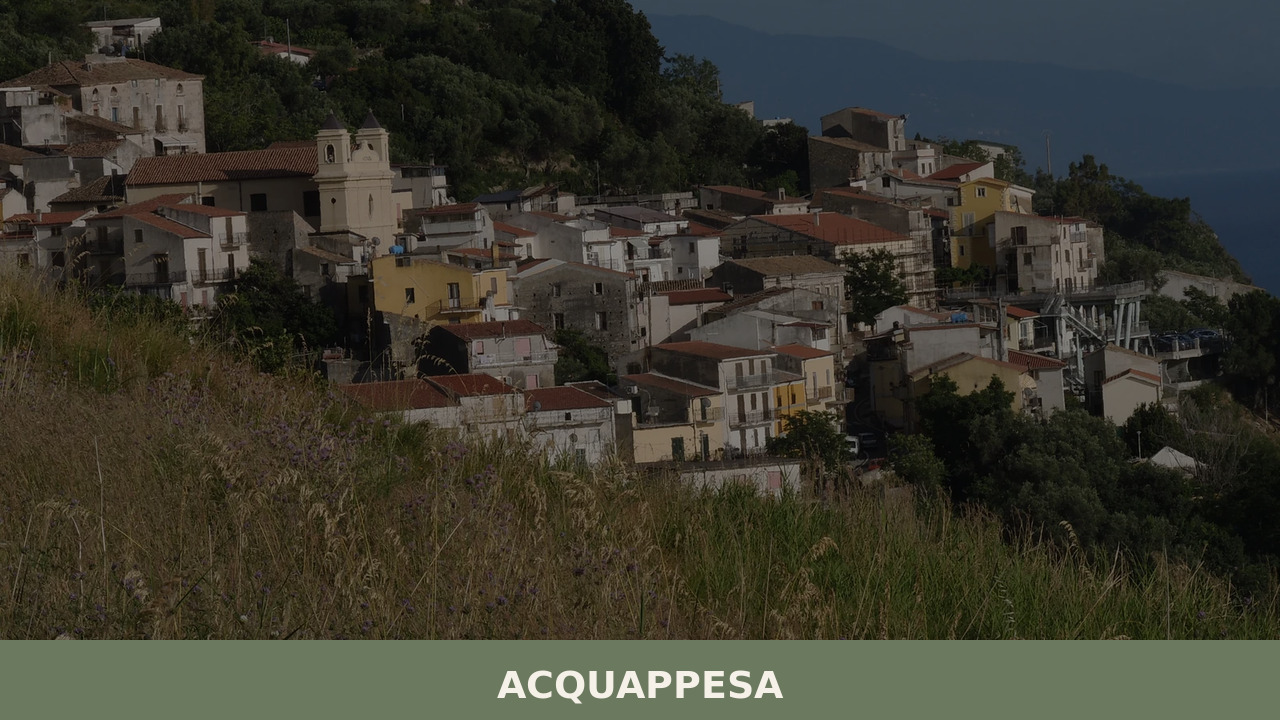
Acquappesa
 Sea
Sea
A Calabrian hill village of 1,737 inhabitants defined by its sulphurous thermal springs, Tyrrhenian coastline, and quiet stone lanes in the province of Cosenza.
Discover Acquappesa
Morning light spills across a terrace café where an elderly man stirs his espresso without hurry, the Tyrrhenian Sea a flat band of silver below the rooftops. Acquappesa sits at 80 metres above sea level in the province of Cosenza, a settlement of just 1,737 people strung along a ridge that drops toward the coast. The air carries salt and wild oregano in equal measure. If you are wondering what to see in Acquappesa, the answer begins here — in the narrow lanes where thermal water has drawn visitors for centuries and the Calabrian interior meets the Mediterranean edge.
History of Acquappesa
The name itself holds a clue: “Acquappesa” almost certainly derives from the Latin aqua pensilis, meaning “hanging water” or “suspended water,” a reference to the thermal springs that cascade down the hillside and have defined the settlement since antiquity. Archaeological traces in the surrounding territory suggest habitation dating to the Greek and Roman periods, when the curative properties of sulphurous waters were already valued. The springs were not merely incidental — they were the reason for the village’s existence, a fixed point around which everything else organised itself.
During the medieval period, the village passed through the hands of various feudal lords who controlled much of the Tyrrhenian Calabrian coast. Like many small centres in the province of Cosenza, Acquappesa endured the cycles of Norman, Swabian, Angevin, and Aragonese rule. Its position — elevated enough for defence, close enough to the sea for trade — gave it a modest strategic value. The parish churches built during this period remain the most tangible evidence of its medieval identity, their stone walls thickened against earthquakes that periodically reshuffled Calabria’s built landscape.
By the 18th and 19th centuries, Acquappesa’s thermal waters attracted renewed scientific and medical interest. The establishment of the Terme Luigiane spa complex, located in the valley between Acquappesa and the neighbouring commune of Guardia Piemontese, brought a degree of fame that the village itself — quiet, agricultural, inward-looking — would never have generated on its own. That tension between the small hill town and its internationally known thermal springs persists to this day.
What to see in Acquappesa: 5 must-visit attractions
1. Terme Luigiane
The sulphurous thermal springs that sit in the valley below the village are among the richest in sulphur content in Europe. The Terme Luigiane complex offers therapeutic mud baths, inhalation treatments, and open-air pools fed by waters reaching temperatures of up to 47°C. The smell of sulphur announces the place before you see it — mineral-laden steam drifting between the eucalyptus trees.
2. Chiesa Madre di San Nicola di Bari
The principal parish church in the historic centre is dedicated to Saint Nicholas of Bari, patron of the village. Its interior preserves modest Baroque-era decorations and a quiet dignity typical of Calabrian rural churches. The façade, rebuilt after seismic damage over the centuries, faces a small piazza that still functions as the village’s social nucleus on summer evenings.
3. The Historic Centre
Acquappesa’s old quarter is a compressed grid of stone houses, external staircases, and passageways narrow enough that neighbours could pass objects between facing windows. Wrought-iron balconies hold ceramic pots of basil and chilli peppers. The built fabric is unpretentious and largely unrestored, which gives it an authenticity that more famous Calabrian hilltowns have traded away.
4. The Tyrrhenian Coast at Acquappesa Marina
Below the hill village, the coastal fraction offers a strip of sandy and pebbly beach backed by low cliffs. The water is clean and the shoreline uncrowded outside August. Small fishing boats are still pulled onto the sand each morning. A coastal road connects the marina to longer stretches of beach to the north and south, with rocky coves accessible on foot.
5. The Thermal Valley Trail
A footpath descends from the village through Mediterranean scrub — myrtle, lentisk, and wild fig — toward the thermal springs in the valley. The walk takes roughly thirty minutes and passes natural sulphur vents where the earth itself seems to exhale. It is the simplest way to understand the geography that connects the hilltop settlement to the waters that gave it its name.
Local food and typical products
The kitchen here follows the logic of the Tyrrhenian Calabrian coast: sardines preserved in salt and chilli, hand-rolled pasta shapes like fileja dressed with nduja or slow-cooked goat ragù, and wild greens foraged from the hillsides. Acquappesa sits within the production zone of Calabria’s celebrated DOP products, including Capocollo di Calabria and Soppressata di Calabria — cured pork preparations seasoned with local peperoncino that carry a slow, building heat. Figs, both fresh and dried, appear throughout the year, sometimes stuffed with walnuts and coated in chocolate during the Christmas period.
Dining options in the village itself are limited to a handful of family-run trattorie and agriturismi in the surrounding countryside, where the menu changes according to what is available. Near the Terme Luigiane, a few restaurants cater to spa visitors with slightly broader offerings, but the best meals tend to be the simplest — a plate of roasted peppers, a round of local bread baked in a wood-fired oven, sheep’s milk cheese aged in caves above the thermal valley. Wines from the broader Calabrian appellations, particularly Cirò rosso, accompany most meals.
Best time to visit Acquappesa
The thermal season at Terme Luigiane typically runs from June to November, and this determines much of the village’s rhythm. July and August bring the highest concentration of visitors, particularly Italian families who combine spa treatments with beach time at the marina. For a quieter experience, late May through June and September through early October offer warm weather, open facilities, and a pace that allows the village to remain itself. The sea is swimmable from late May until mid-October, with water temperatures peaking in August.
Acquappesa’s patron saint feast — the Festa di San Nicola — provides a window into local religious and civic tradition, with processions, communal meals, and evening celebrations in the piazza. Winters are mild by European standards but quiet; most tourist infrastructure operates on a reduced schedule or closes entirely. Average temperatures in January hover around 10°C, while summer highs regularly exceed 30°C. Rainfall concentrates between November and March, leaving the long summer essentially dry.
How to get to Acquappesa
By car, Acquappesa is reached via the A2 Autostrada del Mediterraneo (the main motorway running the length of Calabria). Exit at the Falerna or Cosenza junctions and follow the SS18 coastal road northward along the Tyrrhenian coast. From Cosenza, the drive takes approximately 50 minutes covering roughly 60 kilometres. From Lamezia Terme — where the nearest major airport, Lamezia Terme International (SUF), is located — the drive is about 70 minutes heading north along the coast.
Regional trains on the Trenitalia line connecting Paola to the south stop at small coastal stations near Acquappesa, though service is infrequent and a car remains the most practical option. The town of Paola, a larger rail hub with connections to Naples and Rome, lies approximately 20 kilometres to the south. From Naples, the total driving distance is around 300 kilometres, a journey of roughly three and a half hours. From Reggio Calabria at the southern tip of the region, Acquappesa is approximately 230 kilometres north.
More villages to discover in Calabria
The Tyrrhenian coast north and south of Acquappesa holds a sequence of small communities, each with its own character. Immediately to the north, Guardia Piemontese preserves an extraordinary linguistic heritage — its inhabitants are descendants of Waldensian refugees from Piedmont who settled here in the 13th century, and a variant of Occitan is still spoken by a handful of elderly residents. The village shares administrative responsibility for the Terme Luigiane complex and offers a compelling parallel history of migration, persecution, and cultural survival.
To the south, the landscape shifts as the coast curves toward the Paola promontory. Fiumefreddo Bruzio clings to a dramatic hilltop above the sea, its medieval castle ruins and mural-painted streets earning it a place among Italy’s Borghi più belli. Together with Acquappesa, these villages form a loose constellation along the upper Tyrrhenian Calabrian coast — close enough to visit in a single day, distinct enough to reward separate attention.
Frequently asked questions about Acquappesa
What is the best time to visit Acquappesa?
The ideal window is late May through June or September through early October: the Tyrrhenian sea is swimmable, the Terme Luigiane are open, and crowds are manageable. July and August are busiest, with Italian families combining spa treatments and beach days at Acquappesa Marina. The patron saint feast of Santa Maria del Rifugio falls on 2 July, offering a glimpse into local tradition with processions and celebrations in the piazza. The thermal season runs June to November; winter is mild (around 10°C in January) but most tourist facilities operate on reduced schedules or close entirely.
What are the historical origins of Acquappesa?
The village name almost certainly derives from the Latin aqua pensilis, meaning 'suspended' or 'hanging water', a direct reference to the thermal springs that cascade down the hillside and attracted settlement since antiquity. Archaeological evidence in the surrounding territory points to Greek and Roman-era habitation. Through the medieval period Acquappesa passed under Norman, Swabian, Angevin, and Aragonese rule — its elevated position offering modest defensive value. By the 18th and 19th centuries, renewed scientific and medical interest in the sulphurous springs led to the creation of the Terme Luigiane complex, establishing the village's lasting identity.
What to see in Acquappesa? Main monuments and landmarks
The five main attractions are: the Terme Luigiane, one of Europe's most sulphur-rich thermal complexes offering mud baths, inhalation treatments, and pools up to 47°C (open June–November); the Chiesa Madre di San Nicola di Bari, a Baroque-era parish church at the heart of the historic centre; the compact old quarter with its stone houses and wrought-iron balconies; Acquappesa Marina, a quiet Tyrrhenian beach with fishing boats still drawn onto the sand each morning; and the Thermal Valley Trail, a 30-minute footpath through Mediterranean scrub connecting the village to the springs below.
What are the main natural or scenic attractions of Acquappesa?
The Thermal Valley Trail is the most documented natural itinerary: a 30-minute descent from the village through Mediterranean scrub — myrtle, lentisk, and wild fig — passing natural sulphur vents before reaching the springs in the valley below. The Tyrrhenian coastline at Acquappesa Marina offers sandy and pebbly beaches with clean water and rocky coves accessible on foot. The hillside position at 80 metres above sea level places the village at the intersection of coastal and interior Calabrian landscapes, with views across the Tyrrhenian Sea from the upper lanes of the historic centre.
Where to take the best photos in Acquappesa?
The most rewarding vantage points are in the upper lanes of the historic centre, where the ridge position at 80 metres provides open views over the Tyrrhenian Sea — particularly striking at dawn when morning light catches the water. The narrow passageways of the old quarter, with their wrought-iron balconies and ceramic pots of basil and chilli, offer strong architectural detail shots. Along the Thermal Valley Trail, the sight of mineral-laden steam drifting between eucalyptus trees above the sulphur vents creates an atmospheric and unusual landscape photograph.
Are there museums, churches or historic buildings to visit in Acquappesa?
The principal religious building is the Chiesa Madre di San Nicola di Bari in the historic centre, preserving Baroque-era decorations inside a façade rebuilt after successive seismic events; the small piazza in front remains the social hub of village life on summer evenings. The historic centre itself functions as an open-air architectural document: stone houses, external staircases, and narrow passageways form a largely unrestored medieval urban fabric. No dedicated municipal museum is documented for the village. Specific visiting hours for the church are not publicly listed; access is typically possible during morning and late-afternoon hours.
What can you do in Acquappesa? Activities and experiences
The primary activities are thermal wellness at the Terme Luigiane — mud baths, inhalation treatments, and open-air sulphur pools (open June–November, booking advisable in high season); swimming and sunbathing at Acquappesa Marina, where the sea is accessible from late May to mid-October; the Thermal Valley Trail, a 30-minute walk through Mediterranean scrub to the springs; exploring the unrestored historic centre on foot; and food experiences at family-run trattorie and nearby agriturismi serving seasonal Calabrian dishes. The patron feast of Santa Maria del Rifugio on 2 July adds a local cultural event to the summer calendar.
Who is Acquappesa suitable for? Families, couples, hikers, solo travelers?
Acquappesa suits several visitor profiles. Wellness seekers and couples find the Terme Luigiane ideal for a slow, restorative stay. Families benefit from the combination of safe, uncrowded beaches at Acquappesa Marina and accessible spa facilities, particularly in July and August. Hikers and nature walkers appreciate the Thermal Valley Trail and the Mediterranean scrubland landscape. Food and culture travellers drawn to authentic, unrestored Calabrian village life will find the historic centre rewarding without the crowds of more famous borghi. It is less suited to visitors expecting a wide range of nightlife, museums, or urban amenities.
What to eat in Acquappesa? Local products and specialties
Acquappesa sits within the production zone of two DOP-certified Calabrian cured meats: Capocollo di Calabria and Soppressata di Calabria, both seasoned with local peperoncino. Coastal dishes reflect the Tyrrhenian tradition — salt- and chilli-preserved sardines, and hand-rolled fileja pasta dressed with nduja or slow-cooked goat ragù. Wild foraged greens feature alongside local figs, eaten fresh in summer or dried and stuffed with walnuts during the Christmas period. Meals are served at a handful of trattorie in the village and nearby agriturismi; wines from the Cirò rosso appellation are the standard table accompaniment.
How to get to Acquappesa? Distances, motorway exit, nearest train station
By car: take the A2 Autostrada del Mediterraneo and exit at Falerna or Cosenza, then follow the SS18 Tyrrhenian coastal road. From Cosenza the drive is approximately 50 minutes (60 km); from Lamezia Terme International Airport (SUF), the nearest major airport, allow around 70 minutes heading north along the coast. From Naples the journey is roughly 300 km (3.5 hours); from Reggio Calabria approximately 230 km. By train: regional Trenitalia services on the Paola–south coastal line stop near Acquappesa, but frequency is low and a car is strongly recommended. The main rail hub is Paola, around 20 km to the south, with connections to Naples and Rome.
Nearby Villages near Acquappesa
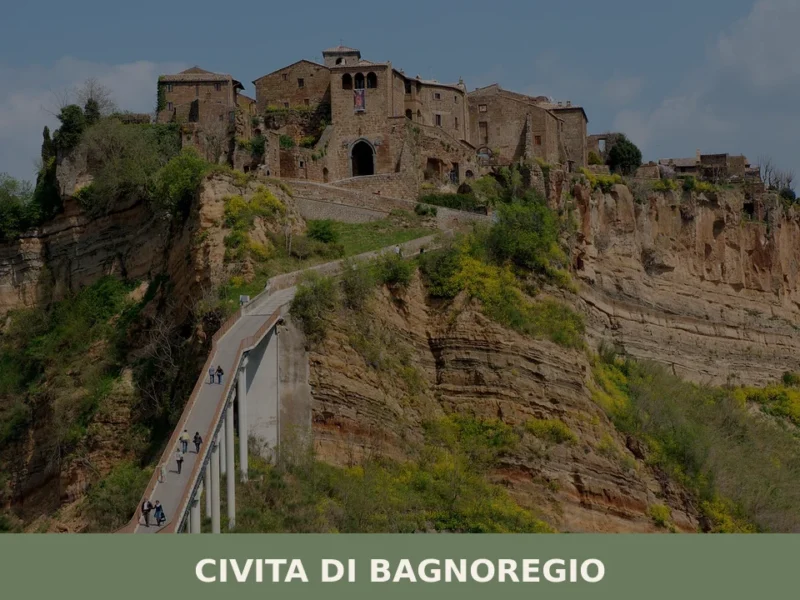

In Calabria More villages to discover
Ardore
Sea
what to see in ardore: Discover Italy with Ardore’s altitude at 250 m, explore scenic landscapes and local festivals in Calabria.
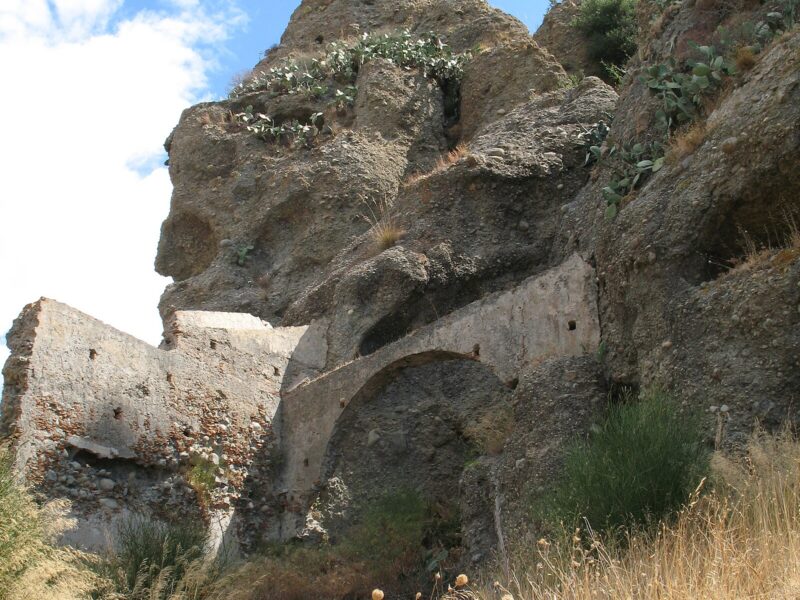
Pentedattilo
 Hills
Hills
What to see in Pentedattilo, Calabria, Italy: a ghost town founded in 640 BC at 250 m altitude. Discover top attractions, history, and how to get there.
Alessandria del Carretto
 Mountain
At 1,000 metres above sea level, on the eastern slope of the Calabrian Pollino, Alessandria del Carretto has just 357 inhabitants today — making it one of the least populated municipalities in the entire province of Cosenza. Its territory falls within the Pollino National Park, and anyone wondering what to see in Alessandria del Carretto […]
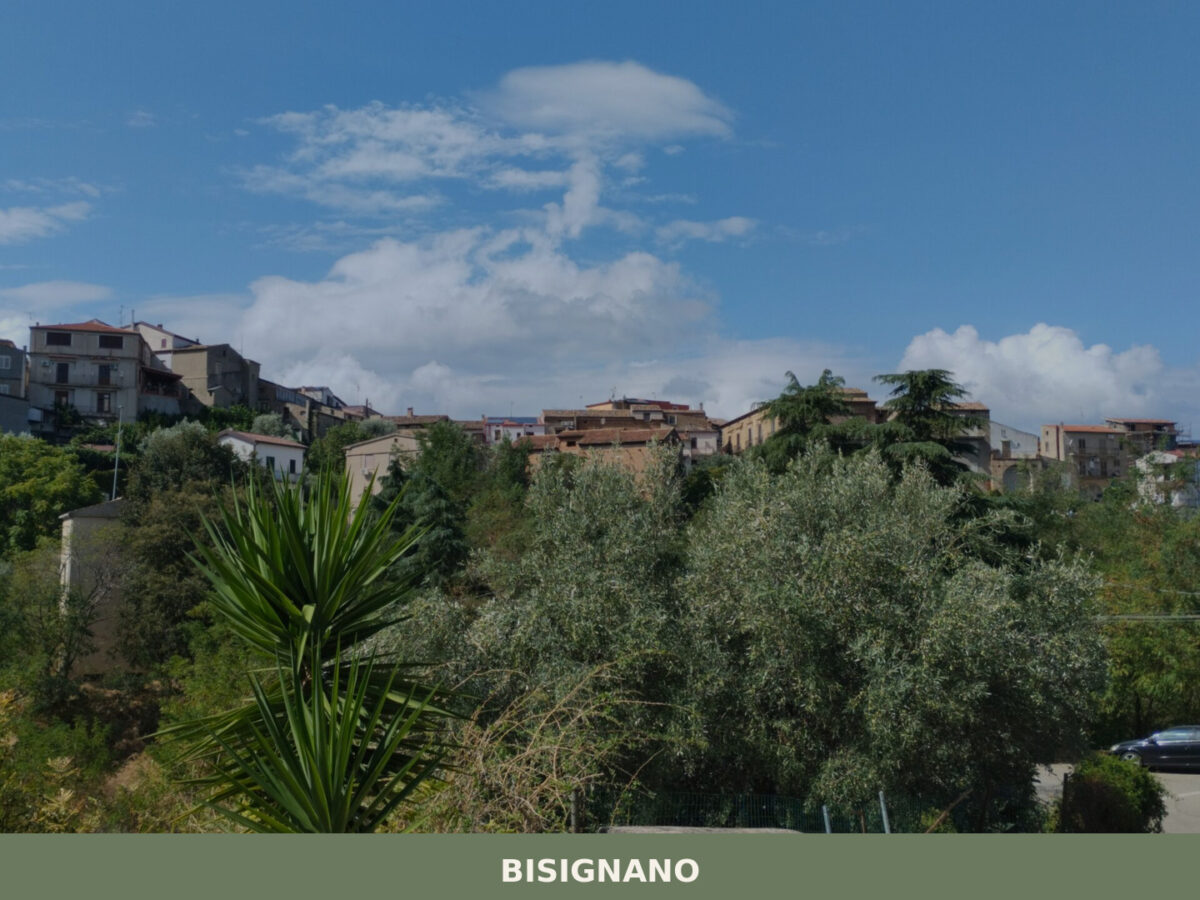
Bisignano
Hills
What to see in Bisignano: Discover 5 top attractions. This village (pop. 9,501) features the Ducal Castle and Sant'Umile Sanctuary for rich history.
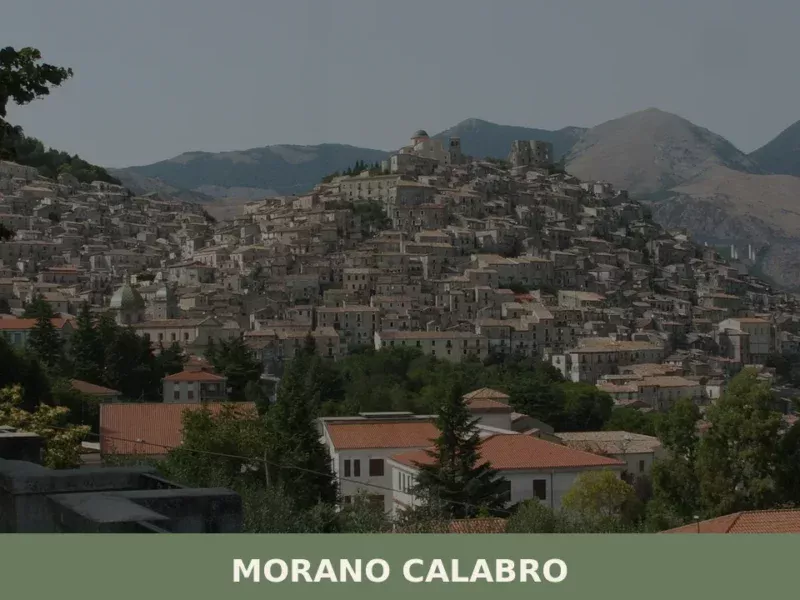
Morano Calabro
Sea
What to see in Morano Calabro, Italy: a village at 680 m altitude, listed among I Borghi più belli d'Italia. Discover top attractions, local food and how to get there.
Aprigliano
Mountain
Explore Aprigliano Calabria, a picturesque village nestled in the heart of Italy. Uncover its rich history, stunning landscapes, and authentic Calabrian charm. Plan your visit today!
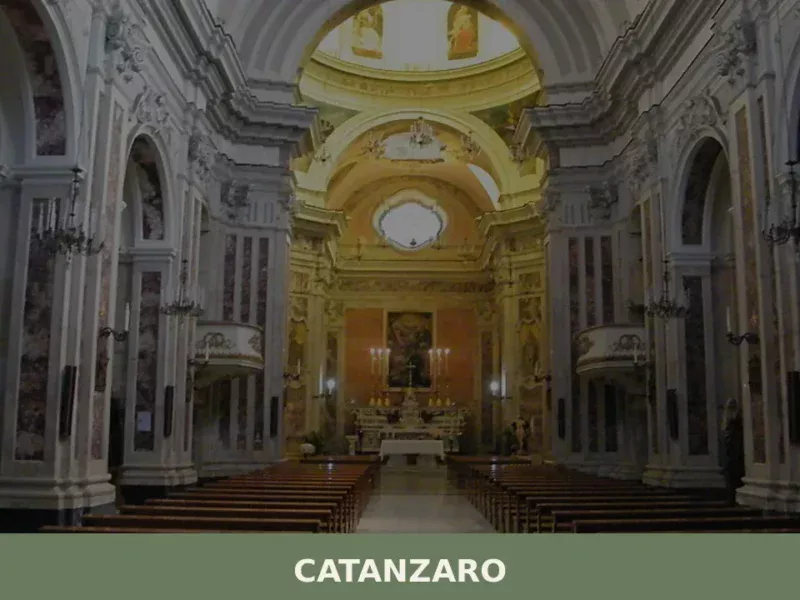
Catanzaro
Sea
What to see in Catanzaro: from historic churches to the Morandi Bridge, discover the 5 top attractions. A complete guide to visiting the Calabrian capital.
Anoia
 Plains
What to see in Anoia? Explore the 5 main attractions of this Calabrian village. The complete guide awaits to help plan your visit. Learn more!
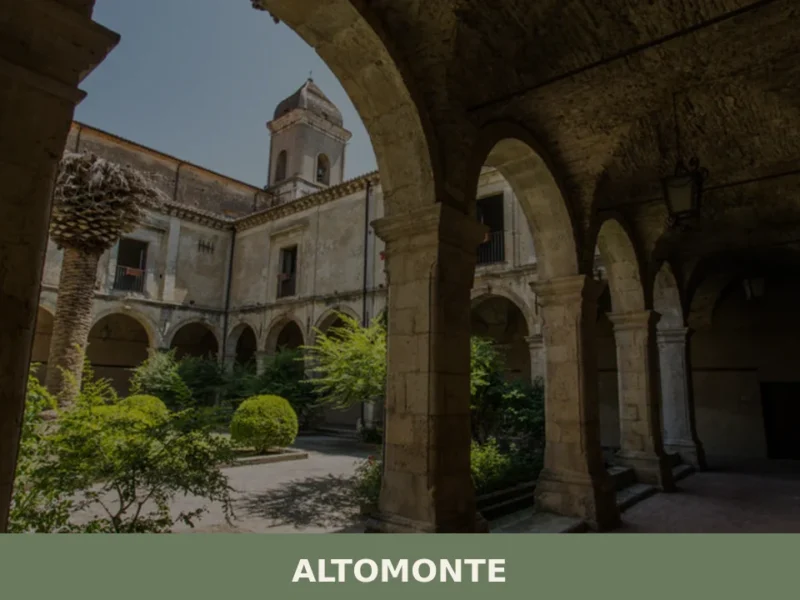
Altomonte
Hills
What to see in Altomonte: a hill village at 455m in Calabria with a 14th-century Gothic church, Civic Museum and medieval castle. Plan your visit today.
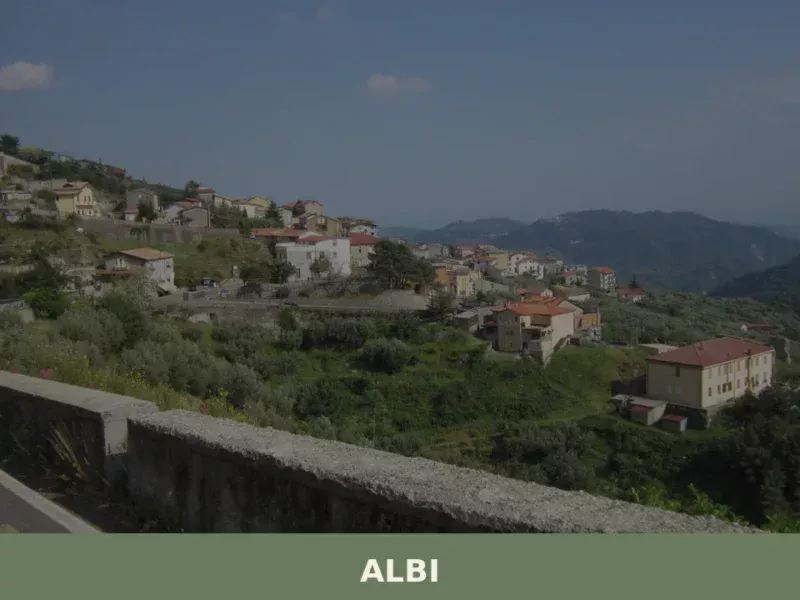
Albi
Mountain
Discover what to see in Albi, a 735-person village at 710m in the Parco Nazionale della Sila, Catanzaro. History, food, access and where to stay.


🏡 Know Acquappesa better than we do?
If you’re a local or have been there, your knowledge matters: add what’s missing or fix a detail on this page.