


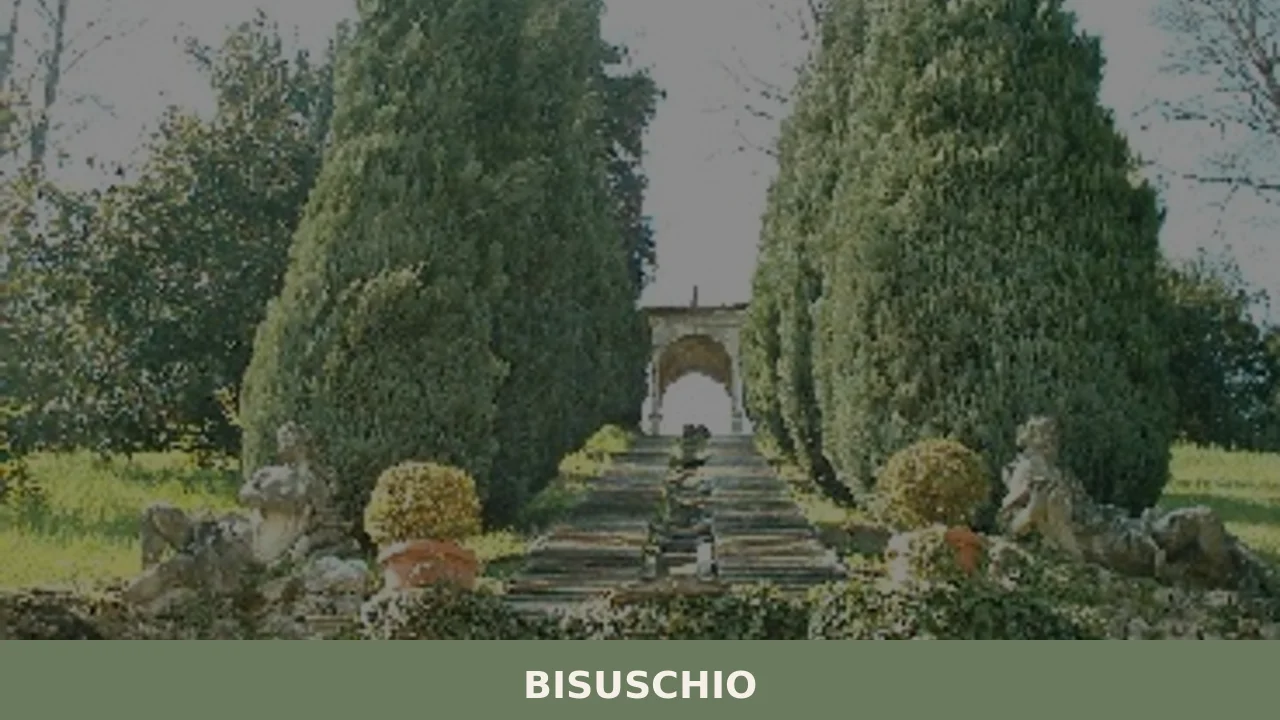
Bisuschio
In Bisuschio, in the province of Varese, economic activity linked to ceramic production developed starting from the 18th century, with local kilns contributing to the manufacture of tableware and bricks for the area. This hillside village, located 370 meters above sea level, offers a view of the Prealpine landscape and nearby lakes. For those wondering […]
Discover Bisuschio
In Bisuschio, in the province of Varese, economic activity linked to ceramic production developed starting from the 18th century, with local kilns contributing to the manufacture of tableware and bricks for the area. This hillside village, located 370 meters above sea level, offers a view of the Prealpine landscape and nearby lakes. For those wondering what to see in Bisuschio, the town center and its surroundings feature various points of interest, from the historic Villa Cicogna Mozzoni to religious buildings that document the historical layers of the place. The population, numbering 4,343 inhabitants, lives a rhythm marked by local traditions, including the feast of the patron saint Saint George, celebrated on April 23.
History and Origins of Bisuschio
The name Bisuschio likely has its roots in Roman times, with hypotheses connecting it to a land-based toponym, perhaps “Bisusculum,” indicating a landed property. The first documented records date back to the Middle Ages, when the village was part of the Contado del Seprio, an important territorial entity of the Kingdom of Italy. During the subsequent centuries, Bisuschio followed the events of the Duchy of Milan, coming under the control of various noble families who influenced its urban and architectural development.
A significant phase in the village’s history is linked to the Mozzoni family and subsequently to the Cicogna Mozzoni, who between the 16th and 18th centuries built and expanded their villa, now a historical and artistic landmark. The village has maintained its agricultural and artisanal vocation over time, with particular relevance for the production of ceramics and bricks, an activity that characterized the local economy for several centuries. Its strategic position, close to the Swiss border and communication routes towards the Prealpine lakes, has contributed to defining the village’s identity within the Varese area.
During the 19th and 20th centuries, Bisuschio experienced a progressive transformation, with demographic growth and the development of new activities, while still preserving elements of its historical layout. The community has kept some traditions alive, linked both to the religious calendar and to ancient customs of the rural and artisanal world, providing a picture of continuity with the past.
What to see in Bisuschio: 5 key attractions
Bisuschio offers visitors various observation opportunities, ranging from historical architecture to the natural settings of the area.
Villa Cicogna Mozzoni
Built starting from the 16th century, Villa Cicogna Mozzoni is an architectural complex that includes a stately palace, Italian gardens, and a nymphaeum. Its structure documents stylistic transformations from the Renaissance to the Baroque, with frescoes and interior decorations that enhance its rooms. It represents one of the best-preserved examples of noble architecture in Lombardy.
Parish Church of Saint George
Dedicated to the village’s patron saint, the Church of Saint George features a structure that dates back to 18th-century modifications of older foundations. Inside, one can observe sacred artworks and wooden furnishings that reflect the taste of the era. The facade and bell tower define a focal point in the center of the village, visible from various angles.
Church of Saint John the Baptist
This church, although less imposing than the parish church, preserves elements of historical and artistic interest. Its construction dates to an earlier period compared to the rebuilding of the Church of Saint George, and inside it contains evidence of sacred art documenting local devotion through the centuries. The building contributes to the village’s architectural heritage.
Oratory of Saint Vitale
The Oratory of Saint Vitale is a small place of worship notable for its simplicity and location. Its origins are ancient and, although it has undergone restorations, it retains a character that evokes popular religiosity. It is an example of minor architecture that completes the picture of Bisuschio’s sacred buildings.
The Valceresio Trails
The surroundings of Bisuschio offer trails in Valceresio, an area characterized by woods and hills. These trails allow visitors to observe local flora and fauna and reach panoramic viewpoints over the Varese area. The network of trails is accessible for those who desire contact with the natural landscape surrounding the village.
Typical Cuisine and Local Products
Bisuschio’s cuisine fits within the gastronomic tradition of the province of Varese, characterized by hearty dishes that highlight products from the Prealpine territory. Among the preparations are “Bruscitti,” a finely minced meat stew, traditionally served with polenta, which represents a symbolic dish of Varese cuisine. Another distinctive element is “Asparagi di Cantello” (Cantello Asparagus), a variety of white asparagus recognized for its organoleptic qualities, often featured in risottos or as a side dish.
The area surrounding Bisuschio is also known for cheese production. “Formaggella del Luinese DOP,” a fresh or aged goat cheese, is an example of a typical dairy product from the area, appreciated for its delicate flavor. No less important is “Miele Varesino DOP” (Varese Honey), produced from various blossoms (acacia, chestnut, wildflower) that reflect the botanical richness of the Prealps. These products, along with cured meats like “Salame Prealpino Varesino” (Prealpine Varese Salami), define a gastronomic landscape linked to natural resources and local agricultural practices, offering a genuine culinary experience of the Lombardy region. For further details, one can consult the page dedicated to Lombard cuisine on Wikipedia ↗.
When
In Lombardy More villages to discover
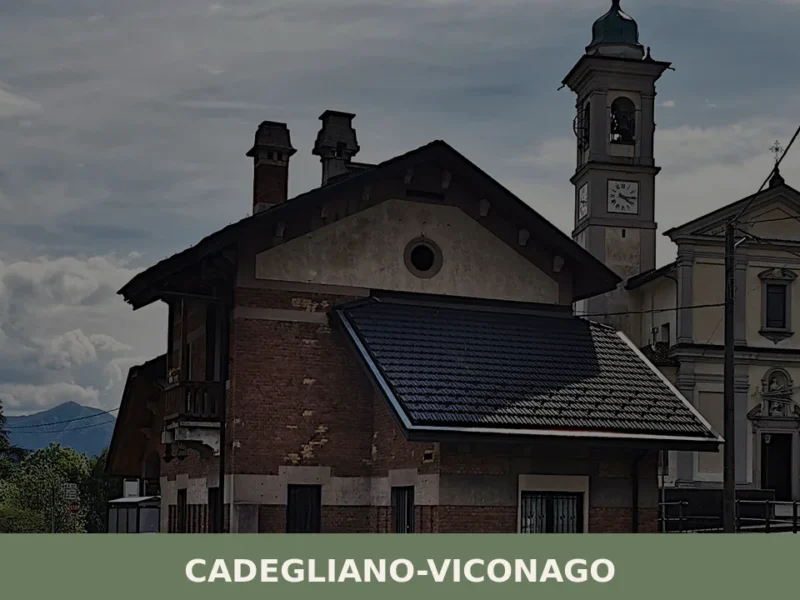
Cadegliano-Viconago
What to see in Cadegliano-Viconago: hilltop village at 414m, 2,155 residents. Two historic centres, chestnut woodland, views over Lake Lugano. Plan your visit with this complete guide.
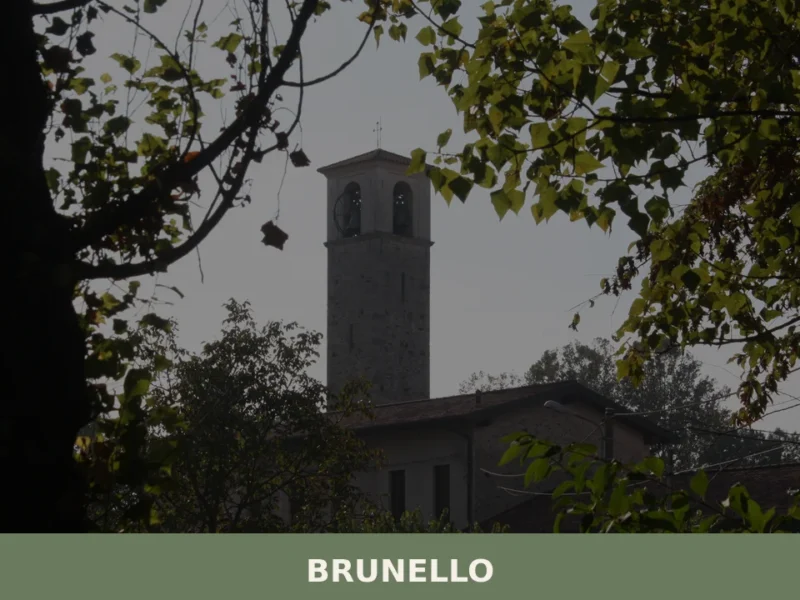
Brunello
What to see in Brunello, a village of 1,022 people in the province of Varese. Visit the Parish Church of San Giorgio, the Civic Tower and the Roggia Mulinara Trail. Plan your visit now.
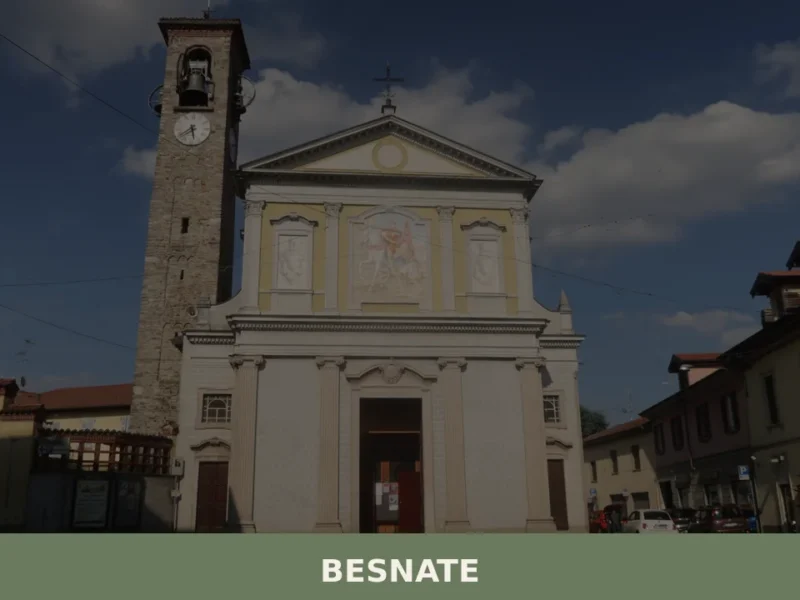
Besnate
With a population of 5,553 inhabitants and an altitude nearing 300 meters above sea level, Besnate is located in the Varese province, appearing as a settlement that retains traces of historical and territorial evolution. This hillside village, where daily life blends with an environment that has maintained rural characteristics, offers insights for those wishing to […]



📝 Incorrect information or updates?
Help us keep the Bisuschio page accurate and up to date.