


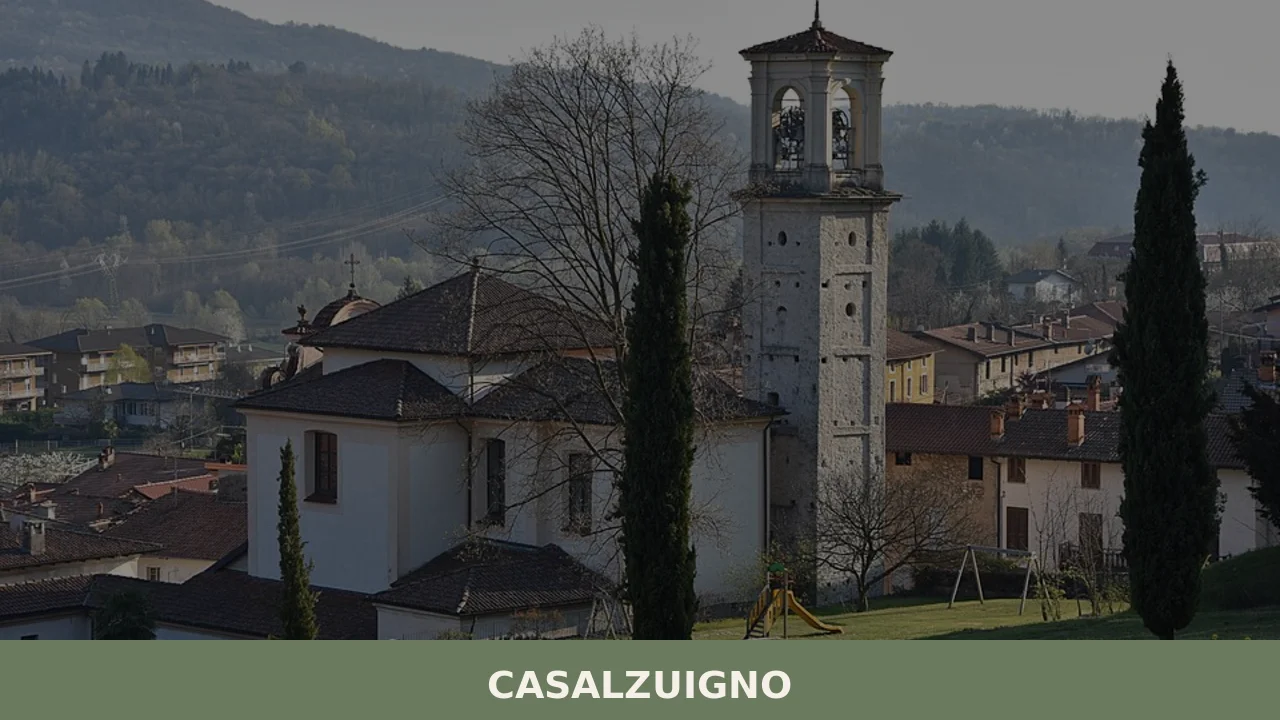
Casalzuigno
 Hills
Hills
Cosa vedere a Casalzuigno: borgo a 350m nel Varesotto con Villa della Porta Bozzolo (FAI), chiesa di San Vittore e Parco Campo dei Fiori. Guida completa.
Discover Casalzuigno
In 1645, the nobleman Marquard Rudolf von Rodt, Bishop of Constance, travelled through the Varese area, leaving behind documentary evidence that attests to the vitality of the small hilltop centres along the eastern slope of Campo dei Fiori. Casalzuigno, located at an altitude of 350 metres in the province of Varese, was already a well-structured settlement back then, featuring a church dedicated to its patron saint and a network of noble villas that distinguished it from the surrounding agricultural villages.
Today, with its 1,321 inhabitants, the village preserves that historical stratification in a clearly legible way: visiting it means encountering 17th and 18th-century architecture in a hilly setting overlooking Lake Varese. Understanding what to see in Casalzuigno requires a slow approach, focusing on the details.
- History and Origins of Casalzuigno
- What to See in Casalzuigno: 5 Must-See Attractions
- What to Eat in Casalzuigno: Local Cuisine and Regional Products
- When to Visit Casalzuigno: The Best Time
- How to Get to Casalzuigno
- Other Villages to Discover in Lombardy
History and Origins of Casalzuigno
The name “Casalzuigno” likely derives from two distinct elements: casale, a medieval Latin term indicating a rural settlement dependent on a larger centre, and a second element—perhaps a Germanic personal name like Wiching or Wizo—which entered the local lexicon during the Lombard and Frankish rules that affected the entire Varese region between the 6th and 9th centuries. This onomastic structure is common in Lombardy for centres established as appendages to agricultural estates belonging to aristocratic families.
The municipality is part of the Valli del Verbano mountain community, and its hilly position, close to the Campo dei Fiori massif, has influenced both its settlement history and traditional economic activities. During the Middle Ages, the territory was part of the domains of the Archbishopric of Milan, which exercised detailed control over these hills through parishes (pievi) and curtes. The pieve of Cuvio, the religious and administrative hub for the area, held jurisdiction over several hilltop settlements, including Casalzuigno.
Between the 17th and 18th centuries, Casalzuigno experienced its period of greatest architectural splendour, as noble families from Milan and Varese chose these hills to build their holiday villas. The proximity to Varese and accessibility from the routes connecting the capital to Lake Maggiore made the site attractive to the wealthy classes. Like much of the Varese province, the village was affected by troop movements during the wars of the 17th and 18th centuries, particularly during the War of the Spanish Succession (1701–1714).
What to See in Casalzuigno: 5 Must-See Attractions
1. Villa della Porta Bozzolo
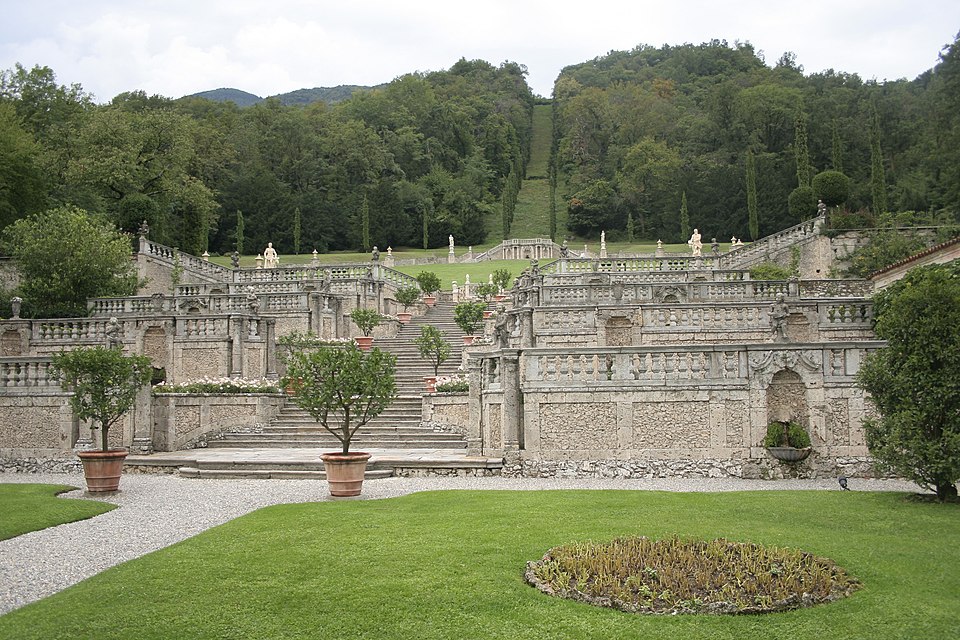
Villa della Porta Bozzolo is the most significant monument in the village, now owned by the FAI (Fondo Ambiente Italiano). Built in the 17th century and expanded during the 18th century by the Della Porta family, the villa features a spectacular layout with sloping terraces, fountains, and a formal Italian garden—among the best-preserved in the pre-alpine Lombardy region. The interior houses frescoes, period furnishings, and a private chapel. The FAI has restored the complex with philological care, making it a masterpiece of 18th-century noble life.
2. Church of San Vittore il Moro
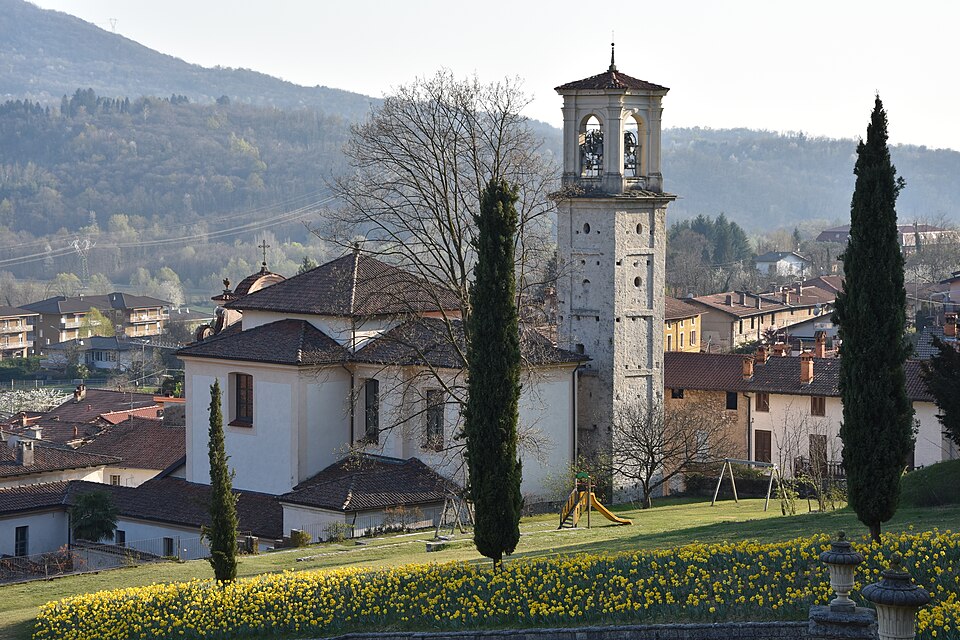
Dedicated to the village’s patron saint, San Vittore il Moro, the parish church of Casalzuigno is the religious heart of the community. The building features a Baroque structure, with subsequent modifications layering interventions from the 17th to the 19th centuries. The interior features side altars in stucco and paintings of the Lombard school. The patronal feast on May 8th is a moment of collective celebration involving the entire village, with a traditional procession through the streets of the historic centre.
3. The Historic Core and Town Alleys
The urban fabric of Casalzuigno preserves the characteristics of pre-alpine hilltop villages: semi-enclosed courtyards, local granite portals, and external stone staircases connecting the floors of rural homes. The historic centre is structured around a system of pedestrian paths that climb the terrain using typical Lombard vernacular building solutions. Walking through these alleys allows one to observe how rural and noble architecture have coexisted for centuries.
4. Campo dei Fiori Regional Park
Casalzuigno is a gateway to the Campo dei Fiori Regional Park, a protected area established by the Lombardy Region that includes the namesake massif, with its main peak at 1,226 metres. The park offers an extensive trail network for hikers of all levels. From the village level, trails lead into chestnut and beech forests, with panoramic viewpoints over Lake Varese and, on clear days, the entire Alpine arc.
5. Panorama of Lake Varese and the Pre-Alps
At an altitude of 350 metres, Casalzuigno offers exceptional observation points: to the west, the basin of Lake Varese opens up, while to the north, the pre-alpine foothills stand out with Lake Maggiore as a backdrop on clear days. These views can be reached from both the villa grounds and the surrounding green pedestrian paths. For photographers, the afternoon light on the Varese hills creates layers of depth extending towards the Alps.
What to Eat in Casalzuigno: Local Cuisine and Regional Products
The cuisine of the Varese area, of which Casalzuigno expresses a hilltop variation, was formed through centuries of a mixed economy: subsistence farming, small animal husbandry, woodland foraging, and integration with the lakeside market. At the heart of the Varese table is polenta, made with coarse cornmeal, cooked for a long time in a copper pot, and served with stewed meats—typically beef or game—or local semi-hard cheeses.
Another representative dish is risotto with luganega, where the rice is creamed with fresh pork sausage flavoured with spices according to local recipes. In autumn, porcini mushrooms gathered in the Campo dei Fiori woods feature in both risottos and soups. Regarding certified products, the area falls within the production zone for Grana Padano DOP. The patronal feast of San Vittore on May 8th remains the most significant culinary moment in the local calendar.
When to Visit Casalzuigno: The Best Time
Spring—from April to June—is the most balanced period to visit Casalzuigno. The vegetation is in full cycle, and the patronal feast of San Vittore on May 8th offers a glimpse into authentic village life. May is also when Villa della Porta Bozzolo reopens for the season with its gardens in full bloom. Autumn, between September and November, is equally interesting as the chestnut forests turn red and gold, and local mushrooms appear in the kitchens.
How to Get to Casalzuigno
By car, the most direct route from Milan is the A8 motorway (Milano-Varese), exiting at Varese Nord, then following provincial roads towards Cuvio and Casalzuigno (approx. 25 minutes from Varese). From Lugano (Switzerland), the village is reachable in about 40 minutes. Public transport requires a combination of train to Varese station (Trenord from Milan) and a local bus towards Cuvio/Valle della Boesio, though a car remains the most practical choice for visitors.
Other Villages to Discover in Lombardy
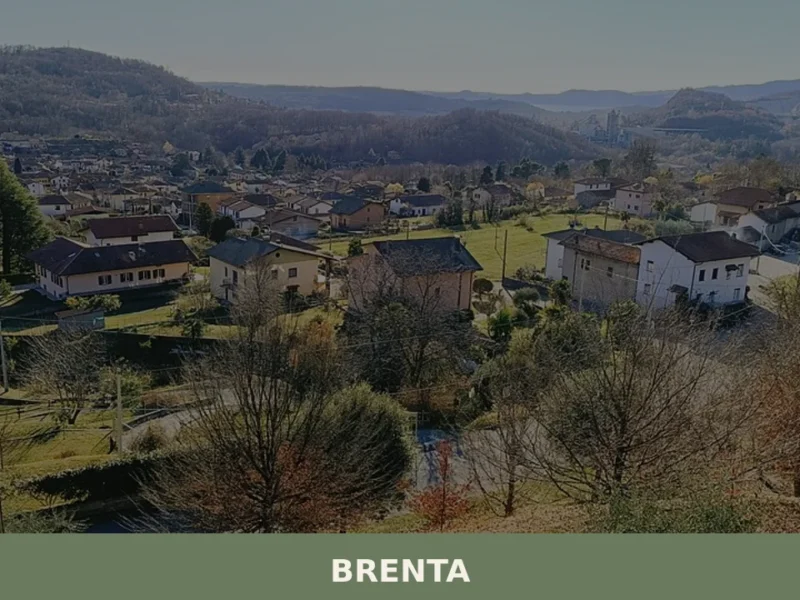
The surrounding territory offers several complementary villages. Barasso, a few kilometres away, shares a hilltop noble vocation but offers a different perspective on the lake. Arsago Seprio, in the lower Varese province, is essential for Early Medieval history with its Romanesque basilica. Expanding further, Brenta is another interesting pre-alpine village, while Brescia offers a large-scale monumental system, from Roman ruins to a medieval castle, perfect for completing a tour of stratified Lombardy.
Sources: Casalzuigno on Wikipedia — Official Site of the Municipality — Italian Touring Club
Frequently asked questions about Casalzuigno
What is the best time to visit Casalzuigno?
Spring (April–June) is the optimal season: mild temperatures, blooming gardens at Villa della Porta Bozzolo, and the patronal feast of San Vittore il Moro on May 8th, which animates the historic centre with a traditional procession. Autumn (September–November) is equally rewarding, with chestnut forests on Campo dei Fiori turning gold and local mushrooms appearing on restaurant menus. Summer offers clear panoramic views towards Lake Varese and the Alps, while winter sees fewer visitors and reduced services.
What are the historical origins of Casalzuigno?
The name likely combines casale — a medieval Latin term for a rural settlement dependent on a larger centre — with a Germanic personal name (possibly Wiching or Wizo), reflecting Lombard and Frankish influence between the 6th and 9th centuries. During the Middle Ages the territory fell under the Archbishopric of Milan and the jurisdiction of the Pieve of Cuvio. Between the 17th and 18th centuries, noble Milanese and Varese families built holiday villas here, giving the village its current architectural character. Bishop Marquard Rudolf von Rodt documented its vitality as early as 1645.
What to see in Casalzuigno? Main monuments and landmarks
The unmissable stop is Villa della Porta Bozzolo (FAI property), a 17th–18th-century noble villa with terraced Italian gardens, frescoes, period furnishings, and a private chapel — one of the finest in pre-alpine Lombardy. The Baroque parish church of San Vittore il Moro is the religious heart of the village, with stucco altars and Lombard-school paintings. Finally, the historic centre rewards unhurried walks through granite-portal courtyards and stone staircases typical of Varese hilltop architecture. Check FAI's official website (fondoambiente.it) for Villa della Porta Bozzolo's current opening hours and ticket prices.
What are the main natural or scenic attractions of Casalzuigno?
Casalzuigno serves as a direct access point to the Campo dei Fiori Regional Park, a protected Lombardy Region area whose main peak reaches 1,226 metres. The park's trail network traverses chestnut and beech forests suitable for hikers of varying abilities. From the village, paths climb towards panoramic ridges overlooking Lake Varese and, on clear days, Lake Maggiore and the full Alpine arc. The hilly landscape at 350 metres combines accessible woodland walking with genuine pre-alpine scenery, making it a rewarding destination for nature lovers throughout the warmer months.
Where to take the best photos in Casalzuigno?
The terraced gardens of Villa della Porta Bozzolo offer formal compositions with fountains, geometric hedges, and pre-alpine hills as backdrop. The pedestrian paths climbing through the historic centre reveal granite portals and layered rural-noble architecture ideal for architectural photography. The observation points at village level — reachable both from the villa grounds and surrounding green paths — frame the Lake Varese basin to the west. Photographers favour afternoon light, when low-angle sun creates depth across the Varese hills stretching towards the Alps.
Are there museums, churches or historic buildings to visit in Casalzuigno?
Villa della Porta Bozzolo is the principal historic building, managed by FAI (Fondo Ambiente Italiano) and open to the public with guided visits; it houses period furnishings, frescoes, and a private chapel within a restored 17th–18th-century complex. The parish church of San Vittore il Moro, a Baroque building with layered interventions spanning the 17th to 19th centuries, features stucco side altars and Lombard-school paintings and is typically accessible during religious services. For current opening hours and admission fees for the villa, consult fondoambiente.it directly before visiting.
What can you do in Casalzuigno? Activities and experiences
Visitors can tour Villa della Porta Bozzolo's gardens and interiors (FAI), hike trails into the Campo dei Fiori Regional Park, and explore the historic centre on foot. The patronal feast of San Vittore il Moro on May 8th offers an authentic local celebration with a traditional procession. Autumn visits can be combined with foraging-inspired dining — porcini mushrooms from Campo dei Fiori woods appear on local menus during this season. The village also works well as a base for day trips to Lake Varese, Cuvio, and other Varese hilltop settlements.
Who is Casalzuigno suitable for? Families, couples, hikers, solo travelers?
Casalzuigno suits couples and cultural travellers drawn to 17th–18th-century villa architecture and well-preserved historic villages. Hikers appreciate direct access to Campo dei Fiori Regional Park trails through chestnut and beech forests. Families with older children can combine a FAI villa visit with a gentle nature walk. It is less suited to beach or nightlife seekers. The slow, contemplative pace — small streets, panoramic viewpoints, authentic patronal traditions — appeals most to visitors who prefer depth over volume and are comfortable with a car as the primary means of transport.
What to eat in Casalzuigno? Local products and specialties
The local table reflects the Varese hilltop tradition: polenta cooked in a copper pot and served with stewed meats or semi-hard cheeses is the foundational dish. Risotto with luganega — a fresh pork sausage seasoned with local spices — is another area classic. In autumn, porcini mushrooms gathered in the Campo dei Fiori woods appear in risottos and soups. The surrounding area falls within the production zone for Grana Padano DOP. The patronal feast of San Vittore il Moro on May 8th is the most significant moment in the village's culinary and festive calendar.
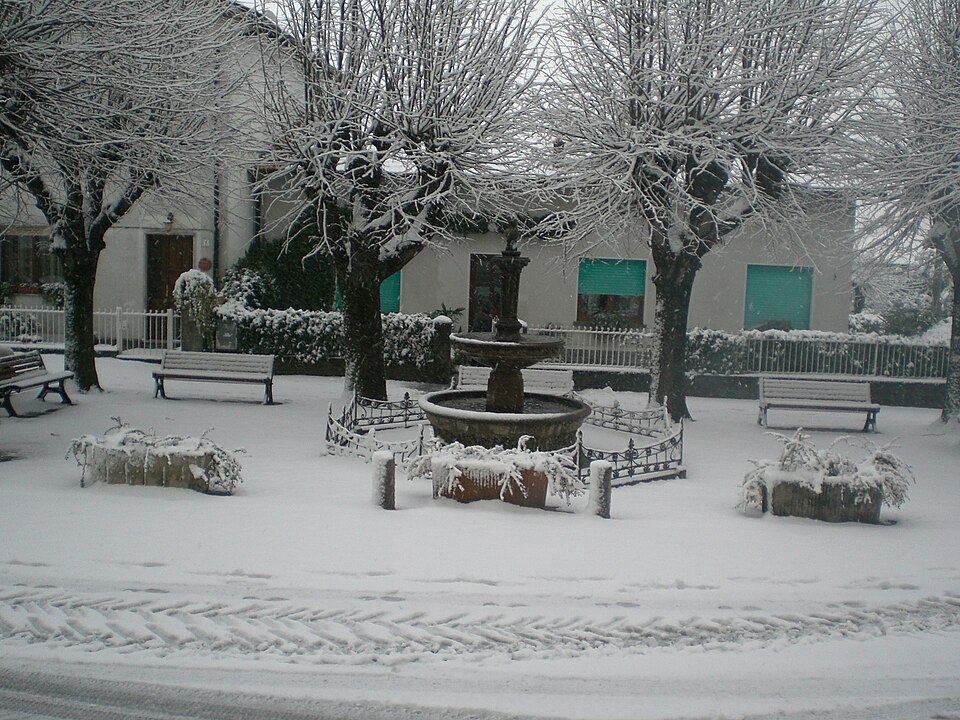
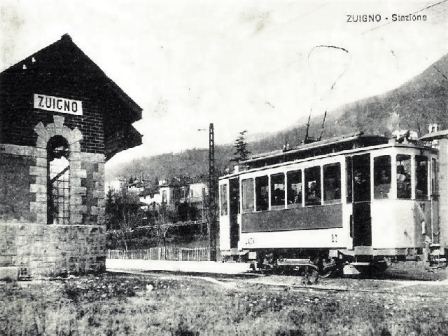
📷 Photo Gallery — Casalzuigno
Nearby Villages near Casalzuigno
In Lombardy More villages to discover

Caravaggio
 Plains
Visit Caravaggio for its 1432 sanctuary and medieval roots. Home to the birthplace of painter Michelangelo Merisi and echoes of Visconti rule.
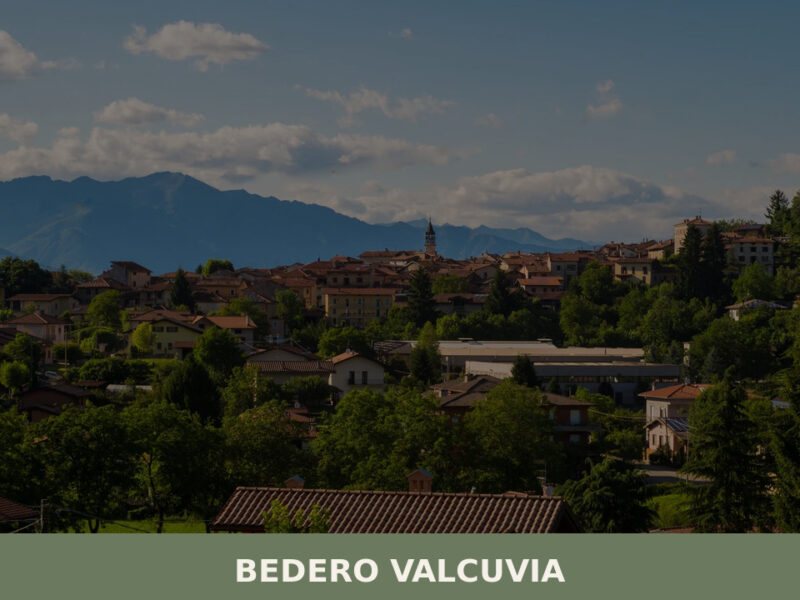
Bedero Valcuvia
Plains
Morning light reaches Bedero Valcuvia in stages — first the bell tower of the parish church, then the stone walls along Via Roma, and finally the gardens where fig trees press against iron railings. The village holds 680 residents in the broad green trough of the Valcuvia, a valley running between Lake Maggiore and Lake […]
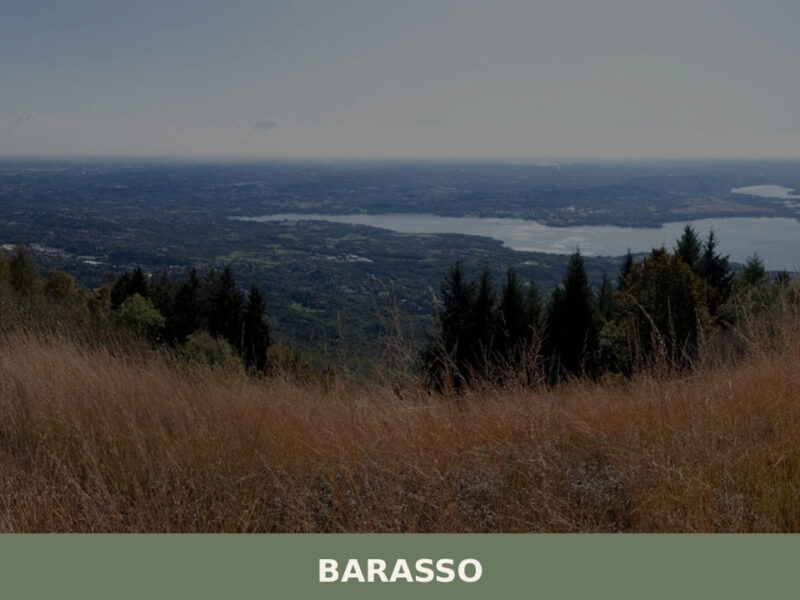
Barasso
Hills
Morning light filters through chestnut canopies along Via Roma, casting long shadows across stone walls that have absorbed centuries of Lombard weather. A church bell marks the hour — unhurried, familiar, absorbed by the surrounding green hills above Varese. Barasso, home to roughly 1,710 inhabitants, occupies a quiet slope in the Varesotto prealpine belt, a […]
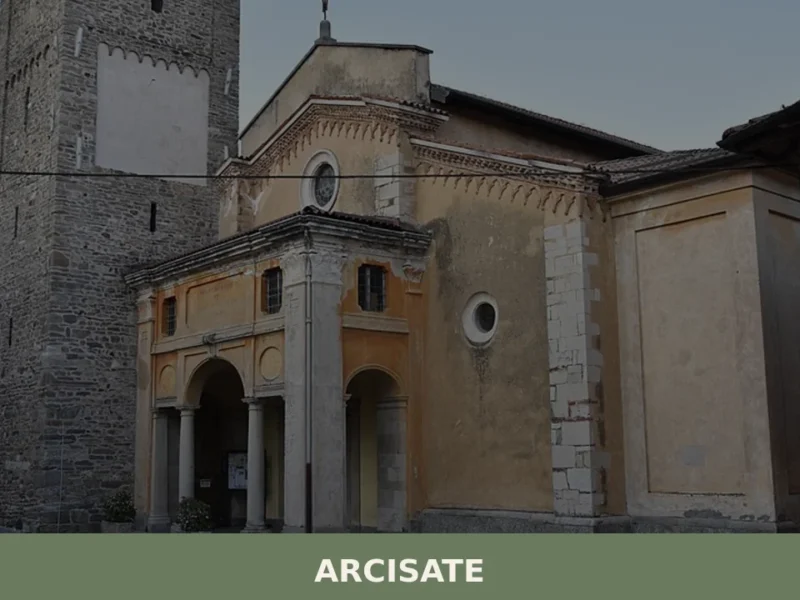
Arcisate
Hills
What to see in Arcisate, Italy: Discover Roman history and hillside views at 372 m a.s.l. Explore the village's main church and its unique past.
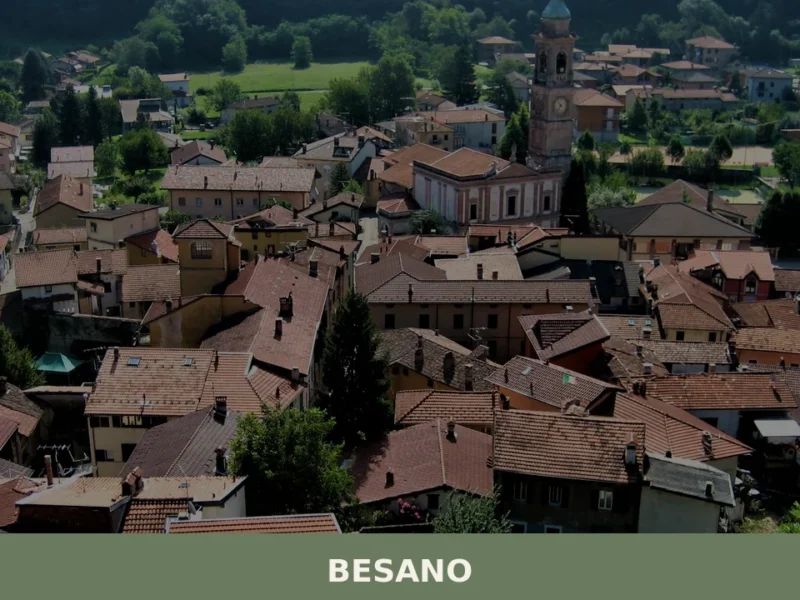
Besano
Hills
What to see in Besano, Italy: Explore the paleontological site and discover village life at 350 m (1,148 ft) a.s.l. Read our guide to Lombardy's unique corners.
Bisuschio
Hills
In Bisuschio, in the province of Varese, economic activity linked to ceramic production developed starting from the 18th century, with local kilns contributing to the manufacture of tableware and bricks for the area. This hillside village, located 370 meters above sea level, offers a view of the Prealpine landscape and nearby lakes. For those wondering […]
Acquanegra Cremonese
Plains
Discover what to see in Acquanegra Cremonese, a rural comune of 1,159 in the Province of Cremona, Lombardia u2014 from cascine architecture to Po Valley food culture.
Lecco
 Lake
Lake
 Mountain
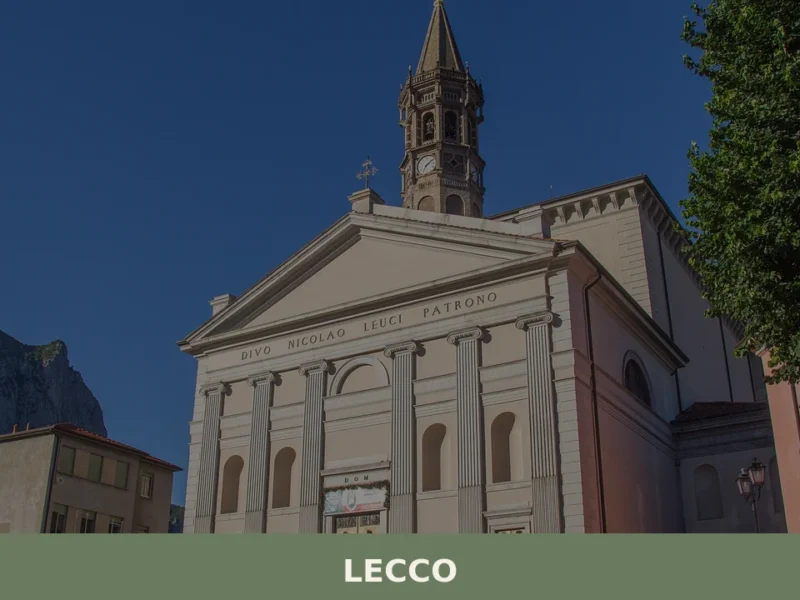
what to see in lecco, Italy: Explore the 5 essential attractions of this Lombard city, from the historic Azzone Visconti Bridge to the towering Mount Resegone. Discover its 47,240 inhabitants.
Albizzate
Hills
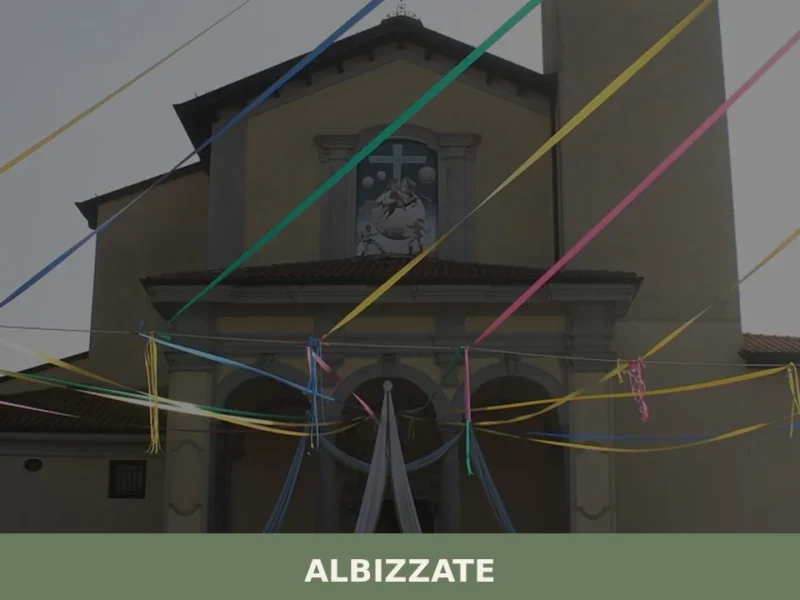
Explore the picturesque village of Albizzate, nestled in the heart of Lombardia, Italy. Learn about its unique culture, attractions, and local life.
Abbiategrasso
Plains
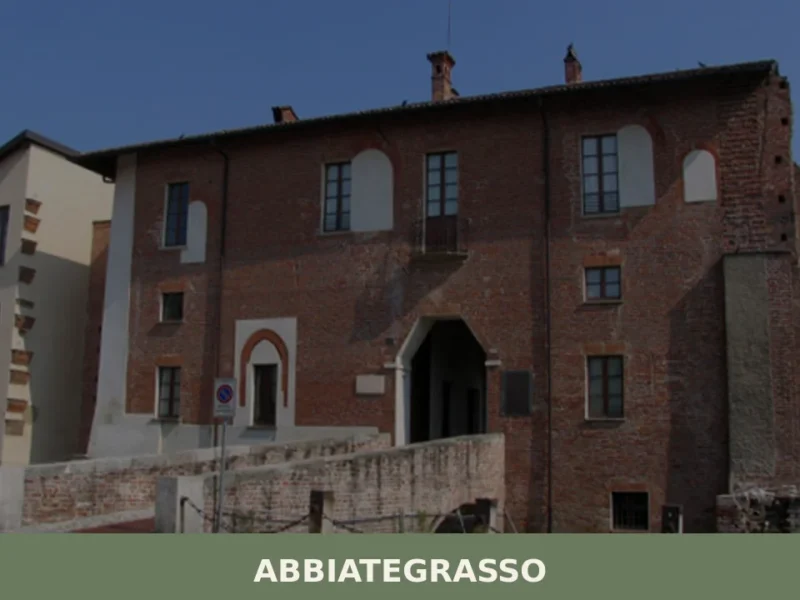
Discover what to see in Abbiategrasso: a Visconti castle, a Renaissance church portico, the Naviglio Grande canal, and the Ticino valley park in Lombardia.


🏡 Know Casalzuigno better than we do?
If you’re a local or have been there, your knowledge matters: add what’s missing or fix a detail on this page.