


Brinzio
What to see in Brinzio: a village at 510m in the Campo dei Fiori Park, Varese province. Explore 5 attractions, local cuisine, hiking trails and the 29 June Saint Peter feast.
Discover Brinzio
Just over 870 residents, an altitude of 510 metres above sea level, and a territory that extends through the forests of the Campo dei Fiori massif, in the heart of the province of Varese: Brinzio is one of those Lombard villages that draws attention not through grand monuments, but through the coherence of its hill landscape and the quality of the quiet it still offers to those arriving from the Po Valley plain.
Understanding what to see in Brinzio means, above all, understanding the specific relationship this settlement has with the Campo dei Fiori massif — a regional park established in 1984 — and with the network of trails that has connected the pre-Alpine villages of Varese for centuries.
History and Origins of Brinzio
The etymology of the place name Brinzio most likely traces back to a Roman-era rural estate, following the common naming pattern found across pre-Alpine Lombardy where a Latin landowner’s name became fixed in the local toponym.
The root may derive from the Latin family name Brentius, or from pre-Roman Celtic forms linked to the presence of water or woodland — a hypothesis supported by comparative toponymy in the Valceresio and Varese areas.
The zone was inhabited as far back as prehistoric times, as sporadic finds in the Campo dei Fiori area confirm, and during the Roman period it formed part of the dense network of agricultural settlements that exploited the moraine hills north of Mediolanum.
In the Middle Ages, Brinzio fell within the territories controlled by the powerful archiepiscopal family of Milan, and later by the Visconti, who dominated the entire Varese area.
Like many hill villages in the province, the settlement developed a mixed economy based on livestock farming, woodland cutting, and small terraced cultivation. The compact residential layout around the parish church — still legible in the historic core today — reflects the urban model typical of the 12th to 14th centuries in this pre-Alpine zone.
Ecclesiastical jurisdiction over the surrounding territory was held by the pieve of Varese, which shaped the liturgical calendar and patron feast days of the village, including the celebration in honour of Saint Peter the Apostle on 29 June.
Brinzio’s demographic trajectory follows the pattern common to many Lombard hill villages: a period of growth between the 19th century and the early 20th, driven by forestry and artisan activity, followed by a gradual depopulation in the post-war decades as industrialisation of the Varese plain — with manufacturing centres at Varese, Gallarate and Busto Arsizio — drew labour away from rural areas.
Today the approximately 874 residents form a community that has found a balance between stable residency and a degree of seasonal visitor pressure, helped by the proximity of the regional park and the village’s midpoint position between Lake Varese and the Swiss border.
What to See in Brinzio: 5 Key Attractions
1. Parish Church of Saint Peter the Apostle
The parish church dedicated to Saint Peter the Apostle is the architectural and spiritual focal point of the village, built and remodelled across different periods as is the case for most rural pre-Alpine churches. The façade faces the small central square and retains elements characteristic of the Baroque interventions typical of the 17th and 18th centuries in Lombardy. The interior houses wooden furnishings and devotional paintings of local significance.
The patron feast on 29 June brings the village to life with liturgical celebrations and community gatherings that maintain continuity with local religious traditions.
2. Campo dei Fiori Regional Park
The territory of Brinzio falls within the Campo dei Fiori Regional Park, established by the Lombardy Region in 1984 and covering more than 5,000 hectares of chestnut, beech and hornbeam woodland. The massif reaches 1,226 metres at Monte Martica and supports a network of marked trails, some of which begin in the valley floor at Brinzio. The park attracts hikers, birdwatchers and botany enthusiasts, drawn by the variety of plant species that gave the park its name. The trail network offers half-day or full-day itineraries accessible to walkers without specialist experience.
3. The Historic Village Core
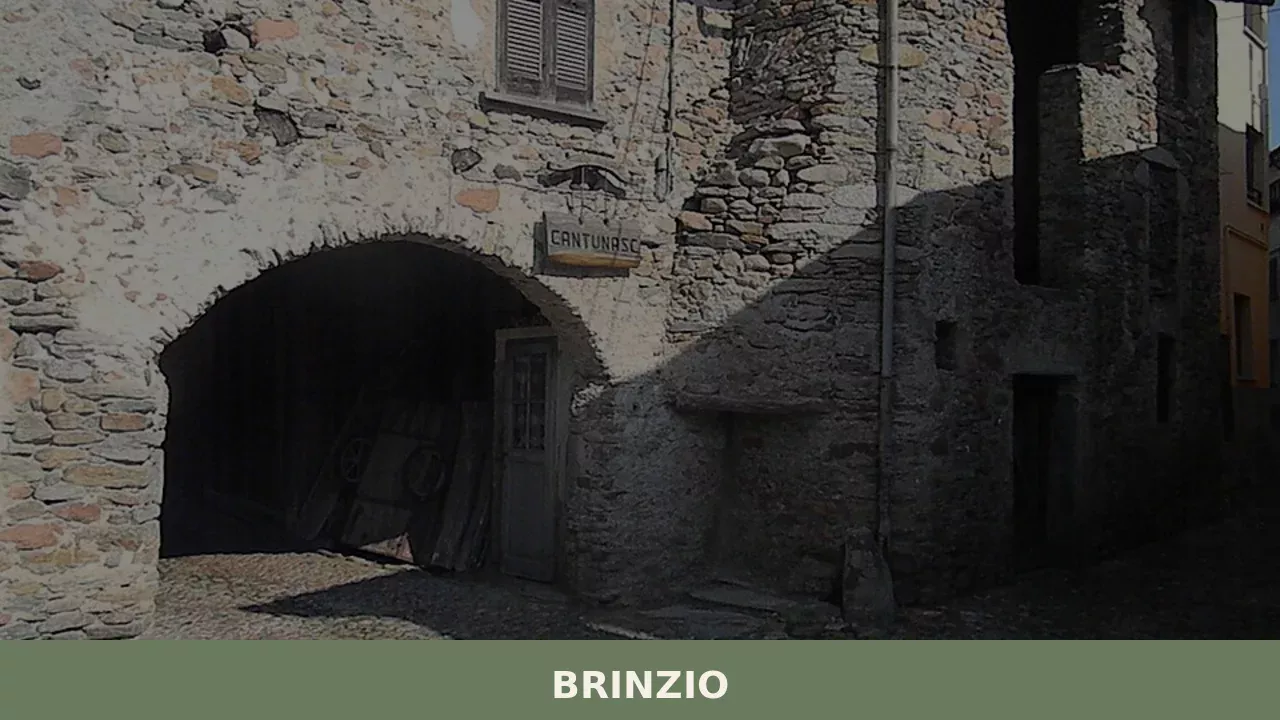
Brinzio’s historic centre preserves the compact urban layout typical of Varese’s late-medieval hill villages, with houses in local stone, porticoes and covered passageways that once structured community life. The façades display the materials of the territory — granite and porphyry — worked using local craft techniques. Walking through the historic core on foot allows visitors to read the architectural layers of several centuries without the distractions of a major art city.
The scale of the village — where every element is human-sized — makes the experience particularly accessible to anyone with an interest in rural Lombard architecture.
4. The Trails Towards Monte Martica
From Brinzio, hiking routes climb towards Monte Martica (1,035 m), one of the viewpoints of the Campo dei Fiori Park, with views across Lake Varese, the Piano di Magadino, and — on days of clear visibility — the Alps from the Adamello to Monte Rosa. The most frequently used trail ascends through a wooded slope of beech and chestnut. The vegetation changes noticeably with altitude, providing a natural illustration of the transition between hill and mountain species. The route requires standard hiking equipment and presents no particular technical difficulty.
5. The Network of Springs and Waterways
The territory of Brinzio is marked by a network of minor waterways — springs, irrigation channels and small watercourses — that historically supplied both the domestic needs of the village and the agricultural and artisan activities of the area. These minor hydrographic features, often overlooked by conventional visitor routes, are a defining element of the Varese hill landscape.
Along the park trails it is possible to observe how water has shaped the terrain over time, creating damp micro-habitats of botanical and wildlife interest.
Some of these water management structures date back to interventions documented as far back as the medieval period.
What to Eat in Brinzio: Local Cuisine and Regional Produce
The cuisine of Brinzio belongs to the gastronomic tradition of the pre-Alpine hill villages of Varese — a food culture shaped over centuries by the availability of local ingredients: game, mushrooms, chestnuts, woodland herbs and milk from the hill pastures.The proximity to the Swiss border has historically introduced influences from Italian Switzerland — particularly from Ticino — blending them with the Lombard traditions of the plain. The result is a straightforward cuisine, calibrated around the full use of available resources, far from gastronomic excess yet capable of well-defined and recognisable flavours.
At the centre of the traditional table is often polenta, prepared with coarse-ground maize flour using the copper cauldron technique that requires slow cooking and constant stirring.The local version is typically served with porcini mushrooms gathered in the forests of the Campo dei Fiori — a particularly favourable habitat thanks to the presence of chestnut and beech trees — or with game meats such as roe deer and wild boar.
Busecca, a slow-cooked tripe dish with vegetables and beans, is another dish deeply rooted in the Lombard peasant tradition that still appears on the menus of local trattorias during the colder months, prepared with extended cooking time and finished with grated Grana Padano.
Among the documented and verifiable products of the Varese territory, Varese salami is a traditional cured meat from the province, made with coarsely ground pork seasoned with salt, pepper and garlic, and aged for varying periods.
The chestnut, harvested in the chestnut forests of the Campo dei Fiori between September and October, is a historically significant product of the local hill economy: it was eaten fresh, dried in the grà (traditional pre-Alpine drying huts), or ground into flour for both sweet and savoury preparations.No DOP, IGP or PAT certifications specifically verified by official sources exist for the Brinzio area, and attributing any would be inaccurate.
Local fairs and festivals are the best opportunities to encounter the area’s produce in context.
The Feast of Saint Peter on 29 June is the main event of the year, when the village comes alive with food stalls, traditional preparations and communal celebrations. In autumn, the chestnut harvest period — from late September through October — often coincides with initiatives across the park that involve the villages of the wider area.
Local products — dried mushrooms, wild berry jams, chestnuts — are available from local producers and seasonal markets.
From a wine perspective, Brinzio does not lie within any dedicated wine denomination.The province of Varese has no recognised DOC or DOCG designations on its territory.
Wines served in local trattorias come predominantly from the nearest Lombard denominations — in particular from the Lugana zone on Lake Garda or from the Colline Novaresi — or from the Piedmontese areas that are easily accessible from the Varese province.
When to Visit Brinzio: The Best Time of Year
Spring — from April to June — offers the best conditions for hiking in the Campo dei Fiori Park: vegetation is at its most vigorous, trails are passable after the winter thaw, and hill temperatures remain comfortable without the humid heat of the Po Valley plain. June culminates with the patron feast of Saint Peter on 29 June, which is the most important community gathering of the year.
Summer brings an influx of visitors from the wider province and from the Milan area, drawn by the cooler temperatures that the 510-metre altitude provides compared to the plain.
Autumn is the season that many hikers and nature enthusiasts prefer: between September and November, the beech and chestnut forests of the Campo dei Fiori take on colours ranging from gold to deep red, making the trails look entirely different from any other season.It is also the season of porcini mushrooms, which draw foragers from across the province in accordance with the park’s regulations.
Winter is the quietest season, suited to those seeking a village free of visitor traffic, with the possibility of snowshoe excursions on days when the massif is snow-covered.
How to Get to Brinzio
By car, Brinzio is reachable from the A8 Milan–Varese motorway by exiting at the Varese toll and then following the provincial roads north-west towards the Campo dei Fiori: the distance from the toll is approximately 10–12 kilometres. From Milan the total journey is around 55–60 kilometres, with a travel time of 50–60 minutes under normal traffic conditions.From Lugano in Switzerland, the village is reachable in around 30 minutes by taking the road that descends from the border towards Varese.
The provincial road leading up to Brinzio is narrow in some sections and requires care, particularly in winter.
Public transport to Brinzio is limited, as is the case for most hill villages in the province. The nearest railway station is Varese, served by Trenord with frequent connections from Milan Porta Garibaldi (approximately 50 minutes) and from Como. From Varese station, onward travel requires a private vehicle or taxi, as the local bus lines serving the hill area run infrequently on weekdays and have very few services at weekends.
The nearest airport is Malpensa International Airport, approximately 30–35 kilometres from Brinzio, with a driving time of 35–45 minutes.
Other Villages to Explore in Lombardy
Visitors to Brinzio are well placed geographically to explore other Lombard villages with complementary characteristics.A few kilometres away, Agra offers another example of a Varese hill settlement with a similar landscape profile, while Biandronno, on the shores of Lake Varese, introduces the lakeside dimension that defines this stretch of pre-Alpine Lombardy.
Both villages are reachable in under 30 minutes from Brinzio and can be combined into a single-day itinerary that moves between the hill experience and the lake landscape.
Extending the range further, Besano, in the Valceresio valley on the Swiss border, adds an entirely different dimension: geology and palaeontology, with its Triassic fossil deposits ranked among the most significant in Europe.
For those wishing to compare the pre-Alpine Varese experience with villages in eastern Lombardy, Brescia offers a wholly different urban scale and historical depth, with a city centre spanning from the Roman period to the Renaissance.An itinerary linking Brinzio, the Valceresio and the Brescia shores of Lake Garda covers, in two or three days, a cross-section of pre-Alpine Lombardy that rarely appears in standard visitor circuits.
For further reading on the history and geography of Brinzio, refer to the official website of the Municipality of Brinzio, the dedicated entry on Wikipedia in Italian, and the resources of the Campo dei Fiori Regional Park.
In Lombardy More villages to discover
Cadrezzate
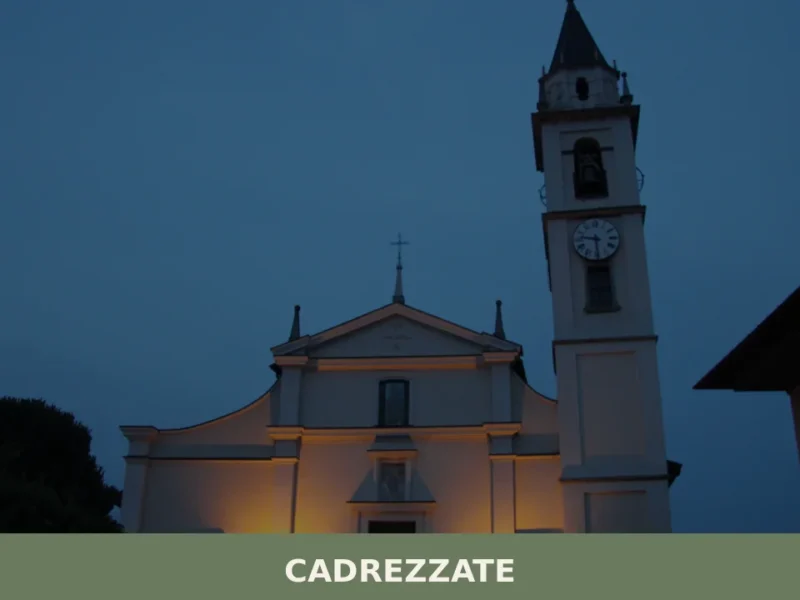
Cosa vedere a Cadrezzate: borgo a 281m sul Lago di Monate, 1.854 abitanti. Lago limpido, chiesa patronale, sentieri collinari e cucina varesina. Guida completa.
Arsago Seprio
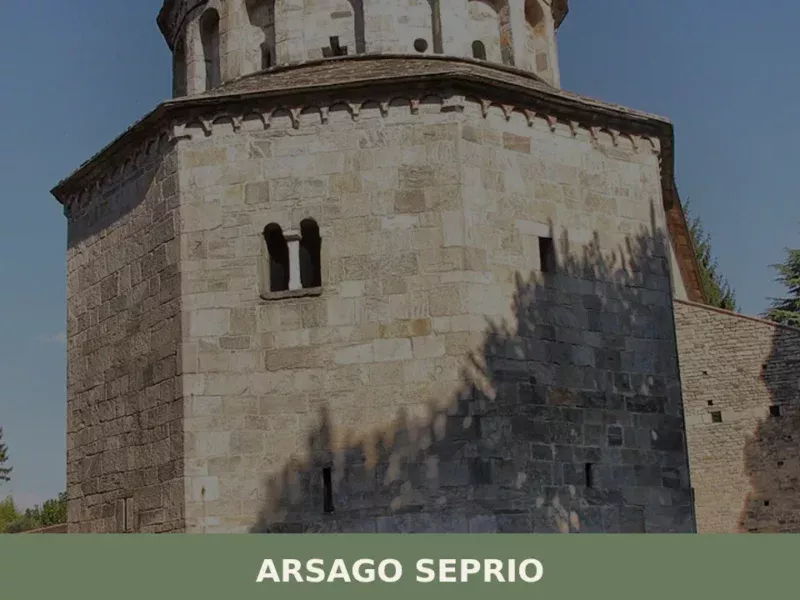
In Arsago Seprio, located in the province of Varese, the ancient Basilica of San Vittore Maggiore features structures dating back to the 9th century, indicating continuous settlement rooted in Roman times. This specific detail introduces a village of 4,869 inhabitants, located 290 meters above sea level, where historical layering is a tangible element. For those […]
Barasso
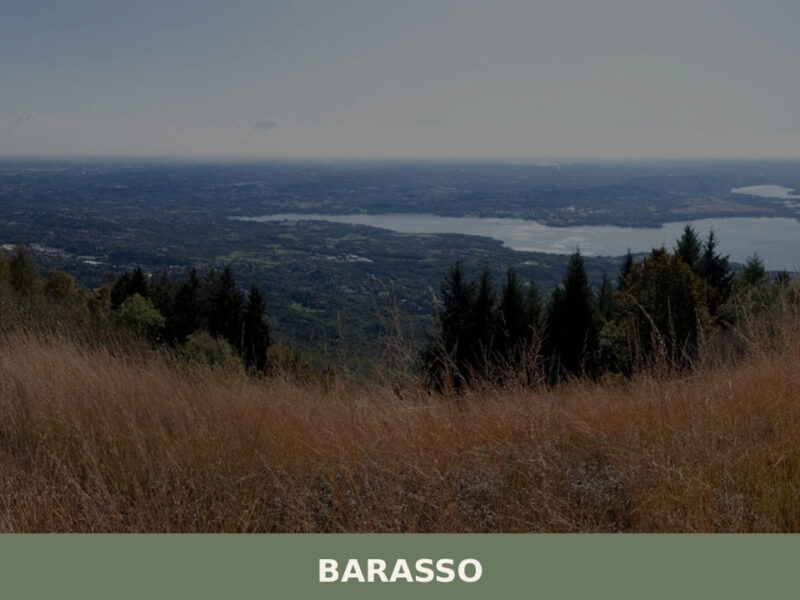
Morning light filters through chestnut canopies along Via Roma, casting long shadows across stone walls that have absorbed centuries of Lombard weather. A church bell marks the hour — unhurried, familiar, absorbed by the surrounding green hills above Varese. Barasso, home to roughly 1,710 inhabitants, occupies a quiet slope in the Varesotto prealpine belt, a […]
🧀 Italian traditional products


📝 Incorrect information or updates?
Help us keep the Brinzio page accurate and up to date.