


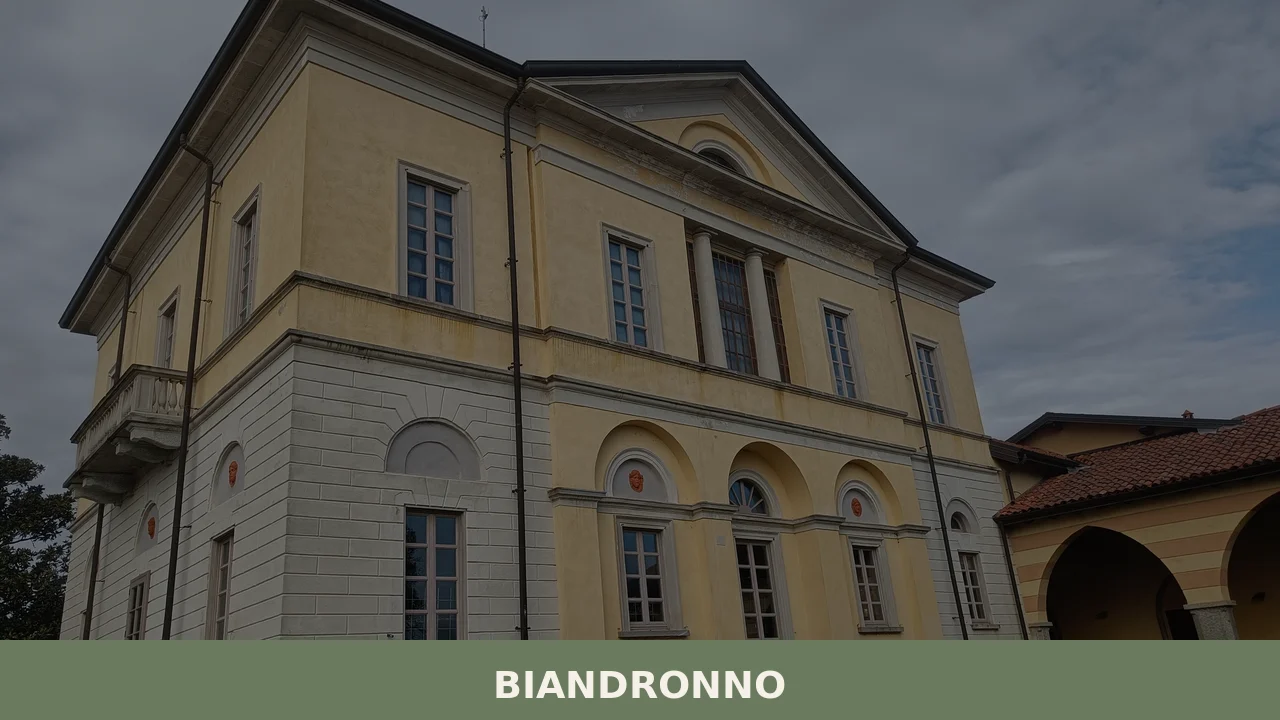
Biandronno
 Hills
Hills
 Lake
Lake
At 262 m a.s.l., Biandronno extends across the gentle hills that characterize the province of Varese, offering a panorama that opens onto the surrounding reliefs and the plain. The village, with its population of 3,162 inhabitants, maintains a discreet atmosphere, typical of smaller Lombard centers where life flows at rhythms tied to the territory. In […]
Discover Biandronno
At 262 m a.s.l., Biandronno extends across the gentle hills that characterize the province of Varese, offering a panorama that opens onto the surrounding reliefs and the plain. The village, with its population of 3,162 inhabitants, maintains a discreet atmosphere, typical of smaller Lombard centers where life flows at rhythms tied to the territory.
The houses cluster around the oldest nucleus, bearing witness to a history rooted in distant eras and reflected in the dialectal name of Biandròn.
Those wondering about what to see in Biandronno will find a place that, while not boasting internationally renowned monuments, presents an interesting hilly context and proximity to significant bodies of water.
The village offers an opportunity to explore an authentic historic center and to enjoy the views that its altitude allows one to embrace. Among the main attractions, visitors can appreciate the traditional architecture of the houses and the tranquility of the surrounding landscape, elements that define the identity of this Lombard corner.
History and origins of Biandronno
The history of Biandronno is woven into the fabric of time, with a name that, even in its oldest forms, suggests a long human presence in the area. The historical denomination “Biandrone,” from which the current Biandronno derives, evokes a past in which local language and traditions shaped the identity of places.
The Varese dialect preserves this root in the form “Biandròn,” a linguistic link that underlines the cultural continuity and historical memory of the community inhabiting these hills.
The village developed within the context of historical Lombardy, a region that witnessed the alternation of dominations and the emergence of small agricultural and residential communities.
Biandronno’s position, on a hill overlooking part of the Varese territory, suggests a settlement possibly established for defensive reasons or to exploit the agricultural resources of the hilly areas. Throughout the centuries, Biandronno has maintained its appearance as a modest-sized inhabited center, evolving in parallel with the economic and social dynamics of the province of Varese.
Demographic evolution has led the municipality to count 3,162 inhabitants today, a number that reflects constant growth over time, while maintaining the character of a cohesive community. Its belonging to the province of Varese places it within a territorial fabric rich in traditions and with a strong connection to the pre-Alpine and lake landscape. The history of Biandronno, although not marked by events of national resonance, is that of a village that has managed to preserve its essence through generations, contributing to the cultural mosaic of Lombardy.
What to see in Biandronno: main attractions
The Historic Center of Biandronno
Walking through the streets of Biandronno’s historic center, one perceives the atmosphere of a village that has managed to maintain its authenticity.
The houses, often with simple and linear facades, cluster together following the hilly terrain, creating an urban fabric that invites slow discovery. This ancient nucleus, the beating heart of a community of 3,162 inhabitants, represents an example of residential architecture typical of the province of Varese, characterized by the use of local materials and a functionality that reflects the daily life of its residents. The path through its streets offers a glimpse into local life, far from the hustle and bustle of cities, where time seems to flow at a more measured pace.
The Parish Church of San Lorenzo
At the center of Biandronno’s spiritual and social life stands the Parish Church dedicated to San Lorenzo, the patron saint of the village.
Every year, on August 10th, the community gathers to celebrate the patron saint’s feast day, an event that renews devotion and strengthens bonds among the inhabitants.
Although sources do not provide specific architectural details, the presence of a church dedicated to the patron saint is a foundational element of every Italian village, and Biandronno’s church likely exhibits stylistic characteristics common to Lombard churches of its era, with a facade that dominates the main square and a bell tower that marks the hours. Its central position makes it a visual and spiritual landmark, around which the community’s events have unfolded and continue to unfold.
The Hilly Landscape and Altitude
Biandronno stands out for its strategic position at 262 m a.s.l., an altitude that allows the village to dominate a predominantly hilly landscape. This geographical feature, classified as “Hill” in the village’s thematic categories, profoundly influences the surrounding environment, characterized by vegetation typical of the Lombard pre-alpine areas. The paths winding through the hills offer opportunities for light excursions, allowing visitors to immerse themselves in nature and enjoy panoramic views that change with the seasons.
The tranquility of these places, enriched by the local flora and fauna, makes the area ideal for those seeking a regenerating break and wishing to explore the natural context surrounding the inhabited center.
Proximity to Lake Varese
One of the most significant elements defining Biandronno’s context is its close proximity to Lake Varese.
Although the village does not directly overlook its shores, the lake’s presence just a few kilometers away influences its microclimate and offers further opportunities for recreation and contact with nature. From the heights of Biandronno, it is sometimes possible to glimpse the lake surfaces, especially on clear days.
This proximity makes the village an interesting starting point for those wishing to combine a visit to a hilly center with excursions along the lake’s shores, engaging in activities such as birdwatching or simply enjoying the serenity that these bodies of water offer. Visitors to Biandronno can consider extending their itinerary towards the picturesque scenery found on the shores of the nearby Lake Como, a short distance away.
Biandronno’s Identity and Local Life
To fully understand what to see in Biandronno, it is essential to immerse oneself in its identity as a lively, albeit small, community. The ancient name “Biandrone” and its dialectal form “Biandròn” are not mere labels, but testimonies of a history and a belonging that the inhabitants feel deeply.
Local life manifests itself in small commercial activities, in the squares where people meet, and in traditions that are handed down.
Observing daily life, the rhythms of the village, and the interaction among its 3,162 inhabitants allows one to grasp the essence of a Lombard village that, while projected into the present, maintains a strong connection with its past and with the territory that surrounds it. It is an experience of discovery that goes beyond individual monuments, focusing on the soul of the place.
Typical Cuisine and Products of Biandronno
Biandronno’s gastronomic tradition fits into the broader context of Lombard cuisine, a culinary repertoire rooted in the region’s agricultural richness and diverse landscape. The influences are typical of pre-Alpine and lakeside areas, with a predilection for simple but robust ingredients, capable of sustaining the efforts of farm work and small artisanal activities. Local cuisine has developed around available resources, with particular attention to local produce and, given its proximity to lakes, also to freshwater fish.
There are no specific DOP, IGP, or PAT certified products for Biandronno, but the local gastronomy is based on traditional recipes and quality raw materials that reflect the seasonality and generosity of the soil.
Among the dishes that can be found in the area, often present on family tables and in local trattorias, rice-based preparations stand out, a cereal very widespread in Lombardy.
Risotto, in its many variations, is a cornerstone, often enriched with mushrooms gathered in the surrounding woods or with local cheeses. Polenta, an inseparable companion to many Northern Italian traditional dishes, is served with braised meats, stews, or meat sauces, offering a substantial and satisfying meal. The proximity to Lake Varese and other lake basins also suggests the presence of freshwater fish dishes, such as perch or pike, cooked simply to enhance their natural flavor.
Dairy and cured meat production, although without specific certifications for Biandronno, is a constant in Lombard gastronomy.
Fresh and aged cheeses, often produced by small agricultural enterprises, accompany meals or are the stars of rustic appetizers. Cured meats, prepared according to traditional recipes, also represent a local excellence. Although no gastronomic festivals are specifically documented for Biandronno apart from the patron saint’s festival, the weekly markets in neighboring municipalities are the ideal place to discover and purchase these delicacies, guaranteeing an authentic taste of the area’s flavors.
Festivals, Events, and Traditions of Biandronno
Biandronno’s calendar is marked by events that celebrate its identity and roots, with the Patron Saint’s Festival of San Lorenzo (Saint Lawrence) representing the culmination of the annual celebrations.
Every August 10th, the entire village comes alive to honor its patron saint, an occasion that unites the community in a mix of religious rites and popular festivities. The day is typically characterized by a solemn procession that winds through the central streets, accompanied by songs and moments of prayer, culminating in the mass dedicated to the patron saint in the Parish Church.
In addition to the religious aspects, the San Lorenzo festival often includes moments of civic gathering, with outdoor banquets, music, and recreational activities for all ages.
These events are an opportunity to savor local cuisine and strengthen community ties, keeping alive traditions passed down from generation to generation. Although no other gastronomic festivals or significant events are documented for Biandronno, the patron saint’s festival remains a fixed and deeply felt appointment, a moment when the identity of the village and its history are celebrated with pride and participation by all its inhabitants.
When to Visit Biandronno and How to Get There
The best time to visit Biandronno extends from late spring to early autumn, when the mild climate and longer days allow you to fully enjoy the hilly landscape and outdoor activities. Spring offers lush and blooming nature, ideal for walks and excursions, while summer, particularly around August 10th, coincides with the patron saint’s festival of San Lorenzo, an opportunity to experience the authentic atmosphere of the village.
Autumn brings warm colors and pleasant temperatures, perfect for exploring the area without the intense heat of the central summer months. Those seeking tranquility and the beauty of nature will find the ideal environment during these months, away from the crowds of the most beaten tourist paths.
To reach Biandronno, located in the province of Varese, several transport options can be considered. By car, the village is accessible via the Lombard motorway network.
Those coming from Milan can take the A8 motorway (Milan-Varese) and continue towards Varese, then exit near the village by following the road signs. The distance from Varese is about 10-15 kilometers, which can be covered in approximately 20 minutes. The nearest train station is Varese, well-connected to the main cities of Lombardy via the services of Trenord.
From Varese, it is possible to continue by bus or taxi to reach Biandronno. The most convenient airport is Milan Malpensa (MXP), approximately 30-40 kilometers away, with an estimated travel time of about 40 minutes by car. For detailed information on public transport schedules and services, it is advisable to consult the official website of the Municipality of Biandronno.
| Starting Point | Distance | Estimated Time |
|---|---|---|
| Varese | ~12 km | ~20 min |
| Milan | ~60 km | ~1 hour |
| Malpensa Airport (MXP) | ~35 km | ~40 min |
Those visiting Biandronno can extend their itinerary to other Lombard villages, such as Agra, also in the province of Varese, known for its panoramic positions overlooking Lake Maggiore. This geographical proximity allows for combining the discovery of various local realities, each with its own peculiarities and charm, enriching the travel experience in the heart of Lombardy.
Frequently asked questions about Biandronno
What is the best time to visit Biandronno?
The ideal months to visit Biandronno are May, June, and September, when the pre-Alpine climate is mild and Lake Varese and the surrounding hills look their best. Summer is pleasant for lakeside walks and outdoor activities. A particularly meaningful date is August 10th, the feast of San Lorenzo, the village patron saint: the celebration brings together religious ceremonies and community events, offering an authentic glimpse into local traditions. Avoid January and February if you plan outdoor excursions, as temperatures can be quite cold.
What are the historical origins of Biandronno?
Biandronno's origins are rooted in the pre-Roman and Roman era, with the toponym possibly derived from a Latin personal name or a descriptive term. The village became part of the medieval Contado del Seprio, a strategically important area between Milan and the pre-Alpine zone. First documentary mentions date to after the year 1000. Its development was shaped by proximity to Lake Varese, which supported fishing and agricultural trade, and by the succession of noble families and ecclesiastical authorities who influenced the territory through the medieval and early modern periods.
What to see in Biandronno? Main monuments and landmarks
The main landmark is the Parish Church of San Lorenzo, dedicated to the village patron, featuring architectural layers from different centuries and sacred artworks inside — access is generally free during opening hours. The historic core preserves original buildings with traditional Lombard construction details worth exploring on foot. The Town Hall in the village center represents local civic architecture. Lake Varese, visible from several points in the village, is itself a key attraction. The pedestrian paths through the countryside allow close contact with the rural and lakeside landscape.
What are the main natural or scenic attractions of Biandronno?
Biandronno sits on the northern shore of Lake Varese, one of the most scenic lakes in the province of Varese. The surrounding hills, at around 262 meters above sea level, offer pleasant countryside ideal for walks. Local pedestrian paths wind through the village outskirts and into the agricultural land, providing direct contact with the pre-Alpine landscape. The lake itself, visible from various elevated points in the area, creates a characteristic backdrop of water and wooded hills typical of this corner of Lombardy.
Where to take the best photos in Biandronno?
The most rewarding shots in Biandronno can be captured from elevated points overlooking Lake Varese, where the interplay of water, hills, and sky creates a classic Lombard lakeside panorama. The historic core, with its sequence of traditional facades and stone archways, offers good material for architectural photography. The Parish Church of San Lorenzo, especially at dusk when the light softens, provides a picturesque focal point. Early morning along the lake-facing paths can also yield reflections and mist effects characteristic of this pre-Alpine setting.
Are there churches or historic buildings to visit in Biandronno?
The Parish Church of San Lorenzo is the primary historic building in Biandronno. Dedicated to the village's patron saint, it reflects centuries of additions and renovations, with interior furnishings and sacred works documenting the community's religious history. The church is the natural gathering point for the August 10th patron feast. The Town Hall and the buildings of the historic core, while not monumental, collectively represent the architectural heritage of a traditional Lombard hillside village. Visiting hours for the church typically follow local parish schedules.
What can you do in Biandronno? Activities and experiences
Biandronno is well suited for relaxed outdoor activities: walking the pedestrian paths through the village and surrounding countryside, observing Lake Varese from scenic points, and exploring the historic core. The patron feast of San Lorenzo on August 10th is an opportunity to participate in local religious and civic events. The proximity to Lake Varese also opens possibilities for lakeside excursions. Being part of the broader Varese lake district, the village serves as a quiet base for visiting the surrounding area, including the nearby Varese city center about 10 km away.
Who is Biandronno suitable for? Families, couples, hikers, solo travelers?
Biandronno is best suited for visitors seeking a quiet, authentic experience away from crowded tourist routes. Couples and solo travelers who appreciate slow travel, lakeside scenery, and historic village atmospheres will feel at home here. Families with children can enjoy the outdoor paths and the calm lake environment. It is not a destination for those seeking nightlife or large-scale attractions, but rather for anyone curious about genuine Lombard hill and lake culture, local religious traditions, and the unhurried pace of a small community of around 3,000 inhabitants.
What to eat in Biandronno? Local products and specialties
Biandronno's table draws from the culinary tradition of the Varese lake district. Lake Varese fish, especially perch, appear as fried fillets or in risotto — a classic of the area. Polenta, a cornerstone of Lombard peasant cooking, is served with braised meats, woodland mushrooms, or local cheeses. From the nearby pre-Alpine valleys comes the Formaggella del Luinese DOP, a soft goat's cheese recognized as a protected designation of origin product of the Varese area. During the San Lorenzo feast on August 10th, local food stalls at village events often offer these traditional preparations.
📷 Photo Gallery — Biandronno
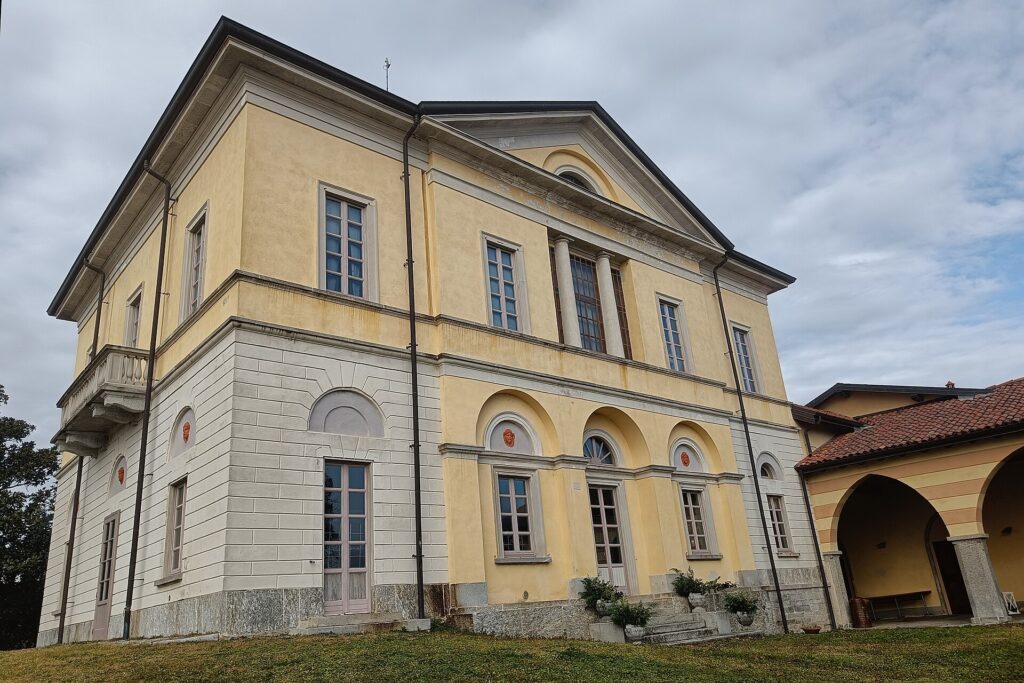
Nearby Villages near Biandronno
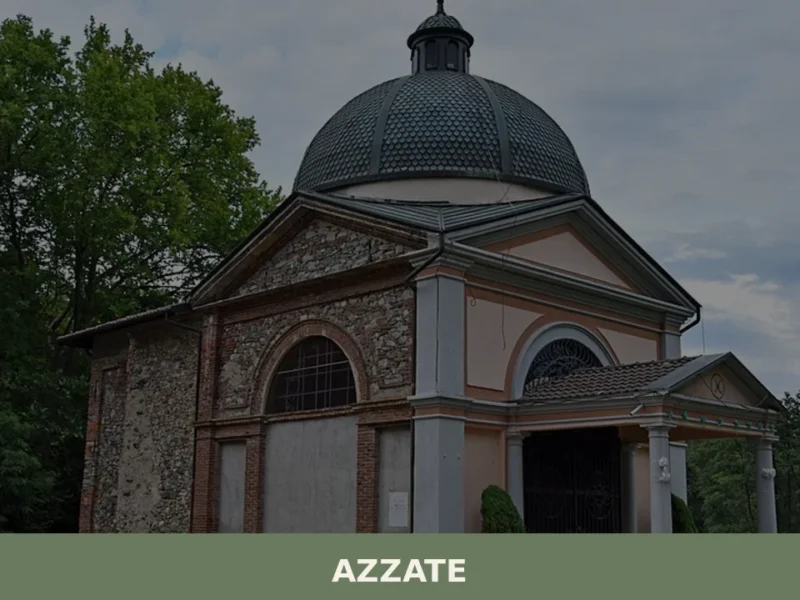
In Lombardy More villages to discover
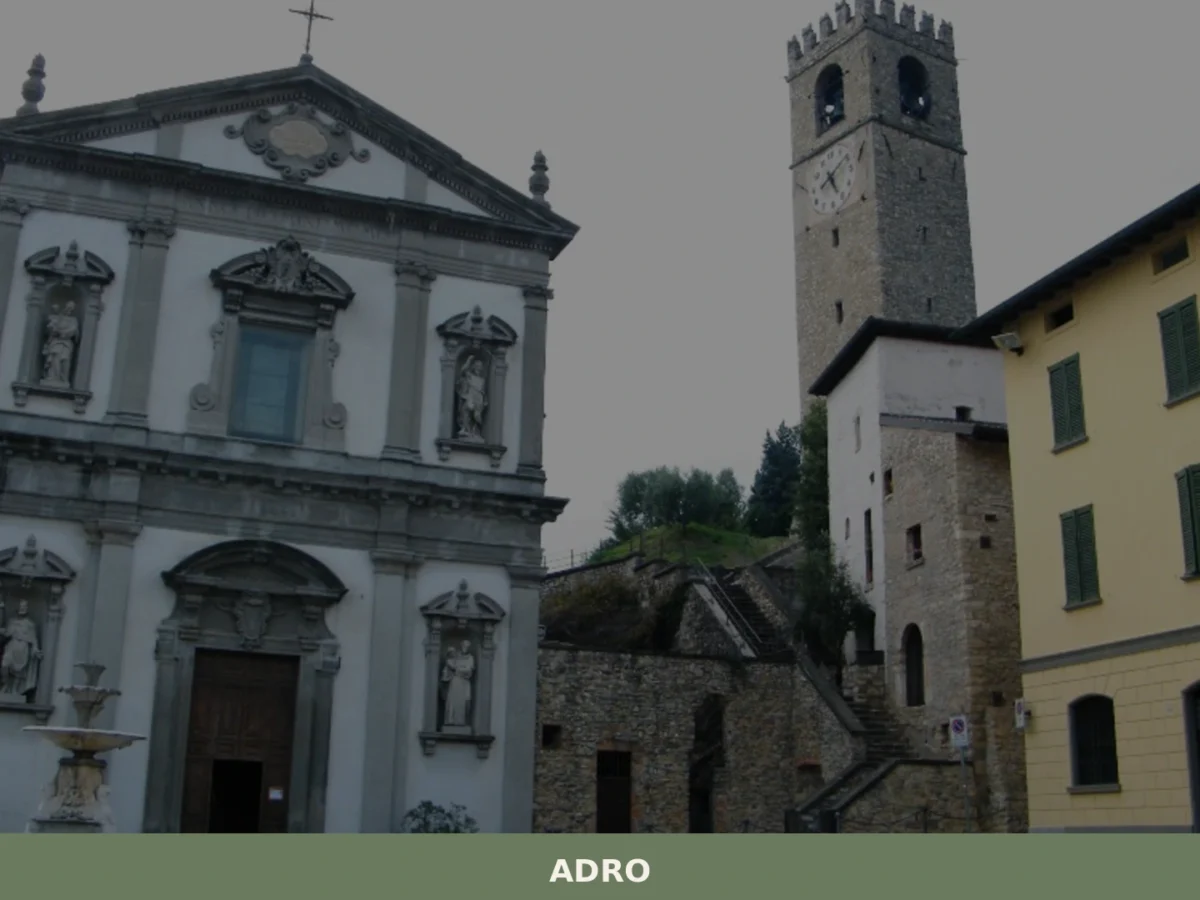
Adro
 Plains
What to see in Adro, Lombardia, Italy: explore 5 verified attractions, Franciacorta wines, and a medieval tower. Discover how to get there from Milan.
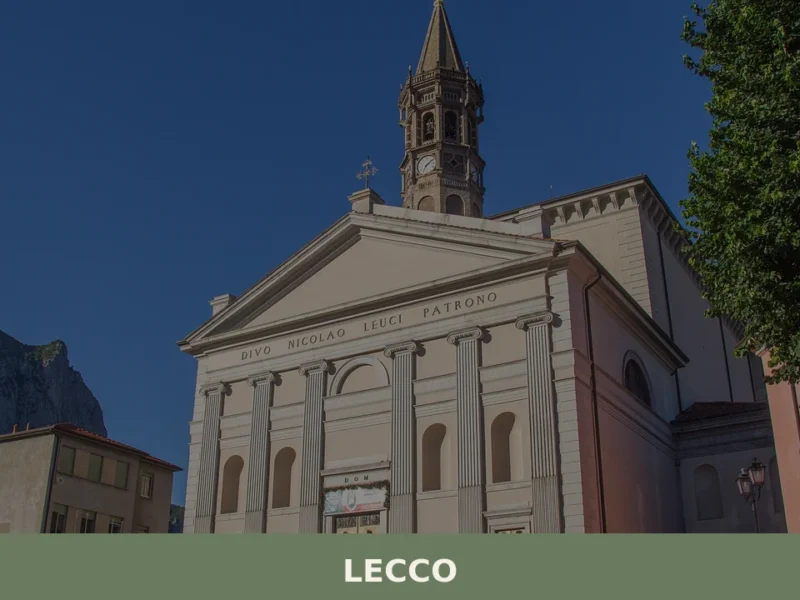
Lecco
Lake
 Mountain
what to see in lecco, Italy: Explore the 5 essential attractions of this Lombard city, from the historic Azzone Visconti Bridge to the towering Mount Resegone. Discover its 47,240 inhabitants.
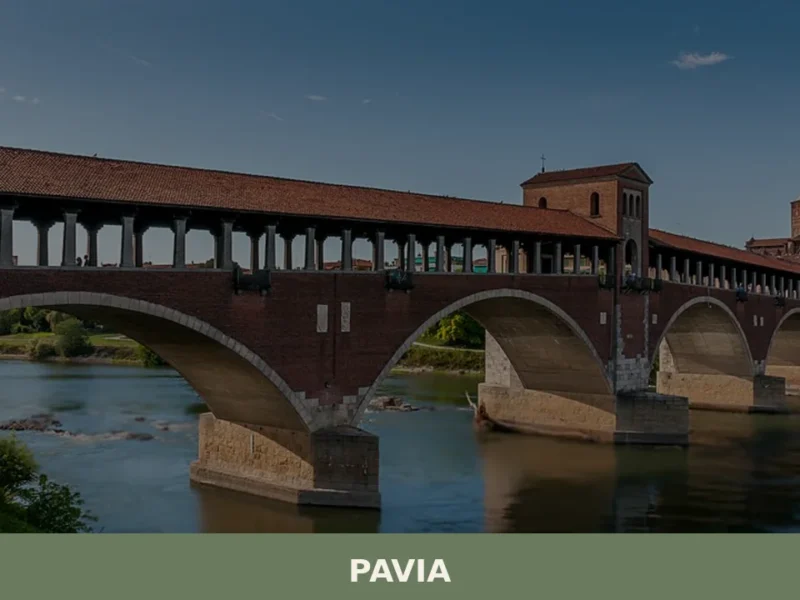
Pavia
Plains
what to see in pavia, home to 70,636 residents. Discover its iconic Duomo, the historic Certosa, and the ancient University. Explore Pavia's rich heritage now.
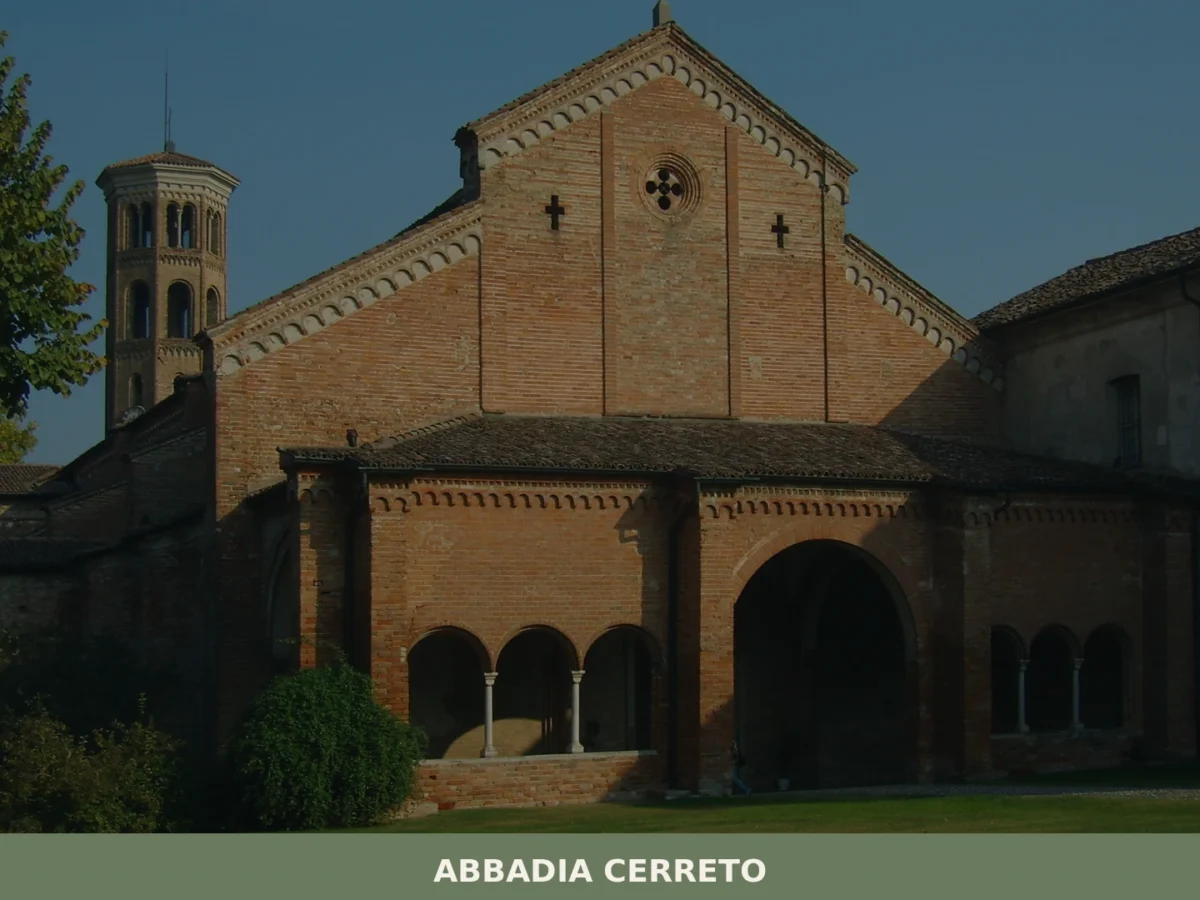
Abbadia Cerreto
Plains
Discover what to see in Abbadia Cerreto, a 280-person Lombard village in the province of Lodi with Cistercian roots and Po Valley landscapes.
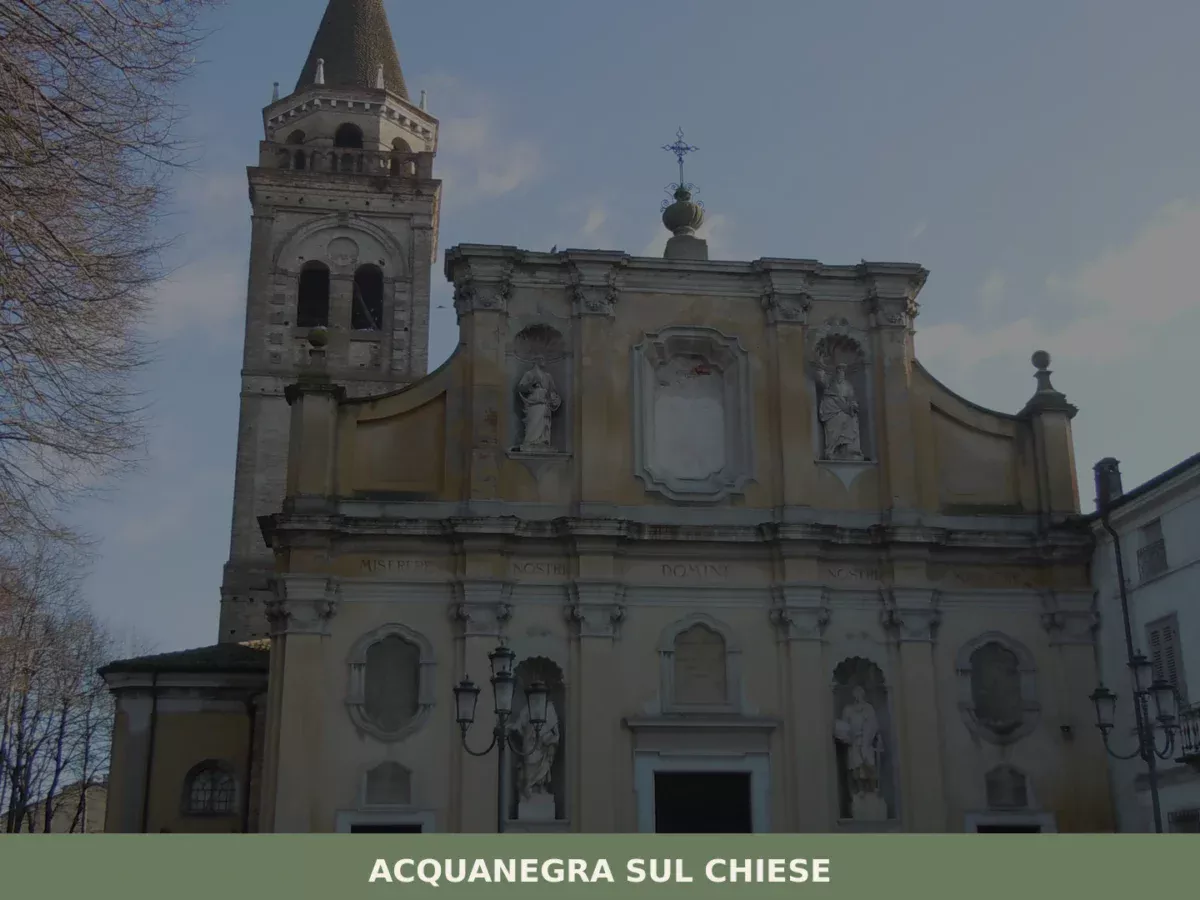
Acquanegra sul Chiese
Plains
What to see in Acquanegra sul Chiese, Lombardia, Italy — 100 km from Milan. Discover 5 top attractions, local food traditions, and how to get there. Explore now.
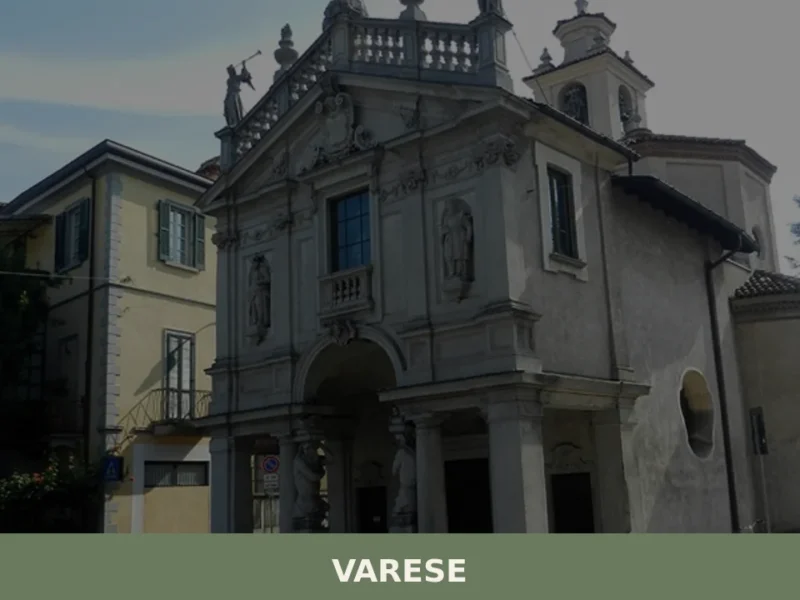
Varese
Hills
Lake
Varese, a Lombard city with a population of 78,409 inhabitants, stands at 382 m above sea level and is distinguished by its strategic position between lakes and pre-Alps. This locality, capital of the eponymous province, offers a rich historical and natural heritage that attracts numerous visitors every year. In this article History and Origins of […]

Melegnano
Plains
A town of 18,000 residents where the Lambro River winds through a Renaissance military landscape. Melegnano's famous 1515 and 1859 battles shaped Italian and European history.
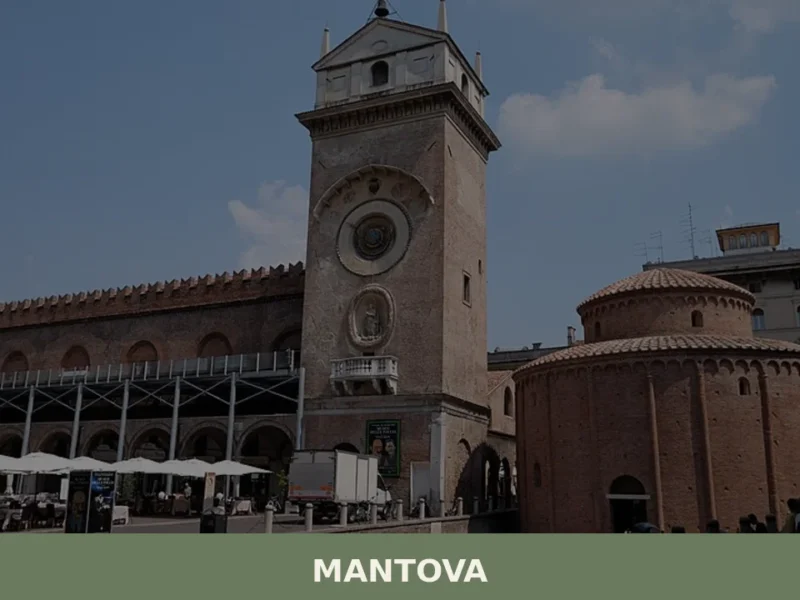
Mantova
Plains
what to see in mantova. A UNESCO heritage village with 48,653 inhabitants. Explore Palazzo Ducale and taste the famous Pumpkin Tortelli.
Brenta
Hills
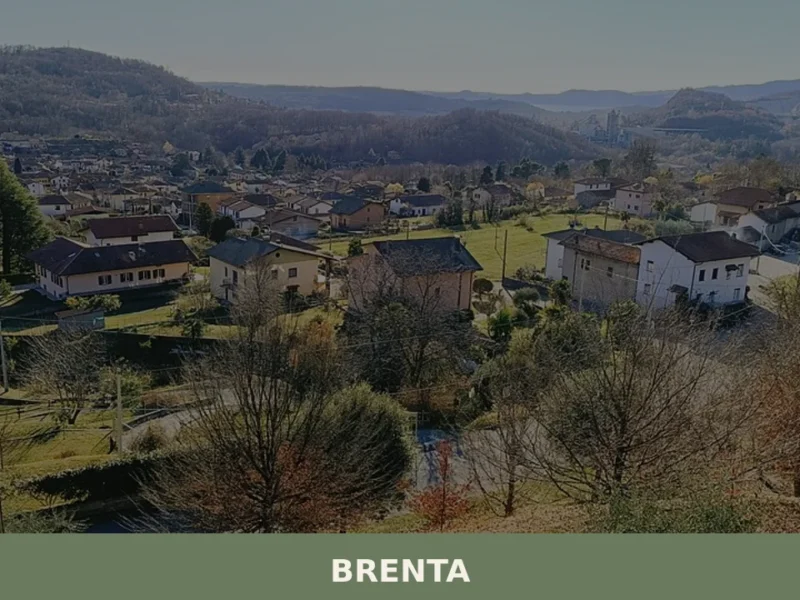
Brenta has 1,715 inhabitants and sits at 276 metres above sea level, on the hilly belt separating Lake Varese from the western Po Plain. The municipality, part of the province of Varese, comprises a central nucleus and agricultural hamlets spread across terrain that slopes gently southward. Anyone looking into what to see in Brenta will […]
Brescia
Plains
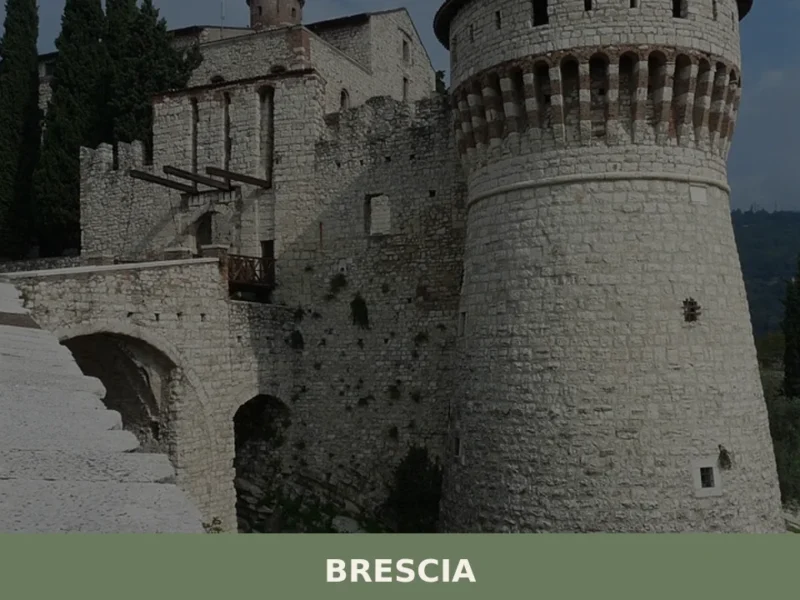
In 1826, during the excavation of a house’s foundations on Via Musei, the Winged Victory emerged from the ground — a Roman bronze from the 1st century AD, nearly two metres tall, and the symbol of a city that has layered twenty-five centuries of history upon itself. Anyone wondering what to see in Brescia today […]





🏡 Know Biandronno better than we do?
If you’re a local or have been there, your knowledge matters: add what’s missing or fix a detail on this page.