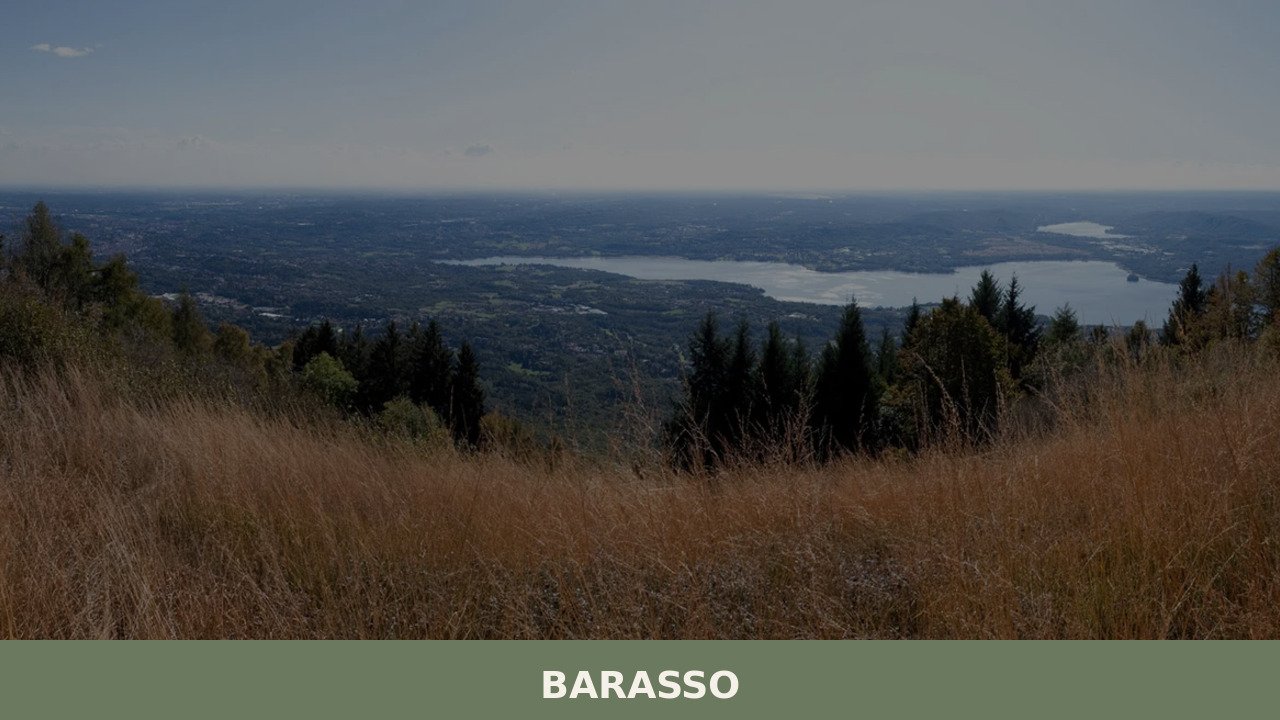
Barasso
Morning light filters through chestnut canopies along Via Roma, casting long shadows across stone walls that have absorbed centuries of Lombard weather. A church bell marks the hour — unhurried, familiar, absorbed by the surrounding green hills above Varese. Barasso, home to roughly 1,710 inhabitants, occupies a quiet slope in the Varesotto prealpine belt, a […]
Discover Barasso
Morning light filters through chestnut canopies along Via Roma, casting long shadows across stone walls that have absorbed centuries of Lombard weather. A church bell marks the hour — unhurried, familiar, absorbed by the surrounding green hills above Varese. Barasso, home to roughly 1,710 inhabitants, occupies a quiet slope in the Varesotto prealpine belt, a place where the rhythms of provincial life persist with little interruption. For anyone exploring what to see in Barasso, the reward is not spectacle but texture: the grain of old plaster, the smell of damp woodland, the geometry of terraced gardens descending toward the valley floor.
History of Barasso
The origins of Barasso reach back into the early medieval period, when small agricultural communities consolidated across the hills between Lake Varese and the Campo dei Fiori massif. The toponym likely derives from Lombard or late Latin roots, possibly connected to the word “baragia” — a term used across the Po Valley to indicate uncultivated or marshy terrain — though the etymology remains debated among local historians. What is certain is that the settlement appears in ecclesiastical records tied to the Diocese of Como, which administered much of the spiritual and civic life in this part of the prealpine foothills during the Middle Ages.
Under the long arc of Milanese rule — first the Visconti, then the Sforza — Barasso remained a modest rural commune, its economy rooted in chestnut cultivation, small-scale livestock, and the seasonal rhythms of silkworm rearing that defined much of Lombard hill country. The village passed through Habsburg, Napoleonic, and finally unified Italian governance without dramatic upheaval, its administrative boundaries shifting modestly over the centuries. The parish church, dedicated to local devotion, served as the social anchor through each political transition.
By the nineteenth and early twentieth centuries, Barasso evolved alongside the broader industrialisation of the Province of Varese, though it never developed the factory complexes of towns in the valley below. Instead, it retained its residential and semi-rural character — a trait that continues to define its identity today.
What to see in Barasso: 5 must-visit attractions
1. Parish Church of San Giacomo
The principal church of Barasso dates to an older foundation subsequently rebuilt and modified across several centuries. Its interior preserves devotional artwork and modest altarpieces characteristic of provincial Lombard parishes. The bell tower — the one heard across the village each morning — serves as the dominant vertical element in the settlement’s low skyline, visible from the surrounding footpaths.
2. Woodland Trails Toward Campo dei Fiori
Departing directly from the village, marked trails climb northward into the dense beech and chestnut forests leading toward the Campo dei Fiori Regional Park. The canopy is thick enough to block midday sun even in July. These paths connect Barasso to the wider network of prealpine hiking routes, offering access to panoramic ridgelines without requiring a vehicle to reach the trailhead.
3. The Old Village Centre (Nucleo Storico)
Barasso’s historic core retains a compact arrangement of stone and plaster houses built along narrow lanes, some barely wide enough for two people abreast. Arched doorways, external staircases, and iron balconies reveal construction patterns dating from the seventeenth through nineteenth centuries. The architecture is vernacular and unpolished — a direct record of provincial building traditions.
4. Panoramic Views Over the Varesotto
Several vantage points along the village’s upper edges offer unobstructed views south and west toward Lake Varese, the flatlands beyond, and on clear days, the distant silhouette of Monte Rosa. These are not formal overlooks with railings and plaques — they are gaps between houses, bends in the road, places where the terrain simply falls away and the horizon opens.
5. Rural Chapels and Wayside Shrines
Scattered along the lanes connecting Barasso’s frazioni and along footpaths into the surrounding countryside, small votive chapels and painted shrines mark the routes once walked daily by farmers and woodcutters. Many feature faded frescoes or simple ceramic Madonnas — unrestored, weather-worn, and quietly powerful as evidence of centuries-old devotional practice embedded in the landscape.
Local food and typical products
The cuisine around Barasso belongs firmly to the prealpine Varesotto tradition: polenta prepared from locally milled corn, served alongside braised meats or freshwater lake fish depending on the season. Chestnuts, once a subsistence staple, still appear in autumn dishes — roasted, ground into flour for cakes, or folded into risotto. The nearby lowlands contribute Gorgonzola DOP and Taleggio DOP, both cheeses with protected designation of origin that are produced across Lombardy and feature regularly on tables in the province. Honey from prealpine wildflower meadows is another local product worth seeking out.
Barasso itself is not a dining destination with a concentration of restaurants, but the surrounding area — particularly toward Varese and the lakefront towns — offers trattorias and agriturismi where these dishes appear in their proper context: generous portions, straightforward preparation, and local wines from the Lombardy hills. A plate of cassoeula (pork and cabbage stew) during the cold months provides as clear an understanding of this territory as any museum visit.
Best time to visit Barasso
Autumn is the most revealing season here. From late September through November, the chestnut forests above the village turn from green to copper and gold, the air sharpens, and the morning mists that fill the Varese basin create the sense of a village floating above a white sea. This is also when local sagre — small community festivals centred on seasonal food — tend to occur in towns across the province, offering an unvarnished view of Lombard social life. Spring, from April through June, brings wildflowers to the meadows and comfortable temperatures for walking the trails toward Campo dei Fiori.
Summers can be warm and humid, with temperatures occasionally reaching the low thirties Celsius, though the village’s altitude provides modest relief compared to the valley floor. Winters are cold and often grey, with occasional snowfall that briefly transforms the village rooflines. For those interested in what to see in Barasso without crowds — which is to say, nearly any time — weekdays in the shoulder seasons offer the most uninterrupted experience of the place.
How to get to Barasso
Barasso lies approximately 8 kilometres north of Varese, reachable by car via the SP1 provincial road. The nearest motorway access is the A8 (Milano-Varese), with the Varese exit located roughly 10 kilometres to the south. From Milan, the drive takes about an hour under normal traffic conditions; from Como, roughly 40 minutes via the A9 and connecting roads.
The closest railway station is Varese, served by Trenord regional trains from Milano Cadorna (travel time approximately one hour) and Milano Centrale. From Varese station, local bus services operated by Autolinee Varesine connect to Barasso and surrounding villages, though frequencies are limited — particularly on weekends and holidays. Milano Malpensa Airport, the nearest major international gateway, is approximately 40 kilometres to the south, making Barasso accessible as a day trip or base for exploring the wider prealpine lake district.
More villages to discover in Lombardia
The hills surrounding Barasso are dotted with small communes that share its prealpine character yet each carry distinct histories and landscapes. Just a few kilometres away, Luvinate sits at the foot of the Campo dei Fiori massif, offering direct access to the regional park and a notable Sacro Monte tradition. Its compact centre and proximity to the mountain make it a natural companion visit for anyone already exploring the Varesotto uplands.
Further into the province, Casciago occupies a gentle hillside with views toward Lake Varese, its residential character dating to the era when Milanese families built country villas across the area. Together, these villages form a quiet constellation — each too small to appear on most itineraries, yet collectively they reveal a Lombardy that exists well beyond the postcard imagery of the great lakes, rooted instead in the patient, unspectacular rhythms of hill-country life.
Getting there
21020
Photo Gallery of Barasso
Do you have photos of Barasso?
Share your photos of the village: the best ones will be added to the official gallery, with your credit.
Send your photosNearby Villages near Barasso
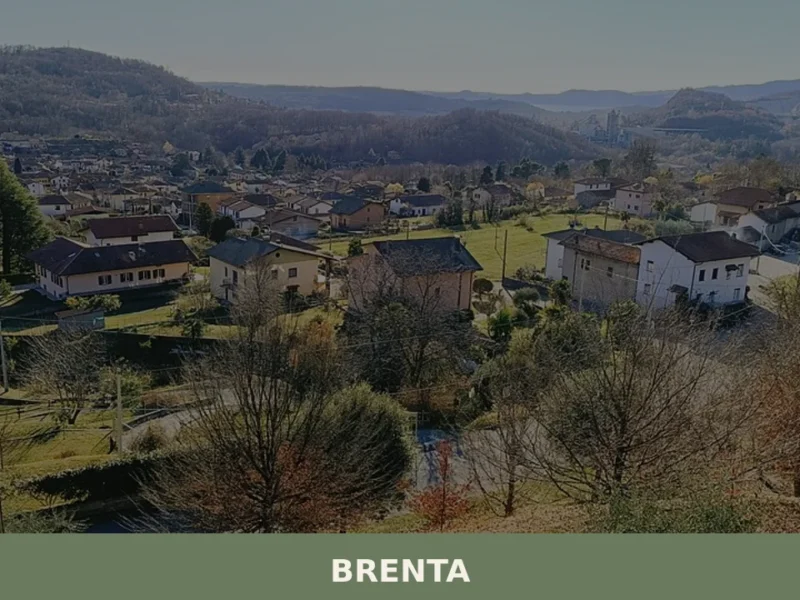
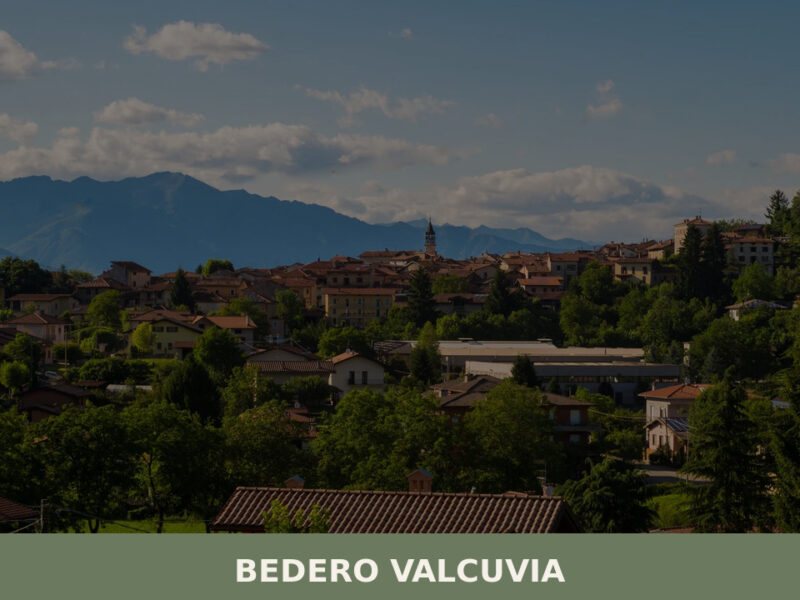
In Lombardy More villages to discover
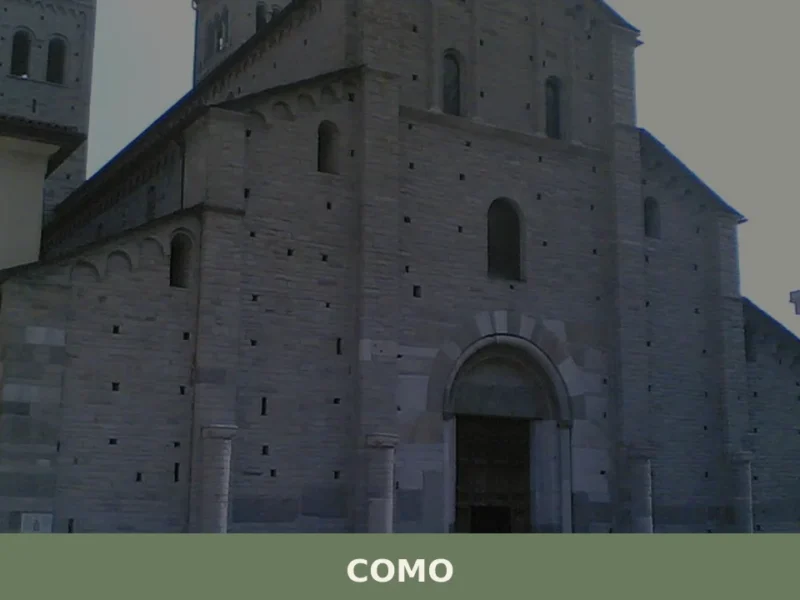
Como
what to see in como? Explore this city of 83,184 inhabitants. Discover its historic Duomo, Lake Como's beauty, and local cuisine. Read our guide.
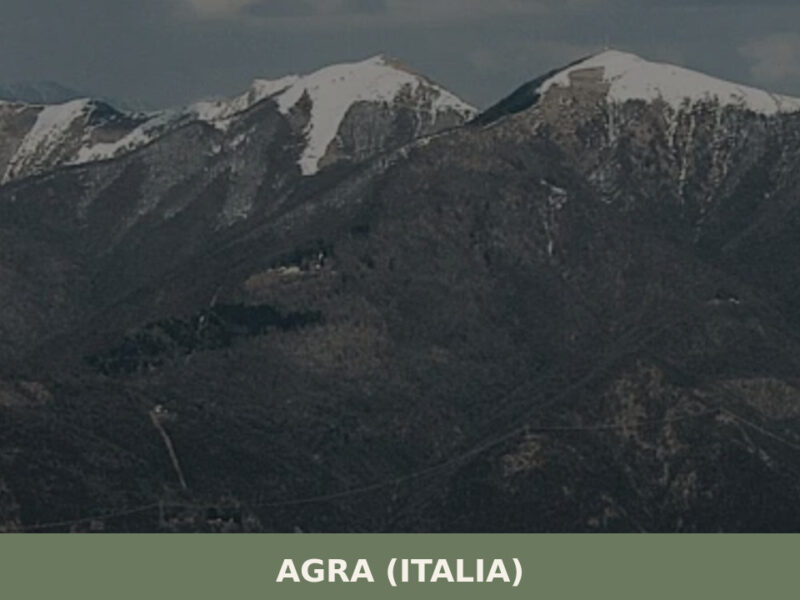
Agra
A 391-inhabitant mountain village at 650 metres in Varese province, Agra sits at the Swiss border with trails to Monte Lema and centuries-old chestnut woods.
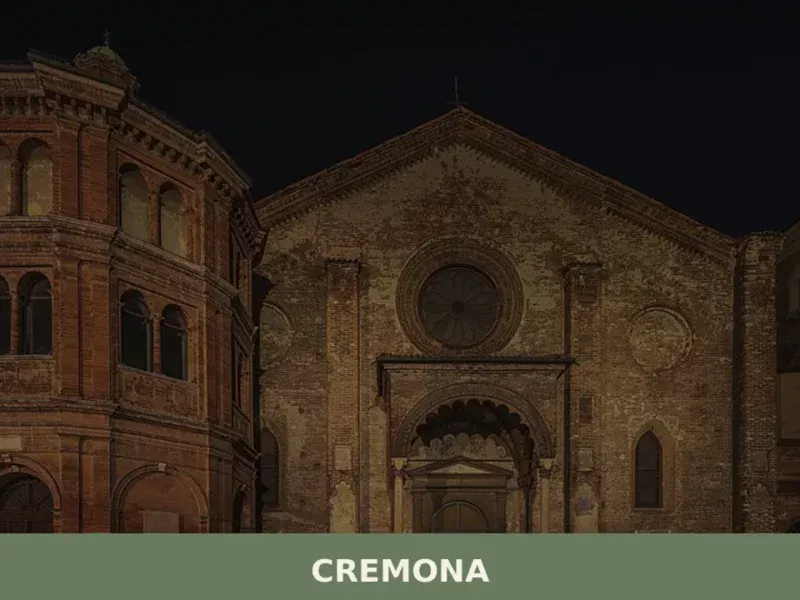
Cremona
What to see in Cremona? With a population of 70,637, this city of lutherie offers the iconic Torrazzo and Violin Museum. Explore our guide.

📝 Incorrect information or updates?
Help us keep the Barasso page accurate and up to date.