


Besano
 Hills
Hills
What to see in Besano, Italy: Explore the paleontological site and discover village life at 350 m (1,148 ft) a.s.l. Read our guide to Lombardy’s unique corners.
Discover Besano
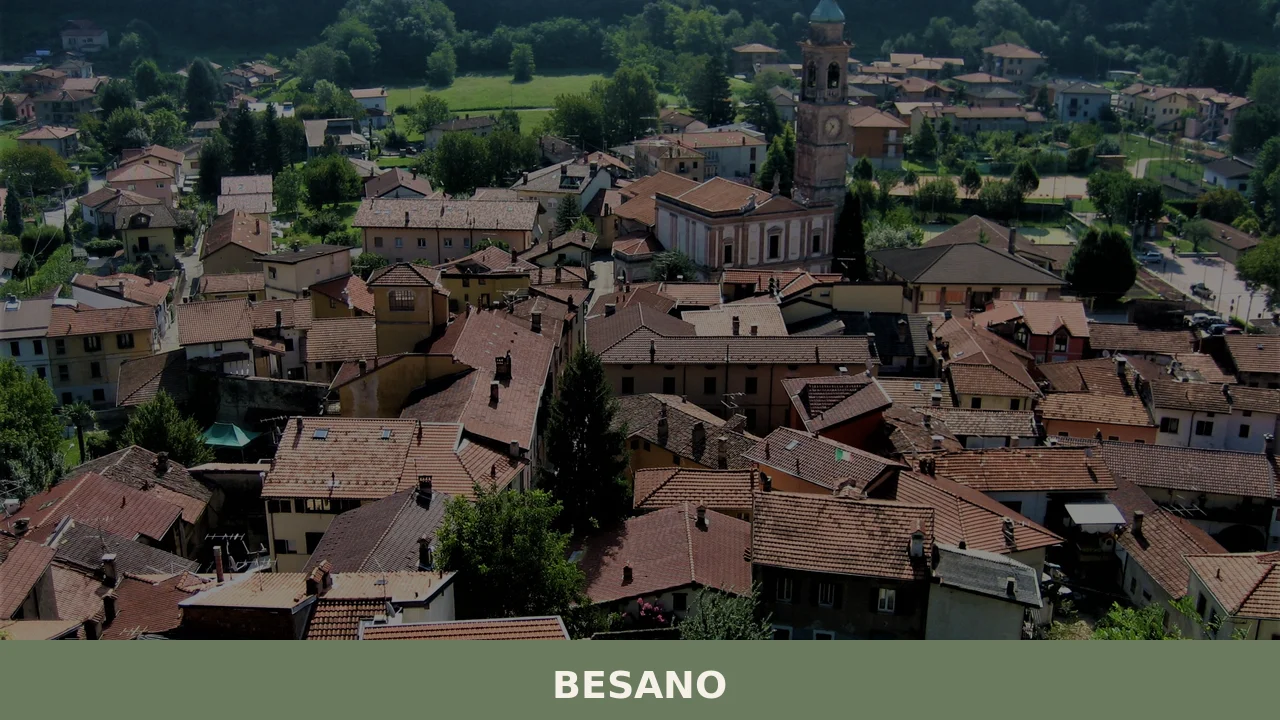
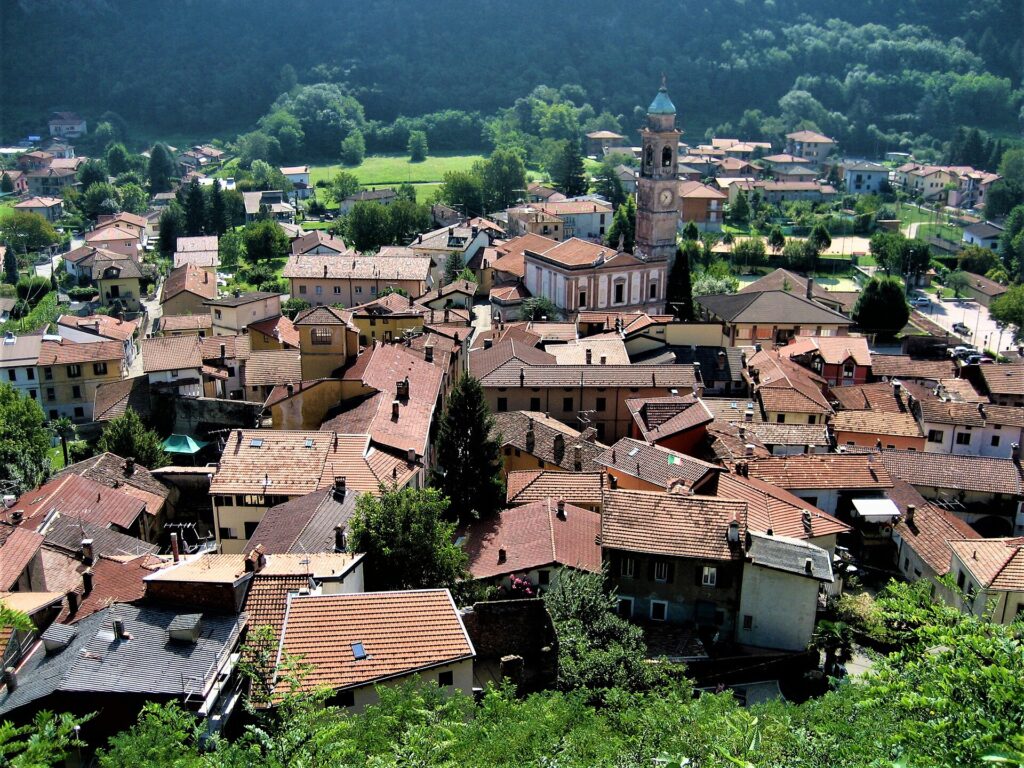
At an altitude of 350 m (1,148 ft) above sea level, Besano in Lombardia, Italy, presents itself as a quiet village set within the Varese province. The surrounding hills, characteristic of the Collina landscape, offer a distinct visual experience that has shaped its historical development. This geographical position likely played a role in its early settlement patterns, providing both strategic viewpoints and agricultural opportunities for its 2,515 inhabitants throughout various periods.
For those wondering what to see in Besano, the village offers a compelling blend of natural history and local character.
Visitors to Besano will find the renowned paleontological site, where a Triassic aquatic reptile fossil was discovered in 1993, alongside the serene atmosphere of a traditional Italian village. The Besano highlights include its significant scientific discoveries and the opportunity to experience daily life in the Lombard countryside.
History of Besano
Besano, located in the province of Varese within the Lombardy region of northern Italy, has roots that extend deep into the historical fabric of this part of the country. Its geographical position on a hill, or collina, at 350 m (1,148 ft) above sea level, likely played a role in its early settlement patterns, offering strategic viewpoints and fertile ground. While specific founding dates are not detailed, the continuity of human presence in similar Lombard villages suggests centuries of evolution from agricultural settlements to the modern comune it is today, offering a rich context for what to see in Besano.
A pivotal moment in Besano’s history, particularly for its global recognition, arrived with significant paleontological discoveries.
Near the town, in 1993, the fossil of a Triassic aquatic reptile dating back approximately 235 million years was unearthed. This remarkable specimen was subsequently named Besanosaurus, cementing the village’s place in scientific history. The fossiliferous field of Besano-Monte San Giorgio, from which the Besanosaurus emerged, has been acknowledged and studied since the mid-nineteenth century, indicating a long-standing awareness of the area’s geological treasures.
The village, with a population of 2,515 inhabitants, has developed over time as a typical Lombard comune, balancing its natural heritage with the needs of a contemporary community. Its administration falls under the province of Varese, a region known for its lakes and pre-alpine landscapes. The historical narrative of Besano, like many other villages in the area such as Besozzo, is one of gradual growth and adaptation, maintaining local identity while integrating into the broader regional context of Lombardy.
What to see in Besano, Lombardia: top attractions
The Paleontological Site of Besano-Monte San Giorgio
The fossiliferous field of Besano-Monte San Giorgio is renowned for its exceptional prehistoric discoveries, a landscape that holds secrets from 235 million years ago.
This site gained international acclaim with the finding of the Besanosaurus in 1993, a Triassic aquatic reptile whose remains provided crucial insights into ancient marine life. Visitors can appreciate the geological significance of this area, understanding how sedimentary layers preserved such remarkable specimens. Exploring the vicinity offers a unique connection to Earth’s deep history and the scientific endeavors that continue to unveil it.
Parish Church of San Martino
As is common in Italian villages, the central religious edifice often bears the name of the community’s patron saint, and in Besano, this is the Parish Church of San Martino. While specific architectural details are not documented, such a church typically serves as a spiritual and communal focal point, reflecting centuries of local devotion. The celebration of San Martino, the patron saint, takes place annually on November 11, underscoring the church’s enduring role in village life.
Its presence anchors the historical and cultural narrative of Besano, offering a glimpse into local traditions.
The Hillside Landscape (Collina)
Besano’s designation as a collina, or hillside village, immediately suggests its elevated position and the panoramic views it affords over the surrounding Lombard countryside. Standing at 350 m (1,148 ft) above sea level, the village offers perspectives across the province of Varese towards distant peaks and valleys. The gentle slopes around Besano are ideal for short walks, allowing visitors to appreciate the local flora and the quiet rhythms of rural life. This natural setting provides a serene backdrop for exploring what to see in Besano beyond its historical core.
Historic Village Center
The compact layout of Besano’s village center reflects its long history as a communal settlement, with residential buildings and public spaces often clustered around a main square or thoroughfare. While no specific ancient structures are detailed, the general ambiance of an Italian comune center involves narrow streets and traditional architecture. This area serves as the contemporary heart of the village, where daily life unfolds among its 2,515 inhabitants. Visitors can observe local routines and appreciate the continuity of community living, a characteristic feature of many Lombard villages.
Natural Surroundings and Local Walks
Beyond the immediate village structures, the natural surroundings of Besano invite exploration, particularly for those interested in the Lombard landscape.
The area’s classification as collina implies a terrain of rolling hills and accessible pathways, distinct from the more rugged mountainous regions. These paths offer opportunities for leisurely strolls, connecting visitors with the natural environment that has sustained the community for generations. Engaging with these outdoor spaces allows a deeper appreciation for the region’s biodiversity and provides a peaceful counterpoint to the village’s historical sites, making it a valuable part of what to see in Besano.
Local food and typical products of Besano
The culinary traditions of Besano are intrinsically linked to its position within the Lombardy region, a rich agricultural area influenced by both mountain and lake environments. This geographical context has fostered a gastronomy characterized by hearty flavors and a reliance on locally sourced ingredients. Historical influences from Milan and the broader Varese province mean that traditional dishes often feature a balance of robust meats, freshwater fish, and staple grains like rice and polenta. The local approach to food emphasizes seasonality and the careful preparation of simple, high-quality components, adding another dimension to what to see in Besano and experience.
While specific dishes unique to Besano are not detailed in historical records, the village shares in the broader Lombard culinary heritage.
This includes preparations such as Risotto alla Milanese, often enriched with saffron, or various forms of Polenta, served with braised meats or local cheeses. Cured meats, known as salumi, and artisanal cheeses, reflecting the region’s dairy traditions, are also common elements of the local diet. These dishes are prepared using techniques passed down through generations, focusing on slow cooking and full-bodied flavors that reflect the rural Italian lifestyle.
Besano, like many communities in the Varese province, benefits from the availability of various regional products, even if specific certified items from the village itself are not listed. The Lombardy region is well-known for its range of dairy products, including cheeses such as Gorgonzola and Taleggio, and various types of cured meats. These products, often made by small-scale producers across the region, contribute significantly to the local economy and gastronomic identity.
Visitors can often find these regional specialties in local markets or small food shops, providing a taste of the broader Lombard culinary landscape.
Given the strong connection to agricultural traditions, local markets or occasional food stalls might appear in Besano, particularly during harvest times or specific community gatherings. These informal opportunities provide villagers and visitors alike with access to fresh, seasonal produce and regional specialties. While official food fairs or large-scale markets are not documented for Besano, the practice of buying fresh, local ingredients remains a fundamental aspect of Italian daily life, supporting regional producers and ensuring the continuity of traditional flavors.
Festivals, events and traditions of Besano
The spiritual and communal life of Besano revolves significantly around its patron saint, San Martino, whose feast day is celebrated annually on November 11. This day is a moment of collective observance, typically marked by religious services at the Parish Church of San Martino. In many Italian villages, such celebrations often include a solemn procession through the streets, carrying an effigy of the saint, accompanied by local parishioners and sometimes a musical band.
These traditions reinforce community bonds and offer a public expression of local identity, drawing together the 2,515 inhabitants, much like in Adrara San Martino, which shares the same patron.
Beyond the patron saint’s day, specific annual festivals or events for Besano are not extensively documented. However, smaller villages across Lombardy often maintain a rhythm of local traditions tied to the agricultural calendar or seasonal changes. These might include informal gatherings, communal meals, or local markets that spring up during specific times of the year, celebrating harvests or local products. Such practices, while not always formalized as large-scale events, contribute to the enduring cultural fabric of Besano and offer insights into its community spirit.
When to visit Besano, Italy and how to get there
The best time to visit Besano, Italy, and the broader Lombardy region, typically spans from late spring (April-May) to early autumn (September-October). During these months, the weather is generally mild and pleasant, making it ideal for exploring the village’s paleontological site and enjoying the hillside walks without the intense heat of summer. For those planning a day trip from a nearest major city like Milan, these periods also offer fewer crowds compared to peak summer holidays. The village’s collina setting, while offering scenic views, means some areas might involve gentle inclines, but it is generally accessible for most visitors.
Besano is reasonably accessible for international travelers, particularly for those arriving at Milan Malpensa Airport (MXP), which is approximately 55 km (34 mi) away, a drive of about 45-60 minutes.
From Milan, a major Italian hub, Besano is roughly 70 km (43.5 mi) north, making it a feasible day trip by car. If you arrive by car, the A8 motorway heading towards Varese provides a direct route, followed by local roads. For those preferring public transport, the nearest train station is Porto Ceresio, about 7 km (4.3 mi) away, which has connections to Varese via regional train services. From Varese, local bus services can complete the journey to Besano, though schedules should be checked in advance.
For international visitors, it is worth noting that while Besano is accustomed to travelers, English may be limited in smaller shops and local establishments. Carrying some Euros cash for minor purchases is always a practical tip, as not all places might accept credit cards, especially in more rural settings. Planning your itinerary to include the specific hours of the paleontological site or any local points of interest will maximize your experience in this unique Lombard village. Besano offers a quiet, authentic Italian experience, making it a rewarding destination for those seeking a deeper connection with the region.
Frequently asked questions about Besano
What is the best time to visit Besano?
Spring (April–May) and early autumn (September–October) are the best seasons to visit Besano, offering mild temperatures ideal for hiking Monte San Giorgio and exploring the nature trails of Valceresio. Summer is suitable for outdoor activities, though warmer. Mark November 11 in your calendar: the feast of patron saint San Martino brings religious celebrations and local food events to the village, offering an authentic glimpse into community traditions alongside seasonal tastings of local products.
What are the historical origins of Besano?
Besano has ancient roots linked to Roman presence along the Via Varesina. During the Middle Ages it was part of the Contado del Seprio, a significant territorial entity in northern Lombardy. Its name may derive from 'Bis-sanus,' meaning doubly healthy. Over the centuries the village passed through various dominations while maintaining an identity rooted in agriculture and, later, textile manufacturing. In the 20th century, systematic paleontological research on Monte San Giorgio transformed Besano into an internationally recognized scientific site.
What to see in Besano? Main monuments and landmarks
Besano's highlights include: the Church of San Martino Vescovo, the parish church featuring historic frescoes and paintings; the Civic Fossil Museum, dedicated to local Triassic finds including the Besanosaurus leptorhynchus; Villa Besozzi-Castelbarco, a historic residential building linked to one of the area's noble families; and the UNESCO World Heritage Site of Monte San Giorgio, accessible via marked trails. For museum opening hours and admission fees, consult the municipality of Besano directly, as schedules may vary seasonally.
What are the main natural or scenic attractions of Besano?
Besano sits within the Valceresio area at 350 meters elevation, offering marked trails through woods with panoramic views toward Lake Lugano and the Varese Prealps. Monte San Giorgio, a UNESCO World Heritage Site, is the area's premier natural attraction, combining geological significance with scenic hiking routes. The trails suit different fitness levels and allow visitors to observe local flora and fauna while crossing a landscape that preserves one of the world's most important Middle Triassic fossil records.
Where to take the best photos in Besano?
The trails of Monte San Giorgio offer elevated viewpoints with striking panoramas toward Lake Lugano and the surrounding Varese Prealps, making them ideal for landscape photography. The historic façade of the Church of San Martino Vescovo and the architectural profile of Villa Besozzi-Castelbarco provide classic village shots. During the San Martino feast on November 11, the animated village streets and traditional events offer compelling documentary-style photography opportunities.
Are there museums, churches or historic buildings to visit in Besano?
Yes. The Civic Fossil Museum of Besano documents the extraordinary paleontological discoveries of Monte San Giorgio, including reproductions of the Besanosaurus leptorhynchus and educational panels on Triassic marine life — an excellent starting point before exploring the UNESCO site. The Church of San Martino Vescovo houses sacred artworks, frescoes and paintings across its naves and high altar. Villa Besozzi-Castelbarco completes the architectural heritage, though internal access is not always available. Contact the municipality for current museum opening hours.
What can you do in Besano? Activities and experiences
Visitors can hike the marked trails of Monte San Giorgio and Valceresio, ranging from easy walks to more demanding routes with lake views. Exploring the Civic Fossil Museum provides a fascinating educational experience for geology enthusiasts. On November 11, the San Martino patron saint festival offers traditional local events and food tastings. The area also invites food and wine discovery through local markets and village festivals where DOP products such as Formaggella del Luinese and Miele Varesino can be sampled.
Who is Besano suitable for? Families, couples, hikers, solo travelers?
Besano is particularly well suited for families with children, thanks to the engaging Civic Fossil Museum and the approachable nature trails of Valceresio. Science enthusiasts and geology lovers will find the UNESCO Monte San Giorgio site and its fossil heritage uniquely rewarding. Hikers of all levels can enjoy the panoramic routes toward Lake Lugano. Couples and slow-travel visitors will appreciate the quiet village atmosphere, historic architecture and local food culture. Its compact size and varied offer make it accessible for solo travelers too.
What to eat in Besano? Local products and specialties
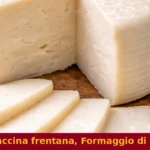
Besano's table reflects the Lombard pre-Alpine tradition with Swiss cross-border influences. Key local specialties include Formaggella del Luinese DOP, a soft goat cheese produced in the Varese valleys, and Miele Varesino DOP, honey from local blooms. Traditional dishes feature braised beef in red wine served with polenta, and risotto with porcini mushrooms foraged from surrounding woods or with lake perch from nearby waters. The patron saint festival on November 11 is a prime occasion to taste these products at local events.
📷 Photo Gallery — Besano
Nearby Villages near Besano
In Lombardy More villages to discover
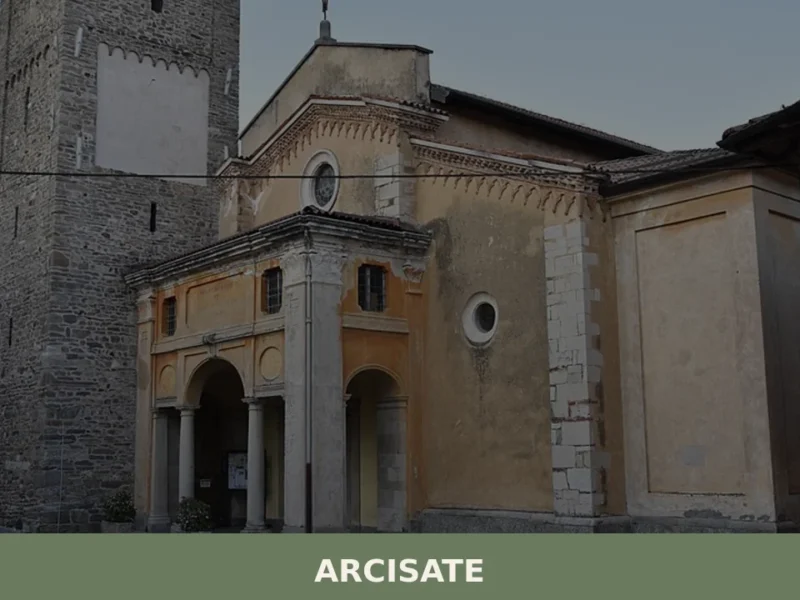
Arcisate
Hills
What to see in Arcisate, Italy: Discover Roman history and hillside views at 372 m a.s.l. Explore the village's main church and its unique past.
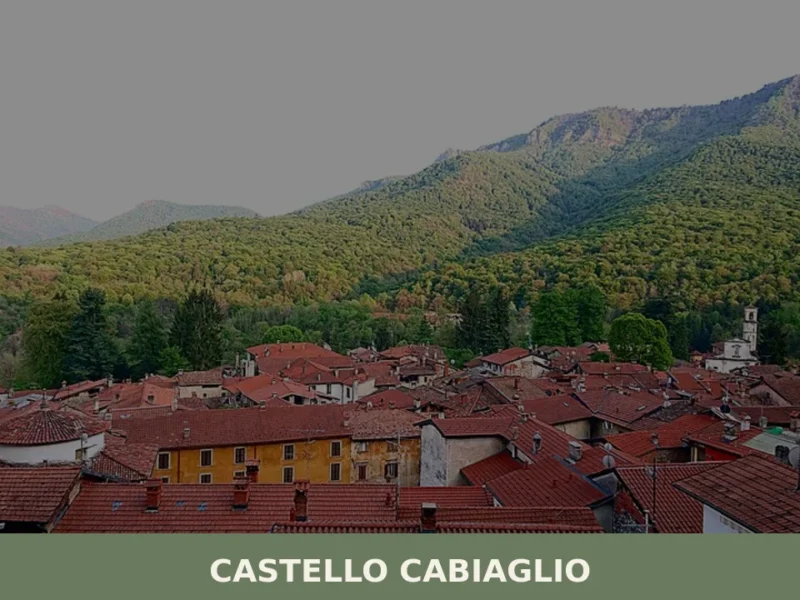
Castello Cabiaglio
Hills
What to see in Castello Cabiaglio: a hill village at 514m with 567 residents in Varese. Explore Sant'Appiano church, Campo dei Fiori trails and local porcini risotto. Plan your visit now.
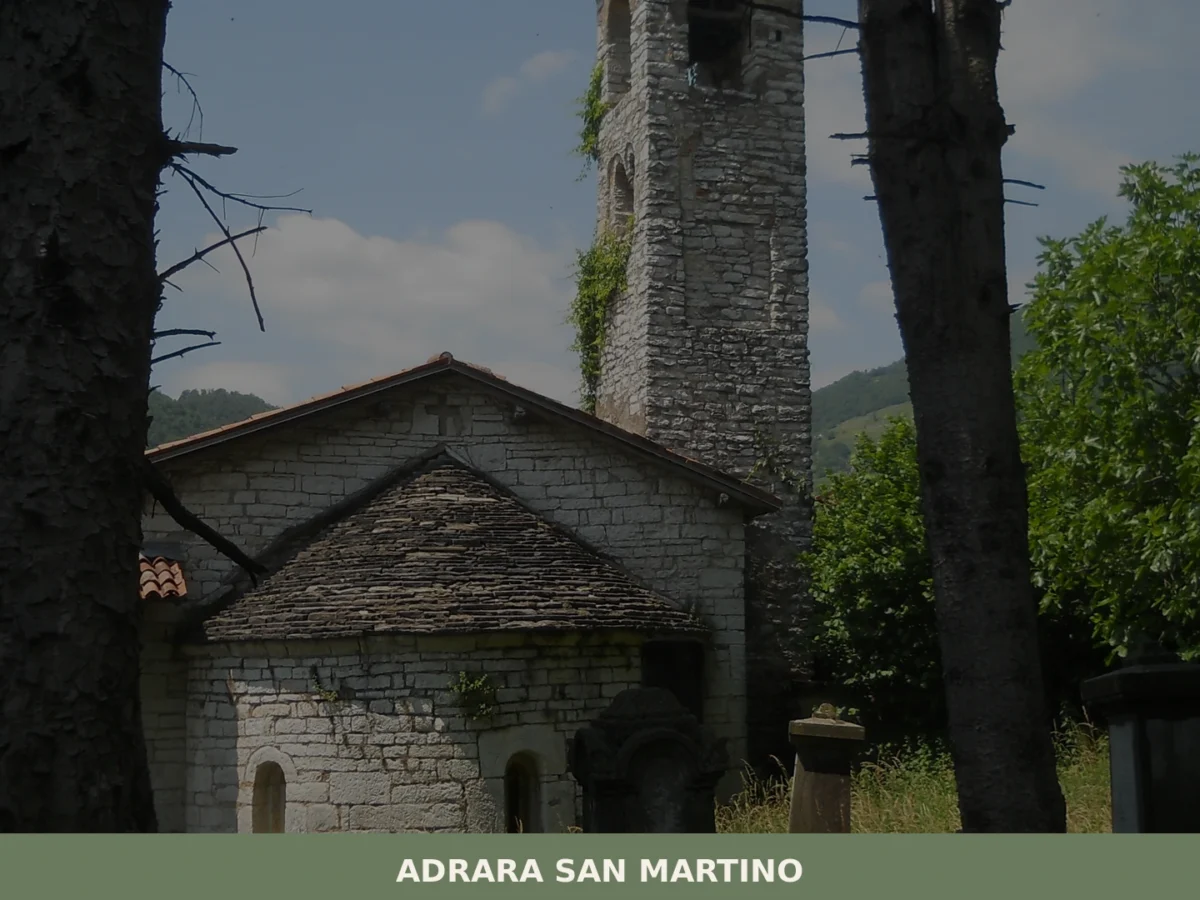
Adrara San Martino
Hills
What to see in Adrara San Martino? Discover the 5 must-see attractions of this Lombard village. The complete guide for your visit. Plan your trip!
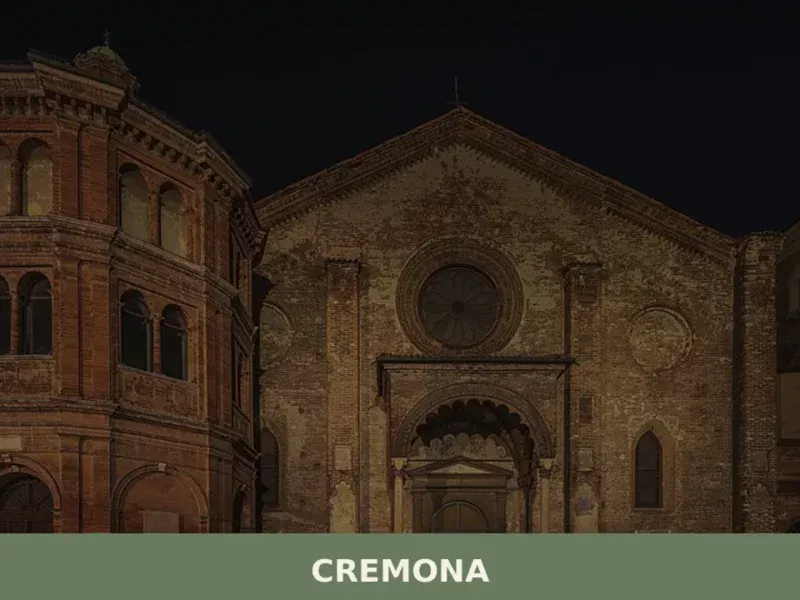
Cremona
 Plains
What to see in Cremona? With a population of 70,637, this city of lutherie offers the iconic Torrazzo and Violin Museum. Explore our guide.
Abbiategrasso
Plains
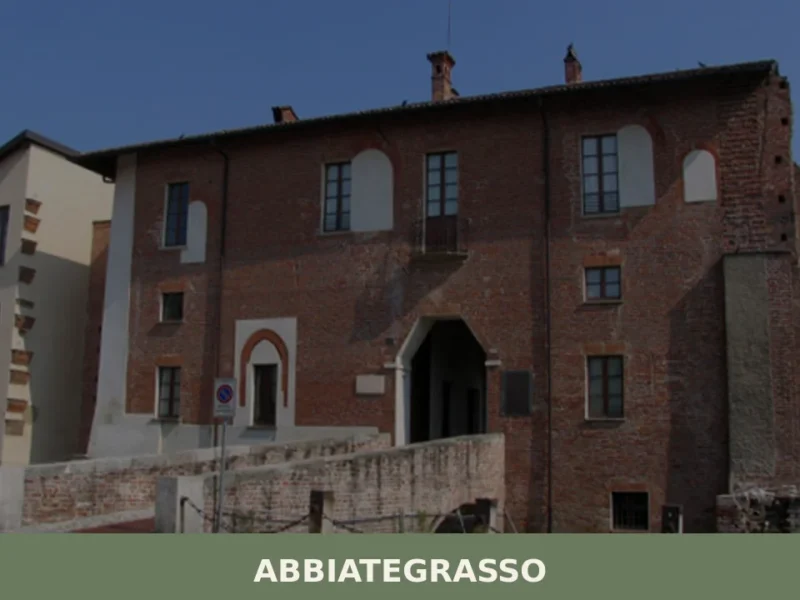
Discover what to see in Abbiategrasso: a Visconti castle, a Renaissance church portico, the Naviglio Grande canal, and the Ticino valley park in Lombardia.

Rogeno
Hills
 Lake
Lake
3,035 residents, one patron saint, and a village whose families shaped Italian history. Rogeno rewards slow exploration along the southern Brianza.
Agnadello
Plains
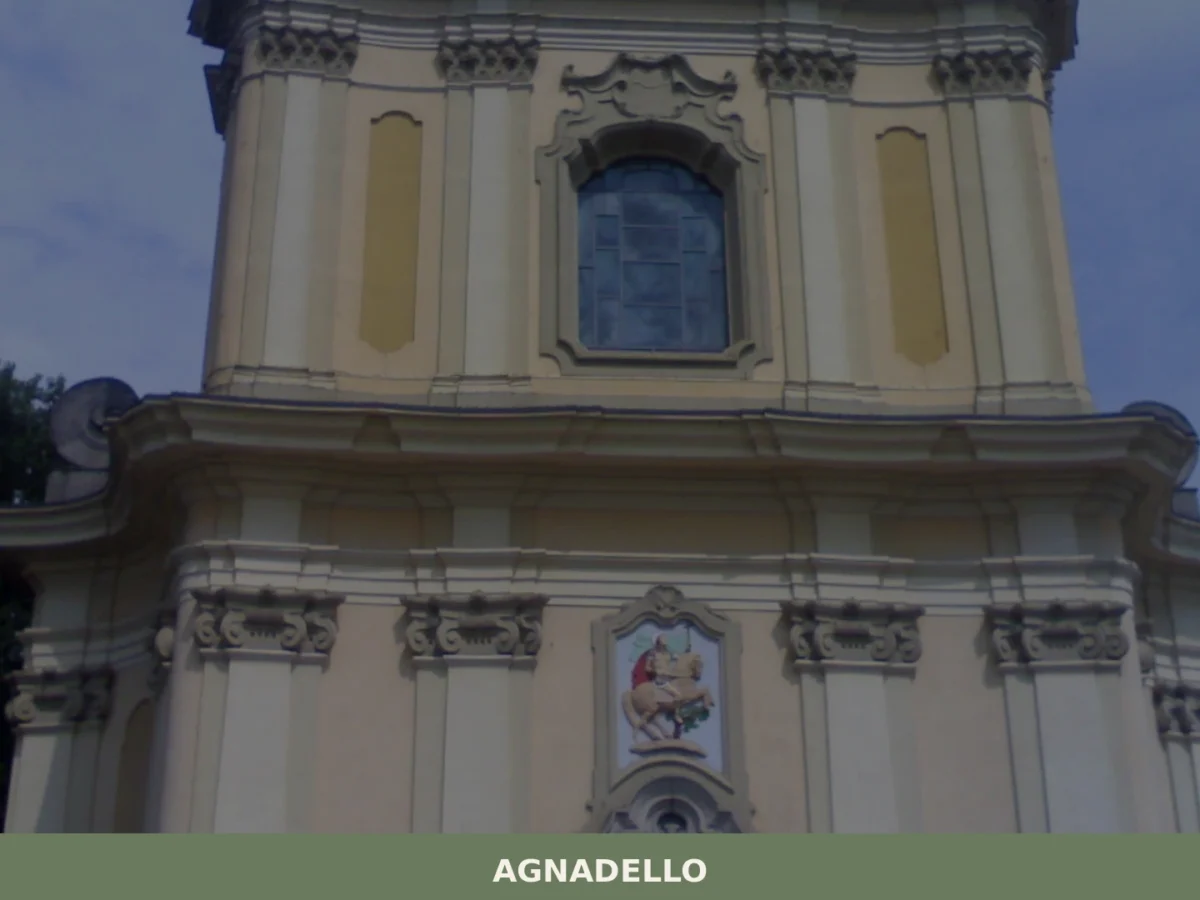
What to see in Agnadello, Italy: explore the 1509 battle site, local Cremasco cuisine, and top attractions. Discover this Lombardia village near Milan. Read the guide.
Barasso
Hills
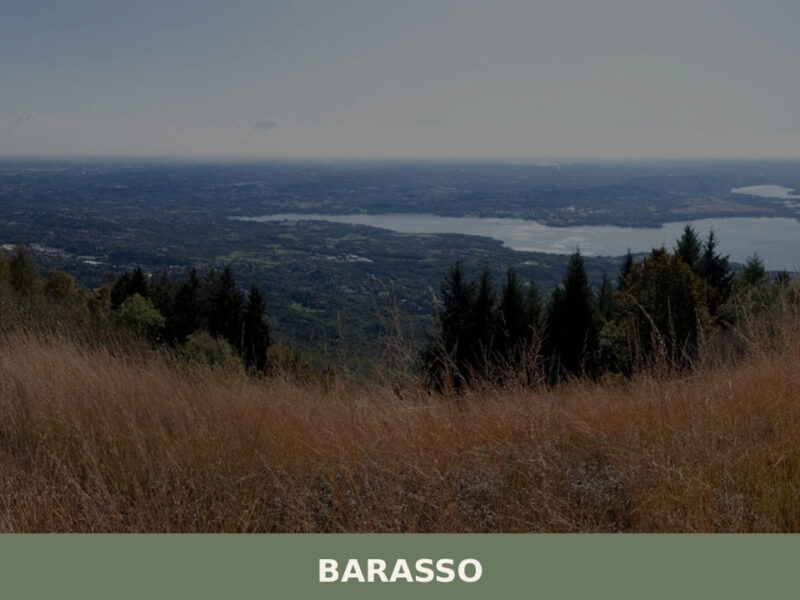
Morning light filters through chestnut canopies along Via Roma, casting long shadows across stone walls that have absorbed centuries of Lombard weather. A church bell marks the hour — unhurried, familiar, absorbed by the surrounding green hills above Varese. Barasso, home to roughly 1,710 inhabitants, occupies a quiet slope in the Varesotto prealpine belt, a […]
Azzate
Hills
Lake
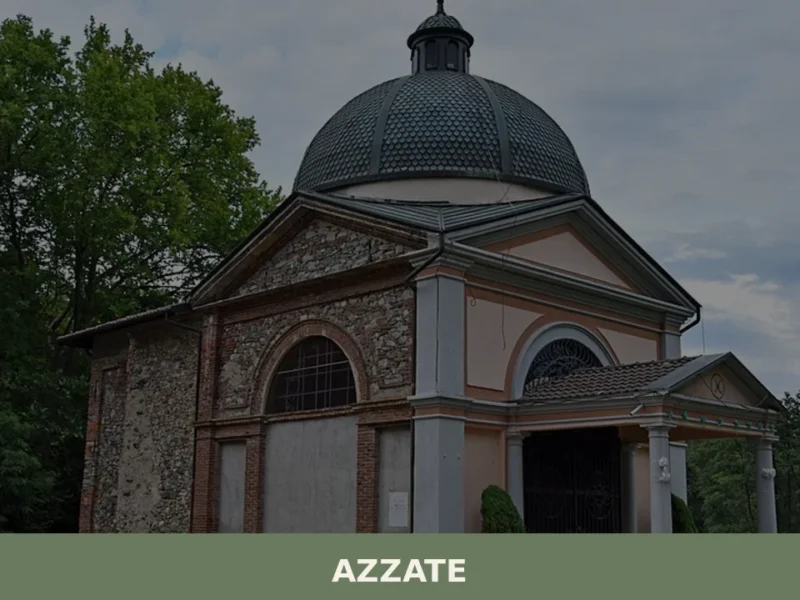
What to see in Azzate? Discover 5 must-see attractions. Explore the Church of Sant'Andrea and the Belvedere. Book your visit now!

Cassano Magnago
Hills
Over 21,000 residents and a documented history stretching back to 1152. Cassano Magnago rewards visitors with a medieval castle, four ancient churches and a rich civic past.





🏡 Know Besano better than we do?
If you’re a local or have been there, your knowledge matters: add what’s missing or fix a detail on this page.