


Cefalà Diana
 Hills
Hills
Discover what to see in Cefalà Diana, Sicily: Arab-Norman baths, castle ruins, local food, best season to visit, and how to get there from Palermo.
Discover Cefalà Diana
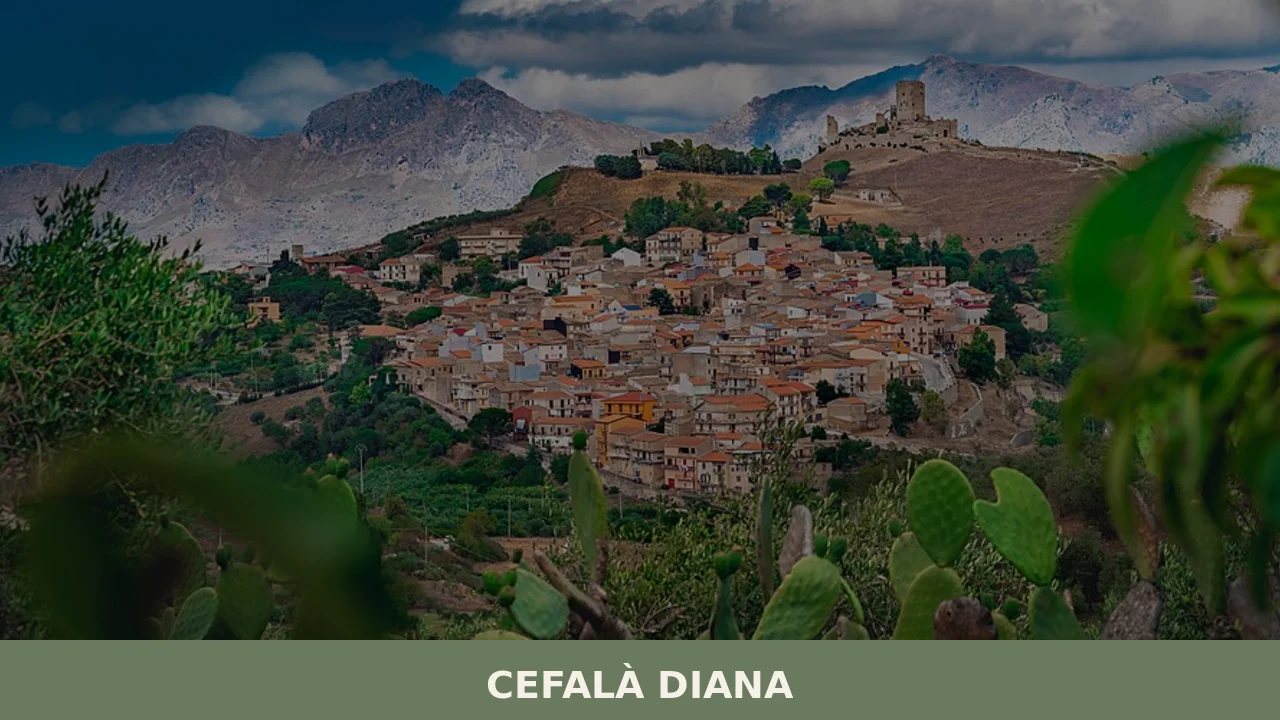
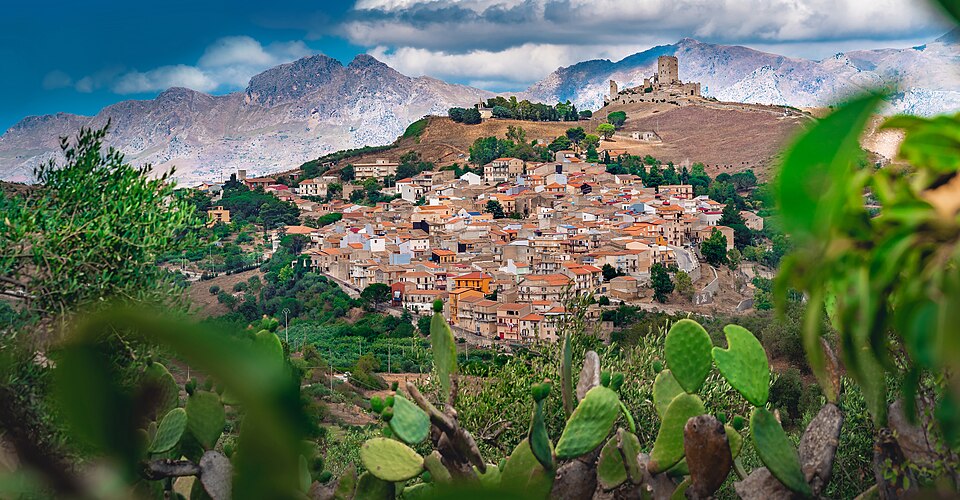
Cefalà Diana sits at 563 metres above sea level in the province of Palermo, a settlement of 1,017 inhabitants whose most remarkable structure — a medieval Arab-Norman bathhouse fed by natural thermal springs — represents one of the few surviving examples of its kind in Europe. The village takes its name from a combination of Arabic and Norman influences, a linguistic trace of the successive occupations that defined this part of inland Sicily. Understanding what to see in Cefalà Diana begins with that layered cultural inheritance, visible in stone, water, and the layout of the streets themselves.
History of Cefalà Diana
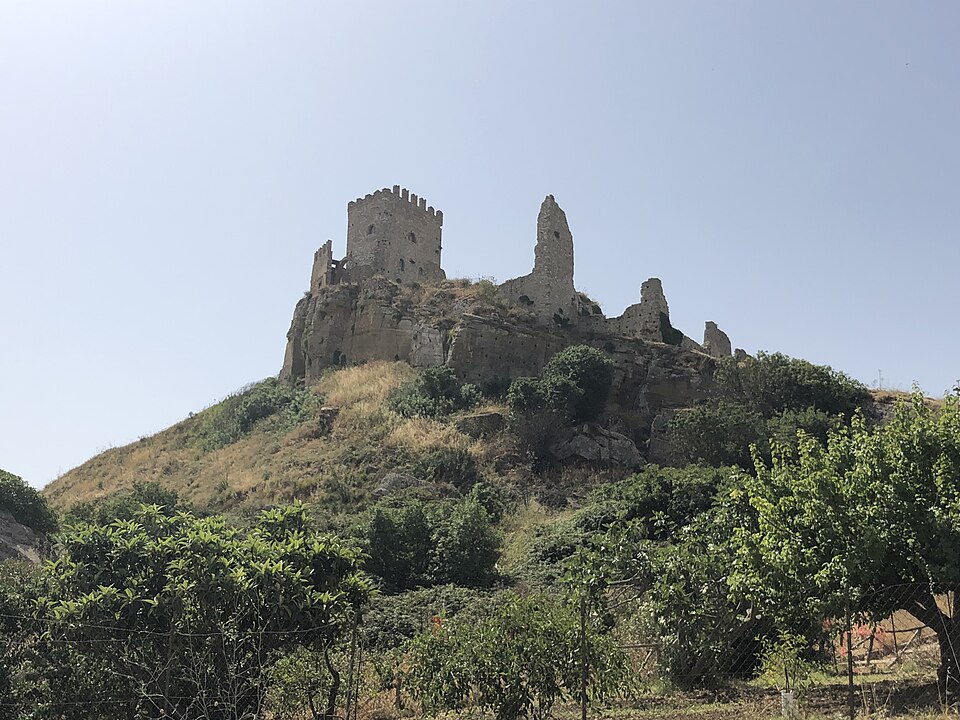
The origins of Cefalà Diana reach back to the period of Arab rule in Sicily, roughly between the 9th and 11th centuries. The first element of the name, “Cefalà,” likely derives from an Arabic toponym — possibly from a term relating to a fortress or elevated place — while “Diana” was appended later, referring to the Diana family who held feudal control of the territory from the 14th century onward. A castle, now largely in ruins, once dominated the ridge above the village, serving as a military lookout over the surrounding valleys that connect the Madonie and Sicani mountain systems.
Under Norman rule following the conquest of Sicily in the late 11th century, the settlement became part of the broader reorganization of feudal lands across the island. The thermal baths, whose construction likely predates the Norman period, continued in use, suggesting continuity between Arab and Christian administrations — a pattern common in Sicilian towns of this era. The Diana family acquired the fief in the 1300s, and the village remained a small agricultural community through the centuries of Spanish Bourbon governance. Population has fluctuated significantly: like many inland Sicilian settlements, Cefalà Diana experienced sharp emigration during the 20th century, leaving it today with just over a thousand residents.
The broader historical context of the village is inseparable from the feudal geography of the Palermo hinterland. Control of water sources, fertile terraces, and hilltop defensive positions determined where settlements arose and who governed them. Cefalà Diana’s survival, despite its modest size, owes much to its thermal springs, which gave the village a function — and an identity — that pure agriculture alone could not sustain.
What to see in Cefalà Diana: 5 must-visit attractions
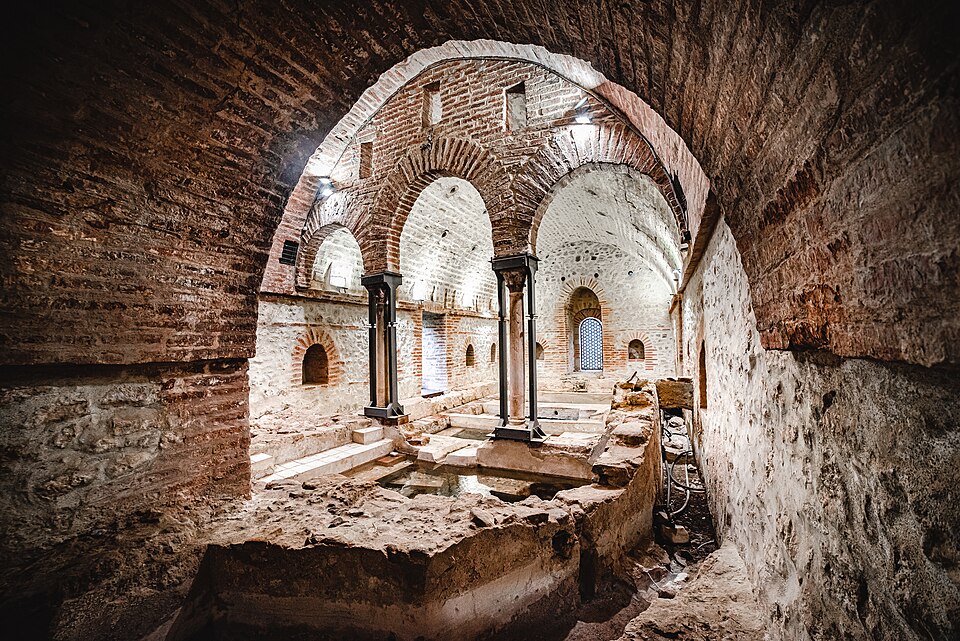
1. The Arab-Norman Thermal Baths (Bagni di Cefalà Diana)
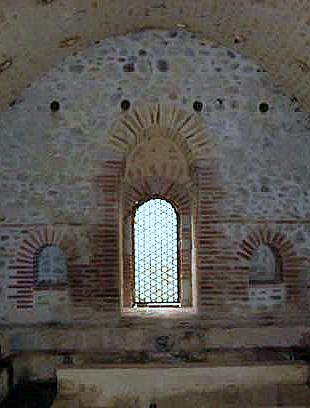
Built between the 10th and 12th centuries, this rectangular stone structure channels naturally heated spring water into a vaulted chamber. The pointed arches and construction technique reflect Arab engineering adapted by Norman builders. The baths are among the very few intact medieval thermal facilities surviving in Western Europe, and they remain the primary reason scholars and travellers seek out the village.
2. The Ruins of Cefalà Diana Castle
Above the village, the remains of a medieval fortification occupy a limestone ridge with sightlines extending across the valleys below. The castle’s walls, though heavily degraded, indicate a structure built for military surveillance during the Arab or early Norman period. Access requires a steep uphill walk that rewards visitors with a clear reading of the defensive logic governing inland Sicilian settlements.
3. Chiesa Madre (Mother Church)
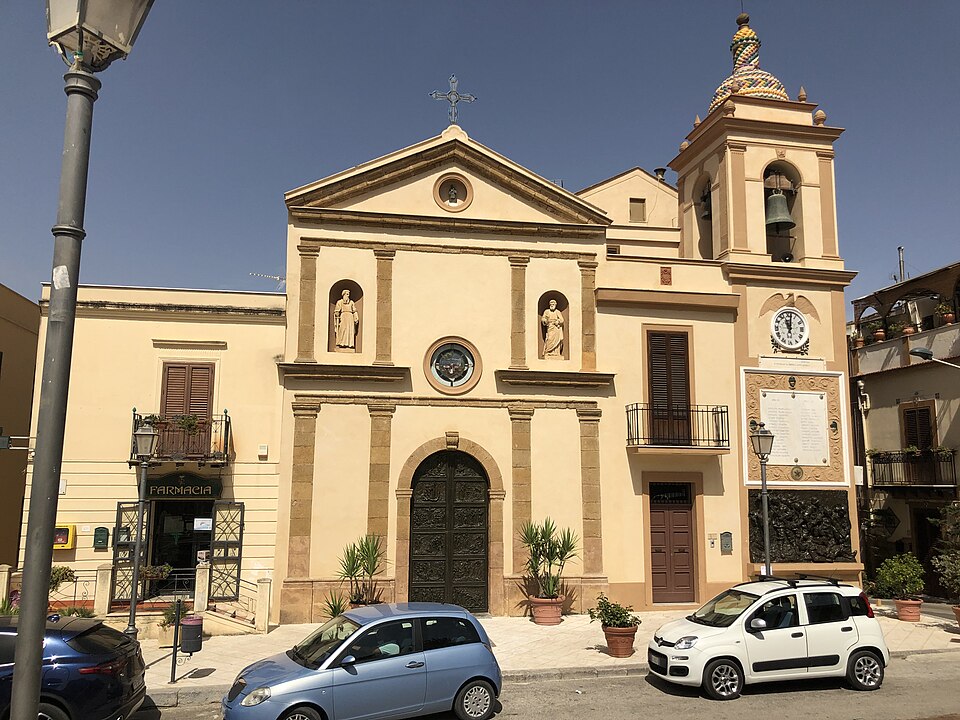
The village’s principal church, dedicated to the patron saint, anchors the small central square. Its architecture reflects successive renovations common to Sicilian parish churches — an original medieval core overlaid with Baroque-era modifications. The interior contains devotional art and liturgical furnishings that reflect the community’s continuous religious practice over several centuries.
4. The Historic Centre
Cefalà Diana’s compact street plan follows the contours of the hillside, with narrow stepped lanes connecting residential blocks built from local limestone. Many houses retain original external staircases, arched doorways, and small balconies typical of 17th- and 18th-century Sicilian rural architecture. Walking through the centre at midday, when most doors are closed, the density and verticality of the construction become especially apparent.
5. The Surrounding Landscape and Thermal Springs Area
The countryside around the village is defined by olive groves, seasonal wheat fields, and limestone outcrops. The thermal spring zone, located below the village near the baths, supports a distinct microenvironment of vegetation. The area offers walking routes that connect the agricultural terraces to the valley floor, passing through landscapes that have been cultivated in broadly the same way for centuries.
Local food and typical products
The cooking of Cefalà Diana follows the inland Sicilian tradition: seasonal, grain-based, and reliant on olive oil, wild herbs, and foraged greens. Bread — baked in large loaves with a dense crumb and thick crust — remains a staple. Pasta dishes lean toward simple sauces of tomato and local vegetables, or richer preparations with wild fennel and sardines in the broader Palermo provincial style. Lamb and goat appear during festivals and in winter cooking. The olive oil produced in the surrounding groves, while not carrying a specific DOP designation for the village, falls within the broader tradition of high-quality Sicilian extra-virgin production.
Dining options within the village itself are limited, as one would expect in a settlement of this size. A small number of trattorie and agriturismi in the immediate area serve traditional dishes, often using ingredients grown on the same property. Visitors planning meals should consider that opening hours can be irregular outside summer, and booking ahead is practical. Local ricotta, both fresh and baked, appears in both savoury and sweet preparations — including cassatelle, small fried pastries filled with sweetened ricotta and sometimes chocolate.
Best time to visit Cefalà Diana
The most comfortable months for visiting are April through June and September through October, when daytime temperatures in the 500-metre altitude range sit between 18°C and 28°C, and the surrounding landscape is either green from spring rains or golden with harvested grain. July and August bring heat that can exceed 35°C in the valleys, though the village’s elevation provides some relief. Winter months are cooler and wetter, with occasional fog that closes visibility around the castle ruins.
The village celebrates its patron saint’s feast with a procession and communal meals, typically in summer — exact dates vary by year and are announced locally. Any visitor researching what to see in Cefalà Diana should also check with the municipality for updated access hours to the thermal baths, which may operate on restricted schedules outside peak season. Weekdays are quieter, and the village can feel nearly deserted between 1:00 and 4:00 PM, when the heat or habit of the midday break empties the streets.
How to get to Cefalà Diana
Cefalà Diana lies approximately 40 kilometres southeast of Palermo. By car, the most direct route from the city follows the SS121 toward Villafrati before branching south toward the village — a drive of roughly 50 minutes depending on traffic leaving the capital. The nearest motorway access is the A19 (Palermo–Catania), with the exit at Villabate or Bolognetta offering the most logical approach. From Catania, the drive covers about 190 kilometres and takes approximately two and a half hours.
The nearest operational railway station is in Villafrati, served by regional trains on the Palermo–Agrigento line, though service frequency is limited and a local connection by car or bus is necessary for the final stretch. Palermo’s Falcone-Borsellino Airport, located about 65 kilometres northwest, is the closest international airport. Car rental at the airport is the most practical option for reaching inland villages like Cefalà Diana, where public transport connections are sparse and infrequent. There is no regular scheduled bus service directly to the village from Palermo; checking with AST (Azienda Siciliana Trasporti) for seasonal routes is advisable.
More villages to discover in Sicilia
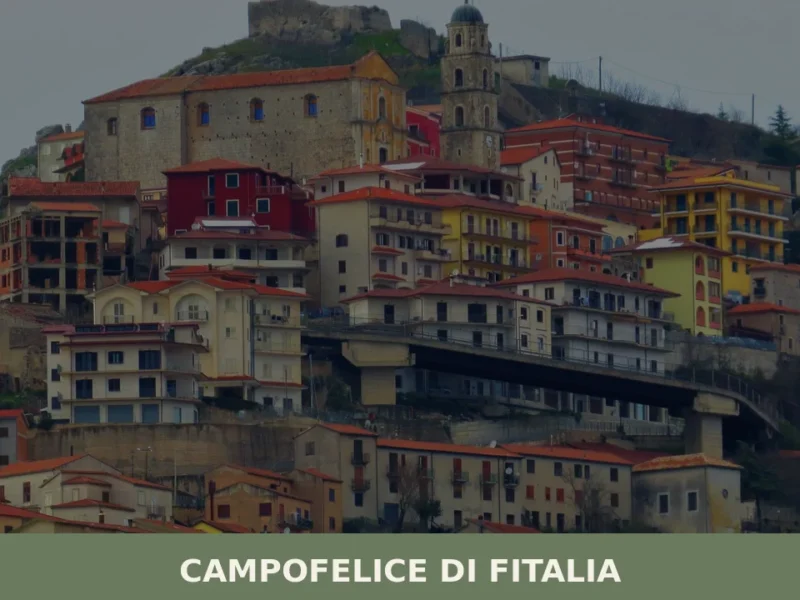
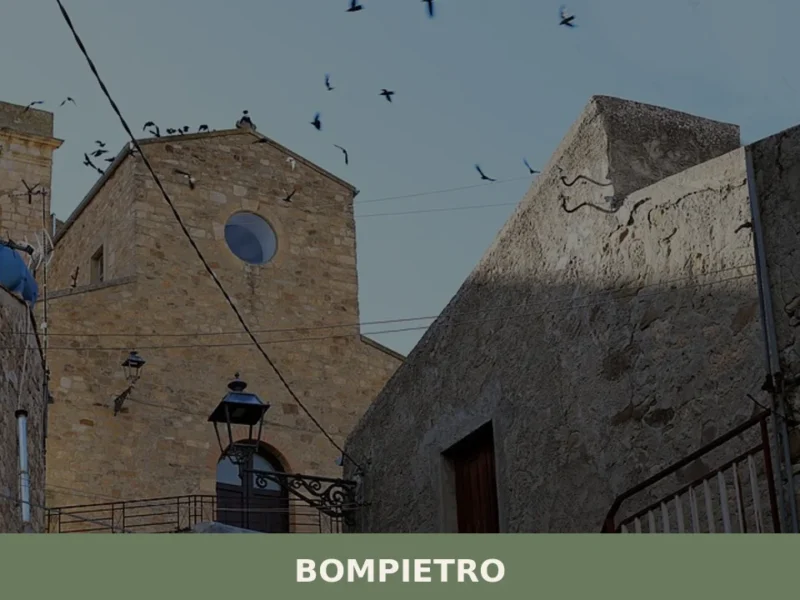
The inland territory of the Palermo province contains a network of small settlements that share Cefalà Diana’s agricultural heritage and medieval layering. To the east, deeper into the Madonie foothills, the village of Bompietro occupies a similar altitude band and offers its own distinct reading of rural Sicilian life — a community shaped by pastoralism and grain cultivation, with a built environment that reflects centuries of relative isolation from the coast.
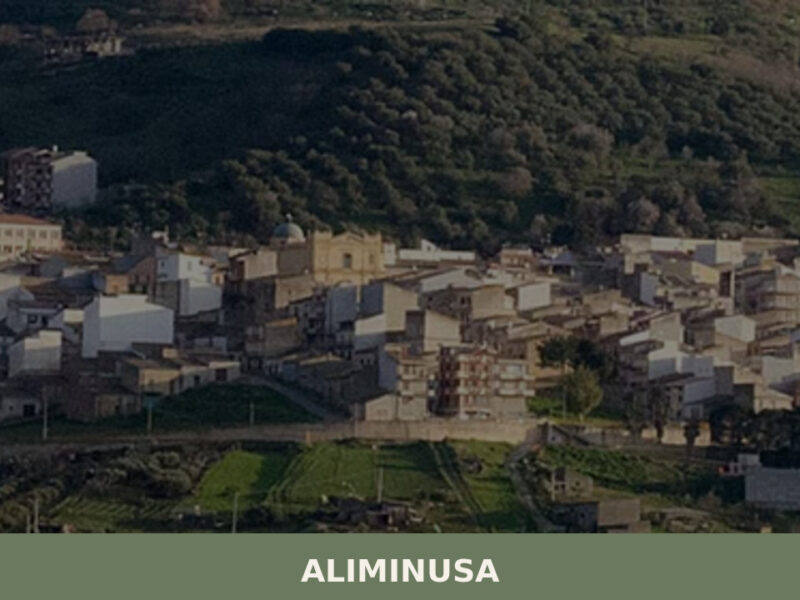
Closer to the northern coast but still firmly within the province’s agricultural interior, Aliminusa presents another variation on the same theme: a compact hilltop settlement with a modest population, a parish church as its civic anchor, and a surrounding landscape of orchards and fields. Taken together, these villages map out a territory where the rhythms of cultivation, religious observance, and community endurance define daily life far more than tourism or industry. Visiting more than one in a single day by car is entirely feasible, and doing so provides a more complete understanding of what inland Sicily looks and feels like at ground level.
📷 Photo Gallery — Cefalà Diana
Nearby Villages near Cefalà Diana
In Sicily More villages to discover
Valderice
 Sea
Sea
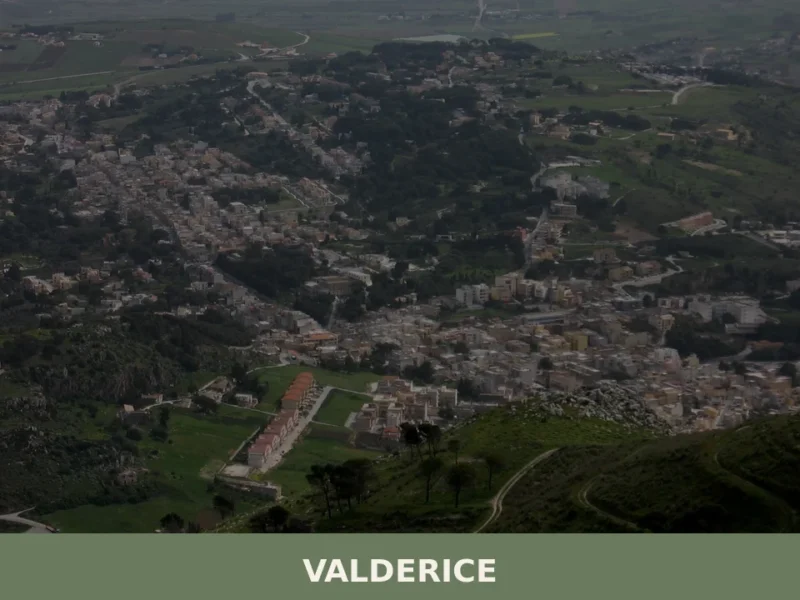
What to see in Valderice, Italy: Explore this Sicilian comune, located 240 m above sea level, known for its historic settlements and scenic beaches. Discover its unique history.
Agrigento
Sea
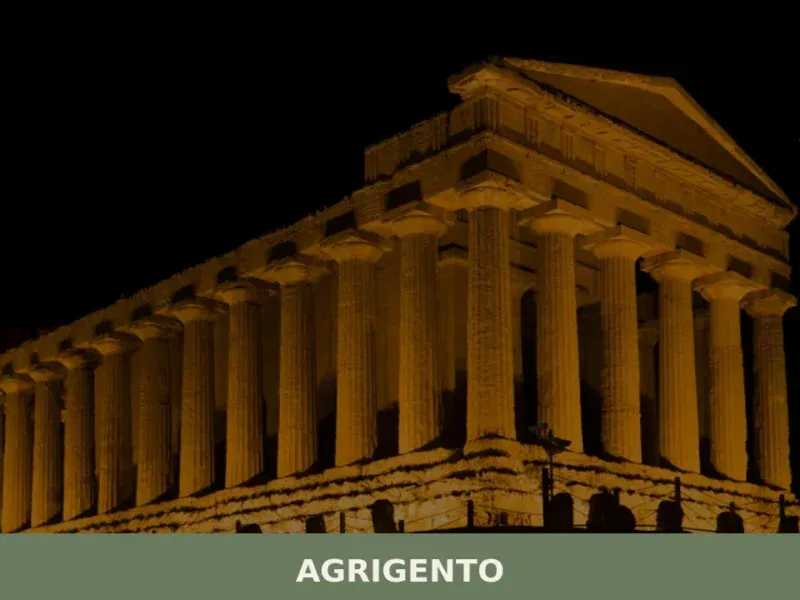
What to see in Agrigento, a city of 58,063 at 230m: UNESCO Valley of the Temples, Norman Cathedral, certified Cotognata. Plan your visit with our complete guide.
Acquaviva Platani
Hills
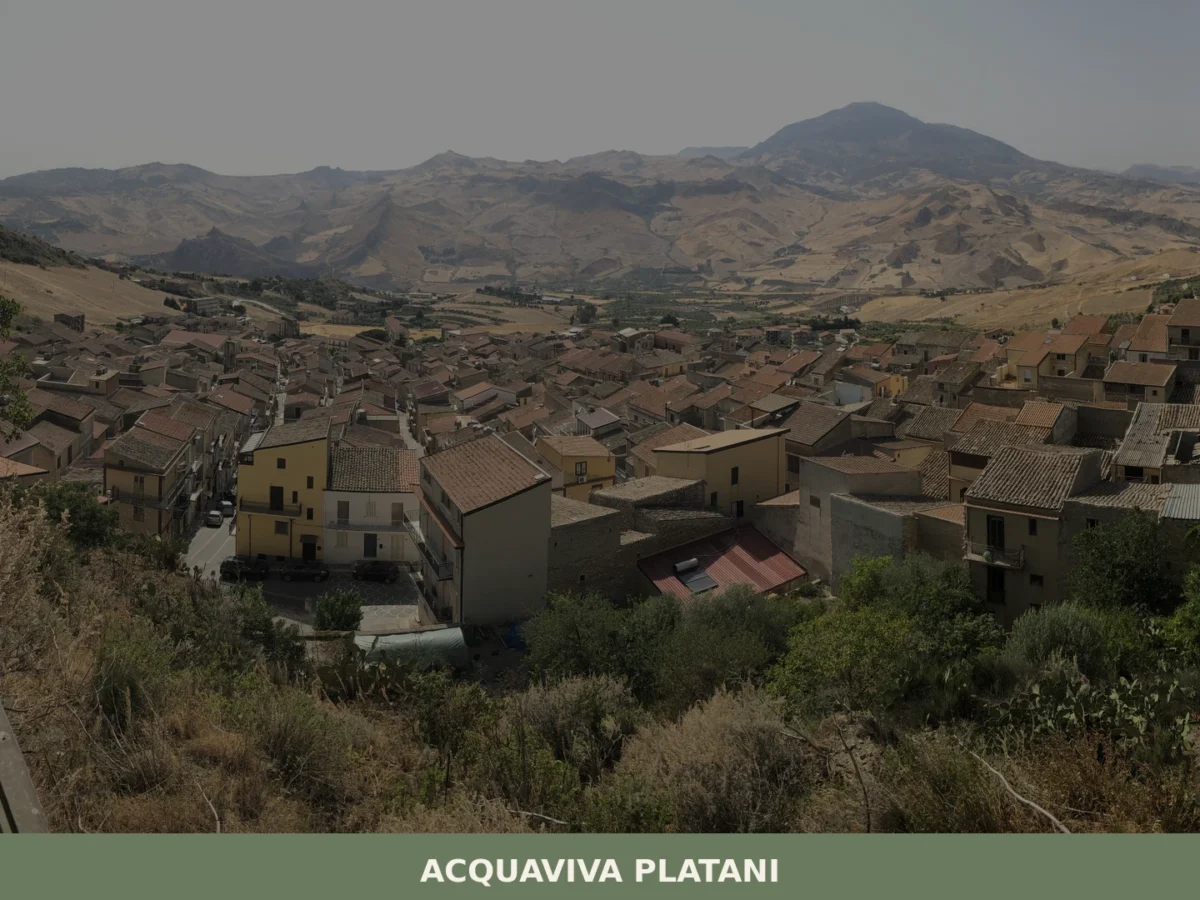
A clock tower built in 1894 rises above the roofline of a compact hill town in the province of Caltanissetta, its stone face marking hours in a landscape where the Platani river moves through the valley below. The name of the place translates directly from Italian as “Living Water,” a reference to the natural springs […]
Catania
Sea
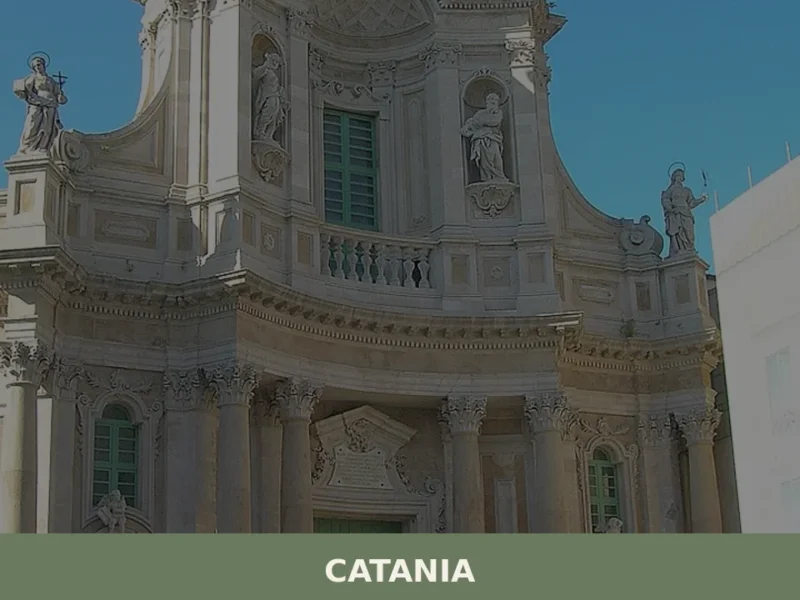
Discover Catania, a captivating village in Sicily, Italy. Explore its rich history, stunning architecture, local culture, and hidden gems waiting to be found.
Palermo
Sea
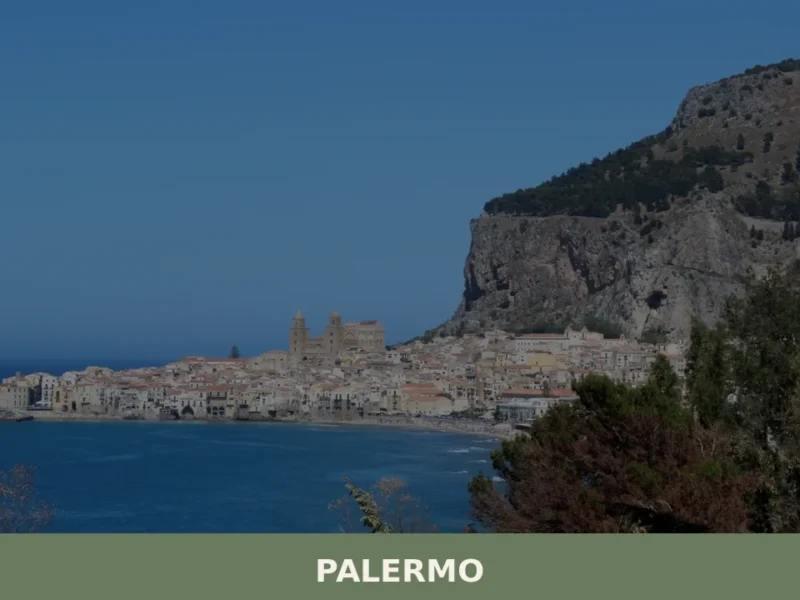
What to see in Palermo: from the Palatine Chapel mosaics to Ballaru00f2 Market. Home to 654,987 people and 2 PAT-certified products. Plan your visit with this complete guide.
Ragusa
Sea
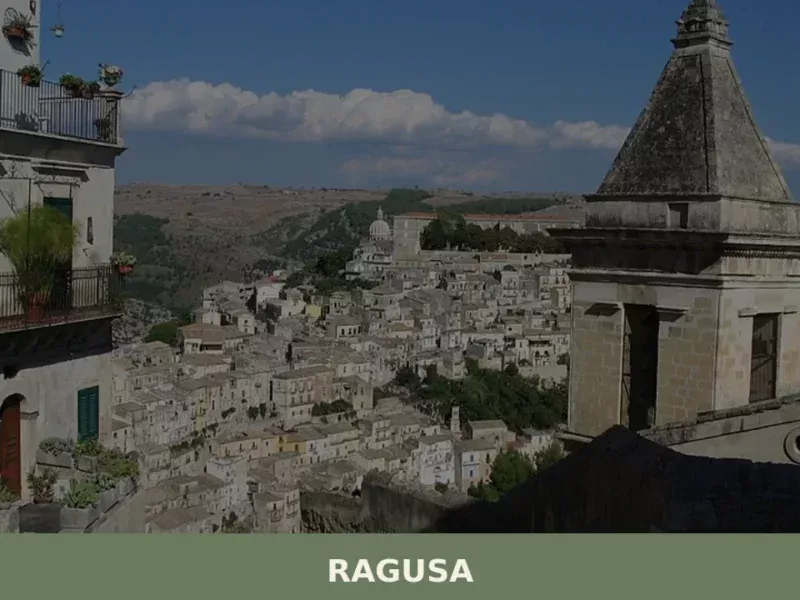
What to see in Ragusa, a UNESCO city at 520m with 70,000 residents: explore Ibla, San Giorgio, Giardino Ibleo and Cotognata PAT. Plan your visit now.
Messina
Sea
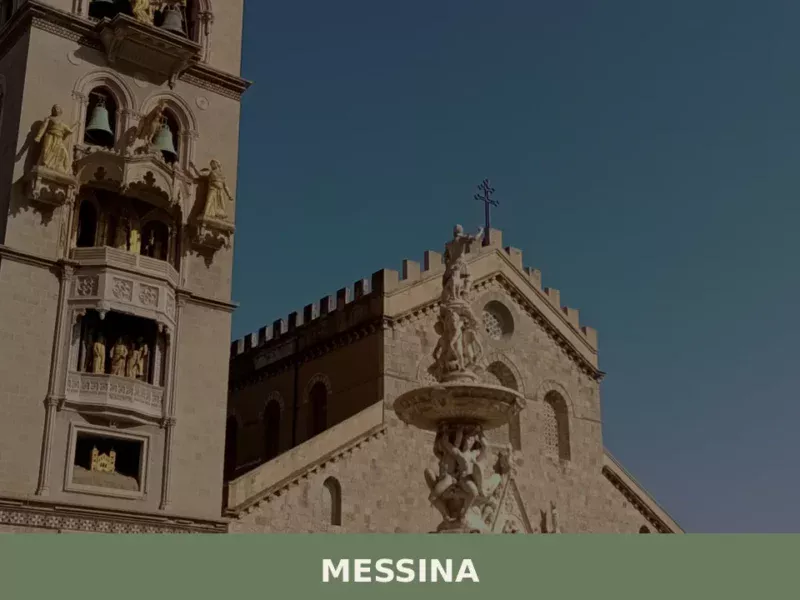
What to see in Messina: 242,267 inhabitants, the astronomical clock tower, two Caravaggios and the Norman Cathedral. Plan your visit and discover how to get there.
Gangi
 Mountain
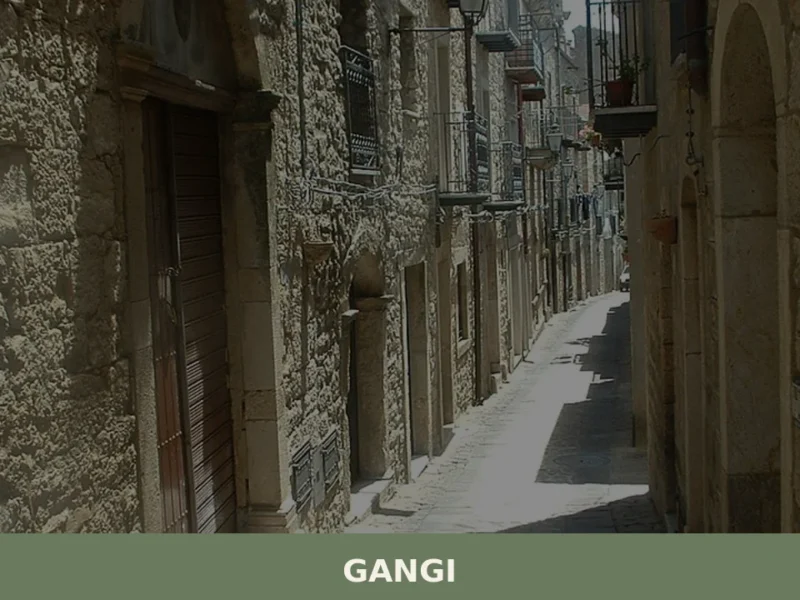
What to see in Gangi: Explore this Sicilian village at 1011m. Discover its rich history, typical cuisine, and the vibrant Sagra della Spiga. Plan your visit today!
Caltanissetta
Hills
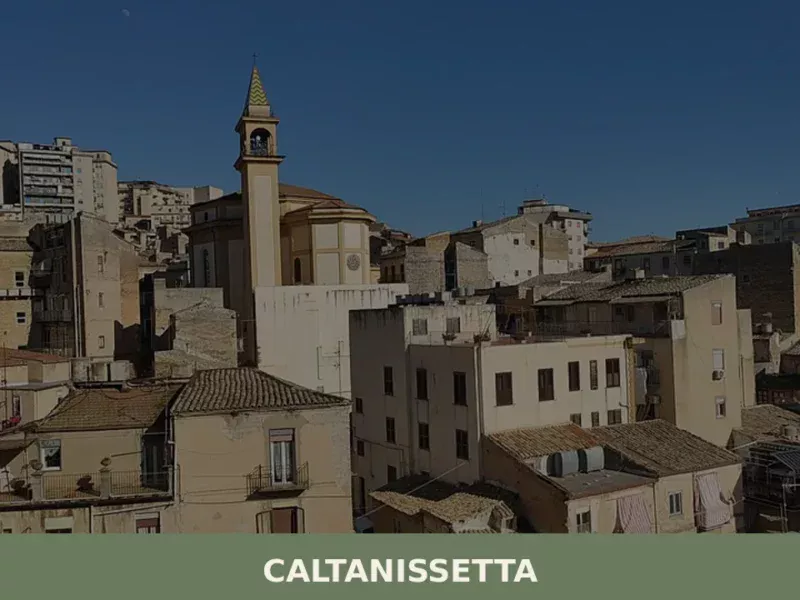
What to see in Caltanissetta: 61,000 residents at 568m, from Castello di Pietrarossa to Baroque churches and Holy Week. Plan your visit with this complete guide.
Geraci Siculo
Mountain
What to see in Geraci Siculo, Italy? Discover this mountain village at 1077 m, an I Borghi più belli d'Italia member, and its San Bartolomeo feast. Explore its historic core and Madonie views.




🏡 Know Cefalà Diana better than we do?
If you’re a local or have been there, your knowledge matters: add what’s missing or fix a detail on this page.