


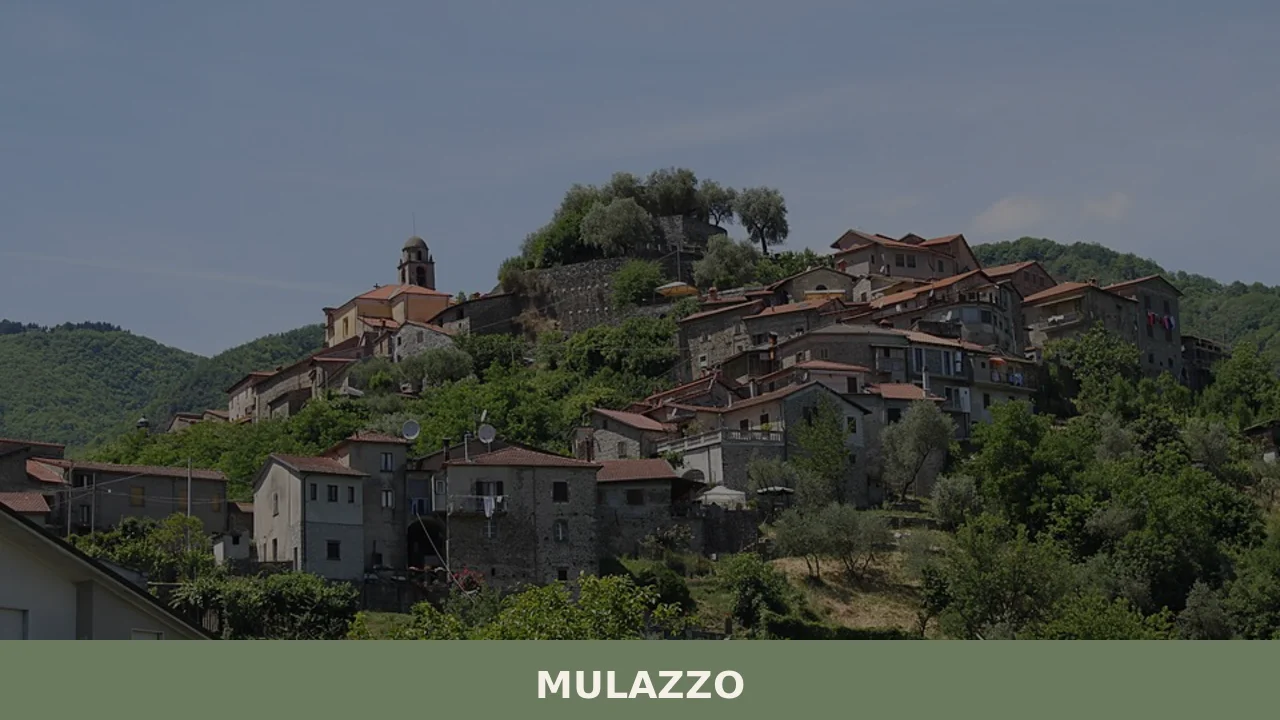
Mulazzo
 Hills
Hills
In 1306, a notary from the village of Mulazzo signed the deed granting hospitality to Dante Alighieri, exiled from Florence and welcomed by Marquis Franceschino Malaspina. That document — known as the Peace of Castelnuovo — ties Mulazzo to Dante’s biography in a direct and documented way. Anyone wondering what to see in Mulazzo today […]
Discover Mulazzo
In 1306, a notary from the village of Mulazzo signed the deed granting hospitality to Dante Alighieri, exiled from Florence and welcomed by Marquis Franceschino Malaspina. That document — known as the Peace of Castelnuovo — ties Mulazzo to Dante’s biography in a direct and documented way. Anyone wondering what to see in Mulazzo today will find, at 351 metres above sea level in the Lunigiana area of Massa and Carrara, a village of 2,525 inhabitants where the memory of the Malaspina family can be read in the stones, the doorways, and the tower overlooking the central square. Here, the Lunigiana is not a backdrop: it is the load-bearing structure.
History and origins of Mulazzo
The name Mulazzo derives, according to local documentary tradition, from the Latin mulatium, probably linked to the shape of the terrain or to the presence of a resting place for mules along the routes connecting the Ligurian coast to the Po Valley. The village appears in medieval documents as a possession of the Malaspina family, one of the most extensively branched feudal dynasties of northern Italy. In 1221, the division between the Spino Secco and Spino Fiorito branches assigned Mulazzo to the Spino Secco branch, which made it one of its seats of government. The marquisate of Mulazzo maintained a degree of autonomy until the arrival of Napoleon, when the imperial fiefs of the Lunigiana were abolished in 1797.
The most frequently cited historical episode remains the stay of Dante Alighieri at the court of Franceschino Malaspina. The poet arrived in the Lunigiana in 1306 and, according to historians’ reconstructions, acted as procurator for the Malaspina in negotiating the peace with the bishop-count of Luni, signed at Castelnuovo Magra on 6 October of that year. Dante repaid their hospitality with the verses of Canto VIII of Purgatorio, where Corrado Malaspina praises his own house. This connection gave rise, in the twentieth century, to the creation of a dedicated museum in the village centre.
After annexation to the Grand Duchy of Tuscany and then to the Kingdom of Italy, Mulazzo followed the fate of the Lunigiana: emigration to the Americas in the late nineteenth century, a subsistence agricultural economy, and slow depopulation in the post-war period. Today the municipality encompasses numerous scattered hamlets across the hills between the Teglia torrent and the Magra river, and it preserves a built fabric in which the marks of feudal organisation are still recognisable: tower-houses, sandstone doorways, and perimeter boundary walls.
What to see in Mulazzo: the 5 main attractions
1. Tower of Dante (or Tower of the Malaspina Castle)
The cylindrical tower in Piazza Dante is what remains of the Malaspina dello Spino Secco castle. Standing roughly 25 metres tall, it is built from blocks of local sandstone. It is not the original Dantean tower in the strict sense, but it marks the site where the fortified complex in which the poet was hosted once stood. A medieval arch at its base connects the square to the oldest core of the village.
2. Lunigianese Dante Museum
Set up in the historic centre, the museum holds documents, reproductions and panels reconstructing Dante’s stay in the Lunigiana. Visitors will find copies of the notarial deeds from 1306, maps of the routes taken by the poet, and displays dedicated to the relationship between the Malaspina family and the literary culture of the fourteenth century. It is managed by the Centro Lunigianese di Studi Danteschi, founded in 1965.
3. Church of San Niccolò
The parish church of San Niccolò, in the village centre, has a simple façade and a single-nave interior with lateral marble altars. It preserves elements datable to between the sixteenth and eighteenth centuries. The patron saint of the municipality is Saint Martin of Tours, celebrated on 11 November, but the main church is dedicated to San Niccolò, reflecting the layered devotional history of the area.
4. Palazzo Malaspina and the Via Dantesca
Along the village’s main street stand the remains of the marchional palace, with stone doorways and Malaspina heraldic coats of arms visible on the façades. A signposted route — the so-called “Via Dantesca” — connects Mulazzo to other Lunigiana villages linked to Dante’s documented presence, following hillside paths through chestnut groves and rural hamlets.
5. Medieval bridge at Ponticello (Ponticello hamlet)
In the hamlet of Ponticello, a few kilometres from the main village, a humpback stone bridge spans the Teglia torrent. The single-arch structure dates to the medieval period and served the road network between the valley’s fiefs. The surrounding landscape is that of the mid-Lunigiana: chestnut woods, terraced hillsides, and small walled kitchen gardens.
Local cuisine and regional products
The table in Mulazzo is that of the inland Lunigiana, built on chestnut and wheat flour, wild herbs and pork. Testaroli — discs of batter cooked in cast-iron or terracotta testi, then cut into diamond shapes and dressed with Genoese pesto or extra-virgin olive oil — are the signature dish of the area and have received PAT (Traditional Agri-Food Product) recognition from the Tuscany Region. Alongside testaroli are panigacci, cooked between stacked testi and served with stracchino cheese or cured meats, and torta d’erbi, a savoury pie filled with chard, borage and other seasonal greens, enclosed between two thin layers of pastry. Farina di castagne della Lunigiana DOP (Lunigiana chestnut flour, PDO), obtained from local varieties such as carpinese and rossola, forms the basis of numerous preparations: castagnaccio, necci (chestnut flour crêpes filled with ricotta), and pattona, a dense polenta made from chestnut flour. Miele della Lunigiana DOP (Lunigiana honey, PDO), in both acacia and chestnut varieties, is the other protected-designation product of the area.
Among cured meats, Lardo di Colonnata IGP — aged in marble basins in the nearby Apuan Alps — often appears on charcuterie boards, alongside spalla cotta (cooked shoulder) and salumi di Gombitelli from the Lunigiana tradition. The reference wine is Colli di Luni DOC, both white (Vermentino) and red (Sangiovese, Merlot), produced in the bordering areas between Tuscany and Liguria. In late summer, several hamlets within the municipality organise festivals dedicated to testaroli and chestnuts: the chestnut harvest in October and November traditionally marks the food calendar of the area, and the Chestnut Festival draws producers and cooks who work the flour using the techniques of the gradile, the slow-fire drying house.
When to visit Mulazzo: the best time
The patron saint’s feast of San Martino, on 11 November, coincides with chestnut season and offers a precise vantage point on village life. Summer brings the “Banchettando” Festival, dedicated to the Renaissance banquet and the re-enactment of the Malaspina courts, held in the squares and alleyways of the historic centre, generally in July or August. The hillside climate — at 351 metres — makes spring (April–June) and autumn (September–November) the most suitable periods for walking along the Via Dantesca and the paths through the chestnut groves, without the heat of the Tyrrhenian coast or the harsh cold of the Apennine winter.
Winter in the Lunigiana is damp and can bring thick fog to the Magra valley, though temperatures rarely drop below zero for prolonged periods. Those who visit Mulazzo between October and November will find autumn colours in the surrounding woods and may witness the drying of chestnuts in the gradili still in use in some hamlets.
How to reach Mulazzo
By car, from the A15 Parma–La Spezia motorway, take the Pontremoli exit and drive approximately 10 km southward along the SP62 to Mulazzo. From La Spezia the distance is around 55 km, from Parma around 100 km, and from Florence around 170 km via the A11 and A15. From Genoa, allow approximately 130 km via the A12 motorway and then the A15.
The nearest railway station is Pontremoli, on the Parma–La Spezia line (the so-called Pontremolese), from which Mulazzo is about 10 km away, reachable by local bus services or taxi. The nearest airport is Pisa-Galileo Galilei, approximately 130 km away, connected via the A12 and then the A15 motorway. Alternatively, Parma-Giuseppe Verdi airport is about 110 km away. The village can also be reached via the Lunigiana hiking trails, including stretches of the Via Francigena that cross the municipal territory.
What to see in Mulazzo and in the nearby villages of the Lunigiana
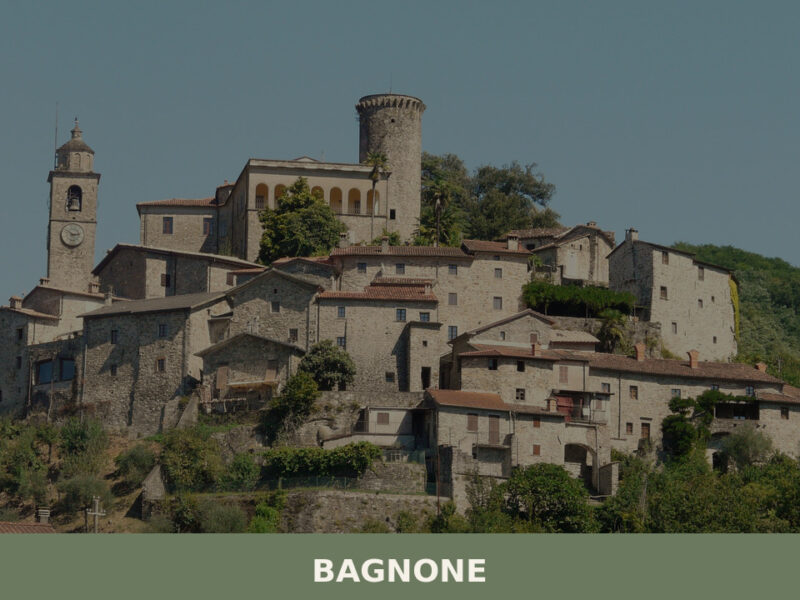
The Lunigiana is a compact yet densely layered territory of historic centres that can be visited in combination with Mulazzo. A few kilometres to the south, Bagnone extends along the torrent of the same name, with a castle overlooking a settlement of stone houses arranged on several levels. Its market and arcaded square provide a cross-section of daily life in the lower Lunigiana, with an urban layout different from that of Mulazzo: more compact, more vertical, with the watercourse as its central axis.
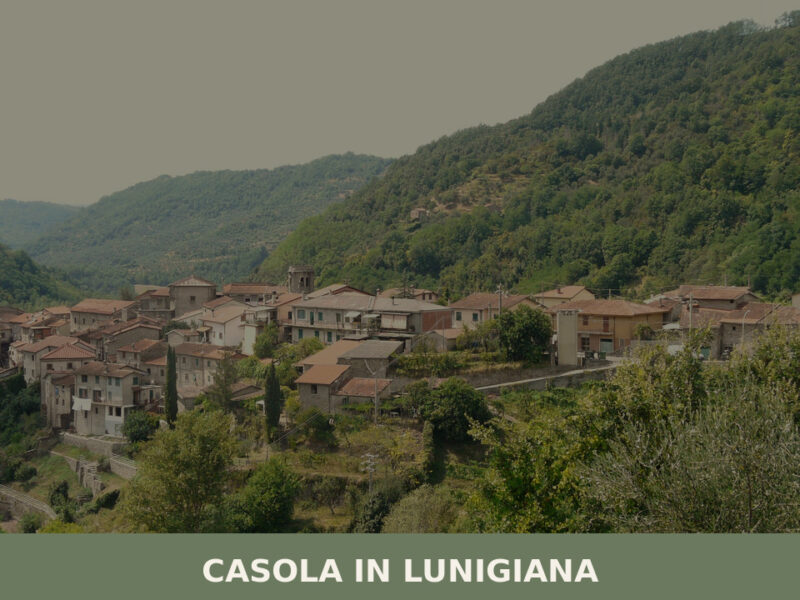
Moving towards the Apuan Alps, Casola in Lunigiana occupies a border position between the Magra valley and the Apuan foothills. Its terrain is rougher, marked by gorges and karst caves, and the gastronomic tradition here is enriched by mountain-related elements. Together, Mulazzo, Bagnone and Casola form a three- or four-day itinerary that crosses the Lunigiana from north to south, taking in Malaspina castles, Romanesque parish churches and landscapes that change rapidly with altitude. Up-to-date information on the area can be found on the official website of the Municipality of Mulazzo, on the dedicated Wikipedia page and on the italia.it portal.
Frequently asked questions about Mulazzo
What is the best time to visit Mulazzo?
Spring (April–June) and autumn (September–November) are the most suitable seasons, with mild temperatures ideal for walking the Via Dantesca and chestnut-grove paths. October and November coincide with the chestnut harvest, when some hamlets still operate traditional gradili drying houses. The patron saint's feast of San Martino falls on 11 November, offering an authentic glimpse of village life. In summer, the 'Banchettando' Festival recreates Malaspina Renaissance banquets in the historic centre, generally held in July or August. Winter is damp with occasional valley fog, but rarely severely cold.
What are the historical origins of Mulazzo?
The name Mulazzo likely derives from the Latin mulatium, referencing the terrain or a mule-resting stop along routes between the Ligurian coast and the Po Valley. Medieval documents record it as a Malaspina possession; in 1221, the dynasty's division assigned Mulazzo to the Spino Secco branch, which governed it as a marquisate until Napoleon abolished the Lunigiana imperial fiefs in 1797. The village gained lasting historical prominence in 1306, when Dante Alighieri was hosted by Marquis Franceschino Malaspina and signed the Peace of Castelnuovo Magra here.
What to see in Mulazzo? Main monuments and landmarks
The principal landmark is the cylindrical Tower of the Malaspina Castle in Piazza Dante, approximately 25 metres tall, with a medieval arch connecting to the oldest village core. The Lunigianese Dante Museum displays notarial deeds from 1306 and documents Dante's Lunigiana stay; it is managed by the Centro Lunigianese di Studi Danteschi (founded 1965). The Church of San Niccolò features sixteenth-to-eighteenth-century marble altars. Along the main street, Palazzo Malaspina retains stone doorways with heraldic coats of arms. In the hamlet of Ponticello, a single-arch medieval humpback bridge spans the Teglia torrent.
What are the main natural or scenic attractions of Mulazzo?
The municipality sits at 351 metres in the mid-Lunigiana hills, between the Teglia torrent and the Magra river. The surrounding landscape features chestnut woods, terraced hillsides, and scattered rural hamlets. The Via Dantesca, a signposted hillside route, links Mulazzo to other Lunigiana villages through chestnut groves. The area also intersects with stretches of the Via Francigena pilgrim route. Autumn colour in the chestnut forests, particularly October to November, provides the most visually distinctive natural experience in the municipal territory.
Where to take the best photos in Mulazzo?
The most photogenic spot is Piazza Dante, where the Malaspina cylindrical tower rises above the sandstone rooftops and the medieval arch frames a view into the oldest village core. The medieval humpback bridge at Ponticello hamlet, reflected in the Teglia torrent, offers a classic Lunigiana rural image. In autumn, the chestnut groves along the Via Dantesca provide vivid colour contrasts. Stone doorways along the main street, bearing Malaspina heraldic carvings, are ideal for architectural detail shots.
Are there museums, churches or historic buildings to visit in Mulazzo?
The Lunigianese Dante Museum in the historic centre, managed by the Centro Lunigianese di Studi Danteschi since 1965, houses copies of the 1306 notarial deeds, period maps, and exhibits on Dante's Lunigiana connections. The Church of San Niccolò preserves lateral marble altars from the sixteenth and eighteenth centuries. The remains of Palazzo Malaspina, visible along the main street, include carved sandstone doorways and heraldic reliefs. For current opening hours and admission fees of the museum, it is advisable to contact the Centro Lunigianese di Studi Danteschi or the municipal office directly.
What can you do in Mulazzo? Activities and experiences
Visitors can follow the Via Dantesca, a signposted hillside trail linking Mulazzo to other Lunigiana villages tied to Dante's documented presence, passing through chestnut groves and rural hamlets. The Via Francigena crosses the municipal territory, offering longer pilgrim-route sections. In autumn, attending or observing the chestnut harvest and traditional gradile drying processes provides a living agricultural experience. In summer, the 'Banchettando' Festival offers medieval and Renaissance re-enactments in the historic squares. Food and wine itineraries centred on testaroli, chestnut flour products, and Colli di Luni DOC wines complete the local offering.
Who is Mulazzo suitable for?
Mulazzo suits culturally curious travellers drawn by its documented Dante connection and well-preserved Malaspina heritage. Hikers and slow-travel enthusiasts will find the Via Dantesca and Via Francigena routes rewarding in spring and autumn. Food lovers seeking authentic inland Lunigiana cuisine — testaroli, necci, chestnut flour specialities, and DOP products — will find the area genuinely off the tourist mainstream. Couples and solo travellers looking for quiet hill-village atmosphere will appreciate its small scale (around 2,284 inhabitants) and low visitor density. Families with older children interested in medieval history will also find the tower, museum, and medieval bridge engaging.
What to eat in Mulazzo? Local products and specialties
The signature dish is testaroli, batter discs cooked in cast-iron testi, cut into diamonds and dressed with Genoese pesto or olive oil — a PAT-recognised product of the Tuscany Region. Panigacci, served with stracchino or cured meats, and torta d'erbi, a savoury chard-and-borage pie, are staple preparations. Farina di Castagne della Lunigiana DOP forms the base of castagnaccio, necci (ricotta-filled crêpes) and pattona. Miele della Lunigiana DOP is produced in acacia and chestnut varieties. Lardo di Colonnata IGP and local salumi appear on charcuterie boards. The reference wine is Colli di Luni DOC, in Vermentino white and Sangiovese-based red.
Nearby Villages near Mulazzo
 Mountain
In Tuscany More villages to discover
Bagnone
Hills
Morning mist lifts off the Bagnone creek and thins against stone walls that have stood since the eleventh century. The sound of water — always water — fills the narrow lanes, running beneath bridges and alongside houses built directly into the rock. With fewer than two thousand residents, this small settlement in the Massa e […]

Vicchio
Hills
A Florentine village of 8,000 souls in the Mugello Valley, Vicchio gave the world two painters who transformed Italian art. Medieval towers, sacred art museums and Etruscan archaeology define its landscape.
Forte dei Marmi
 Sea
Sea
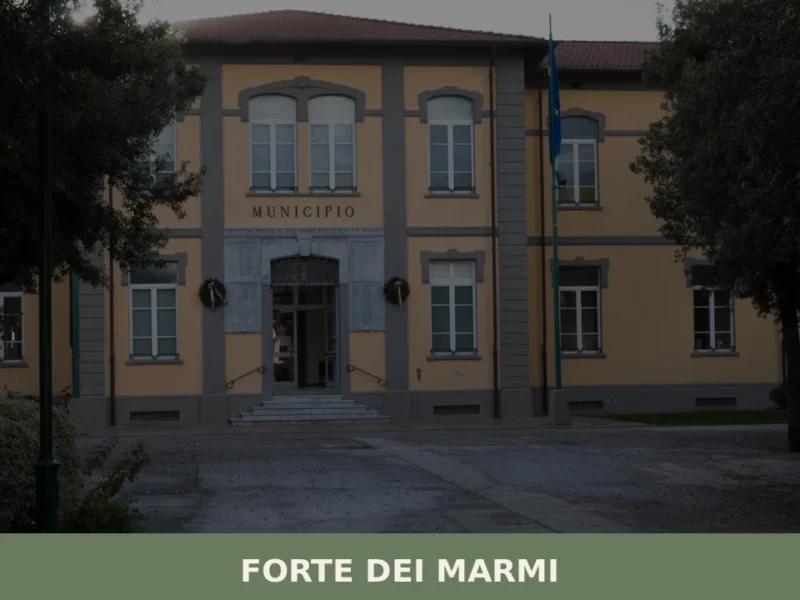
What to see in Forte dei Marmi, Italy: the 1788 fortress, sandy beaches, satirical art museum and weekly market. Population 7,619. Explore the full guide.
Fosdinovo
Hills
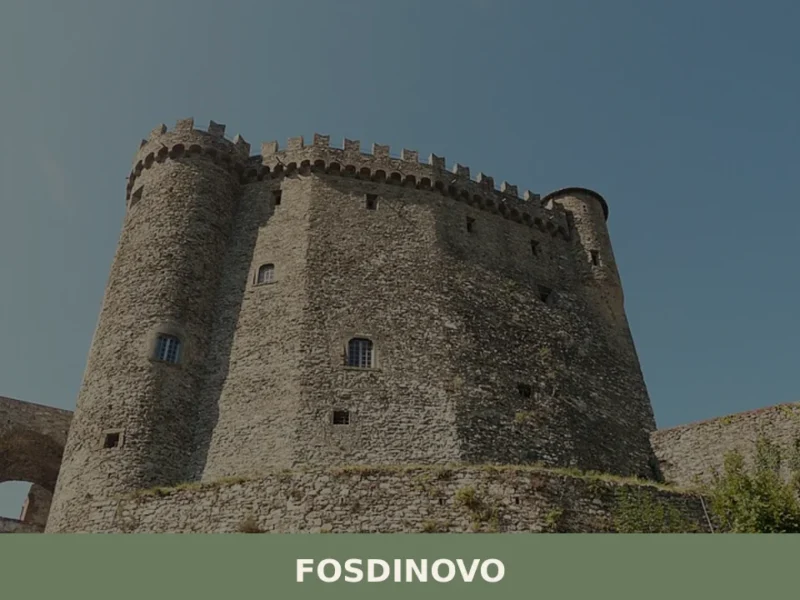
The Malaspina Castle of Fosdinovo has dominated the ridge separating the Val di Magra from the Apuan coast for over seven hundred years, with its four circular towers and a sentry walkway that can still be traversed. At 500 metres above sea level, this town in the province of Massa and Carrara has 4,982 inhabitants […]
Pitigliano
Sea
What to see in Pitigliano, Italy: a tufa-rock town 80 km from Grosseto with a 1598 synagogue, Etruscan cuts, and Orsini Fortress. Discover the complete guide.
Prato
 Plains
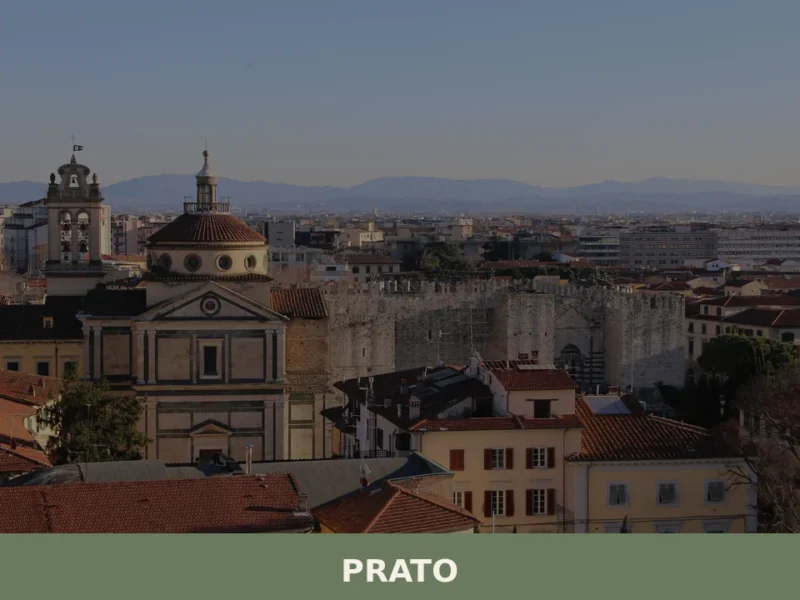
With nearly 187,000 inhabitants, Prato is the second most populous city in Tuscany and one of the largest urban centres in central Italy. Located on the plain between the Bisenzio river and the first foothills of the Apennines, the city has built a distinct identity over the centuries, defined by its textile industry, medieval art, […]
Coreglia Antelminelli
Hills
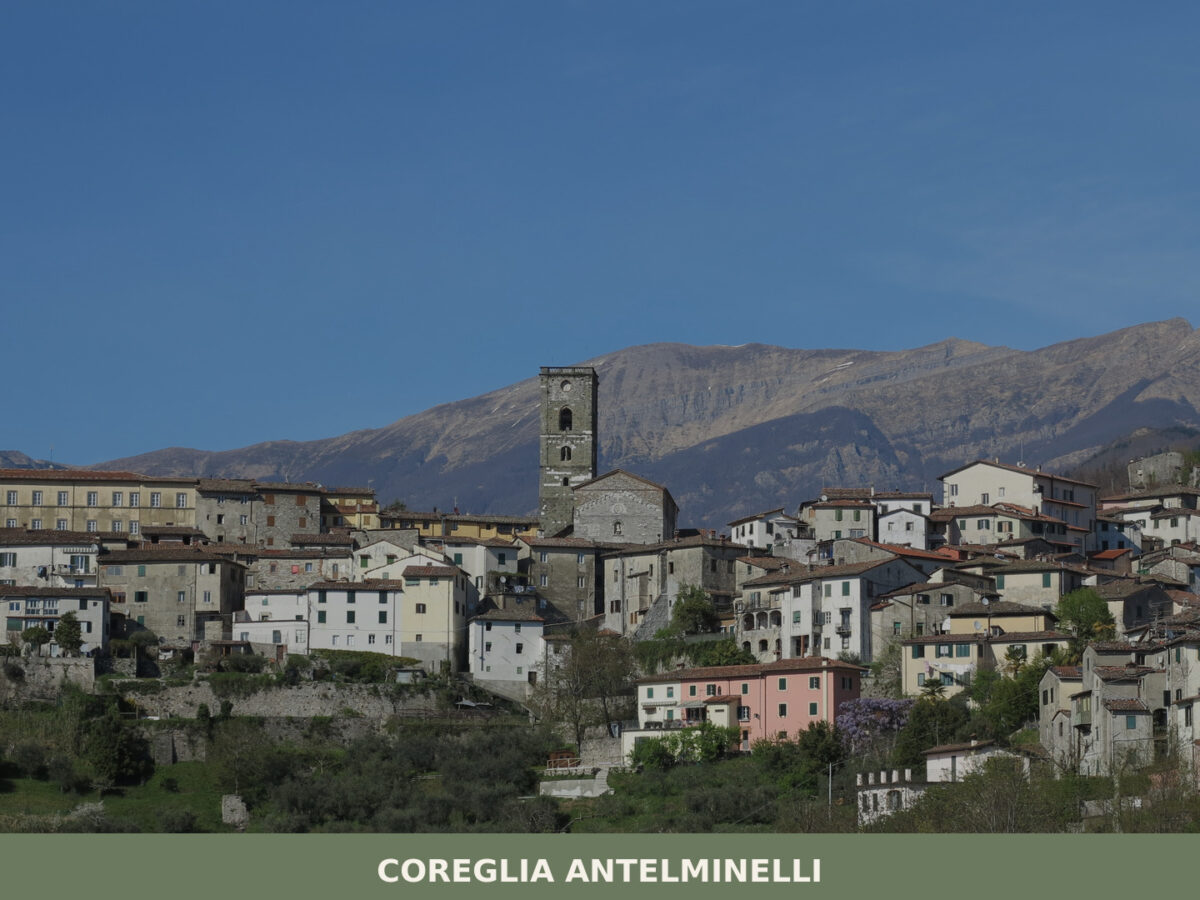
What to see in Coreglia Antelminelli, Italy: 3 Romanesque churches, a painted crucifix by Berlinghieri, and a village at 595 m. Explore the full guide.
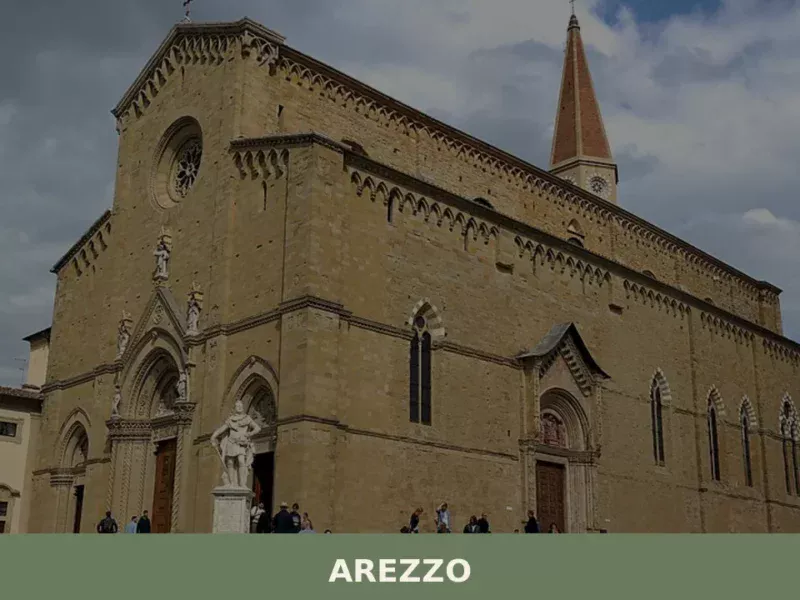
Arezzo
Hills
Discover Arezzo, a charming village in Tuscany, Italy. Explore its rich history, stunning architecture, and vibrant culture nestled in the heart of Toscana.
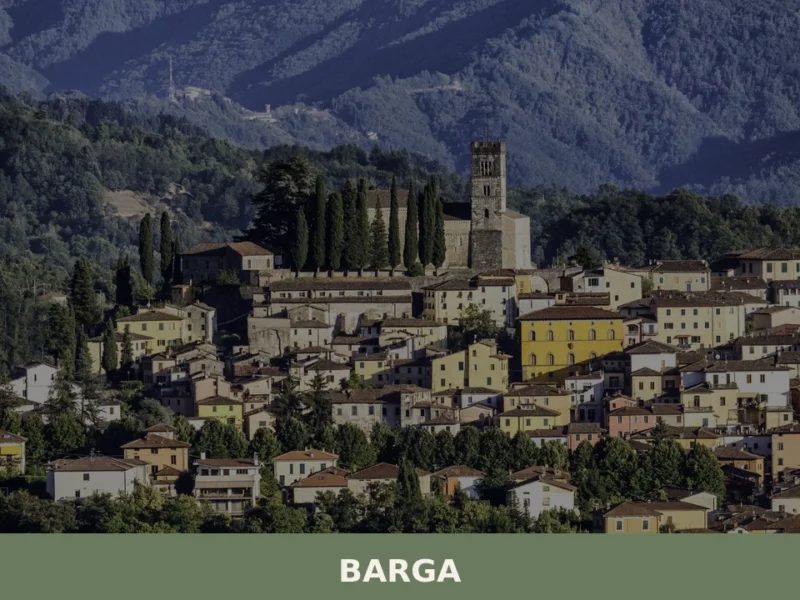
Barga
Hills
what to see a Barga, village toscano a 410 m s.l.m.: Duomo di San Cristoforo, Teatro dei Differenti, cuisine della Garfagnana. guide pratica con consigli su quando andare e how to get there.
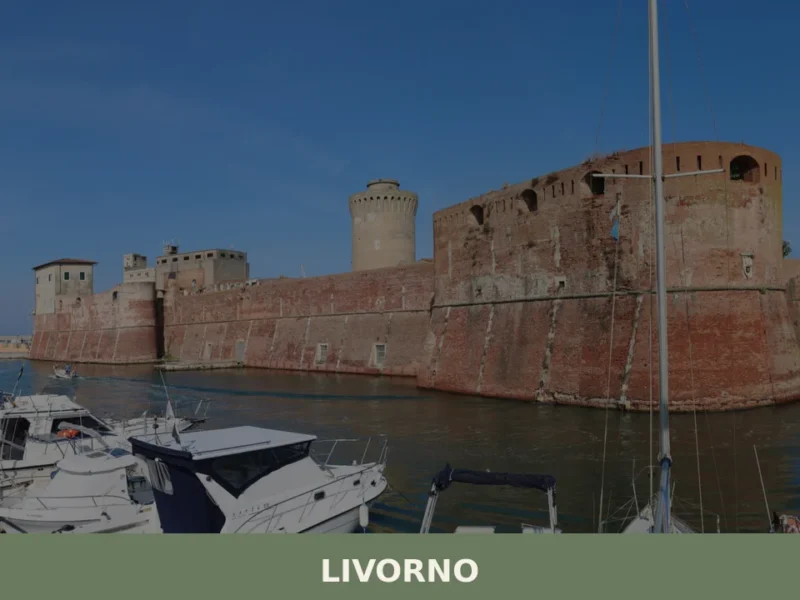
Livorno
Sea
What to see in Livorno, a port city of 157,000 on the Tyrrhenian coast: Fortezza Vecchia, Quartiere Venezia, cacciucco, Terrazza Mascagni. Plan your visit now.
🏡 Know Mulazzo better than we do?
If you’re a local or have been there, your knowledge matters: add what’s missing or fix a detail on this page.