


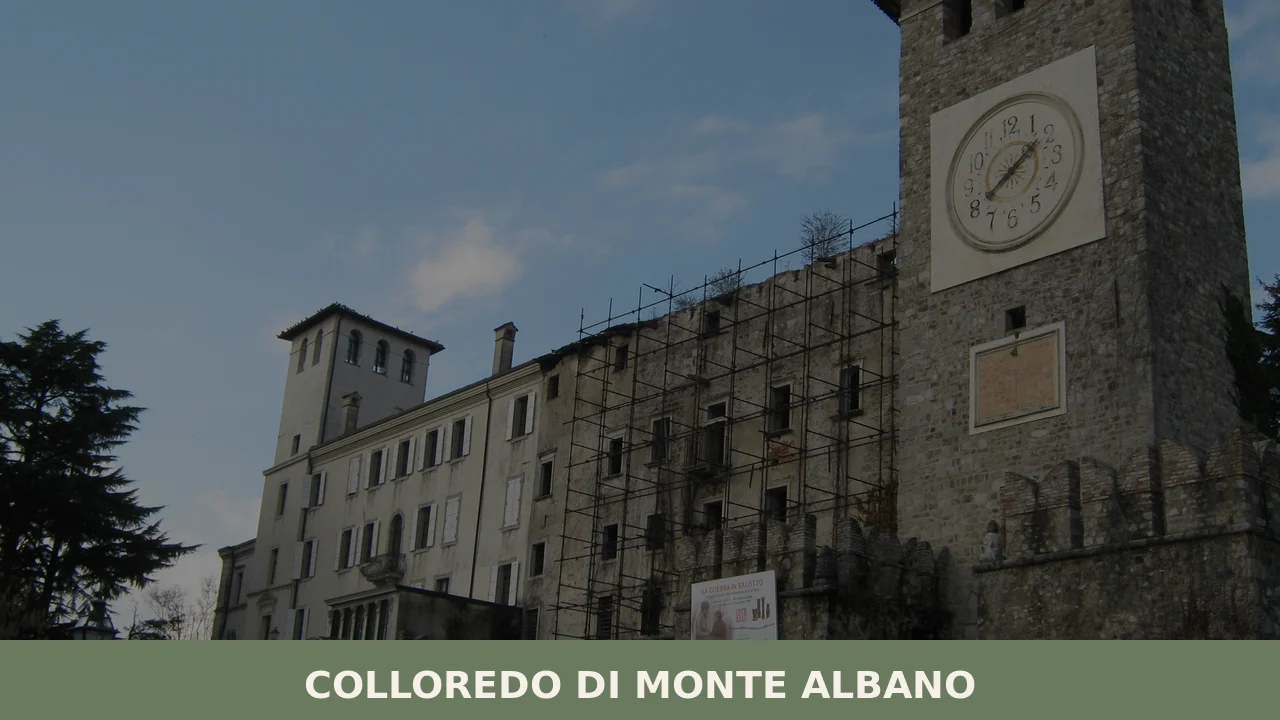
Colloredo di Monte Albano
The earthquake of 6 May 1976 split the history of Colloredo di Monte Albano in two: before and after. The castle of the Counts of Colloredo, one of the most imposing noble residences in Friuli, largely collapsed that evening, and with it shattered an architectural heritage built over seven centuries. Today, after decades of restoration, […]
Discover Colloredo di Monte Albano
The earthquake of 6 May 1976 split the history of Colloredo di Monte Albano in two: before and after. The castle of the Counts of Colloredo, one of the most imposing noble residences in Friuli, largely collapsed that evening, and with it shattered an architectural heritage built over seven centuries. Today, after decades of restoration, the village at 218 metres above sea level in the province of Udine tells precisely the story of that reconstruction — slow, stubborn, concrete — as the defining trait of its identity. Anyone wondering what to see in Colloredo di Monte Albano will find a place where the memory of the earthquake coexists with the vitality of a community of 2,232 inhabitants that chose not to erase its wounds, but to inhabit them.
History and origins of Colloredo di Monte Albano
The place name “Colloredo” derives from the Latin Collis rubeus, meaning “red hill”, likely referring to the colour of the clay soil that characterises the moraine heights of the area.
The specification “di Monte Albano” was added to distinguish the centre from other places named Colloredo in Friuli — in particular Colloredo di Prato — and refers to the elevation that dominates the settlement. The first documented mention of the castrum dates to the 13th century, when the lords of Colloredo received their feudal investiture from the Patriarch of Aquileia. The fortified nucleus, positioned strategically along the routes connecting the Friulian plain to the pre-Alpine valleys, became the centre of a fief that exercised jurisdiction over a wide surrounding territory for several centuries.
Among the most illustrious figures connected to the village is undoubtedly Ippolito Nievo, a writer and Risorgimento patriot, author of Le confessioni d’un italiano (Confessions of an Italian). Nievo spent long periods of his youth at the castle of Colloredo, as a guest of his maternal grandmother, and set some of the most celebrated pages of his novel — published posthumously in 1867 — precisely among these hills. The castle, in Nievo’s words, became the “castle of Fratta”, a literary transfiguration that made Colloredo a recognisable location in the geography of 19th-century Italian literature. The bond between the writer and the village is documented through letters and testimonies now collected in the museum itinerary dedicated to his memory.
The more recent history of the municipality is marked by the 1976 Friuli earthquake.
The shock of 6 May, measuring magnitude 6.4, caused the partial collapse of the castle and severe damage to the entire historic centre. Reconstruction, undertaken according to the well-known Friulian principle “as it was, where it was”, continued for decades. The restoration of the castle, in particular, required exceptional financial and technical commitment and was completed only in the early 2000s. Today the municipality has 2,232 inhabitants distributed between the main town and the surrounding hamlets, with an economy that combines agriculture, craftsmanship and a growing cultural-tourism interest linked precisely to the restored historical heritage.
What to see in Colloredo di Monte Albano: 5 top attractions
1. Castle of Colloredo di Monte Albano
The Castle of Colloredo is the monument that defines the village’s profile. The original structure dates to the 13th century, but its current appearance is the result of successive expansions between the 15th and 18th centuries, when the Counts of Colloredo transformed the medieval fortress into a stately residence equipped with loggias, frescoed halls and a vast park. The complex includes the keep, the baronial palace and the private chapel. After the 1976 earthquake, the restoration brought to light architectural elements that had been concealed by later interventions. It was here that the young Ippolito Nievo spent the summers that would inspire his literary masterpiece, and a section of the castle houses materials related to his stays.
2. Parish church of San Biagio
Dedicated to the patron saint of the village, celebrated on 3 February, the church of San Biagio stands in the centre of the settlement and is the main place of worship in the municipality. The current building, rebuilt after the earthquake damage, preserves liturgical elements and furnishings salvaged from the earlier structure. The façade is sober, in keeping with the tradition of rural Friulian churches, while the single-nave interior houses a high altar and several paintings attributed to local workshops active between the 17th and 18th centuries. The feast of San Biagio, with the traditional blessing of the throat, remains a moment of strong communal participation that every year brings together the entire population of the municipality and its hamlets.
3. Castle park and hillside trail
The green area surrounding the castle extends along the ridge of the hill and offers an accessible walking path that crosses meadows, rows of hornbeam trees and wooded areas. From several points along the trail, views open out over the Friulian plain to the south and the Julian and Carnic Pre-Alps to the north. The park, restored alongside the castle, retains the landscape layout of the 18th-century noble garden, with tree-lined avenues and panoramic terraces. It is a place frequented by residents for daily walks and serves as a privileged observation point for understanding the geographical position of the village, situated exactly on the transition line between the plain and the first moraine hills.
4. Rural hamlet of Mels
The hamlet of Mels, just a few minutes from the main town, preserves a core of rural Friulian architecture with stone houses, arched doorways and inner courtyards typical of farming dwellings in the hilly area. Here, the traditional organisation of the Friulian village is still legible, with houses arranged around communal spaces used for agricultural work. Some buildings, restored after 1976, display the original masonry technique using local stone. Mels is also a starting point for short hikes on the surrounding hills, among vineyards and cultivated fields, along unpaved roads that connect the municipality’s smaller hamlets and offer direct contact with the agricultural landscape of the area.
5. Ippolito Nievo literary trail
A signposted itinerary connects the places in the village linked to the biography and works of Ippolito Nievo: from the castle — where the writer stayed with his grandmother — to the streets of the historic centre, and on to the hilltop panoramas that appear, transfigured, in the pages of Le confessioni d’un italiano. Information panels along the route present excerpts from the novel alongside the real places that inspired them, creating a dialogue between literature and landscape.
The trail can be walked in about an hour and offers an experience that weaves cultural discovery with an understanding of the surrounding terrain. For updated information on opening hours and access, consult the official website of the Municipality.
What to eat in Colloredo di Monte Albano: local cuisine and regional products
The cuisine of Colloredo di Monte Albano is a direct expression of the Friulian farming tradition, tied to agricultural cycles and the seasonal availability of ingredients. The hillside location, at 218 metres altitude, historically favoured a diet based on cereals, pulses, home-garden vegetables, pork and dairy products. The gastronomic influences of the area reflect the proximity to both the Carnic mountains and the Udine plain, producing a cuisine that combines the substance of Alpine dishes with the variety of lowland ingredients. This is not a spectacular gastronomy, but a repertoire of flavours built on necessity and refined through repetition.
At the centre of the Friulian table one often finds polenta, prepared with cornmeal and served as an accompaniment to cheeses, cured meats or meat stews.
Frico, the signature dish of Friuli Venezia Giulia, is a preparation based on Montasio cheese melted in a pan, sometimes enriched with potatoes and onion: crispy in its dry version, soft when made with potatoes. Another widespread dish in the area is barley and bean soup (jota in the Triestine variant, but present with local variations in the Udine area too), a dense and nourishing winter dish that combines cereals and pulses in a broth flavoured with bay leaves and smoked pork ribs. These preparations are consumed above all during the cold months, when Friulian cooking expresses its most robust character.
The Friulian territory is renowned for the production of Montasio cheese, which holds PDO certification and is produced in several ageing stages — fresh, medium-aged, aged and extra-aged — according to production regulations that govern its processing throughout the region. Montasio is the fundamental ingredient of frico and traditionally accompanies polenta. Among cured meats, Friuli Venezia Giulia boasts Prosciutto di San Daniele PDO, produced in the town of the same name about 15 kilometres from Colloredo di Monte Albano.
The geographical proximity to San Daniele del Friuli makes this ham a constant presence on local tables, sliced thin and served with breadsticks or homemade bread. Further information on the regional gastronomic tradition is available on the Wikipedia page dedicated to Friulian cuisine.
Village festivals, held between late spring and autumn, are the main occasions to taste local preparations in convivial settings. The feast of San Biagio, on 3 February, is also a moment of gastronomic gathering, with stalls and traditional winter dishes. During the summer, the municipality’s hamlets organise rural festivals where one can find grilled meats, polenta served on wooden boards and homemade desserts such as gubana or strucolo.
Fresh produce can be purchased at the agricultural markets in the Udine area, about 15 kilometres away, or directly from farms in the hilly territory.
The hillside area around Colloredo falls within the zone of the Friuli Colli Orientali DOC designation, one of the most important wine-producing areas in the region. Among the indigenous grape varieties, Friulano (formerly known as Tocai), Ribolla Gialla and Picolit stand out — the latter a rare and prized dessert wine. The red wines of the area include Refosco dal Peduncolo Rosso and Schioppettino, both red-berried varieties with good structure. Several wineries in the area can be visited by appointment and offer tastings that allow visitors to explore the oenological variety of this corner of eastern Friuli.
When to visit Colloredo di Monte Albano: the best time
Spring, from April to June, is the most suitable period to visit Colloredo di Monte Albano. The moraine hills turn green, temperatures range between 15 and 25 degrees, and the long days allow visitors to walk the hillside trails and the Nievo literary trail with full daylight until evening. Autumn, particularly October and November, offers the foliage colours on the woods surrounding the castle and coincides with the grape harvest season in the vineyards of the Colli Orientali area.
In winter, the feast of San Biagio on 3 February is the event most deeply felt by the community, and the village takes on a quiet, contemplative atmosphere that lends itself to a more intimate and reflective visit.
Summer brings warm days tempered by the hillside position, with rural festivals in the hamlets between July and August that enliven the evenings. Those seeking calm will find the midweek periods of May and September ideal: the village can be visited without crowds and services are fully operational. For those travelling with literary interests, it is worth checking the Municipality’s website for any cultural events related to Ippolito Nievo, which are generally concentrated between spring and early summer.
How to reach Colloredo di Monte Albano
By car, Colloredo di Monte Albano can be reached from the A23 motorway (Udine–Tarvisio), exiting at the Udine Nord toll station, from which the village is about 12 kilometres north-west along the provincial road. From Udine city centre the journey takes about 20 minutes. From Trieste the distance is approximately 95 kilometres (one hour and ten minutes), while from Venice it is about 150 kilometres in one hour and forty minutes via the A4 and A23.
The village is also well connected to the nearby Touring Club Italiano route network dedicated to the Friulian hills.
The nearest railway station is Udine, served by regional and high-speed trains (Frecce and Italo on the Venice-Trieste-Udine line). From Udine station it is possible to continue by public bus on the TPL FVG network or by taxi or rental car. The closest airport is Trieste Airport (Ronchi dei Legionari), about 65 kilometres away and reachable in fifty minutes by car. Venice Marco Polo Airport is approximately 145 kilometres away. For those arriving by bicycle, the hilly area is crossed by signposted cycling routes that connect Colloredo to the neighbouring municipalities.
Other villages to discover in Friuli Venezia Giulia
Friuli Venezia Giulia offers a network of villages that allows visitors to build varied itineraries between plain, hills and coast. South-west of Colloredo, towards the lower Friulian plain, lies Basiliano, a municipality on the Udine plain about 20 kilometres away and reachable in twenty minutes by car.
Basiliano represents an example of a lowland village linked to the Friulian agricultural tradition, with a territory dotted with rural villas and irrigation canals, and offers an interesting contrast to the hilly landscape of Colloredo. A combined visit to the two centres allows visitors to appreciate the geographical and cultural variety that characterises the province of Udine within just a few kilometres.
Heading south-east, towards Palmanova and the border with the province of Gorizia, Aiello del Friuli is worth a stop, known for its collection of sundials displayed on the façades of buildings in the historic centre, making it a unique case among the region’s villages.
The distance from Colloredo is about 40 kilometres, covered in forty minutes. A one-day itinerary combining Colloredo di Monte Albano, Basiliano and Aiello del Friuli covers a representative arc of central Friuli: from the moraine hills to the cereal-growing plain to the reclaimed marshlands, crossing landscapes, dialects and gastronomic traditions that change with surprising speed over just a few dozen kilometres.
In Friuli Venezia Giulia More villages to discover
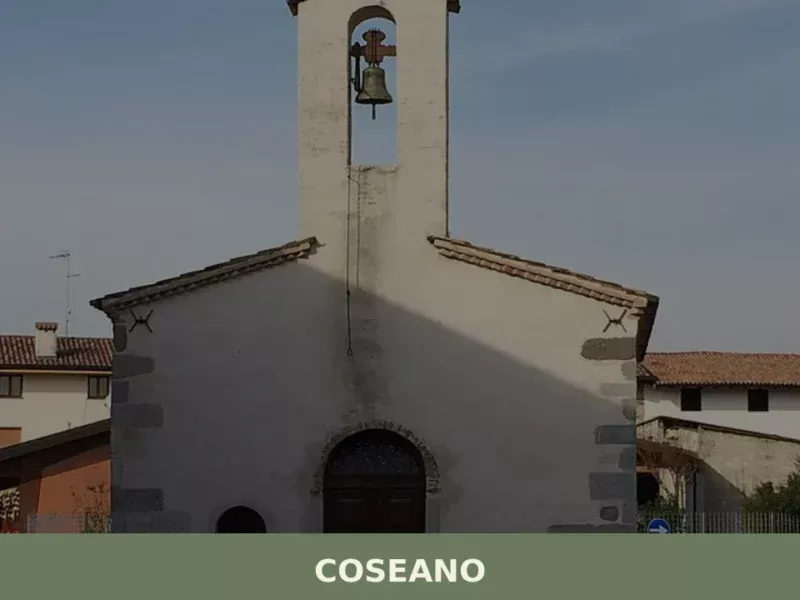
Coseano
In 1275, a document from the Patriarchate of Aquileia records the name Cosean among the communities subject to feudal jurisdiction in the Udine hill area. Seven centuries later, the municipality retains its rural layout, spread across the main settlement and the hamlets of Cisterna, Barazzetto, Muscletto and Nogaredo di Coseano, scattered over flat terrain at […]
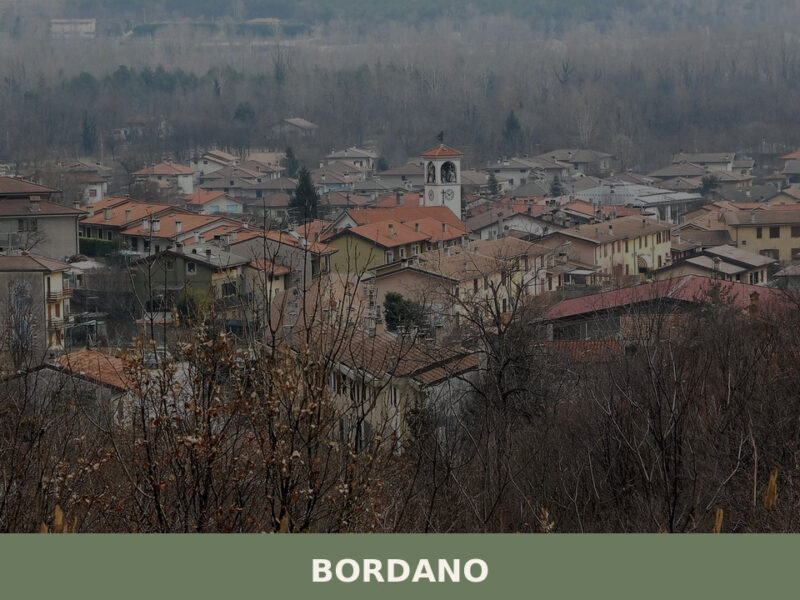
Bordano
Bordano, the Village of Butterflies in Friuli Venezia Giulia, pairs over 100 painted murals with genuine alpine biodiversity. A guide to its trails, lake, food, and art.
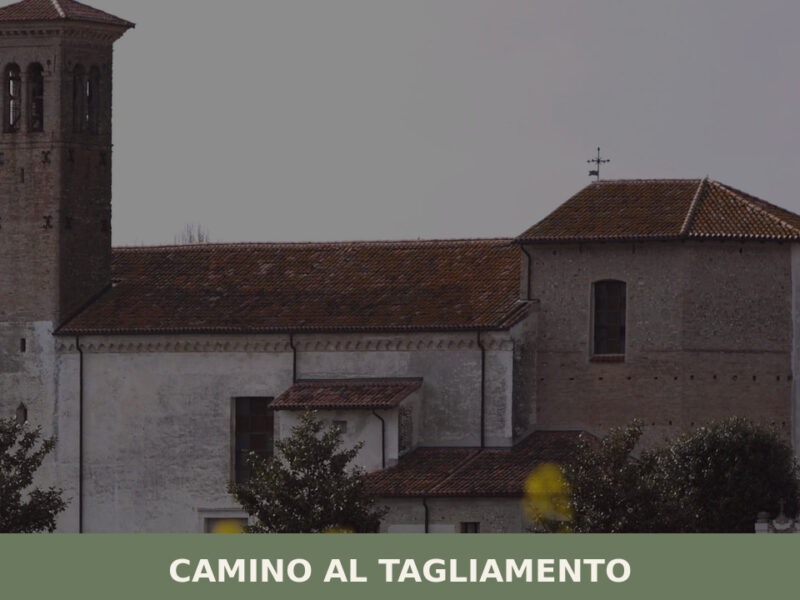
Camino al Tagliamento
A guide to Camino al Tagliamento in Friuli Venezia Giulia — its medieval parish church, the Tagliamento riverbed, rural hamlets, and Friulian food traditions.

📝 Incorrect information or updates?
Help us keep the Colloredo di Monte Albano page accurate and up to date.