


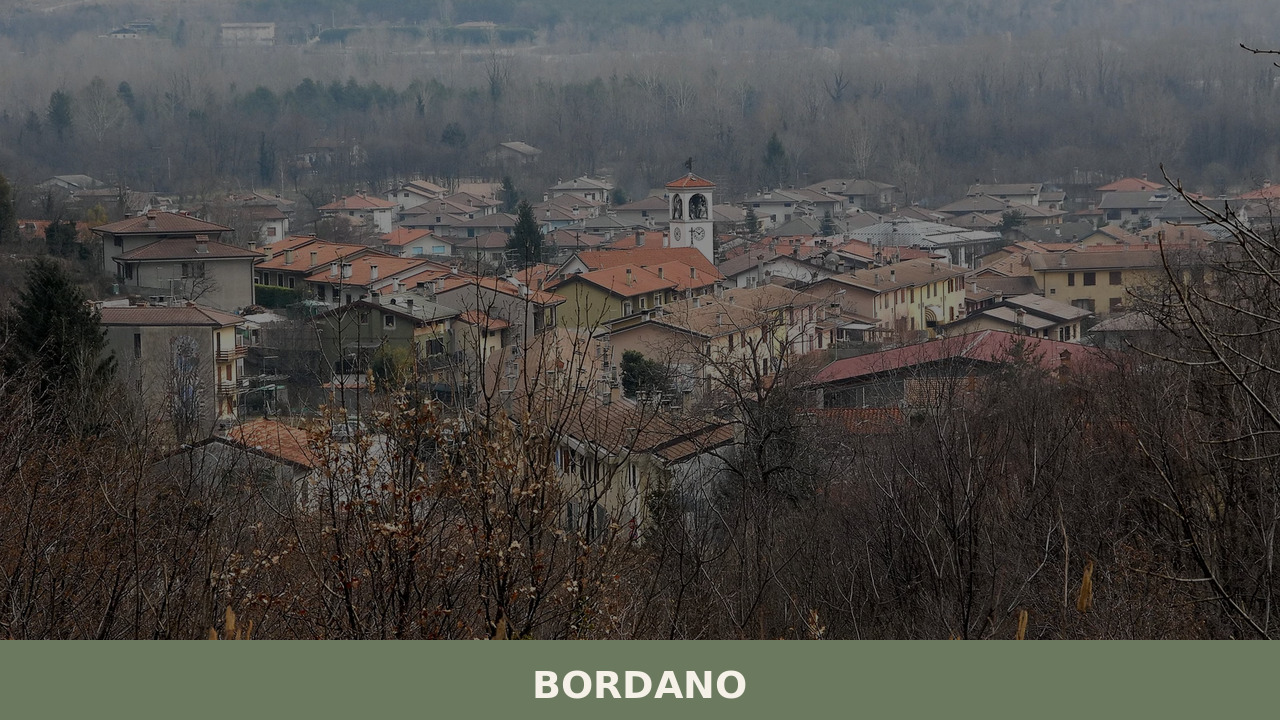
Bordano
 Hills
Hills
Bordano, the Village of Butterflies in Friuli Venezia Giulia, pairs over 100 painted murals with genuine alpine biodiversity. A guide to its trails, lake, food, and art.
Discover Bordano
Dozens of painted butterflies climb the stone walls of houses along the main road — wings of swallowtails and Apollos rendered in bright pigment against grey plaster. At 224 metres above sea level, Bordano sits at the foot of Monte San Simeone in the province of Udine, a village of 705 inhabitants that has built an identity around a single, improbable subject: Lepidoptera. Understanding what to see in Bordano begins here, at the intersection of natural science and rural art, where every facade tells an entomological story.
History of Bordano
The name Bordano likely derives from a Lombard or late-Latin root — possibly connected to “bord,” referring to a border or edge settlement along the Tagliamento river valley. The area has been inhabited since at least the early medieval period, when communities in this part of Friuli Venezia Giulia organised around small agricultural nuclei, cultivating what the thin alpine-edge soils allowed and raising livestock on the surrounding slopes. Like much of the region, Bordano passed through centuries of Patriarchal and Venetian rule before falling under Habsburg administration and eventually becoming part of unified Italy.
The village suffered severe damage during the 1976 Friuli earthquake, a 6.4-magnitude event that flattened towns across the province of Udine. Reconstruction was slow, and Bordano, like its neighbours, faced depopulation as younger residents left for larger centres. The decision in the late 1990s to transform the village into the “Paese delle Farfalle” — the Village of Butterflies — was a deliberate act of cultural reinvention. Local authorities and artists began painting large-scale butterfly murals on rebuilt walls, drawing on the genuine abundance of butterfly species found on the sunny limestone slopes of Monte San Simeone.
This was not mere decoration. The microclimate of Bordano’s south-facing hillside, combined with the diversity of wild flora, sustains an unusually rich population of butterflies — over 100 species have been documented in the surrounding area. The murals became both a celebration of this ecological fact and a strategy for survival, drawing visitors to a village that might otherwise have quietly emptied.
What to see in Bordano: 5 must-visit attractions
1. The Butterfly Murals
More than 100 large-scale paintings cover the facades of houses, barns, and public buildings throughout Bordano. Each mural depicts a butterfly species found in the local environment, painted with anatomical care — vein patterns on wings, correct antennae shapes. Walking the village amounts to an open-air field guide rendered on plaster and stone.
2. Casa delle Farfalle (Butterfly House)
This enclosed tropical garden and exhibition space houses live butterflies from around the world, flying freely among visitors in a controlled warm-humid environment. Interpretive panels explain life cycles, migration patterns, and the ecological role of pollinators. The facility also documents the native species catalogued on Monte San Simeone’s slopes, grounding the spectacle in local science.
3. Monte San Simeone
Rising to 1,505 metres directly above the village, Monte San Simeone offers marked hiking trails through beech forest, alpine meadow, and exposed karst. The mountain’s south-facing lower slopes create the warm microclimate responsible for Bordano’s butterfly diversity. From the summit ridge, the view extends across the Tagliamento river plain to the Julian Alps and Carnic Alps.
4. Church of Sant’Andrea
The parish church of Sant’Andrea, rebuilt after the 1976 earthquake, stands in the centre of the village. Its simple stone exterior is characteristic of Friulian ecclesiastical architecture. Inside, elements salvaged from the original structure were incorporated into the reconstruction — a common practice across the earthquake zone that preserved continuity with the pre-disaster community.
5. Lago di Cavazzo (Lake Cavazzo)
Just minutes from Bordano, Lago di Cavazzo — also known as Lago dei Tre Comuni — is the largest natural lake in Friuli Venezia Giulia. Its clear, cold waters sit in a glacial basin surrounded by forested hills. The lake is used for swimming, kayaking, and fishing, and its shoreline paths connect to wider trail networks in the Tagliamento valley.
What to see in Bordano: local food and typical products
The cuisine around Bordano reflects the broader Carnic and Friulian alpine tradition — hearty, resourced from what the mountains provide. Frico, a dish of melted cheese often mixed with potatoes, is a regional staple found in local trattorias. Cjarsòns, half-moon pasta filled with a sweet-savoury mixture of herbs, smoked ricotta, chocolate, and cinnamon, then dressed with melted butter and aged ricotta, represent the Carnic valleys’ most distinctive contribution to Italian gastronomy. Polenta — made from locally milled cornmeal — accompanies nearly everything, from wild game stews to grilled sausages of pork and fennel.
The province of Udine produces Montasio DOP, a semi-hard cow’s milk cheese aged in the mountain dairies of the region. Honey from the wildflower meadows of Monte San Simeone also appears at local markets, its flavour profile shaped by the same botanical diversity that supports the butterfly population. Small agriturismi in the surrounding area serve these products in settings where the kitchen garden is visible from the table.
Best time to visit Bordano
Late spring through early autumn — May to September — is the optimal window. Butterfly activity peaks between June and August, when the meadows above the village are in full bloom and the greatest number of species can be observed in the wild. The Casa delle Farfalle typically operates on a seasonal schedule, with extended hours during summer months. The annual “Festa delle Farfalle,” usually held in June, brings guided nature walks, entomological workshops, and evening events to the village.
Winters are quiet and cold, with Monte San Simeone collecting snow on its upper reaches. The murals remain visible year-round, but the village largely turns inward. For hikers, September and October offer clear skies, cooler temperatures on the trails, and the beech forests above Bordano shifting into copper and amber. Lago di Cavazzo is swimmable from late June through August, when water temperatures become tolerable.
How to get to Bordano
Bordano sits along the SS512 road in the Tagliamento valley, accessible from the A23 motorway (Alpe-Adria) — exit at Gemona del Friuli or Carnia, then follow local roads south or north respectively. The drive from Udine is approximately 35 kilometres, taking around 35-40 minutes. From Trieste, the distance is roughly 120 kilometres via the A4 and A23 motorways.
The nearest train station is Gemona del Friuli-Osoppo, served by regional trains on the Udine–Tarvisio line. From the station, Bordano is about 10 kilometres by road — a taxi or local bus connection is needed. The closest international airport is Trieste–Friuli Venezia Giulia Airport (Ronchi dei Legionari), approximately 100 kilometres to the south. Venice Marco Polo Airport, at roughly 170 kilometres, offers wider flight connections across Europe and beyond.
More villages to discover in Friuli Venezia Giulia
The mountains and valleys surrounding Bordano hold a network of small communities, each shaped by the same geological forces and historical currents. Deeper into the Carnic Alps, Ampezzo occupies the upper Tagliamento valley, where the river narrows between forested ridges. It is a starting point for hikes into the Carnic range and shares with Bordano the post-earthquake resilience that defines so many Friulian settlements.
To the southeast, closer to the morainic hills of central Friuli, Attimis preserves the ruins of two medieval castles — Superiore and Inferiore — that once controlled the approach to the mountains from the Udine plain. Together, these villages illustrate the range of what this region holds: from the alpine verticality of Ampezzo to the feudal stonework of Attimis, and in Bordano, a village that chose to paint its walls with the wings of insects and, in doing so, refused to disappear.
Frequently asked questions about Bordano
What is the best time to visit Bordano?
The optimal period is late spring through early autumn, particularly June to August, when butterfly activity peaks on Monte San Simeone's slopes and the Casa delle Farfalle operates with extended summer hours. The annual Festa delle Farfalle, typically held in June, offers guided nature walks and entomological workshops. September and October suit hikers, with cooler trails and golden beech forests. The village patron sant'Antonio Abate is celebrated on 17 January — a quieter, more local occasion in the heart of winter, when the mountain collects snow and the village turns inward.
What are the historical origins of Bordano?
The name Bordano likely derives from a Lombard or late-Latin root related to a border settlement along the Tagliamento valley. The area has been inhabited since the early medieval period, passing through Patriarchal, Venetian, and Habsburg rule before joining unified Italy. The 1976 Friuli earthquake, measuring 6.4 magnitude, caused severe damage and triggered depopulation. In the late 1990s, Bordano reinvented itself as the Village of Butterflies — commissioning large-scale murals that turned ecological richness into a cultural identity and a strategy to attract visitors.
What to see in Bordano? Main monuments and landmarks
The butterfly murals are the defining attraction: over 100 large-scale paintings of Lepidoptera species cover house facades throughout the village, forming an open-air field guide. The Casa delle Farfalle is an enclosed tropical butterfly house with live species flying freely among visitors, complemented by interpretive exhibits on native species. The Church of Sant'Andrea, rebuilt after 1976 with salvaged original elements, stands at the village centre. Nearby Lago di Cavazzo — Friuli Venezia Giulia's largest natural lake — offers swimming and kayaking just minutes away.
What are the main natural or scenic attractions of Bordano?
Monte San Simeone rises to 1,505 metres directly above the village, offering marked hiking trails through beech forest, alpine meadow, and exposed karst. Its south-facing lower slopes create the warm microclimate that sustains over 100 documented butterfly species — the ecological foundation of Bordano's identity. The summit ridge delivers panoramic views across the Tagliamento plain to the Julian and Carnic Alps. Lago di Cavazzo, a glacial lake a few minutes from Bordano, provides a natural complement with forested shoreline paths connecting to wider Tagliamento valley trail networks.
Where to take the best photos in Bordano?
The main road through the village offers the most concentrated sequence of butterfly murals, where swallowtails and Apollo butterflies painted in vivid pigment cover stone and plaster walls — ideal for close-up and wide-angle shots alike. The summit ridge of Monte San Simeone provides sweeping landscape photography across the Tagliamento plain toward the Julian and Carnic Alps. In June and July, the wildflower meadows on the mountain's lower slopes are alive with real butterflies, offering rare opportunities for natural macro photography against the painted village backdrop below.
Are there museums, churches or historic buildings to visit in Bordano?
The Casa delle Farfalle functions as both a live butterfly garden and a structured exhibition space, with interpretive panels covering life cycles, migration, and the native Lepidoptera of Monte San Simeone — the closest thing to a natural history museum the village offers. The Church of Sant'Andrea, rebuilt after the 1976 earthquake using salvaged original elements, represents the village's ecclesiastical heritage and the broader Friulian practice of preserving community continuity through reconstruction. The facility operates seasonally; visiting between May and September ensures the best access.
What can you do in Bordano? Activities and experiences
Hiking Monte San Simeone on marked trails is the primary outdoor activity, ranging from gentle lower-slope walks through butterfly-rich meadows to a full ascent through beech forest to the 1,505-metre summit. The Casa delle Farfalle offers an immersive indoor experience with free-flying tropical butterflies. Lago di Cavazzo, minutes away, is suitable for swimming from late June through August, plus kayaking and fishing year-round. During the Festa delle Farfalle in June, guided entomological walks and workshops provide structured nature experiences. Local agriturismi offer farm-to-table dining with regional Friulian specialties.
Who is Bordano suitable for? Families, couples, hikers, solo travelers?
Bordano suits families particularly well: the butterfly murals captivate children and the Casa delle Farfalle provides an educational, visually spectacular experience accessible to all ages. Nature enthusiasts and hikers will value Monte San Simeone's trails and the documented richness of local Lepidoptera — over 100 species in the surrounding area. Couples looking for an off-the-beaten-path destination will find the village quietly distinctive. Lago di Cavazzo nearby adds a leisure dimension that broadens the appeal. The village is less suited to those seeking nightlife or urban amenities; its rewards are ecological, artistic, and slow.
What to eat in Bordano? Local products and specialties
The surrounding Friulian alpine tradition shapes the local table. Frico — melted Montasio DOP cheese often combined with potatoes — is the regional staple. Cjarsòns, the distinctive Carnic valley pasta filled with herbs, smoked ricotta, chocolate, and cinnamon then dressed with butter and aged ricotta, represents one of Italy's most unusual pasta traditions. Polenta accompanies wild game stews and fennel pork sausages. Montasio DOP, a semi-hard cow's milk cheese aged in mountain dairies, is produced across the province of Udine. Wildflower honey from Monte San Simeone's botanically diverse meadows appears at local markets.
Nearby Villages near Bordano
In Friuli-Venezia Giulia More villages to discover
Andreis
 Mountain
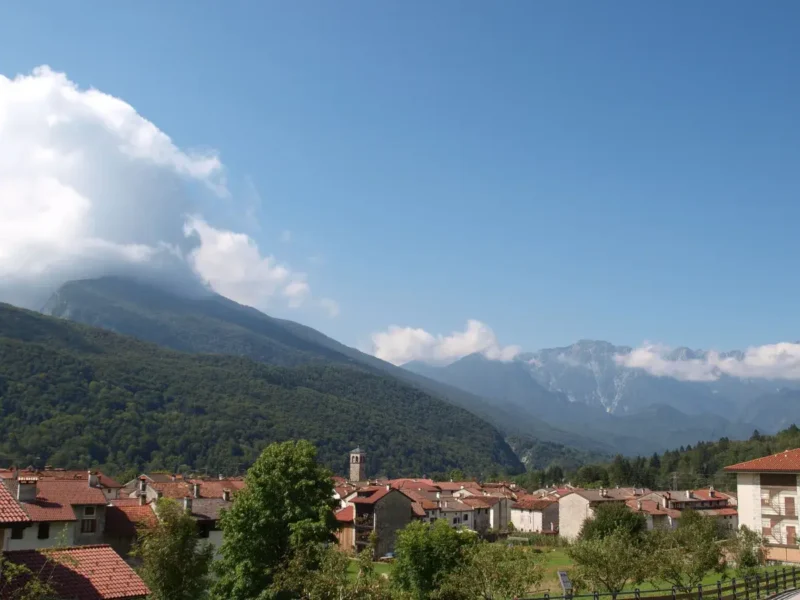
What to see in Andreis, a village of 242 residents in the Friulian Dolomites Park: attractions, local food, how to get there and when to visit.
Bicinicco
 Plains
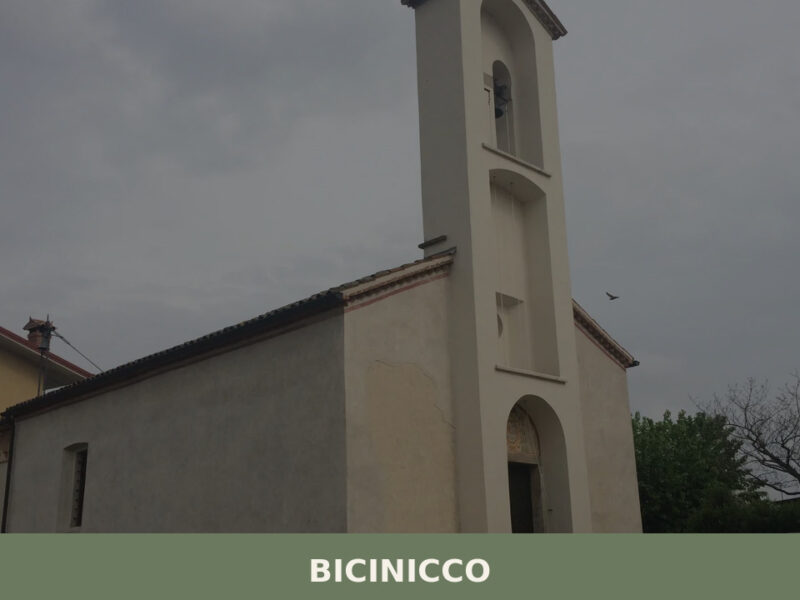
A commune of 1,801 inhabitants on the Friulian plain south of Udine. Discover the churches, hamlets, and agricultural landscape of Bicinicco.
Cavasso Nuovo
Hills
What to see in Cavasso Nuovo, Italy? Explore this Friuli-Venezia Giulia village at 280 m (919 ft) altitude. Discover its 15th-century church and the birthplace of Louis Francescon.
Camino al Tagliamento
Plains
A guide to Camino al Tagliamento in Friuli Venezia Giulia — its medieval parish church, the Tagliamento riverbed, rural hamlets, and Friulian food traditions.
Arba
Plains
What to see in Arba: Explore Italy's Arba, a village at 210 meters altitude. Discover its historic church and vibrant patron saint festival on September 29. Read more.
Cercivento
Mountain
Discover what to see in Cercivento: a 635-soul village in the Carnic Alps of Friuli Venezia Giulia, with historic churches, mosaics, and alpine trails.
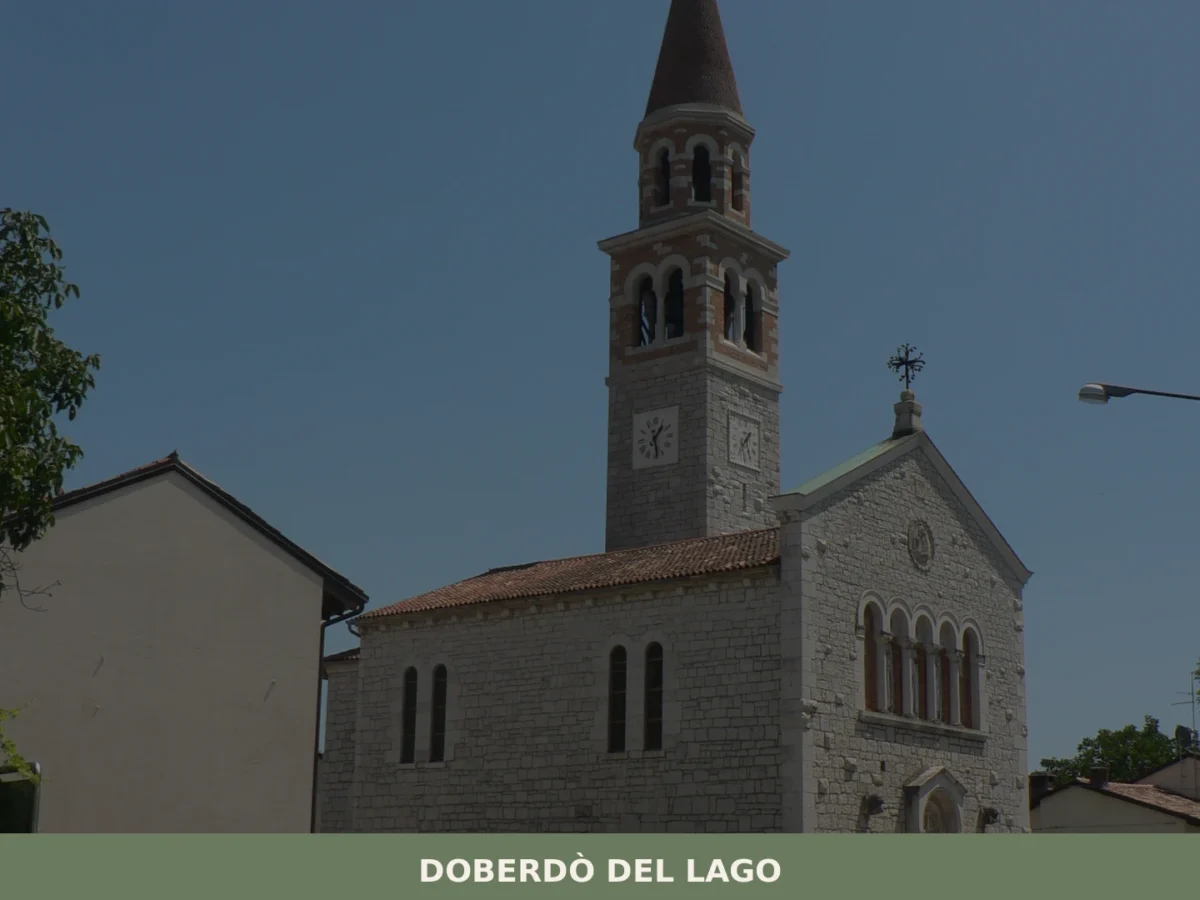
Doberdò del Lago
Plains
What to see in Doberdò del Lago, Italy, a village with 1,340 inhabitants. Discover the unique Karst Plateau and explore significant WWI sites. Plan your visit to Friuli-Venezia Giulia.
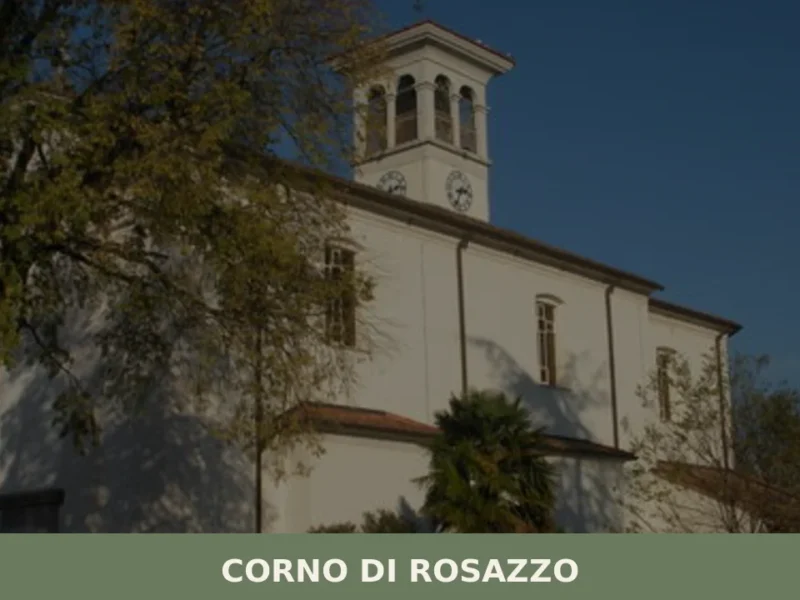
Corno di Rosazzo
Plains
In 1070, a deed of donation by the Patriarch of Aquileia mentioned the name Corno di Rosazzo for the first time, linking it to a parish church and a territory already organized around viticulture and cereal farming. Today that territory extends over just twenty square kilometres across the Colli Orientali del Friuli, at 88 metres […]
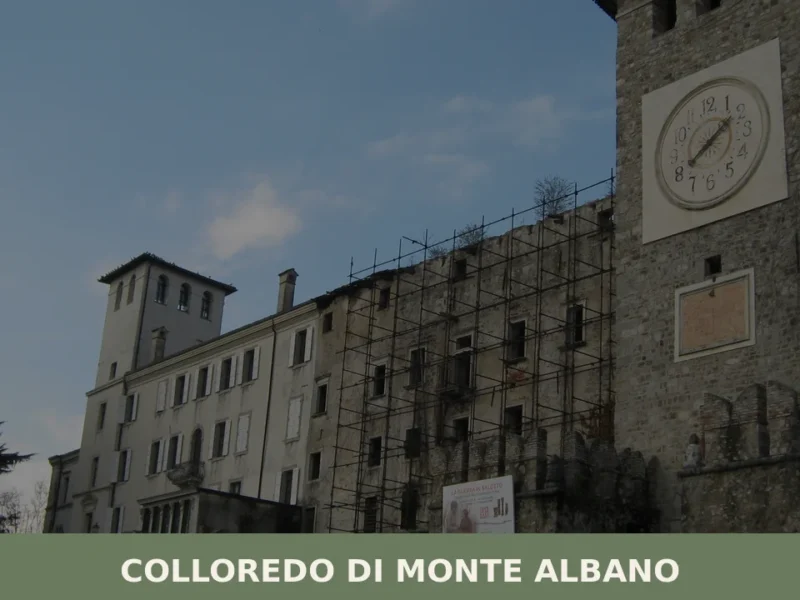
Colloredo di Monte Albano
Hills
The earthquake of 6 May 1976 split the history of Colloredo di Monte Albano in two: before and after. The castle of the Counts of Colloredo, one of the most imposing noble residences in Friuli, largely collapsed that evening, and with it shattered an architectural heritage built over seven centuries. Today, after decades of restoration, […]
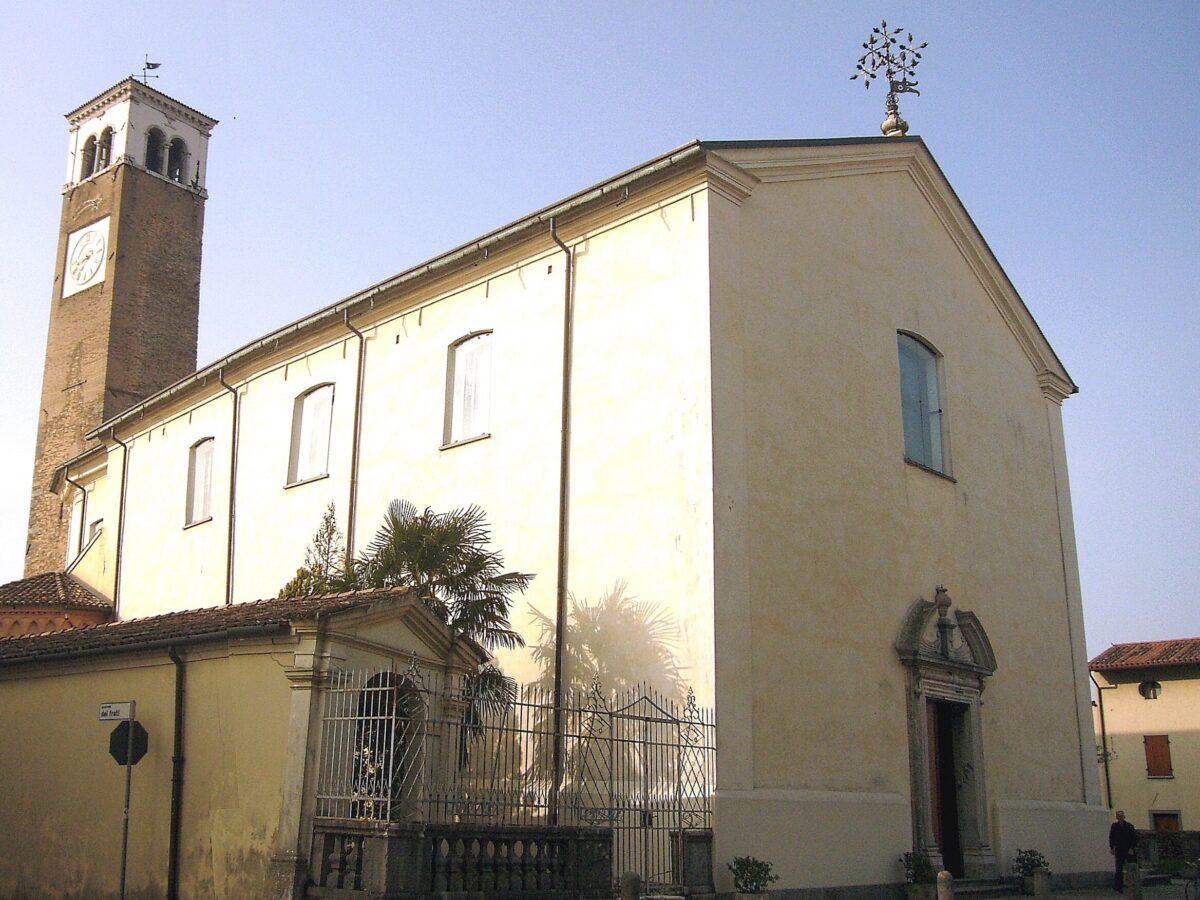
Bertiolo
Plains
The earliest documented mention of the name Bertiolo dates back to 1219, in a notarial deed linked to the properties of the Patriarchate of Aquileia. Arriving today along the road that leads south from Codroipo, visitors encounter a compact urban centre laid out along a grid of orderly streets, surrounded by fields of maize and […]
🏡 Know Bordano better than we do?
If you’re a local or have been there, your knowledge matters: add what’s missing or fix a detail on this page.