


Albizzate
 Hills
Hills
Explore the picturesque village of Albizzate, nestled in the heart of Lombardia, Italy. Learn about its unique culture, attractions, and local life.
Discover Albizzate
Albizzate, a municipality in the province of Varese, has a population of 5,349 inhabitants and stands at 334 meters above sea level. Its territory, characterized by a hilly profile, extends into an area of the Varesotto that preserves traces of ancient settlements. For those wondering what to see in albizzate, the village features a historical core that allows for an understanding of past stratifications, from probable Roman origins to the stately architecture that defined the landscape in subsequent centuries, maintaining a connection with the agricultural vocation of the surrounding territory.
History and Origins of Albizzate
The name Albizzate, according to some interpretations, would derive from Albitias, a Roman family who owned land in this area. This hypothesis connects the village to a period of agrarian and road organization of the Roman Empire, a common element in many settlements of western Lombardy. The first written documents mentioning Albizzate date back to the medieval era, when the territory was part of the Contado del Seprio, a vast administrative district that held a strategic role in the defensive and feudal system of northern Italy.
During the Middle Ages, Albizzate was subject to disputes among various noble families and became a fief controlled by local powers that often alternated. Its position, on a modest elevation, made it an observation and control point over the surrounding territory, although it was never fortified with imposing walls like other larger centers. The Pieve di Gallarate, of which Albizzate was a part, contributed to defining the ecclesiastical and social organization of the village, with the construction of religious buildings that still represent focal points of the community today.
The influence of noble families like the Visconti and the Castelbarco left a tangible mark on Albizzate’s urban fabric, particularly through the construction of stately residences that bear witness to a period of relative prosperity and the rise of a landowning class. These architectural elements, together with the structure of the inhabited center, offer an interpretation of the village that evolved from its medieval rural context to the transformations of the modern age.
What to see in Albizzate: 5 Must-See Attractions
For those wishing to discover what to see in albizzate, the village offers several points of interest that recount its historical and cultural evolution. Here are five places that deserve attention:
1. Parish Church of Sant’Alessandro
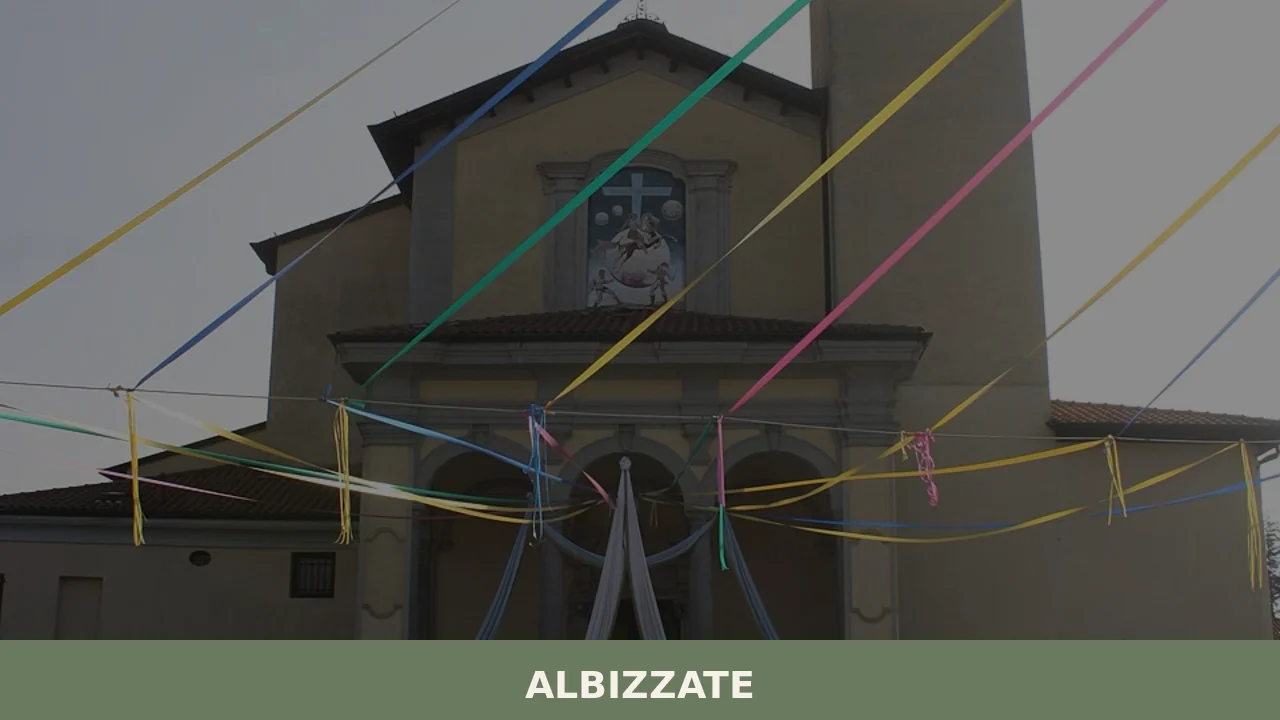
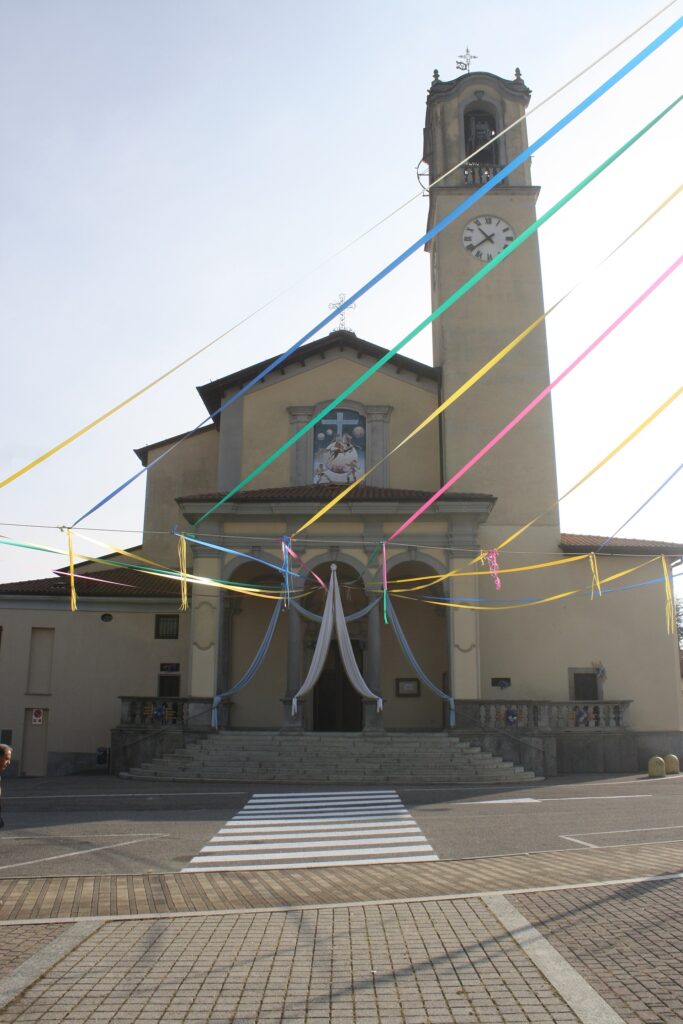
Dedicated to its patron saint, Alexander of Bergamo, the parish church is the main religious building in Albizzate. Its current structure is the result of reconstructions and enlargements that occurred over the centuries. Inside, the environment is characterized by decorative elements that reflect styles from different eras, with altars and paintings that constitute a significant artistic heritage for the local community. The facade features architectural lines that fit into the Varese stylistic context.
2. Villa Visconti
Villa Visconti is a stately complex that overlooks a portion of the historical center. Built in different eras, the residence is an example of Lombard noble architecture. Its layout, with building sections arranged around internal courtyards, reveals the transformations it underwent over time. The villa represents a reference point for the history of the village, linked to the families who owned it and contributed to shaping its appearance.
3. Oratory of San Giovanni Battista
Adjacent to or an integral part of the Villa Visconti complex, the Oratory of San Giovanni Battista is a small place of worship that features architectural elements older than the parish church. Often these private oratories were intended for the worship of noble families and their dependents. Its presence indicates the historical and religious stratification of the village, preserving construction details that may date back to remote periods.
4. The Historical Core of the Village
Walking through the streets of Albizzate’s historical center, one can observe buildings that retain the layout of rural houses and Lombard courtyards. The arrangement of dwellings, with passages and internal courtyards, reflects the social and agricultural organization of the past. Some stone portals and the facades of the oldest buildings offer a testimony to daily life and traditional construction techniques that characterized the village for centuries.
5. Municipal Park
Albizzate’s Municipal Park offers a green space for recreation and contact with nature. Equipped with facilities, the park is a gathering point for residents and a place where one can observe local flora and enjoy moments of tranquility. Its presence helps balance the built environment of the village with areas dedicated to public greenery, providing a context for outdoor activities.
Typical Cuisine and Local Products
Albizzate’s cuisine is part of the gastronomic tradition of the province of Varese and Lombardy, characterized by robust dishes and distinct flavors, often linked to agricultural and livestock products. Among the typical preparations of the Varesotto, Bruscitti stands out, a stew of finely minced meat, usually beef, slow-cooked with red wine and aromatics, traditionally served with polenta. Another classic is risotto, often prepared with luganega sausage or porcini mushrooms, ingredients common in the area.
Regarding local products, the Varese territory boasts several excellences. Among cheeses, Formaggella del Luinese DOP is a soft or semi-hard cheese, made from goat’s milk. Varese Honey DOP, particularly acacia, lime, and chestnut varieties, is renowned for its organoleptic properties. In the surrounding countryside, Cantello Asparagus IGP are also cultivated, appreciated for their delicate flavor. Village festivals, such as those related to the patron saint’s day, can offer an opportunity to taste these specialties in a convivial setting.
When to Visit Albizzate: The Best Time
The best time to visit Albizzate is spring or early autumn. During these months, the climate is mild and allows for exploring the village and its surroundings without the intense summer heat or winter cold. The Patron Saint’s Festival of Sant’Alessandro di Bergamo, celebrated on August 26, represents a significant moment for the community, with events and manifestations that enliven the town, offering an opportunity to experience local traditions. Summer, although warmer, allows for enjoying outdoor evenings and cultural initiatives often organized during this period. For detailed information on events, it is advisable to consult the official website of the Municipality of Albizzate.
How to Get to Albizzate
Albizzate is well-connected and easily accessible. By car, one can take the A8 motorway (Milan-Varese), exiting at Gallarate and then continuing on ordinary roads for a few kilometers in a north-westerly direction. For those traveling by train, the nearest railway station is Gallarate, which is an important railway hub and offers connections to Milan and Varese. From Gallarate, it is possible to reach Albizzate by local buses or taxi. The nearest airport is Milan Malpensa (MXP), located about 15 kilometers away, which offers national and international connections.
Other Villages to Discover in Lombardy
The province of Varese and Lombardy in general offer a wide range of villages, each with its own historical and landscape characteristics. In the vicinity of Albizzate, it is possible to explore other locations that merit a visit to complete the experience of the Varese territory. For example, the village of Agra, overlooking Lake Maggiore, presents a different landscape context, with lake views and a more mountainous atmosphere, while still retaining elements of historical-architectural interest.
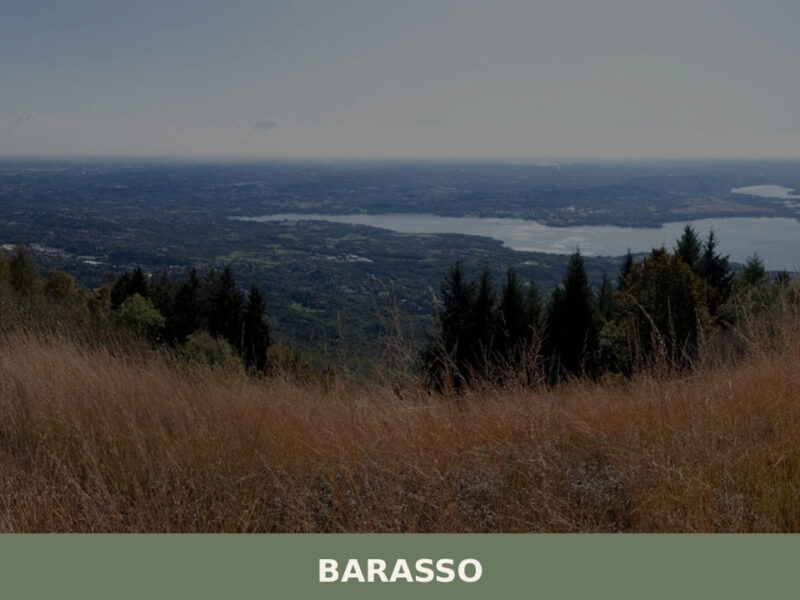
Another interesting destination is Barasso, also located in the province of Varese, which stands out for its hilly position and the presence of historical buildings that reflect typical Lombard rural architecture. Both villages offer different perspectives on Lombardy’s cultural and natural heritage, inviting visitors to exploration routes that extend beyond the boundaries of a single municipality. For further information on Lombard villages, one can consult sources like Wikipedia Italy or the Italian Touring Club.
Frequently asked questions about Albizzate
What is the best time to visit Albizzate?
Spring (April–May) and early autumn (September–October) offer the most pleasant conditions, with mild temperatures ideal for exploring the historical center and surrounding hilly countryside. The most lively community moment is the Patron Saint's Festival of Sant'Alessandro di Bergamo, celebrated on August 26, when local events and traditions animate the village. Summer evenings also bring cultural initiatives. Winter is quieter and less recommended for outdoor exploration, though the village retains its everyday charm year-round.
What to see in Albizzate? Main monuments and landmarks
The main points of interest include the Parish Church of Sant'Alessandro, dedicated to the village patron, featuring altars and paintings of artistic value; Villa Visconti, a Lombard noble residence with internal courtyards reflecting centuries of architectural transformation; and the Oratory of San Giovanni Battista, a small historic place of worship connected to the villa complex. The historical center itself, with its stone portals and traditional Lombard courtyards, rewards a leisurely walk. The Municipal Park offers a green complement to the built heritage.
Who is Albizzate suitable for? Families, couples, hikers, solo travelers?
Albizzate suits visitors who appreciate quiet, authentic Lombard village life away from mass tourism. Couples and solo travelers interested in history and architecture will find the historical core and noble residences rewarding. Families benefit from the Municipal Park and the relaxed, safe environment. Its hilly setting and proximity to Gallarate and Milan Malpensa airport also make it a convenient base for exploring the wider Varese province. It is not a destination for nightlife or beach tourism, but ideal for slow, cultural travel.
What are the historical origins of Albizzate?
The name Albizzate is believed to derive from Albitias, a Roman landowning family, suggesting ancient agrarian roots during the Roman imperial period. The first written records date to the medieval era, when the village was part of the Contado del Seprio and fell under the Pieve di Gallarate's ecclesiastical jurisdiction. Over the centuries it passed through various feudal lords, with the Visconti and Castelbarco families leaving notable architectural traces. This layered history, from Roman origins through medieval feudalism to early modern noble residences, defines Albizzate's heritage.
Are there museums, churches or historic buildings to visit in Albizzate?
Albizzate's most significant historic buildings are the Parish Church of Sant'Alessandro, the main religious landmark featuring multi-era decorative elements and artworks, and Villa Visconti, a stately Lombard residence overlooking the historical center. The Oratory of San Giovanni Battista, integrated into the villa complex, preserves older architectural details and reflects the private devotional traditions of noble families. For current opening hours and access conditions, it is advisable to contact the Municipality of Albizzate or the local parish directly, as no standardized public visiting schedule is widely published.
What to eat in Albizzate? Local products and specialties
Albizzate shares the gastronomic traditions of the province of Varese. Key regional specialties include Bruscitti, a slow-cooked minced beef stew with red wine and aromatics traditionally served with polenta, and risotto prepared with luganega sausage or porcini mushrooms. Certified local products from the broader Varese area include Formaggella del Luinese DOP (a goat's milk cheese), Varese Honey DOP in acacia, lime, and chestnut varieties, and Cantello Asparagus IGP. The Patron Saint's Festival on August 26 can be a good opportunity to sample these specialties in a festive setting.
📷 Photo Gallery — Albizzate
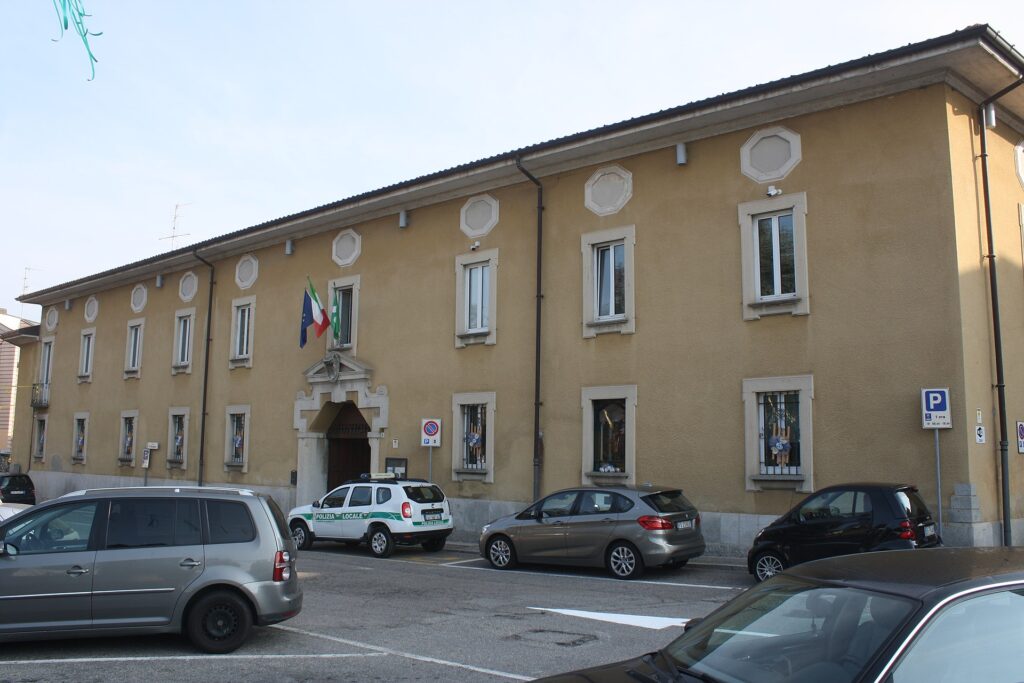
Nearby Villages near Albizzate
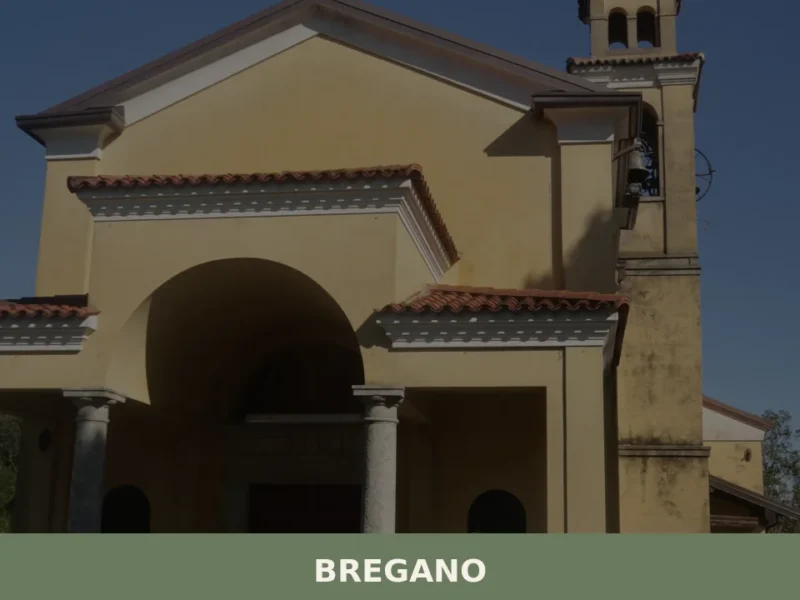
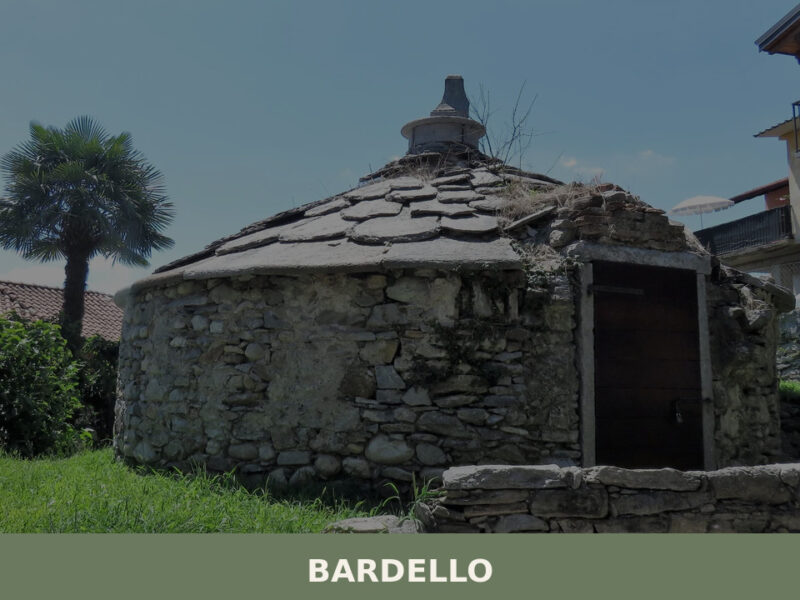
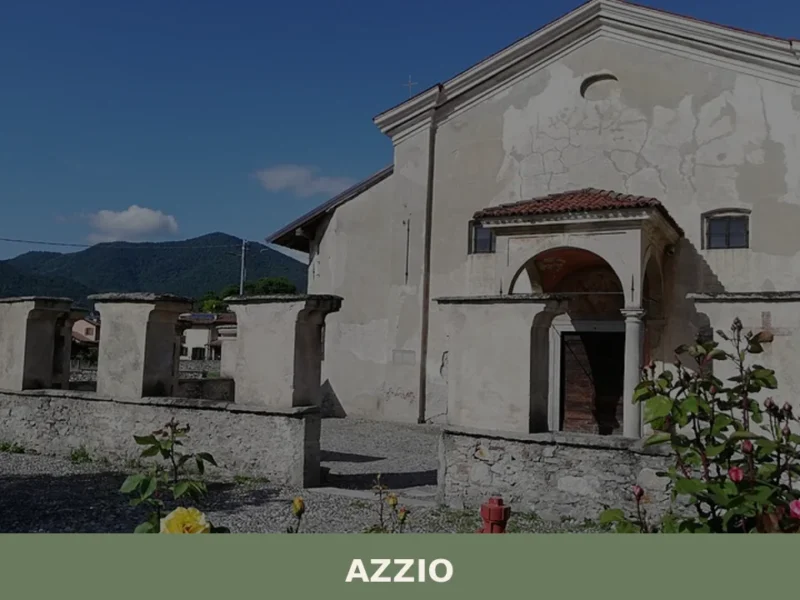
In Lombardy More villages to discover
Bergamo
Hills
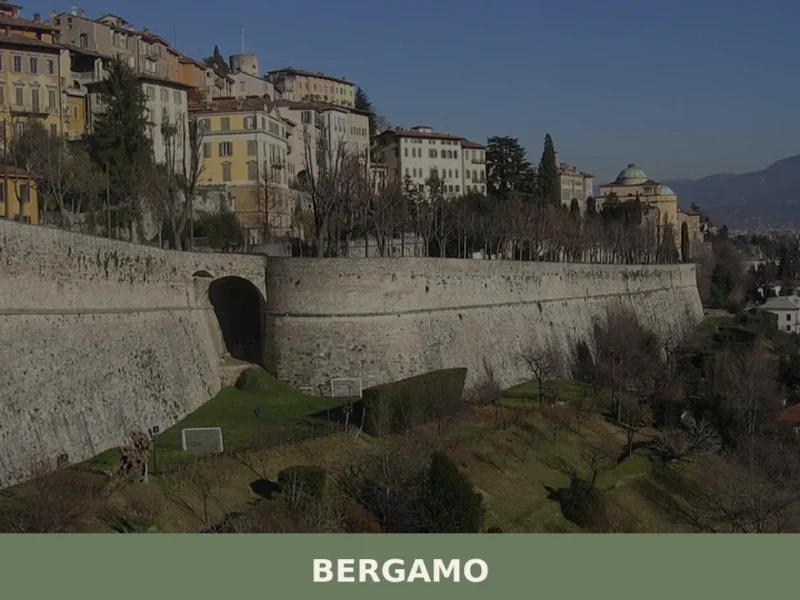
What to see in Bergamo? With 119,534 inhabitants, the city is famous for its Venetian Walls and Piazza Vecchia. Discover its rich history and typical dishes.

Dalmine
 Plains
7 historic hamlets merged into one municipality. Dalmine offers Roman foundations, a fascist-era urban plan and remarkable World War II air-raid shelters.
Angera
Hills
 Lake
Lake
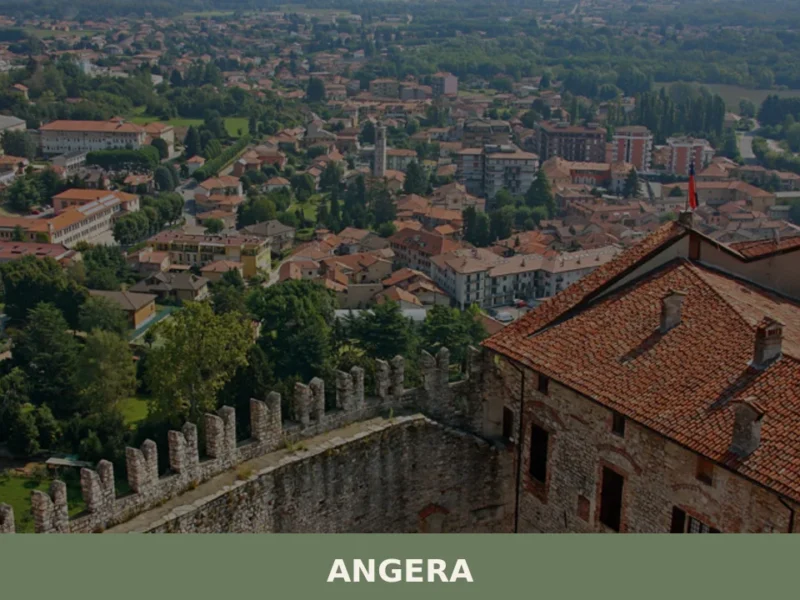
What to see in Angera: 5 must-see attractions. Discover the Borromea Fortress and the Doll Museum. Book your trip today!
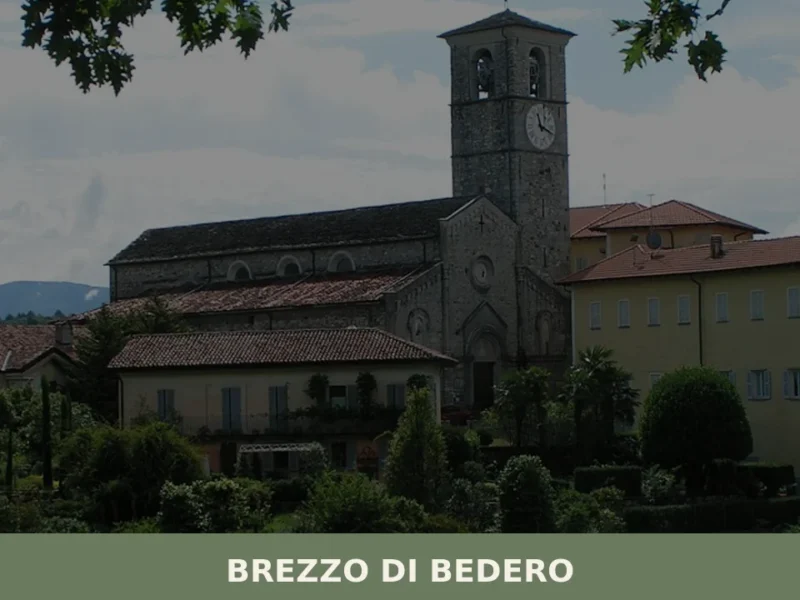
Brezzo di Bedero
Hills
Lake
What to see in Brezzo di Bedero: Explore Collegiata di San Vittore and the lakeside Hermitage. This village, home to 1,200 residents, offers rich history. Discover more!

Paderno Dugnano
Plains
A metropolitan comune of nearly 48,000 residents formed from five historic settlements. Medieval chapels, noble villas and the Seveso river define its rhythm.
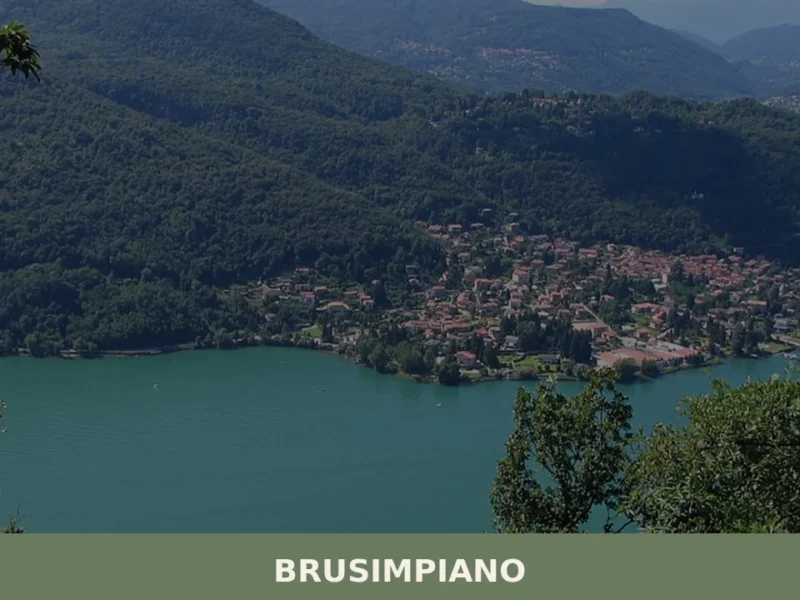
Brusimpiano
Hills
Lake
What to see in Brusimpiano: 1,229 inhabitants, 289m above Lake Lugano. Discover the Church of the Nativity, lakeside promenade and nature trails. Plan your visit now.
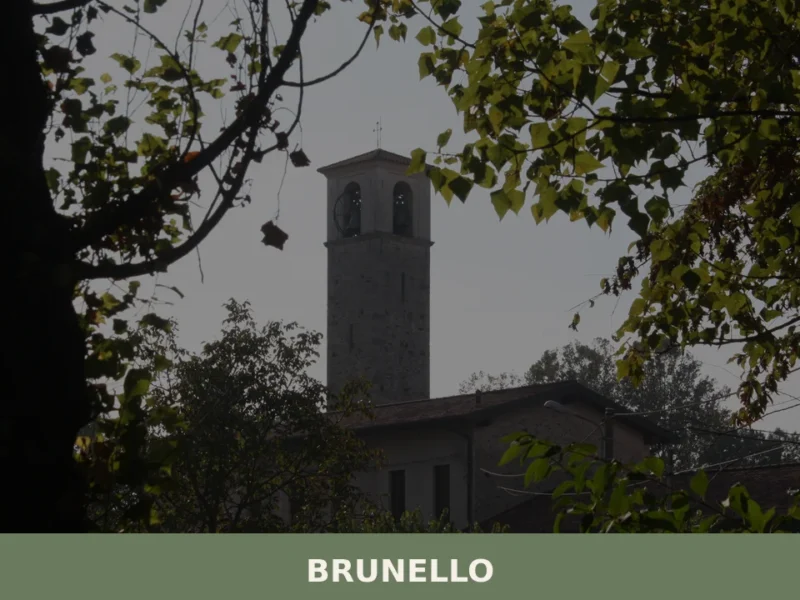
Brunello
Hills
What to see in Brunello, a village of 1,022 people in the province of Varese. Visit the Parish Church of San Giorgio, the Civic Tower and the Roggia Mulinara Trail. Plan your visit now.
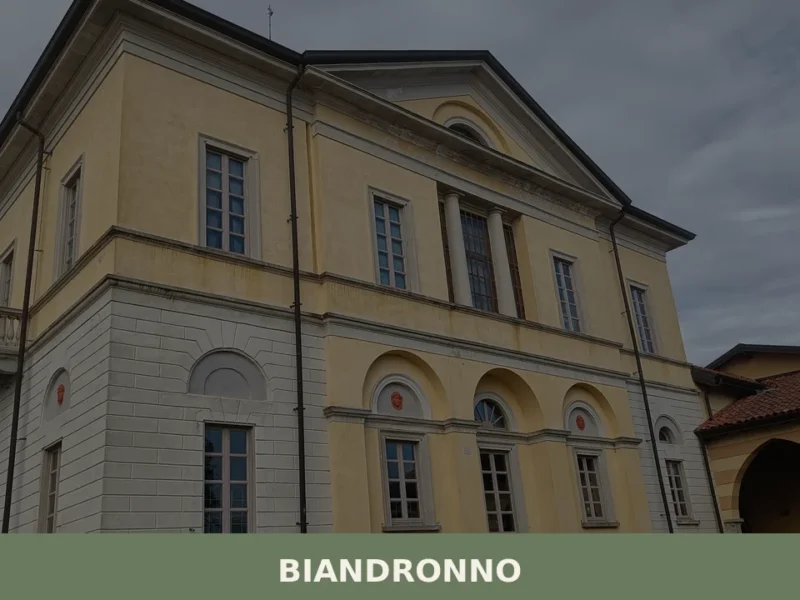
Biandronno
Hills
Lake
At 262 m a.s.l., Biandronno extends across the gentle hills that characterize the province of Varese, offering a panorama that opens onto the surrounding reliefs and the plain. The village, with its population of 3,162 inhabitants, maintains a discreet atmosphere, typical of smaller Lombard centers where life flows at rhythms tied to the territory. In […]
Barasso
Hills
Morning light filters through chestnut canopies along Via Roma, casting long shadows across stone walls that have absorbed centuries of Lombard weather. A church bell marks the hour — unhurried, familiar, absorbed by the surrounding green hills above Varese. Barasso, home to roughly 1,710 inhabitants, occupies a quiet slope in the Varesotto prealpine belt, a […]
Besano
Hills
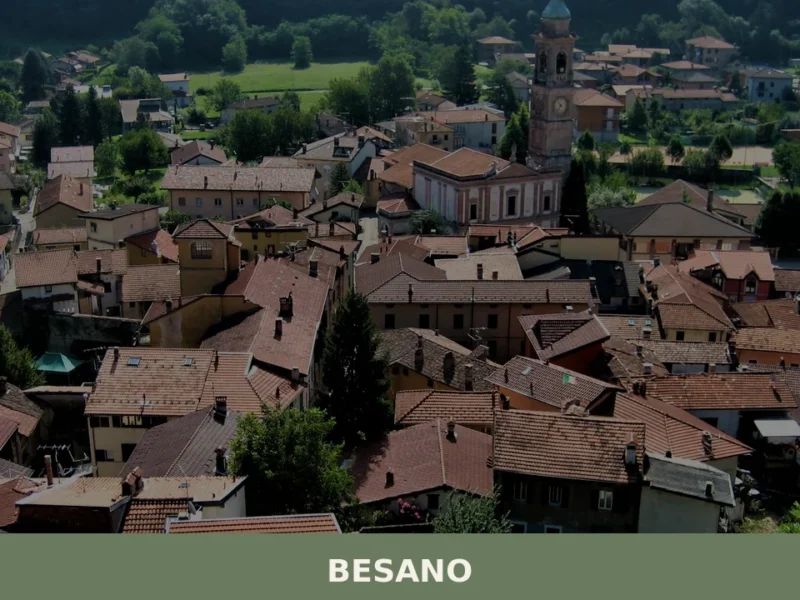
What to see in Besano, Italy: Explore the paleontological site and discover village life at 350 m (1,148 ft) a.s.l. Read our guide to Lombardy's unique corners.





🏡 Know Albizzate better than we do?
If you’re a local or have been there, your knowledge matters: add what’s missing or fix a detail on this page.